REVIEW · FEZ
3-Day Luxury/Budget Desert Tour to Marrakech via Merouga from Fez
Book on Viator →Operated by 3t Travel · Bookable on Viator
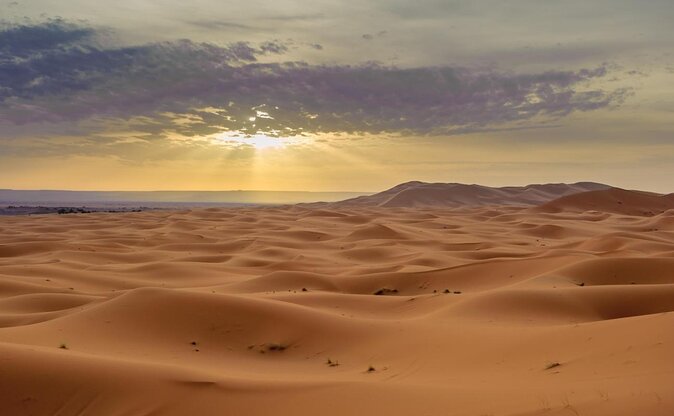
That first glimpse of Merzouga dunes makes the drive worth it. This 3-day Fez-to-Marrakech desert trip turns a long haul through Morocco’s Atlas Mountains into a proper adventure, with two overnights (a Berber-style tent night plus a hotel night) and big-ticket stops like Ait Benhaddou.
I love that it’s truly door-to-door: you start at your place in Fez and finish in Marrakech. I also like that the vehicle is air-conditioned, which matters when you’re crossing the mountains all day.
One thing to consider: the “luxury/budget” label can be misleading. The included camp experience ranges from charming and memorable to plain and cold, depending on season and the specific camp setup.
In This Review
- Key things to know before you go
- The Big Idea: turning a Fez-to-Marrakech transfer into Sahara time
- Pickup in Fez and drop-off in Marrakech: what comfort really means
- Day 1: Azrou Cedar Forest, Ifrane’s Swiss-style pause, then Merzouga sunset dunes
- The camel ride and the sunset effect
- Berber camp night: what to expect from tent comfort and cold weather
- Day 2: Rissani market for color, then Todra Gorge with locals
- Day 3: Ouarzazate Kasbah Taourirt and Atlas Studio, then Ait Benhaddou and Tizi n Tichka to Marrakech
- Food, timing, and packing tips that make this trip better
- Price and value: is $160 per person a smart buy?
- Who this tour suits best (and who should skip it)
- Should you book this Fez-to-Marrakech desert tour?
- FAQ
- How long is the tour?
- What does the tour cost?
- Is pickup available in Fez and drop-off available in Marrakech?
- Are meals included?
- Do you get camel riding and sandboarding?
- What are the main places you visit?
- Where do you sleep during the trip?
- How big is the group?
- What happens if conditions are bad?
Key things to know before you go
- A Sahara night is the main event: sunset camel ride plus a desert camp dinner and star viewing
- You’ll see major Morocco landmarks in 3 days: Rissani, Todra Gorge, Ouarzazate, Ait Benhaddou, and the High Atlas via Tizi n Tichka
- The itinerary is long on driving time: expect long stretches in the van between stops
- Included sandboarding is listed, but timing can affect it: build flexibility into your expectations
- Camp comfort is basic by default: pack for cold nights and come with the right mindset
- Small groups help: departures can be compact, which makes the whole trip feel less hectic
The Big Idea: turning a Fez-to-Marrakech transfer into Sahara time
On paper, this is transportation from Fez to Marrakech. In real life, it’s a route that forces a dramatic change of pace. You leave the city feeling behind, cross mountain roads, then end up in Merzouga for dunes, camels, and a night in the desert.
The value here is not just that you go to the Sahara. It’s that you don’t spend all your time sitting in transit. You break the journey with meaningful stops: cedar forest and monkeys near Azrou, the Todra Gorge area with locals, and UNESCO-listed Ait Benhaddou. That mix is why people rate it highly: the trip feels like a “classic Morocco road adventure,” not a simple bus ride.
A few more Fez tours and experiences worth a look

Pickup in Fez and drop-off in Marrakech: what comfort really means
This tour is set up for door-to-door service, which is a big deal in Fez and Marrakech. Riads in the medinas are often hard for vehicles to reach, so the usual trick is pickup close to where the road allows cars. The return in Marrakech is also handled with attention to getting you to your lodging area, so you’re not stranded at a random street corner.
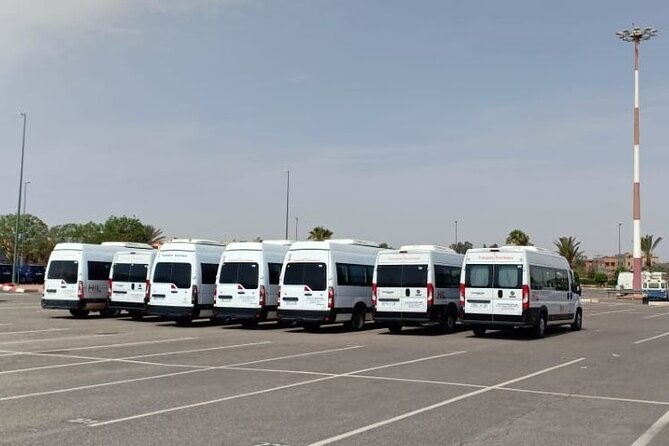
Inside the van, you get air-conditioning (climate-controlled minivan/minibus). That doesn’t sound romantic, but it makes a difference when the route climbs and temperatures shift. One practical win from the trip experience is that the ride feels “organized” rather than chaotic: a professional driver handles the long days, and you get a steady rhythm of driving and stops.
The main downside is time. Even with great drivers, the distances are real. Expect lots of windshield time on a 3-day schedule, especially on Day 2 and the mountain-road stretch on Day 3.
Day 1: Azrou Cedar Forest, Ifrane’s Swiss-style pause, then Merzouga sunset dunes
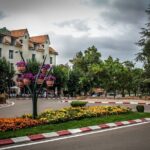
Day 1 starts with a mountain warm-up. You pass through Ifrane, the winter-ski resort area built in a European style by the French in the 1930s. It’s a quick look, not a long sightseeing day, but it helps you shift into mountain mode fast.
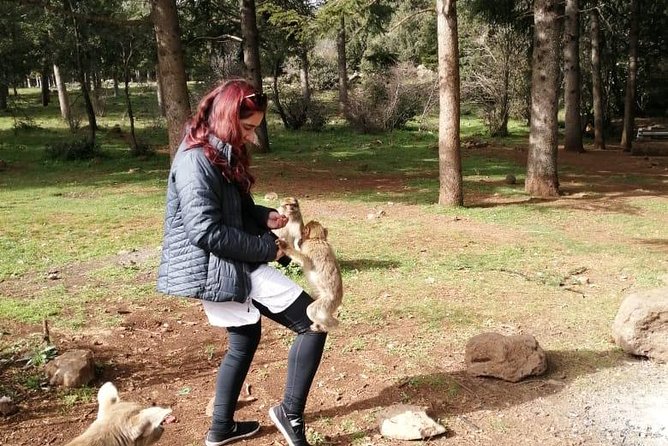
Next is Azrou Cedar Forest, where the main moment is spotting monkeys in the cedars. It’s short (about 30 minutes), but it’s one of those stops that gives you instant variety: forest, wildlife, and a break from the road.
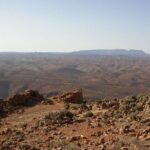
Then comes the big swing: you continue across the Middle Atlas Mountains and reach Merzouga / Erg Chebbi in the afternoon. After checking in at a traditional kasbah area near the dunes, you get mint tea, meet up with your guide and camels, and head out for the dune experience.
The camel ride and the sunset effect
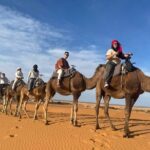
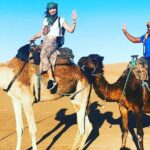
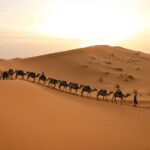
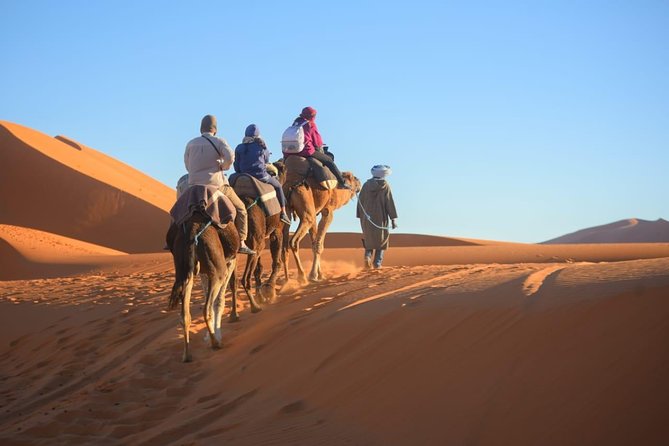
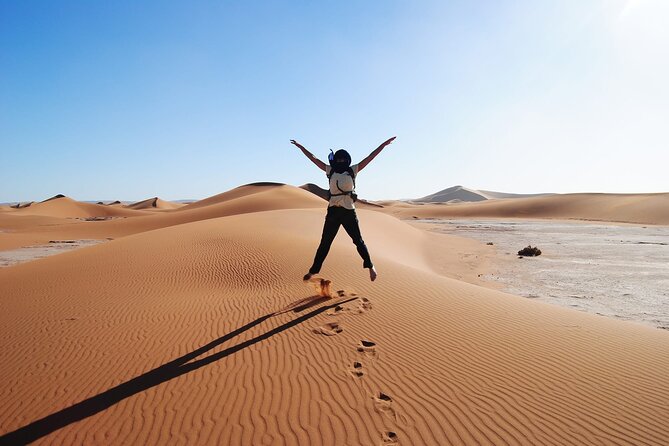
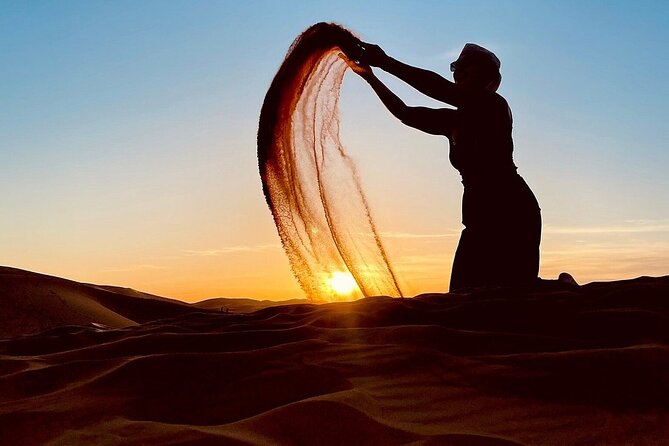
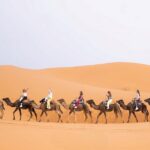
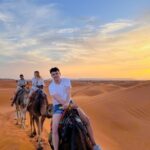
The camel ride is about an hour, and it’s timed for the light. This is where the trip earns its hype. Riding over Erg Chebbi dunes at sunset isn’t just scenic. It’s also slower and quieter than driving, and it gives you that “this is a different world” feeling that people chase when they book the Sahara.
Berber camp night: what to expect from tent comfort and cold weather
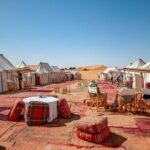
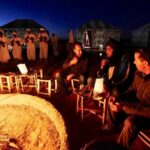
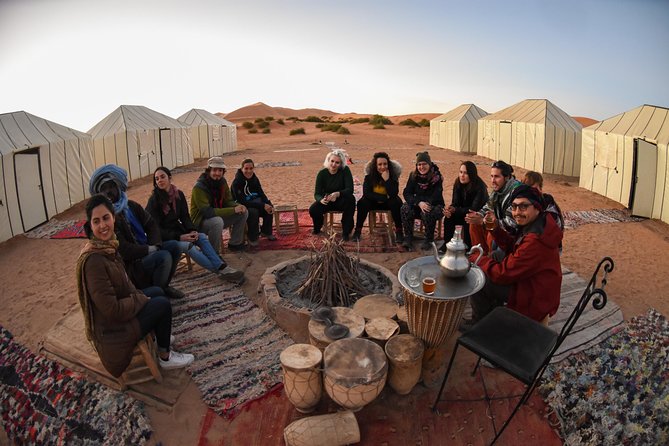
After the camel ride, you reach the camp for dinner, tea, and time under the stars. The schedule typically goes: hobbled camels, mint tea, dinner, and then star viewing.
Now, the honesty part. The camp setup is included, but comfort can vary. Some guests describe it as cozy and memorable. Others point out that it can be primitive, with issues like strong tent smells, basic cleanliness, and lack of modern comforts. In winter (and even in shoulder seasons), cold can be intense. People specifically recommend bringing strong layers for night and early morning.
Here’s how to plan smarter:
- Pack for desert winter even if daytime feels mild. Night temps drop fast.
- Assume you’ll get warm dinner and tea, not a full-service luxury lodge.
- Bring small snacks if you think you’ll need them between meals. The day is long and the schedule is tight.
- If you’re expecting bright stargazing, remember moon phase matters. A full moon can make the sky look stunning while reducing the “wow” of stars.
The good news: the camp is still the point of the trip. A calm night in the desert, even with basic facilities, tends to land with most people who come prepared.
A few more Fez tours and experiences worth a look

Day 2: Rissani market for color, then Todra Gorge with locals
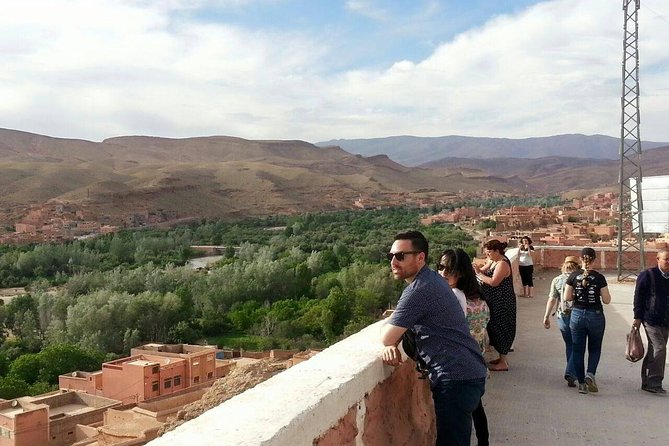
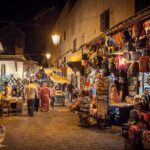
Day 2 starts with the Rissani market stop. It’s described as a quick visit (around 40 minutes), but that short time can be enough to feel the pulse of a traditional caravan town route. Rissani sits on an ancient trading corridor where kasbah-like settlements dot the landscape. You don’t need long hours here; it works as a “taste,” then you move on.
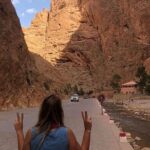
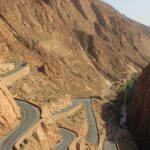
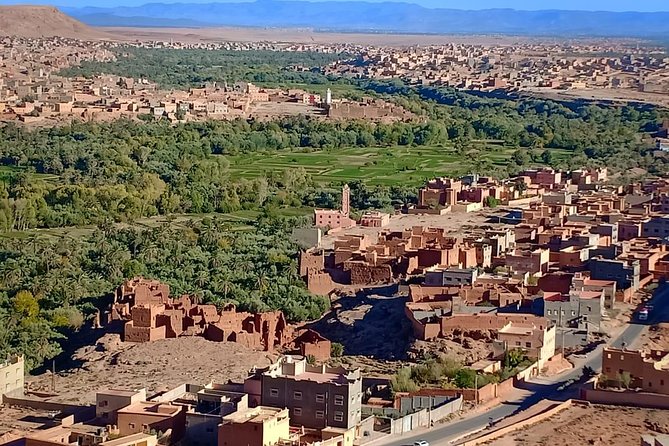
Then you shift to one of Morocco’s most photogenic canyon areas: Todra Gorge. You’ll walk there with locals, and the experience is tied to the valley life around it—river tones, palms, and mud-brick homes in the nearby area. You also stop for lunch, and after that you continue toward Ouarzazate.
A practical reality: Todra Gorge is the kind of walk where your legs notice the altitude and uneven ground. This is why “moderate physical fitness” is part of the guidance. If you’re fine with short walks and can manage a few uneven paths, you’re good.
The other reality of Day 2 is driving again. It’s a long route day, but the stops break it up enough that it doesn’t feel like endless road time.
Day 3: Ouarzazate Kasbah Taourirt and Atlas Studio, then Ait Benhaddou and Tizi n Tichka to Marrakech
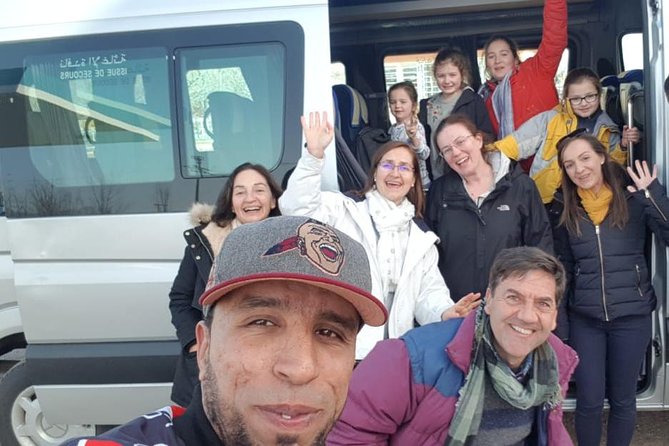
Day 3 is packed with Morocco highlights that feel connected by the same theme: older architecture plus big mountain routes.
First up is Ouarzazate. You’ll visit the Kasbah of Taourirt, and you may also see Atlas Studio (entrance fees are not included). Ouarzazate is famous for film sets and kasbah culture, and this stop gives you context for why the region looks the way it does.
Then you head to Ait Benhaddou, the UNESCO World Heritage kasbah. This is one of the stops where the place name carries weight because it’s been used as a backdrop for films like Gladiator, Babel, and Lawrence of Arabia. Even if you’re not a movie buff, it’s easy to appreciate: the kasbah is dramatic, layered, and full of texture.
After Ait Benhaddou, you continue through the High Atlas and cross the Tizi n Tichka pass, climbing from the plains up around 2260 meters above sea level. This is the final scenic payoff before Marrakech.
The end of the day is a different vibe. You drop off in Marrakech around late afternoon/early evening, with handling that aims to get you to your hotel or close by your riad.
Food, timing, and packing tips that make this trip better
This tour includes two dinners and two breakfasts, plus mint tea at key moments (camel base/camp areas). Lunches and drinks are not included.
So what should you do?
- Bring water you’re comfortable carrying. Long driving + desert time means you’ll want it.
- Pack layers. Daytime can be warm; nights in tent areas can be cold fast.
- If you get hungry between meal times, bring a few simple snacks. One recurring theme in desert-tent feedback is that you might want extra comfort food when the day timing is strict.
- For valuables, keep essentials easy to grab during transfers. You’ll have stop-and-go moments, and you’ll want your phone charged (the vehicle experience is often described as comfortable and clean, and some vans have charging options).
Also, be flexible about sandboarding. It’s listed as included, but some departures may have timing constraints with the camp schedule or when you reach the dune area. If sandboarding is a must-do for you, I’d treat it as likely, not guaranteed, and ask your driver/guide at the start of the day when it fits best.
Price and value: is $160 per person a smart buy?
At $160 per person for a 3-day Fez-to-Marrakech desert circuit, you’re paying for three big cost drivers:
- A real, long-distance transport day with an air-conditioned vehicle and professional driver
- Two nights of accommodation (tent + hotel)
- Sahara activities: camel ride and included desert setup
If you’re comparing this to doing the route independently, the value is mostly in “not having to organize the hard parts.” The desert night, camel logistics, and the stop sequence across the Atlas regions can be a headache if you’re piecing it together.
Where the price can feel less fair is when your expectations are higher for camp comfort or if you were counting on sandboarding with certainty. The best way to match value is mindset: this is budget-friendly desert adventure, not a five-star riad in the dunes.
Based on the overall ratings (strong recommendation rate and high average score), most people feel it’s worth it when they want a guided route with real highlights and don’t need spa-level lodging.
Who this tour suits best (and who should skip it)
This tour fits you if:
- You want a classic Fez to Marrakech route with Sahara time and major landmarks
- You can handle a long driving schedule in exchange for big sights
- You’re comfortable with basic tent camping (and you pack warm layers)
- You like having a driver who handles the road, while local guides support key cultural stops
You may want to think twice if:
- You want guaranteed, high-end camp facilities with modern bathroom comfort
- Sandboarding is a top priority and you’d be upset if it doesn’t fit the day’s timing
- You strongly prefer a lighter travel pace with less time in the vehicle
Should you book this Fez-to-Marrakech desert tour?
If you’re aiming for the real Morocco experience—Atlas Mountains, kasbah scenery, and a desert night—this is a solid booking. The strongest reasons to choose it are the door-to-door convenience, the air-conditioned comfort for the long roads, and the sheer “route power” of stopping at Ait Benhaddou and Todra Gorge, not just dunes.
Book it if you come prepared: pack warm layers, bring snacks, and keep sandboarding expectations flexible. You’ll get the big moments: Erg Chebbi at sunset, camel ride, star time, and that UNESCO kasbah finale before Marrakech.
Skip it only if your idea of luxury means spotless modern camping. This isn’t that. It’s a budget-to-mid experience where the desert night can be magical, especially when you’ve set your expectations correctly.
FAQ
How long is the tour?
It runs about 3 days.
What does the tour cost?
The price listed is $160.00 per person.
Is pickup available in Fez and drop-off available in Marrakech?
Yes. Pickup is offered in Fez and the tour finishes with drop-off in Marrakech.
Are meals included?
Breakfast is included for two mornings, and dinner is included for two nights. Lunches and drinks are not included.
Do you get camel riding and sandboarding?
Camel riding in the desert is included. Sandboarding is also listed as included.
What are the main places you visit?
You pass through Azrou Cedar Forest, reach Merzouga/Erg Chebbi dunes, make stops in Rissani and Todra Gorge, visit Ouarzazate (including Kasbah Taourirt and Atlas Studio), and tour Ait Benhaddou before crossing the High Atlas toward Marrakech.
Where do you sleep during the trip?
You get 2 nights of accommodation: a Berber tent night and a hotel night.
How big is the group?
The tour has a maximum of 17 travelers.
What happens if conditions are bad?
The experience requires good weather. If canceled due to poor weather, you’ll be offered a different date or a full refund.