REVIEW · FEZ
Private walking tours Fez Medina
Book on Viator →Operated by Happy Moroccan Tours · Bookable on Viator
Fes Medina can overwhelm you fast, but a private guide makes it manageable. This walk links the city’s landmarks and working crafts into a route you can actually understand, starting at Bab Boujloud and ending with the famous sights around the tanneries. It’s a hands-on way to get your bearings in Fes el-Bali without feeling like you’re wandering blind.
I especially like the way the route moves from blue-tiled icons (like Bab Boujloud and Medersa Bounania) into the day-to-day pulse of the Medina’s souks and workshops. I also like that guides such as Rashid, Abdul, and Yahya are repeatedly praised for taking time, explaining what you’re seeing, and helping you navigate the maze on foot.
One consideration: the Medina is full of shop stops, so you’ll want to be clear about your shopping comfort level. And if your start time is late, some places may close before you reach them, which can make the tour feel less complete.
In This Review
- Key highlights you’ll feel on the ground
- Bab Boujloud to Medersa Bounania: fast orientation in the Medina
- Nejjarine Palace area and the Foundouk of Wood: trades you can see
- Attarine Souk spices and Seffarine metal work: smell, sound, and materials
- Quaraouyine Mosque and Fatima al-Fihria: why Fes matters
- Chouara Tanneries: the famous finish and how to handle it
- Private guide pacing: the real reason this tour feels different
- Shopping stops: how to enjoy the souks without losing your focus
- Price and value: $36.26 for a guide who saves you hours
- What to bring and how to get the best photos (and fewer headaches)
- Who this tour suits best
- Quick FAQ
- FAQ
- How long is the private walking tour in the Fes Medina?
- Where does the tour start?
- Is hotel pickup included?
- Is this a private tour?
- What’s included in the tour price?
- What isn’t included?
- Do I get a ticket on my phone?
- Can I pick a tour time that fits my schedule?
- Is there free cancellation?
- Should you book this private Fes Medina walking tour?
Key highlights you’ll feel on the ground
- Bab Boujloud first: easy orientation at the city’s iconic Blue Gate
- Medersa Bounania and Quaraouyine Mosque area: major education landmarks tied to Fes’s legacy
- Souks + workshops: spices, henna, and metal work where trades are still practiced
- Craft stops with optional shopping: you’ll see specialty shops, with many guests reporting it isn’t pushy
- Chouara Tanneries: the famous end-point sight, usually worth planning for
- Top guides: Rashid, Abdul, and Yahya are singled out for pacing and clear explanations
Bab Boujloud to Medersa Bounania: fast orientation in the Medina
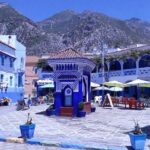
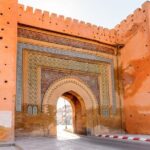
The tour starts at Bab Boujloud, the Blue Gate. That matters more than it sounds. It gives you a visual anchor right away, so the next streets feel less random and more like a path you’re learning to read.
From there, you head toward Medersa Bounania, a 14th-century Quranic school. Even if you’re not a museum person, this stop is a big clue to how Fes worked for centuries: education, scholarship, and religious life weren’t separate from the street life outside. You’ll also pass through Talaa Saghira Street, which helps break up the “only narrow alleys” feeling and adds texture to the walk.
Practical note: plan for steps and tight sidewalks. The Medina is not built for wide strollers or smooth pacing, so a private guide really earns their keep here.
You can also read our reviews of more walking tours in Fez
Nejjarine Palace area and the Foundouk of Wood: trades you can see

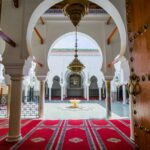
Next comes the area around the Nejjarine Palace and the Foundouk of wood. A foundouk is basically a caravan-era storage and business building, and in the Medina these older structures often remain tied to craft and commerce. That blend is what makes Fes special: you’re not only looking at history—you’re watching work continue.
Inside the complex, you can see craft-related scenes such as the Henna Souk from within, which is a great “wow, so this is where it happens” moment. It’s also a handy photo stop, because you’re not fighting your way into a random corner—you’re getting to a place set up for visitors to understand the trade.
If you like architecture details, keep your eyes up. Doorways, tilework, and ceiling patterns are part of the story here, not just decoration.
Attarine Souk spices and Seffarine metal work: smell, sound, and materials
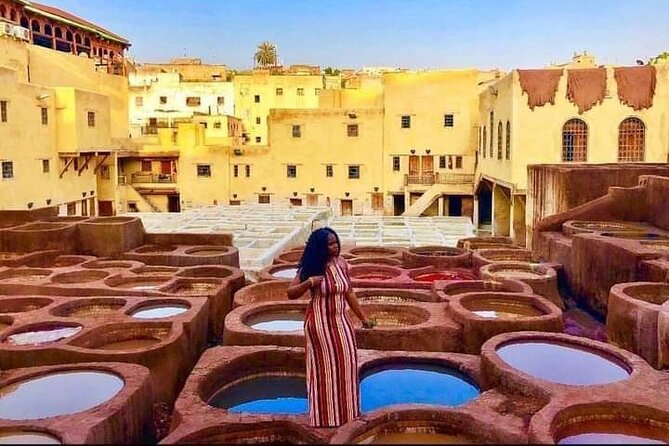
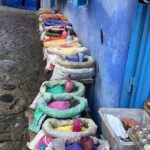
Then you move into the Attarine Souk, known for spices. This stop gives your senses a job. The guide’s explanations help you connect what you see—piles, jars, bundles—to what you’ll later remember: aromas and the way sellers describe their products. Even if you don’t buy anything, it helps you decode the market language.
After that, you’ll reach the Seffarine area, tied to metal workers—think cap-makers and brass and pewter work. In many Medinas, “workshops” are basically storefronts. In this neighborhood, the craft identity still feels real. You’ll get a sense of which crafts are connected to tools, containers, and daily use.
A small tip: if you want to shop, do it here with intention. That’s where bargaining can feel most normal—because you’re buying into a craft tradition, not a generic souvenir shelf.
Quaraouyine Mosque and Fatima al-Fihria: why Fes matters
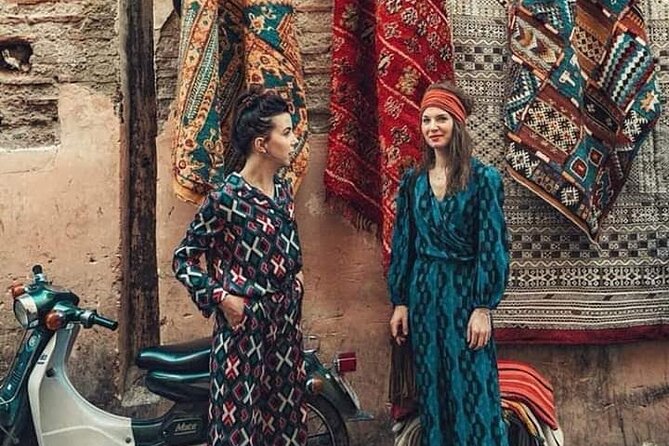
One of the most meaningful parts of the walk is the Quaraouyine Mosque area. It’s described as the first university in the world, founded in 859 by Fatima al Fihria, associated with Tunisian women. That claim is huge, and the tour’s value is that it doesn’t stop at trivia. It frames the mosque-and-school complex as a living center of learning that shaped how Fes grew.
You’ll also learn context on how religious institutions, scholarship, and the Medina’s street economy fit together. The guide can help you understand why certain buildings matter and why they still pull people in today.
Consideration: mosque areas can have visitor limits and rules that may affect what you can see at any moment. The tour helps you get oriented, but you should still expect a bit of “adjust on the spot” as you approach sacred spaces.
Chouara Tanneries: the famous finish and how to handle it
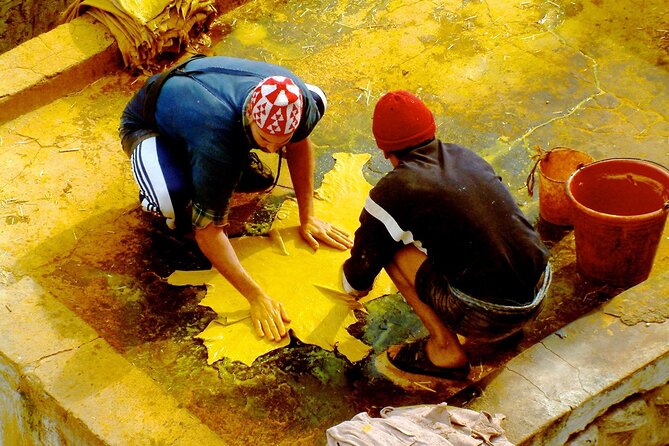
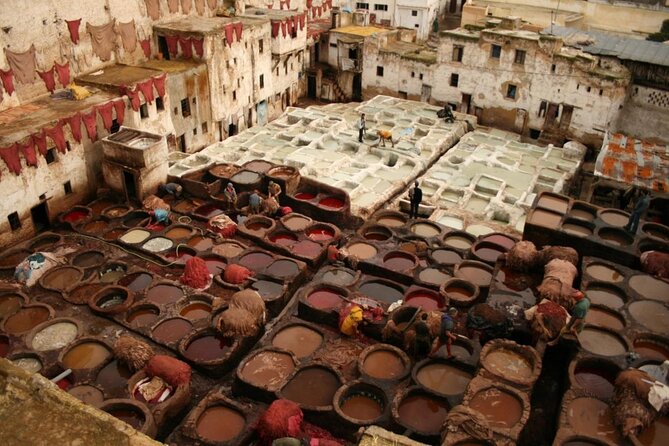
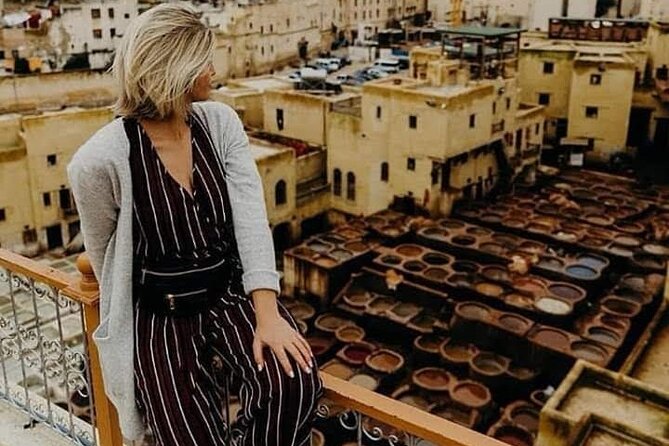
No Fes Medina walk feels complete without the Chouara Tanneries. This is the landmark people photograph first—and think about second, once they realize it’s not just a scenic viewpoint. Tanneries are working sites, and they come with the reality of odors and the challenge of looking without getting in the way.
Why it’s worth the effort: it shows a craft system that explains so much of the city’s materials and trades. When you connect the tannery to earlier workshop stops, you start to see the chain: skins, dyes, containers, metal tools, and the market network around it.
Timing matters. One downside flagged in feedback is that if you start late, some places may be closed before you reach the full set of highlights. If you can, pick a start time that gives you breathing room, not one that races to the finish.
You can also read our reviews of more private tours in Fez

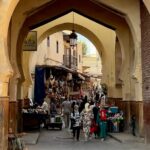
Private guide pacing: the real reason this tour feels different
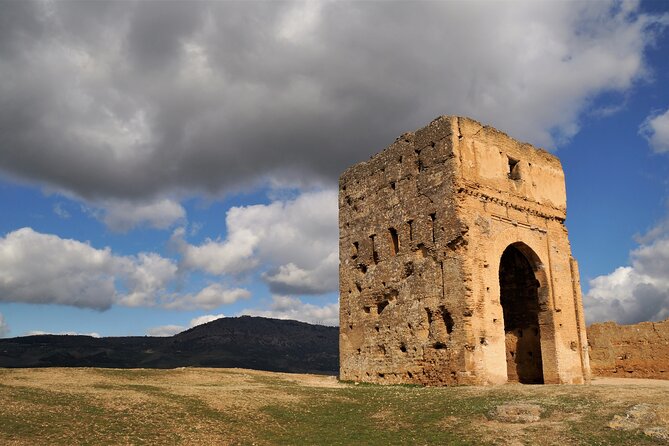
A private tour isn’t only about exclusivity. It’s about pacing and routing—especially in a Medina. Your guide can pause for photos, steer you around slow crossings, and explain what you’re looking at in a way that fits your questions.
Guides like Rashid are praised for being on time and for taking their time with the group while still covering key highlights. Abdul is noted for deep knowledge of history and culture and for showing how craftsmanship in Fes connects to daily life. Yahya is highlighted for answering questions well and for helping with small logistics so you don’t waste time getting stuck.
One more practical perk: some guides may help with things like cash for purchases or bargaining support—useful if the Medina shopping feels intimidating or you want to avoid awkward moments. You can also keep it simple: tell your guide you’re there to learn, not buy.
Shopping stops: how to enjoy the souks without losing your focus
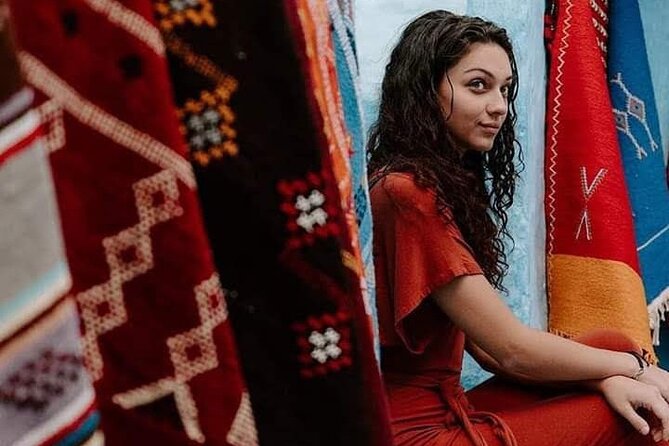
This is a big point for deciding if the tour is right for you. The walk includes souk stops and specialty shop moments by design. Some are built into the route because they help you understand the crafts. Others are optional, but they do appear along the way.
I think the sweet spot is this: use the tour for orientation and context, then shop on your terms. If you’re not interested in buying, say it early. Several experiences describe sales stops that aren’t pushy, but there’s at least one caution that merchandising can take too much time if the guide leans hard on selling.
So, bring a clear mindset:
- If you want souvenirs, set a budget and decide what you’re buying before you get swept along.
- If you don’t want to buy, treat shops as “viewing only” and ask your guide to keep moving.
Price and value: $36.26 for a guide who saves you hours
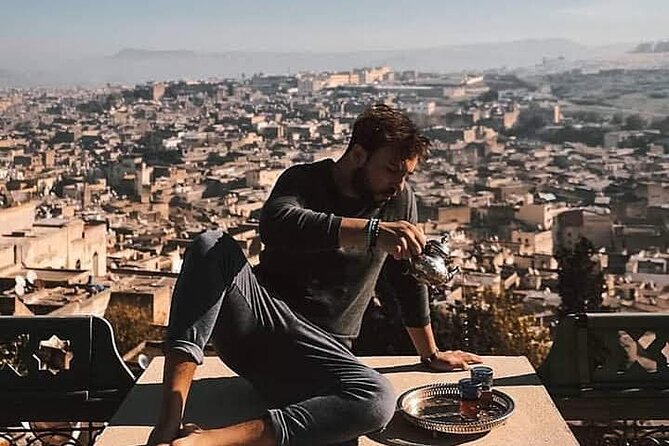
At $36.26 per person for about 3 to 4 hours, this sits in the “good value” zone for a private Medina guide. You’re paying for more than walking. You’re paying for someone to turn confusion into understanding, to keep the route sensible, and to point out what matters—like the education landmark connections near Quaraouyine and the craft logic behind Seffarine and the tannery.
Also, the experience includes an experienced multilangue local guide, and it lists admission ticket included (so you’re not paying extra for every stop). Pickup is offered, and there’s a mobile ticket, which makes it easier to handle in a city where paper can get messy.
One more value clue: it’s booked about 36 days in advance on average, which usually signals consistent demand. For a Medina walk, that matters because you want a guide available when you arrive.
What to bring and how to get the best photos (and fewer headaches)
Fes Medina is a photo lover’s dream, but it can also be a sore-foot problem. Here’s what I’d plan for before you go:
- Comfortable shoes with grip (the stone and stairs can be slick)
- A light layer; mornings and evenings can feel different quickly
- A small day bag you can close (alleys feel busy)
- Cash only if you want it for optional shopping
- Water, especially if you’re doing a full walk loop
For photos, ask your guide where to stand so you don’t block foot traffic. And for the tanneries, be ready for the reality of working spaces—focus on viewpoints and angles your guide suggests.
Who this tour suits best
This private walking tour works especially well if:
- You’re arriving in Fes and need fast orientation
- You want to see major Medina landmarks plus the working crafts
- You prefer a guide who can explain history in plain language
- You like a flexible pace, with stops for shopping or breaks
It also seems family-friendly in practice—one experience described a family group with kids around 10 to 11 who did the walk comfortably, with a guide who adjusted for their needs.
Quick FAQ
FAQ
How long is the private walking tour in the Fes Medina?
It runs about 3 to 4 hours (and the experience notes a 3-hour component with admission included).
Where does the tour start?
It starts at Bab Boujloud, the Blue Gate, in the Fes el-Bali area.
Is hotel pickup included?
Pickup is offered, and in many cases your guide can meet you from your hotel area.
Is this a private tour?
Yes. It’s a private tour/activity, meaning only your group participates.
What’s included in the tour price?
An experienced multilangue local guide is included, and admission ticket details are listed as included.
What isn’t included?
Lunch isn’t included.
Do I get a ticket on my phone?
Yes, the experience includes a mobile ticket.
Can I pick a tour time that fits my schedule?
You can choose from several tour times to suit your schedule.
Is there free cancellation?
Yes. You can cancel for a full refund if you cancel up to 24 hours in advance of the experience start time.
Should you book this private Fes Medina walking tour?
If you want the quickest route to understanding Fes el-Bali—Bab Boujloud, Bounania, souks and workshops, Quaraouyine, then the Chouara Tanneries—this is a smart way to do it. I’d book it if you like guided context and you’re okay with some shop stops along the way.
Skip it or adjust expectations if you hate merchandising completely or if your schedule pushes you into a late start that can cause closures. If you’re going earlier in the day and you tell your guide you want learning-first (not sales-first), this tour hits the sweet spot.