REVIEW · FEZ
3-Days Sahara Desert Tour from Fez to Marrakech
Book on Viator →Operated by Authentic Sahara Tours · Bookable on Viator
A desert night changes your sense of time. This Fez to Marrakech route strings together Middle Atlas forests, Sahara dunes at Merzouga, and the UNESCO kasbah at Ait-Ben-Haddou, all with a private, air-conditioned drive and a guide who knows how to move through the day. I also like the way the tour gives you both the camel experience and a safety-valve option to skip it, plus guides like Lahcen, Walid, Abubaker, Mustafa, and Yassine get praised for making long hours feel less painful. The main trade-off: you spend a lot of time in the car.
If you want a trip that does more than one thing well, this one hits: Barbary apes in cedar forest, palm valleys, fossil shops in Erfoud, and canyons in Todra and Dades before you drop into Marrakech. I like the practical details too, like luggage being handled for your camel trek and the overnight desert camp using private tents with an ensuite bathroom and shower. One consideration: meals and drinks aren’t included, and in July and August the heat can be brutal.
In This Review
- Key things to know before you go
- Day 1: From Fez to the desert edge, with monkeys and fossil stops
- Night 1 in a deluxe ensuite desert camp near Erg Chebbi
- Day 2: Rissani markets, Todra canyons, and red-road views in Dades
- Day 3: Roses, palm groves, Ouarzazate film sets, and Ait-Ben-Haddou
- Price and logistics: Does $680.44 feel fair for what you get?
- Who this tour is perfect for (and who should choose differently)
- Should you book this Fez-to-Marrakech Sahara tour?
- FAQ
- How long is the tour and what time does it start?
- Where does the tour start and end?
- Is this a private tour?
- What lodging is included during the trip?
- Is the camel ride included, and can I skip it?
- Are meals and drinks included?
- What are the main sights on the route?
- What should I pack for July and August?
- What happens if the tour can’t run due to weather or minimum travelers?
Key things to know before you go
- Private door-to-door style pickup/drop-off with help calling your riad host and leaving you at the nearest parking point
- Merzouga camel sunset and dawn plus an option to ride by SUV instead if you’d rather not do both legs on camel
- One night in a deluxe desert camp with private ensuite tent bathroom and shower
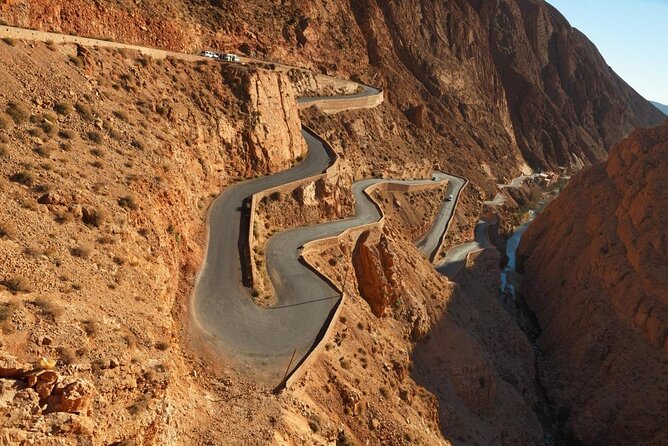
- Todra and Dades Gorges walking time where you can stretch your legs and take in red canyon views
- Ouarzazate and film-studio options alongside Taourirt Kasbah stops, if you want that angle
- Ait-Ben-Haddou with a local guide to bring the fortified village into focus
Day 1: From Fez to the desert edge, with monkeys and fossil stops
Your morning starts early, around 8:00 am, with pickup offered in Fez. You’ll travel by private, air-conditioned vehicle, which matters because this is a long route over multiple regions. The tour is designed to keep moving, but you get enough short breaks to keep the day from feeling like one endless drive.
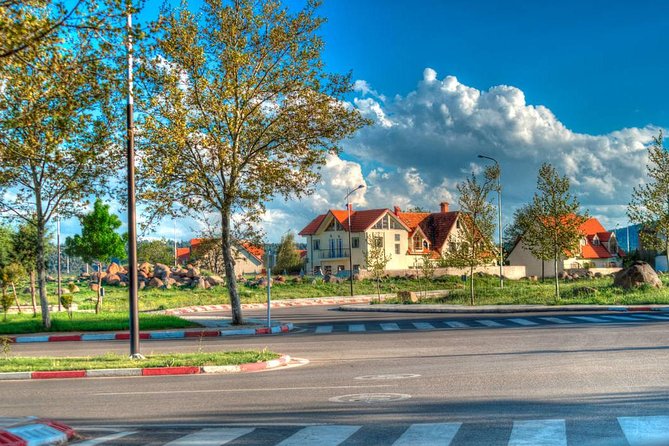
Ifrane is your first palate cleanser. It’s known for those unusual sloping roofs, and you get a short stop to stretch, grab coffee, and reset before the mountains. It’s quick, but it helps you transition from the urban feel of Fez to cooler, higher elevations.
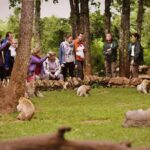
Next comes Azrou and the cedar forest, where you’ll look for Barbary apes. This is one of the easiest “nature wins” on the trip: short stop, low pressure, and a real wildlife moment right in the Middle Atlas. If you want photos, time it when the apes are most active, but don’t count on perfect viewing. Cedar forests aren’t zoos.
From there you head into Midelt for lunch. The tour frames it as the apple capital, so you’re stepping into a different Morocco rhythm: mountain town calories before the desert swing. After lunch, you keep west/southwest into the desert approach.
You’ll then pass through Errachidia and the Ziz Valley, a palm-filled corridor where dates are produced in large quantities. The stop includes a panoramic viewpoint of the Aoufous oasis. Even if you don’t love viewpoints, this one helps you understand why people settled here: water, palms, and long-term agricultural survival.
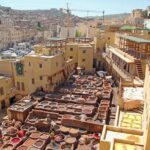
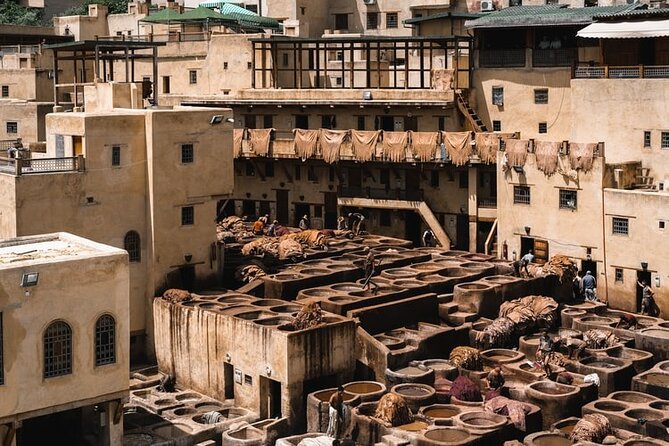
Erfoud follows, famous for dates and fossils. The tour gives you time to browse shops that turn fossil finds into artifacts. This is a classic “stop and shop,” but it’s also a way to see the geology behind the Sahara edge. If you hate shopping stops, treat this as a short walk-through for souvenirs or a cool break from the road.
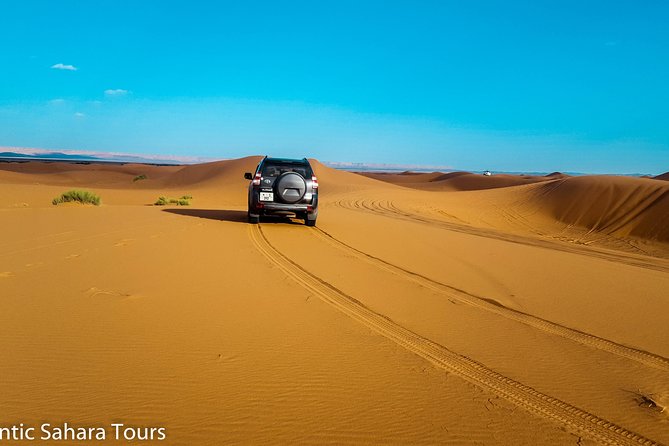
Finally, you reach Merzouga and the dune edge. There’s an off-road transfer where camels are waiting, and your luggage gets moved by 4×4 to the camp. This detail saves you effort and helps the camel ride feel more like a ride than a logistics exercise.
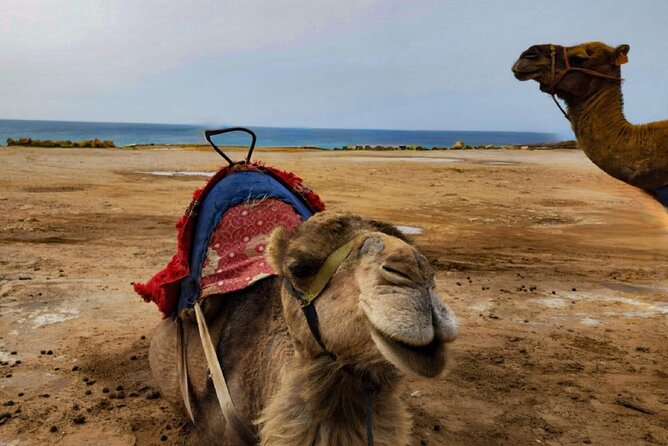
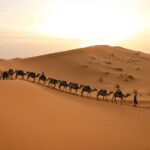
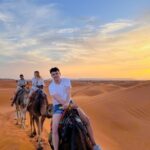
You’ll enjoy a camel trek over the dunes with time for the Sahara sunset. That first night is not the desert camp yet in every version of the day-by-day flow, but you do get dinner and an overnight at the foothills area before the main desert camp experience. Either way, you’re moving from mountain to desert quickly, and that temperature shift is real.
Day 1 drawback to keep in mind: You’ll be in transit a lot. The trade-off is you’re covering a huge distance in just three days, so those car hours are part of the deal.
You can also read our reviews of more tours and experiences in Fez.
Night 1 in a deluxe ensuite desert camp near Erg Chebbi
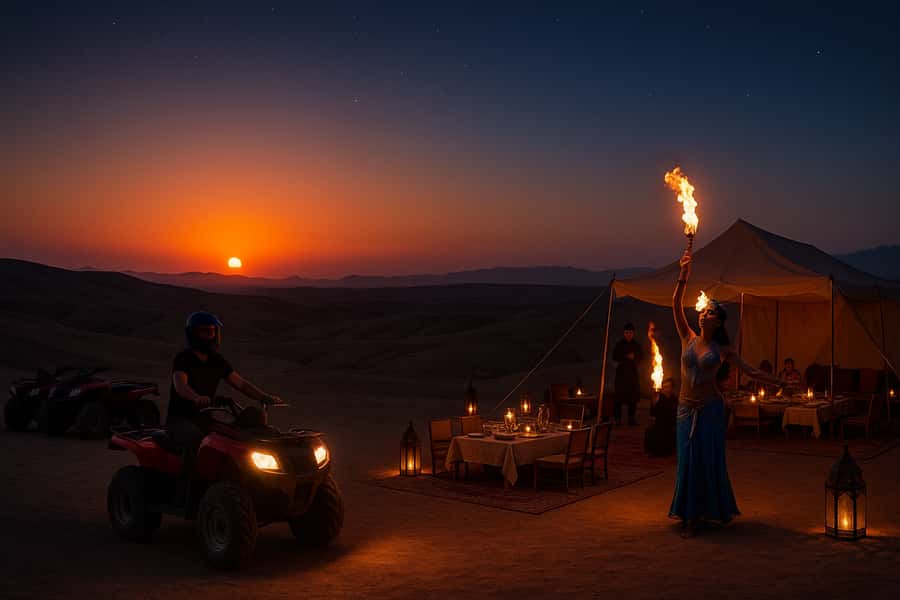
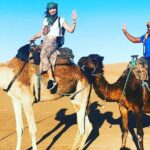
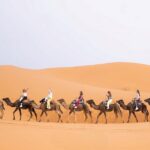
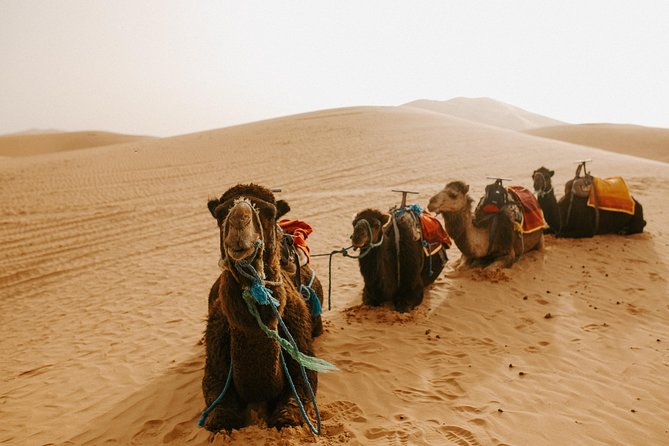
This is the part people book the tour for: the desert night. In the Erg Chebbi dunes area, you’ll take a sunset camel ride into camp. If you’d rather not do camel twice, the tour gives you a possibility to skip the camel ride and go by SUV to the camp, which is a smart option for families, seniors, or anyone who knows they’ll be uncomfortable on a saddle.
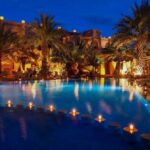
Once you arrive, you’ll spend the night in private tents with an ensuite bathroom and shower. That’s not a small upgrade. In desert camps, comfort can mean the difference between enjoying the stars and spending the evening worrying about basic comfort. Here, the camp setup is designed to keep you relaxed and able to focus on the night sky.
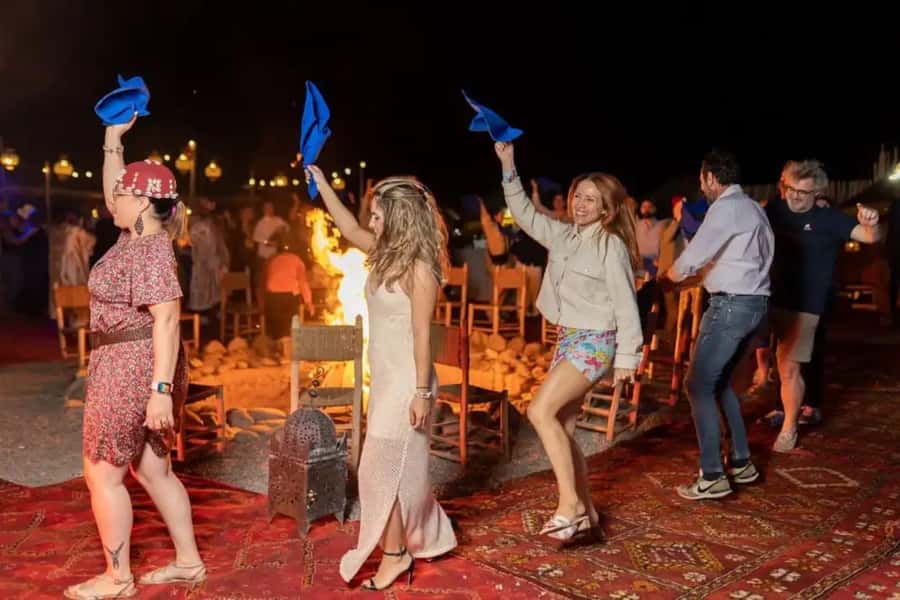
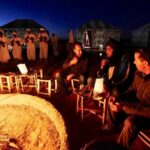
At night, you’ll gaze at the stars and then sleep in the luxury tent. There’s something about stepping out after dinner and seeing the darkness take over that makes the Sahara feel bigger than the photos. You don’t need a science lecture for this one. You just need the quiet and time.
Day 2: Rissani markets, Todra canyons, and red-road views in Dades
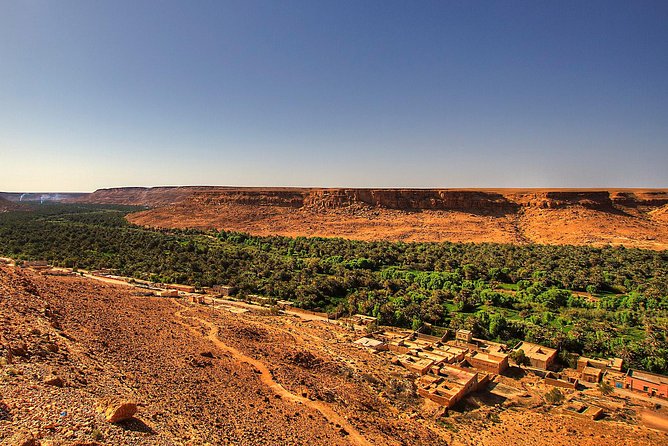
The next day starts back on asphalt, leaving Merzouga-area dirt roads behind. You’ll head toward Rissani, a market town known for a livestock auction. The stop also includes a look at the “donkey parking lot.” It’s the kind of place that feels oddly human and practical, showing how animals and transport are part of local life rather than just “tour scenery.”
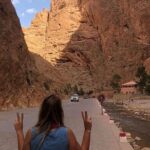
Then you move to Todra Gorges (Tinghir area). This stop is great if you like walking short distances and stretching your legs. The tour also mentions khettarat water channels—irrigation systems designed to reduce evaporation—plus the chance to appreciate them, including descending into them if conditions allow. Even if you only spend a few minutes, it adds depth: the desert isn’t empty. It’s managed.
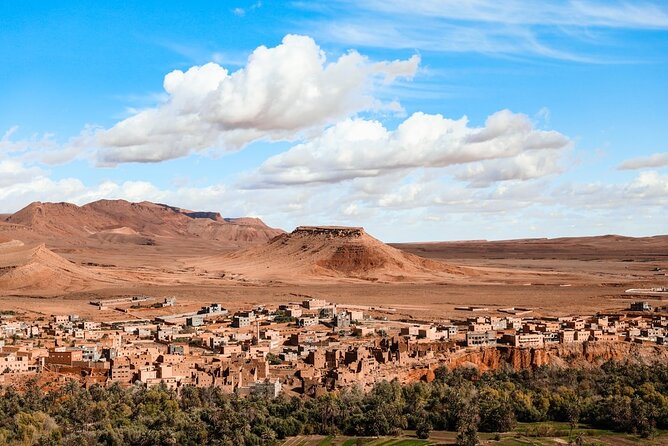
After Todra, the route continues toward Boumalne Dades and the Dades Valley. You’ll get stops for scenic views and photos. This valley stretch feels more “road trip Morocco” than “destination monument,” which is why it balances the day.
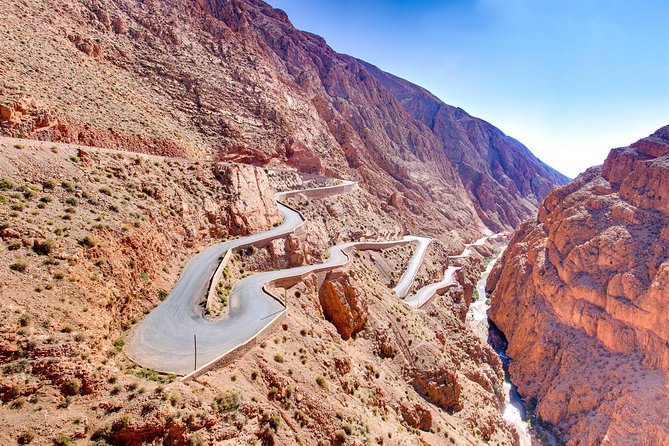
Next up: the Dades Gorges, known for dramatic red canyons and old kasbahs. The tour notes plenty to see, including winding roads and features often described as monkey fingers. You’ll then check into your high-quality hotel for the night with A/C and private rooms.
Day 2 drawback to keep in mind: You’re packing in several viewpoints and stops. If you want deep downtime, this day won’t give you many long breaks. It’s built for seeing, not lounging.
Day 3: Roses, palm groves, Ouarzazate film sets, and Ait-Ben-Haddou
Day 3 turns toward the “south-to-Marrakech” transition, and it does it with variety.
First: Kelaa M’Gouna, known for its rose plantations and the Festival of Roses. The stop time isn’t long, but the point here is clear: this isn’t just desert and rock. It’s agriculture, scent, and seasonal culture. If you’re traveling in rose season you’ll likely feel it more; if not, you still get the farmland setting.
Then you continue through the Road of a Thousand Kasbahs, including Skoura palm grove stops. Palm groves are an anchor in this part of Morocco. Even if you’re not obsessed with agriculture, they help you understand where the oasis economy fits into the larger story.
You’ll arrive in Ouarzazate, often called the Hollywood of Morocco. Here, you have options: Taourirt Kasbah or a studio tour tied to classic film sets and how local desert scenery appears in movies. The best part is you can choose the angle that matches your interests. If you love architecture, go for Taourirt Kasbah. If you love film, lean studio.
Lunch is on you during the tour, so I recommend you plan a simple budget and keep some flexibility if you end up stopping for something you actually want rather than what’s fast.
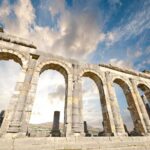
After Ouarzazate, you drive to Ait-Ben-Haddou, a fortified city along the old caravan route between the Sahara and Marrakech. The kasbahs sit on a hill along the Ounila valley, and some are still inhabited. You’ll also have the help of a local guide in the village, which is one of the most valuable “quality multipliers” in the whole experience. A place like this isn’t just walls. With the right context, you start seeing how the settlement was built to defend, store, and endure.
From there, you head to Marrakech via the High Atlas, crossing the Tizi-n-Tichka Pass (2260 m). You’ll make stops for panoramic views along the way. This is the moment when your brain finally gets to connect the geography: from cedars to canyons to dunes, and now back to mountain roads that funnel you into the city.
Price and logistics: Does $680.44 feel fair for what you get?
At $680.44 per person for a three-day private Fez-to-Marrakech run, this isn’t a cheap “bus tour.” But it also isn’t only paying for scenery. You’re paying for:
- Private, air-conditioned transport across long distance
- Camel trekking at Merzouga (evening and morning)
- A deluxe desert camp with private ensuite bathroom and shower
- A/C hotel accommodations in Dades with private rooms
- A local guide for Ait-Ben-Haddou
Meals and drinks (especially lunches and drinks) are on you. That’s the big easy-to-miss cost. If you eat casually, you’ll be fine. If you like full meals and drinks at every stop, your day-3 spend can climb.
The other value angle: you’re compressing multiple regions into three days. If you were to DIY this, you’d likely pay extra in transport coordination and risk losing the rhythm of stops. With this format, you get the “best of the route” without having to stitch together transfers, timing, and local guide hiring.
Still, the car time is real. If you hate long drives, choose a slower itinerary or be honest with yourself about how long you can sit comfortably.

Who this tour is perfect for (and who should choose differently)
I think this tour fits best if you:
- Want Sahara dunes plus Atlas Mountains in one trip
- Like seeing a lot of variety without planning every detail
- Appreciate comfort upgrades like ensuite desert tents
- Want a guide/driver who makes the day feel smoother, and take comfort from the fact that people praised drivers such as Lahcen and Walid for friendly guidance and making the drive feel easier
You might want to think twice if you:
- Need tons of downtime during the day (this tour keeps moving)
- Are very sensitive to heat (the tour notes July and August can be unbearable even for adults)
- Don’t want any camel time, though you do get the SUV option to the camp
Should you book this Fez-to-Marrakech Sahara tour?
Book it if your dream trip includes that first evening light on the dunes, a night with ensuite comfort, and a route that mixes desert, canyons, kasbahs, and a real city finish in Marrakech. The value is strongest if you’ll use the included services instead of treating them as “extras,” especially the desert camp setup and the local guide at Ait-Ben-Haddou.
Pass or shop for alternatives if your top priority is relaxation over drive time, or if you want meals and drinks fully handled. Also, plan around heat: if your dates are in July or August, bring your best heat strategy, or consider a different month.
FAQ
How long is the tour and what time does it start?
The tour runs for about 3 days, and the start time is 8:00 am.
Where does the tour start and end?
It starts in Fez, Morocco and ends in Marrakesh (Marrakech), Morocco.
Is this a private tour?
Yes. It’s described as a private tour/activity, so only your group participates.
What lodging is included during the trip?
You’ll have overnight in a deluxe desert camp with private tents that have an ensuite bathroom and shower, and you’ll also have overnight in Dades gorges hotel with private rooms and A/C. The day-by-day flow also includes dinner and an overnight in a hotel at the foothills of Erg Chebbi.
Is the camel ride included, and can I skip it?
Yes. Camel trekking is included in the desert (evening and morning). There is also a possibility to skip the camel ride and go by SUV to the camp.
Are meals and drinks included?
No. Drinks and lunch meals are at your own expense on this tour.
What are the main sights on the route?
You’ll see Ifrane and Azrou’s cedar forest (Barbary apes), Ziz Valley palm scenery, Erfoud (dates and fossils), Merzouga dunes with camel rides, Todra Gorges and Dades Valley, Kelaa M’Gouna rose areas, Skoura palm groves, Ouarzazate (Taourirt Kasbah and/or studio options), and Ait-Ben-Haddou, plus High Atlas views via Tizi-n-Tichka Pass before reaching Marrakech.
What should I pack for July and August?
The tour notes July and August are very hot in Morocco and temperatures can be unbearable even for adults, so plan for heat.
What happens if the tour can’t run due to weather or minimum travelers?
The experience requires good weather. If it’s canceled due to poor weather, you’ll be offered a different date or a full refund. It also requires a minimum number of 4 paying adults; if that minimum isn’t reached, the tour is canceled with an option for a different experience or a full refund.
If you tell me your travel dates and whether you prefer camel riding or the SUV option, I can help you sanity-check if this exact pacing fits your style.