REVIEW · FEZ
Fes: Best Fez to Marrakech via Merzouga Desert Dunes, 3 Days Tour
Book on Viator →Operated by Marrakech City Life · Bookable on Viator
Desert first, Marrakech later, via the Atlas. This 3-day route through Morocco makes the long haul feel doable, with transport and stays lined up for you while you bounce from Fez to Erg Chebbi and on toward Marrakech. Erg Chebbi is the big pull, but you’ll also get the Atlas Mountains rhythm and the famous southern sights without arranging anything solo.
Two things I really like: the desert night itself, with a proper tent stay and the classic camel ride routine, and the way the drive includes major stops instead of just moving you from A to B. Todra Gorge and the UNESCO-packed scenery around Ait Ben Haddou are the kind of sights that feel way more meaningful when they’re part of a real road-trip route.
One consideration: you should plan for a lot of road time. This is Morocco by van, not Morocco by hopping around short distances, and you’ll feel that on days packed with viewpoints, valleys, and switchbacks.
In This Review
- Key points before you go
- Why this Fez to Marrakech route works better than DIY
- Price and logistics: what you’re really paying for
- Day 1: Fez to Erg Chebbi dunes via Ifrane, Midelt, and the Ziz Valley
- Day 2: Merzouga to Dades and Todra Gorge, with kasbah roads and rose valleys
- Day 3: Kalaa Mgouna rose stops, Ouarzazate, Ait Ben Haddou UNESCO, then Tizi n’Tichka to Marrakech
- Desert camp reality check: what the overnight tends to be like
- The guides and group vibe: why people rate this so high
- Who this tour suits best (and who should look elsewhere)
- Quick packing and money tips that actually help
- Should you book the Fez to Marrakech via Erg Chebbi tour?
- FAQ
- How long is the tour from Fez to Marrakech?
- What’s the pickup and where do you start?
- Where does the tour end?
- Is camel trekking included?
- What meals are included?
- Are drinks included?
- Do you visit Ait Ben Haddou?
- Is there an extra cost for a guide at Ait Ben Haddou?
- How many people are in the group?
- What’s the cancellation policy?
Key points before you go
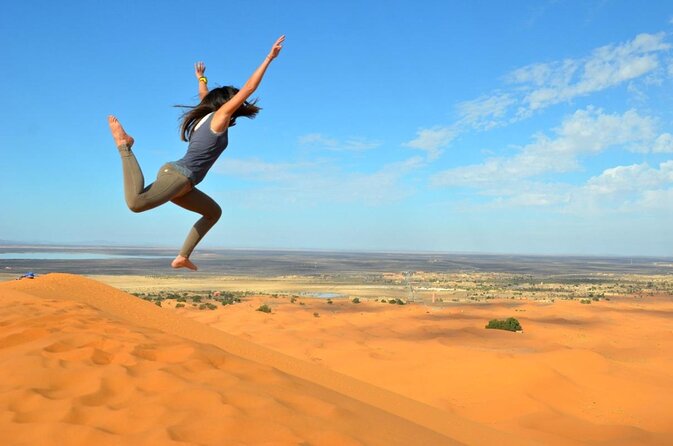
- Erg Chebbi overnight in a tent: a full-night desert experience, not just a quick stop.
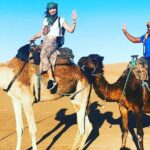
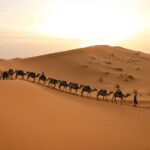
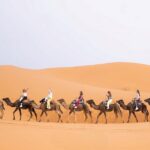
- Camel trek is part of the program: plan for a short, memorable ride into and out of camp.
- Atlas Mountains + Todra Gorge: you’ll see more than desert on the way south.
- Ait Ben Haddou UNESCO stop: time for lunch and a kasbah visit before continuing.
- Shared-group logistics are handled: max 17 travelers, plus pick-up from Fez.
- Lunches and drinks aren’t included: bring cash and budget extra day-to-day.
Why this Fez to Marrakech route works better than DIY
Going from Fez to Marrakech through the desert is totally doable on your own, but it’s also the kind of trip where one missed connection can turn into a chain reaction of delays. This works because the whole route is built around long-distance transport, with accommodation and desert time baked into the schedule.
The value is also pretty clear when you look at what’s included. You’re paying for air-conditioned vehicle transport, camel trekking, and two nights of lodging (one is the desert camp), plus two breakfasts and two dinners. That matters because the money you’d otherwise spend piecing things together tends to pop up quickly in Morocco—especially when you’re trying to coordinate drivers, guides, and where you sleep each night.
A few more Fez tours and experiences worth a look
Price and logistics: what you’re really paying for
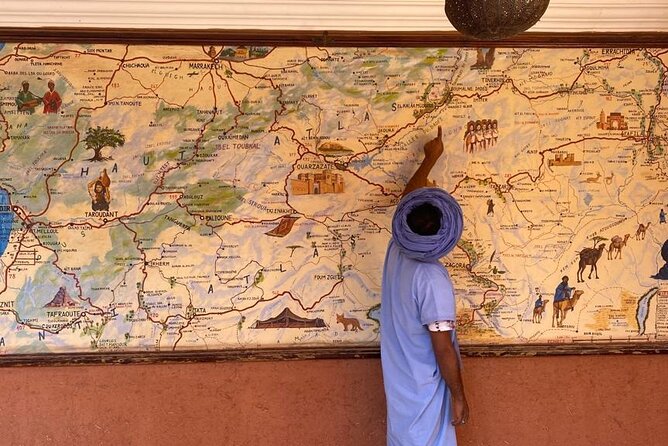
At $220.14 per person for roughly 3 days, this sits in the budget-to-mid range for a Fez-to-Marrakech desert circuit. The best part is that it’s not just a car rental with vague stops. You get a planned flow with real activity moments: desert dunes, camel riding, Todra Gorge, and a UNESCO kasbah visit.
Here’s what isn’t included, so you don’t get surprised:
- Lunches (you’ll stop for them along the way, but they’re extra)
- Drinks
- Ait Ben Haddou Kasbah guide is listed as €2 per person (so if you want a guided element there, budget for it)
If you like to stay in control of your spending, keep a buffer for lunches and water. One traveler gave a practical tip of roughly 120–130 dirhams for a 3-course lunch menu (with drinks extra), plus additional cash for bottled water during the long driving days. Even if your numbers differ, the takeaway is the same: pack cash and don’t rely on everything being covered.
Day 1: Fez to Erg Chebbi dunes via Ifrane, Midelt, and the Ziz Valley
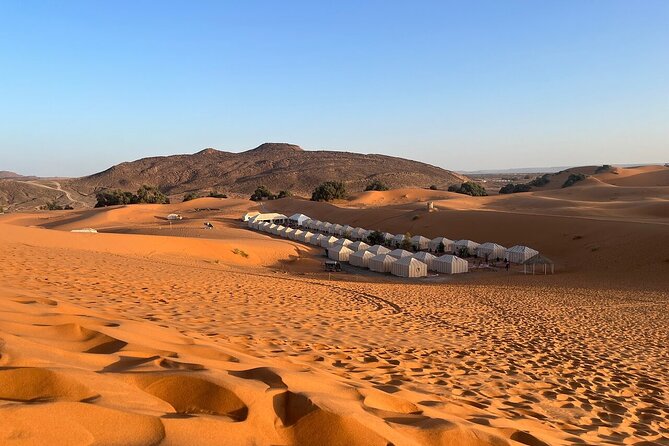
Day 1 is a long but satisfying build-up. You start with pickup in Fez—either from your hotel or a meeting point—then roll out toward Ifrane and the Mid Atlas region.
Ifrane is your first “wait, where are we?” moment. It’s described as a French-built winter ski resort from the 1930s, styled to resemble a Swiss village. It’s a strange contrast next to the rest of Morocco you’ll see on this trip, and that contrast is part of the fun.
Next comes Midelt, where you stop for lunch. Midelt is known for fossils and rocks, and you’ll also get that sense of being between mountain chains before you gradually drift toward the desert landscapes.
Then you’re heading toward Merzouga and Erg Chebbi. The drive passes through areas like the Ziz Valley, which is associated with date production. And you’ll keep spotting Berber villages along the route, which helps you feel how people actually live across the Atlas-to-desert transition, not just how it looks from the road.
What to expect at the end of Day 1:
- You’ll arrive at the dunes region and then shift into the desert rhythm.
- The camel portion is not all-day. Based on real experience from the trip, it’s often something like 30–45 minutes each way (into camp and back out the next morning). That’s long enough to feel the experience without feeling like you’re “stuck” there all afternoon.
Day 2: Merzouga to Dades and Todra Gorge, with kasbah roads and rose valleys
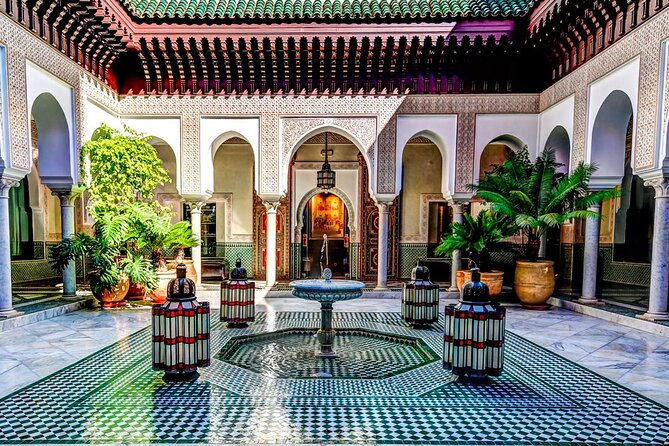
Day 2 starts with the desert already behind you—but it doesn’t feel like you’re leaving it. The day is built around moving from dunes to dramatic stone country: gorges, valleys, and kasbah-lined roads.
You’ll have an early breakfast and then the route pushes toward Dades Gorges from the Merzouga side. This is one of those days where the scenery changes every hour. You’re driving through Morocco’s interior with a lot of viewpoint moments, not just a straight line.
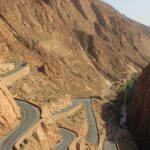
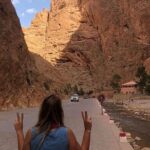
The highlight stop here is Todra Gorge. You get a guided visit (listed as 40 minutes). That time is short, so don’t treat it like a museum. Think of it as a quick, guided taste of what makes Todra special: the canyon walls, the narrow feel of the gorge, and the way the light hits the rock.
You’ll also have a photo stop in Boumalne Dades, plus time to move along toward the Valley of the Roses. If you’ve ever seen photos of rose-season Morocco, this is where the landscape starts to make sense. Dinner and overnight are in a boutique guest house, with the exact location depending on availability—either Kelaat Mgouna in the Dades Valley area or Ouarzazate.
Practical takeaway: Day 2 is where you’ll feel the “road trip” side of this tour most. You’re switching between viewpoints, gorges, and towns, so wear layers and keep something for the ride. Long driving days can be easier when you know you’re not missing meals—breakfast and dinner are included, but lunches are on you.
Day 3: Kalaa Mgouna rose stops, Ouarzazate, Ait Ben Haddou UNESCO, then Tizi n’Tichka to Marrakech
Day 3 is the “big sights” closer. It starts again with the Valley of the Roses and moves toward Ouarzazate and the Atlas Mountains pass that drops you into Marrakech.
You’ll drive along the Valley of the Roses to Kalaa Mgouna. There’s a chance to stop for something optional and very local: rosewater cooperatives and how locals prepare rose-scented perfumes by distilling rose water. If you like food and craft stories, this is a good moment to pay attention.
Then it’s on to Ouarzazate, passing by Skoura oasis with its date palm trees. You’re still in the “southern Morocco” visual world here—stone, palms, and that wide-open spacing that makes the later Atlas views feel extra dramatic.
Next: Ksar of Ait Ben Haddou (UNESCO world heritage). You’ll have lunch there (lunch not included), and then a visit to the kasbah system itself. You’re also told that a kasbah guide is €2 per person if you want that extra layer. This is one of those stops where time matters. The visit is listed as about 2 hours, which is enough to understand why Ait Ben Haddou is famous and still not enough to feel lost.
Finally comes Tizi n’Tichka Pass in the Atlas Mountains. You get a photography stop and you’ll pass by Berber villages with houses built from stones and mud. This is where the route finally gives you that classic Atlas “up high, looking down” feeling before continuing to Marrakech.
You arrive in Marrakech late afternoon, then you’re dropped off at your riad or hotel (or close to it). That drop-off detail is useful because Marrakech riads can be tricky to reach by car.


Desert camp reality check: what the overnight tends to be like
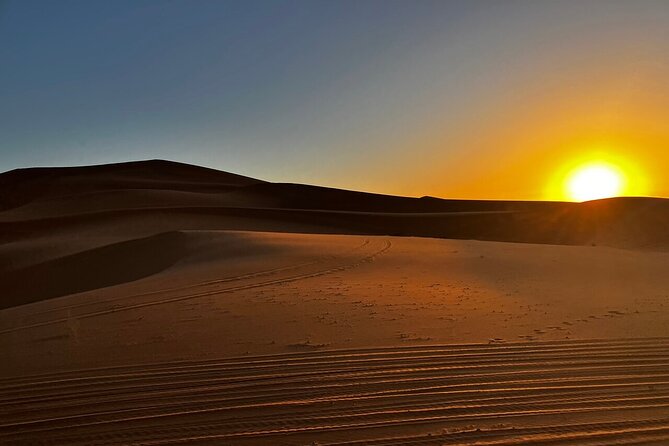
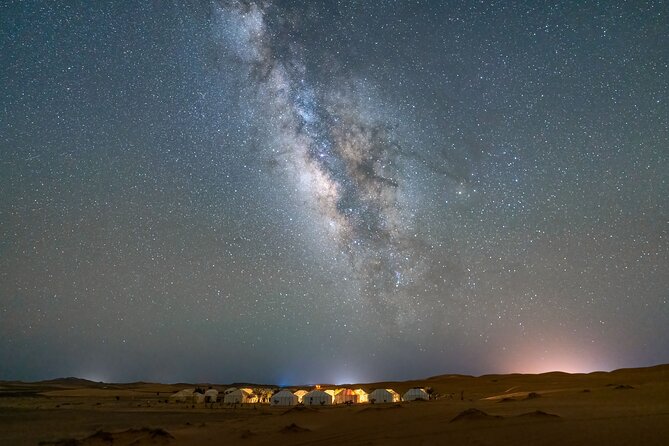
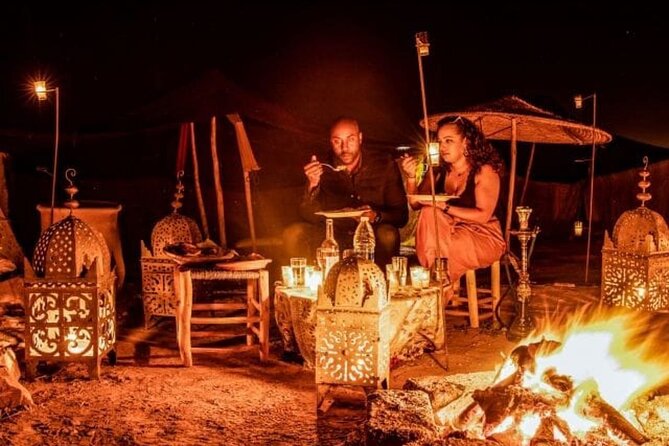
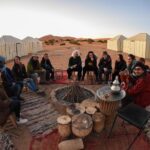
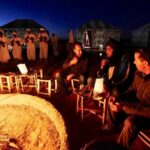
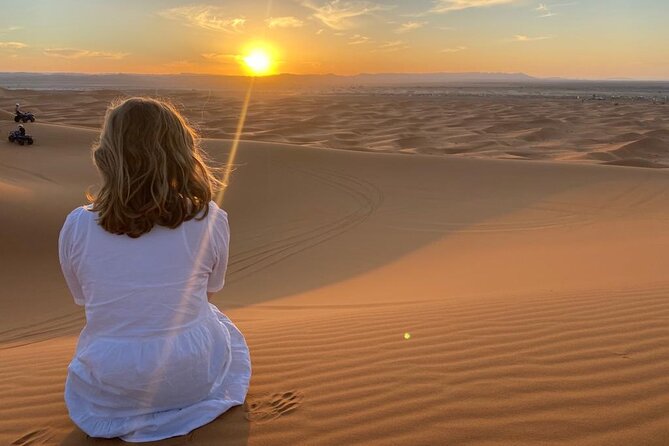
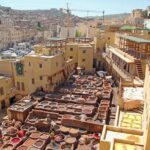
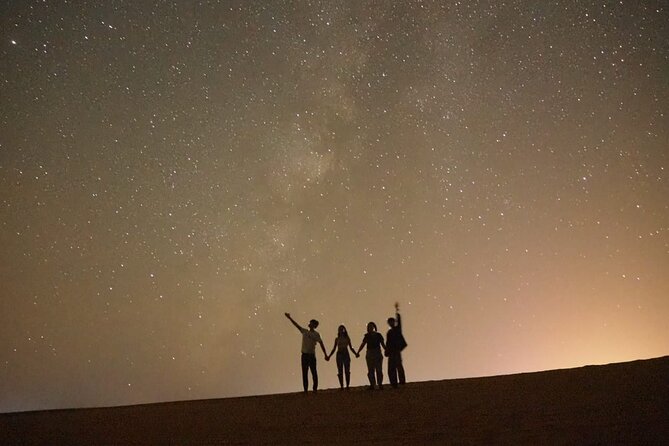
Erg Chebbi overnight is the emotional core of this trip. Expect a tent-style stay in the dunes area. Many tours of this type include basic comforts rather than resort-level luxury, so set your expectations accordingly and you’ll enjoy it more.
A key note from real trip experiences: the camp experience can vary depending on whether you pick an economy or luxury option. One traveler pointed out that the main difference often comes down to air conditioning, so if you’re traveling in warmer months, that upgrade can start to make sense. In cooler seasons, it might be less of a deciding factor.
Also, desert clothing matters. Even when the schedule is tight, you’ll be walking and sitting in sand and wind. Bring a scarf and plan for the chance of dusty moments. If you’re forgetting something, water and a scarf are the two “small things” that make the big difference in comfort.
The guides and group vibe: why people rate this so high
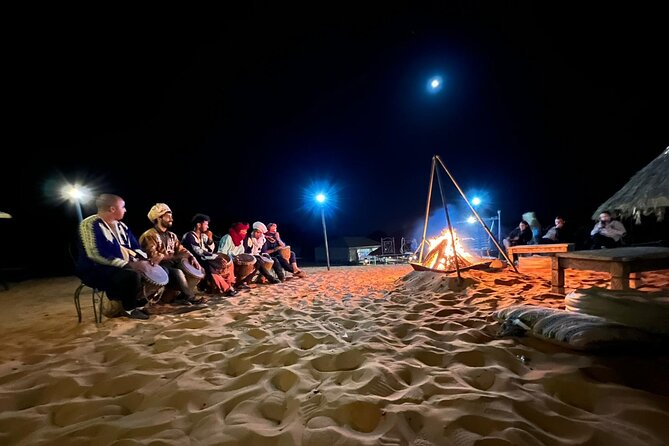
A lot of the standout praise you’ll hear centers on the people running the trip. Guides like Ayoub, Yosef, Hamza, Omar, Hakim, Abdul, and Hesham show up in feedback as drivers who keep things smooth, explain what you’re seeing, and check that everyone’s okay.
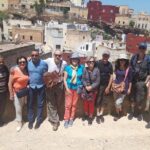
Group size is capped at 17 travelers, which is a sweet spot for shared tours: big enough to feel social, small enough that the day still moves.
One nice bonus mentioned in feedback: some guides may have added comforts like WiFi and phone charging in the car (Hesham is specifically mentioned for that). You shouldn’t assume it every time, but if staying connected matters, it’s worth asking.
The best part of a good driver on a route like this is simple: timing. When the van is running on schedule, your gorge stop and kasbah visit feel worthwhile instead of rushed.
Who this tour suits best (and who should look elsewhere)
This is a great match if you:
- Want a structured route from Fez to Marrakech with desert time included
- Like scenery that changes every few hours—mountains, valleys, gorges, then dunes
- Don’t mind driving days and can handle a packed schedule
It’s less ideal if you:
- Hate long road time or get cranky when there’s no quick escape from the van
- Prefer fully independent pacing, where you can linger in one place longer than the schedule allows
- Expect that lunches and drinks will be included in the all-in price
Quick packing and money tips that actually help
Here’s the practical short list I’d follow for this exact route:
- Scarf for desert dust and wind
- Cash for lunches and water since meals beyond breakfast/dinner are not included
- Comfortable shoes for quick gorge/casbah walking and uneven steps
- A small snack stash for the long segments between included meals
One traveler suggested budgeting around 500 dirhams for the lunches and water over the course of the trip (the amount depends on where you eat and whether you order drinks). Even if you spend less, cash on hand helps you stay calm when you’re tired and hungry.
Should you book the Fez to Marrakech via Erg Chebbi tour?
I’d book this if you want the desert experience plus the Atlas route, without the hassle of coordinating everything yourself. The combination of camel trek, Erg Chebbi overnight, Todra Gorge, and Ait Ben Haddou hits the big Morocco highlights in a way that feels efficient for only 3 days.
I’d think twice if you’re the type who needs downtime or hates driving. This trip is intense in the sense that the days are busy, and the schedule is designed around moving between regions, not resting in one place.
If you book, go in with the right mindset: you’re not just visiting the desert—you’re traveling through Morocco’s changing worlds in one continuous loop. That’s the value here.
FAQ
How long is the tour from Fez to Marrakech?
It’s approximately 3 days.
What’s the pickup and where do you start?
Pickup is available from your hotel in Fez or from a meeting point. Start time is listed as 7:30 am.
Where does the tour end?
The tour ends in Marrakech, with drop-off at your riad or hotel (or close by).
Is camel trekking included?
Yes. Camel trekking is included (camel per person).
What meals are included?
The tour includes two breakfasts and two dinners. Lunches are not included.
Are drinks included?
No. Drinks are not included.
Do you visit Ait Ben Haddou?
Yes. You’ll stop at Kasbah Ait Ben Haddou (UNESCO) and have lunch there, plus time to visit the kasbah.
Is there an extra cost for a guide at Ait Ben Haddou?
Ait Ben Haddou Kasbah guide is listed as €2 per person and is not included.
How many people are in the group?
The tour has a maximum of 17 travelers.
What’s the cancellation policy?
Free cancellation is available up to 24 hours before the experience’s start time for a full refund.