REVIEW · FEZ
Half-Day Private Guided Walking Tour Of Fez Medina
Book on Viator →Operated by FezTime Tours · Bookable on Viator
Fez medina makes sense with a good guide. This half-day private walking tour strings together Fez el-Bali’s big landmarks and everyday craft life, so you can skip the guesswork of turning left in a maze. Many departures are led by locals such as Hicham or Adil, and you’ll get an easy hotel/riad pickup and drop-off that saves you from taxi and meeting-point chaos.
I love two things most about this tour. First, the mix of monuments and real trades: ceramics at Bab Boujloud, madrasas and the Moulay Idriss II shrine area, then a working-feeling stop at Chouara Tannery and artisan workshops. Second, the guides keep it practical and conversational, with good English and plenty of room for questions like Yassin’s calm patience described in the reviews. Coffee and/or tea are included, so the tour doesn’t feel like a nonstop slog.
One thing to plan around: several entrances cost extra, and some sites limit access for non-Muslims. You’ll also be on your feet for about four hours, so comfy shoes matter, even if the pace is guided.
In This Review
- Key things you’ll notice on this Fez medina walk
- Why Fez medina works best with a guide (and why 4 hours is a smart cut)
- Pickup and timing: less stress, more time in the alleys
- Private guiding: tailoring without turning it into a free-for-all
- Price and value: what you’re really paying for at about $25.95 per person
- Stop 1: Bab Boujloud, ceramics, and the Mellah at the start of your route
- Stop 2: Al-Attarine Madrasa and how Fez taught its best students
- Stop 3: Zaouia of Moulay Idriss II (and the entry reality for non-Muslims)
- Stop 4: Museo Nejjarine in a riad-style setting (beautiful architecture, small extra fee)
- Stop 5: The Kairaouine Mosque zone, plus Quaraouiyine and Andalusian context
- Stop 6: Cherratin Madrasa (Er-Rachidia) and 17th-century education
- Stop 7: Chouara Tannery, traditional methods, and the sense of real work
- Stop 8: Artisan workshop stops, from tiles to metal and carpets
- Stop 9: Place R’cif and Place Seffarine, where metalwork has its spotlight
- Stop 10: Finishing the loop with handicrafts, orientation, and a calmer return
- What I’d prepare for before you go (the stuff that actually affects your comfort)
- Who this private walking tour is best for
- Should you book this half-day private tour of Fez medina?
- FAQ
- How long is the Half-Day Private Guided Walking Tour of Fez Medina?
- Is hotel or riad pickup and drop-off included?
- What is included in the tour price?
- Which entrance fees cost extra?
- Can non-Muslims enter all the religious sites on the route?
- Does the tour run in any weather?
- What’s the cancellation policy?
Key things you’ll notice on this Fez medina walk
- Private pickup and drop-off: your guide collects you from your Fez hotel or riad and returns you after the tour.
- A tight route with major hits: Bab Boujloud, madrasas, the Moulay Idriss II area, Nejjarine, and the Kairaouine zone.
- Craft stops that show how things get made: mosaics, textiles, pottery, and metalwork in working workshops.
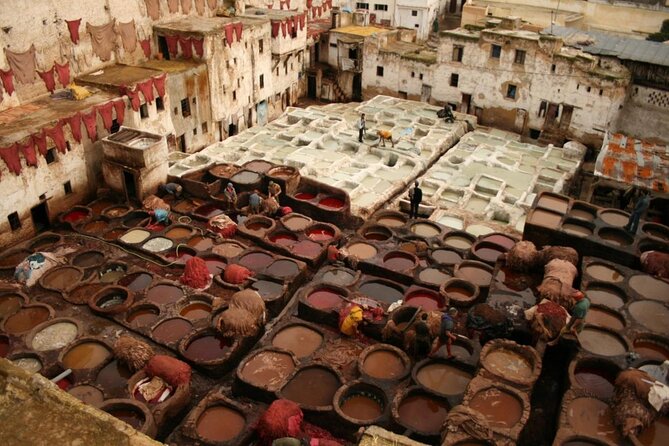
- Traditional process at Chouara Tannery: the city’s old tanning industry is part of the standard route.
- Extra entrance fees at a few stops: Al-Attarine Madrasa, Museo Nejjarine, and Cherratine Madrasa each list 20 DH per person.
- Entry rules for religious sites: some mosques and the Moulay Idriss II shrine area are not open to non-Muslims.
Why Fez medina works best with a guide (and why 4 hours is a smart cut)
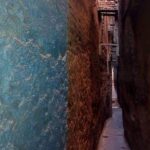
Fez medina is famous for one thing: it’s confusing. Not in a bad way. In a very Fez way. The alleys curve, the signs change, and landmarks can look like they’re around the corner—until you realize they’re on the other side of the labyrinth.
That’s exactly why a guided half-day makes sense. With a private group, you aren’t paying for generic sightseeing. You’re paying for wayfinding, context, and an efficient order of stops so you don’t waste hours retracing steps. The tour also gives you some structure without turning the day into a rushed checklist.
The other smart part is the length. Four hours is long enough to feel like you saw the medina’s layers, but short enough to keep it enjoyable. After that, you’ll usually have a clearer sense of where you want to return on your own—spice shops, metalwork, or just the quieter streets.
You can also read our reviews of more walking tours in Fez

Pickup and timing: less stress, more time in the alleys
This tour is built around hotel/riad pickup & drop-off, and that matters in Fez. Many riads hide behind doors off main streets, and the last thing you want is a guide disappearing into narrow lanes while you’re left holding your phone and hoping. Here, the guide meets you at your place and returns you afterward, so you’re not negotiating meeting points.
Departure times are also flexible. You choose a time online, and the pickup is exact within 30 minutes. That’s useful if you’re coordinating with a driver coming in from outside the city or lining up a lunch plan after the tour.
You’ll also get coffee and/or tea. It’s a small included touch, but in a place where walking gets hot fast, it helps you reset without stopping your day cold.
Private guiding: tailoring without turning it into a free-for-all
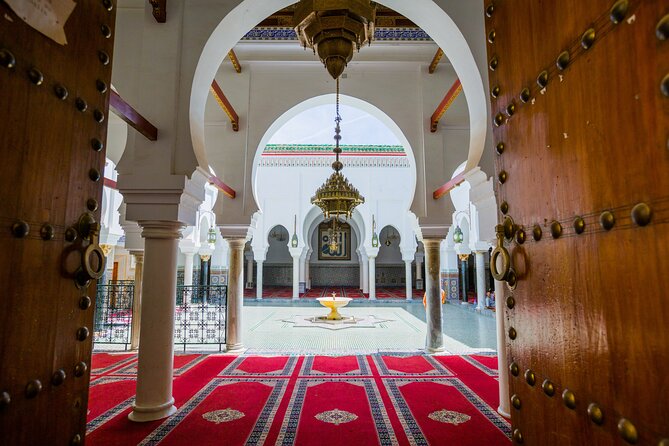
Because it’s private, your guide can adjust the pace for your group. If you want more explanation at the madrasas and mosque areas, you’ll generally get it. If you’d rather spend more time at artisan workspaces, you can ask.
The tone from the reviews is consistent: guides like Hicham, Imad, Adil, and Yassin are described as friendly, patient, and focused on clear English explanations. One review also highlights a no-pressure feel around craft shops, which is huge in a medina where shopping can become a distraction.
There’s a useful middle ground here. You get to see how things are made and why they matter, but you’re not forced into a hard sell. Still, remember: many craft workshops are businesses. Even when the experience is respectful, you should expect people to explain products—and you’ll want to be comfortable saying yes or no.
Price and value: what you’re really paying for at about $25.95 per person
At $25.95 per person for roughly 4 hours, the value comes from three places: the local guide, the logistics of meeting you inside the medina, and the planned mix of sights and crafts.
What’s not included is the entrance fees at a few stops:
- Al-Attarine Madrasa: listed as 20 DH per person
- Museo Nejjarine: listed as 20 DH per person
- Cherratine Madrasa: listed as 20 DH per person
Other stops list free admission or free time without entry requirements. So the cost is predictable: you’ll mostly be paying small fees at specific “pay-to-enter” spots, plus whatever you choose for lunch later.
If you’re comparing this to the price of hiring a taxi repeatedly or getting lost for hours, the guide usually wins. Fez is one of those cities where time is part of the cost. Paying for a guided route can save you both money and sore feet.
Stop 1: Bab Boujloud, ceramics, and the Mellah at the start of your route
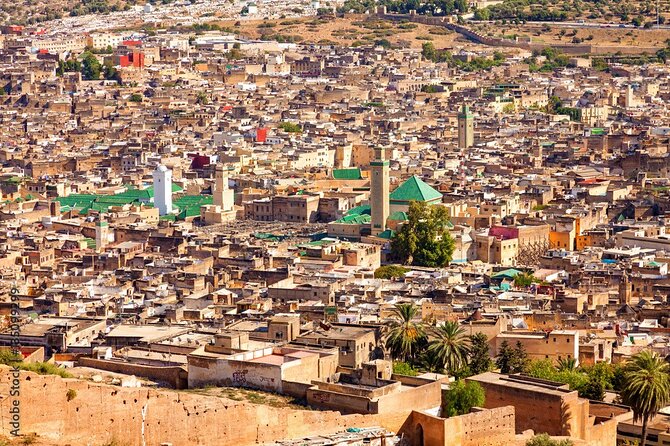
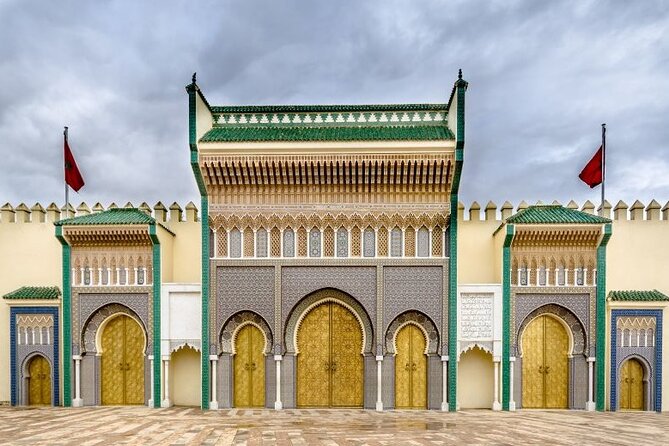
Bab Boujloud is your visual warm-up. It’s known for the blue and green ceramic tiles on the gateway, and it sets the tone for how Fez looks when you finally stop scanning for your bearings.
From this area, the route also references major historic pockets and viewpoints you can learn from quickly, including the Mellah and the 17th-century Ibn Danan synagogue, plus the Kings Palace and the Merinides tops and Borj North & South. The point here isn’t to cram in every detail. It’s to give you anchor points so the rest of the walk makes sense.
A ceramic factory stop is also part of the early lineup. This works well at the beginning because it teaches you what to look for as you move through the medina’s craftsmanship later—patterns, materials, and how tile work ties into the wider aesthetic of the city.
You can also read our reviews of more guided tours in Fez

Stop 2: Al-Attarine Madrasa and how Fez taught its best students
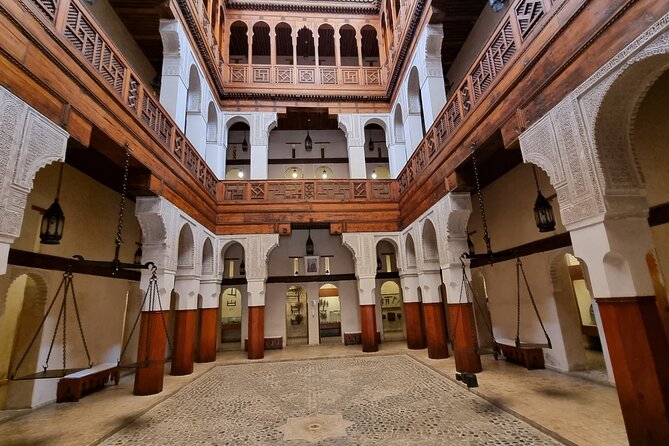
The Al-Attarine Madrasa (built in 1325 under Abu Said Uthman II) is tied to perfume and spice trade through its name and nearby souk history. It functioned as a religious school for high-achieving male students, with many scholars later moving on to study at the Kairaouine University, which traces roots back to 859 AD.
Why this stop is worth your time: it connects the medina’s trades to its institutions. You’re not just looking at pretty architecture. You’re learning how education and commerce shaped Fez’s identity.
In this route, entry is listed as not included for this stop, and it’s around 20 DH per person. If you’re paying that fee, it’s because you want to spend more time with the building rather than just pass by.
Stop 3: Zaouia of Moulay Idriss II (and the entry reality for non-Muslims)
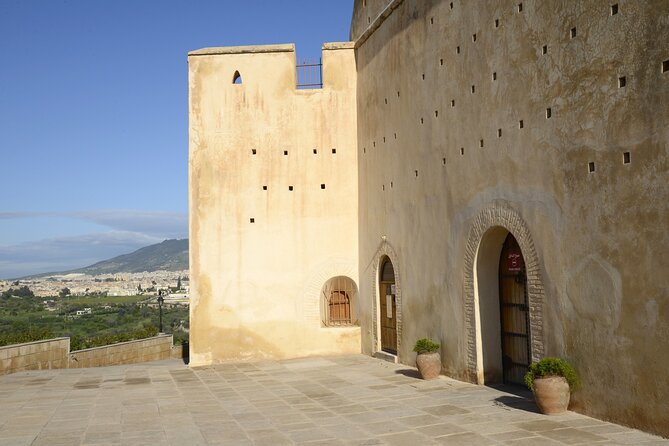
This shrine area is associated with Idris II, recognized as a founder of Fez. It’s in the heart of Fes el-Bali, and your guide shares the significance even if you can’t enter.
Here’s the practical consideration: the tour notes that entrance is not possible for non-Muslims. So if you’re traveling with mixed-faith group members, you can plan mentally for viewing from outside or focusing on the explanation instead.
Stop 4: Museo Nejjarine in a riad-style setting (beautiful architecture, small extra fee)
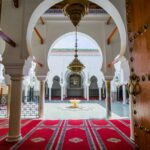
The Museo Nejjarine is housed in an iconic riad-like building, tied to Funduq al-Najjarin. This is a stop that helps you slow down. Instead of only watching artisans outside, you get a quieter architectural and museum moment in the medina.
Entrance costs are listed at 20 DH per person and are not included. Is it worth it? Usually yes, because riad architecture in Fez is a big part of the experience. Even when you only spend part of your time here, it changes your pace.
Stop 5: The Kairaouine Mosque zone, plus Quaraouiyine and Andalusian context
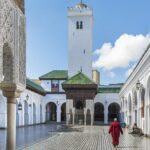
This is where the route turns into “big Fez landmarks” territory. The tour starts your medina walking alongside the Quaraouiyine Mosque area (founded in 859 by Fatima el Fihri) and references the Andalusian Mosque (dating to 860).
Two practical notes:
- Entrance is free only for time at the sites that don’t require paid admission.
- Entry is not permitted to non-Muslims at these mosque areas.
So think of this stop as learning-heavy. You’ll see the surrounding environment, hear the meaning, and get orientation for where these major religious and cultural spaces fit into the medina’s layout.
If you’re visiting as a non-Muslim, don’t let the word mosque scare you off. You’ll still get the structure and story context, and your guide can help you understand what you’re seeing without needing you to enter.
Stop 6: Cherratin Madrasa (Er-Rachidia) and 17th-century education
Cherratine Madrasa, also known as Er-Rachidia or Ras Cherratine Madrasa, was constructed in 1670 under Sultan Al-Rashid Ben Ali Al-Charif. The route frames it as part of Fez’s educational heritage.
Like the other “pay-to-enter” stops, entrance fees are listed as 20 DH per person and not included. If your group likes architecture and how institutions shaped daily life, you’ll likely appreciate this stop more than people who only want the street-level crafts.
Stop 7: Chouara Tannery, traditional methods, and the sense of real work
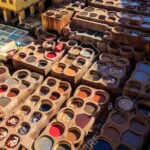
Then comes one of Fez’s signature experiences: Chouara Tannery. It’s described as one of the oldest and largest tanneries, and it retains traditional methods even while functioning as a tourist attraction today.
A heads-up, plain and honest: tanneries are not a delicate experience. Your nose and patience both show up. But that’s also the point. You’re seeing the city’s craft economy at work, not just a souvenir window.
This is also where having a guide helps. They can explain what you’re looking at so you don’t spend your time wondering what part of the process you’re witnessing. And because your guide is local, you’re usually moving through the area with fewer awkward pauses.
Stop 8: Artisan workshop stops, from tiles to metal and carpets
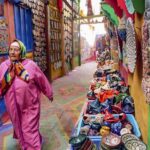
After the tannery, you shift into the places where Fez’s crafts show up in the daily rhythm: mosaic tile work, textiles, pottery, brass and copper etching, and carpet weaving.
This stop section is built around the idea that craftsmanship isn’t just a product. It’s technique passed between generations. Your guide’s job here is to translate what you’re seeing: what tools do, how a process starts, and why certain designs hold meaning.
In the reviews, this is a standout for people who want authenticity. One recurring theme is that guides help you see skilled artisans at work without pushing you into buying. Still, be realistic. Workshops are businesses. You can enjoy the craft lesson and then politely step away if you’re not shopping.
Stop 9: Place R’cif and Place Seffarine, where metalwork has its spotlight
The route includes Place R’cif and then Place Seffarine, which is renowned for brass and copper artisans. This is the moment when you get to see the materials you’ve been hearing about all day turn into actual hands-on work.
If your group loves detail—tools, metal shaping, and the final finish—this is a satisfying segment. If you’re more tired by this point, you’ll still get a quick orientation for where metalwork shops cluster, so you can explore further later on your own.
Stop 10: Finishing the loop with handicrafts, orientation, and a calmer return
Even though it’s a half-day, the route is designed to leave you with usable orientation. You’ve seen the gateway area, trade zones, the institutional side of Fez, the tanneries, and then the artisan workshops.
That balance is why this tour often feels like an efficient intro. You get the story, you get the sights, and you learn enough to navigate a bit on your own afterward without turning every alley into a side quest.
What I’d prepare for before you go (the stuff that actually affects your comfort)
1) Wear comfortable shoes. Fez medina walking is uneven, steep in spots, and longer than your brain expects once you’re inside.
2) Be ready for extra fees at the madrasas and museum stops listed as not included.
3) Expect entry limits for non-Muslims at specific religious sites in the itinerary.
4) Plan around weather. The experience requires good weather, so if it gets canceled for that reason, you’ll be offered a different date or a full refund.
5) Bring small cash for 20 DH entrances if you want them, since they’re not included in the main price.
Also, take the guide’s shopping-and-food tips as optional. Reviews mention guidance for where to eat and how to handle shopping respectfully. That’s useful, but you stay in control of your day.
Who this private walking tour is best for
This is a great fit if:
- You have limited time in Fez and want the medina’s key areas in a single route.
- You want a private guide who can keep the pace suited to your group.
- You care about both history and real craft work—not only monuments.
It’s also a good family choice. One review notes a guide who enjoyed teaching with kids ages 6 and 11, using slow, easy English explanations.
If you hate walking, dislike religious-site entry rules, or want zero additional costs beyond the ticket, you may prefer a shorter plan or a route with only free-entry stops.
Should you book this half-day private tour of Fez medina?
If you’re visiting Fez for a short stretch and you want your day to feel organized instead of chaotic, I’d book it. The price-to-time ratio is strong, the pickup/drop-off removes real friction, and the stop mix hits both the landmark side and the working-craft side of the medina.
I’d only hesitate if you know you won’t want to pay the 20 DH entrance fees at the listed stops, or if your group is set on entering every religious site (because some entrances are specifically not available for non-Muslims). For most people, though, a guide turns Fez from an overwhelming maze into a place you can actually understand.
FAQ
How long is the Half-Day Private Guided Walking Tour of Fez Medina?
It runs about 4 hours.
Is hotel or riad pickup and drop-off included?
Yes. Pickup and drop-off from your Fez hotel or riad are included.
What is included in the tour price?
A professional local guide, coffee and/or tea, and pickup & drop-off are included. You’ll also have a mobile ticket.
Which entrance fees cost extra?
Al-Attarine Madrasa, Museo Nejjarine, and Cherratine Madrasa list 20 DH per person and are not included. Entrance fees can also apply to certain stops depending on access.
Can non-Muslims enter all the religious sites on the route?
No. The tour notes that entrance is not possible for non-Muslims at the Zaouia of Moulay Idriss II and the mosque areas referenced in the Kairaouine stop.
Does the tour run in any weather?
It requires good weather. If canceled due to poor weather, you’ll be offered another date or a full refund.
What’s the cancellation policy?
You can cancel for a full refund up to 24 hours in advance. If you cancel less than 24 hours before the start time, the amount paid is not refunded.