REVIEW · MARRAKESH
From Marrakesh: 2-Day Mount Toubkal Trek
Book on GetYourGuide →Operated by Click Excursions · Bookable on GetYourGuide
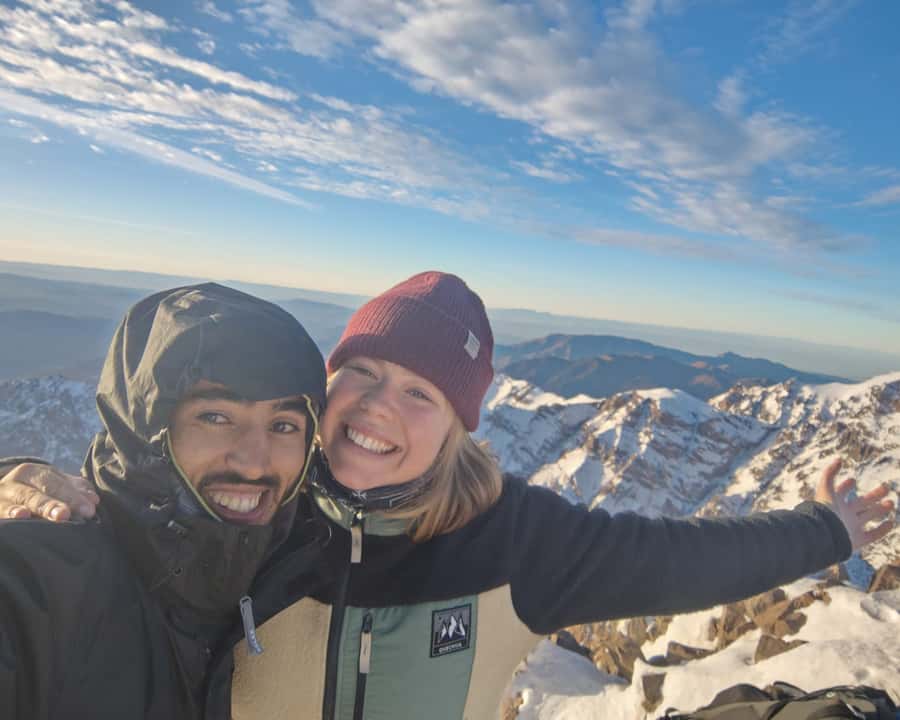
Mount Toubkal is the kind of hike that makes your camera work overtime. You start near Marrakesh, sleep up high at the Toubkal Refuge, and then push to 4,167 meters for sweeping 360-degree views that feel almost unreal.
I love how the trip is paced with real mountain climbing in mind, not just a walk-and-photos stroll. You’re guided from the Imlil area through valleys and mule-track terrain, with a local mountain guide (many trips are led by guides like Mustafa or Rashid, based on the names that keep showing up).
One thing to plan for: summit success depends on conditions. If weather is rough or access is restricted, the provider notes you may only visit Imlil, so come with flexibility and don’t bank everything on being on the top.
In This Review
- Key things that make this trek worth it
- From Marrakesh to Imlil: the ride that sets your rhythm
- Day 1: Ait Mizane Valley, Aremd, and Sidi Chamarouch before you climb higher
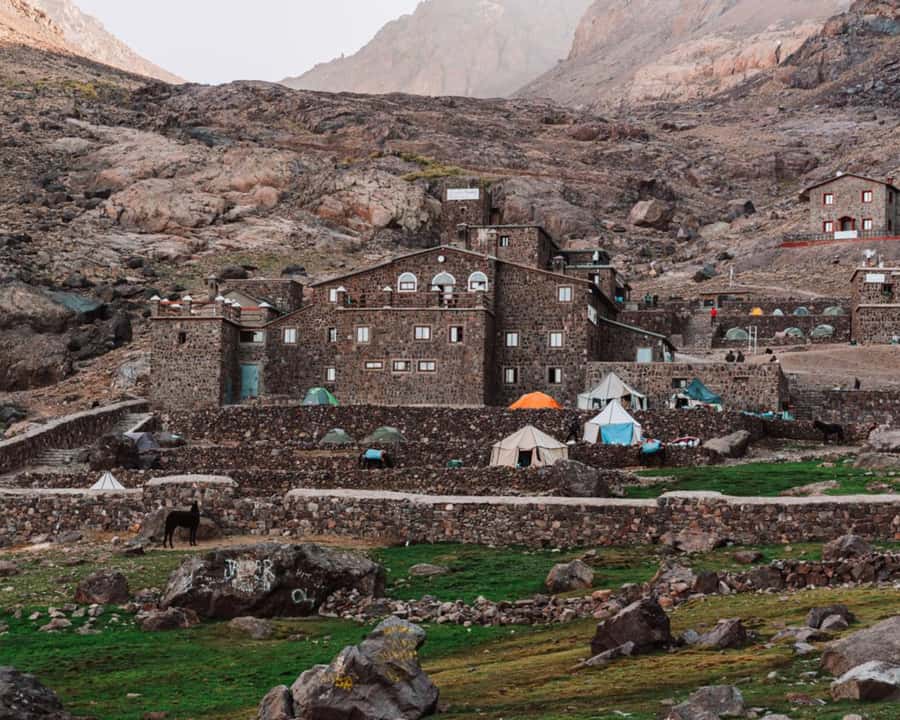
- The Toubkal Refuge overnight: what you’re paying for (and what to expect)
- Day 2 summit push: southern circle route, scree, and altitude changes
- The summit views: 360° payoff that hits even when conditions aren’t perfect
- Guides and safety: what to look for on the mountain
- Gear, winter traction, and your passport (yes, really)
- Food, pacing, and where snacks fit into the day
- Price and value: is $125 fair for a 4,167 m climb?
- Who this trek suits best (and who might think twice)
- Quick booking checklist before you commit
- Should you book the 2-Day Mount Toubkal Trek from Marrakesh?
- FAQ
- How long is the Mount Toubkal trek from Marrakesh?
- Where does the trek start and end?
- How high is Mount Toubkal on this trek?
- Is a summit to Mount Toubkal guaranteed?
- What’s included in the price?
- Are meals included for both days?
- Do I need to bring my passport?
- What gear do I need to bring, and can I rent it?
- What languages do the guides speak?
Key things that make this trek worth it
- Small group size (up to 10) so you don’t feel lost in a crowd on narrow paths
- A real night at Toubkal Refuge so you’re acclimatized and closer to the summit push
- Sidi Chamarouch shrine and Aremd stop give the trek more than just “exercise”
- 360° views from the peak—High Atlas to the north, Anti-Atlas and the desert direction to the south
- Guide support for safety on scree, altitude changes, and winter traction needs
- Meals included so you’re not scrambling for lunch mid-climb
From Marrakesh to Imlil: the ride that sets your rhythm
This trek starts with a scenic transfer out of Marrakesh to Imlil, the common jumping-off point for Mount Toubkal. Pickup is included from your hotel or riad, and if a car can’t reach you, you’ll walk a short distance to a meeting spot.
That drive matters more than it sounds. It drops you into mountain tempo before you ever put on boots, and it gives you a first taste of the Atlas scenery you’ll earn on summit day.
Also, communication is part of the deal. You’ll get pickup details by email the day before (usually by late afternoon), so check your inbox and keep your confirmation handy. Being ready 5–10 minutes early helps everything run smoothly.
You can also read our reviews of more hiking tours in Marrakesh
Day 1: Ait Mizane Valley, Aremd, and Sidi Chamarouch before you climb higher
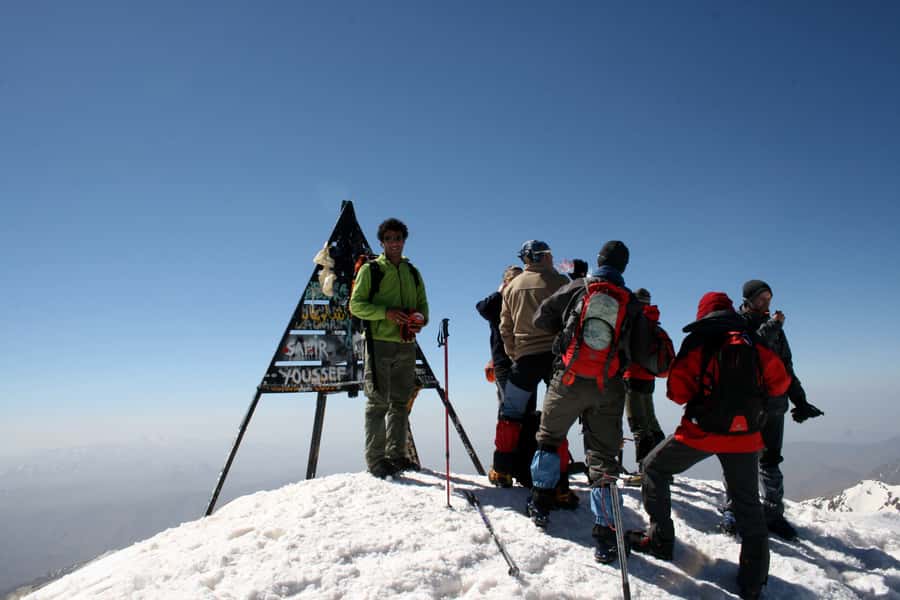
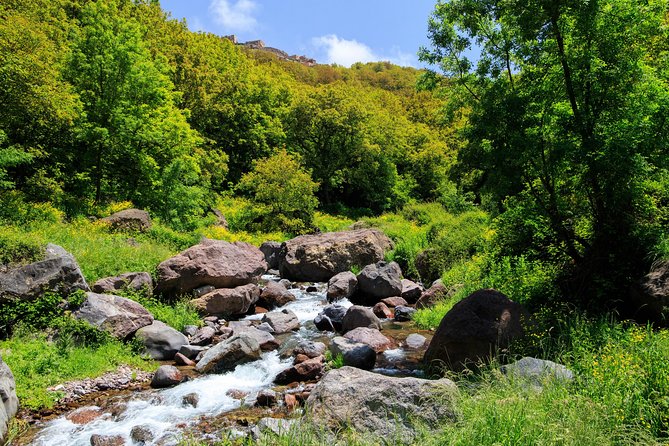
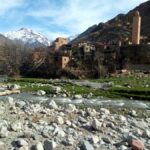
Day one is built around a classic “warm up into the mountains” flow. After arriving in Imlil, you trek along the Ait Mizane Valley, moving through the village of Aremd and stopping at the shrine of Sidi Chamarouch.
That shrine stop is a nice reminder that this isn’t just a tourist hike. It adds a cultural pause before you start feeling the altitude rise, and it gives the day a storyline instead of being only uphill steps.
From there, you’ll follow mule-track terrain into higher rocky country. The route climbs steadily above the snow line (especially in colder months), and you’ll reach Toubkal Refuge for the night. Expect a sense of “we’re actually up here” once you’re settled—this is where the next day starts making sense.
Practical note: day one is the time you should manage your energy. If you go too hard early, day two will punish you when the altitude and scree come into play.
The Toubkal Refuge overnight: what you’re paying for (and what to expect)
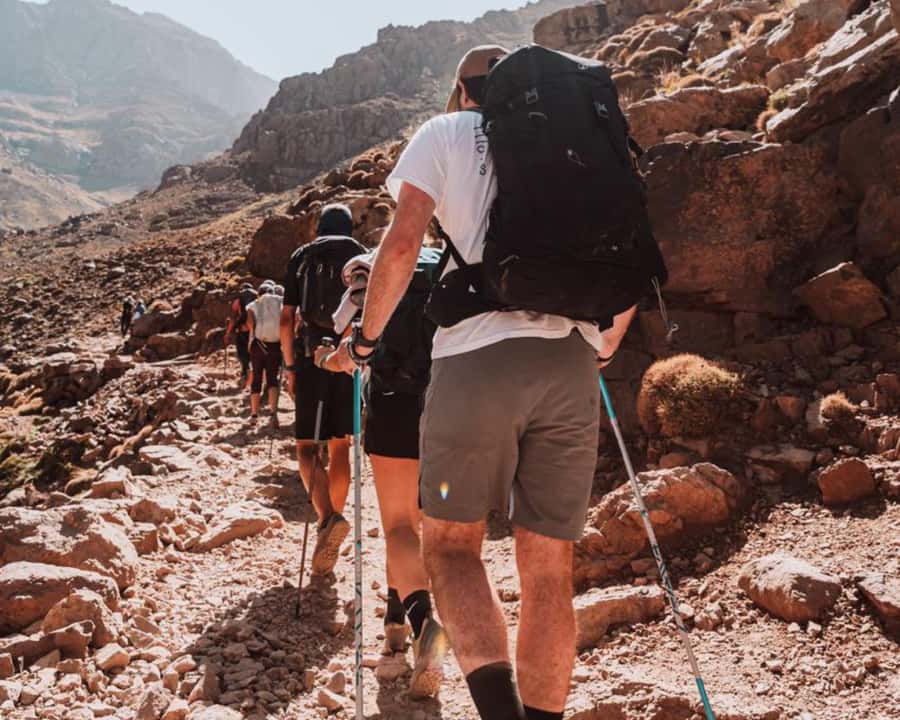
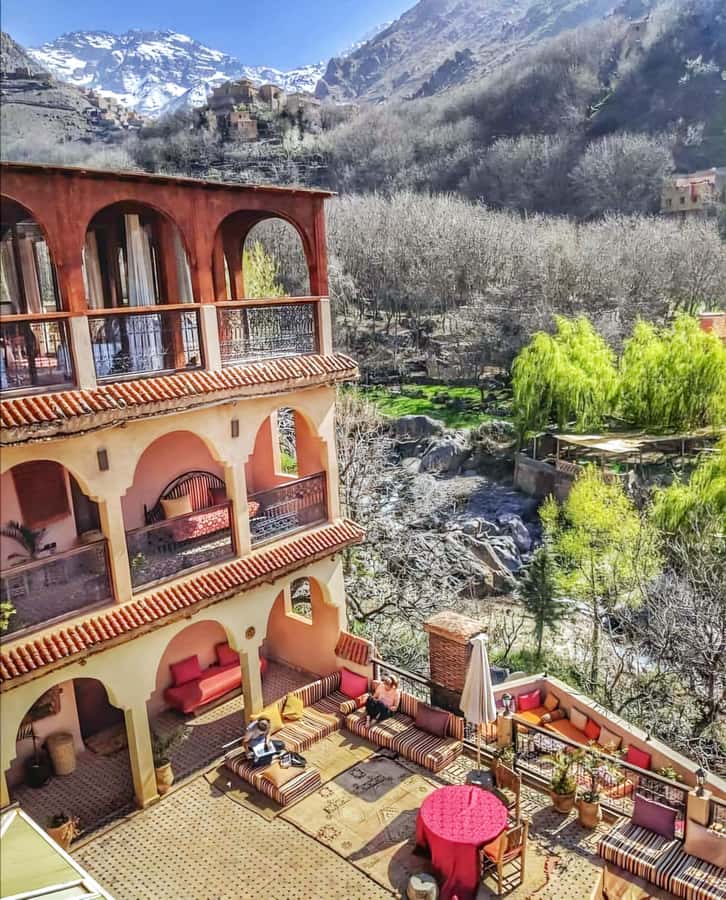
The refuge night is one of the biggest value drivers in this trip. You’re not just hiking to a far-off point and then turning around; you’re sleeping at altitude so sunrise or early-morning summit conditions become realistic.
Included in the price are accommodation, all meals, and wifi. The wifi piece is interesting because it’s not something you can assume in remote mountain areas, but it is included—just don’t count on it being fast.
Sleep quality? Be realistic. Some hikers say it’s better than they expected, but others warn that refuge sleep is basic and you should plan for noise and cold. If you’re a light sleeper, earplugs are a smart idea.
This night also matters for logistics. When you wake up, you’re close enough to start climbing quickly rather than losing hours with extra transfers.
Day 2 summit push: southern circle route, scree, and altitude changes
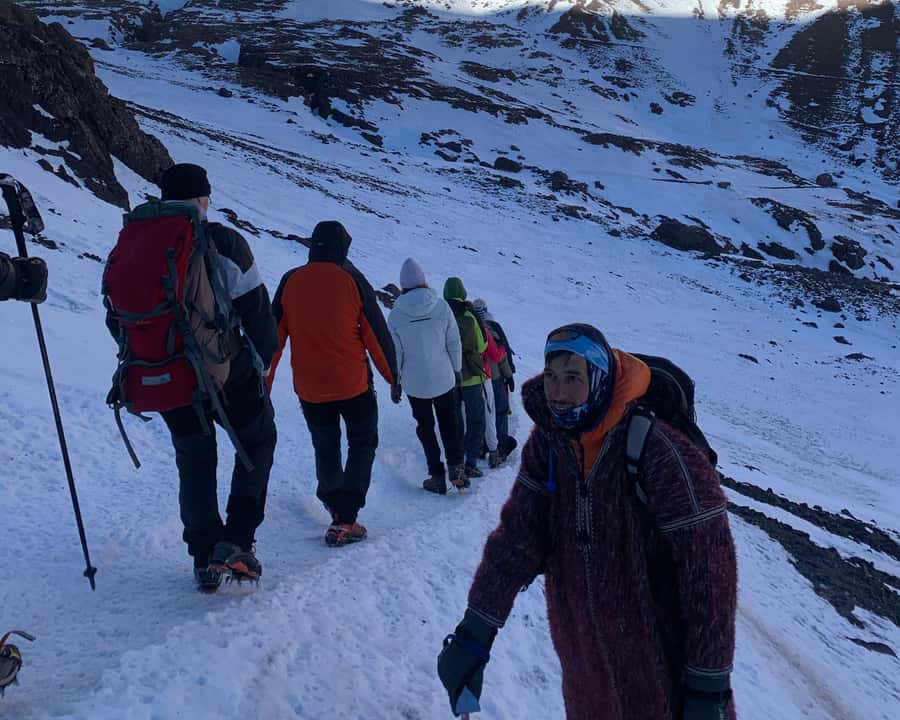
Day two is the main event: the route takes you along the southern circle route to the summit of Mount Toubkal (4,167 meters). The climb isn’t described as highly strenuous in the pure “steepest ever” sense, but the difficulty can still feel real because of scree and altitude changes.
That combination changes how your legs work. Scree can slide underfoot, and altitude can make the same effort feel harder than it would at sea level. If you’re the type who thinks in “heart rate” instead of “time,” you’ll likely do best by controlling your pace and taking breaks when your guide suggests.
Many groups start very early, sometimes around 4 a.m., so plan on waking up before your body is ready to be cheerful. The reward is why people keep coming back.
The summit views: 360° payoff that hits even when conditions aren’t perfect
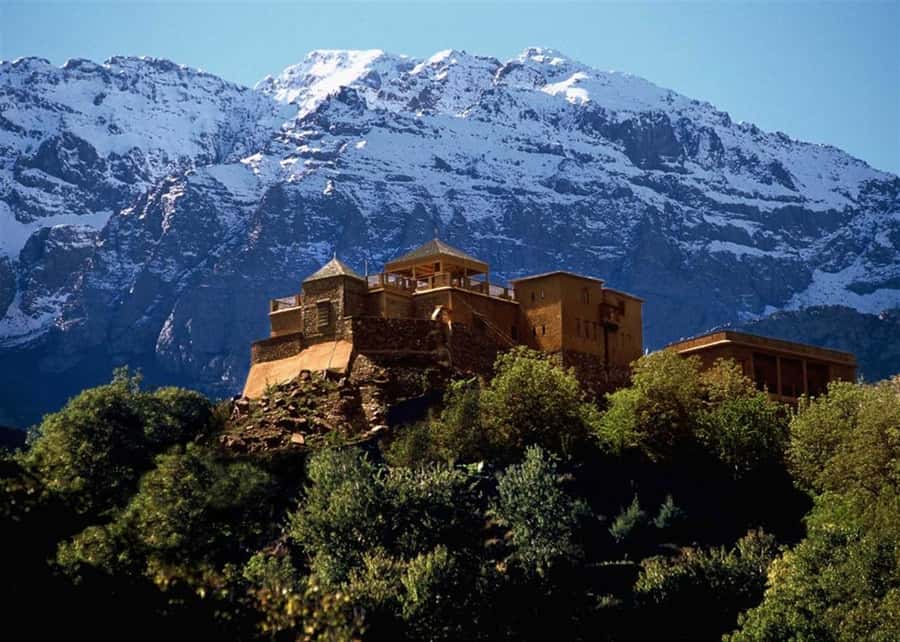
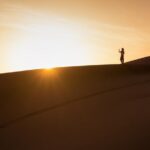
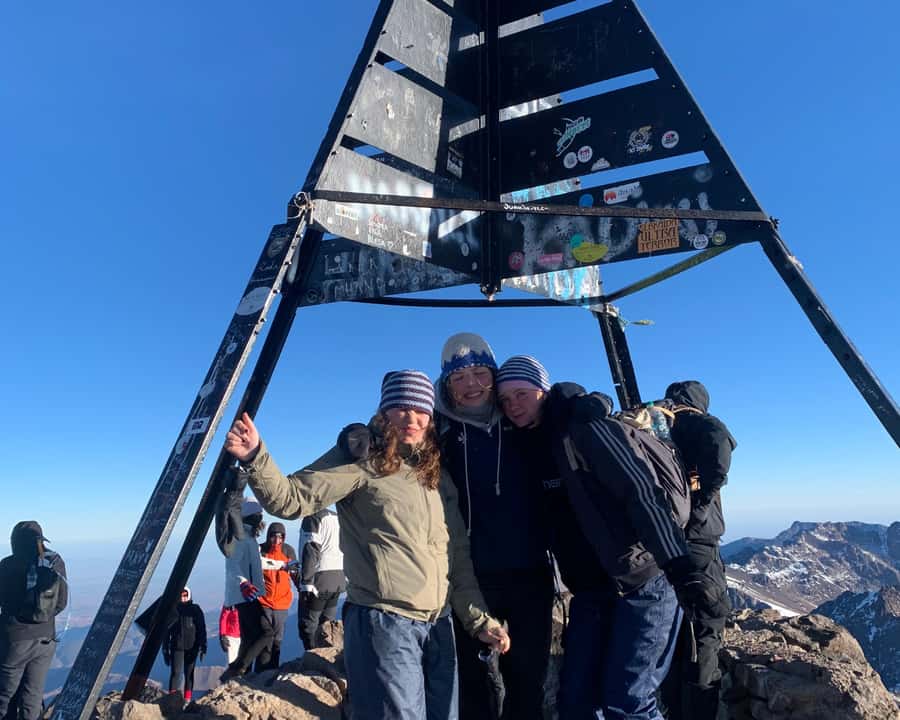
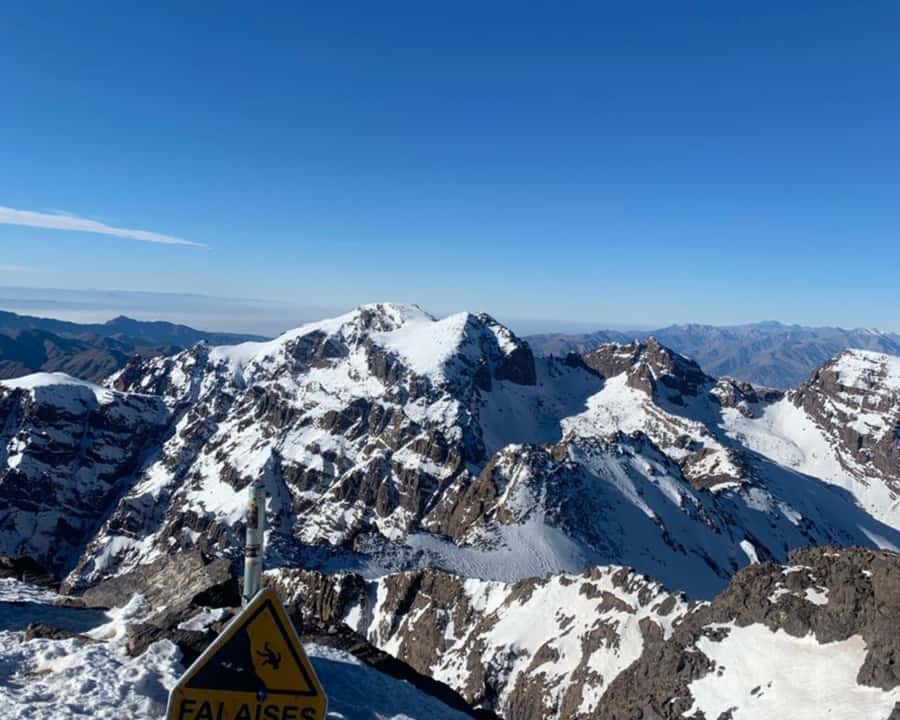
Reaching the top is when the whole trip clicks. From the summit, you get 360-degree views: the Marrakech Plain and the High Atlas Mountains to the north, and in the south the Anti-Atlas direction and even the Sahara Desert reach on clear days.
Even if you don’t love heights, this is the kind of view that makes you forget to complain. It’s wide, cold-air sharp, and it gives you the satisfaction of having crossed into a bigger world.
If weather is bad, summit plans can change. The provider notes that if conditions aren’t good enough to hike Toubkal, you may only visit Imlil. In at least one case, when access to the top was restricted, the group still got a good mountain experience—like hiking around Imlil and then summiting a lower peak around 2,600 meters. So you can still end the trip feeling like you climbed something meaningful.
A few more Marrakesh tours and experiences worth a look
Guides and safety: what to look for on the mountain
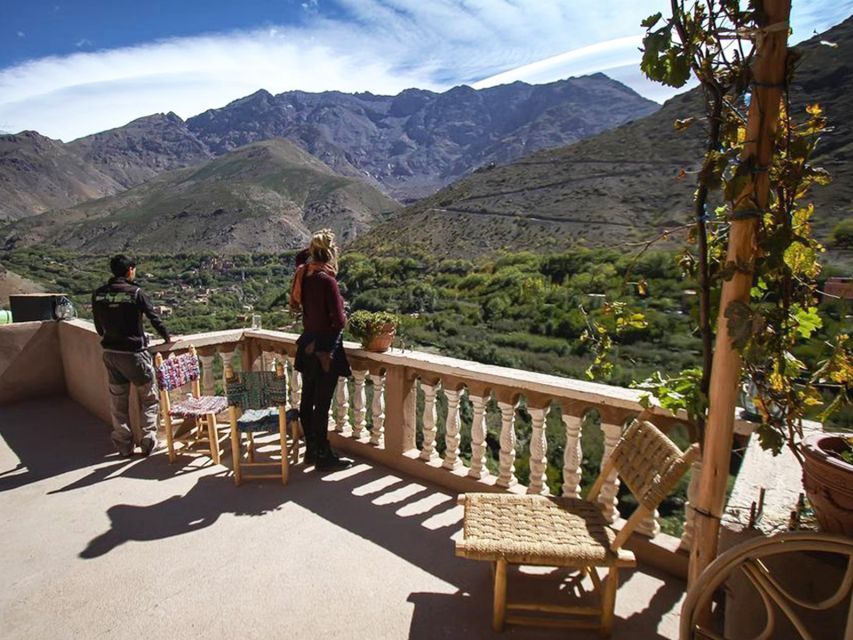
The guide team is the difference between a memorable climb and a stressful one. Based on the guide names that show up repeatedly, leaders like Mustafa and Rashid (plus other guides such as Ahmed, Hassan, Jamal, Kamal, and Mohammed) are repeatedly praised for being caring, professional, and safety-minded.
What that looks like in real life:
- Checking on the group’s pace so nobody gets left behind
- Adjusting for people who feel ill or struggle late in the climb
- Helping with difficult sections like snowy patches or scree fields
One extra detail I appreciate from the feedback: guides are often described as encouraging when motivation drops. That matters on Toubkal, because near the end, you’re not just fighting distance—you’re fighting the mental math of altitude.
Tip: don’t wait until you feel terrible to say something. Tell your guide early if you’re struggling. That’s how they can keep the group together safely.
Gear, winter traction, and your passport (yes, really)
You should bring trekking gear and hiking shoes. The tour also asks you to take your passport on the trip. Equipment can be rented there if you don’t have it already, so don’t panic if you’re arriving in Morocco with only basic hiking footwear.
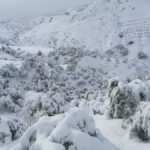
Winter matters. When there is snow, crampons and ice picks may be required. These can be rented on-site, and your guide helps if you need them. That’s a big deal because traction gear is only useful if it’s fitted and used correctly.
Also, altitude is part of the planning. One very practical suggestion from feedback: consider altitude medication you can buy in Marrakesh pharmacy shops at a low cost. You don’t need to overthink it, but do give your body the best chance to handle the climb.
Finally: pack light but smart. You’ll be climbing with the essentials—things like an extra layer for summit cold and a small personal snack stash.
Food, pacing, and where snacks fit into the day
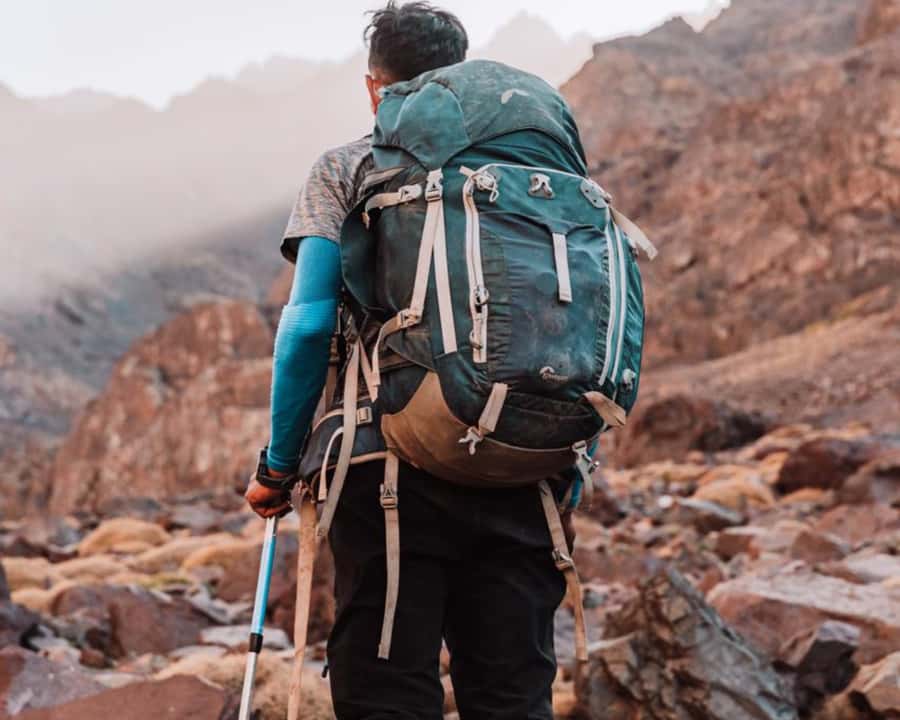
Meals are included: all meals across both days. Expect local, wholesome food, and in many cases hikers say the portions are plenty for a high-effort couple of days.
Breakfast can be lighter than lunch and dinner, so it’s not a bad idea to bring a snack you can eat on your own schedule. During the hikes, there are also places to buy food and water if you need extra energy or hydration, so you’re not trapped with only what’s on the menu.
Tea is a mountain classic for a reason. It helps with rhythm, breaks, and warmth—especially on early starts.
On the endurance side, pacing is usually handled well. Many groups report that guides keep breaks frequent enough and adjust to the group’s comfort level, which is crucial on day two.
Price and value: is $125 fair for a 4,167 m climb?
At $125 per person for a 2-day trek, the value comes from what’s already handled. You’re getting:
- A local mountain guide
- Transport to and from Imlil from Marrakesh
- One night at the Toubkal Refuge
- All meals
- Wi-fi included
That’s not just “a walk with a guide.” Refuge accommodation plus meals are the expensive parts of high-altitude travel. The transport and guidance cut down on the hassle of arranging everything yourself.
What you should budget for separately:
- Soft drinks are not included
- Gear rentals might cost extra if you arrive without crampons or proper hiking shoes
- Tips are not required by the listing data, but one piece of advice from feedback is to tip your guide—guides often rely on it since their work is physically demanding and time-intensive
If you want maximum value, this is the right frame: treat it as a guided, supported climb package rather than a DIY hike.
Who this trek suits best (and who might think twice)
This is a great fit if you want:
- A structured trek with local guidance
- A genuine high-altitude experience with a real overnight stay
- Views as the reward, not just a finish-line checkbox
It’s also ideal for first-timers to mountain trekking who still want to try something challenging but guided. The small group size helps, and guides are described as attentive to safety and individual pace.
You might think twice if:
- You’re very sensitive to early mornings and cold (summit-day starts can be extremely early)
- You’re not comfortable with scree footing and altitude fatigue
- You need guaranteed summit access regardless of weather (the provider notes it may shift to Imlil only)
Quick booking checklist before you commit
Before you book, I’d do three things:
- Confirm you have hiking shoes and bring layers for cold nights at altitude
- Check you’ll have your passport with you
- Plan for a “Plan B” mind-set if summit conditions don’t cooperate
If you do that, you’ll enjoy the climb much more. You’ll be there for the mountains, not for a single point on a summit map.
Should you book the 2-Day Mount Toubkal Trek from Marrakesh?
Yes, if you want a well-supported, small-group Mount Toubkal experience that includes the hard-to-arrange parts: transport, meals, and the refuge night. The trip is built for real mountain time, and the guide support is a major reason people come away feeling confident and cared for—even when they don’t hit the very top.
Book it if you can handle scree, early starts, and the possibility that weather or access rules might change summit plans. If that flexibility sounds like you, this is a strong choice for an unforgettable Atlas hike with serious altitude views.
FAQ
How long is the Mount Toubkal trek from Marrakesh?
It’s a 2-day experience.
Where does the trek start and end?
Pickup is from your hotel or riad in Marrakesh, and you’ll return to Marrakesh via Imlil.
How high is Mount Toubkal on this trek?
The summit is at 4,167 meters.
Is a summit to Mount Toubkal guaranteed?
Not necessarily. The tour notes that if the weather is not good enough to hike Toubkal, you can only visit Imlil.
What’s included in the price?
You get a local mountain guide, 1 night at Toubkal Refuge, all meals, transport to and from Imlil village, and wifi.
Are meals included for both days?
Yes. All meals are included.
Do I need to bring my passport?
Yes, the tour advises taking your equipment and passport with you.
What gear do I need to bring, and can I rent it?
You should bring trekking gear and hiking shoes. If you don’t have the equipment, you can rent it there. In winter, crampons and ice picks may be required, and they can also be rented there.
What languages do the guides speak?
Guides are available in English, French, Spanish, and Arabic.