REVIEW · MARRAKECH
2 days Toubkal hiking from Marrakech
Book on Viator →Operated by Toubkal life trekking · Bookable on Viator
Toubkal in two days is surprisingly doable. What makes this trip stand out is the tight plan: you hike up from Imlil to a climbers refuge near the base of Mount Toubkal, then go for the summit the next day. Add round-trip transport from Marrakech, a professional guide (including Aziz), and a mule to handle luggage, and you’ve got a mountain experience that feels practical, not chaotic.
I love two things most: you get real guidance (Aziz is repeatedly praised for being patient and safety-focused) and you eat well without doing the planning yourself. Meals are included, vegetarian options are available by request, and the food helps when you’re burning energy in cold air.
One thing to think about before you book: this can be cold and gear-heavy. The trek includes winter-style equipment like crampons and snow goggles when conditions call for it, and if you’re missing items you can rent in Imlil before you set off.
In This Review
- Key highlights in plain terms
- Two days from Marrakech: why this plan works
- From Marrakech to Imlil: how the ride sets your mindset
- Imlil waterfalls and Berber villages: the human side of the climb
- Day 1: Imlil to Toubkal base camp area and the refuge night
- Day 2: the summit push and how guides pace the work
- Meals, vegetarian requests, and keeping your energy steady
- The mule system: why your legs will thank you
- Guide quality: what Aziz’s style signals about your safety
- Price and value: what you pay for (and what you don’t have to manage)
- What to pack for a winter Toubkal trek (and rental help in Imlil)
- Who should do this trek, and who should pause
- Should you book this Toubkal trek with Toubkal life trekking?
- FAQ
- How long is the Mount Toubkal trek?
- What’s included in the price?
- Do I need to bring winter gear?
- Is a mule provided to carry my luggage?
- Can I request vegetarian meals?
- What if the weather is poor?
- Is this a private tour?
Key highlights in plain terms
- Summit day with a paced guide: expect steep, rocky effort and careful pacing.
- Climbers refuge night: you sleep at the foot of the peak, ready for an early push.
- Pickup + round-trip transport from Marrakech: no wrestling with local logistics.
- All meals included (vegetarian available): you’re fueled without extra stops.
- Mule for luggage: you hike lighter while your gear moves along.
Two days from Marrakech: why this plan works
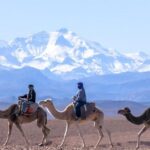
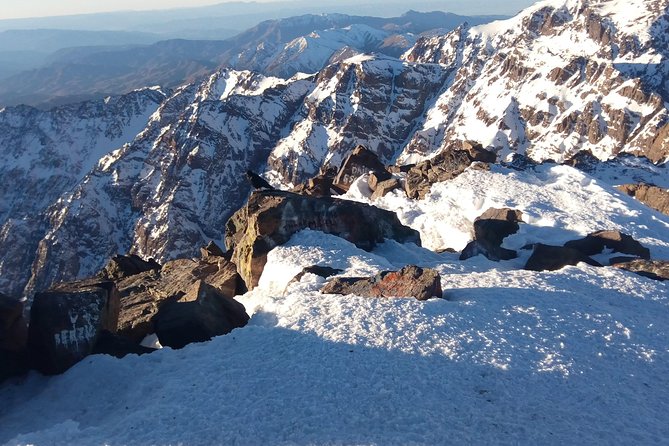
Mount Toubkal (4,167 meters / 13,671 feet) is the highest point in North Africa, and this route keeps it focused. Instead of stretching the climb over a long itinerary, you go from Imlil Valley up to a basecamp-area refuge on day one, then summit on day two.
That’s the appeal for me: it’s intense, but it’s efficient. You still get that slow-mountain feel of Morocco’s High Atlas, without losing half your trip to travel days.
The trip also helps you avoid a common beginner mistake: showing up to Toubkal thinking you just need good shoes. This kind of two-day schedule rewards you for being ready—weather-ready and gear-ready.
You can also read our reviews of more hiking tours in Marrakech

From Marrakech to Imlil: how the ride sets your mindset
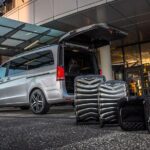
Your day starts with round-trip transportation from Marrakech (and pickup is offered). That matters more than people think. In the Atlas, timing can get tight once weather changes, and you want to arrive at Imlil with enough margin to settle in and get your gear squared away.
You’ll be moving toward higher terrain fast, and even if you’re fit, altitude and cold can change how you breathe and how your legs feel. A good trip plan smooths that out. This one does, because your start point is Imlil, a classic launch area for climbing Toubkal.
And you’re not just being dropped somewhere random. You’re being guided into the rhythm: warm up with short cultural and scenic stops, then shift into hiking mode.
Imlil waterfalls and Berber villages: the human side of the climb
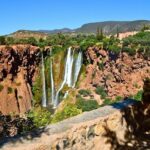
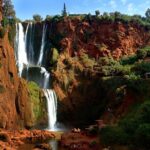
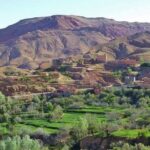
Before you tackle the big elevation, you visit Imlil waterfalls and Berber villages. This is a smart move. It helps you understand the setting beyond the summit goal, and it gives you a smoother transition from city life to mountain pace.
The village portion is where you see daily life at the edge of the High Atlas. In the hikes I’ve done around Morocco’s mountain regions, those early stops are what make the next long stretch feel meaningful instead of like a chore.
It also adds variety. Even though your main event is the Toubkal climb, those earlier sights break up the monotony of only going uphill, uphill, uphill.
Day 1: Imlil to Toubkal base camp area and the refuge night
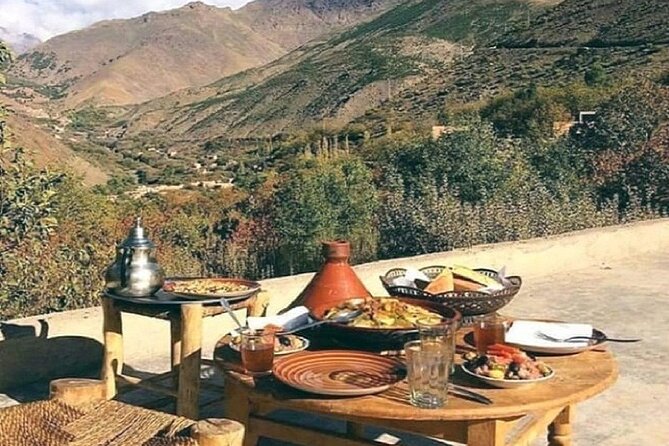
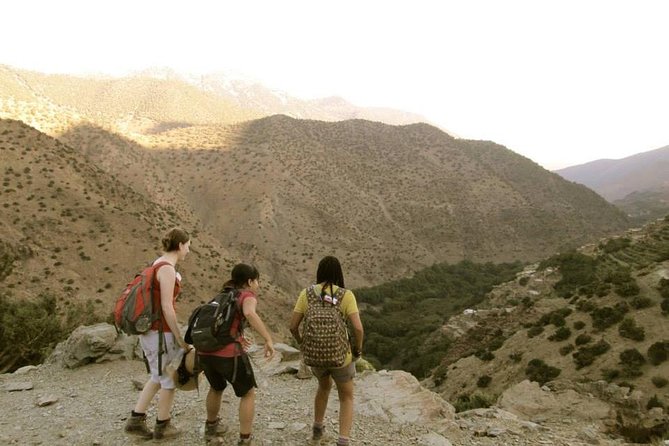
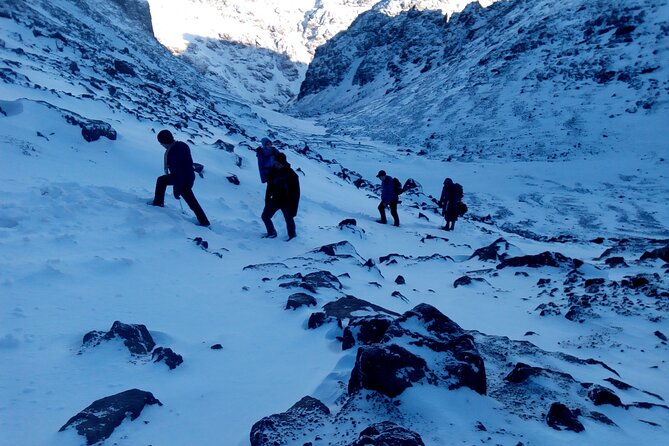
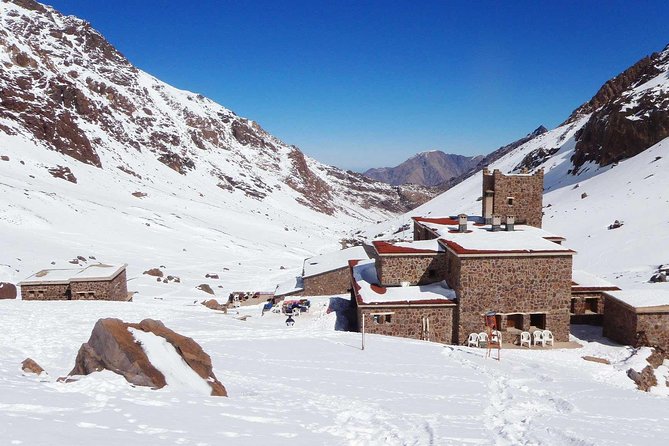
Day one is your build-up day. You hike from the Imlil Valley to Toubkal base camp, stopping for rest and food along the way. The goal is to reach the climbers’ refuge at the foot of the peak and settle in for the night.
The refuge part is huge. It’s not the same as sleeping at a hotel where you can reset casually. You’re sleeping closer to the climb, in mountain conditions, and that changes your mindset. It makes the summit day feel like a continuation, not a brand-new adventure.
You’ll also notice the day includes real hiking, not just a scenic walk. It’s described as a climb up to the refuge area, and even if the route is well-supported, you should expect effort—especially if the air is cold.
Vegetarian meals are included on this trip (request in advance), which is helpful if you don’t want to gamble on what you’ll be able to find on mountain mornings.
Day 2: the summit push and how guides pace the work
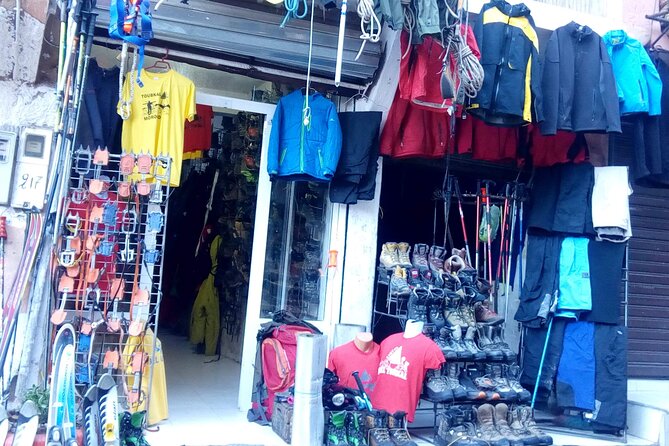
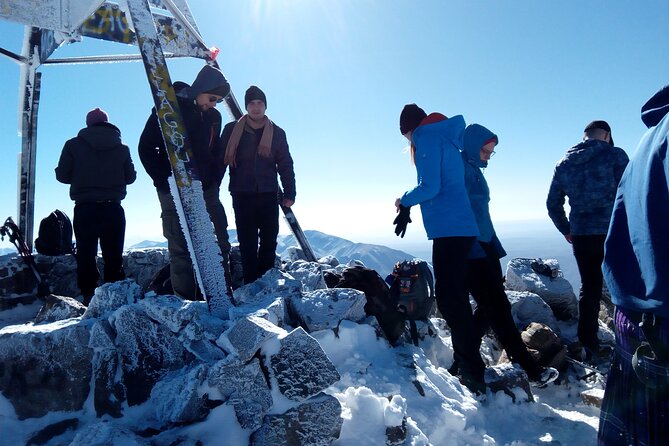
Summit day is the steep, rocky climb. This is where the wrong pacing can wreck you, and that’s why the guide matters so much.
Aziz (and other guides in the same local team) comes up repeatedly in feedback for being supportive, positive, and patient—basically the kind of person who keeps you moving without letting you rush. One review style described it as being motivated and encouraged throughout the trip, with a strong focus on reaching the goal safely.
Here’s what you should plan for, mentally:
- You’ll work for altitude, not just distance.
- The route is rocky and steep, so your legs will feel it.
- Cold conditions can make everything harder, especially if you’re not dressed correctly.
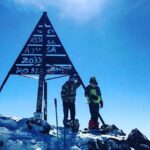
The prize is the view from the highest point in North Africa. On a day like this, the “worth it” feeling isn’t just a postcard moment—it’s the relief of getting to the top and knowing you handled the climb properly.
A few more Marrakech tours and experiences worth a look
Meals, vegetarian requests, and keeping your energy steady
Meals are included throughout the trip, and vegetarian options are available on request. This is one of those details that sounds boring until you’re actually hiking.
When you’re climbing above the tree line, you can’t rely on finding snacks at random times. Having meals handled means you can follow the day’s rhythm, and your guide can plan breaks around your energy level.
In the reviews, the meals and hospitality show up in a warm way too. One pattern I noticed: guides like Aziz sometimes share a final local meal afterward (such as couscous at their place) as a kind of end-of-trip welcome. That’s not guaranteed as part of a formal schedule you should bank on, but it’s a nice example of the personal touch behind the guiding.
Bottom line: you’re traveling with fewer open questions, which helps your hike feel smoother.
The mule system: why your legs will thank you
A mule will be provided to transport your gear. That means you’re not carrying everything that would normally weigh you down—sleeping items, extra layers, and other bulky essentials.
This is practical value. If you’ve ever tried to hike a mountain while hauling a heavy daypack and extra layers, you know the difference between “I can do this” and “I’m fighting my load.” The mule helps you focus on the terrain.
It also keeps the climb more consistent. Your legs get to stay on the same job as the terrain gets harder. The mule handles the logistics; you handle the hiking.
Guide quality: what Aziz’s style signals about your safety
If you care about the difference between just hiking and truly climbing, the guide is the line that separates them.
The strongest praise in the feedback centers on Aziz being:
- patient and supportive
- safety-focused
- motivating without being pushy
- responsive to the group’s level
That last point is important. One review mentions adapting to a less-experienced level (city hikers and a 17-year-old on their first serious hike). So if you’re fit but new to mountain treks, you still have a path.
Also, Aziz is described as speaking very good French in at least one review. If you’re not fluent in Moroccan Arabic dialects, that can make your experience feel easier. You understand instructions clearly, and you’re less likely to second-guess what you’re supposed to do.
Price and value: what you pay for (and what you don’t have to manage)
The price is $226.48 per person, and it’s commonly booked about 45 days in advance on average. Two days in the High Atlas with professional guidance, transport from Marrakech, meals, an included ticket, and a mule is not just “a hike”—it’s a managed mountain operation.
Here’s how I think about value:
- You’re paying to remove uncertainty: getting to the right trailhead, getting coordinated at the right time, and having a guide who’s done this before.
- You’re paying for physical relief: the mule for gear and the structure of a refuge night.
- You’re paying for comfort during cold days: included food and support when temperatures bite.
If you were to DIY this, you’d spend time on route planning, hiring help, arranging transport, and figuring out meals and lodging. Even if you saved money, you’d likely trade that saving for stress. This price covers the stress-management part.
What to pack for a winter Toubkal trek (and rental help in Imlil)
This trek comes with a winter gear expectation. The equipment list includes items like warm winter jackets, hats, winter trousers, gloves, snow goggles, and even crampons and sleeping bags. Hiking shoes are also listed.
That sounds like a lot because it is a lot—especially if you’re coming from warmer climates or you packed for “cool evenings,” not snow and wind.
If you don’t have the equipment, there’s a shop for mountain equipment rental in Imlil at the point of departure. That’s a major practical advantage. You’re not forced to guess and improvise last-minute.
A smart approach:
- Bring what you can (especially warm layers and decent shoes).
- Rent the technical or bulky items you don’t own (like crampons or sleeping bags if needed).
- Don’t ignore the small parts: gloves and a hat can make a bigger difference than a fancy jacket.
Cold conditions are specifically mentioned as a challenge in feedback, so treat this seriously.
Who should do this trek, and who should pause
This experience says most travelers can participate, and that matches the pattern from the feedback: guides adapt to the group and help people reach the goal at a pace that works.
This trek is a good fit if you:
- want a serious mountain day without a week-long commitment
- like guided travel and clear instruction
- are ready for cold and steep hiking for two days
- can walk uphill for hours and handle rocky terrain
You might want to pause if you:
- don’t have the ability to handle cold conditions and you’re unwilling to rent equipment
- hate steep, rocky climbs and want something gentler
- expect a leisurely walk with no real effort (this is not that)
Should you book this Toubkal trek with Toubkal life trekking?
If you want a high-reward summit experience with planning handled for you, I think this is an excellent choice. The big reasons are practical: pickup and transport from Marrakech, all meals included (vegetarian available), a mule to lighten your load, and a guide with a track record like Aziz’s—patient, safety-focused, and encouraging.
Book it if:
- you’re motivated to climb Mount Toubkal in a focused two-day window
- you want a local guide who can manage the pace and keep you moving
- you’re willing to prepare for winter-style conditions and rent gear if needed
Consider another option if:
- you’re looking for an easy hike or a warm-weather trek only
- you can’t commit to the cold-weather equipment expectations
FAQ
How long is the Mount Toubkal trek?
It’s listed as about 2 days and 55 minutes (approx.), with a two-day climb plan from the Imlil area.
What’s included in the price?
Pickup and round-trip transportation from Marrakech, a professional guide, meals (including vegetarian options on request), a mule for luggage, and an admission ticket are included.
Do I need to bring winter gear?
Winter gear is listed, including warm jacket, hat, trousers, gloves, and snow goggles, plus crampons and a sleeping bag. If you don’t have everything, there’s an equipment rental shop in Imlil at the point of departure.
Is a mule provided to carry my luggage?
Yes. A mule is provided to help transport your gear so you can hike with less weight.
Can I request vegetarian meals?
Yes. Vegetarian meal options are available on request.
What if the weather is poor?
The experience requires good weather. If it’s canceled due to poor weather, you’ll be offered a different date or a full refund.
Is this a private tour?
Yes. It’s described as a private tour/activity, with only your group participating.