REVIEW · ESSAOUIRA
Your Own Morocco Essaouira Walking Tour
Book on Viator →Operated by Snurk.Travel · Bookable on Viator
Essaouira starts with the sea. This 3.5-hour private walk threads harbor life with panoramic fortress views, then finishes in the maze of the Medina where you learn to haggle like you mean it. You get a tight route through the city’s port energy, its old neighborhoods, and its creative side, all guided by people who clearly love the place.
I really like two things here. First, the Harbour Scala stop leans practical and hands-on: you try oysters, sea urchins, crabs, and octopuses while you’re still in the working rhythm of the port. Second, the guides bring the city to life with story-driven history and smart, easy explanations; names like Rachid, Jalil, Hassan, Mohammed, Katya, and Abdelati show up across past experiences.
One thing to plan for: the tour does not include coffee/tea or snacks, and the port area can smell… like a real fishing harbor (strong, not subtle). Bring water, and think of this as a morning/afternoon activity you pair with your own meal plan.
In This Review
- Key things to know before you go
- Why Essaouira feels different the moment you arrive
- Your guide is the main ingredient (and you can feel it)
- Harbour Scala: oysters, sea urchins, and the port reality
- Fortress walls and the Royal and Jewish Quarters
- Gallery Kasbah: antiques, art, and hands-on music
- Medina time: haggle lessons that feel like a game
- How long is this, really, and how you should pace it
- Price, value, and who this tour suits best
- What to bring so the half-day stays easy
- Should you book this Essaouira walking tour?
- FAQ
- How long is the walking tour?
- What does it cost?
- Is pickup included?
- Is this tour private?
- What’s included in the price?
- Are coffee, tea, or snacks included?
- Is it free to enter the stops?
Key things to know before you go
- Private group, about 3 hours 30 minutes: you move as a team, not in a crowd parade.
- Harbour Scala seafood tasting: oysters, sea urchins, crabs, and octopuses are part of the experience.
- Fortress-wall panorama + historic quarters: you climb for views and walk through the Royal and Jewish Quarters, with a synagogue visit.
- Gallery Kasbah time for art and antiques: you’ll browse galleries and antique shops, with music-making as well.
- Medina haggling practice: you get taught how to negotiate, with tips that make it feel less stressful.
- Pickup offered and a mobile ticket: helpful if you want an easier start and less guesswork.
Why Essaouira feels different the moment you arrive
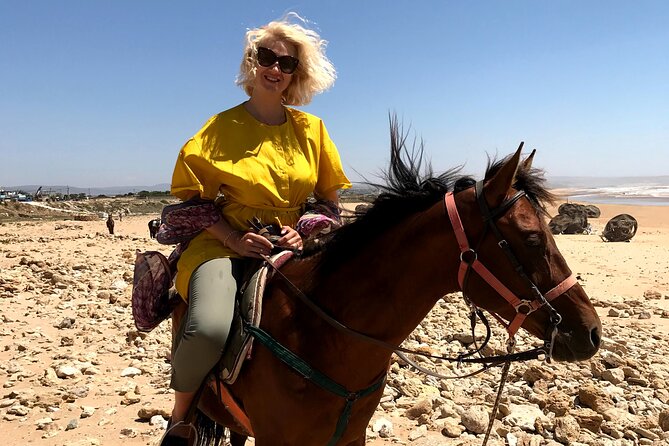
Essaouira has that rare mix of seaside calm and street-level hustle. At the port, you’re close to the real work: the fishing, the seafood, the smells, and the constant motion. Then you shift to stone streets and old quarters, where the city’s layers show up fast.
This is also a place that has long attracted artists and film crews, so you’ll see how the scenery and light helped it become a backdrop for big stories. Even if you’re not chasing movie trivia, you’ll feel it in the atmosphere: ocean air, wind off the water, and streets built for walking.
The best part is how the tour respects that mix. It doesn’t only do viewpoints. It guides you through working port energy, heritage neighborhoods, and creative hangouts in a single half-day format.
You can also read our reviews of more walking tours in Essaouira


Your guide is the main ingredient (and you can feel it)
This tour is built around one thing: the guide. You’re not just moving between stops; you’re getting interpretation—why these places matter and how Essaouira became Essaouira.
A few guide names have popped up repeatedly in past experiences, including Rachid, Jalil, Hassan, Mohammed, Katya, and Abdelati. That matters because the best walking tours aren’t memorized scripts. They’re conversations, with real answers and local perspective.
One guide example stands out for language ability: Jalil is described as knowing five languages and answering questions broadly about Morocco and life. That’s a good sign if you want more than a basic overview and you like asking follow-ups.
If you want value, this is where you get it. You’re paying for a guide who can connect the dots as you walk—between port life, old neighborhoods, and today’s Essaouira vibe.
Harbour Scala: oysters, sea urchins, and the port reality
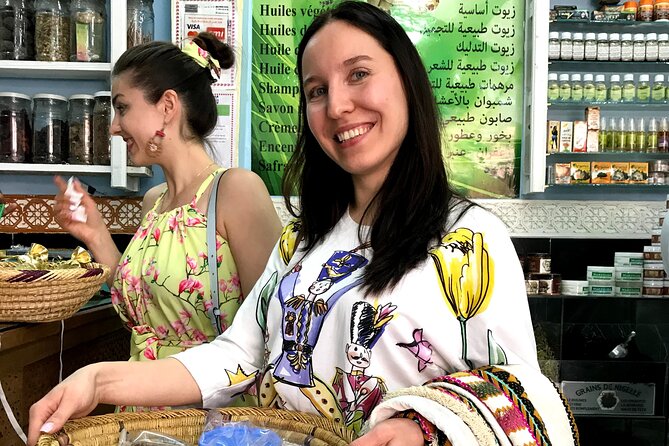
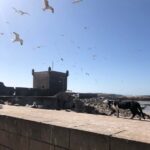
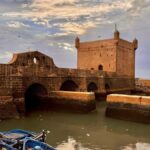
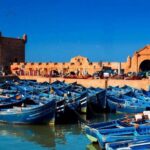
You start at Harbour Scala, right where the city’s sea connection is most obvious. This is the stop designed to wake up your senses. You try oysters, sea urchins, crabs, and octopuses, and you do it in the setting that created the menu.
I like this approach because it puts the food inside the context. You’re not eating seafood somewhere generic and then leaving. You’re learning how the port operates, so the tasting feels like part of the story, not a random add-on.
Do note the trade-off. Working ports can be intense—smell included. The overview even points out that it can smell far from pleasant. That’s not a deal-breaker, just the reality of the place. If you’re sensitive to odors, you might want to keep a quick breath-freshener or just accept you’ll be walking in the real world for a short time.
Also, admission at this stop is listed as free, so you’re mainly paying for the guide and the tasting experience, not entry fees.
Fortress walls and the Royal and Jewish Quarters
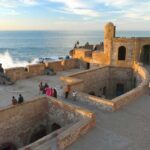
Next comes the view work. You climb fortress walls for a panorama, which is exactly what you want in Essaouira: ocean light, the harbor outline, and the way the city spreads below. Even if you’ve seen other fortifications, this one plays well because of what you can see from the top.
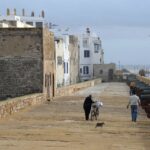
Then you move into the Royal and Jewish Quarters, walking the streets that feel older than the pace of today. You’ll also visit one of the synagogues. That’s a meaningful change of rhythm from the port: quieter, more reflective, and very much about community and architecture rather than commerce.
Here’s what I think makes this section valuable for you. It gives you a sense of how Essaouira functioned socially, not only commercially. You’ll see the neighborhoods as living areas shaped by history, trade, and culture, not as museum pieces.
One practical consideration: fortress-wall climbing and Medina-style walking both mean steps and uneven stone. Wear shoes you’re comfortable with for a half-day of movement. If your legs are sensitive, take it slower on the ascent and use the moments at viewpoints to rest.
Gallery Kasbah: antiques, art, and hands-on music
The Gallery Kasbah area brings Essaouira’s creative side into focus. You’ll check out art galleries and antique shops—places where you can browse at your own pace while still being guided and explained to.
What I like here is that it’s not only shopping. There’s also a playful learning component: you can learn to play various musical instruments. The wording is playful, talking about summoning the rain or eternal financial well-being. Take that as the tone: this is meant to be fun, not a formal music lesson.
This stop works best if you enjoy making sense of a place through how people create. Essaouira’s identity shows up in instruments, craft, and visual art, and this is a straightforward way to connect the dots without needing background knowledge.
Also, admission at this stop is listed as free, which helps you get more for what you’re paying. You’re paying for a guide and time in the right neighborhoods, not a stack of ticketed entrances.
If you’re tempted to buy antiques, go slow. You’ll get more out of browsing and asking questions than rushing into a purchase. And if you do buy, factor in how you’ll carry it back.





Medina time: haggle lessons that feel like a game
Now you switch from looking to negotiating. The Medina of Essaouira segment focuses on learning to haggle—and it’s framed as a process that resembles gambling in a way that can actually be fun. The point isn’t to win a contest. The point is to learn the flow so you feel confident walking away.
I’m glad this part is included because many people feel stuck in markets: either they overspend out of politeness, or they get tense and freeze. A guided haggling lesson reduces that stress. You learn what to say, how to respond, and how to keep the conversation moving.
There’s also a real cultural layer here. Essaouira markets are not just places to exchange goods. They’re social spaces. Learning the dance helps you interact instead of just consume.
Practical note: you’ll want small bills and patience. Even if you’re not shopping heavily, this section trains your instincts for how bargaining works in Morocco.
How long is this, really, and how you should pace it
The tour runs about 3 hours 30 minutes. That’s long enough to feel like you actually know the city, but short enough that you won’t feel trapped for a whole day.
Because it’s private, you’ll likely move at a pace that suits your group. That’s a big deal on walking tours. If someone needs a quick pause for photos, prayer timing, or a breather, you don’t have to fight through a large group’s rhythm.
Also, pickup is offered. That can save time and stress, especially if you’re arriving in Essaouira and you don’t yet know your bearings. The tour is near public transportation too, so you’re not locked into one complicated route if you’re meeting nearby.
Price, value, and who this tour suits best
At $209.38 per person, this isn’t the cheapest way to see Essaouira. But value depends on how you travel.
This price includes a guide, and the stops are set up with free admission at each listed point. You’re paying for guided time, interpretation, and the seafood tasting component, plus the convenience elements like pickup and a mobile ticket.
If you’re traveling as a small group, private tours can start to feel more reasonable per person because you’re not splitting the cost across a huge crowd. If you’re solo, it may feel pricier—but you still gain the benefit of a focused route that doesn’t waste time.
Who I think this works for:
- You want a structured half-day that covers the main “Essaiouira feeling” areas without rushing.
- You enjoy history told in a human way, not a lecture.
- You’re curious about seafood culture and want a guided context, not just a restaurant meal.
- You like walking and you don’t mind a bit of port intensity, including smell.
Who might skip or adjust:
- If you’re strongly put off by fishing-harbor odors, think about whether you’ll handle that part comfortably.
- If you hate stairs, you’ll want to go slow on the fortress-wall climb.
What to bring so the half-day stays easy
The tour includes walking and some climbing, plus a hands-on seafood and market experience. Bring the basics that keep you comfortable.
I’d pack:
- Comfortable shoes for uneven streets and stone steps
- Water, since coffee/tea and snacks are not included
- A light layer for wind off the ocean
- Cash for any browsing or purchases in antique shops and the Medina
If you’re sensitive to strong smells, mentally prepare for the port segment. It’s short, but it’s real.
Should you book this Essaouira walking tour?
Yes, I think you should book it if you want a guided, high-impact half-day that mixes ocean-port life, panoramic views, historic quarters, and the Medina’s bargaining rhythm. The guide-led format is the main reason this feels worth it, especially with the focus on story and hands-on moments like the seafood tasting and music learning.
If you’re mainly looking for a relaxed stroll with no sensory intensity, you might prefer a quieter day. But if you want Essaouira in full color—sea, stone, market talk, and culture—this is a solid choice.
FAQ
How long is the walking tour?
The tour lasts about 3 hours 30 minutes.
What does it cost?
It costs $209.38 per person.
Is pickup included?
Pickup is offered.
Is this tour private?
Yes. It’s a private tour/activity, and only your group participates.
What’s included in the price?
A guide is included.
Are coffee, tea, or snacks included?
No. Coffee and/or tea and snacks are not included.
Is it free to enter the stops?
The tour lists admission ticket free for each of the stops.