REVIEW · MARRAKECH
Medina Walking Tour Secrets
Book on Viator →Operated by Marrakech WITH Locals · Bookable on Viator
Marrakech makes more sense with a guide. This afternoon walk through the Medina turns landmarks like the Koutoubia Mosque into real wayfinding points, and you get the story behind the stone as your route threads through narrow lanes and everyday stops. I also like the simple comfort touches, like getting local pastries and bottled water during the walk, so you don’t feel like you’re sprinting from one photo spot to the next.
One thing to keep in mind: this is a walking tour, so the “best suited” part matters. Also, entry fees can be extra—Koutoubia’s interior isn’t open to non-Muslims, and Medersa Ben Youssef has admission that’s not included.
In This Review
- Key highlights worth knowing before you go
- Why this 3:00 pm Medina walk works better than wandering alone
- Meeting at Jemaa el-Fnaa: the easiest way to find your start point
- Koutoubia Mosque: the garden, the minaret, and the five pillars talk
- Medina of Marrakesh: narrow streets, fountains, craft life, and not getting lost
- Jemaa el-Fnaa at 3:00 pm: storytelling square before the peak
- Mouassine fountain and the foundouks: a calmer pause with real neighborhood texture
- Souk Haddadine: close-up crafts in Blacksmiths and leather markets
- Medersa Ben Youssef: 16th-century architecture, and the one fee you must plan for
- Price and value: what $46.34 really buys you
- What kind of traveler this tour fits best
- Weather and comfort: the smart way to plan your afternoon
- Who was behind the best moments: Hassan’s flexible, early start
- Should you book Medina Walking Tour Secrets?
- FAQ
- How long is the Medina Walking Tour Secrets?
- What time does the tour start?
- Where does the tour meet and where does it end?
- Is this a private tour?
- Is it mostly walking?
- What’s included in the tour price?
- Are entrance fees to monuments included?
- Can non-Muslims enter Koutoubia Mosque?
- What if the weather is bad or I need to cancel?
Key highlights worth knowing before you go
- Koutoubia’s 70m minaret as a built-in navigation tool, plus a clear explanation of what you can and can’t enter
- Jemaa el-Fnaa timing that fits a 3:00 pm start, when the square starts shifting toward evening energy
- Souk Haddadine (Blacksmiths) area for close-up views of craft work in multiple adjacent markets
- Mouassine fountain and foundouks for a calmer, more neighborhood-feeling pause from the main rush
- Medersa Ben Youssef for 16th-century architecture, with the important note that the admission is extra
- Guide-led problem solving, including flexible pacing from local guide Hassan, who also showed up early to make better use of short time
Why this 3:00 pm Medina walk works better than wandering alone
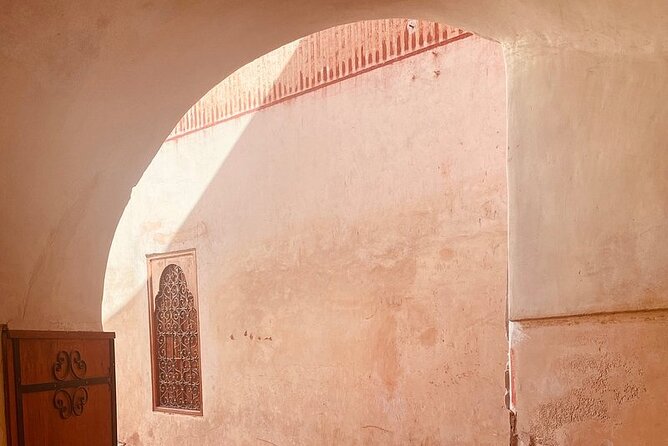
Marrakech’s Medinas can feel like a maze, even when you think you’re doing fine. What I like about this tour is that it’s built for orientation: your guide points out landmarks as you go, so you stop second-guessing every alley turn. Starting at 3:00 pm is also smart. You’re walking in daylight, then sliding into the late-afternoon and early-evening shift that makes the city’s main square come alive.
You’re not just “seeing sights.” You’re learning how to read the city while you walk—where the big landmarks sit, how religious and craft areas shape daily life, and why certain places matter historically and culturally. If you’ve ever worried about getting lost with a tight schedule, this is the kind of plan that gives you structure without turning the day into a bus ride.
You can also read our reviews of more walking tours in Marrakech
Meeting at Jemaa el-Fnaa: the easiest way to find your start point
You meet at Jemaa Al Fna—specifically at Groupe L’Adresse (Cafe & Restaurants Marrakech), 5 rue de la Koutoubia, place Jemaa El Fna. The good news is that this is one of Marrakech’s best-known anchors. If you’re navigating by public transportation, the location is also described as near public transit.
Since the tour ends back at the meeting point, you avoid the “now what” problem that can happen when you start somewhere and finish somewhere else. It’s a full loop of sorts, even though you’ll pass multiple zones of the Medinas.
Koutoubia Mosque: the garden, the minaret, and the five pillars talk
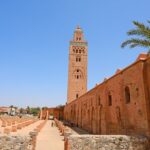
Koutoubia Mosque is from the 12th century, and the standout fact is its 70m minaret. In practice, this matters because the minaret is a landmark you can use while walking. When you can spot something tall and distinctive, the Medinas stop feeling like a free-for-all.
Here’s the key access rule: the mosque’s interior is not open to non-Muslims. You can still walk in the garden, which gives you a calmer, greener contrast to the dense lanes around it. And your guide will explain what you’re seeing—Islam’s five pillars, the Moorish architectural style, and local habits of worship. That context can make the place feel less like a stop and more like a window into how people live with faith day to day.
Practical consideration: dress and behavior matter around religious sites. Even if you’re only in the garden, keep it respectful and be ready to follow any guidance from your guide.
Medina of Marrakesh: narrow streets, fountains, craft life, and not getting lost
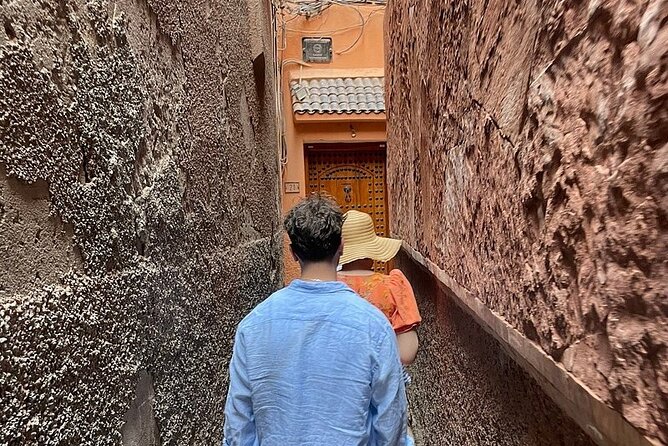
The middle of the tour is where you earn your “Medina magic” points. You’ll stroll between narrow alleyways, passing local houses and fountains, with a focus on artisanal craftsmanship and day-to-day life. This is the part that helps you understand the city’s rhythm rather than just collect landmarks.
The value is in the route. Without a plan, you might walk the Medinas but miss the meaning behind what you’re seeing. With a guide, you’re more likely to notice the patterns: how crafts cluster, where water features fit into neighborhood life, and what kinds of buildings and workshops you’re actually passing.
Possible drawback: this is still walking through real streets. Some sections can feel tight and crowded. Wear shoes you trust, and plan on slowing down when your guide stops to point things out.
Jemaa el-Fnaa at 3:00 pm: storytelling square before the peak
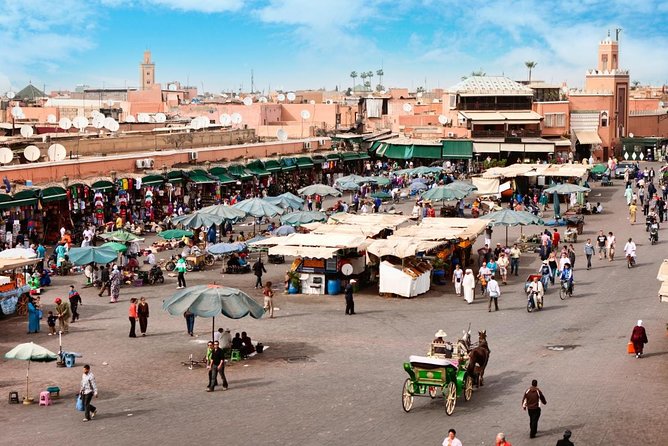
Jemaa el-Fnaa is the place people connect with Morocco right away. Your guide will set the scene with what’s happening in the square—storytellers, dancers, water sellers, and snake charmers. It’s also a historical stage. You’ll hear references to medieval Moroccan chronicles written between the 11th and 14th centuries, including the idea of a Rahba al-Ksar and an esplanade associated with the palace area near the Koutoubia. Even the mention of public punishments imposed in earlier centuries gives the square a deeper, heavier context than most first-time visits expect.
Timing is the secret sauce here. A 3:00 pm start means you’re not arriving after everything is already at maximum volume. Instead, you catch the square as it moves toward evening—the period when its charm and spectacle expand.
Practical consideration: this is a high-interest area, so expect attention from the street scene and lots of motion. Your guide’s presence helps you move through it without feeling overwhelmed.


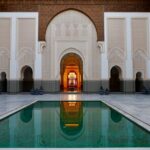


Mouassine fountain and the foundouks: a calmer pause with real neighborhood texture
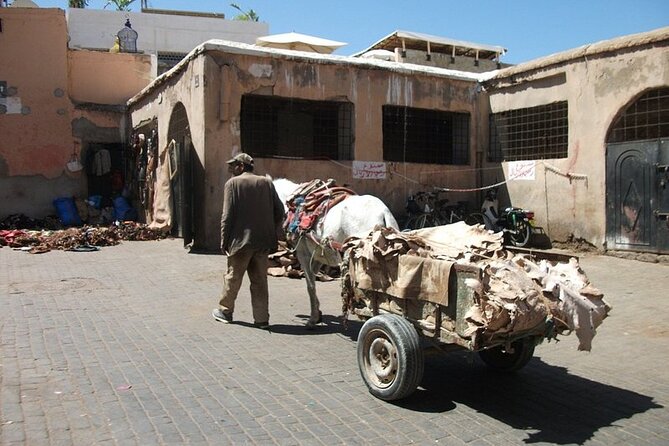
After the big-square energy, you’ll shift to a more neighborhood-feeling stop at the Mouassine fountain. The tour gives you time to appreciate the Mouassine Complex, including the historical fountain and the foundouks (traditional commercial buildings where goods and traders were housed).
Why I like this stop: it breaks the day into layers. You’re not only chasing the most famous attractions. You’re also getting a sense of how Marrakech’s commercial and community life connects to the built environment.
This is a shorter stop, about 15 minutes, so treat it as a reset. Look up at the complex, note the layout, and let your guide explain how these places work as both architecture and social space.
Souk Haddadine: close-up crafts in Blacksmiths and leather markets
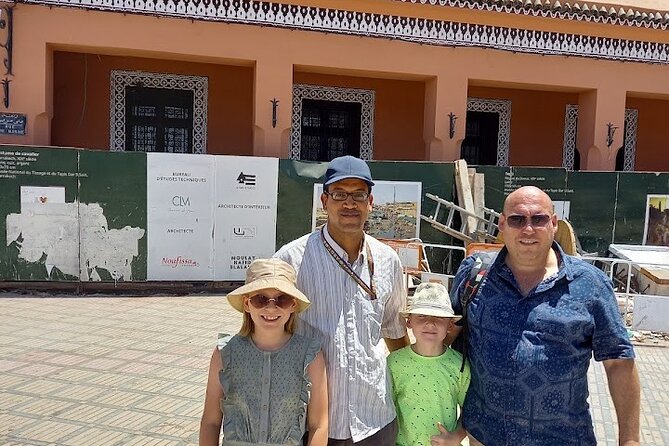
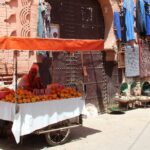
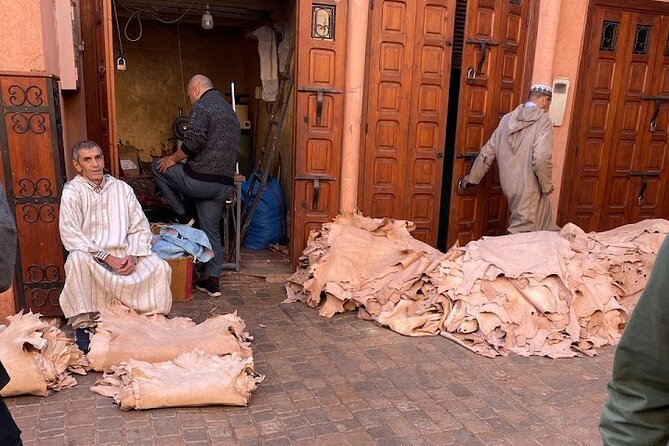
Then you move into Souk Haddadine, which is known for the craft-focused feel of the area—blacksmiths and other trades, including sheep leather and leather souks. This is one of the best spots in the tour for seeing work up close rather than reading about it.
Your guide will bring you close to the craftsmen, so you’re not just walking past storefronts. You can watch processes and see how specialized trade areas shape the whole district. It’s also a good moment to understand why these souks exist where they do. Trades tend to cluster, and your route helps you connect that logic.
Practical consideration: this is a market environment. Expect activity, people calling out, and product displays that can be tempting. If you’re not in shopping mode, you can still enjoy the crafts—just keep your focus on the work and let your guide do the negotiating for context, not for prices.
Medersa Ben Youssef: 16th-century architecture, and the one fee you must plan for
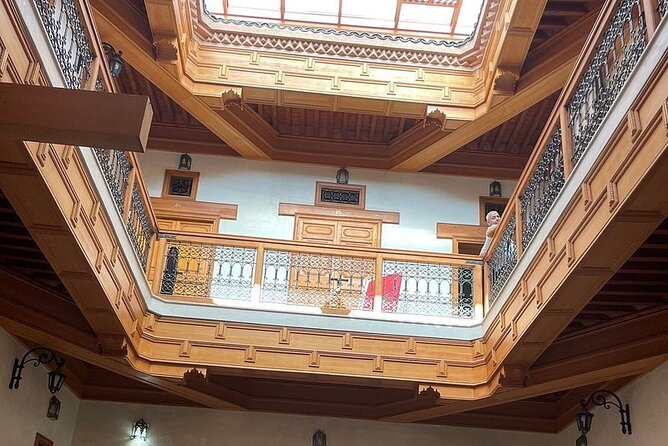
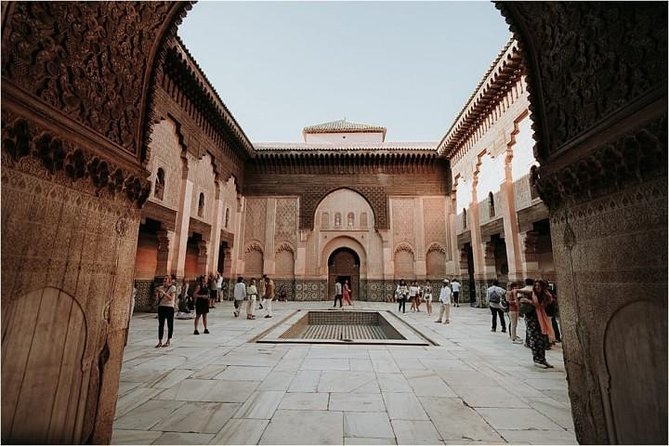
Medersa Ben Youssef is a highlight for architecture lovers. It’s a 16th-century theological school, and the point of the stop is to appreciate its design and layout. This is the kind of place where details reward your attention, and your guide will help you notice what makes it stand out.
The important budget note: admission isn’t included. That means you’ll want to have money ready for the ticket portion, because you can’t count on everything being covered.
Practical consideration: you’ll only have about 20 minutes here, so if you’re the type who could spend an hour photographing architecture, treat this as a “best highlights” visit. Use the time to absorb the structure and ask your guide what to look for—then save the rest for a return visit if you want more.
Price and value: what $46.34 really buys you
At $46.34 per person for roughly 3 to 4 hours, this tour isn’t expensive for a guided, structured Medinas walk—especially because you’re paying for a local, certified guide and included refreshment time.
Included elements that matter for value:
- A certified tour guide throughout the walk
- Local pastries and bottled water during the experience
- Multiple stops where admission tickets are listed as free (for the parts where entry is free)
- A route designed to reduce “lost time,” which is the real hidden cost of self-exploring
Where your budget needs a little extra planning:
- Entrance fees to monuments cost extra
- Medersa Ben Youssef admission is not included
- Koutoubia’s interior isn’t open to non-Muslims, so your visit focuses on the garden
Group discounts are mentioned, but since the experience is private for your group, the bigger point is that you’re buying time with a guide who can keep your route logical and your questions answered. If you’ve got only one afternoon in Marrakech and want the Medina story straight, the value can be strong.
What kind of traveler this tour fits best
This is a good match if you want:
- A walking tour format (no van, just city streets)
- A guide who helps you navigate and interpret, not just point
- A mix of major landmarks and side areas like Mouassine and the craft-focused souk zones
- A schedule that fits a late afternoon into early evening
If you’re someone who hates crowds or gets frustrated by street noise, you’ll want to be mentally ready for busy squares and market areas. Keep expectations realistic: you’re walking through a living city, not touring a museum.
Weather and comfort: the smart way to plan your afternoon
This experience requires good weather. Marrakech afternoons can shift quickly, and even when it’s not raining, sun can feel intense. Since you’re moving on foot, bring what keeps you comfortable—water isn’t a full substitute for heat management, but it helps.
Also, because the tour is described as best suited to mobile travelers, plan for real walking on uneven, old-street surfaces. If you’re hoping for minimal walking or lots of sitting, this may not be your style.
One more note: service animals are allowed, and the meeting point is near public transport, which is helpful if you’re piecing together your day.
Who was behind the best moments: Hassan’s flexible, early start
A standout detail for me is how the guide handled short time. Local guide Hassan was well informed and flexible to needs, and he showed up early—coming an hour earlier so there was time to see as much as possible. That kind of planning matters on a 3 to 4 hour tour, where every stop has a specific role.
If you like guides who can adjust pacing without turning it into chaos, this is the right vibe. You get structure, but you’re not locked into a rigid checklist.
Should you book Medina Walking Tour Secrets?
Book it if you want a guided Medina route that mixes the big names—Koutoubia, Jemaa el-Fnaa, Souk Haddadine, and Medersa Ben Youssef—with neighborhood-style pauses like Mouassine fountain. The included pastries and bottled water add up to real comfort, and the focus on navigation means you’ll spend less time guessing and more time understanding.
Skip it (or rethink timing) if you don’t want to walk through busy market zones or you’re strongly dependent on fully included monument entries, since admission fees can be extra and Ben Youssef isn’t included. Also, because weather matters, have a plan B day in your Marrakech schedule.
FAQ
How long is the Medina Walking Tour Secrets?
The tour lasts about 3 to 4 hours.
What time does the tour start?
The start time is 3:00 pm.
Where does the tour meet and where does it end?
You start at Jemaa Al Fna – Groupe L’Adresse – Cafe & Restaurants Marrakech, 5 rue de la Koutoubia, place Jemaa El Fna, Marrakech 40000, Morocco. The tour ends back at the meeting point.
Is this a private tour?
Yes. It’s private, meaning only your group participates.
Is it mostly walking?
Yes. It’s a walking tour and is best suited to mobile travelers.
What’s included in the tour price?
A certified tour guide is included. Local pastries and bottled water are also provided during the experience.
Are entrance fees to monuments included?
No. Any entry fees to attractions cost extra, and Medersa Ben Youssef admission is not included.
Can non-Muslims enter Koutoubia Mosque?
The mosque’s interior is not open to non-Muslims, but you can walk in the garden.
What if the weather is bad or I need to cancel?
You can cancel for a full refund up to 24 hours before the experience starts. If the experience is canceled due to poor weather, you’ll be offered a different date or a full refund.
If you tell me your travel dates and what time you plan to be in the Medina, I can also suggest how to pair this with the rest of your Marrakech day.