REVIEW · MARRAKECH
2 Day Private Tour to Toubkal Summit from Imlil
Book on Viator →Operated by Toubkal Top Travels · Bookable on Viator
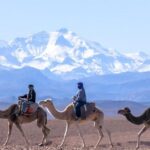
Toubkal is the kind of hike that turns Morocco into real mountain country fast, and this private 2-day route gives you a clear plan with a professional mountain team. What I like most is the mix of culture and scenery: you walk through the Aït Mizane Valley and stop by the sanctuary of Sidi Chamarouch and a nearby waterfall before settling into the Toubkal refuge. The other big win is the summit-style payoff: Day 2 is built for reaching 4167m with guide support and views over Atlas ridges and Berber villages. One consideration: it is still a serious altitude trek, and the tour guidance stresses strong physical fitness, plus you’ll be starting very early on the summit day.
You also get the comfort of a group that stays small and focused. This is a private tour, so only your group goes, and the guide team offers multilingual support in English, French, Spanish, and Arabic. Past feedback heavily highlights a guide named Hamid, praised for organization, safety-minded pacing, and even help with warmth like jackets and gloves—so you’re not just buying a route, you’re buying human support for the hard parts.
In This Review
- Key points I’d plan around
- Entering the Toubkal zone from Imlil (and why this start matters)
- Day 1: Marrakech to the 3207m Toubkal Refuge, with Sidi Chamarouch stops
- Aït Mizane Valley to Aremd
- Sanctuary of Sidi Chamarouch and a nearby waterfall
- Reaching the Toubkal refuge and your first rest window
- Day 2: The early climb to 4167m, then down to Imlil
- Expect a cold, dark start
- Summit time and the photo window
- Down to the shelter, lunch, then back to Imlil area
- The guide and muleteer team: what support looks like on a real trek
- Fitness and pace: who this suits (and what might surprise you)
- Where you sleep: refuge night vs. village guesthouse
- Price and value: is $174.22 per person a fair deal?
- What to bring so the mountain days feel manageable
- Weather matters, and it can change your date
- Should you book this 2-day private Toubkal summit tour?
- FAQ
- What is the duration of the Toubkal summit tour from Imlil?
- How much does it cost per person?
- Where does the trek start?
- Is pickup included from Marrakech?
- Is the tour private?
- What is included in the price?
- What is not included?
- Do you actually reach the summit of Mount Toubkal?
- What time does the tour start?
- What happens if the weather is bad?
Key points I’d plan around
- A refuge night at 3207m: you sleep high enough to feel the mountain, then start refreshed for the summit day
- Sanctuary + waterfall stop: the walk isn’t only straight-up effort; you get Sidi Chamarouch and a nearby waterfall
- 4167m without technical climbing: it’s a trekking summit experience, not a rock-climb setup
- Multilingual mountain guidance: help in English, French, Spanish, and Arabic if that matters to you
- Hamid-style support in feedback: strong emphasis on safety, encouragement, and warm gear help
- Private group pace: you’re not stuck with a random mixed-speed crowd
Entering the Toubkal zone from Imlil (and why this start matters)
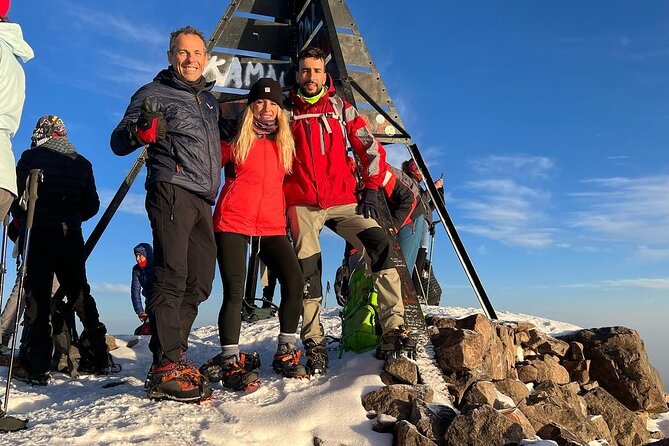
Starting in the Imlil area (around 1740m) is smart. It lets you ease into the high Atlas rhythm without dumping you straight into altitude stress. The drive out of Marrakech is part of the package setup, and you’ll start with an early morning pickup, then travel toward Imlil and Toubkal National Park before the first real walking begins.
One small timing clue: the experience lists a start time of 7:30 am, while the Day 1 schedule includes a 10:00 departure toward the refuge. In practice, this usually means you’ll have a hotel pickup early, then travel time and getting organized on arrival—so treat mornings as your friend. If you hate early starts, build extra patience, because the summit day is even earlier.
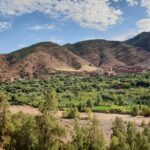
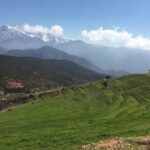
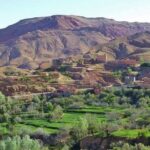
The other “why it matters” piece: you’re trekking through valleys and villages, not just chasing a dot on a map. The plan highlights Aït Mizane/Aito Mizani Valley, the village of Aremd, and Berber villages around the peaks. That’s the difference between a mountain day and a mountain journey.
You can also read our reviews of more private tours in Marrakech

Day 1: Marrakech to the 3207m Toubkal Refuge, with Sidi Chamarouch stops
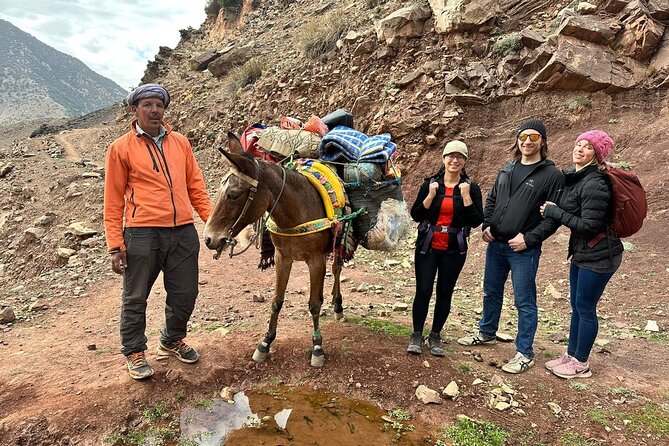
Day 1 is about getting your legs used to the climb, then earning your high-night rest. After the drive from Marrakech toward Imlil, you start the trek heading through the Aït Mizane Valley. The route is designed to move you forward steadily toward the refuge at 3207m—with enough “real world” stops that you don’t feel like you’re marching through only one long stretch.
Here’s how Day 1 unfolds in a way that feels practical on the ground:
Aït Mizane Valley to Aremd
You walk toward the village area of Aremd, where the scenery and the atmosphere shift from valley travel to deep Atlas mountain texture. Even when you’re focused on breathing and footing, you’ll notice the daily-life scale of everything around you—houses clustered in terrain, trails that follow the land instead of ignoring it.
Sanctuary of Sidi Chamarouch and a nearby waterfall
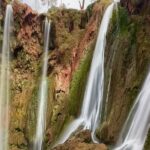
This is one of the highlights for a reason: you get a spiritual landmark and a natural break in the route. The plan includes the sanctuary of Sidi Chamarouch, plus a nearby waterfall. For your energy levels, this matters. It’s not a theme park stop—it’s a moment to slow down, look around, and reset mentally before the final push to the refuge.
Reaching the Toubkal refuge and your first rest window
You arrive at the refuge after about 4–5 hours of walking on Day 1. The schedule shows lunch around 13:00 in nature and arrival around 16:00, with a free time window from 16:00–20:00, then dinner.
That free time isn’t filler. It’s where you:
- warm up
- hydrate and check gear
- plan your summit morning (layers, water, photos, calm nerves)
Based on how the hike is structured, Day 1 is also where you stop treating the summit like a distant dream and start treating it like a morning task.
A few more Marrakech tours and experiences worth a look
Day 2: The early climb to 4167m, then down to Imlil
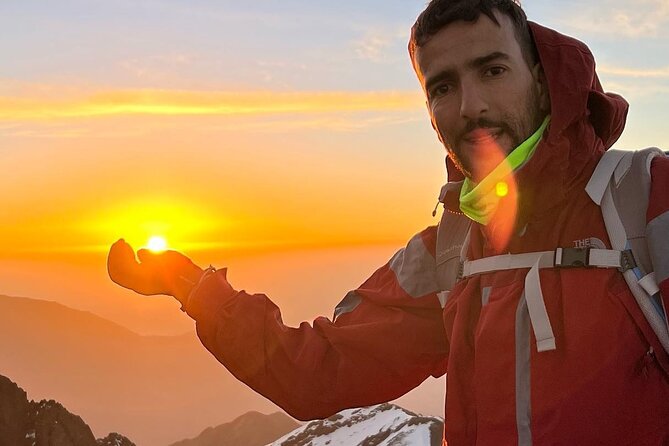
Day 2 is where the trip delivers its headline. You wake up early (5:00 breakfast), then start the summit hike around 6:00. The goal is Mount Toubkal (4167m)—the highest peak in North Africa—and the experience notes that it’s a trekking summit with no technical climbing.
Expect a cold, dark start
Even if your exact departure time is 6:00, the mountain day starts early. One piece from feedback: some summit-day starts have been around 3:30am with head lamps. Whether you start at 3:30 or 6:00, plan for darkness at the start and for a chill factor that surprises people who packed like it’s a daytime city walk.
Summit time and the photo window
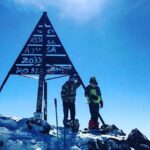
The Day 2 schedule shows reaching the summit around 9:00, then taking souvenir photos. That short summit stretch is built for a quick emotional high and a safe descent plan—not for hanging around too long. On high altitude hikes, the clock matters because weather changes and your body needs to stop burning energy at peak.
Down to the shelter, lunch, then back to Imlil area
After the summit, you go down to the shelter and have lunch around 12:00 at the shelter. The plan then continues until around 16:00 arrival in Imlil, with an overnight in a guesthouse in the Armed village area.
If you’re wondering why there’s a second night mentioned: it’s part of how they arrange recovery. You’ll likely feel it most after the summit—your legs will tell you the truth even if your brain tries to stay optimistic.
The guide and muleteer team: what support looks like on a real trek
This tour includes a mountain guide and muleteer team, and that matters more than the word professional. On Toubkal, the hard parts are usually not only distance—they’re pacing, footing, cold, and decision-making. A good guide reduces the chaos and helps you stay safe without killing the vibe.
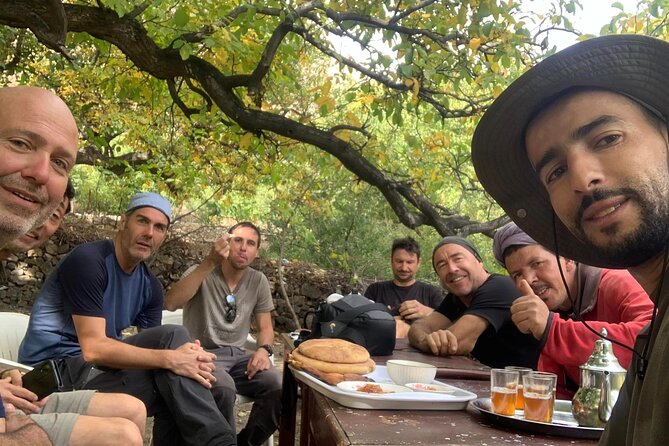
What stands out in the feedback about guide support (especially with a guide named Hamid) is:
- calm organization on the trail
- encouragement that keeps morale up when you feel the altitude
- attention to well-being and warmth
- help with essentials like jackets and gloves (reported in feedback)
- photo-friendly moments without turning it into a slow stop-and-go march
Multilingual help is another practical piece. The experience lists English, French, Spanish, and Arabic support. If you’re traveling with mixed language needs, this prevents the awkward “point and hope” problem that can happen on hikes.
Also, because this is a private tour, you’re not forced into a speed war. Your guide can set the pace to your group’s reality instead of trying to satisfy strangers.
Fitness and pace: who this suits (and what might surprise you)
The tour description says all fitness levels can be accommodated, but it also states that travelers should have a strong physical fitness level. That’s not a contradiction—it’s a truth about altitude trekking. Guides can adjust pace and support, but they can’t erase the altitude and the uphill effort.
So here’s the practical way to judge if this fits you:
- If you can handle steady uphill walking for several hours, you’re in the right zone.
- If you get winded quickly on stairs, you’ll still likely be okay, but you’ll need a conservative pace and trust the guide’s plan.
- If you hate early mornings and cold, you’ll need extra determination (or better planning of your layers).
One more detail: the Day 2 schedule is structured for a summit climb starting early and returning by mid-afternoon. That’s not leisurely. It’s a well-managed, goal-focused day.
Where you sleep: refuge night vs. village guesthouse
Accommodation is part of the value here, and it’s not just “somewhere to sleep.” Day 1 includes lodging at the Toubkal refuge (3207m) for the night. Day 2 includes an overnight in a guesthouse in Armed village.
This split is useful for your body:
- The refuge night places you in the altitude game where you need acclimatization by exposure, not by theory.
- The village guesthouse night gives you a more grounded recovery setting after the summit effort.
Also, refuge nights tend to be basic by nature—think mountain shelter and shared rhythm rather than hotel comfort. If you know that going in, you’ll feel thankful instead of disappointed.
Price and value: is $174.22 per person a fair deal?
The price listed is $174.22 per person for a roughly 2-day private tour. For this type of trek, the value comes from what’s included:
Included:
- breakfast, lunch, and dinner (multiple meals across two days)
- mountain guide and muleteer team
- accommodation at the refuge and guesthouse as scheduled
Not included:
- private transportation
At the same time, the itinerary includes pickup offered from your Marrakech accommodation. That likely covers some transport needs, but it still notes that private transportation is not included. Translation: if you’re coming from the airport or outside Marrakech, you may need to budget separate transfers.
The real value question is simple: are you buying a managed summit day with human support, or just booking a hiking track? This is the former. And the feedback around care, organization, and warmth suggests that the people part is genuinely strong—not just marketing language.
What to bring so the mountain days feel manageable
The tour includes guides, meals, and support, but you still control your comfort with packing. For a summit-style day in the high Atlas, you want to prevent the common failures: being cold, being unsteady, or running out of water.
Bring:
- warm layers for early morning (temperatures can drop fast)
- gloves and a hat if you run cold
- sturdy hiking shoes with good traction
- a small day pack
- water and snacks for your own pace
- a headlamp if you have one (especially because early starts happen)
One detail from feedback: guides have been reported lending warm items like jackets and gloves, which is a lifesaver if you under-packed. Don’t assume that will happen for you every time, but it’s good to know support exists if conditions turn colder than expected.
Weather matters, and it can change your date
This experience requires good weather. If it gets canceled due to poor weather, you’ll be offered a different date or a full refund. On mountain trips, this rule protects your safety and your summit odds.
So when you pick your dates, don’t schedule only one “perfect” day. Give yourself flexibility if possible. High mountains don’t care about your calendar.
Should you book this 2-day private Toubkal summit tour?
Book it if:
- you want a structured, private route with guides and a muleteer team
- you like the idea of mixing valley walking, Berber village scenery, and a real summit day
- you’re okay with an early start and cold mornings
- you value support that focuses on safety and pacing (feedback for Hamid and the team leans strongly that way)
Skip it or think twice if:
- you’re not confident with steep uphill walking for long stretches
- you hate being on a tight schedule on summit day
- you’re expecting guaranteed luxury comfort at high altitude (refuge nights are mountain basic)
If you’re ready for a genuine Atlas challenge with a strong support team and a high payoff, this is a solid match—one of those hikes where the effort feels worth it before you even reach the top.
FAQ
What is the duration of the Toubkal summit tour from Imlil?
The tour is listed as 2 days (approx.).
How much does it cost per person?
The price is listed as $174.22 per person.
Where does the trek start?
You start in the Imlil area, moving through Toubkal National Park.
Is pickup included from Marrakech?
The tour summary says pickup is offered from your accommodation in Marrakech.
Is the tour private?
Yes. It is a private tour/activity, and only your group participates.
What is included in the price?
The included items list breakfast, lunch, dinner, an accommodation setup (refuge and guesthouse as per itinerary), and a mountain guide and muleteer team.
What is not included?
Private transportation is listed as not included.
Do you actually reach the summit of Mount Toubkal?
The plan aims for Mount Toubkal (4167m), and it’s described as a trekking experience to the peak without climbing.
What time does the tour start?
The experience lists a start time of 7:30 am.
What happens if the weather is bad?
The experience requires good weather. If canceled due to poor weather, you’ll be offered a different date or a full refund. You can also cancel up to 24 hours in advance for a full refund.