REVIEW · MARRAKECH
Zagora & Kasbahs 2 Day Desert Tour from Marrakech
Book on Viator →Operated by STE Easy Transfers · Bookable on Viator
A long camel night under Moroccan stars is the payoff. This two-day desert run pairs High Atlas passes and Aït Benhaddou with the kind of Saharan rhythm you can only get when you sleep out near the dunes. You get free pickup and drop-off, an air-conditioned ride out of Marrakech, and both a sunset and a sunrise camel trek.
I love how this trip gives you structure without feeling rushed: kasbah stops during the day, then real desert time at night. I also like the Berber camp setup for an overnight experience, with dinner, breakfast, and private tents so you’re not just passing through. One thing to think about first: the Zagora dunes are closer to Marrakech than the most famous Sahara routes, so if you’re expecting giant sand seas, you may find the on-site dunes are smaller than the photos.
In This Review
- Key Points to Know Before You Go
- Leaving Marrakech Behind: The Real Appeal of This 2-Day Rhythm
- High Atlas to Aït Benhaddou: Kasbahs, Caravan Routes, and What You’ll Actually See
- The Zagora Drive and First Glimpse of Dunes: Palms, Air, and the 4×4 Feeling
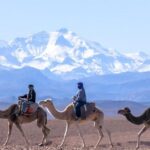
- Sunset Camel Trek Into the Nekhla Dunes: The Part You’ll Remember
- Ouarzazate Stop: A Gateway Town With a Movie-Set Feel (Without Needing the Movie)
- Berber Camp Overnight: Dinner, Breakfast, and What Comfort Actually Means Here
- Price and Logistics: Does $115 Get You the Desert Experience?
- Who This Trip Suits Best (and Who Should Pick Another Option)
- Should You Book the Zagora & Kasbahs 2 Day Desert Tour?
- FAQ
- How long is the Zagora & Kasbahs tour from Marrakech?
- What does the tour price include?
- Is pickup and drop-off in Marrakech included?
- Do I get camel rides on this tour?
- Where do the camel rides start?
- Are entrance fees included for monuments?
- How is the camp handled for the overnight?
- How big is the group?
- What is the cancellation policy?
Key Points to Know Before You Go
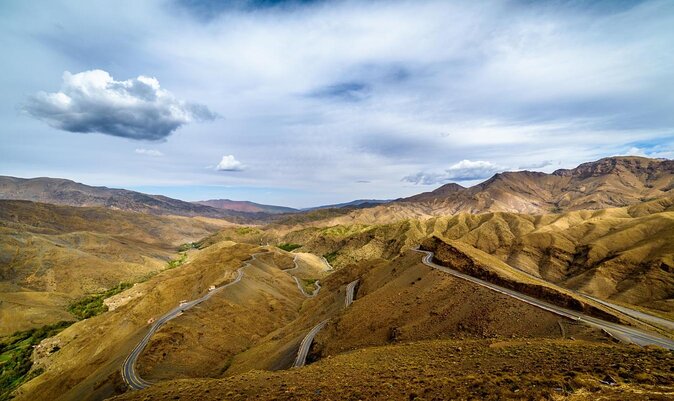
- Ait Benhaddou on the way: you visit the UNESCO-era caravan-route kasbah, with time to walk and take in the river-crossing village view
- Camel rides bookend the desert: sunset trek for golden light, then an early sunrise trek for dramatic change in temperature and color
- Overnight in a private tent camp: dinner and breakfast are included, so you can focus on the experience instead of hunting for food
- Small group size: capped at 15 travelers, which usually means less chaos when you’re transferring and mounting camels
- Long travel day on Day 1: you start at 8:00 am and you’ll spend serious hours in transit before the dunes
- Expect fewer “big-dune” moments: Zagora can feel more intimate than the farthest desert circuits shown in marketing
Leaving Marrakech Behind: The Real Appeal of This 2-Day Rhythm
This is the kind of trip that works because it changes your day-to-day pace fast. One morning you’re in Marrakech, and by later in the day you’re driving through the High Atlas region toward Ouarzazate, then continuing on to Zagora. The experience is built around transitions: mountain passes, caravan-route ruins, then palms and sand, then back to Marrakech with the desert still on your skin.
The value is in the combination. You don’t just get a camel ride; you also get a major kasbah stop (Aït Benhaddou) and a meaningful pause in Ouarzazate with the Taourirt Kasbah area. Then you add the part most day trips can’t: waking up in the desert for a sunrise camel trek and having breakfast after your night under the stars.
A small but important practical point: because it’s an overnight, Day 1 is the most intense. If you’re the type who hates long travel days, plan to be flexible that first afternoon, and don’t schedule anything tight back in Marrakech the day you return.
A few more Marrakech tours and experiences worth a look
High Atlas to Aït Benhaddou: Kasbahs, Caravan Routes, and What You’ll Actually See
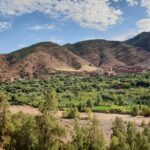
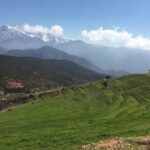
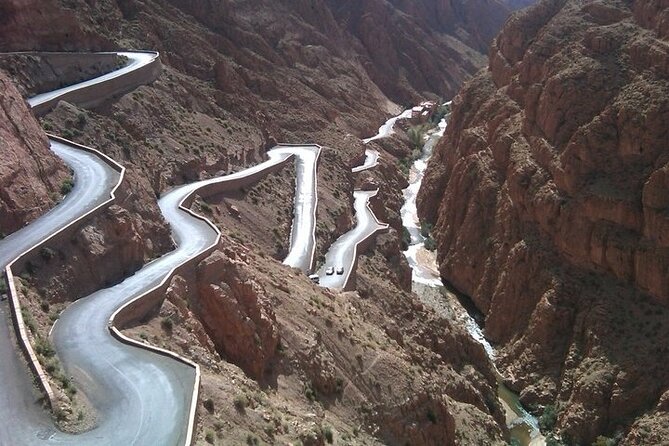
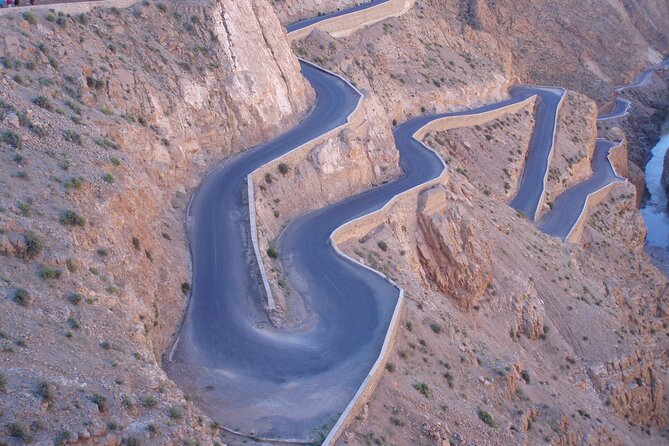
Your first real wow moment comes early, when you wind through the High Atlas area between Marrakech and Ouarzazate. This stretch matters because it’s not just “getting there.” It’s where Morocco’s geography starts doing the talking: big views, switchbacks, and that shift from city rhythm to mountain quiet.
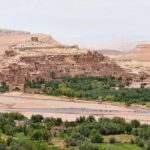
Then you stop at Aït Benhaddou, an ighrem village along the former caravan route between the Sahara and Marrakech. What makes this stop worth your time is the setting. Even if you know the name from photos, you’ll still feel the logic of the place: it’s a settlement built for travel-era routes and the landscape that frames it. There are still families living in parts of the old village, while many others have moved to more modern homes on the opposite side of the river—so you get a living sense of continuity rather than a totally frozen ruin.
Practical tips for the stop:
- Wear comfortable shoes. You’ll be walking and taking in viewpoints.
- Give yourself a little patience with photo angles. Aït Benhaddou is best when you slow down and look from multiple points.
- Monument entrance fees aren’t included, so budget for whatever is required onsite.
The Zagora Drive and First Glimpse of Dunes: Palms, Air, and the 4×4 Feeling
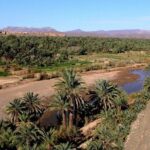
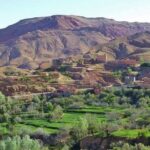
After the kasbah stop, your day turns toward the Draa Valley region, where the palm rhythm starts to appear around the route. You’re moving from mountains into a more desert-leaning world, and that shift is one of the reasons this is more than a one-note experience.
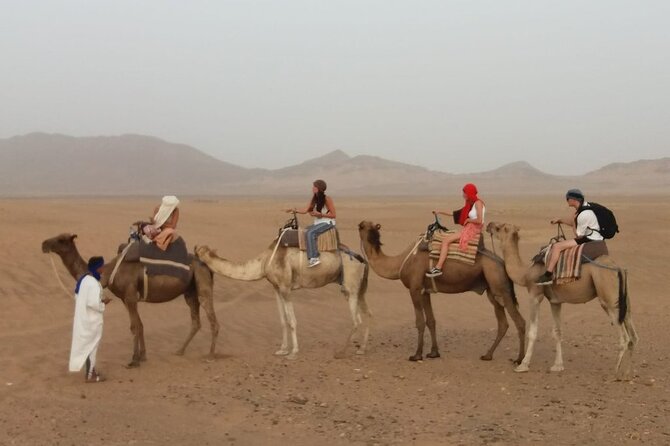
You’ll reach the Zagora area, where the camel ride begins about a kilometer from Zagora. That detail matters: you’re not climbing onto camels directly in town, so there’s a short lead-in that sets expectations. It’s also part of how the tour keeps the logistics manageable while still getting you out into the dune setting.
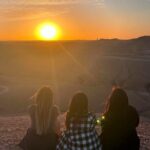
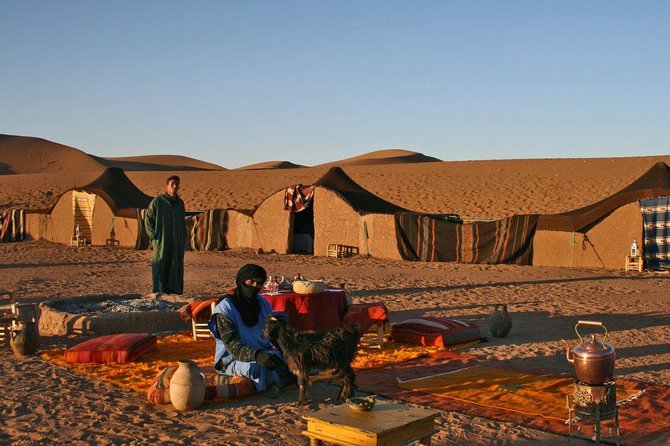
On the ride out toward camp, the goal is sunset. This is when the light makes sand look almost textured, and the terrain feels wider. If you’ve ever done a camel ride that feels like a quick photo line, this isn’t that—there’s time to ride along the dunes toward your overnight camp in the Nekhla dunes area.
One note from reviews that’s worth respecting: some marketing photos can make dunes look dramatically larger than what you’ll see at Zagora. The dunes can still be beautiful and photogenic, but if your expectation is huge sand seas, adjust before you go.
Sunset Camel Trek Into the Nekhla Dunes: The Part You’ll Remember
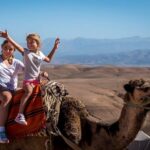
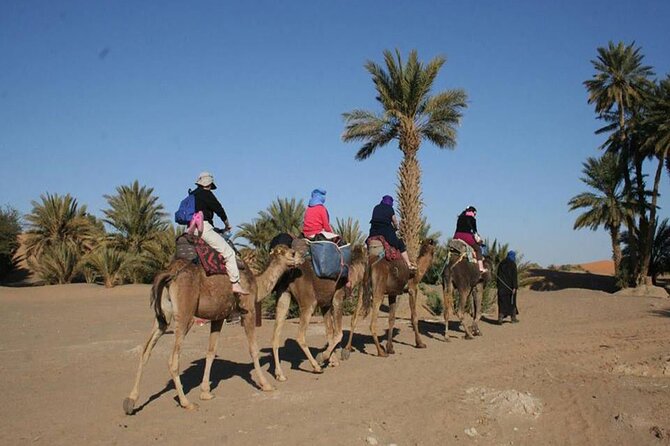
Day 1’s best sequence is the trek itself. You ride at sunset, steering your camel through dune curves as the light changes fast. This is the part that’s hard to replicate on a bus day trip because the desert is doing something to your senses—quiet, heat dropping, and that feeling of being far from everything loud.
You’ll end up at the camp for dinner and an overnight stay in a private tent. The tour description says the night is half board, with dinner and breakfast included, which is a big value point. It means you don’t need to negotiate meals after a long day; you can just settle in.
A gentle reality check: camel experiences are usually organized, and that can mean groups may split while you’re riding. That doesn’t ruin the experience, but it can affect how “together” your party feels. If you’re traveling as a family or with friends who want to stay side-by-side the entire time, you’ll want to ask about grouping and coordination at the start.
Ouarzazate Stop: A Gateway Town With a Movie-Set Feel (Without Needing the Movie)
On Day 2, you’ll pass through Ouarzazate, south of the High Atlas, often described as a gateway to the Sahara. This stop gives your trip a solid “pause,” not just a straight sprint back to Marrakech.
You’ll have time at the Taourirt Kasbah area, described as a 19th-century palace with views over the rugged surrounding terrain. Even if you don’t care about film connections, the view angle is what makes it worth the stop. You can see how the town sits against the larger geography, which helps you mentally connect where you were the day before with where you’ll be as you head back.
The key practical point: entrance fees aren’t included. So if you want to spend your time inside specific parts, plan a little extra budget.
Then you start the return drive along the Atlas Mountains. The tour includes breaks for views and lunch (lunch is not included, but there will be time to get it), so you won’t feel like you’re just rattling back to Marrakech in one long tunnel.

Berber Camp Overnight: Dinner, Breakfast, and What Comfort Actually Means Here
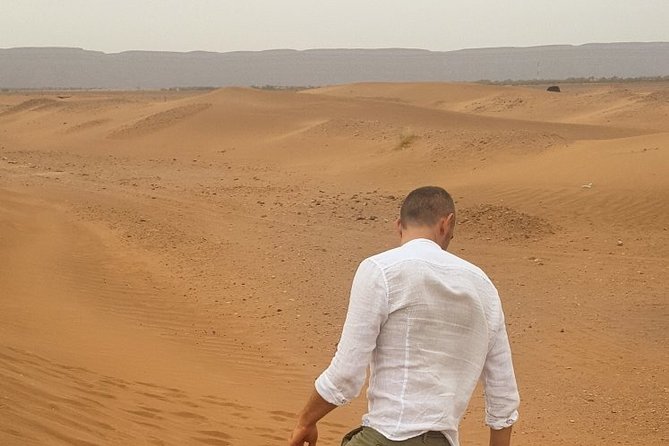
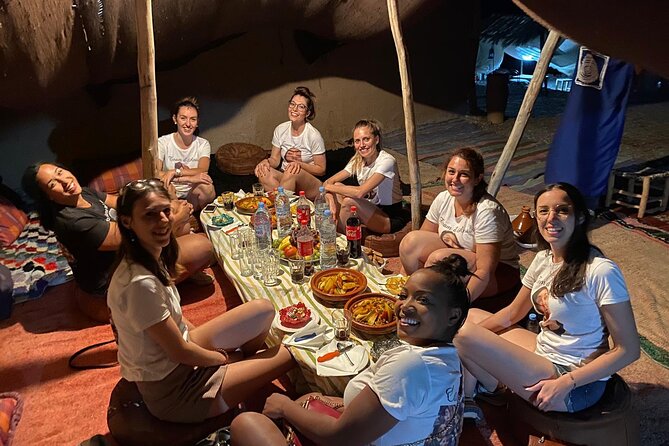
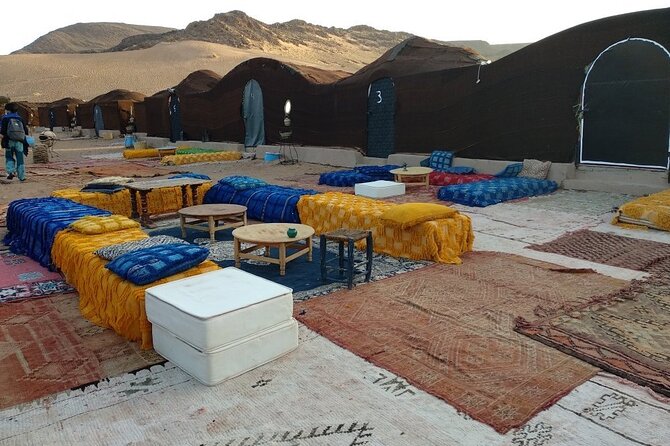
The overnight is built around the camp experience in the Zagora dunes. You sleep in a Berber tent on a private tent basis, with dinner and breakfast included. That’s the biggest quality-of-life advantage of booking this style of tour: your key needs—food and sleep—are handled.
What to expect from a logistics standpoint:
- You’re returning to camp after a camel trek, so your time is mostly about settling in, eating, and then enjoying the evening atmosphere.
- The tour includes music with Sahrawi melodies by local musicians, so plan for a more social and cultural evening rather than a silent-cabin vibe.
- The camp is described as luxurious in the tour overview, and in reviews the Berber camp is often called excellent.
What I’d plan around personally:
- It’s the desert. Even if the days feel warm, nights can feel cooler, especially after you’ve been outside. Bring something light but warm for evenings.
- Dinner is included, but drinks and lunch aren’t. If you want a specific beverage, treat this like any other included-meal tour: know what’s covered and what’s not.
Price and Logistics: Does $115 Get You the Desert Experience?
At about $115.37 per person for an approximately 2-day trip, the price makes sense if you consider what you’re buying: transport with a professional driver, air-conditioned vehicle rides from Marrakech, kasbah visits, a sunset camel trek, and an overnight in a private tent with dinner and breakfast.
Where the value lands hardest is in the overnight component. You’re not just paying for a short camel ride; you’re paying to be in the desert long enough to have both sunset and sunrise on camels, plus a proper meal setup.
What can throw off value expectations is dune size. If you’re buying this as a “big Sahara” photo fantasy, you might feel shortchanged. If you’re buying it as an atmospheric Zagora desert experience with kasbah culture and a night in camp, it’s usually money well spent.
Also remember the group cap is 15 travelers. That tends to improve the flow, especially when everyone’s boarding camels or moving back to the vehicle.
Who This Trip Suits Best (and Who Should Pick Another Option)
This tour is a strong fit for:
- Families who want a desert night without jumping into a full multi-day trek
- People who want a balance of culture stops (Aït Benhaddou and Ouarzazate) plus desert time
- Travelers who like early starts if it means a better sunrise moment
- Anyone who appreciates organized logistics: pickup, driver, included meals, and a set plan
It may be less ideal for you if:
- You’re chasing the largest dune scenery you’ve seen in famous Sahara images. Zagora can be smaller and more intimate.
- You hate camel rides or want a different transport mix. The tour highlights a 4×4 component for the off-road feel, but the itinerary centers on the camel treks for sunset and sunrise. If you want alternatives, ask before booking.
- Your group needs maximum togetherness during the camel trek. Camel tours can organize riders into separate groups, and that can change the group dynamic.
Should You Book the Zagora & Kasbahs 2 Day Desert Tour?
I’d book this if you want a satisfying desert overnight without taking a week. The combination of Aït Benhaddou, Ouarzazate’s Taourirt Kasbah area stop, and the double camel moments (sunset and sunrise) creates a full Morocco contrast in just two days.
I’d pause before booking if your top goal is massive Sahara dunes shown in viral photos. Zagora is real desert beauty, but it’s not about giant sand seas. It’s more about atmosphere, cultural stops, and a starry-night camp experience.
If you do decide to go, go with the right expectations. Plan for a long Day 1, pack for cool desert nights, and bring shoes that can handle walking at kasbah sites. If you do those things, you’ll likely come away with the kind of memory that doesn’t need a better photo.
FAQ
How long is the Zagora & Kasbahs tour from Marrakech?
The trip runs for about 2 days, with an 8:00 am start time in Marrakech.
What does the tour price include?
Included meals are dinner and breakfast for the overnight, plus the Berber tent night. The tour also includes the kasbah visit at Aït Benhaddou, a professional driver, air-conditioned transport, and pickup and drop-off in Marrakech.
Is pickup and drop-off in Marrakech included?
Yes. Free hotel pickup and drop-off in Marrakech are included.
Do I get camel rides on this tour?
Yes. You’ll have a camel trek for sunset in the Zagora dunes, and another camel trek early for a Saharan sunrise.
Where do the camel rides start?
The camel ride starts about a kilometer from Zagora.
Are entrance fees included for monuments?
No. Monument entrance fees are not included, even though certain sights are part of the itinerary.
How is the camp handled for the overnight?
You’ll sleep in a private tent at a Berber camp and the night is half board, meaning dinner and breakfast are included.
How big is the group?
The tour has a maximum of 15 travelers.
What is the cancellation policy?
Free cancellation is available up to 24 hours in advance for a full refund.
If you want, tell me your travel month and whether you’re traveling as a couple, solo, or family, and I’ll help you decide if the early sunrise and long Day 1 will feel right for your pace.