REVIEW · MARRAKECH
Trekking in Morocco / Toubkal Ascent 2 Days (Summer)
Book on Viator →Operated by Trekking in Morocco · Bookable on Viator
Toubkal in two days is a real test. This small-group Atlas trek keeps the planning off your plate while still delivering the big payoff: sunrise-level summit views over the Atlas and even the direction of the Sahara. I really like how much is handled for you, from transport from Marrakech to meals and sleeping on the mountain. I also love the human side of it—your guide sets a sensible pace and the group stays tight enough to make quick friends on the climb.
The main drawback to clock up front is altitude and stamina. You’re walking about 10–12 hours on Day 2 and pushing to 4167m, so if you’re not used to hiking or you’re prone to altitude issues, you’ll want to go slow and be honest about how you feel.
In This Review
- Key things I’d zero in on
- From Marrakech to Imlil: Getting to the trail without wasting a day
- Day 1 to Neltner Refuge (3207m): A long approach that sets your rhythm
- Day 2 Summit Push to Toubkal (4167m): Early start, slow pace, real payoff
- Sleeping at the refuge vs. a tent night: What changes (and what doesn’t)
- The guides, the mule system, and why small groups matter
- What to pack for summer Toubkal: don’t underthink the cold start
- Pace, fitness, and age: who this trek suits best
- Value for $174.49: why this price feels fair for a guided high-altitude push
- Weather, turn-backs, and how to think about risk on the mountain
- Should you book this Toubkal 2-day ascent?
- FAQ
- What’s included in the trek fee?
- How many people are in the group?
- What time does the trek start?
- Where do you stay overnight on Day 1?
- How long is the summit day walking time?
- How long do you typically spend at the summit?
- What gear do I need to bring for summer?
- Can I rent equipment if I don’t have it?
- Is there free cancellation?
Key things I’d zero in on
- Small-group size (max 15): enough people for energy, not so many that you get lost in the shuffle.
- Guides who manage pace and problems: Hassan Toudaoui and the team are praised for helping with altitude sickness and keeping things organized.
- Mules for bags and supplies: you can hike without turning your pack into the main event.
- No tent planning stress: your accommodation is handled at the refuge and/or in tents.
- Summit time depends on weather: plan on roughly 30 minutes at the top when conditions allow.
From Marrakech to Imlil: Getting to the trail without wasting a day
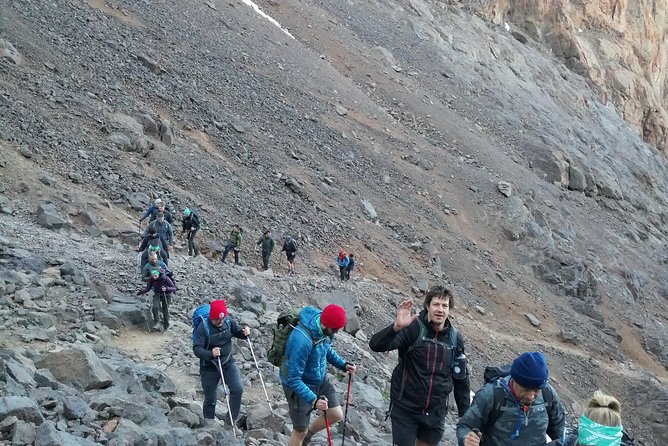
This trek is built around a simple idea: you should show up ready to walk, not ready to coordinate vans, beds, and food. You start in Marrakech and then head to Imlil, the classic jump-off point for Toubkal. The start time is 8:30 am, which matters because the Atlas mornings move fast—light, temperature, and trail traction all follow the clock.
Round-trip transportation from Marrakech is included, so you’re not trying to guess schedules or negotiate rides once you’re already tired. One of the quieter values here is timing reliability. In the feedback, people highlighted that pickups happened on time and plans ran like clockwork, which is especially comforting when your flight schedule is tight.
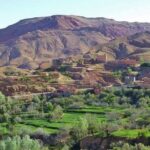
Once you reach Imlil, the trek really starts to feel like Morocco away from traffic and hotel lobbies. You’re in the foothills at about 1740m, and from there the climb ramps up in a way that feels earned, not rushed. Your guide is also going to shape your day based on conditions, which is one reason this is more than just a “hike with a person holding a flag.”
You can also read our reviews of more hiking tours in Marrakech
Day 1 to Neltner Refuge (3207m): A long approach that sets your rhythm
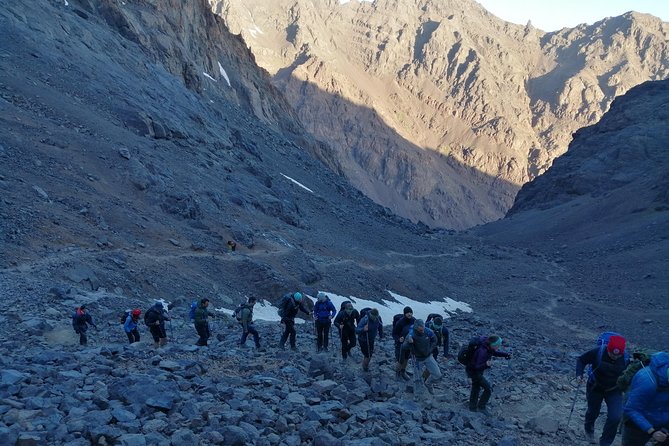
Day 1 is the “get your legs in” day. You’ll head out from Imlil (1740m) toward the Neltner Refuge (3207m). The walk to the refuge takes about 5 hours 30 minutes, give or take depending on conditions and your group.
What makes this day work is how it’s structured. You’re not thrown into a summit-style suffer fest immediately. Instead, you’re climbing steadily, and you get to feel how your breathing changes as altitude rises. That matters because it prepares you for Day 2, which is where the real vertical challenge shows up.
Also, your back doesn’t have to carry everything. Mules handle baggage and supplies, so you’re not doing the double job of climbing while dragging the kitchen. Your local guide takes the lead on the best route for your group and focuses on safety, including keeping you together.
That “stay at the refuge or in a tent” detail is another Day 1 make-or-break point. In good weather, the refuge can feel like a warm checkpoint before the next push. If conditions are rougher, tents may be used. Either way, you’re sleeping on the mountain as part of the experience, not as an afterthought.
If you like your trekking with clear pacing and minimal logistics stress, Day 1 is where this tour earns trust.
Day 2 Summit Push to Toubkal (4167m): Early start, slow pace, real payoff
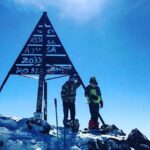
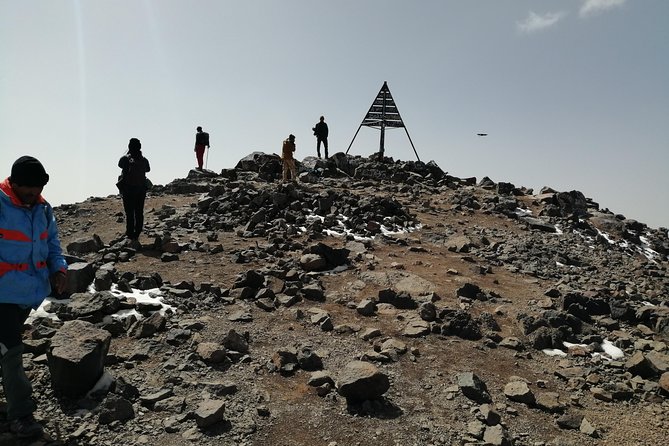
Day 2 begins early, aiming for the top of the highest peak in North Africa at 4167m. This is the moment you came for, but it’s not a “sprinter’s summit.” The climb rewards steady effort.
You’ll spend time at the top based on the weather. The usual plan is about 30 minutes at the summit, then you descend back toward the refuge for lunch. After lunch, you continue down all the way to Imlil, and the full walking day is typically 10 to 12 hours.
That long Day 2 is the core reality check. If you’re thinking this will feel like a casual morning walk, it won’t. Even in summer, you’re moving for a long time, and you’ll feel altitude more on the upper part of the trek. One review specifically praised how the guides handled altitude sickness, which is a big deal here. The point isn’t that trouble is guaranteed—it’s that the team seems prepared for it.
Weather also plays a real role. One review mentioned they had to turn back due to bad weather. That’s a reminder: sometimes the mountain calls the shots. This is one of those trips where following the guide’s judgment matters more than stubbornly forcing a plan.
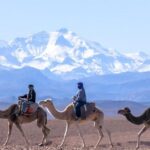
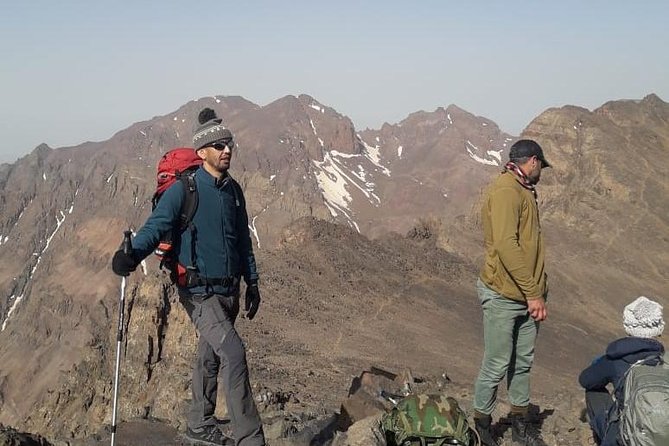
When the summit conditions are good, the reward is described plainly: views across the Atlas Mountains and toward the environments of the Sahara. It’s not just about height—it’s about seeing how the Atlas wraps the valleys and villages you climbed through.
Sleeping at the refuge vs. a tent night: What changes (and what doesn’t)
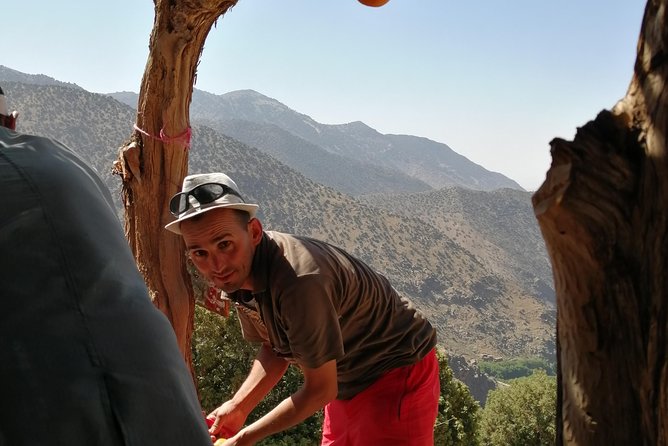
On this trek, sleep is part of the mountain rhythm. Day 1 includes accommodation at the refuge itself or in tents, depending on conditions. The tour includes dinner and breakfast, so you’re not hunting food after a hard day. Lunch is also included (two lunches total), including the Day 2 meal after descent from the summit area.
What stays consistent is that someone has organized it for you: the guide and the logistics team handle the sleeping setup and timing. Reviews repeatedly mention “good food” and that the hut/refuge side of the experience was top.
If you care about comfort, here’s the honest way to think about it: a refuge night may feel sturdier, but a tent night can feel closer to the outdoors and the cold air that rises at altitude. Since this is a summer trek, it’s not the same as deep-winter conditions, but nights in the mountains still require warm layers. Don’t assume summer means mild.
Also, you’ll want to pack like you mean it. The tour specifically asks you to bring sleeping bags, warm clothing, and headlamps for early starts. If you forget basics, you’ll feel it quickly.
The guides, the mule system, and why small groups matter
This is a guided trek in the real sense: you get a local guide, they manage route choice, and they manage the pacing. In the feedback, guide Hassan Toudaoui gets named for being helpful, answering questions, and keeping organization tight. People also mention owner Mohamed Toudoui, and a cook named Mohamed who helped keep things running smoothly.
Two details I find especially useful when deciding if this tour fits you:
- Altitude support. One review singled out the guides for handling altitude sickness correctly and encouraging people at their pace. That tells me the team doesn’t just “follow the map”—they watch how people respond.
- Communication. WhatsApp communication came up as appreciated. That’s a comfort in a country where schedules can shift. If you’re the type who hates uncertainty, this matters.
Then there’s the mule system. Mules carry bags and food, which directly impacts how enjoyable the hike feels. Less weight means your energy goes into moving forward, not defending your shoulders. It also makes the itinerary more consistent, because you’re not losing time due to exhaustion from extra load.
Finally, the small-group maximum of 15 travelers changes the feel of the trek. You still get the shared experience—talking over breaks, taking photos with new faces—but you don’t get the slow-motion travel of big tour buses turned into a line on a trail.
A few more Marrakech tours and experiences worth a look
What to pack for summer Toubkal: don’t underthink the cold start
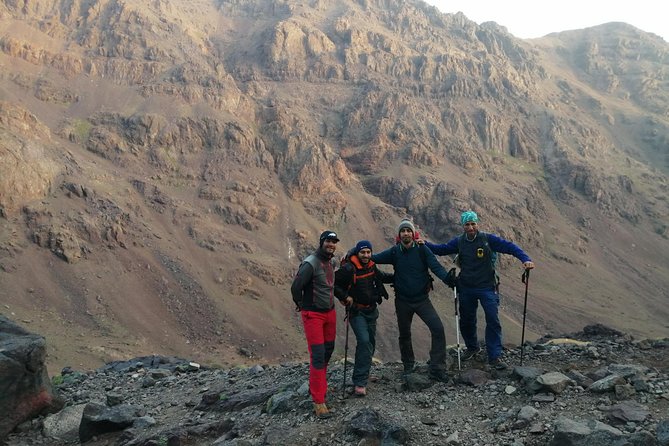
Even in summer, you’re sleeping at high altitude and starting early. The packing list is straightforward, and it’s worth taking seriously:
- Sleeping bag
- Walking boots
- Jackets and warm clothes
- Hat and sun glasses
- Sun cream
- Gloves
- Down jacket
- Head torch
- First aid kit
If you don’t have gear, the tour info says items you can’t bring can be rented in an equipment shop. That’s helpful if you’re traveling light, but you still want to do it early enough to avoid last-minute scramble.
A few winter-specific notes are included too: crampons and ice axes are mentioned for winter. Since this is a summer trek, you probably won’t need that, but the mention is a signal that route decisions are condition-based and safety gear requirements can change.
One more practical tip: pack your warm layers so you can access them quickly. When you stop moving, the chill shows up fast at altitude.
Pace, fitness, and age: who this trek suits best
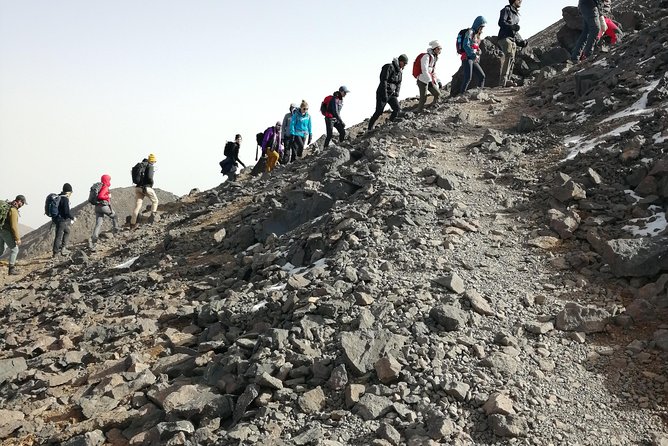
This hike is described as suitable for those over age 14, with the hiking component clearly part of the deal. It also calls for moderate physical fitness. That means you don’t need to be a mountain athlete, but you do need a baseline of stamina for long days.
Think of it like this:
- Day 1: about 5.5 hours climbing to the refuge.
- Day 2: 10–12 hours total walking, including a summit attempt and then the long descent back to Imlil.
Even if you’re fit, you’ll feel the difference between “I can walk” and “I can walk that long at altitude.” The guide pacing—moving at your speed and encouraging—matters a lot here, especially for people who get hit by altitude.
If you’re 65 and fit enough to handle a long hiking day, this tour can still make sense. One review from an older traveler called reaching the top a particularly satisfying achievement, and praised the guide’s support and attention to how they were doing.
If you’re dealing with medical concerns related to altitude, make a call with your doctor before you go. The guides may be helpful, but the mountain isn’t negotiable.
Value for $174.49: why this price feels fair for a guided high-altitude push
At $174.49 per person for roughly two days, the price looks lower than it would if you had to coordinate everything yourself. Here’s what you’re effectively paying for:
- Round-trip transportation between Marrakech and the trailhead
- A local guide for navigation and safety
- Mule transport for baggage and food
- Accommodation at the refuge or tents
- Meals: dinner and breakfast, plus two lunches
You’re also not responsible for tents and mats, since your guide covers the setup. That sounds small, but it’s big in practice. It turns your trek into a “walk and eat” plan instead of a logistics project.
Drinks and tips aren’t included, so you’ll still budget a little extra for that. But the core cost is already handled, which is what makes this a good “value for effort” type of tour.
My takeaway: this isn’t a luxury trek. It’s an organized, economical way to do a serious climb with safety and support built in. If you want comfort-first trekking, you’d look elsewhere. If you want a high peak with real structure, this pricing feels reasonable.
Weather, turn-backs, and how to think about risk on the mountain
The itinerary depends on mountain conditions. That’s not a marketing line—it’s a real operating factor. One review noted bad weather and a turn-back, which shows the group followed safety decisions instead of clinging to the summit plan at all costs.
So what should you do with that information?
- Bring the layers you need for cold starts and changing temperatures.
- Go with the mindset that weather can change what you do that day.
- Let the guide’s call lead. That’s the whole point of paying for a guided experience.
It’s also why a second-day summit is structured with limited summit time when conditions allow. You’re not trying to hang around in risky weather. You’re going up, seeing what you can, then heading down.
Should you book this Toubkal 2-day ascent?
I’d book it if you want:
- a guided climb with a local team managing route and safety,
- mule help so you’re hiking instead of hauling,
- and a clear, economical path to Toubkal (4167m) without building a trip from scratch.
I’d think twice if:
- you’re not comfortable with a long Day 2 (10–12 hours walking),
- you’ve had altitude problems before,
- or you want a trip where the summit is guaranteed no matter what.
For most people who can handle moderate fitness and long hiking hours, this is a solid choice. You’re buying organization, support, and a real shot at one of North Africa’s biggest summits—done in a small group that makes the hike feel human, not like a checkpoint line.
FAQ
What’s included in the trek fee?
Dinner and breakfast are included, along with two lunches. You also get round-trip transportation from Marrakech, a local guide, accommodation at the refuge or in tents, and a mule to carry bags and food.
How many people are in the group?
The trek has a maximum group size of 15 travelers.
What time does the trek start?
The meeting/start time is 8:30 am.
Where do you stay overnight on Day 1?
Accommodation is provided at the refuge itself or in tents, depending on conditions.
How long is the summit day walking time?
Day 2 involves around 10 to 12 hours of walking, finishing back in Imlil.
How long do you typically spend at the summit?
If weather allows, you usually have about 30 minutes at the top, then you descend for lunch.
What gear do I need to bring for summer?
You should bring a sleeping bag, walking boots, jackets and warm clothing, hats, sun cream, sunglasses, gloves, a down jacket, a head torch, and a first aid kit.
Can I rent equipment if I don’t have it?
Yes. The information says things you can’t bring can be rented in an equipment shop.
Is there free cancellation?
Yes. You can cancel up to 24 hours before the start time for a full refund. If you cancel less than 24 hours before, the amount paid isn’t refunded.