REVIEW · MARRAKECH
Toubkal Ascent Trek 4167m 2 days & 1 night
Book on Viator →Operated by Morocco Mountain Guides · Bookable on Viator
Toubkal turns a short trek into a big story. This 2-day, 1-night climb targets Mount Toubkal (4,167m), the highest peak in North Africa, and mixes steady walking through the Mizane Valley with up-close moments of Berber culture around shrines and villages. I especially like the way the route builds from pastoral valleys to snowline, and how the summit delivers wide-open views of the Marrakesh Plain, the High Atlas, and far beyond. The main drawback is that even without technical climbing, the altitude and scree can feel serious by Day 2.
What makes this option practical is the support: pickup from Marrakech is offered, you travel in an air-conditioned vehicle, and you have meals included (breakfast, dinner, and two lunches). You also sleep at the Toubkal Refuge at 3,206m, which puts you in the right altitude zone for the summit push. Still, you need a strong fitness baseline and you should plan around mountain weather, because poor conditions can change dates.
This hike is built for keen walkers: mostly non-technical, but with easy scrambling and snow slopes (and in Nov to Apr, expect crampons and an ice ax for security). The group stays small with a maximum of 12 travelers, which helps keep the pace human and your questions answered quickly. If you want an Atlas summit without ropes and rock-climbing moves, this is one of the clearer paths to that goal.
In This Review
- Key things to know before you go
- Marrakech start: pickup, early hours, and what to prepare
- Day 1 route into the Mizane Valley and up to Toubkal Refuge
- Sidi Chamarouch and Berber-guided moments you won’t rush through
- Toubkal Refuge at 3,206m: planning for cold, rest, and fuel
- Day 2 summit push: south circus, scree, and the 4,167m payoff
- Non-technical climbing? Here’s what to expect on snow slopes
- What’s included in the $210.62 price—and what you’ll pay for yourself
- Group size, pacing, and how you’ll share the trek with others
- Who should book this Toubkal ascent—and who should pause
- Should you book this 2-day Mount Toubkal climb?
- FAQ
- FAQ
- How long is the Toubkal Ascent Trek?
- What altitude will I reach?
- Is pickup from Marrakech included?
- Is the trek technical climbing?
- What does the price include?
- What’s not included?
- What group size is this trek?
Key things to know before you go
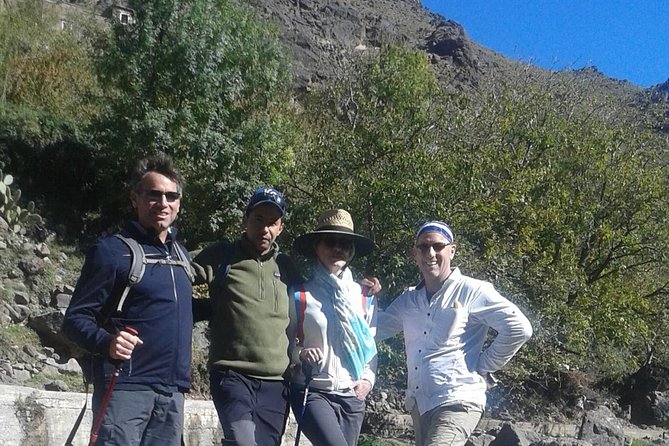
- Highest peak in North Africa: 4,167m on a short, focused 2-day climb
- Built for walkers, not climbers: no climbing, but expect easy scrambling and snow slopes
- Berber villages and shrines along the way, including the Sidi Chamarouch area
- A real altitude step with an overnight at Toubkal Refuge (3,206m)
- Nov to Apr winter safety gear: crampons and an ice ax for security
- Small group size (max 12), led with mule and cook support
Marrakech start: pickup, early hours, and what to prepare
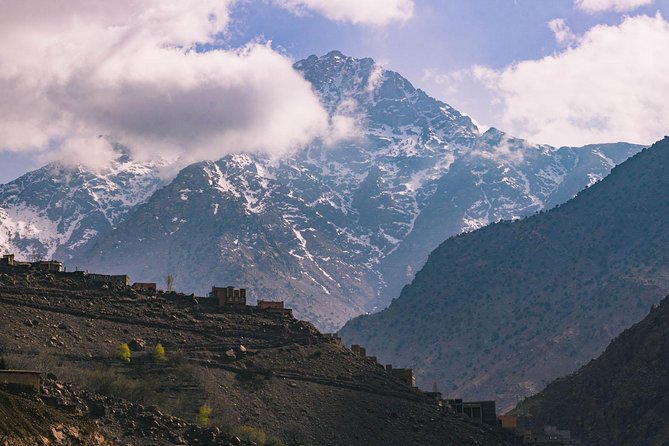
Marrakech kicks this off early. Your day starts from a Marrakech meeting point, with a listed start time of 7:30am, and the experience also offers hotel pickup, so your exact departure can vary depending on where you’re staying. Plan to be ready ahead of time, with warm layers ready even if the city morning feels mild.
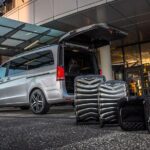
You’ll ride out in an air-conditioned vehicle, which matters because mountain weather can shift fast once you’re closer to the Atlas trailheads. I like that the logistics are handled for you here; you’re not piecing together buses, taxis, and separate transfers while also trying to focus on the trek.
Before you go, treat packing like part of training. Water bottle(s) aren’t included, so bring what you can carry comfortably for the walk; also, personal gear like shoes and a sleeping bag isn’t included in the tour price. If you show up underprepared, the trek can still look simple on paper, but it will feel longer and colder in real life.
One more practical note: this is a weather-dependent climb. If conditions are poor, the operator will offer a different date or a full refund, so keep your schedule flexible if you can.
You can also read our reviews of more evening experiences in Marrakech
Day 1 route into the Mizane Valley and up to Toubkal Refuge
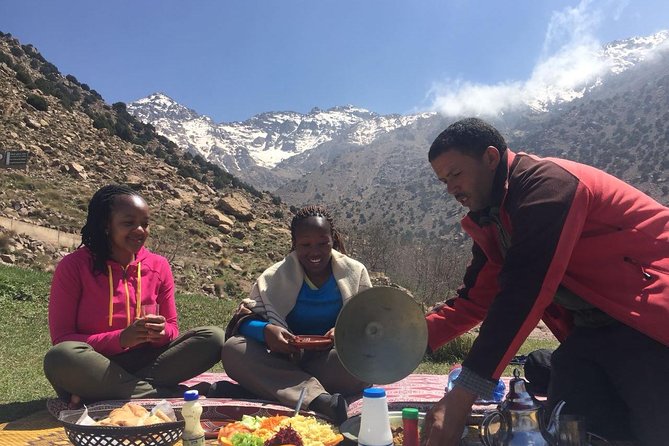
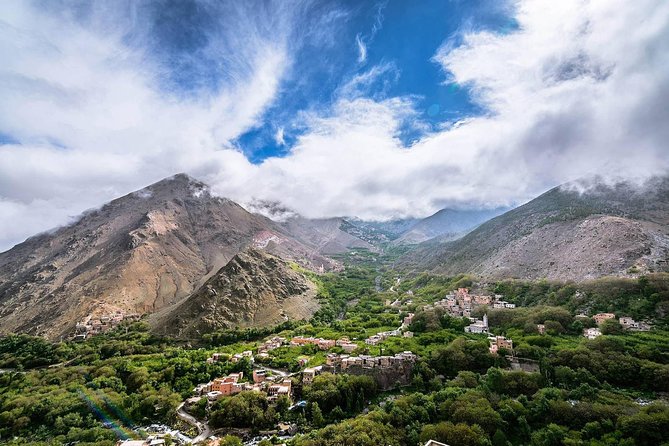
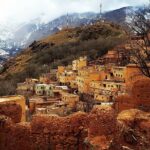
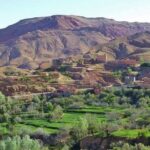
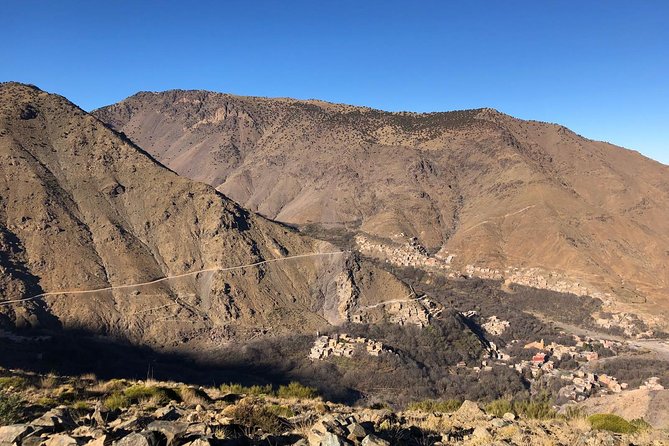
Day 1 is about warming up your legs and your rhythm. You begin with walking through the Mizane Valley, passing Aremd and then heading toward the shrine of Sidi Chamarouch. This isn’t just scenery; it’s part of how the Atlas Mountains connect people—valleys that support daily life, and sacred spots that bring locals and visitors together.
After the shrine area, the path continues by crossing floodplains and then crossing a river. That mix of terrain is a good sign for your body: it tells you the hike won’t be a single, smooth “trail walk.” The steady ascent starts to feel more continuous as you head toward the snowline, which is one of the reasons the overnight at the refuge works so well.
The climb gradually zigzags and snakes upward, and you’ll end Day 1 at Toubkal Refuge (3,206m). Staying there is one of the smartest parts of this trek design for a short itinerary—your body gets time in the altitude zone before the summit day. You’ll also have dinner and breakfast included, which keeps the day from turning into a logistics headache.
There’s also an admission ticket included along the way. That’s a small detail, but it usually means fewer stops where you’re pulled aside to pay small fees and lose time. If you’re the kind of person who wants fewer interruptions before a big climb, you’ll appreciate it.
The main consideration on Day 1 is pacing. You’re not racing; you’re laying down a steady effort that your legs will thank you for when Day 2 turns into a longer altitude push.
Sidi Chamarouch and Berber-guided moments you won’t rush through
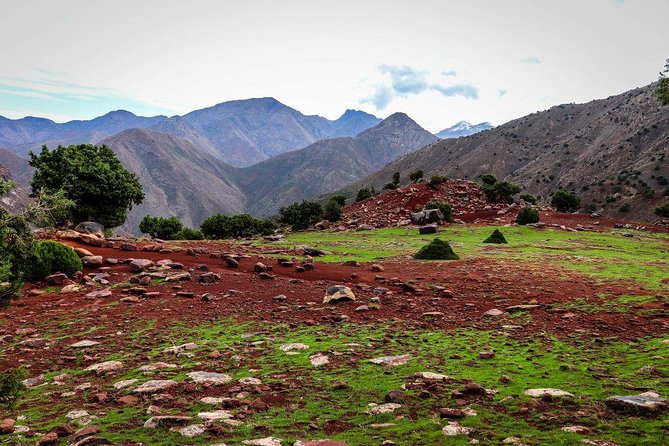
A key part of the value here is cultural contact that stays grounded in daily mountain life. The trek goes through Berber terrain and includes Berber guidance, plus support from muleteers. Even if you don’t catch every word, you feel the difference between a “photo stop” and a “local path.”
The Sidi Chamarouch shrine area is a good example. The route passes a place that attracts both tourists and pilgrims, so you may see people moving with purpose—visiting, offering, and walking the same routes their families have known for generations. It’s not a museum moment; it’s active human geography.
Practically, these stops also break the walking into manageable segments. You’ll have natural “reset points” to drink, adjust layers, and confirm you’re moving at the right pace. When a climb is short, those breaks can make the difference between arriving stressed and arriving ready.
Just don’t treat cultural sites like scenery. Walk respectfully, keep your movements calm, and be mindful that you’re passing through a space that matters to locals.
Toubkal Refuge at 3,206m: planning for cold, rest, and fuel
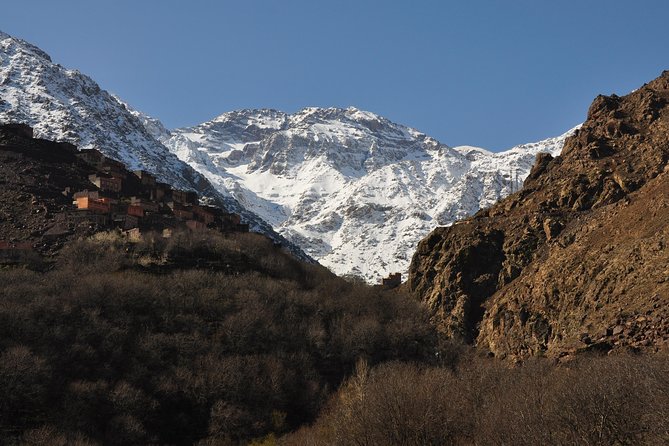
You reach Toubkal Refuge at 3,206m at the end of Day 1, and that overnight is a big part of why the trek works in only two days. At this elevation, the air can feel thin and colder, even if the sky looks friendly at daytime. Your job that night is simple: rest well and refuel so your legs can handle the summit.
Meals are included—dinner and breakfast—so you’re not searching for food in the middle of the climb. Still, how you sleep can vary based on cold and conditions, so come prepared with the gear you need. Since personal equipment like a sleeping bag isn’t included, I’d rather you bring what you know keeps you warm than gamble on “whatever’s there.”
You’ll also want to think about your layers and gloves, even if you’re not climbing a technical wall. In winter months, the trek includes crampons and an ice ax for security (Nov to Apr), which is a reminder that you’re operating in a real winter mountain environment during part of the year. Even when it’s not winter, altitude can still tighten your breathing and slow your pace.
This is also the night where your attitude matters. If you spend it anxious, you’ll burn extra energy mentally. If you treat it like a recharge—eat, stretch gently, and get quiet—you’ll feel better on Day 2.
Day 2 summit push: south circus, scree, and the 4,167m payoff
Day 2 starts with getting back into motion, and it includes an early transition by vehicle. Your road takes you toward the south circus, and then you begin walking again, crossing a stream above the refuge. The start can feel more straightforward than you expect, which tricks your confidence—until you hit the rocky and higher parts.
The walk toward the summit is described as relatively straightforward, but the difficulty comes from two things: altitude and scree. Scree is the loose rock that shifts underfoot, which means your body works harder even if the route looks simple. You may find yourself using shorter steps and focusing on foot placement more than speed.
And then there are the views. You get rewarding scenery along the way, which matters because you’re spending time at altitude where your brain wants reassurance that effort equals payoff. When you reach the summit, the big moment is the sense of openness: unrestricted views across multiple regions.
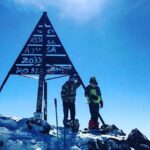
From the top of Jebel Toukbal (Mount Toubkal), you can see as far as the Marrakesh Plain and across the High Atlas, with visibility stretching south toward the Anti-Atlas and the Sahara. Even when you’re not a “summit person,” this kind of wide sightline changes how you understand the Atlas Mountains. It’s a real geographic perspective shift, not just a “nice view.”
After the summit, you retrace your steps back down and make your way to Imlil, followed by transfer back toward Marrakech. Downhill can still be hard on knees and shins, especially if you’re tired. Take it slow, keep your balance, and don’t let the top-of-the-world mood make you forget footing.
You can also read our reviews of more hiking tours in Marrakech
Non-technical climbing? Here’s what to expect on snow slopes
The description says no technical climbing, and that’s true in the sense that you’re not doing rope work or rock-climbing moves. But calling it non-technical doesn’t mean it’s casual. You can still scramble easily on rocky ground, and you may face snow slopes depending on conditions and season.
In Nov to Apr, the trek specifically involves walking in crampons and holding an ice ax for security. That’s a strong clue that your footing and balance matter, even if you’re not “climbing.” You should feel comfortable moving on uneven ground and taking instruction seriously when the snow is present.
The other factor is altitude management. Even if you’re fit, your body gets less oxygen, so your pace naturally slows. If you try to walk like it’s a flat park trail, you’ll burn out sooner than you planned.
For me, the “best mindset” is simple: treat the summit as a result of careful effort, not a test of speed. If you walk steadily, breathe calmly, and keep your steps controlled on scree, the non-technical label becomes what you hoped it would be: a trek with skills, not a climbing project.
What’s included in the $210.62 price—and what you’ll pay for yourself
At $210.62 per person, this trek includes a lot of the costs that usually blow up a short mountain trip. You get breakfast and dinner, plus lunch twice, so you’re not budgeting meals between Marrakech and the refuge. You also get air-conditioned vehicle transport, and the trek includes mule/cook support, which can help keep the load and timing under control on the walking days.
Another inclusion that adds value is the admission ticket included (listed for both day parts). Those fees are minor compared to guides and transport, but they reduce friction.
What’s not included matters for planning:
- Travel insurance (you’ll need your own)
- Flights
- Mineral bottle water during the trek
- Medical or accident insurance
- Personal gear like sleeping bags and shoes
- Tips
- Any personal expenses
So is it good value? For a two-day, high-altitude climb with an overnight at altitude, meals, and support staff, the package is usually priced fairly—especially since you’re not paying separately for food, transport, and many small fees. The “gotcha” is personal gear and water. If you show up without a sleeping bag and proper shoes, the trek can become uncomfortable quickly, and then the real cost becomes mental and physical.
Group size, pacing, and how you’ll share the trek with others
This experience has a maximum group size of 12 travelers. That’s a sweet spot for a short summit trek. Big groups can slow your individual pace and turn every stop into a waiting game. Smaller groups usually mean less time stuck behind slower walkers or faster walkers getting pulled into stress.
You also get flexibility from the way the groups can link up. The experience is designed to make it easier for you to connect with other people if you’re joining in a way that allows matching. The practical takeaway for you is that you can often find a comfortable walking rhythm, which helps on an altitude day.
Still, remember that the summit push is not a social hike where everyone chats constantly. Even in a friendly group, you’ll keep an eye on your breathing and energy. Use the social moments at stops for practical questions—what pace to hold, how to manage scree sections, and when to take a short breather.
Who should book this Toubkal ascent—and who should pause
You should book if you’re a strong walker who wants a high-altitude goal without technical climbing. This trek is aimed at keen walkers, it includes an overnight at 3,206m, and it’s designed around steady movement with some easy scrambling.
You should pause if you’re unsure about your ability to handle altitude and loose rock. Even though the climbing is described as non-technical, scree and altitude are specifically mentioned as difficult on Day 2. If you don’t have a fitness base, the trek can still be doable with effort, but your comfort may drop fast.
Season matters too. The trek runs all year around, but the winter gear note for Nov to Apr is a reminder: conditions can include snow slopes and require crampons and an ice ax for security. If you’re uncomfortable with that kind of cold-mountain movement, pick a season that matches your experience level.
Finally, you should book with weather in mind. The experience requires good weather, and if conditions are poor you’ll get a different date or a full refund. If you can’t move dates at all, consider that before you commit.
Should you book this 2-day Mount Toubkal climb?
If your goal is a real Atlas summit experience in a tight timeframe, this is a strong choice. I like the combination of steady valley walking, meaningful Berber shrine moments, and a refuge overnight that helps you actually attempt the summit rather than just dream about it.
Book it if:
- you’re fit and can handle altitude pressure
- you want a non-technical trek with real mountain conditions
- you want meals and transport handled, plus mule and cook support
Hold off if:
- you’re not ready for scree and altitude difficulty on Day 2
- you’re missing core gear like shoes and a sleeping bag
- you can’t flex your schedule if weather forces a change
FAQ
FAQ
How long is the Toubkal Ascent Trek?
It’s 2 days and 1 night, with Day 1 walking up to the Toubkal Refuge at 3,206m and Day 2 pushing to the summit and returning toward Imlil.
What altitude will I reach?
You’ll sleep at Toubkal Refuge (3,206m) and climb to the summit of Mount Toubkal (4,167m).
Is pickup from Marrakech included?
Pickup from your hotel in Marrakech is offered, and you’ll also have a specified Marrakech meeting point with an early start time.
Is the trek technical climbing?
It’s described as involving no climbing, but it can include easy scrambling and snow slopes. In Nov to Apr it involves walking in crampons and holding an ice ax for security.
What does the price include?
Included are breakfast, dinner, lunch (2), air-conditioned vehicle, and mule/cook support. Admission tickets are also included, and pickup is offered.
What’s not included?
Travel insurance, flights, mineral bottle water during the trek, medical or accident insurance, personal gear (including sleeping bags and shoes), and tips are not included.
What group size is this trek?
The group is limited to a maximum of 12 travelers.
If you’d like, tell me what month you’re going and your hiking experience level, and I can help you sanity-check whether the snow/ice season detail matches your comfort.