REVIEW · CASABLANCA
8 Days Tour From Casablanca to Merzouga Desert Fes and Marrakech
Book on Viator →Operated by love Morocco Desert · Bookable on Viator
Morocco changes fast on this 8-day run, from grand mosques and Roman mosaics to the Sahara at Merzouga. I like that it’s built around big, famous stops (Hassan II Mosque, Volubilis, Marrakech souks) but still includes smaller moments like pottery co-ops, gorges, and viewpoints.
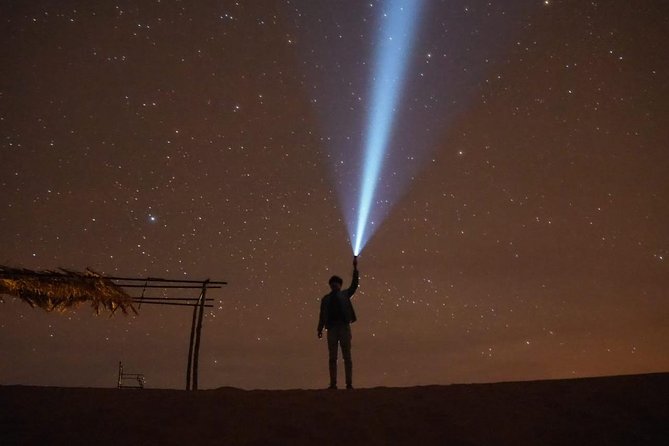
Two standouts for me are the focus on Fes craft details—tanneries, tiles, and mosaic work—and the desert night feel around Merzouga, where you get unforgettable sunset and star time. One thing to keep in mind: lunch and most drinks are not included, so the day-to-day cost can creep up during long driving days.
In This Review
- Key things to know before you go
- Casablanca and Rabat: Hassan II and Chellah set the tone
- Meknes and Volubilis: gates, granaries, and Roman mosaics
- Fes medina day: tanneries, mosaics, and the kind of guide you remember
- Middle Atlas to Merzouga: Ifrane, Azrou monkeys, and Ziz Valley heat
- Merzouga to Dades: Todra, rose oil, palm groves, and canyon drama
- Ouarzazate and High Atlas to Marrakech: Kasbahs, cinema sets, and Tizi-n-Tichka
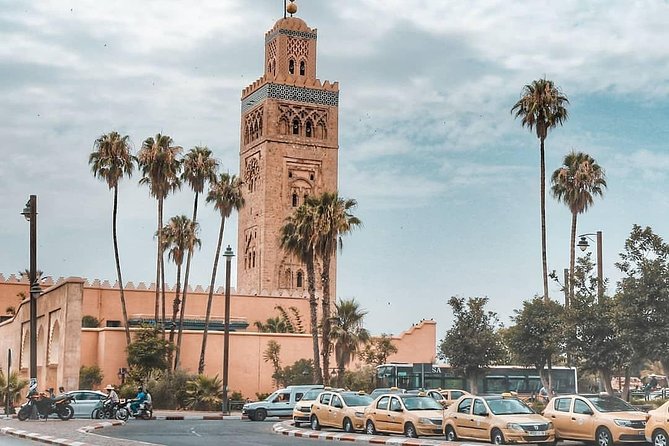
- Marrakech sightseeing: Bahia Palace, Saadian Tombs, souks, Majorelle, and Jamaa El Fna
- Private transport and real pacing: why it matters on this route
- Price and value: is $2,022.67 fair for what you get?
- Who this tour suits best (and who should look elsewhere)
- Should you book this tour?
- FAQ
- How long is the tour?
- Where does the tour start and end?
- Is pickup included?
- Is this tour private?
- Is a mobile ticket provided?
- What meals are included?
- Are lunch and drinks included?
- What are some of the main stops?
- How does cancellation work?
- When do I get confirmation after booking?
Key things to know before you go
- Private transport, flexible pacing: You travel in your own setup with guides who can adjust explanations to your questions.
- Guides by name, and you’ll feel it in the details: People specifically praise guides like Said, Side, and Youssef for culture, safety focus, and desert storytelling.
- Breakfast is covered, lunch isn’t: Breakfast is included at each stop, but you’ll handle lunches and water yourself.
- Three city “anchors” plus one desert heartbeat: Casablanca/Rabat, Fes, and Marrakech get full attention, with the Sahara as the emotional center.
- A route that makes the drive part of the trip: Middle Atlas, Ziz Valley, the rose-growing area, and the High Atlas pass all add variety.
Casablanca and Rabat: Hassan II and Chellah set the tone
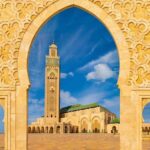
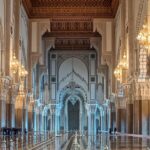
Your first day starts in Casablanca, with an introduction that feels appropriately huge: the Hassan II Mosque. It’s built between 1987 and 1993 and made for crowds—more than 25,000 can pray inside, with about 80,000 outside in the square. Even if you’re not a hardcore architecture person, the scale alone gives you a fast sense of Morocco’s ambition and style.
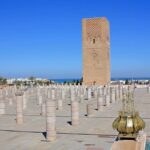
Next comes Rabat, where you trade the “wow” of a modern monument for the layered feel of Chellah. This UNESCO-listed archaeological site mixes Roman and Merinid remains, so you’re seeing Morocco as a long timeline, not just one era. You’ll also have time at the unfinished Hassan Tower and the Mausoleum of Mohamed V, which makes the day feel both scenic and serious.
If you like your touring to start strong without wasting half a day, this order works. The only real catch is timing: after arrival or pickup, you’ll be moving, so it helps to land rested.
You can also read our reviews of more tours and experiences in Casablanca.
Meknes and Volubilis: gates, granaries, and Roman mosaics
Meknes gives you a different flavor than Casablanca and Rabat—more local, more “old city walls and power.” You’ll see the Sahrij Swani granary, tied to the food and water storage for Moulay Ismael’s army, often described as the black army. It’s one of those details that sounds niche until you realize how practical empire life had to be.
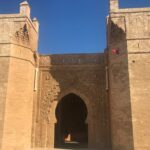
Then comes the mausoleum of Moulay Ismael, and the mood shifts again to art and style. The highlight for many people is Bab Mansour, the famous monumental gate. It’s the kind of place where you pause without meaning to, because the carving and proportions make you want to look longer than planned.
From Meknes you also visit Volubilis, just 30 km away. This Roman archaeological site is UNESCO-listed and known for preserved mosaics, Latin inscriptions, and remnants of art objects. Even if you’ve seen other Roman ruins, Volubilis hits different because it sits inside living Morocco—less like a museum, more like a historical layer you walk through.
The trade-off: this day stacks multiple “big” sights, so pace depends on your guide’s timing and how long you linger at each stop.
Fes medina day: tanneries, mosaics, and the kind of guide you remember
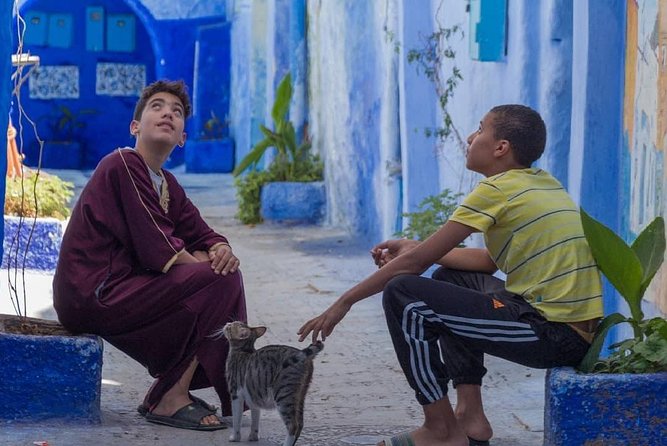
Fes is the day that turns the tour from sightseeing into real immersion, but in a practical way. You’ll meet a local guide and explore the old medieval medina of Fes, described as a labyrinth with thousands of alleys and streets. You’ll see why people call Fes an intellectual and cultural center—especially when you get hit with the sights and sounds of everyday trade.
I really like the way this day includes hands-on craft context instead of only photo stops. Fes is ranked as number 1 for crafts here, and you’ll encounter that through the flow of goods, colors, and trades. The cooperative for pottery and Moroccan mosaic work adds a useful behind-the-scenes look—tiles aren’t just decoration, they’re a skill network.
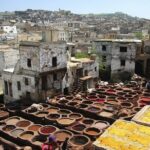
Then there’s the highlight most people talk about: the tanneries. Seeing locals work skins—goat, lamp, camel, and cow—in the small pits is a vivid, very Fes experience. It’s also a good reminder that this isn’t a staged attraction; it’s production.
You’ll also get a panoramic view from the southern tower of Fes, and time for special dishes of Fes cuisine. If you want one more cultural “wrap,” there’s an optional dinner show with belly dancers.
One consideration: medina walking means you should be comfortable with crowds, alley turns, and the fact that not everything is smooth and obvious. A good guide matters a lot here.
Middle Atlas to Merzouga: Ifrane, Azrou monkeys, and Ziz Valley heat
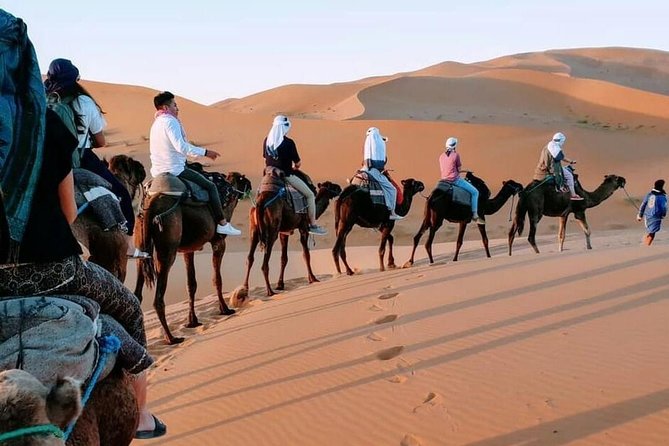
Day 4 is a drive day with real personality. Leaving Fes behind, you cross the Middle Atlas Mountains, and you get a string of scenic stops that make the transit feel active, not just travel time. The first break is in Ifrane, often described as small Switzerland and known as the first ski resort in Morocco. It feels almost European compared with the rest of the route, which makes it a useful contrast stop.
In Azrou, you’ll watch for cedar-wood monkeys, described as native “Maggot monkeys,” with mentions of more than 30 in one family. It’s a simple stop, but it’s the kind that refreshes your eyes before you head toward the Sahara mood shift.
Midelt adds a food-and-fruit angle with a lunch break and its apples festival vibe. Then you move toward the Sahara via Ziz Valley, heading to Arfoud—described as the gate of the sahara—before arriving in Merzouga.
This is also where the “consideration” of long days shows up. You’re going to spend time in a vehicle, even with private transport. The good news: the route is paced with stops that keep it from feeling monotonous.
Merzouga to Dades: Todra, rose oil, palm groves, and canyon drama
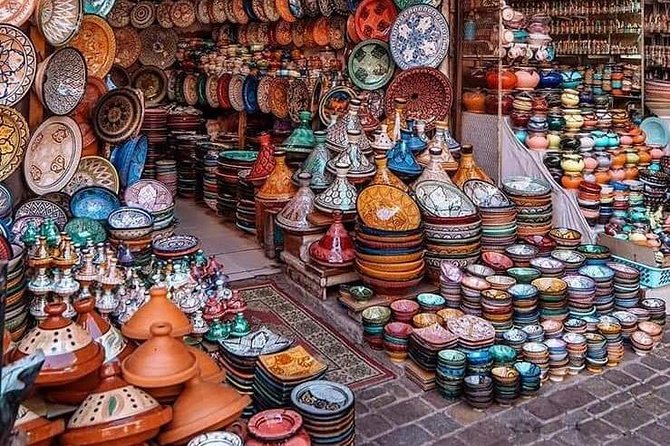
After breakfast, you leave the Sahara and head into dramatic terrain. The route includes the Toudra Gorges, known as a place tied to ancient caravan trading, with notes about early Moroccan money made out of silver. You’ll also pass through the oasis area connected to irrigation and then take lunch in the valley.
Then come the Dades Gorges, where erosion created rock formations over millions of years. This is where the scenery becomes more about scale than color, and where you can take slow walks and just stare for a bit.
You’ll also cross the Rose Valley, described as the only place in Morocco where Damascus rose is harvested for products like rose water and rose oil. If you like practical travel—where you learn what “rose water” actually means beyond a label—this is a satisfying stop because it ties fragrance to production.
Finally, you reach Skoura and its palm groves, and then overnight around Ouarzazate. Reviews also highlight that desert-side accommodations and meals tend to land well, so you’re not just chasing views—you’re also getting the comfort side of the trip.
Ouarzazate and High Atlas to Marrakech: Kasbahs, cinema sets, and Tizi-n-Tichka
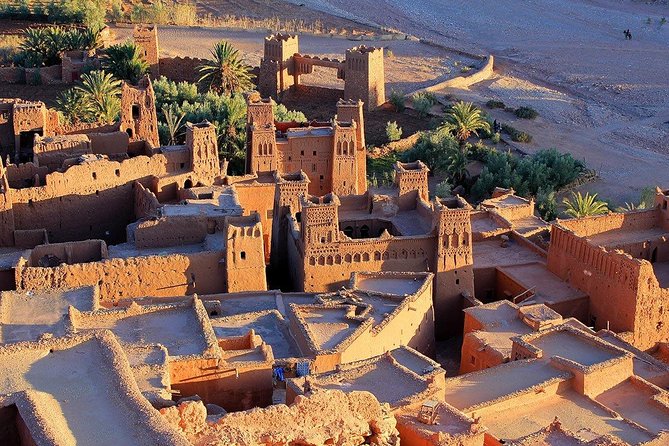
Day 6 is a big “Morocco cinema meets real mountains” day. In Ouarzazate, you’ll visit Taourirte Kasbah, described as Berber architecture built from clay and straw. You’ll also stop at the cinema studio, so you see why films keep coming back here.
Then you head to Ait Ben Haddou, where you walk through the ancient village. It’s the kind of UNESCO-level place where you can understand why movie crews return—credits include films like Lawrence of Arabia, Jesus of Nazareth, and Gladiator (among others). You’ll also visit Telouet Kasbah, described as the fortress stronghold of Thami Pasha and a caravan trading center.
The drive over the High Atlas via Tizi-n-Tichka (2260 m) is the practical highlight. The road is famous for red mountains and Berber villages, and the altitude change gives you that “we’re really crossing the country” feeling.
And then, suddenly, you’re in Marrakech. That transition is part of the value here: the tour doesn’t just transport you; it changes the mood in steps.
Marrakech sightseeing: Bahia Palace, Saadian Tombs, souks, Majorelle, and Jamaa El Fna
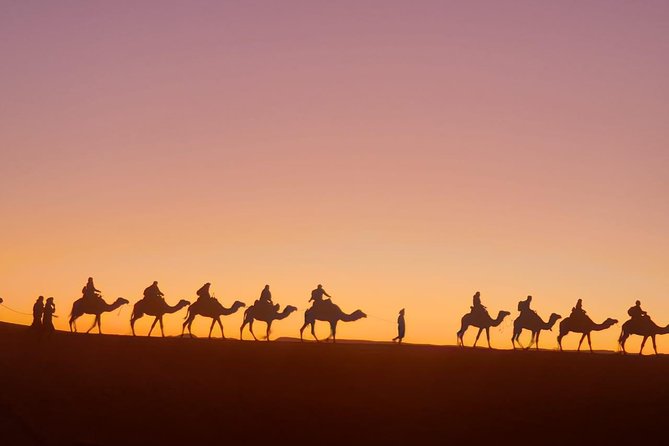
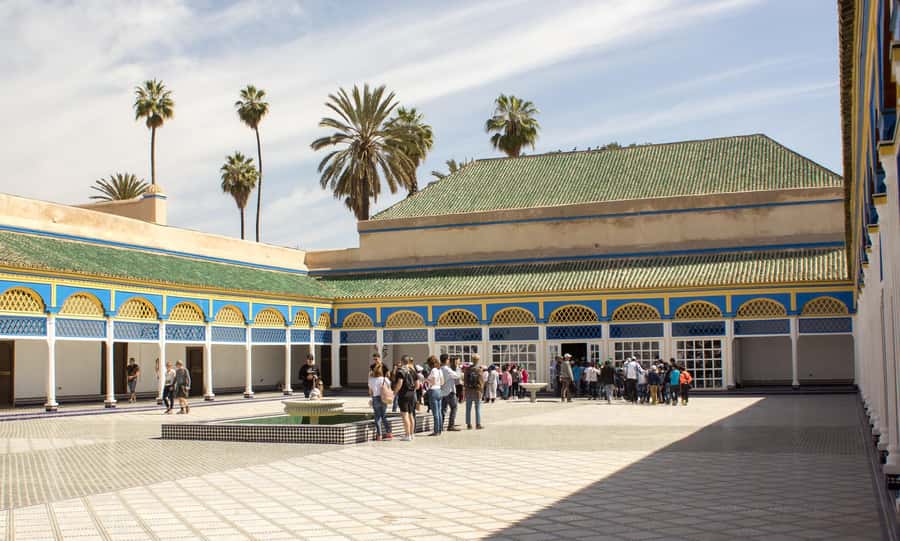
Marrakech day is designed for variety—palaces, markets, gardens, and the iconic square. You’ll start with Bahia Palace, known for intricate mosaics and stucco. You’ll also hear stories linked to Bahmad Grand visir of Marrakech, including details about four wives and 24 concubines, which helps make the spaces feel human instead of only decorative.
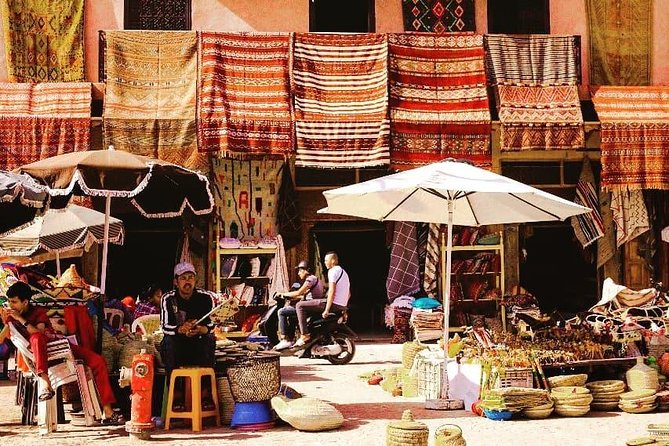
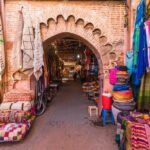
Then comes the Saadian Tombs, a royal necropolis from the 17th century. From there, you get time in the souks of Marrakech, where you’ll see different smells, colors, and items—plus learn how big and busy the market system really is.
A nice break from market chaos is the Jack Majorelle Garden in the Ville Nouvelle. It’s described as a calm spot with botanic and exotic plants brought from around the world, with indigo-blue walls used for painting. If you want a mental reset before the final “street theater” moment, this is it.
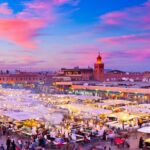
You’ll end at Jamaa El Fna, the animated square with snake charmers, monkeys, food stalls, and musicians. It’s the kind of place that feels like the city’s heartbeat, especially at night.
The drawback here is simple: Marrakech can be a lot for the senses. If you’re sensitive to crowds or constant bargaining, go in with a strategy—short visits, purposeful wandering, and plenty of water.
Private transport and real pacing: why it matters on this route
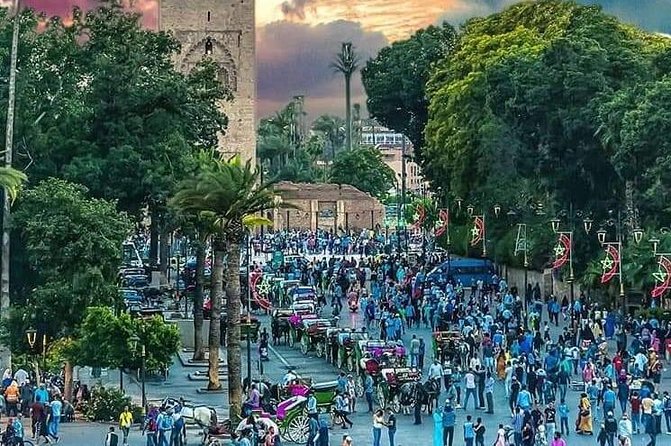
This tour is private, meaning it’s just your group, not a big bus of strangers. That’s more than comfort. On a route like Casablanca to Merzouga to Marrakech, your pace can decide whether you feel rushed or relaxed.
You’re also getting pickup offered in Casablanca, which removes one of the most annoying parts of starting a multi-day tour. Mobile ticket delivery is another practical win—less paperwork to juggle once you’re on the move.
The guide factor matters too. Reviews repeatedly praise guides for conversation, culture explanations, and safety concern. One comment specifically stands out: the guide shows real concern about tourist safety, and that passion makes everything better. In a place like the medina or around the desert, having someone who can keep you oriented is not a luxury.
Price and value: is $2,022.67 fair for what you get?
At $2,022.67 per person, this isn’t a budget “cheap-and-cheerful” trip. But it also isn’t just a ticket to a few sights. You’re buying a full routing across Morocco, including private transportation and multiple guided experiences.
Here’s what supports the price:
- Long-distance logistics handled for you: Casablanca → Rabat → Meknes → Fes → Merzouga → Ouarzazate → Marrakech.
- Breakfast included every place, plus dinner included in some places, which cuts daily meal planning.
- A desert stop with accommodation and night-time atmosphere: reviews call out excellent desert accommodation and delicious dinner on arrival plus breakfast the next day.
- Local guide moments where it counts: Fes medina guide, plus specialized stops like tanneries and mosaic/pottery work.
What can affect your real total cost: lunch is not included, coffee/tea isn’t included, and bottled water isn’t included. Alcohol and soda also aren’t included. If you’re the type who buys drinks constantly, budget a bit more than you think.
My rule: if you want “see Morocco across a whole arc” instead of only one region, this price starts to feel reasonable.
Who this tour suits best (and who should look elsewhere)
This is a strong match if you want:
- A route with major stops and real variety—mosques, Roman ruins, crafts, gorges, and Sahara
- A private format where your guide can answer questions
- A desert experience with good attention to comfort and meals
- City days that include both “pretty” and “understand why” moments
It may feel like a lot if you:
- Hate long driving days, even with stops
- Don’t want to plan for lunches and drinks not being included
- Prefer slow travel with fewer transitions
Age-wise, the info says most travelers can participate, and service animals are allowed. Still, the tour includes plenty of walking in medinas and uneven stone areas around historic sites, so comfortable shoes are smart.
Should you book this tour?
I’d book this if you want Morocco with momentum: you’ll come away with a stack of memories—from Hassan II Mosque scale to Volubilis mosaics, from Fes craft work to Merzouga sunset and star time, and finally Marrakech at full volume.
I wouldn’t book it if you’re only interested in one small slice of Morocco, or if you want everything included (meals, drinks, water) without thinking about it. On a $2,022.67 trip, those extra daily purchases matter.
If you do book, lean into the guide relationship. Guides named in feedback—like Said, Side, and Youssef—are praised for culture, safety focus, and desert storytelling. Ask questions early, especially in Fes and the medina areas, and you’ll get more out of the same sights.
FAQ
How long is the tour?
It’s an 8-day tour (approx.).
Where does the tour start and end?
It starts in Casablanca, Morocco and ends back at the meeting point. On the final day, you’ll also have transfer options to the airport of Marrakech or Casablanca.
Is pickup included?
Yes, pickup is offered.
Is this tour private?
Yes. It’s a private tour/activity, and only your group participates.
Is a mobile ticket provided?
Yes, the tour includes a mobile ticket.
What meals are included?
Breakfast is included every day/place. Dinner is included in some places.
Are lunch and drinks included?
No. Lunch is not included, and coffee/tea, alcohol, soda/pop, and bottled water are also not included.
What are some of the main stops?
You’ll visit places such as Hassan II Mosque (Casablanca), Chellah and Tower Hassan/Mausoleum of Mohamed V (Rabat), Bab Mansour and Volubilis (Meknes area), Fes medina/tanneries and crafts, Merzouga Desert, Todra/Dades Gorges, Ait Ben Haddou and Telouet Kasbah, and Bahia Palace/Saadian Tombs/souks/Jamaa El Fna (Marrakech).
How does cancellation work?
Free cancellation is offered. You can cancel up to 24 hours in advance for a full refund.
When do I get confirmation after booking?
Confirmation is received at the time of booking.