REVIEW · MARRAKECH
Shared 3 days tour From Marrakesh to Fes via Merzouga desert
Book on Viator →Operated by esprit d'aventure marrakech · Bookable on Viator
Camel dunes, then you wake up in history.
This 3-day shared tour strings together the High Atlas pass, UNESCO Ait Ben Haddou, Todra Gorge, and the Erg Chebbi desert near Merzouga in one clean route—plus camel time for sunrise and sunset vibes. I like the smart pacing (long enough to see big places, not so long you feel dragged), and I really like the small group size: max 15 in an A/C minibus. One thing to factor in: desert camp check-in can be a bit slow, and you might be dropped at a registration area before a short 4×4 transfer to your actual camp.
Quick favorites: First, the views and photo stops on the Tizi n Tichka pass at about 2260m, and second, the included camel ride experience in the dunes with a full desert night. The main drawback is logistics around the final desert area and timing—if you dislike waiting around, plan for a little patience at check-in.
In This Review
- Key highlights that make this trip worth your time
- Leaving Marrakech at 7:00 AM and riding the High Atlas pass
- Ait Ben Haddou and Ouarzazate: fortress village magic (and movie facts)
- Roses valley break and your overnight in Dades (with half-board)
- Todra Gorge in the morning and the drive toward Erfoud and Merzouga
- Erg Chebbi camel ride and sleeping in nomad tents
- Sunrise desert timing, Ziz Valley palms, and the cedar forest stop
- Getting to Fez in the early evening and ending at your accommodation
- Price and logistics: what $176.70 gets you (and what you’ll still pay)
- Who this trip is best for (and who should rethink it)
- Should you book this Marrakech to Fes 3-day desert tour?
- FAQ
- What’s the duration of this Marrakech to Fes desert tour?
- Where does the tour start in Marrakech?
- How big is the group?
- Do meals come with the tour price?
- What kind of accommodations are included overnight?
- Is there a camel ride in the Sahara?
- Are there entrance fees included for sightseeing?
- Is a vegetarian option available?
- Is drinking water included?
- Can I cancel for a full refund?
Key highlights that make this trip worth your time
- High Atlas morning views from Tizi n Tichka, with an easy stop to take photos at the top
- Ait Ben Haddou: UNESCO fortress village, also a famous film location
- Todra Gorge visit with a local-focused stop tied to an information and experience center
- Erg Chebbi camel ride + overnight in nomad tents, with dinner and camp entertainment
- Sunrise camel return and an early breakfast before you head toward Fez
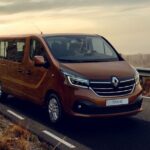
- Small-group travel with max 15 people and an A/C shared vehicle
Leaving Marrakech at 7:00 AM and riding the High Atlas pass
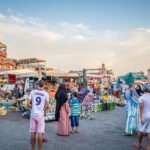
Your day starts early. The pickup is from your Marrakech accommodation, and the departure begins around 7:00 AM near the Jamaa El Fnaa square. You’ll roll out with a driver in a shared minibus with A/C, designed for comfort on a long, scenic route.
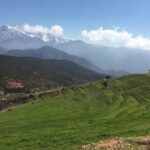
Then comes the star of Day 1: the Tizi n Tichka pass. You’ll stop for photos right at the top of the Atlas mountains (about 2260m). Even if you only take 15 minutes to wander and shoot pictures, it’s the kind of pause that changes your whole mood. The air feels different up there. You get that wide, high viewpoint that makes the rest of the trip feel real.
After the pass, the route heads toward the Ait Ben Haddou area. This is one of those stretches where the scenery keeps switching—from higher mountain angles to the start of the desert road feel.
Practical tip: start the day with sunscreen and water-ready habits. You’ll likely be out in bright sun for photo stops, and you don’t want to burn time sweating later.
A few more Marrakech tours and experiences worth a look
Ait Ben Haddou and Ouarzazate: fortress village magic (and movie facts)
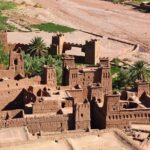
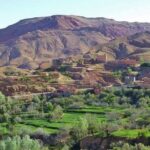
Ait Ben Haddou is your first big sightseeing hit. It’s a Berber fortified village and a UNESCO-listed landmark. You get around 2 hours to explore at your own pace, including time to walk around, cross the river area, and check out the village structure up close.
What makes Ait Ben Haddou extra fun is the way it shows up in popular film history. The area has been used as a set for movies like Lawrence of Arabia, Gladiator, and Kingdom of Heaven. You don’t need to be a movie buff to enjoy it. What matters is the place itself: thick-walled buildings, layered views, and the feeling of stepping into a lived-in past.
Next, you’ll pass through the Ouarzazate region with a photo stop. You’ll have time to shoot views near the Atlas Studios area. This stop is brief, but it helps connect the dots between “real place” and “made-for-filming place.”
What to watch for: Ait Ben Haddou is scenic, but it’s also uneven underfoot. Wear shoes you can trust. Also, keep your phone batteries ready. You’ll want them for all the tower-and-rooftop angles.
Roses valley break and your overnight in Dades (with half-board)
Day 1 continues with a stop at El Kelaa M’gouna, often called the roses valley area. You’ll have about 30 minutes for a photo break and orientation. Here’s the seasonal detail that’s actually useful: rose picking starts in April, and there’s a 3-day festival in the first week of May. If you travel around then, you might catch the rose oil and cosmetics side of the local economy at associations along the way.
Even outside peak rose season, the valley break works because it’s a “reset” moment before you reach the more dramatic rock-and-road feel of Dades.
Finally, you overnight in the Dades area at Boumalne Dades in a private room. It’s half-board, so your dinner is handled. The room is part of a 3-star hotel setup with private bathroom facilities (single, double, or twin rooms).
Expectations to set: this is not a luxury lodge. It’s a practical stop so you can recharge for Day 2’s desert push. The upside is you don’t have to hunt food or plan transport.
My advice: after a long day, keep your evening simple. Shower, eat, and try to sleep. Tomorrow is the real magic.
Todra Gorge in the morning and the drive toward Erfoud and Merzouga
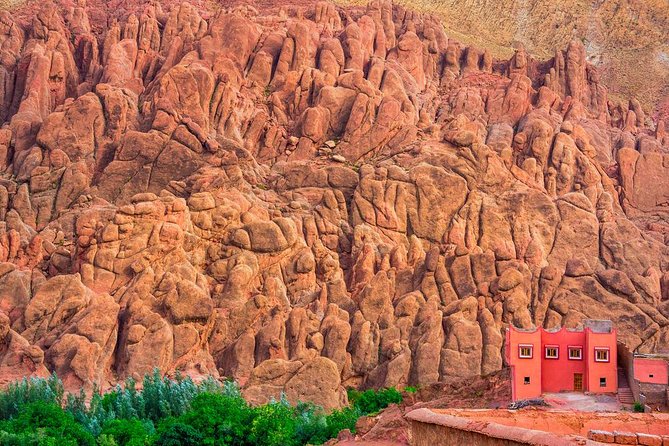
After breakfast on Day 2, you head out to Todra Gorge. The timing gives you a better chance to enjoy the gorge without feeling rushed. The stop is described as being tied to a Tourist Information & Experience Center, then you’ll visit the gorges and the grove of Todgha.
This part of the trip balances the day’s pace. The gorge experience is a classic Morocco moment: tall rock walls, narrow sections, and that “wait, this is way more dramatic than the photos” feeling.
From Todra, the road keeps evolving. You drive onward toward Erfoud, often described as a capital for fossils, and you’ll pass through places like Tinejdad along the way (Berber villages are part of the experience here).
Then it’s on to the big one: Merzouga and the Erg Chebbi dunes. As you get closer, the terrain starts to look less like “road trip” and more like “desert mission.” This is exactly where the tour’s structure matters. You’re not just getting dropped at dunes and hoping for the best—you’re arriving in an organized way that sets up your camel ride.
Practical note: the drive is part of the show. If you’re prone to car sickness, bring what works for you. The itinerary doesn’t mention stops for that, so it’s better to be prepared.
Erg Chebbi camel ride and sleeping in nomad tents
Now we hit the heart of the Sahara part of the trip.
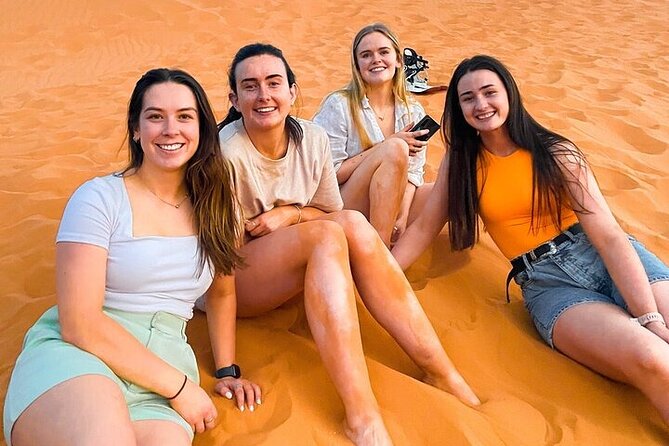
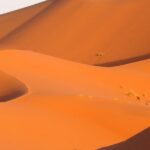
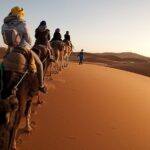
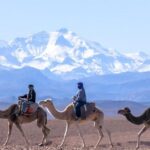
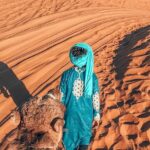
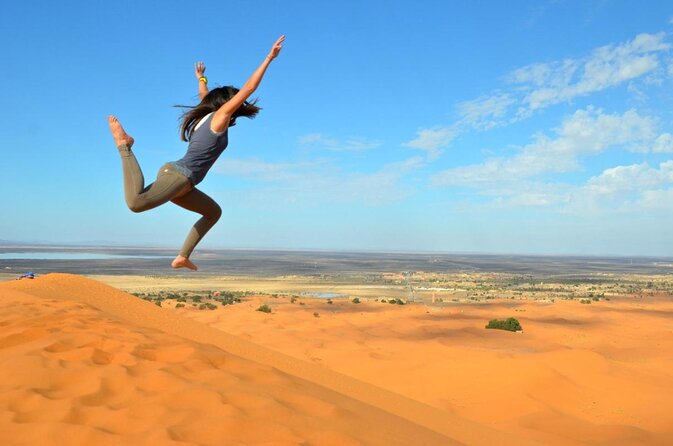
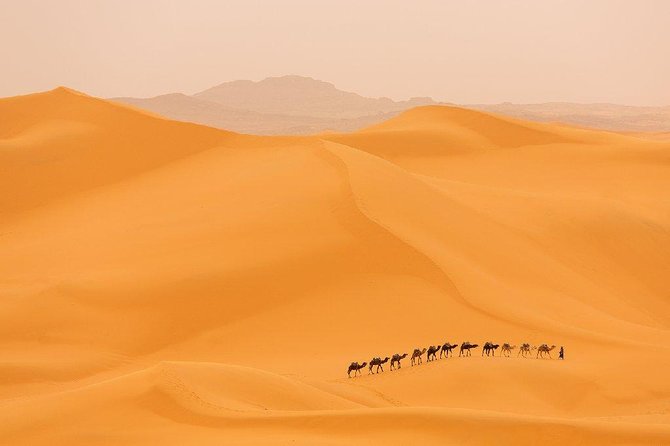
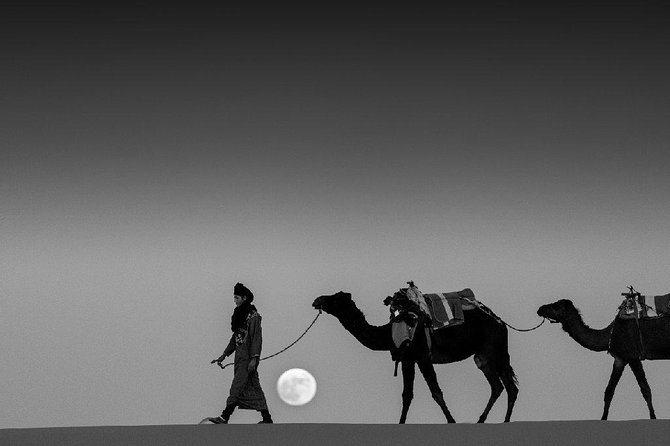
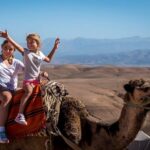
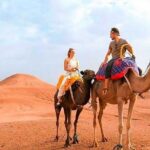
At Merzouga, you leave the vehicle for a camel ride “in the middle of the dunes.” That detail matters. It’s not a short photo loop at the edge. You’ll have time enough to feel like you really crossed into the dunes world.
Then you spend the night in nomad tents in the big dunes. Dinner is included, and there’s evening meal and entertainment at the desert camp. The tour also emphasizes the quiet between the stars. That’s not just a poetic line—it’s part of why people do this. The desert night can feel like the world turns down the volume.
Accommodation details are clear: your desert camp lodging is in a private tent with shared bathroom facilities. Bedding is provided, so you don’t need a sleeping bag.
Comfort tips that actually help:
- Long trousers are recommended for the camel ride because saddles can cause skin irritation.
- Drinking water isn’t provided by the canteen; you’ll need to buy it along the way.
- Bring small items you’ll want in the tent area (a light layer, anything for sun-to-night temperature changes).
One more thought: desert camps can vary in how warm the tent feels at night. You’ll want something for when the temperature drops after sunset. The tour says you should dress appropriately for all weather conditions, so pack like you’re ready for changing temps.
Sunrise desert timing, Ziz Valley palms, and the cedar forest stop
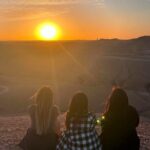
Day 3 begins with the reward: sunrise in the desert. You’ll admire the sunrise over the dunes, then ride the camel back to the camp lodge for an early breakfast.
After breakfast, you transition out of the desert route. You’ll cross toward the Ziz Valley, and the route passes through the Tafilalet palm forest and the town of Rissani.
Then you head toward the Azrou Cedar Forest, with a chance to see monkeys. The tour description says you may meet “Maggots monkeys” in the cedar forest between Azrou and Ifrane. Even if the wording is odd, the key is the timing: this is a nature stop where you might spot animals without having to hike for hours.
You’ll spend about 1 hour in this area, enough time to slow down, look around, and get those last Morocco nature photos before you reach Fez.
What I like about Day 3 pacing: it avoids the feeling that you’re rushing straight from desert sleep to city chaos. You get palms, a forest stop, then the arrival.
Getting to Fez in the early evening and ending at your accommodation
The tour ends in Fez, described as happening in the early evening. You’ll meet up and then the service includes drop-off at your accommodation or the nearest accessible location. That wording matters—Fez can have tricky streets, and this approach helps you actually get to where you need to be.
So plan your evening in Fez lightly. You’ll likely arrive with a mix of excitement and exhaustion. If you’re staying somewhere central and walkable, you can do a short wander. If your riad or hotel is tucked into the medina lanes, give yourself time to check in calmly.
Price and logistics: what $176.70 gets you (and what you’ll still pay)
At $176.70 per person for a 3-day trip, it’s not a “cheap and cheerful” deal. But it also isn’t only paying for transport. The included value is practical and specific:
Included highlights worth your money:
- Shared A/C minibus with fuel, travel taxes, and tolls
- Pickup in Marrakech and transfer to Fez accommodation/accessible drop-off
- Professional driver
- Breakfasts and dinners across the trip
- Overnight in Boumalne Dades (private room, private bathroom)
- Overnight in nomad tents with dinner and entertainment
- Camel trek and local Berber guides
- Multiple sightseeing stops with some admission included at listed stops
Also, this style of itinerary often saves you time. You’re not negotiating separate rides for each leg, and the camel night logistics are handled.
What you’ll still need to budget:
- Lunches and drinks (unless specified)
- Entrance fees are only covered where noted as included
- Personal expenses and souvenirs
- Drinking water (you buy along the way)
The one logistics consideration to watch: desert area check-in can involve a waiting period. One review noted they were dropped at a hotel registration area and then had to take a 4×4 transfer, spending extra time waiting at the desk. Not every trip will go like that, but it’s a good reminder to build patience into your schedule and avoid planning a tight timetable right at camp arrival. If you’re sensitive to waiting, keep a small snack and water ready.
Finally, note the tour is commonly booked about 17 days in advance on average. If you want a specific travel window (especially busy seasons), book earlier.
Who this trip is best for (and who should rethink it)
This is a strong fit for:
- People who want a classic Morocco route with major stops kept efficient
- Anyone who values a small group (max 15) for a more personal vibe
- Travelers who like photos and short walks at key viewpoints rather than long hikes
- Desert lovers who want both camel time and a real overnight in the dunes
You might want to rethink it if:
- You dislike rougher timing and possible desert check-in delays
- You’re traveling with very young kids (it’s not recommended for children under 5)
- You require lots of flexibility to change the plan day-to-day (this is a set itinerary)
Good walking shoes matter here. You’ll move around at passes, village stops, and gorge areas.
Should you book this Marrakech to Fes 3-day desert tour?
I’d book it if your goal is simple: one trip that combines Atlas mountains, UNESCO Ait Ben Haddou, Todra Gorge, and Erg Chebbi camel dunes, without you doing the planning. The included meals, guided desert camel night, and small-group size make it feel like good value for the distance covered.
Hold off or ask more questions if desert logistics and waiting periods bother you. Also, if you’re picky about hotel style, remember you’re doing one practical hotel night in Boumalne Dades and one night in private tents with shared bathrooms in the desert.
Overall, this is the kind of itinerary that works because it stays structured where it needs to—and gives you enough time at the big sights to actually enjoy them.
FAQ
What’s the duration of this Marrakech to Fes desert tour?
It’s a 3-day tour, starting at about 7:00 AM in Marrakech and ending in Fez in the early evening on Day 3.
Where does the tour start in Marrakech?
The tour starts with pickup from your accommodation in Marrakech, and departure begins near the Jamaa El Fnaa square.
How big is the group?
The tour has a maximum of 15 travelers, and it’s run in a shared A/C minibus.
Do meals come with the tour price?
Yes. Breakfast and dinner are included for the entire tour (and dinner is also included at the desert camp).
What kind of accommodations are included overnight?
You get one overnight in Boumalne Dades in a private room with private bathroom facilities (3-star level), and one overnight in nomadic tents in the desert. Desert tents have shared bathroom facilities.
Is there a camel ride in the Sahara?
Yes. You’ll do a camel ride in the Erg Chebbi dunes and also ride for sunrise on the final morning.
Are there entrance fees included for sightseeing?
Some admissions are included at listed stops, while other entrances are not included. The tour notes that entrance fees to museums/monuments not specified as included are not covered.
Is a vegetarian option available?
Yes. A vegetarian option is available—you should advise at booking.
Is drinking water included?
No. Drinking water is not provided, and you can purchase it along the way.
Can I cancel for a full refund?
Yes. You can cancel for free up to 24 hours in advance for a full refund.