REVIEW · CASABLANCA
10 Days Best Of Morocco
Book on Viator →Operated by Legendary Morocco Tours · Bookable on Viator
Morocco can feel like a lot. This route keeps it organized and good-paced for a single trip. I especially like how the trip mixes big-name sights (Hassan II, Fez medina, Marrakech) with quieter stops that make the geography make sense fast.
What I like most is the human side: you’re traveling with an English-speaking driver and well-led guidance, and the operator highlights driving safety and careful customer support. One thing to think about: monument entry fees aren’t included, so you’ll want to budget extra for tickets as you go.
In This Review
- Key highlights to plan around
- Casablanca’s Hassan II Mosque and the unfinished Hassan Tower
- Meknes and Volubilis: imperial gates and Roman mosaics
- Fez medina walk: Al Karaouine, tanneries, and the Mellah option
- Ifrane, Azrou cedars, and fossils before the Sahara turns on
- Khamlia Gnawa night and camel time on Erg Chebbi dunes
- Sunrise riding, Todra hiking, and Dades Valley views
- Ouarzazate movie sets and Ait Ben Haddou UNESCO drama
- Marrakech with medina power stops, Majorelle Gardens, and Jamaa el Fna at night
- Essaouira and argan country: Atlantic wind, blue-and-white charm, and coop visits
- Finishing in Marrakech or Casablanca: what your last day looks like
- Price and value: is $2,175 per person fair?
- Who should book this Morocco route (and who should skip it)
- Should you book 10 Days Best of Morocco?
- FAQ
- What time does the tour start?
- Is this tour private?
- What’s included in the price?
- Are monument entry fees included?
- Where does the tour end?
- What if the minimum traveler count isn’t met?
Key highlights to plan around
- A private, end-to-end route: you’re not sharing this with strangers, and the pace is controlled around your group.
- Desert time that’s not just a photo stop: sunrise on Erg Chebbi, a Gnawa music night in Khamlia, and camel time into the Sahara.
- Expert city navigation in Fez and Marrakech: long medina walks with focused stops like Al Karaouine and Ben Youssef Madrasa.
- High-Atlas driving with scenic rewards: Tichka Pass views on the way toward Ouarzazate and Ait Ben Haddou.
- Extra contrast days: cedar forests and fossils before the dunes, then gorges and rock formations after.
- English support throughout: practical help, not just translation, when you’re moving between places.
Casablanca’s Hassan II Mosque and the unfinished Hassan Tower
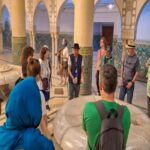
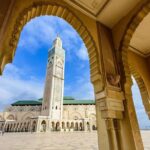
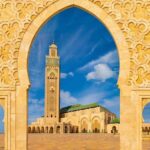
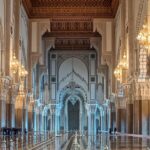
Your first real Moroccan wow moment starts in Casablanca at Hassan II Mosque. Even if you don’t think of yourself as a “mosque person,” this is one of those landmarks that changes how you see a skyline. You’ll have around an hour here, but plan for the main entry fee—admission isn’t included in your tour package.
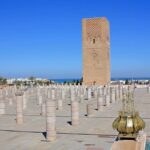
Next comes Hassan Tower, with a mix of Moroccan and Spanish-influenced architectural styling. The story behind it is part of the appeal: the minaret was meant to be the largest of its type, but construction stopped after the death of al-Mansur in 1199. That makes the tower feel like history in motion—less like a finished monument, more like a chapter that halted.
The final stop on Day 1 is Oudaya Kasbah, with remains reaching back to the 12th century. This is a shorter stop, but it’s a good way to shift from “icon buildings” to a more layered, lived-in sense of Moroccan time. Quick practical note: Day 1 uses short visits, so wear comfortable shoes. You’ll be walking more than the time estimates suggest.
You can also read our reviews of more tours and experiences in Casablanca.
Meknes and Volubilis: imperial gates and Roman mosaics
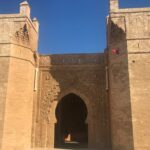
Day 2 begins in Meknes, one of Morocco’s imperial cities. You’ll focus on major pieces: Bab Mansour (the famous gate), the Sahrij Souani, and the Moulay Ismail mausoleum. Even with limited time, this is the kind of stop where a guide really matters, because the architecture and layout can feel confusing without context.
Then you head to Volubilis, the Roman ruins near Meknes. This is for people who like texture and time depth: mosaics, building remains, and the sense of North Africa as part of a much wider ancient world. Your visit window is about 45 minutes, and the important catch is that entry isn’t included. If you’re the type who hates “ticket surprises,” set aside time in your budget for it.
This day works because it trains your eyes. After Casablanca and its modern grandeur, Volubilis makes you think about Morocco not as a single story, but as overlapping eras—Roman, Islamic, and local.
Fez medina walk: Al Karaouine, tanneries, and the Mellah option
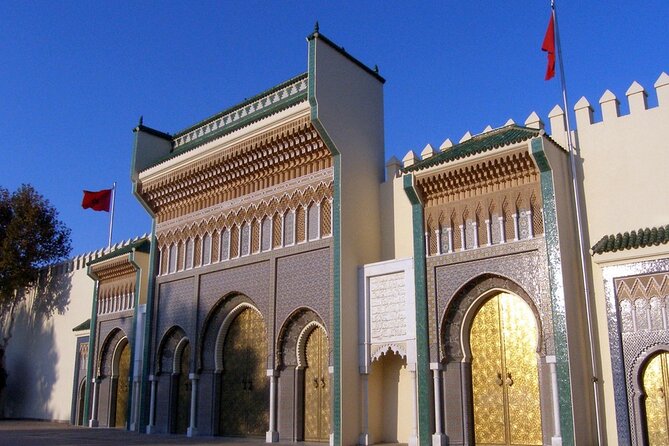
Fez is where the trip turns from sightseeing into navigation. After breakfast at your riad, you’ll step into the oldest medina in Morocco, with streets dating back to the 9th century. This isn’t a drive-by. It’s a long, guided crawl through narrow lanes, cobblestones, and the day-to-day rhythm of the city—donkeys included.
The big wins here are the specific historical anchors your guide brings you to: Al Karaouine (often credited as one of the oldest universities in the world), the Moulay Idriss mausoleum, the Nejjarine fountains, and the King’s Palace area. If you like learning what you’re actually looking at—rather than just “seeing stalls”—this is the kind of day that pays off.
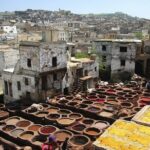
You’ll also have time for the famous tanneries. They’re widely known, and yes, that also means the smell is real. I recommend you don’t fight it. Plan to move quickly through the strongest areas and take in the craft details as you pass.
Lunch is planned within the medina, and the tour wraps around mid-afternoon. The practical benefit is that you get out while you still have energy for shopping or relaxing back at your riad.
Ifrane, Azrou cedars, and fossils before the Sahara turns on
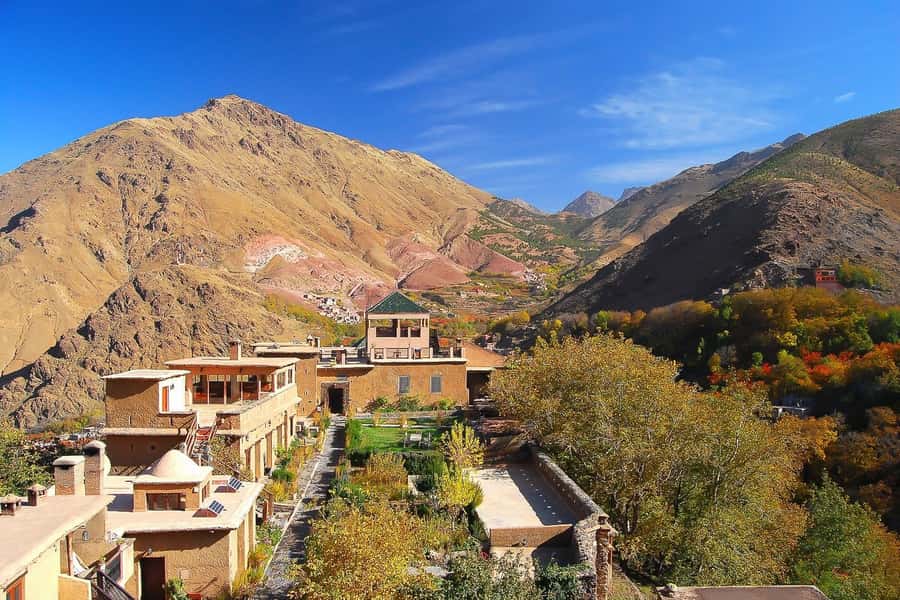
Day 4 is built on contrast. First you stop in Ifrane, a mountain city in the Middle Atlas known for its Alpine-style buildings and peached-roof look—hence the nickname Little Switzerland of Morocco. It’s only around 20 minutes, but it’s a useful breather before you head into more rugged terrain.
Then the road drops you into Azrou’s cedar forest. This is where you might see Barbary apes. You also have a realistic chance to interact indirectly—people sometimes feed them, but your best move is to watch how locals do it rather than rushing in. The stop is short, but it’s a popular one for selfies and a quick “wait, we’re still in Morocco?” moment.
After that comes Fossiles d’Erfoud, also described as a paradise for geology and archaeology. If you’re curious about fossils and the trade around them, you can arrange a visit to a fossil factory/showroom during the stop. Even if you don’t buy anything, it’s a good way to understand how “Sahara-adjacent” economics and materials work.
Finally, you arrive at Erg Chebbi (Merzouga dunes). This part matters because the day ends with you facing the dunes, setting you up for the full desert experience on the next day.
Khamlia Gnawa night and camel time on Erg Chebbi dunes
You get a full desert day on Day 5. Start with Merzouga exploration, including an oasis view of how villagers irrigate crops. This is the practical side of the Sahara: it isn’t only sand and romance. People live here by working with limited water.
Then you head to the village of Khamlia, known for Gnawa culture. You’ll get a performance of their unique music and you’ll have lunch in the village. This is a strong choice for travelers who want culture—not just desert scenery.
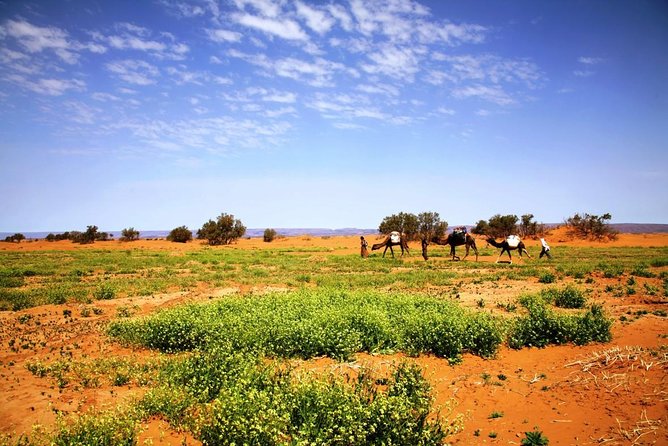
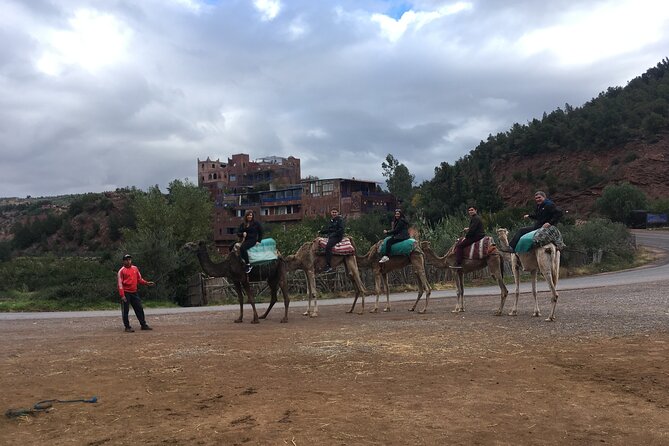
After that, you return to your riad to rest before camel time. Camel rides are one of those experiences where expectations matter. Plan for a slower pace than modern transport, and pack with comfort in mind. This is where the trip shifts from “tour mode” to “you’re inside the landscape” mode.
One consideration: desert days can feel long, and the comfort level depends on how you prepare (warm layers for evening and a calm, realistic attitude about travel time).
Sunrise riding, Todra hiking, and Dades Valley views
Day 6 starts with sunrise on Erg Chebbi. Your camel guide wakes you for the dawn view, and it’s presented as one of the trip highlights for a reason. Sunrise over the dunes changes the color and mood of the whole desert. Even if you’ve seen desert photos before, sunrise has a different scale—cooler air, softer shadows, and the feeling that the landscape is waking up with you.
After desert time, you head to Todra River and its gorges. This is the “walk and stretch” break from sand. You’ll hike around old kasbahs and then enjoy lunch near the gorge area. Todra is known for being among the highest and narrowest gorges in Morocco and for attracting rock climbers from around the world, so if you like dramatic rock walls and good hiking views, this is a solid pick.
Then you continue toward Boumalne Dades in the Dades Valley. This valley is famous for views and photo opportunities, including those rock formations nicknamed monkey toes. The stop is relatively short, so you’ll want to pick your viewpoints quickly and then enjoy the ride on rather than chasing too many “perfect” angles.
Ouarzazate movie sets and Ait Ben Haddou UNESCO drama
Day 7 is where the route really earns its geography. You go through Ouarzazate—often called African Hollywood—and you can visit the Taourirt kasbah plus tour the movie studios. Even if you’re not a film buff, it’s a useful way to understand how Morocco became a filming partner for big productions.
Next is Ait Ben Haddou, a UNESCO Heritage site and one of Morocco’s best-known kasbahs. You’ll spend about 45 minutes here, with enough time to appreciate the scale and its layered architecture. The site is also known for major movies shot there, including Gladiator and Lawrence of Arabia, plus later productions like Game of Thrones.
The value here is time efficiency. Many tours stretch this stop; yours keeps it focused. You’ll see the key parts and then get back on the road. One caution: kasbah sites can get hot and dusty depending on season. If you care about comfort, bring sunscreen and a light layer even when it seems warm.
On the way to Marrakech, you cross the Tichka Pass in the High Atlas Mountains. The heights matter: the route goes past 4,167 meters above sea level. Even if you don’t measure altitude while riding, you’ll feel the shift in air and views.
Marrakech with medina power stops, Majorelle Gardens, and Jamaa el Fna at night
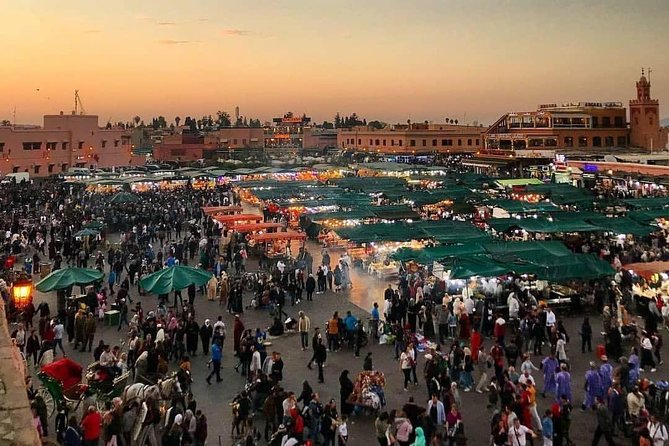
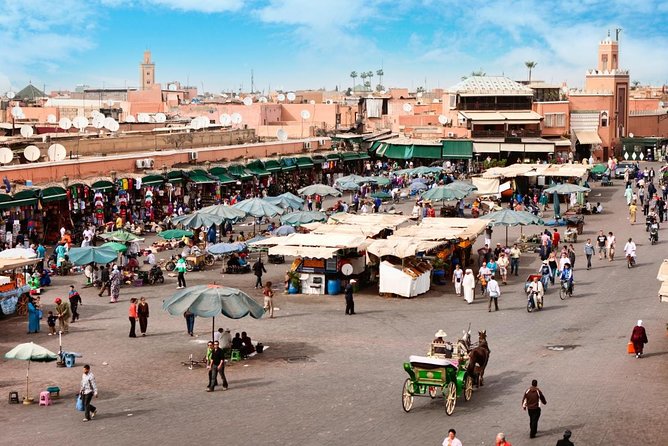
Marrakech gets a structured city day, which I like because the medina can swallow time fast. After breakfast, your local guide takes you to major sites in the Red City: Bahia Palace, the Saadienne tombs, Jamaa Lafna Square, and Ben Youssef Madrasa. Then you walk the souks, taking in sights and colors as you go.
The tour ends around mid-afternoon, which gives you room to regroup. That matters because Marrakech evenings can be intense. Afterward, you head to the Majorelle Gardens, created by Yves St. Laurent. This is a calmer counterpoint to the medina energy, and it’s an easy place to slow down if you need a visual reset.
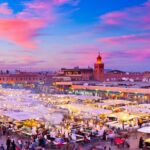
Then comes the optional evening vibe: after sundown, walking toward Jamaa el Fna. The square comes alive with snake charmers, storytellers, merchants, and crowds. If you enjoy street life, this is one of the best ways to feel Marrakech at ground level. If crowds tire you, treat it like a short evening stop rather than a long sit-and-stare.
Essaouira and argan country: Atlantic wind, blue-and-white charm, and coop visits
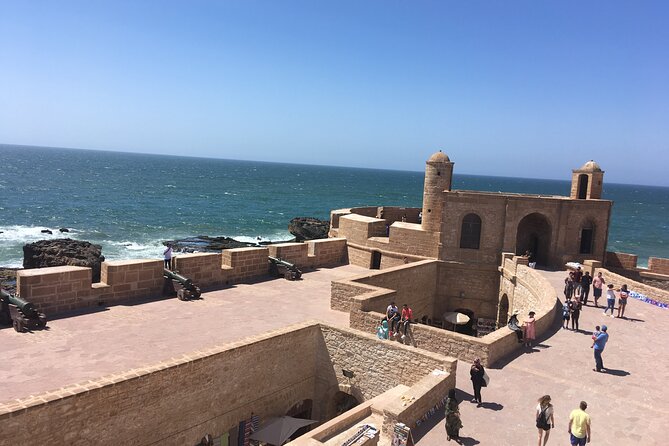
Day 9 sends you west to Essaouira, also called Mogador, the City of Wind. Expect surfers and sea air—this feels different from inland Morocco. The drive includes a stop in the land of argan, where Argan trees grow in the wild and where you can visit a women’s cooperative to see how argan oil is made by hand.
This coop visit is valuable because you see a product’s story instead of just buying a bottle. You learn how the work gets done and why it matters locally. It also helps you avoid feeling like souvenirs are the only point of visiting a rural area.
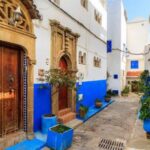
When you reach Essaouira, you’ll have time to explore the blue and white city by the Atlantic. Lunch is included in the plan as a stop at a local restaurant, and then you head back to Marrakech accommodation.
Essaouira is a great palate cleanser. After days of desert and gorges, the ocean rhythm gives you a different kind of calm.
Finishing in Marrakech or Casablanca: what your last day looks like
Your Day 10 is the wrap-up. The tour ends at the airport—either Marrakech or Casablanca, depending on your schedule. That’s practical for flight planning, because you’re not stuck doing extra transfers at the last minute.
It also means you should plan your departure time carefully. Even though the route is clearly structured, airport timing always depends on real-world traffic and the exact handoff point.
Price and value: is $2,175 per person fair?
At $2,175 per person for about 10 days, you’re paying for private transportation, an English-speaking driver, and multiple guided days across major regions—from Morocco’s north down to the Sahara and back up toward the coast and cities.
What you should treat as value drivers:
- Private driving between distant regions: that’s expensive in time and fuel. You’re buying comfort and reduced logistics stress.
- Desert-focused experiences: sunrise on Erg Chebbi, time in Khamlia with Gnawa music, and camel travel are not “optional add-ons” in your day structure.
- Meals covered in key blocks: breakfast is listed for 9 mornings, and dinner is listed for 3 nights. Even when not all meals are included, it reduces daily decision fatigue.
- Professional support: the operator emphasizes a team with 15+ years in tourism, driving safety, and caring guidance.
What can surprise you:
- Monument and entry tickets: all monument entries are not included. Since your itinerary includes major entry sites (for example, Hassan II Mosque and Volubilis), this can add up. If you hate paying at the door, set aside an extra budget and plan to pay without drama.
If you want a trip that feels like it runs smoothly with someone handling the route details, the price starts to make sense.
Who should book this Morocco route (and who should skip it)
This tour fits best if you want:
- A private, structured path across north-to-south highlights without constantly re-planning.
- Strong guiding in cities where you’d otherwise get lost fast (Fez, Marrakech medinas).
- Both culture and nature: medina history plus cedar forests, gorges, dunes, and ocean time.
I’d consider skipping or swapping to a different pace if:
- You dislike long drives or quick, short stops. Several days use compact visits.
- You want every single ticket and meal fully included. Entries aren’t in the package.
Also, the operator’s support shows up in how guides are described by name in communications and care. If you connect with a guide like Mohammed, Mohsine, Mohsin, Mouhssine, or Nour, the trip tends to run smoother because you’re not just being shown places—you’re being helped through them.
Should you book 10 Days Best of Morocco?
I’d book it if your goal is a classic Morocco best-of route with minimal logistics headaches, and you’re okay budgeting separately for entrance tickets. The desert day isn’t just scenery—it’s sunrise plus cultural time in Khamlia plus camel riding. That combo alone is worth planning your trip around.
Don’t book if you need a slow, unhurried Morocco. This is a “see a lot, move smart” style of tour. If that matches your travel rhythm, you’ll likely love how quickly it builds a full picture of the country.
FAQ
What time does the tour start?
The start time is 8:00 am.
Is this tour private?
Yes. It’s listed as a private tour/activity, meaning only your group participates.
What’s included in the price?
Included items are an English speaking driver, private transportation, and breakfast (9) plus dinner (3). You also get a mobile ticket.
Are monument entry fees included?
No. All monument entries are not included.
Where does the tour end?
The tour ends back at the meeting point, and the last day notes the airport at either Marrakech or Casablanca Airport.
What if the minimum traveler count isn’t met?
The experience requires a minimum number of travelers. If it’s canceled for that reason, you’ll be offered a different date/experience or a full refund.