REVIEW · MARRAKECH
Private 6 Days Tour From Casablanca To Chefchauen and Desert
Book on Viator →Operated by Desert Jewel Tours · Bookable on Viator
Morocco in six days, no guesswork. This private route strings together big landmarks and real regional variety, from Casablanca and Rabat to the blue streets of Chefchaouen, then on through Fez, the Sahara dunes near Merzouga, and finally the road back to Marrakech. It’s a smart way to cover a lot of ground without spending your trip doing logistics.
What I like most is the day-to-day help: a professional English-speaking driver who can explain what you’re seeing and keep things moving. I also really appreciate the built-in flexibility to stop for photos along the way, so you’re not just staring out a window at Morocco.
One thing to weigh: the schedule is full and there are long drives between regions, so you’ll want a flexible mindset and you’ll need to manage meals since lunch isn’t included.
In This Review
- Key highlights worth planning for
- How this Casablanca-to-Marrakech route stays practical
- Day 1 in Casablanca and Rabat: start big, then settle into the blue
- Chefchaouen: the blue city time that’s actually useful
- Fez: three parts, one mindset shift
- Day 4 heading to the Sahara: Ifrane, cedar forests, and the Ziz Valley drive
- Merzouga camel trek and a night in a desert camp
- Day 5: sunrise dunes, Todra’s canyon walls, and Dades Gorges
- Day 6: roses valley, Ouarzazate, Ait Ben Haddou, and High Atlas to Marrakech
- Price and value: what $980 buys you in real terms
- Food, timing, and comfort: how to avoid the small annoyances
- Who this private tour fits best
- The real standout: the driver and guides keeping it smooth
- Final verdict: should you book this Casablanca to desert to Marrakech tour?
- FAQ
- Is this tour private?
- What time does the tour start?
- What’s included in the price?
- Are lunch meals included?
- Which parts of the trip include food?
- Are there any entrance fees mentioned for attractions?
- Do I need to worry about food allergies?
- Does the tour include the desert camel trek and camp night?
- How does the tour end?
Key highlights worth planning for
- Private transport with A/C for easier long-distance days
- Hassan II Mosque + Rabat monuments early on, before the route ramps up
- Chefchaouen with local guidance and time to explore its lanes at your own pace
- Fez with a local guide focused on the big districts you’ll actually walk
- Merzouga camel trek and a night in a desert camp under the stars
- Ait Ben Haddou UNESCO site plus High Atlas views via Tizi n’Tichka Pass
How this Casablanca-to-Marrakech route stays practical
This kind of trip only works when the movement is handled for you. Here, you get pickup and drop-off, plus a private A/C vehicle, and a driver who can communicate in English. That matters because Morocco’s pace can feel quick and sometimes confusing—especially if you’re trying to navigate between cities and still enjoy the sights.
You also get a structure that keeps the “wow” factor spread out. You’re not spending all your time in one city. Instead, you’ll trade ocean views for fortified capitals, then climb into mountain blue towns, then head toward Sahara sand, and finish with Atlas scenery and Marrakech souks.
The route also gives you breathing room in the right moments: Chefchaouen is built in for a full day, the dunes get both sunset and sunrise timing, and the desert camp night is its own event rather than a rushed stop.
You can also read our reviews of more private tours in Marrakech

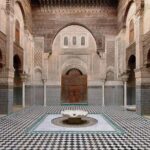

Day 1 in Casablanca and Rabat: start big, then settle into the blue
The day opens in Casablanca with Hassan II Mosque, and it’s hard to overstate how striking this stop is. The mosque is a major architectural statement, and the Atlantic side location means the views are part of the experience, not an afterthought. Even if you’ve seen photos, you’ll likely find the scale and the setting hit you in person.
Next comes Rabat, where the tour focuses on three distinct landmarks:
- Kasbah of the Udayas for gardens and fortress vibes
- Chellah for a medieval fortified necropolis feel
- Hassan Tower, the unfinished minaret that has become a Rabat symbol
This combo gives you a quick read on Rabat’s character—less about shopping, more about monuments, walls, and history you can walk around. It’s a good setup before you switch to the mountains and the blue city.
Important practical note: day 1 moves across regions, so wear comfortable shoes and keep your daypack ready. There’s sightseeing time, but the rhythm is city-to-city.
Chefchaouen: the blue city time that’s actually useful
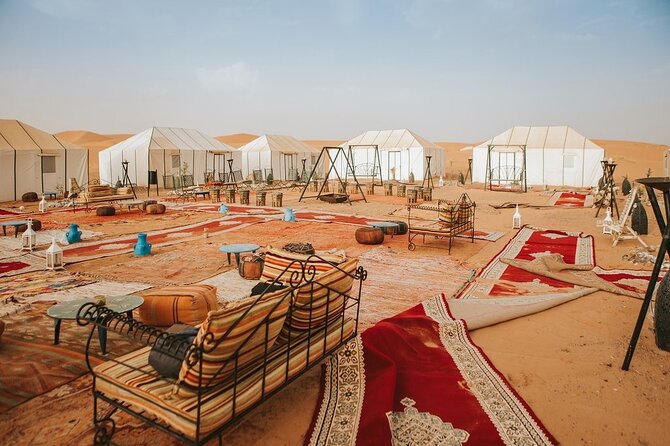
Chefchaouen is the kind of place that can eat your whole day if you let it. The lanes invite slow walking, and the blue-painted walls make every turn look like a photo opportunity. What makes this plan feel good is that you get a full schedule window rather than a quick drop-and-go.
During your time in Chefchaouen, you’ll explore winding alleys and narrow lanes where you’ll also spot souks. The tour’s description of crafts matters: you’ll see wool items, embroidery work, and local food like goats cheese that’s tied to the North. That’s the kind of shopping you can do without feeling like you’re hunting for something specific.
You’ll also get time to do the relaxed options. Think: sitting in a square, taking in the mountain air, and stepping into parks or walking nearby. If you like a break from constant walking, this is where it happens.
A detail I appreciate: Chefchaouen is listed as a place that gets busy in the hot summer months. If you travel in peak heat, plan to spend your hardest walking earlier, then come back for shade later.
Fez: three parts, one mindset shift
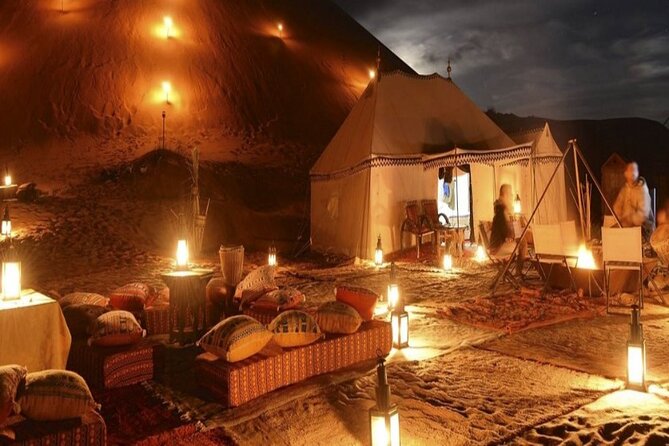
Fez is where Morocco switches from scenic stops to a city that demands attention. The plan spends a full day here, with the tour framing Fez as a former capital and a major cultural center. Practically, what you want to know is that Fez is divided into distinct parts, and each one feels different as you walk.
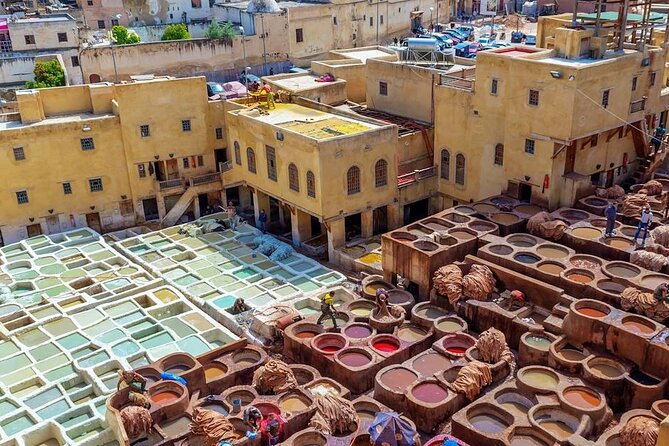
You’ll see references to Fez el Bali (the oldest walled area with thousands of tight streets), Fez-Jdid, and the Ville Nouvelle section created during the French occupation. You’ll also run into neighborhood references like the Mellah, the Jewish quarter, which helps you understand why the city layout feels layered rather than random.
This is where having a private local guide in Fez matters. Without one, it’s easy to get lost in the maze and feel like you’re just following traffic and turning corners. With local guidance, you get a clearer sense of what you’re looking at—especially around the big districts you’ll likely pass through on foot.
One more practical point: Fez walking can be intense. If you’re prone to blisters, bring decent shoes and consider a lighter daypack. You’ll be glad you did.
Day 4 heading to the Sahara: Ifrane, cedar forests, and the Ziz Valley drive
After breakfast in Fez, the route aims for Ifrane first. Ifrane is often described with a ski-town vibe, known for alpine-style architecture and a clean, orderly feel. You’ll notice the change in the scenery and the tempo compared with the older feel of Fez.
Then you’ll travel toward the Ziz Valley, a long stretch known for palm groves and views that open up as the road bends. The plan also mentions cedar forests near Azrou and the Erfoud area along the way. This is one of those road sections where the driving isn’t just transport—it’s part of how you build anticipation for what comes next.
After the Ziz Valley, the tour includes Rissani, described as tied to the ancient Tafilalet region. You’ll visit the Mausoleum of Moulay Ali Chrif, linked to the Alaouite dynasty. That’s a meaningful pause because it grounds the trip in regional identity before the desert becomes the headline.
A few more Marrakech tours and experiences worth a look
Merzouga camel trek and a night in a desert camp
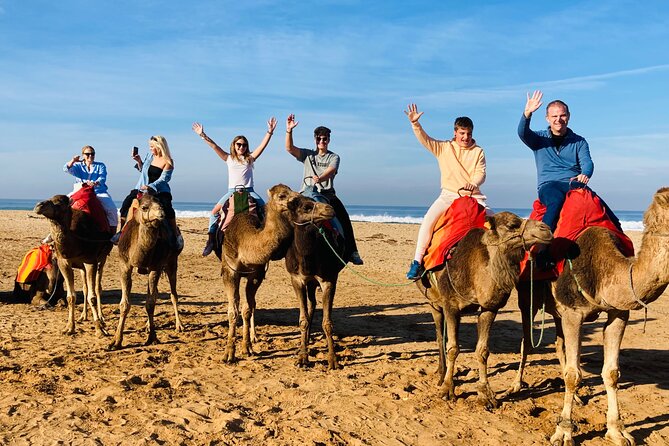
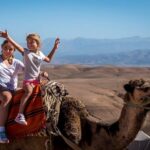
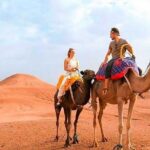
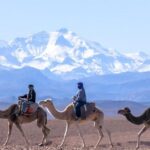
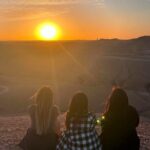
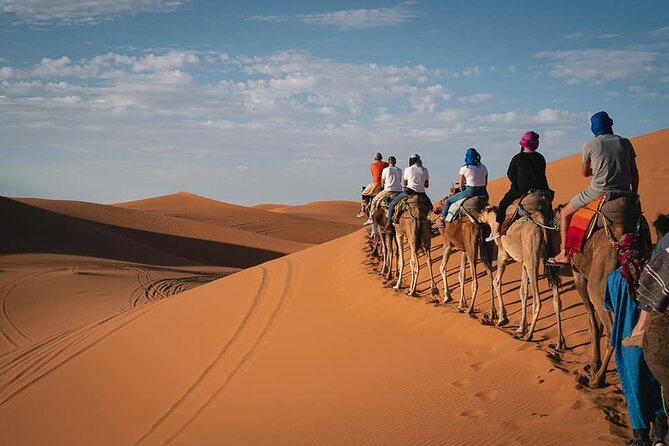
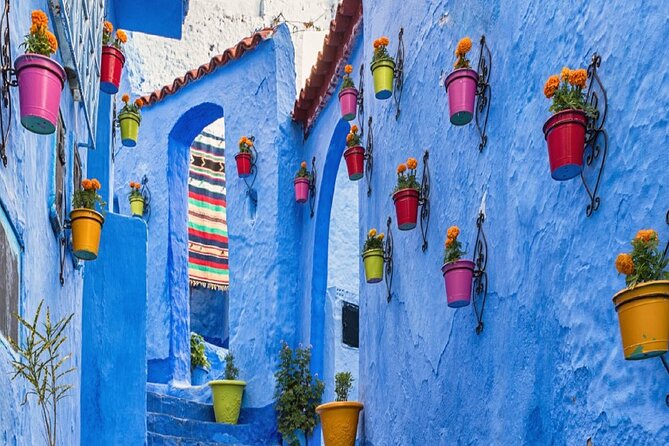
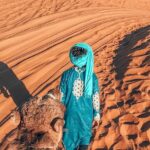
The Sahara portion starts when you reach Merzouga, then you switch from roads to dunes. The tour includes a camel trek and a sunset-focused experience over the dunes, specifically the Erg Chebbi area. This is the part most people picture when they think of a Morocco desert night, but the real win is doing it with timing built in: sunset first, then camp life after.
A useful reality check: camel treks and desert evenings are atmospheric, but they can be physically demanding. The best prep is simple: bring layers. Even if you expect warmth, desert nights can cool off. And since you’ll be off the beaten track, keep your day bag minimal.
For food, the plan includes dinner (two dinners total across the tour). If you have diet needs, this is the moment to speak up early. The tour notes Moroccan food is served buffet style and you can choose from it, and they ask you to reach out if you have food allergies.
Day 5: sunrise dunes, Todra’s canyon walls, and Dades Gorges
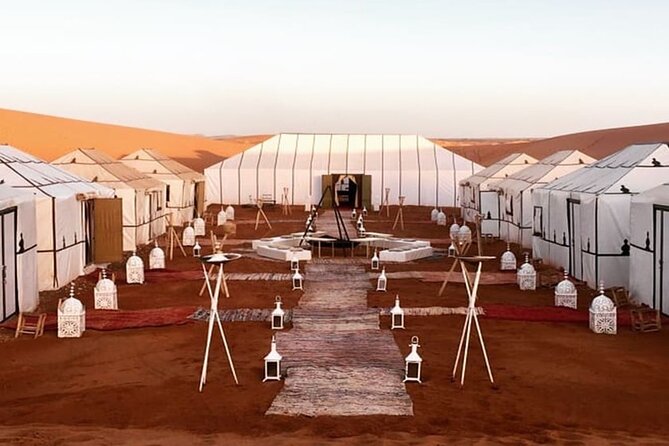
Your day begins with an early wake-up for sunrise over the dunes. That timing is worth it. Morning light changes the dunes fast, and you’ll usually get quieter, softer views than at midday.
After the sunrise experience, you’ll return to the village by camel, then freshen up at the hostel. That reset helps, because later you’ll switch into walking and canyon scenery.
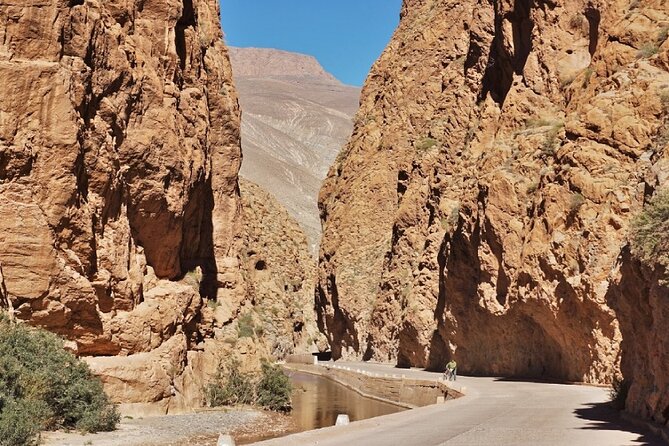
Next is Todra Gorge, where you’ll see towering canyon walls and have time for a hike. This isn’t a museum stop—it’s a natural setting where you feel the scale. Plan on uneven ground and bring shoes you can trust. If you’re traveling with knee issues, take your time and choose your route carefully.
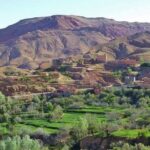
Then comes Dades Gorges on the Road of 1000 Kasbahs. The day’s theme shifts from steep canyon walls to dramatic rock formations and the kasbah-style architecture scattered through the valley. You’ll also have an overnight in the Dades Gorges area, giving you a full evening away from the desert bustle.
Day 6: roses valley, Ouarzazate, Ait Ben Haddou, and High Atlas to Marrakech
The last day is a “great hits” day, but it’s also built around changing scenery again and again.
First stop: Vallee des Roses, known for rose cultivation and rose-based products. Even if roses aren’t in bloom in your travel month, the agricultural feel and the valley atmosphere still make sense as a gentle morning transition.
Then Ouarzazate, nicknamed the Hollywood of Africa due to its film studios. The plan includes the Taourirt Kasbah, which helps anchor the film-industry name in something tangible you can see: old architecture, layered structures, and the sense that this region has long been a backdrop for storytelling.
After that, you get Ait Ben Haddou, a UNESCO World Heritage Site and one of Morocco’s most photographed fortified villages. In the plan, you’ll tour the site for about an hour. If you only spend a short window there, the guide is what helps you notice details instead of just taking pictures. It’s a place where small building choices—materials, shape, wall height—can make the whole scene make sense.
Finally, you cross the High Atlas via Tizi n’Tichka Pass. This is a classic Morocco road moment: views open up, you pass Berber villages, and the ride feels like a payoff after several days of varied terrain.
You’ll end in Marrakech, where the tour wraps up after arrival and time to explore historic sites and souks.
Price and value: what $980 buys you in real terms
At $980 per person, the price is meaningful, so you should ask what you’re paying for. Here’s the honest value picture: you’re paying for private transport, an English-speaking driver, and local guides in key cities (Fez, Chefchaouen, and Ait Ben Haddou). You’re also paying for two big category experiences: a desert camel trek with a camp night, plus major sightseeing across multiple regions.
Meals help the math. You get breakfast included on five mornings, and dinner included on two nights. Lunch is not included, so you’ll still handle that yourself, but breakfasts and dinners take pressure off your daily planning.
Group discounts are listed, which can matter if you’re traveling as a small group and want to spread the cost. The experience also uses a mobile ticket, which is one less thing to worry about.
The biggest value driver is time. A route like this, done independently, can turn into hours spent coordinating drivers, transfers, and guides. With this setup, you keep moving while still having guided support where it counts.
Food, timing, and comfort: how to avoid the small annoyances
A few practical notes can make the difference between a good trip and an exhausting one.
Lunch isn’t included. That means you should budget for it daily and keep snacks handy on long drive days. If you prefer simple food, you’ll likely find options, but don’t assume every stop offers easy timing.
The tour says Moroccan food is offered buffet style and you can choose what you want. If you have allergies, reach out in advance so the team can plan for you.
Wear clothes you can layer. Desert evenings can cool off fast, and canyon hikes feel different from city sightseeing. Also keep a light jacket for High Atlas road weather, since mountain passes can surprise you.
Finally, start time is 9:00 am. That’s not late, but it is early enough that you should treat mornings as serious time. If you’re a slow starter, pack an energy snack for the first day.
Who this private tour fits best
This is a strong match if you want a private, well-paced overview of Morocco’s major regions without switching plans every day. It’s especially good if you care about interpretation—having a local guide in Fez and at Ait Ben Haddou—and if you want the Sahara experience handled end-to-end.
It’s also a fit for couples, friends, and family groups who don’t want to share buses with strangers. The schedule is packed, so it’s less ideal for people who want lots of unstructured downtime every day.
If you love architecture and city structure, the Casablanca-to-Rabat-to-Fez arc will feel satisfying. If you love nature, the Todra and Dades canyon sections plus Erg Chebbi dunes are the payoff.
The real standout: the driver and guides keeping it smooth
The most repeated theme in the experience feedback is the quality of the driver. You’ll see praise for Abdou/Abdul/Abdoul style professionalism: punctual driving, patience with questions, and cultural explanations that help you understand what you’re seeing beyond the photo. People also mention good photo spot suggestions, which lines up perfectly with the tour’s built-in flexibility to stop for pictures.
Some feedback also notes that this driver helped with practical arrangements like riads and city tours in the group’s language. That’s not the same thing as “tour equals surprises,” but it does suggest you may get extra real help when questions come up.
So if you book this trip, one smart move is to get ready with a few questions. Ask about local culture, daily life, and what to look for at each site. That’s when a strong guide earns their role.
Final verdict: should you book this Casablanca to desert to Marrakech tour?
I’d book this tour if you want Morocco that feels organized, photo-friendly, and culturally explained—especially if you’re set on doing Chefchaouen and the Sahara dunes without stitching together separate vendors.
I’d think twice if you hate long drive days or you need very slow pacing. This route stacks city days and scenery days back to back, and you’ll feel it in your schedule.
If you can handle a full itinerary and you budget for lunches, this is a high-value private way to see Casablanca, Rabat, Chefchaouen, Fez, Merzouga, Todra, Dades, Ouarzazate, Ait Ben Haddou, and Marrakech—without turning your trip into a spreadsheet.
FAQ
Is this tour private?
Yes. It’s listed as a private tour/activity, meaning only your group will participate.
What time does the tour start?
The start time is 9:00 am.
What’s included in the price?
Included features are pickup and drop-off, private A/C transport, camel ride, photo stops, a professional English-speaking driver, private local guides in Fez, Chefchaouen, and Ait Ben Haddou, plus 5 breakfasts and 2 dinners.
Are lunch meals included?
No. Lunch is not included.
Which parts of the trip include food?
Breakfast is included for 5 mornings, and dinner is included for 2 nights. The rest of your meals, including lunch, are on you.
Are there any entrance fees mentioned for attractions?
In the itinerary, several key stops are marked with admission ticket free, including Hassan II Mosque and major Rabat and site stops listed in the schedule.
Do I need to worry about food allergies?
If you have food allergies, the tour asks you to reach out in advance. Meals are described as buffet style where you can choose.
Does the tour include the desert camel trek and camp night?
Yes. You’ll do a camel trek into the Sahara near Merzouga and spend a night in a desert camp.
How does the tour end?
You finish in Marrakech after arriving there, with time for historic sites and souks.