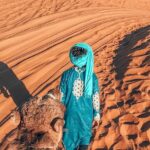
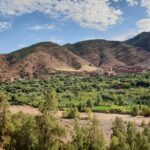
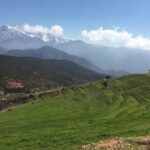
Six days, two worlds: cities and sand. You’ll move from Marrakech’s energy through Morocco’s kasbah country and end with real dune time in the Merzouga area, including camel rides at sunset and sunrise plus a night in a Berber-tent camp.
I especially like how the route balances headline stops with hands-on moments. A quick example: you get both the big visual hits like Ait Ben Haddou and the smaller cultural pause in Khamlia for Gnawa music.
One heads-up: the schedule packs in a lot of driving and activities, and lunch plus monument entrance fees (including Ouarzazate) are not included, so you’ll want to budget and stay flexible.
In This Review
- Key takeaways before you go
- Marrakech to the High Atlas: the ride that sets the tone
- Ouarzazate and Ait Ben Haddou: kasbah views and film-set vibes
- Skoura, roses valley stops, and Tinghir’s canyon drama
- From Erfoud to Merzouga: entering the Tafilalet edge
- Khamlia Gnawa, camel tracks, and the Berber-tent bivouac
- Sunrise in the dunes, Rissani history, and the Draa Valley to Agdz
- Back over Tizi N’Tichka to Marrakech: closing the loop
- Price and value: is $942.22 actually fair?
- What you’ll enjoy most (and how to choose wisely)
- Should you book this Deep South Morocco desert tour?
- FAQ
- FAQ
- What’s the duration of the 6 Days Deep South in Morocco and Desert Tour?
- Where does the tour start in Marrakech?
- What time is pickup?
- How much does the tour cost?
- What’s included with meals?
- Are camel rides included?
- Is sandboarding included?
- Where do you sleep during the trip?
- Are monument entrance fees included?
- What’s the group size limit?
Key takeaways before you go
- Small group feel (max 34): easier conversations and less chaos than big tours.
- Two camel rides are baked in: sunset and sunrise are included, not optional add-ons.
- Kasbah-and-gorge mix: Ait Ben Haddou, Todra gorges, and the Draa Valley palm groves all play different roles.
- Merzouga night is the main event: bivouac-style camping under Berber tents, with activities before and after.
- Khamlia Gnawa music: a specific cultural stop that breaks up the road-travel rhythm.
- Good “value stack” for the price: vehicle, driver, 5 nights, and most meals are included, but lunches/drinks aren’t.
Marrakech to the High Atlas: the ride that sets the tone
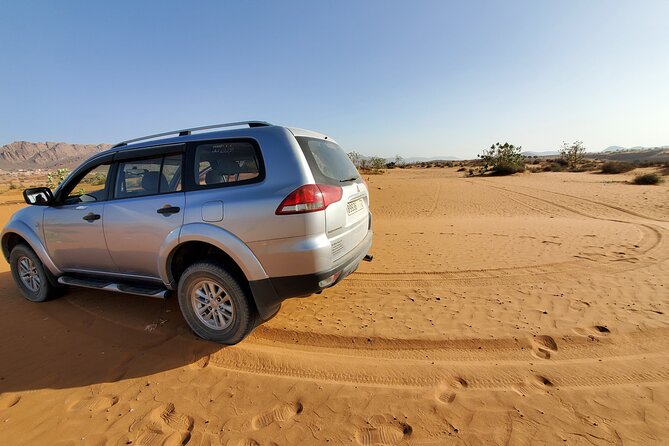
Your day starts at 7:00 am at Café de France near Jemaa el-Fna. From the jump, this tour is built around movement: you’re not signing up for a slow, sightseeing-by-feeling trip. You’re signing up for Morocco’s big distances and big scenery, with a professional driver handling the logistics in a comfortable vehicle.
One nice practical detail: pickup is offered, and you’ll have a mobile ticket. That matters more than it sounds, because in Morocco you’ll spend less time figuring out where to be and more time watching the landscape change.
You’ll also want to know what kind of trip this is. It’s structured but not rigid in a bad way—expect a steady pattern of drive, sight, walk, then drive again. If you love a clear plan and don’t want to micromanage transport, that’s a plus.
A few more Marrakech tours and experiences worth a look
Ouarzazate and Ait Ben Haddou: kasbah views and film-set vibes
After breakfast, you head toward Ouarzazate, with a walk in the High Atlas near the Tizi N’Tichka pass area (listed at 2,260 meters). This is where the trip starts feeling real, because you’re not just driving through a backdrop—you’re doing short walking time with villages stuck to the mountain slopes.
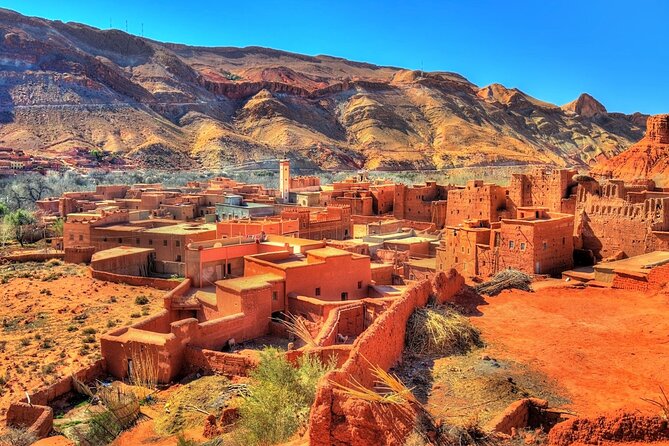
Ait Ben Haddou is the star here. It’s listed as a world heritage site, and it’s famous for being used as a film backdrop for more than 20 productions. Even if you don’t care about cinema, it’s a place that helps you understand what Moroccan kasbahs are for: strong walls, strategic location, and a whole community shaped around the landscape.
The practical angle: the tour plan lists admission for this segment as free, yet the overall tour also notes monument entrance fees are not included (and Ouarzazate entrance fees are flagged). So I’d handle this like a pro—assume you might pay something extra at the gate, and carry a bit of cash just in case.
You sleep in Ouarzazate that night. That’s smart timing because it puts you in position to keep moving toward the gorge country next day, without rushing the morning.
Skoura, roses valley stops, and Tinghir’s canyon drama
Day two turns your road into a slow slideshow. You’ll pass through Skoura and stop at Kasbah Amredhyle, described as one of the wonders on the Route of the Thousand Kasbahs. This isn’t just about seeing one more fortified wall. Kasbah Amredhyle helps you grasp why these structures appear repeatedly in this region: agriculture, water management, and defense all tied to the same geography.
Then you roll through the valley of roses, with a stop in Kella M’Gouna / Boumalane and continuing to Tinghir. If roses aren’t in bloom when you go, you’ll still get the idea of how seasonal life shapes the landscape here.
Tinghir sets up the big moment: Todra gorges. You’ll have time to walk in the gorges after lunch at a local restaurant. The gorge experience is one of those classic Morocco moves—narrow rock walls, strong light, and a natural sense of scale that photos never fully capture.
The trade-off is time management. This is a full day, and you’ll be choosing when to move fast and when to slow down. If you like photo stops, you’ll have them. If you prefer longer walks, you’ll want comfortable shoes and a calm pace—because once you’re there, it’s easy to want one more look from just around the corner.
You sleep in a hotel in Tinghir.
From Erfoud to Merzouga: entering the Tafilalet edge
On the third day you transition from gorge-and-kasbah Morocco to the edge of the Sahara. You depart early from Tinghir toward Erfoud after breakfast, stopping along the way in places like Tinjdad. The route passes through Erfoud, and you start to feel the beginning of the Saharan oasis of Tafilalet.
Merzouga arrives as the practical payoff. Once you’re there, you get relaxation time before your next big desert step. That window matters. Desert tours go wrong when you jump from long drives into sand activities without a breather.
Here’s what you can expect in this phase: more open space, smaller settlements spread out, and a shift in how the land looks. Even if you’ve seen desert before, Merzouga has a “ready-to-play” feel for camel excursions and dune access.
You spend the night in a hotel in Merzouga. That’s a comfort advantage: you’re not sleeping on sand yet, and you can reset before the bivouac night.
Khamlia Gnawa, camel tracks, and the Berber-tent bivouac
Day four is the part most people remember. You get up early and head toward the village of Khamlia, where you can listen to live Gnawa music. Gnawa is a specific cultural thread in Morocco, and having it in a tour like this is more than window dressing—it gives the desert day a human rhythm, not just scenery.
Then there’s a walk onward toward areas where you’ll visit nomads and drink something hot under Berber tents. The text is a bit scrambled on details, but the intent is clear: you’re seeing the desert lifestyle as lived, not staged, with a tea pause that slows your thinking down.
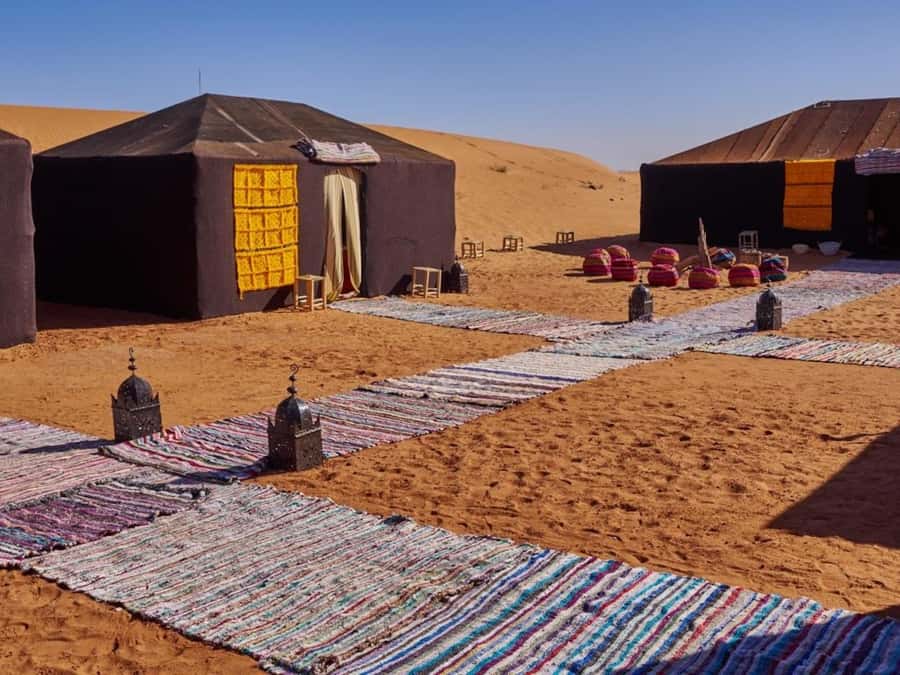
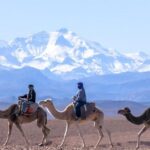
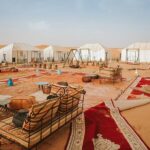
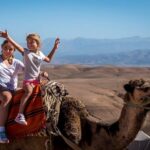
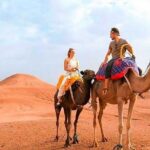
Back in the village, lunch is planned, and then the afternoon shifts into dune fun with camel rides. You’ll venture into the sand dunes on camels and spend the night in a bivouac under Berber tents.
This is where you should manage expectations. You are sleeping in a desert camp setup, not a luxury resort. That’s part of the appeal. If you want the “real logistics” of a Sahara night—coordinated with music, tea, and sand—this is the heart of the trip.
Also, this is when your included activities start to feel worth it. Camel time, camp time, and sand access are not random extras—they’re the whole point of the day.
Sunrise in the dunes, Rissani history, and the Draa Valley to Agdz
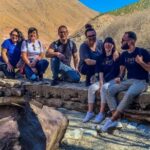
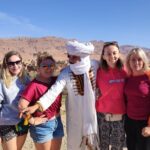
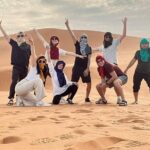
The fifth day begins with desert sunrise viewing. Then you return by camel to the hotel for breakfast, which is a key flow: you get your emotional highlight first, then you get your normal meals and reset before long travel.
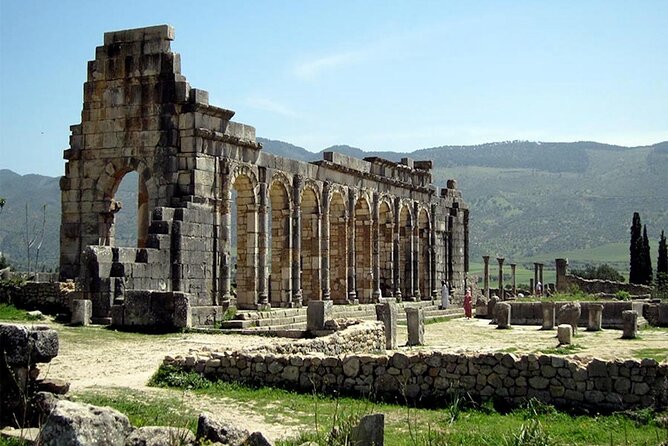
After breakfast, the plan shifts into Tafilalet again with a stop in Rissani, described as the capital of the ancient Alawite sultans and the seat of the Alawite dynasty. Even if your interest in Moroccan dynastic history is casual, it helps connect the desert to Morocco’s inland power centers. This is the quiet kind of learning—facts you can remember because the place makes sense around them.
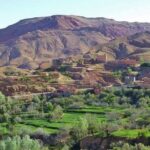
Then you move through Alnif and the oasis of Tazarine and N’Kob, with lunch on the spot. After that, you continue through the Draa Valley and pass the Berber village of Agdz. You finish the night at a hotel in the palm grove of Agdz.
This is one of the strongest “variety” days in the trip. The Draa Valley palm groves act like a visual rest area after dunes. It also gives the trip a new texture—green and human-scale after big sand and rock.
Back over Tizi N’Tichka to Marrakech: closing the loop
The final day is your return through the High Atlas Mountains via the Tizi N Tichka pass back to Marrakesh. It’s a long stretch, but it’s also a nice way to feel closure. You start in the Atlas highlands, cross it again at the end, and get a sense of how this trip is one big loop through Morocco’s interior.
When you arrive, you’ll transfer to your riad. The tour ends back at the meeting point, so you’re not left guessing how to get the final step done.
If you’re timing flights or later plans, don’t book anything too tight the same day. Even though transfers are included, travel time can vary with road conditions. You’ll be happier if you keep your afternoon open for a slow meal and a shower that feels like a minor miracle.
Price and value: is $942.22 actually fair?
At $942.22 per person for roughly six days, the price looks high on paper—until you map what’s included. You’re paying for a comfortable vehicle with a professional driver (fuel included), five nights of accommodations, camel rides for both sunset and sunrise, sandboarding, and five breakfasts and five dinners. That’s a lot of “cost categories” bundled together.
The value equation improves because desert camp setups and camel excursions are typically priced separately on DIY-style plans. Here, they’re part of the package. That matters if you don’t want to spend your time bargaining for pieces of the trip.
Now for what to budget outside the package. Lunches and drinks are not included. Tips and personal expenses are also not included. And monument entrance fees are not included, with Ouarzazate entrance fees specifically flagged.
My practical advice: treat lunch money and a small buffer for entrance fees like a normal part of your trip budget. If you do, the package feels like a smooth way to get from city to dunes without assembling a travel puzzle.
Also, this tour is often booked about 42 days in advance on average. If you want your exact date, don’t wait for a last-minute deal to appear.
What you’ll enjoy most (and how to choose wisely)
This is a strong match if you want structure and variety in one trip. You get kasbah country, a real gorge walk, desert culture with Gnawa music, sandboarding, and a desert night that’s fully built into the schedule. If you like having your days planned so you can focus on the moments, you’ll probably feel at home.
It’s also a good fit if you value a professional driver. Long distances in Morocco are a reality. Having someone who handles route timing and vehicle coordination reduces stress.
Here’s the caution for the wrong fit: if you’re the type who wants hours of free time to wander, this tour may feel packed. Even when you have breaks, there’s still a clear flow from place to place.
And one more subtle point: desert tours often come down to the guide’s energy. In this case, the experience quality can be lifted by the people leading it, and one guide name that stands out is Younes. If you’re sensitive to how you’re guided through the day, that human factor matters as much as the sights.
Should you book this Deep South Morocco desert tour?
Book it if you want a do-it-for-you route that hits the big interior highlights without requiring you to organize transport, meals, and desert logistics. The included camel rides, sandboarding, 5 dinners/5 breakfasts, and the Berber-tent bivouac night make it feel like more than a basic sightseeing loop.
Consider skipping or comparing alternatives if you hate packed days or if your budget can’t stretch to lunches, drinks, tips, and possible monument entrance fees. Also, if you’re expecting a very different balance of highlights, double-check what matters most to you before you pay—this route commits to desert time and kasbah country as the core.
FAQ
FAQ
What’s the duration of the 6 Days Deep South in Morocco and Desert Tour?
It’s about 6 days.
Where does the tour start in Marrakech?
The meeting point is Hôtel Restaurant Café de France, Rue des Banques, near Jemaa el-Fna (Marrakech 40000, Morocco).
What time is pickup?
The start time is 7:00 am.
How much does the tour cost?
The price is $942.22 per person.
What’s included with meals?
You get 5 breakfasts and 5 dinners. Lunches are not included.
Are camel rides included?
Yes. Camel rides are included for both sunset and sunrise (1 camel each).
Is sandboarding included?
Yes, sandboarding is included.
Where do you sleep during the trip?
You get 5 nights of accommodations, including a desert bivouac night under Berber tents.
Are monument entrance fees included?
No. Monument entrance fees are not included, and Ouarzazate entrance fees are specifically listed as not included.
What’s the group size limit?
The maximum group size is 34 travelers.