REVIEW · MARRAKECH
Private 2-days Desert tour from Marrakech to Mhamid Dunes Camel (All-inclusive)
Book on Viator →Operated by Caravane Du Grand Erg · Bookable on Viator
Two days in the Moroccan desert hits fast. You’ll drive the Tizi n Tichka pass road, then reach the Sahara for an Erg Lihoudi camel sunset before sleeping in a nomad camp.
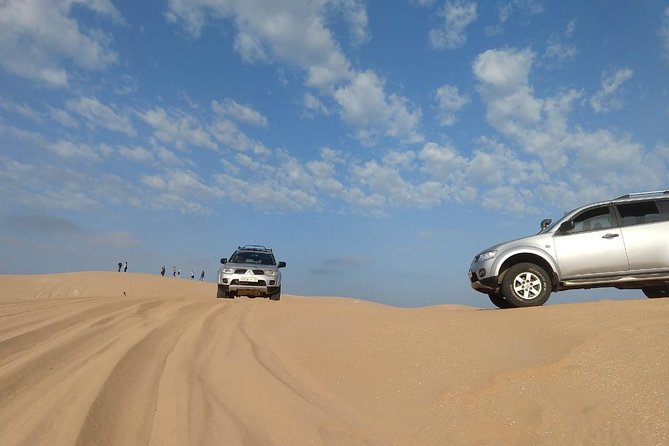
What I really like is the pace of the experience: it feels private in practice, not just in name. With a private 4×4/van and A/C plus an experienced driver-guide, you get room to ask questions and adjust to real timing on the road.
The main drawback to plan for is simple: long stretches of driving. Even when stops break things up nicely, it’s still a big haul over two days—so pack patience (and snacks if you run low on energy).
In This Review
- Quick hits before you go
- Marrakech to M’hamid in 2 Days: The Real Pitch
- Day 1: Tizi n Tichka to Ouarzazate, then Draa Valley Oases
- Tizi n Tichka pass road (the big first wow)
- Ouarzazate stop: lunch base and canyon scenery
- Draa Valley: palms, oases, and old kasbahs
- Optional-style stops you might encounter (based on real experiences)
- Erg Lihoudi Dunes at Sunset: Camel Trekking and Campfire Dinner
- Erg Lihoudi dunes: where the camel ride happens
- Camp arrival: traditional-style tent and campfire dinner
- Day 2: Sunrise on the Dunes, Breakfast, and Kasbah of Ait Ben Haddou
- Sunrise + breakfast at the camp
- Ait Ben Haddou: fortified village with big photo energy
- Telouet and the Ounila Valley: Another Morocco Route Moment
- The Drive Back to Marrakech: High Atlas Return by 6 pm
- Price and Value: Is $334.50 Worth It?
- The Best Part: Guides Who Know How to Handle the Long Haul
- Practical Tips That Make a Difference
- Start time realism
- Sunrise means you should plan for it
- What to bring (so you’re not stuck later)
- Camp expectations
- Who Should Book This 2-Day Desert Trip (and who shouldn’t)
- Should You Book This Tour?
- FAQ
- How long is the Marrakech to M’hamid desert trip?
- What’s included in the price?
- Where do we ride camels?
- What are the main stops on the way to the desert?
- Is this tour private?
- Can I request a vegetarian meal?
- What’s the cancellation policy?
Quick hits before you go
- Tizi n Tichka viewpoint driving: the famous high pass road, at roughly 2,260m/7,500ft, with dramatic photo stops
- Draa Valley palm groves and kasbah scenery: ancient fortifications and oasis vibes during the southward push
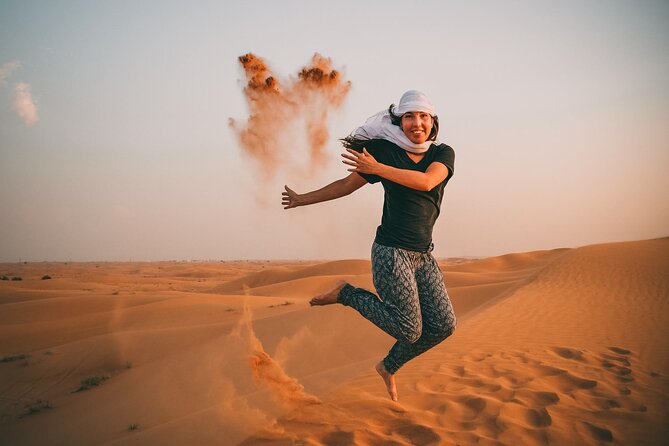
- Erg Lihoudi sunset camel ride: a classic Sahara moment timed for light over the dunes
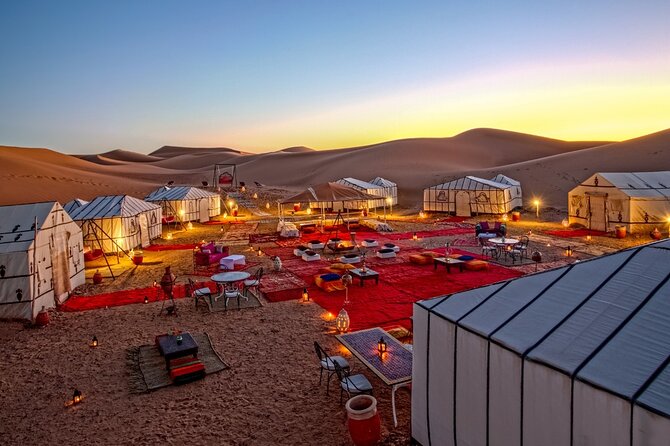
- Nomad desert camp overnight: dinner by campfire and a traditional-style tent setup
- Ait Ben Haddou + Telouet area: kasbah visits that add context to what you see on the road
- A real driver matters: guides like Mohammed, Yousif, Abdul, and Bokari have been singled out for safe, smooth driving
Marrakech to M’hamid in 2 Days: The Real Pitch
This is a straight-shot desert trip with serious road time and real desert pay-off. You start in Marrakech early, push south through the High Atlas, then work your way into the Sahara dunes around M’hamid—sleeping in a traditional-style camp along the way.
If your goal is to see more than just sand, this works because the itinerary builds meaning. You don’t only arrive and leave. You also pass through big Moroccan regions: Atlas Mountains views, the Draa Valley, and kasbah stops like Ait Ben Haddou and Telouet.
You also get a level of comfort that matters for such a long drive: pickup and drop-off from your hotel or riad, plus a private vehicle with A/C and fuel included. That’s not a small detail when the day starts early.
You can also read our reviews of more private tours in Marrakech


Day 1: Tizi n Tichka to Ouarzazate, then Draa Valley Oases
Your day begins with an early pickup from your accommodation in Marrakech—expect it to be in the 7:30 to 8:00 range, depending on how your confirmation is set. From there, the drive immediately starts feeling like an attraction.
Tizi n Tichka pass road (the big first wow)
One of the highlights is the stop at Tizi n Tichka. This is the famous high mountain pass road, described as the highest tarmac road in Africa at about 2,260m (7,500ft). As you climb, the views become less “pretty” and more “wow, Morocco is huge.”
This is also where the timing matters. You want daylight for the best lookout points, and this schedule gets you there.
Ouarzazate stop: lunch base and canyon scenery
Next comes Ouarzazate. You’ll have lunch there (lunch isn’t included, so plan a budget or bring a preference). Afterward, the route continues south through canyons and rocky mountain sections where the scenery shifts fast.
A small note that’s useful: on long drives, extra stops can either feel helpful or annoying. Here, the approach is to use viewpoint moments and local breaks to keep everyone comfortable.
Draa Valley: palms, oases, and old kasbahs
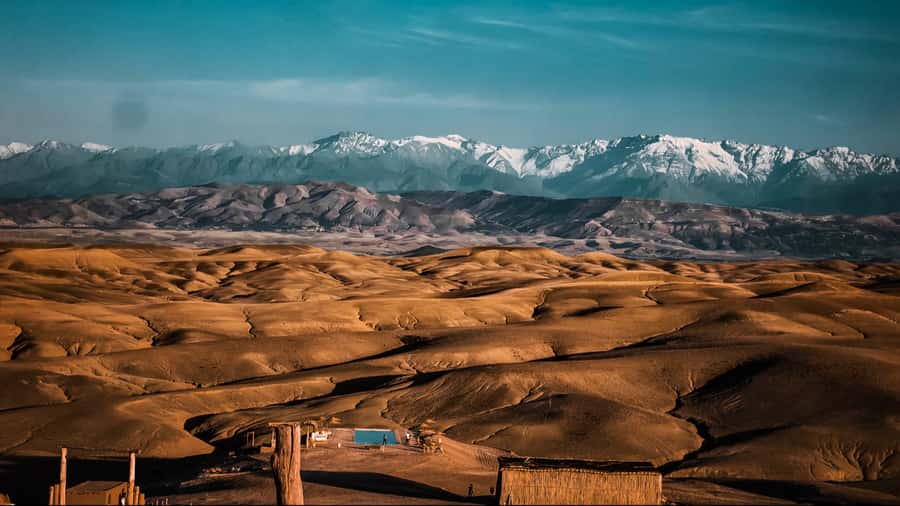
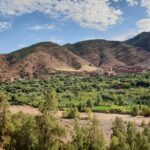
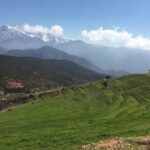
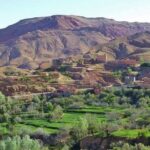
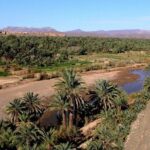
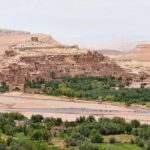
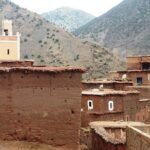
Later, you reach the Draa Valley. This part is all about contrast—palm groves, oases, and ancient kasbahs. It’s a “yes, we’re going to the desert” moment without rushing past the softer side of southern Morocco.
Even if you’ve seen oasis imagery before, you’ll understand it more when you’re looking at it from the road, with real villages and palms close to the route.
A few more Marrakech tours and experiences worth a look
Optional-style stops you might encounter (based on real experiences)
Some drivers build in quick local visits along the way, like pottery workshops or a women’s cooperative producing argan oil. These aren’t listed as the core of the route, but it’s common enough that you can expect a chance to stretch your legs and buy something meaningful if you want.
Erg Lihoudi Dunes at Sunset: Camel Trekking and Campfire Dinner
As you continue toward Zagora, the trip’s mood shifts. You’re not just driving south anymore—you’re heading into the dunes world.
Erg Lihoudi dunes: where the camel ride happens
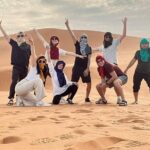
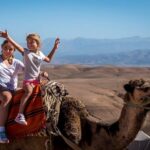
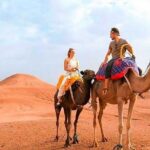
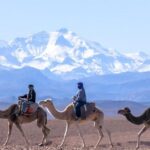
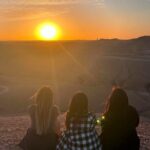
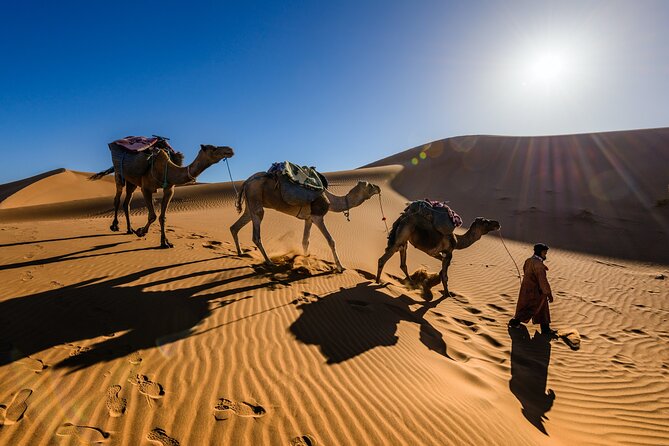
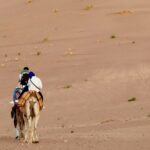
You’ll reach Erg Lihoudi Dunes and transfer to camels. The camel ride is timed for sunset, which is when the dunes look their most dramatic and your photos turn out better.
Also, camel riding is one of those things where your expectations should be practical. You’ll be seated on a saddle, you’ll move slowly, and you’ll feel the uneven footing as you follow the guide across sand.
Camp arrival: traditional-style tent and campfire dinner
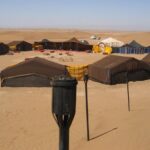
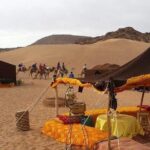
Once you arrive at the desert camp, the dinner is waiting. You’ll have a campfire dinner experience and an overnight stay in a traditional nomad desert camp in Erg Lihoudi, in either a private deluxe tent or standard tent setup depending on what’s available/selected.
The camp setup is part of the charm, but it’s also why you should pack with reality in mind. Desert evenings can cool down, and conditions are simple on purpose. Think “traditional camp,” not “hotel.”
One small thing I learned from real-world feedback: if there are only a couple of guests in your group, the evening entertainment may be quieter than you’d expect. When there are more people, there’s usually more energy around dinner and afterward.
Day 2: Sunrise on the Dunes, Breakfast, and Kasbah of Ait Ben Haddou
Day 2 starts early. The reason is straightforward: sunrise on the dunes. If you want that soft light and the classic silhouette views, you won’t get it by rolling over to snooze.
Sunrise + breakfast at the camp
After waking up for the dunes, you’ll head back for breakfast at the camp. It’s the calm part of the trip: quiet sand, warm sky, and time to breathe before the kasbahs.
Ait Ben Haddou: fortified village with big photo energy
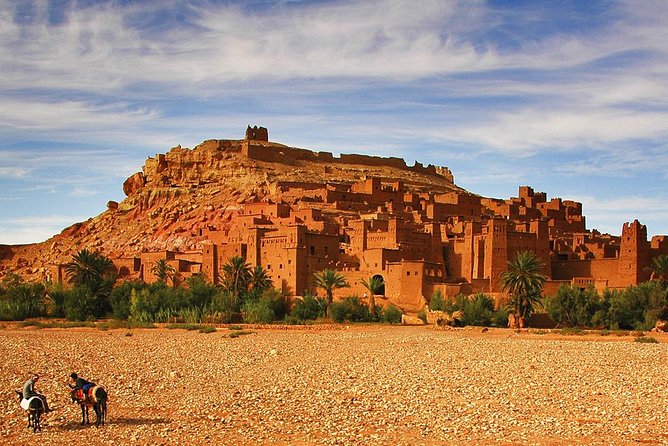
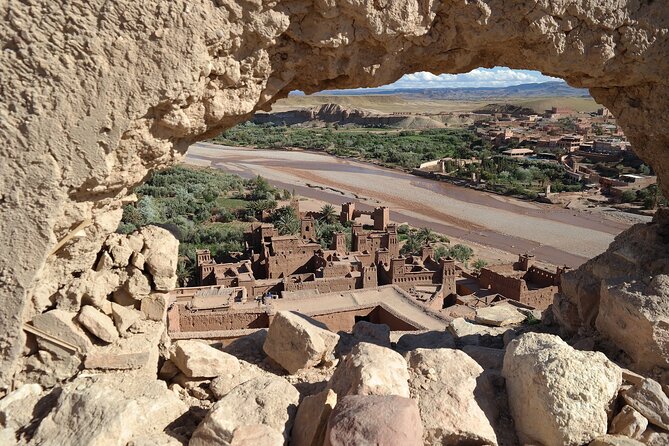
Then you drive to Ait Benhaddou, one of Morocco’s most famous kasbah sites. You’ll visit the fortified village, and then you’ll have lunch there.
This stop adds context to the entire desert story. Kasbahs weren’t random. They were built for defense, trade, and control over routes through harsh terrain. Seeing Ait Ben Haddou after you’ve already crossed the mountains and oases makes the place feel more than just a sight.
Telouet and the Ounila Valley: Another Morocco Route Moment
After Ait Ben Haddou, the route shifts again. You’ll drive along the Ounila Valley toward Kasbah Telouet.
This valley stop works best if you enjoy contrast—rocky canyons mixed with patches of cultivated fields. It’s one of those stretches where you look out the window and realize why caravan routes existed: the land wasn’t simple, but it offered connections.
Kasbah Telouet is another stop that helps you understand the region’s architecture and history, even if you’re not trying to memorize dates. You’re seeing the built environment made for survival and social power.
The Drive Back to Marrakech: High Atlas Return by 6 pm
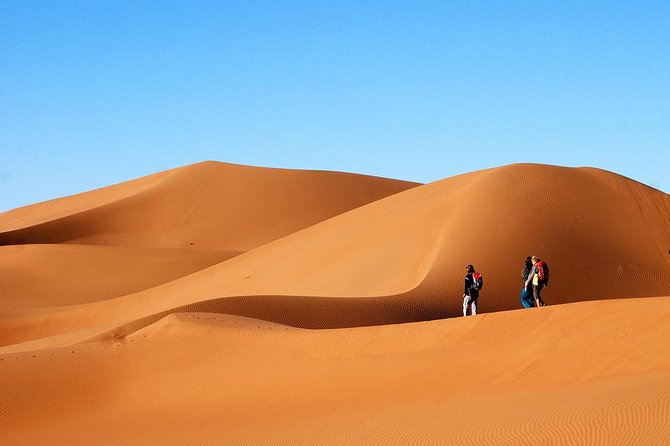
Your return is planned through the High Atlas Mountains, with the tour ending around 6 pm in Marrakech.
This timing is good because it gives you a real evening back in the city. But it also means you should plan your night accordingly. After two days of early starts and long drives, you’ll likely want a shower, a good meal, and an early bedtime.
One practical note: desert trips can make you feel like you should be awake every second to enjoy it all. Don’t. Rest when you can, especially on the drive back, because you’ll need energy for the first part of the day if you’re serious about sunrise photos.
Price and Value: Is $334.50 Worth It?
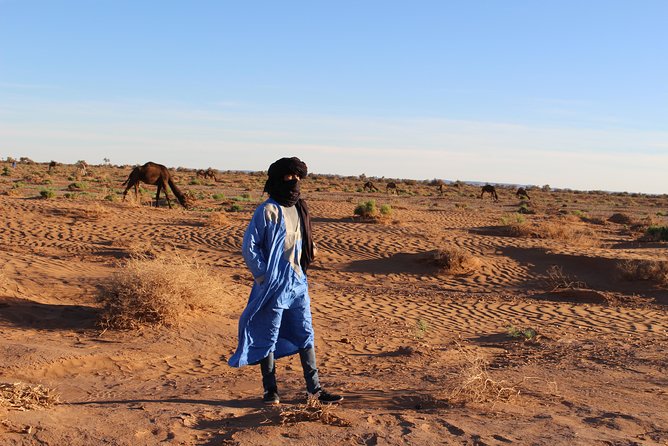
At $334.50 per person, this sits in the “serious daydream turned real” category. The value isn’t just that you see the Sahara. The value is what’s bundled into the price.
What you get included:
- Pickup/drop-off from your hotel or riad in Marrakech
- Private 4×4/van with A/C and fuel
- Overnight in a nomad-style desert camp in Erg Lihoudi
- Breakfast and dinner (drinks not included)
- Camel trekking in the desert
Lunches and drinks are not included, so that’s the main extra you’ll handle yourself. If you prefer a specific type of lunch stop, this is where you’ll choose it.
So when is it worth it? If you want:
- A private experience without sharing your ride with strangers
- Less guesswork about logistics (you’re not arranging vehicle transfers and camel coordination yourself)
- A full two-day arc: mountains → oases → dunes → kasbahs → back to Marrakech
It’s less worth it if you want a relaxed “stay put” experience, with minimal driving. This tour is more about seeing the route and the dunes than about slow living.
The Best Part: Guides Who Know How to Handle the Long Haul
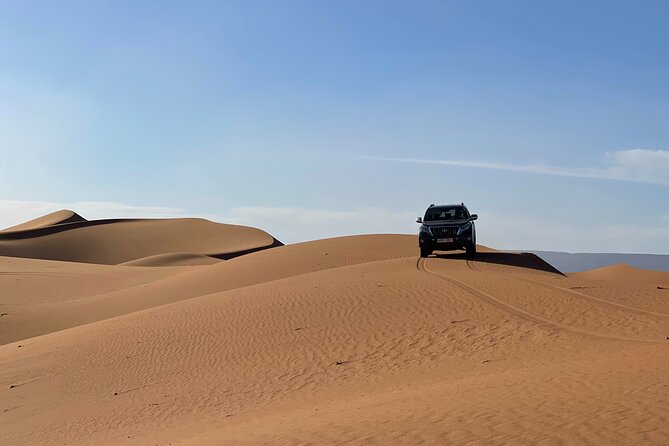
The reviews strongly point to the same thing: the drive can feel long, but a good guide turns it into something you enjoy.
Names that have come up with strong praise include Mohammed, Yousif, Abdul, and Bokari. People highlight not just driving skill but also friendliness and the ability to keep the day moving smoothly.
Still, one fair caution: language comfort can vary by guide. If you care about a certain language, ask during booking and confirm it in writing. You’ll get more out of the kasbah stops and route context when you can communicate easily.
Practical Tips That Make a Difference
Here’s how you set yourself up for an easier, better trip.
Start time realism
Your tour starts early—often around 7:30 to 8:00. Set an alarm the night before, not the morning of. Desert trips don’t forgive “oops.”
Sunrise means you should plan for it
If sunrise is a priority, don’t try to game the schedule. Wake up, climb the dunes when you’re asked, and give yourself time for photos. It’s one of those moments that feels worth it the second you see the light hit the sand.
What to bring (so you’re not stuck later)
The essentials you’ll want:
- Warm layer for desert night and early mornings
- Comfortable shoes you can wear on uneven ground
- Sunscreen and water for the drive
- Cash for lunches/drinks and any small souvenirs
Also, bring a simple attitude about shopping stops. You may pass through places where sales are encouraged. If you want zero pressure, decide ahead of time that you’ll only buy if something truly fits you.
Camp expectations
The camp is traditional-style. That means the experience leans authentic over luxury. In one negative case, someone noted a lack of expected comfort in their tent setup. You can’t control every detail, but you can control how you mentally frame the stay: it’s a camp in the desert, not a resort.
Who Should Book This 2-Day Desert Trip (and who shouldn’t)
This tour suits you if:
- You want Sahara dunes plus Moroccan route highlights in just two days
- You like kasbahs and scenery-changing drives, not only sand
- You prefer a private driver so the stops feel timed for your group
You might rethink it if:
- You get physically worn down by lots of time in a vehicle
- You’re expecting big, high-energy entertainment every night in the camp
- You need strong language support beyond what a driver can handle
The upside is that it’s adjustable through your guide. If your group communicates clearly, you’ll usually get a smoother experience.
Should You Book This Tour?
If you want a classic Marrakech-to-Sahara experience with mountains, oases, camel time, and a real overnight camp, this is a strong option. The all-in structure (private vehicle, camel trekking, dinner, and overnight) is what makes it feel like value rather than a string of separate bookings.
I’d book it especially if you care about seeing more than one “wow” moment. The mix of Tizi n Tichka, Draa Valley, Erg Lihoudi dunes, and kasbah stops like Ait Benhaddou is exactly how you get Morocco’s range in a short window.
If you’re sensitive to long driving days or you’re very picky about camp comforts, message the operator about your priorities and confirm what you’ll actually have on overnight arrangements.
FAQ
How long is the Marrakech to M’hamid desert trip?
It’s a 2-day tour. The route includes an overnight in a desert camp, and the tour typically ends around 6 pm on the second day.
What’s included in the price?
Pickup and drop-off in Marrakech, a private 4×4/van with A/C and fuel, overnight at the desert camp, camel trekking, breakfast, and dinner are included. Lunches and drinks are not included.
Where do we ride camels?
You’ll ride camels at Erg Lihoudi Dunes, with the ride set for sunset.
What are the main stops on the way to the desert?
Key stops include Tizi n Tichka, Ouarzazate, the Draa Valley, Erg Lihoudi dunes/camp. On day 2, you visit Ait Benhaddou and drive via the Ounila valley to Kasbah Telouet before returning to Marrakech.
Is this tour private?
Yes. It’s described as private, with only your group participating.
Can I request a vegetarian meal?
Yes. A vegetarian option is available—just advise at the time of booking.
What’s the cancellation policy?
Cancellation is free up to 24 hours in advance of the experience start time for a full refund.
If you want, tell me your travel month and your comfort level with long car days, and I’ll suggest how to pace this (and what to prioritize) for your schedule.