REVIEW · CASABLANCA
7 Days Private Historical Tour of 6 Cities in Morocco
Book on Viator →Operated by Awal Travel · Bookable on Viator
Six cities, one tight, satisfying week.
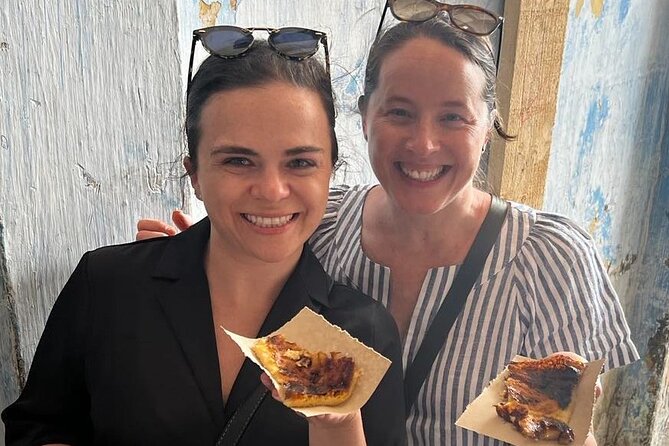
What makes this tour fun is how it mixes major Moroccan icons with real street-level time in each place—then adds a professional photography session in Marrakech, Fez, and Chefchaouen. I especially liked getting help turning the trip into photos that look like Morocco, not like a phone glued to a face. One thing to keep in mind: the itinerary is packed, so you’ll spend plenty of hours on the road between cities, and you’ll want to travel with stamina.
I also really like the private, guided approach: you’re not just shuffled through big sights, you get context as you go. A highlight for me was the contrast between the big landmark days (like Rabat’s Hassan Tower and Mohammed V’s mausoleum) and the smaller moments (blue-gate entry, medersa courtyards, and that walk-through-your-day feeling in the medinas). The only drawback I’d flag is the pace—if you like slow travel, plan on taking quick breaks and keeping meals light on sightseeing days.
In This Review
- Key Points That Matter
- How This Private 7-Day Route Feels in Real Life
- Casablanca: Hassan II Mosque, Old Medina, and Quartier Habous
- Rabat’s Biggest Sites: Hassan Tower, Mohammed V, and the Udayas
- Chefchaouen’s Blue Medina: 5 Hours That You’ll Actually Enjoy
- Fez el-Bali: Old City Gates, Medersas, and the Kairaouine University
- Marrakech: Mellah, Ben Youssef, Dar El Bacha, and Jemaa el-Fnaa
- Essaouira by the Atlantic: Forts, Fishing, Ramparts, and Bayt Dakira
- Photography Sessions in Marrakech, Fez, and Chefchaouen
- Price and Value: What $3,062.86 Covers (and What It Doesn’t)
- The Best Fit: Who This Tour Will Make Happy
- Quick Practical Notes That Will Save Your Trip
- Should You Book This 7-Day Private Morocco Tour?
- FAQ
- How long is the tour?
- How many cities are included?
- Is this a private tour?
- Is pickup offered?
- Are there professional photography sessions?
- What’s included in the price?
- What’s not included?
- Where does the tour start and end?
- Are entrance fees included?
- Cancellation (Quick Answer)
Key Points That Matter
- Professional photography in three cities (Marrakech, Fez, Chefchaouen) saves you time and improves your results.
- Private transportation + professional local guides mean less waiting and more meaning at each stop.
- A monument-to-medina rhythm keeps the week varied instead of turning into one long museum day.
- Multiple UNESCO-level medina moments in Fez and Rabat help you see how Moroccan old cities work.
- Essaouira balances history and coast with fortifications, a port, and a Jewish heritage stop.
- Breakfast is included for 6 days, so you start each day with less planning stress.
How This Private 7-Day Route Feels in Real Life
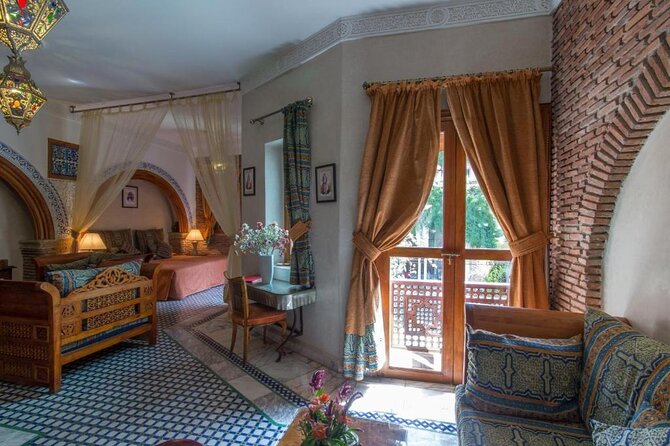
This is the kind of tour you take when you want Morocco’s big names—without figuring out logistics city-by-city. You’re based around 6 overnights, and you get private transportation plus professional local guides throughout. That matters more than it sounds, because the “why” behind each site is what turns photos into memories.
The route is also smart: you start on the modern, cosmopolitan side in Casablanca, work through Rabat, then hit the mountain mood of Chefchaouen. After that you move into the intense maze of Fez, shift to Marrakech’s medina energy, and end with the Atlantic ease of Essaouira. It’s a lot of change, which is exactly what keeps the week from going stale.
You can also read our reviews of more private tours in Casablanca
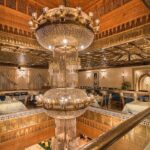
Casablanca: Hassan II Mosque, Old Medina, and Quartier Habous
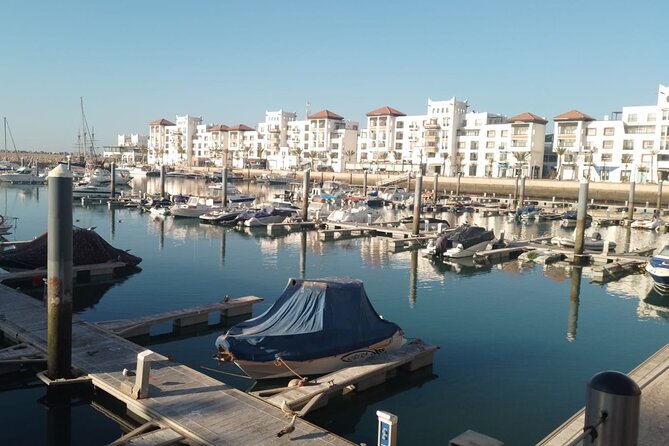
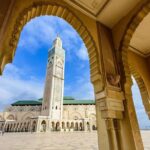
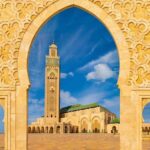
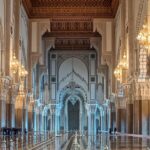
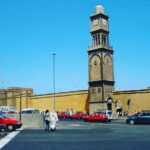
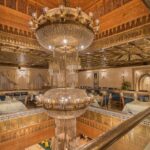
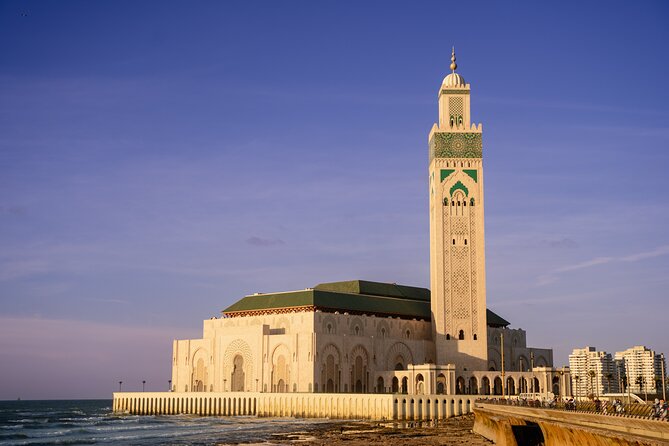
Casablanca opens strong with Hassan II Mosque, one of Morocco’s most striking modern landmarks. It’s known for its towering minaret and intricate Islamic design. You also get practical guidance on visiting respectfully (dress modestly and keep Islamic customs in mind). The payoff is the prayer hall plus those big Atlantic views—this is one of those places where you feel the scale.
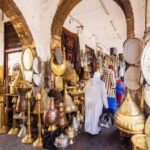
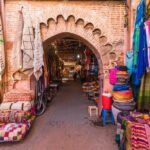
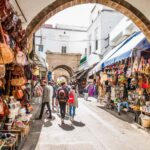
After the mosque, the tour shifts into “local Casablanca” with the Old Medina. Expect narrow streets and souks, where you’ll see traditional goods—spices, crafts, and everyday items—without needing to hunt for them. Then there’s Quartier Habous, a neighborhood that shows Moroccan and French influence side-by-side. The white-washed streets, tilework details, and curated market vibe make it a good change of pace from the older, more chaotic feeling elsewhere.
If you’re the type who likes structure on day one, this combination works well. You get one huge icon, then two different flavors of “city life,” all in the same day.
Rabat’s Biggest Sites: Hassan Tower, Mohammed V, and the Udayas
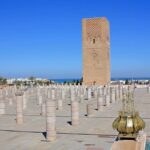
Rabat can feel quieter than Marrakech and Fez, but the sites included here are first-rate. The day starts at Hassan Tower, the unfinished minaret from the 12th century era, with ruins of the mosque complex and the nearby Mausoleum of Mohammed V. The mausoleum’s look—white silhouette and green tile details—also gives you that clean, memorable photo set.
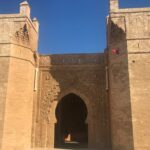
From there, you move to history you can actually walk through: Bab Chellah. This is a gateway tied to an ancient necropolis, with an archaeological setting surrounded by gardens. It’s not just “stand and look.” You get a sense of how Rabat layered through different periods of the past.
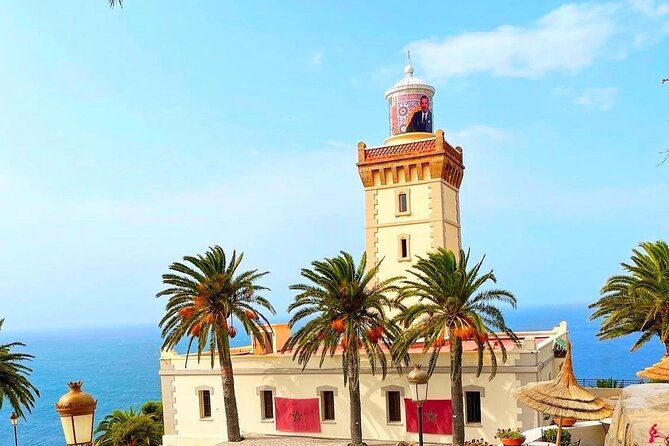
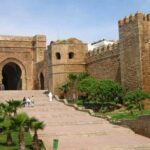
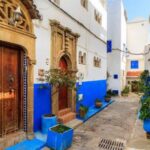
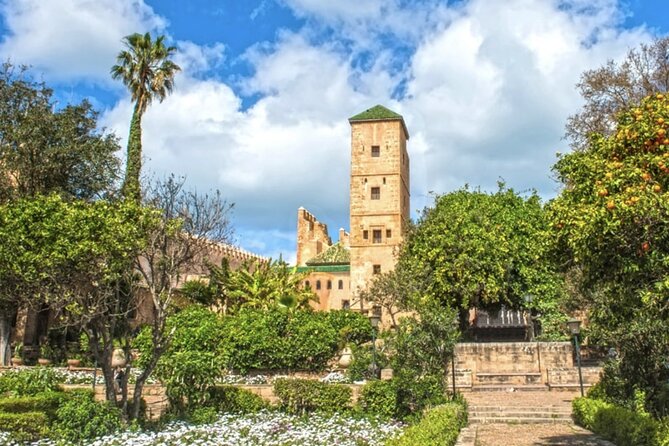
Then comes the fun visual stroll: Kasbah des Oudaias, a fortress and residential quarter overlooking the Atlantic. The blue-and-white streets and Andalusian gardens make it feel like a little city-within-the-city. The panoramas from here are also the kind of view you’ll remember later when you’re already deep into medina lanes.
Chefchaouen’s Blue Medina: 5 Hours That You’ll Actually Enjoy
Chefchaouen is the emotional change of pace in this itinerary. The tour gives you 5 hours in the Chefchaouen Medina, which is important. This is not a “quick glance, next stop” town. You’re walking a real maze of lanes in shades of blue, and the town’s setting in the Rif Mountains adds to the feel even when you’re just turning a corner.
The best part of having a guide here is simple: you don’t waste time wondering what you’re looking at. You can focus on the details—street-level shops, local crafts, and the blend of Moroccan and Andalusian influence that shapes the town’s look.
Practical tip: wear comfortable shoes. Even if you don’t think you’ll walk much, you will. Chefchaouen is all slope and staircases, and your feet will decide how much you enjoy the day.
Fez el-Bali: Old City Gates, Medersas, and the Kairaouine University
Fez is where this tour gets serious. The included time covers multiple anchor stops in Fez el-Bali, the old medina and UNESCO World Heritage area. The day starts with the basics that help you orient: Bab Boujloud, the famous blue gate with green tiles. You can treat it like your visual bookmark for the day—you’ll see it again in your photos, and it helps you feel where you are.
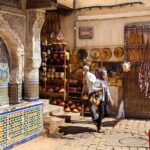
Then you step into Islamic art and education with Bou Inania Medersa and Kairaouine Mosque / Al Quaraouiyine University. These aren’t “look pretty and move on” stops. You get a close-up view of the craft: intricate tilework, carved wood, stucco details, and geometric patterns. The courtyard spaces also matter because they give you a quiet pause in the middle of a busy old city.
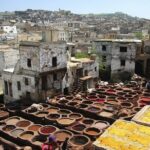
After that, you spend real time in the Medina of Fez itself—souks, artisan workshops, historic mosques and madrasas, and yes, even the famous tanneries area. This is the kind of day where sensory details hit fast: spices in the air, noise from the lanes, and the constant motion of city life.
If you’re worried Fez will feel overwhelming, don’t. The guide helps you move in a way that keeps it enjoyable instead of chaotic.
You can also read our reviews of more historical tours in Casablanca
Marrakech: Mellah, Ben Youssef, Dar El Bacha, and Jemaa el-Fnaa
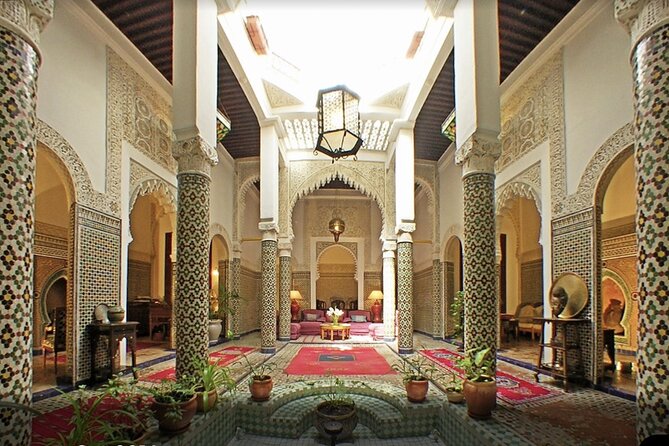
Marrakech on this route is a mix of medina intensity and architectural “wow” stops, plus cultural context. You start with Mellah, the historic Jewish quarter. You’ll walk narrow alleys tied to synagogues and a layered story of community in Morocco. It’s a meaningful stop because it adds depth beyond the postcard Marrakech routine.
Next is time in the Medina of Marrakech, including iconic landmarks like Koutoubia Mosque. This part is classic medina experience: souks, traditional riads, and nonstop street activity. You’ll want to pace yourself, because the medina can pull you in every direction at once.
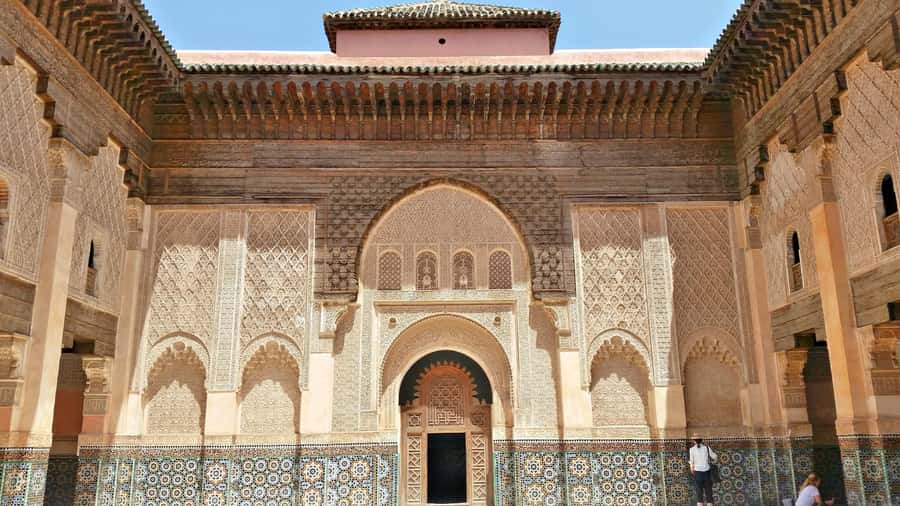
Then you get two standout interiors. Dar El Bacha (Musee des Confluences) is a palace turned museum, built in the early 20th century. Expect ornate tilework, carved wood, and courtyards. It’s a good mental reset after street-level walking. Medersa Ben Youssef is another major craftsmanship stop: 14th-century architecture, zellij tilework, carved cedarwood, and a serene courtyard space that helps you slow down for a moment.
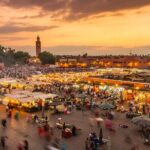
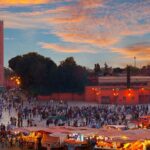
And you also get Jemaa el-Fnaa time, Morocco’s big central square. The best way to think about it: this is where you watch Marrakech’s daily rhythm and later its night energy shift. Even if you’re only there for a short window, it’s the kind of place that makes your whole trip feel “real.”
Essaouira by the Atlantic: Forts, Fishing, Ramparts, and Bayt Dakira
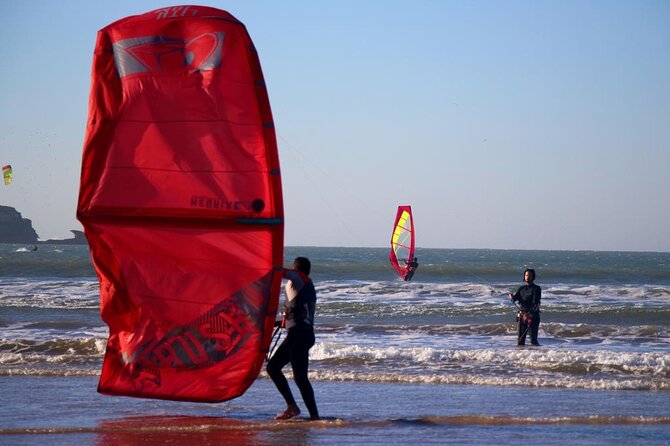
End your week with a different Morocco. Essaouira offers sea air, a walkable old city, and fortifications that look built to handle both trade and battles. The tour includes the Medina of Essaouira, a UNESCO site with well-preserved 18th-century fortifications and a blend of Moroccan and European influences. You’ll also see key landmarks like Skala de la Ville with its sea-facing cannons.
Then you spend time in the Essaouira Fishing Port, where fishing boats line the harbor and you can see fishermen unloading catches and repairing nets. This stop is great because it puts the coast’s economy front and center. It’s not just “views.” It’s how the town works.
To top it off, you’ll walk the Essaouira Ramparts and visit Skala du Port, both built with an 18th-century military feel. From the walls, you get panoramic Atlantic views over the bay and city. These are calmer, easier walks than the medinas, and they help your trip end on a relaxed note.
One of the more meaningful stops here is Bayt Dakira, a restored Jewish heritage site and museum celebrating Jewish community history in Morocco. It’s a short visit, but it adds a layer of understanding that you don’t always get in beach-town itineraries.
Photography Sessions in Marrakech, Fez, and Chefchaouen
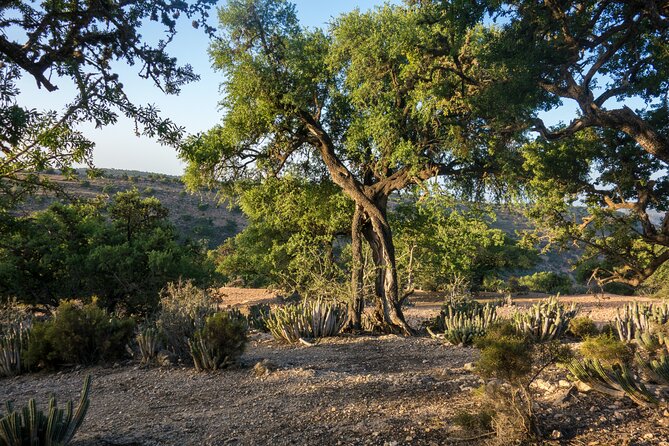
A lot of Morocco tours say they include photos. This one does the better version: a professional photography session in Marrakech, Fez, and Chefchaouen. That means you’re not relying only on awkward self-timer shots while you’re negotiating crowds.
How to get the most from it (without overplanning):
- Wear something you can move in. You’ll be walking and turning often across stone and stairs.
- Bring simple accessories you like in photos. Think scarf, sunglasses, or a jacket you’re comfortable wearing in sun and shade.
- Don’t assume you’ll get your best photos only at golden hour. The guide/photographer setup may work around timing to keep it practical.
If you care about photos but don’t want a “photoshoots take over the trip” situation, this is a nice compromise.
Price and Value: What $3,062.86 Covers (and What It Doesn’t)
At $3,062.86 per person for a private 7-day tour, you should evaluate it as a package, not as a list of attractions. The value is strongest if you want all the friction handled for you.
Here’s what’s included:
- Private transportation
- All Fees and Taxes
- Overnight x 6
- Professional local guides
- Professional photography session in Marrakech, Fez & Chefchaouen
- Breakfast (6)
What’s not included:
- Food and drinks
- Tips and gratuities
That inclusion list changes the math. You’re paying for logistics (private transport and multi-city routing), expert guidance (so you don’t just collect landmarks), and time-saving elements (overnights + breakfast). If you’d otherwise pay for guide services, hire drivers, and try to stitch together entrances on your own, the price can start looking more reasonable.
If you prefer to travel independently and already know how to organize multi-city Morocco, this could feel pricey. But if you want a stress-light week with strong guidance and built-in photo help, it’s easier to justify.
The Best Fit: Who This Tour Will Make Happy
This tour suits you if:
- You want a private experience rather than group chaos.
- You care about historical context, not just “photo stops.”
- You like moving between cities with support instead of doing your own navigation every day.
- You want professional photos without booking extra sessions separately.
It may be less ideal if:
- You hate long driving days between stops.
- You want lots of free time to wander without a plan.
- You don’t enjoy medinas, because at least part of every city day revolves around walking historic areas.
Quick Practical Notes That Will Save Your Trip
- Bring layers. Mosque interiors and midday streets can feel different fast.
- For Hassan II Mosque, dress modestly and follow site rules. It’s a religious place.
- Plan for walking shoes in medinas, especially Fez el-Bali and Chefchaouen.
- Keep some cash for food and drinks since they’re not included.
- If you’re worried about being tired, break your day with short rests. The schedule is full, so small pauses help.
And one real-world detail that matters: on arrival in Casablanca, your driver support is part of the comfort factor. One traveler noted being met at the airport by driver Chakib, which is exactly the kind of smooth start that reduces first-day stress.
Should You Book This 7-Day Private Morocco Tour?
I’d book it if you want a guided, private way to hit Casablanca, Rabat, Chefchaouen, Fez, Marrakech, and Essaouira with less guesswork. The combination of professional guides, private transportation, included overnights and breakfasts, and photo sessions in three of the most photogenic cities is the core reason this tour feels like a “buy it and relax” choice.
Skip it if you’re the kind of traveler who wants long unplanned days and a slower pace between cities. This is a full week. You’ll get a lot, but you’ll also move.
If your goal is Morocco as a complete story in one trip, this one has a strong structure.
FAQ
How long is the tour?
The tour is listed as 7 days (approx.).
How many cities are included?
It covers 6 cities in Morocco: Casablanca, Rabat, Chefchaouen, Fez, Marrakech, and Essaouira.
Is this a private tour?
Yes. It’s private, meaning only your group participates.
Is pickup offered?
Yes. Pickup offered is included.
Are there professional photography sessions?
Yes. There is a professional photography session in Marrakech, Fez, and Chefchaouen.
What’s included in the price?
Included items are private transportation, all fees and taxes, overnights x 6, professional local guides, professional photography sessions, and breakfast (6).
What’s not included?
Not included are food and drinks and tips and gratuities.
Where does the tour start and end?
It starts at Mohammed V Square (Casablanca 20250, Morocco) and ends back at the meeting point.
Are entrance fees included?
Some admissions are included in the itinerary (for example Hassan II Mosque, Bou Inania Medersa, Kairaouine Mosque / Al Quaraouiyine, Dar El Bacha, Medersa Ben Youssef, and Bayt Dakira). Many other stops are marked free.
Cancellation (Quick Answer)
Cancellation is free if you cancel up to 24 hours in advance for a full refund.