REVIEW · MARRAKECH
Mt Toubkal Trek 2 days
Book on Viator →Operated by EASYGO TOURS · Bookable on Viator
Two days on Mount Toubkal hits hard—in a good way. You’re coming from Marrakech into the High Atlas, then going for the sunrise summit of North Africa’s highest peak at 4168m, with wide views on the way up. It’s also a route that mixes mountain effort with real village life, including stops around Imlil and the Sidi Chamharouch marabout area.
I also really like the patient, practical guiding. Guides such as Mohamed and Khalid are reported to take extra time with less-likely summit folks, and the refuge setup is handled so you have what you need for the night. One consideration: this is still a mountain climb at altitude, so you’ll want a moderate fitness level, and you should know the plan depends on good weather.
In This Review
- Key points before you commit
- Why Mount Toubkal still earns its reputation from Marrakech
- Getting to the trail: from Jemaa el-Fna to Imlil by 8:00am
- Day 1: Imlil, Armoud, and the Refuge climb that sets your rhythm
- Overnight at the Neltner Mountain hut: what “2 days” really means
- Day 2: early start, sunrise from the top, then down again
- The guiding style that makes or breaks a summit trek
- Berber villages and Sidi Chamharouch: more than a photo stop
- Price and value: what $210 buys you (and what it doesn’t)
- Pacing and fitness: the honest reality of a 4168m climb
- What to pack (without guessing about what’s provided)
- Weather dependence and small-group limits
- Who should book this Toubkal trek with EASYGO TOURS?
- Should you book Mt Toubkal now?
- FAQ
- FAQ
- What time does the Mt Toubkal trek start?
- Where do we meet for the trek?
- How long is the Mt Toubkal trek?
- What’s the maximum group size?
- What’s included in the price?
- What is not included?
- Is there a vegetarian meal option?
- Is the trek suitable for beginners?
- What happens if weather is bad?
- Where do we end after the trek?
Key points before you commit
- Sunrise on the 4168m summit gives you a very different feel from a daytime hike.
- Imlil + Armoud route means you’re not just walking in the dark—you’re crossing real Atlas village terrain.
- Neltner Mountain hut overnight keeps the second day simple, since you’re already close to the climb.
- English-speaking guide and cook, plus muleteers for luggage, reduces the stress load.
- Small group size (max 11) makes it easier for slower hikers to get help.
- Vegetarian option available if you flag it when booking.
Why Mount Toubkal still earns its reputation from Marrakech
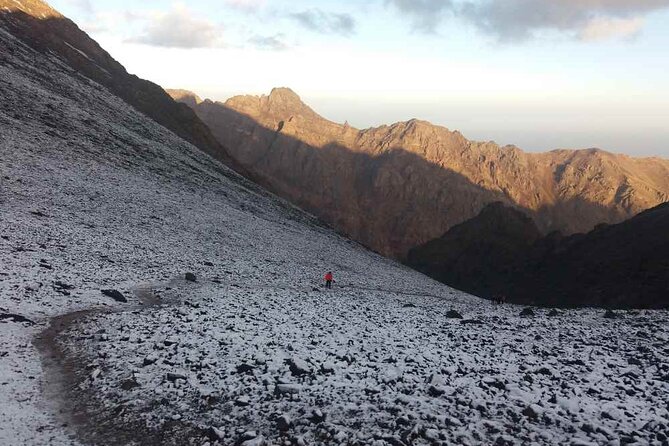
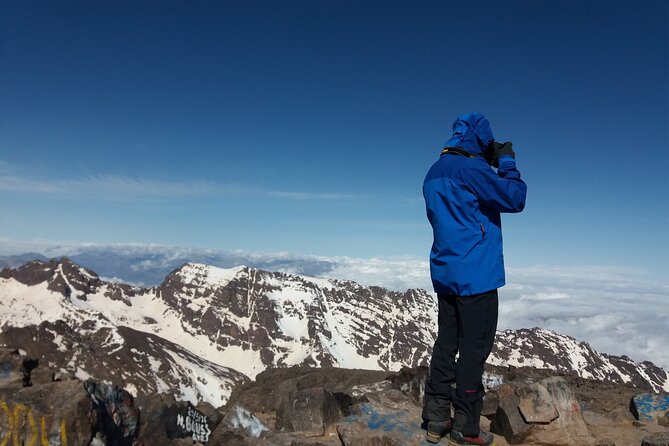
Mount Toubkal is the highest mountain in North Africa, and that “top of the region” status matters once you’re up there. On a clear morning, the views to the south are the payoff for the effort—simple, big, and real.
What makes this trek practical is the location. You’re not flying to a far corner and hoping the logistics work. You start in Marrakech, reach Imlil by morning, then spend the second day going for the summit and returning the same route. It’s a classic 2-day format that many people can manage without turning it into a weeklong expedition.
You can also read our reviews of more hiking tours in Marrakech

Getting to the trail: from Jemaa el-Fna to Imlil by 8:00am
Your day begins at Jemaa el-Fna in Marrakech, with a start time of 8:00am. The drive out of the city is a reset button. Marrakech noise fades fast, and you start to feel the High Atlas shift.
Once you reach Imlil village, you leave the vehicle and begin hiking. This is the moment where you’ll notice the tour’s structure: you’re not dropped off and told to figure it out. The guides keep the day moving, and the plan includes the route through Armoud toward the refuge area.
If you’re the type who likes being oriented early, this start helps. You get your rhythm set on Day 1, so Day 2 sunrise isn’t the first time you’re thinking about pace and breathing.
Day 1: Imlil, Armoud, and the Refuge climb that sets your rhythm
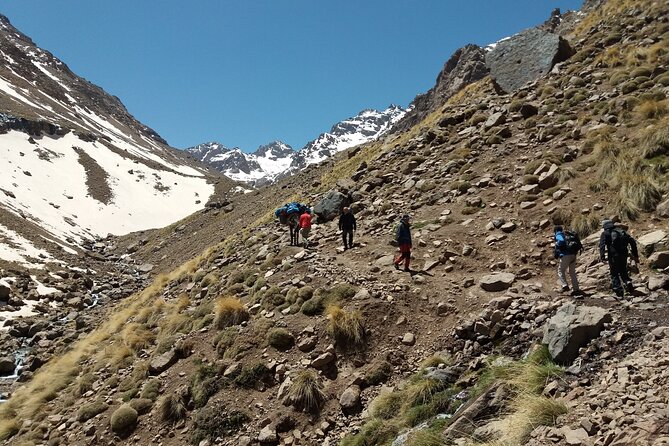
Day 1 is about building altitude steadily and getting into mountain mode. You hike from Imlil, cross the area of Armoud, and continue toward the Refuge of Toubkal, described as the foot-hill point for the mountain.
Along the way, you get the tour highlights beyond just the summit. One of the stated favorites is the chance to see Berber villages and experience the cultural side of the Atlas, including the Sidi Chamharouch marabout. Even if your main goal is the peak, these moments break up the walk and remind you where you are.
The evening is the payoff for planning well. You reach the mountain hut area for dinner and sleep, and the setup includes accommodation at the Neltner Mountain hut. Having your overnight base organized is a big deal on a 2-day itinerary. It means the second day starts early but not from scratch.
Overnight at the Neltner Mountain hut: what “2 days” really means
The trek includes an overnight stay at the Neltner Mountain hut, plus dinner and breakfast. That combination is exactly what you want on a 2-day summit plan: food handled, sleeping arranged, and the next morning’s logistics mostly simplified.
From the experience you’re aiming for, this is not luxury camping. But you’re not pretending it is. One review notes the housing matched what was announced, and another highlights that the team made sure the group had what they needed at the refuge. In plain terms: you won’t be worrying about basics after a long Day 1.
Also, the tour includes mules for luggage, so you’re carrying only what you need for the climb. That matters more than people think. Even with a moderate fitness level, the difference between heavy and light packs can make Day 2 feel fair.
Day 2: early start, sunrise from the top, then down again
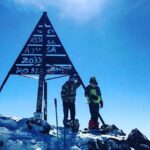
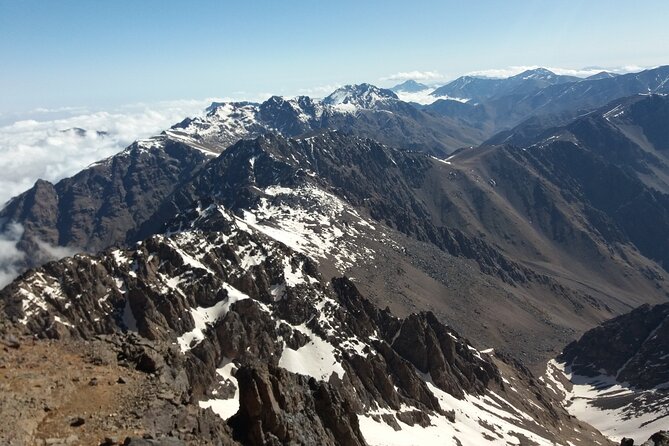
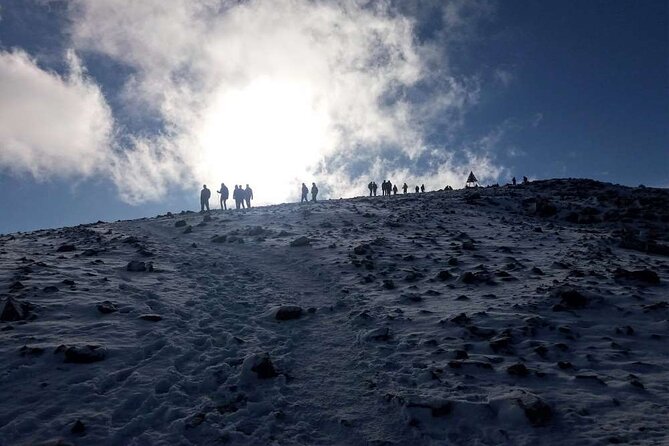
Day 2 begins early. The plan calls for readiness before the climb so you can watch sunrise from the top of Toubkal. This is one of the biggest reasons this trek is popular: you’re not just hiking hard; you’re hiking hard for a very specific moment.
When you reach the summit, you take a break, enjoy the view, and take pictures before heading back to the refuge and descending to Imlil village. The structure is smart. By the time you’re on the way down, you’re no longer wondering if you did it right. You’ve already had the summit experience and you’re moving back through the same familiar corridor.
This also helps people who may be slower. Several reviews emphasize that guides stayed engaged and supportive—going out of their way to help each member of the group reach the summit, including those less likely to succeed. That kind of attention can turn a stressful climb into a manageable one.
A few more Marrakech tours and experiences worth a look
The guiding style that makes or breaks a summit trek
This is the part where the high ratings make sense. The trek includes an English-speaking guide and cook, plus muleteers and mules for luggage. That means you get both navigation and meal management, which keeps the group from turning into a follow-the-leader problem.
The most praised theme is support. One standout comment praises guides who were very patient and helped slower hikers reach the summit. Another mentions advice that adapted to the group, and multiple notes credit individual guide names—like Mohamed, Khalid, Smain, and the organizing presence of Lahcen—for making the whole experience feel organized and human.
If you care about real teamwork more than just credentials, this trek’s structure fits. With a maximum of 11 travelers, the guides can actually pay attention to you, not just call out instructions from far away.
Berber villages and Sidi Chamharouch: more than a photo stop
Even though the summit is the headline, the trek includes cultural highlights that give the mountain context. The route calls out Berber villages, and the highlights list specifically mentions Sidi Chamharouch marabout.
Here’s why I think that matters: the Atlas isn’t just a backdrop. You’re walking through communities that have been living with these mountains for a long time. When you see the marabout area and pass through village sections on Day 1, you get a more complete sense of how the trek fits into local life.
You don’t need to turn this into a history lesson. Just treat these stops as a breathing break—look around, notice how people move through the terrain, then get back to the climb.
Price and value: what $210 buys you (and what it doesn’t)
The price is $210.00 per person for the 2-day trek. At first glance, you might wonder what’s included besides the hike. The value is that this is not a barebones self-guided walk.
Your package includes:
- Dinner and breakfast
- Lunch (2) across the two days
- Accommodation at Neltner Mountain hut
- English-speaking guide and cook
- Muleteers and mules for luggage
What’s not included:
- Travel insurance
- Tips and personal expenses
You’re also told the ticket is mobile and that group discounts can apply. For a summit trek, those details matter because they reduce admin hassle and keep your costs more transparent.
Compared to trying to assemble your own guide, meals, and overnight plan, $210 looks more like paying for coordination than just paying for walking. You still do the hard part. You just don’t do the logistics hard part.
Pacing and fitness: the honest reality of a 4168m climb
The tour specifies moderate physical fitness and a minimum age of 18. That’s a reasonable target for most people who are used to walking regularly, even if they’re not athletes.
Still, don’t treat the “2 days” label like a guarantee. Your Day 2 is early and steep enough to demand focus. Altitude makes everything feel slower. The good news is the tour style is built for the group: smaller size, patient guiding, and support during the climb.
If you’re the type who gets anxious when you feel out of breath, this matters. You want a guide who can keep the climb organized and adjust pacing. The reviews point directly to that kind of patient, out-loud encouragement.
What to pack (without guessing about what’s provided)
The tour data doesn’t list specific gear, so I’d plan as if you need to bring your own hiking essentials. At minimum, think about:
- Warm layers for early-morning cold at altitude
- Good walking shoes with grip
- A small day pack for your personal items
- Sunscreen and eyewear (high altitude sun can surprise you)
- Water and snacks for the moments between meals
Because mules handle luggage, you don’t need to haul everything on your back. But you should still carry what you’ll need during your personal walking time.
Also plan for the reality that the trek depends on good weather. If conditions aren’t right, plans can shift (see next section).
Weather dependence and small-group limits
This experience requires good weather. If it’s canceled due to poor conditions, you’ll be offered a different date or a full refund.
There’s also a minimum number of travelers requirement. If the minimum isn’t met after confirmation, you’ll get an alternative or a full refund. The practical takeaway: book with a bit of flexibility if your Marrakech schedule can flex.
Who should book this Toubkal trek with EASYGO TOURS?
I think this trek is a strong match if:
- You want a real summit experience without turning it into a multi-week project
- You value organized support over DIY uncertainty
- You like the idea of sunrise on a famous peak, not just a daytime hike
- You’d benefit from a guide who can adapt pace and help the group
It may not be ideal if:
- You’re uncomfortable with early starts and altitude effort
- You don’t like group hiking dynamics (even with max 11, you’ll still move as a group)
A nice extra: a vegetarian option is available if you tell them at booking. Service animals are allowed, and the tour can run with a multi-lingual guide, though it’s described as English-speaking.
Should you book Mt Toubkal now?
If your goal is the highest peak in North Africa with the classic 2-day format, this is the kind of trek that makes sense. The strongest reasons are practical: meals and overnight are included, luggage is handled by mules, and the guiding style is repeatedly described as patient and supportive—people like Mohamed and Khalid show up in the story, not just names on a website.
The decision comes down to one thing: your comfort with early mornings and a moderate fitness challenge at altitude. If you’re okay with that, you’re set up for an experience that feels both wild and well-run.
FAQ
FAQ
What time does the Mt Toubkal trek start?
The experience starts at 8:00am.
Where do we meet for the trek?
You meet at Jemaa el-Fna, Marrakech 40000, Morocco.
How long is the Mt Toubkal trek?
It’s a 2-day trek (approx.).
What’s the maximum group size?
The tour has a maximum of 11 travelers.
What’s included in the price?
The price includes dinner, breakfast, lunch (2), accommodation at the Neltner Mountain hut, and an English-speaking guide and cook, plus muleteers and mules for luggage.
What is not included?
Travel insurance, tips, and personal expenses are not included.
Is there a vegetarian meal option?
Yes. A vegetarian option is available if you advise at the time of booking.
Is the trek suitable for beginners?
The tour requires moderate physical fitness and has a minimum age of 18.
What happens if weather is bad?
The trek requires good weather. If it’s canceled due to poor weather, you’ll be offered a different date or a full refund.
Where do we end after the trek?
The activity ends back in Marrakech, with the day ending at/near the Jemaa el-Fna area, and the plan notes that you’re driven back to Marrakech and dropped at your hotel.