REVIEW · MARRAKECH
Mount Toubkal Trek-2 day
Book on Viator →Operated by Omar Adventures · Bookable on Viator
Atlas mornings start with a hard climb in Morocco. This 2-day trek from Marrakech takes you from Imlil up the Mizane Valley toward Mount Toubkal (Jebel Toubkal), North Africa’s highest peak.
I like two things most. First, you’re led by an official mountain guide, which matters when the trail turns rocky and altitude starts nagging. Second, the package is practical for $170: private transportation from Marrakech, a mule to carry your luggage, and all your main meals covered.
The main drawback to plan for is the summit day grind. Even without technical climbing, you’ll deal with altitude and long stretches of scree, and if you’re traveling in winter, sleeping bag and crampons are not included.
In This Review
- Quick take: what makes this Toubkal trek worth your time
- Marrakech to the mountains: the route that sets the tone
- Day 1: Imlil, Aremd, and the long pull to the Toubkal refuge
- Lunch at the shrine of Sidi Chamarouch: more than just a break
- Meals, mule support, and what that means for your body
- Overnight at a Toubkal refuge: comfort that’s built for function
- Day 2: the summit attempt at 4167m and why scree changes everything
- The view payoff: panoramic reward and early-light timing
- Guides and group size: why the right leadership helps on a mountain
- Price and value: is $170 fair for Toubkal logistics?
- What to bring (and what not to assume is included)
- Who this trek is best for
- Should you book this Mount Toubkal 2-day trek?
- FAQ
- How long is the Mount Toubkal trek?
- What time does the tour start in Marrakech?
- How high do you climb?
- What is included in the price?
- Do I need climbing experience?
- Is sleeping gear provided for winter?
- How many people are in a group?
- What happens if the weather is poor?
Quick take: what makes this Toubkal trek worth your time
- Marrakech to Imlil with an Atlas change of scenery as you pass the Haouz Plain and stop in Asni
- Mizane Valley hiking plus a cultural break at the shrine of Sidi Chamarouch
- Overnight at a Toubkal refuge so you’re not trying to do everything in one insane push
- A guided summit attempt at 4167m via the south cirque and scree fields
- Early start with private transport (you begin at 8:00am)
- Small group size (max 14) makes it feel friendly without being cramped
Marrakech to the mountains: the route that sets the tone
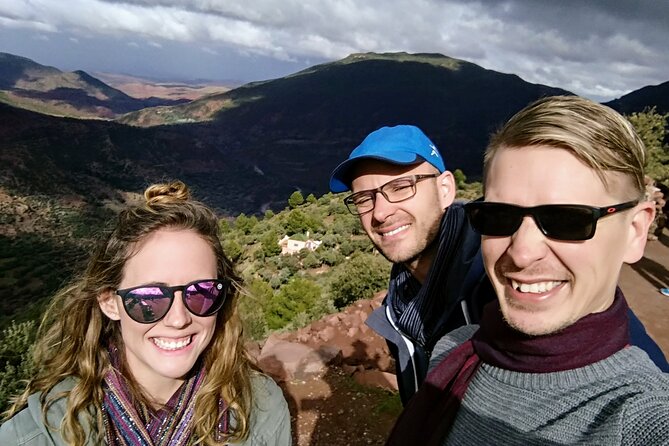
This trek starts by pulling you out of Marrakech and into the foothills fast. You drive south to Imlil, crossing the Haouz Plain along the way, with a stop through Asni where the scenery starts to steepen and the villages hug the hillsides.
Why I think this matters: a summit hike feels less intimidating when your body has time to adjust. You don’t just “arrive and jump on a trail.” You ease in, meet your team in Imlil, then start walking in the valley the way locals have been doing for generations.
If you’re the kind of traveler who likes a plan but also likes breathing room, this format hits the sweet spot. It’s structured enough to feel safe, but the day still leaves space for stops and views along the way.
You can also read our reviews of more hiking tours in Marrakech
Day 1: Imlil, Aremd, and the long pull to the Toubkal refuge
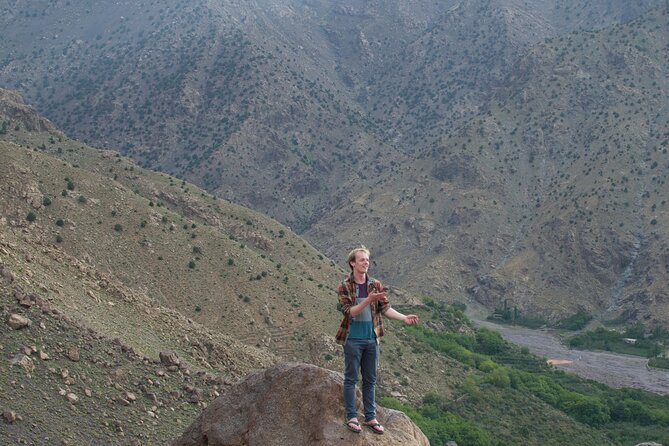
On Day 1, you leave Imlil with your guide and head along the Mizane Valley. The walking route goes toward Aremd first, then continues through the valley as you work your way up to the refuge.
You can expect a full hiking day (around 6 hours on the route description). It’s not presented as a technical climb, which is a big relief if you don’t do ropes or harness stuff. Still, you’ll feel the slope, and you’ll want to keep a steady pace from the beginning rather than sprinting early.
Practical note: the trek follows a pattern you’ll repeat on Day 2. You’ll be moving up terrain that can shift from trail to rockier ground. Your guide’s job is to keep you moving efficiently and help you read the route when the footpaths get less clean.
Lunch at the shrine of Sidi Chamarouch: more than just a break
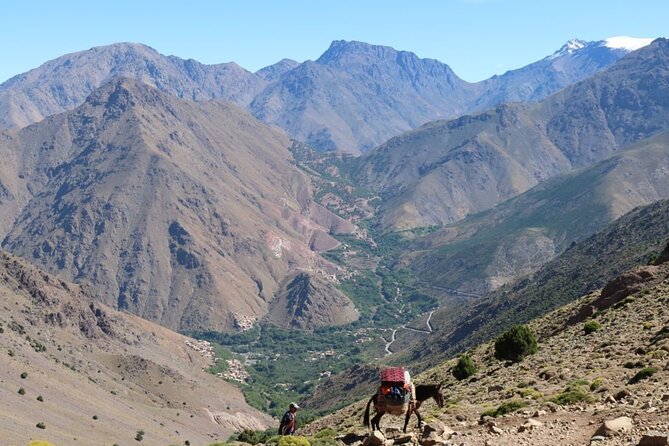
Midday isn’t only about fuel. There’s a stop for lunch at the shrine of Sidi Chamarouch, set along the trekking line as you travel through the Mizane Valley.
This is one of those details that makes the day feel real. You’re not hiking in a vacuum. You’re moving through a living place with religious sites, local paths, and a sense of continuity. It’s also a good psychological reset: pause, eat, look around, then get back to the climb with less frustration.
If you like food that’s simple and genuinely satisfying after real walking, this day should deliver. And because the package includes lunch twice across both days, you won’t have to hunt for snacks when your energy is low.
Meals, mule support, and what that means for your body
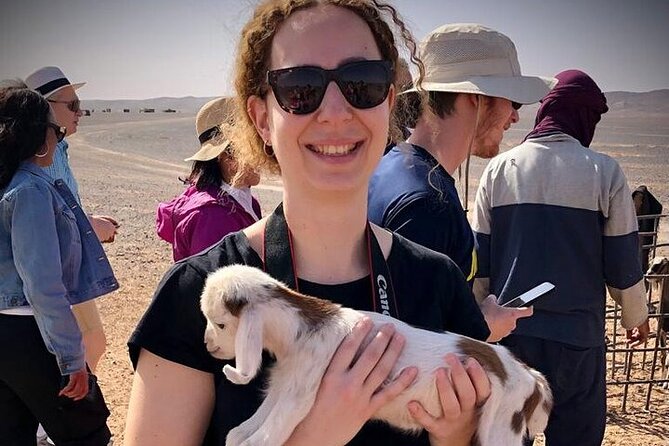
The trek includes breakfast, dinner, and lunch (two lunches total). That’s a serious value add on a two-day mountain trip, because it removes a lot of stress: you don’t have to budget for meals, and you don’t have to time your eating to match where you can find food.
Even more helpful is the mule support for your luggage. You’re still walking, but the pack load can be lighter than if you were carrying everything yourself over rough terrain.
What I like about this setup is how it protects your legs. When you’re planning for a summit push the next day, you want less fatigue on Day 1. A guide can pace you, but fewer pounds on your back changes the whole experience.
Overnight at a Toubkal refuge: comfort that’s built for function
You’ll spend the night at an overnight refuge in the Toubkal area. The tour includes dinner, breakfast, and that refuge night, so you’re not stuck trying to figure out lodging once you reach camp.
Refuge nights are usually simple: think sleep that helps you recover, not luxury. One thing to watch for is that conditions can vary depending on availability, and at least one traveler noted sleeping in a tent when the refuge was full. In other words, don’t assume a single exact bedding setup.
Bring a calm mindset. Your win here is waking up ready for the summit attempt, not getting a perfect hotel bed.
A few more Marrakech tours and experiences worth a look
Day 2: the summit attempt at 4167m and why scree changes everything
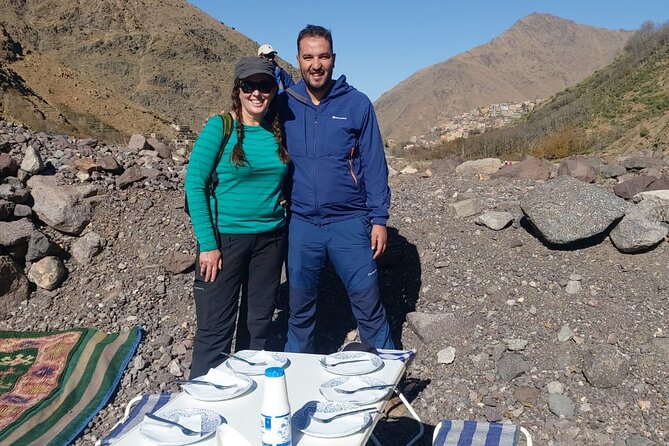
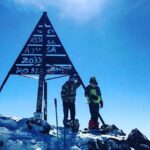
Day 2 is the main event. You head for the summit of Jebel Toubkal (4167m), then return to Imlil and drive back to Marrakech.
The route climbs up the south cirque and crosses a stream above the refuge. After that, you move across scree fields—described as a seemingly endless carpet of boulders and rocks. The walking is “relatively straightforward,” but the altitude and the scree can make parts of the hike feel difficult.
Here’s the reality check I’d give you: scree doesn’t punish your skills as much as it punishes your legs and your patience. You’ll likely spend energy on footing, not just distance. A good guide helps you choose where to step and how to keep your rhythm.
When you crest the ridgeline, you reach a plateau before the final push. That moment matters: it’s where fatigue starts meeting the payoff.
The view payoff: panoramic reward and early-light timing
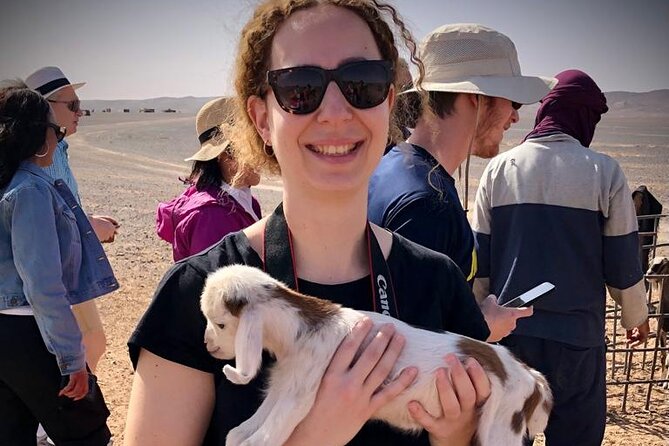
The summit is the point, and you’ll get the panoramic view when you reach the top. This is the kind of mountain that turns effort into something you’ll remember for a long time.
Timing can also shape the experience. The itinerary notes an early morning summit attempt, and at least one traveler specifically referenced sunrise timing. Even if your timing differs slightly, you’re still likely to hit the top when the light is good and the atmosphere feels crisp.
My advice: plan on taking photos, but don’t let your stops steal your momentum too much. On scree, a quick pause is great. Lingering can cost time and energy.
Guides and group size: why the right leadership helps on a mountain
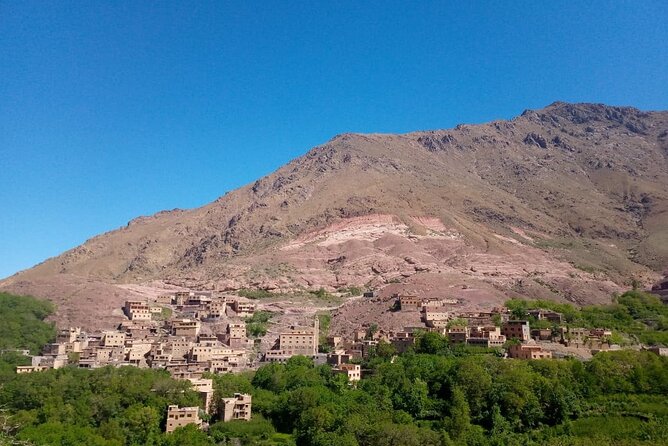
This tour runs with a maximum of 14 travelers, which keeps things from feeling chaotic. It also helps the guide manage pacing and communication on rocky stretches.
The human side is strong here. In the feedback, guides like Yasin and Hamid come up with praise for being helpful, kind, and tuned in to the group’s needs. Another review highlighted a guide named Samir who checked pace and comfort frequently.
If you care about being more than just a number in a line, this kind of leadership matters. On Toubkal, where the ground can shift fast, having someone who knows how to slow you down before you burn out is a real advantage.
Price and value: is $170 fair for Toubkal logistics?
At $170 per person for a two-day trek, this is priced like a guided outdoor experience with real mountain operations included. You’re paying for more than walking time.
You get:
- private transportation
- an official mountain guide
- refuge night
- mule to carry luggage
- breakfast, dinner, and two lunches
A summit trek without that kind of packaged logistics usually costs more once you add guides, transport, and meals separately. The value here is that the mountain basics are handled for you, so your main job is showing up and walking.
Two quick notes on value:
First, if you’re traveling in winter, you’ll still need to bring a sleeping bag and crampons if required, since they’re not included. Second, the tour requires good weather, so you should treat your date as flexible if conditions are rough.
What to bring (and what not to assume is included)
The tour doesn’t include sleeping bag and crampons in winter. If you’re trekking during cold months, that’s your biggest “don’t forget” item based on the provided info.
Beyond that, pack for a real mountain hike: warm layers for early morning, footwear that handles uneven rocky terrain, and water planning that fits your own comfort. The included meals help, but your body will still need hydration on climbing days.
Also, you’ll be hiking with a group, so bring a small day pack for personal items. The mule handles your luggage, but you’ll want essentials accessible while you climb.
Who this trek is best for
This trek suits climbers of all skill levels and does not require climbing experience. That’s a major reason it works for a wide range of travelers.
You should still have moderate physical fitness, because the effort is real—especially on Day 2 with scree and altitude. If you can do a long hike on uneven ground and keep a steady pace, you’re in the right zone.
It’s also a good fit if you want an organized, culturally grounded experience from Marrakech, without feeling like you’re improvising your way through the Atlas on your own.
Should you book this Mount Toubkal 2-day trek?
I’d book it if you want a guided summit attempt that’s built around sensible pacing: drive to Imlil, hike to a refuge, then summit with early-day focus. The inclusion of a guide, meals, transport, and mule luggage support makes it feel like a true “mountain package,” not just a trail marked on a map.
Skip it—or at least reconsider your timing—if you know scree and altitude hit you hard, or if you’re traveling in winter and don’t want to handle cold-weather gear. And if you’re the type who gets stressed by weather changes, you’ll want a bit of flexibility.
FAQ
How long is the Mount Toubkal trek?
It’s a 2-day trek, with total time listed as approximately 2 days.
What time does the tour start in Marrakech?
The start time is 8:00am.
How high do you climb?
You’ll attempt the summit of Jebel Toubkal at 4167m.
What is included in the price?
The tour includes breakfast, dinner, lunch (two lunches), mule to carry your luggage, private transportation, an official mountain guide, and the night at the refuge.
Do I need climbing experience?
No. The trek is described as accessible for most people and does not require climbing experience.
Is sleeping gear provided for winter?
Sleeping bag and crampons in winter are not included.
How many people are in a group?
The tour has a maximum of 14 travelers.
What happens if the weather is poor?
The trek requires good weather. If it’s canceled due to poor weather, you’ll be offered a different date or a full refund.