REVIEW · MARRAKECH
Mount Toubkal: 2-Day Climb from Marrakech
Book on Viator →Operated by Targa Travel & Trekkinginmorocco · Bookable on Viator
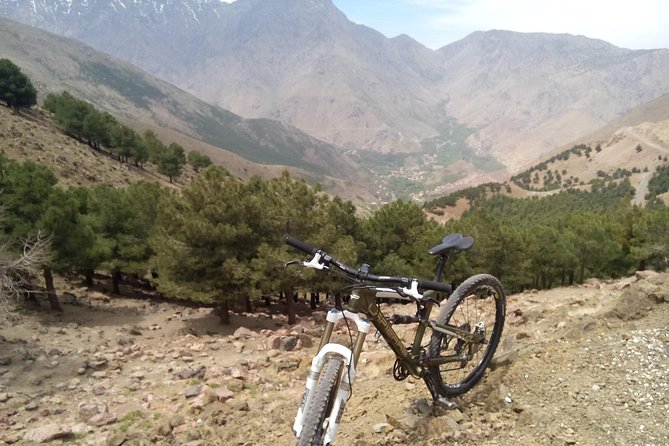
The climb from Imlil to Toubkal’s summit is short on paper and serious in reality. You’ll trek through the Atlas Mountains toward Toubkal National Park, pass Berber villages and the Sidi Chamarouch shrine, then sleep at the Toubkal Refuge before an early push to the top.
I really like two things here. First, the itinerary gives you a true mountain experience with fresh, included meals and an overnight at the refuge rather than a day-trip and done. Second, a good guide makes a huge difference on summit night and descent day, and many groups have been led by safety-minded people like Hussein, Saeed, Kamal, Abdo, Mohammed, Mustafa, Said, and Hassan.
One drawback to consider: this is a big effort in a tight time window, and a few people reported inconsistencies with promised details like mule support and sleeping bag comfort. Also, pickup can be confusing if you don’t confirm the exact spot and time in advance.
In This Review
- Key things to know before you go
- Getting from Marrakech to Imlil: the day starts fast
- Day 1 from Imlil up to Toubkal Refuge: villages, shrine, and real altitude work
- The Aremd section: slow your thoughts, keep your feet steady
- Sidi Chamarouch shrine and lunch by the waterfall
- The climb to the refuge: where tiredness starts to feel normal
- Night at the refuge: sleep in the mountains, not on a cloud
- Day 2 summit push: early hours, altitude, and why headtorch matters
- Summit route reality: it’s shorter than you think, but not easy
- Bring a headtorch, even if you think you won’t need one
- The descent back to Imlil: long, tiring, and surprisingly draining
- What’s included (and what you should double-check)
- Included
- Not included
- Where people report mismatches
- Price and value: is $150 a fair deal?
- Fitness expectations: harder than many people assume
- Packing list that actually matches the mountain
- Guides and muleteers: the human part is the difference
- Should you book this Mount Toubkal 2-day climb?
- FAQ
- What is the duration of the Mount Toubkal 2-day climb?
- Where do we start and when do we leave Marrakech?
- What do we do on Day 1?
- What time do we start the summit on Day 2?
- What is included in the price?
- Are drinks included?
- How many people are in a group?
- What should I pack?
Key things to know before you go
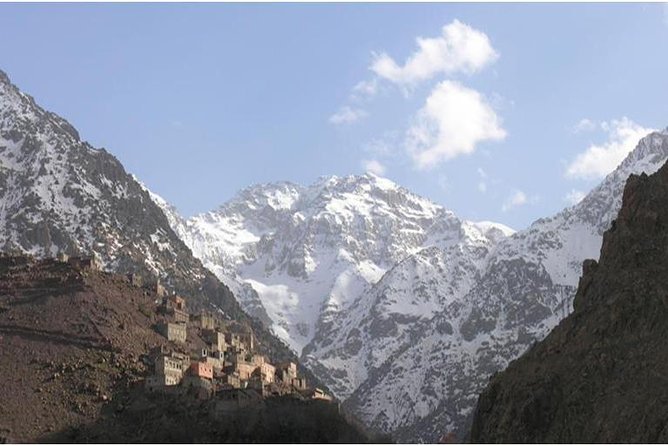
- 4167m summit in just two days means an early wake-up and a long, tiring descent
- Sidi Chamarouch shrine + waterfall stop breaks up the climb with a memorable cultural pause
- Overnight at Toubkal Refuge keeps you in the mountain rhythm, but don’t expect hotel-level quiet
- Guides matter a lot: safety focus and pacing help with altitude stress
- Pack for cold and wind—even in shoulder seasons, it can get below zero near the summit
Getting from Marrakech to Imlil: the day starts fast
This trek is built around a morning departure from Marrakech. You’ll be collected around 8:30–9:00am and driven south to Imlil, with time to connect with your guide and get briefed before you start walking.
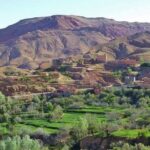
The road ride is more than just transit. You’re heading toward the craggy peaks and deep valleys of the Toubkal massif, and it helps you shift from city pace to mountain pace. If you want the walk to feel better later, this is when you should mentally set expectations: day one is mostly climbing toward the refuge, and day two is the summit push plus a big descent.
A practical note: pickup coordination can make or break your mood. One traveler warned that the operator didn’t clearly communicate where to meet, so use your confirmation to lock in the exact pickup point. If you’re staying in the Medina, don’t assume everyone will find you instantly—plan to be outside and ready when your driver arrives.
A few more Marrakech tours and experiences worth a look
Day 1 from Imlil up to Toubkal Refuge: villages, shrine, and real altitude work
Day one is the warm-up that isn’t really a warm-up. You start in Imlil (about 1800m) and work upward through the valley system toward the refuge, typically walking around 4–5 hours. Along the way, you pass Aremd, described as one of the biggest and highest villages in the Imlil Valley, and you move through the Mizane Valley area.
The Aremd section: slow your thoughts, keep your feet steady
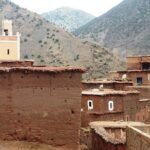
Aremd is your first big clue that this is a lived-in landscape. You’ll feel the change in sound, motion, and pace compared to Marrakech, and it sets up the next stop with the right mood: less sightseeing, more “let the mountains carry you.”
Sidi Chamarouch shrine and lunch by the waterfall
Next comes the part many people remember long after the summit. The trek passes the shrine of Sidi Chamarouch, and there’s a 1-hour lunch stop with a visit near a cascading waterfall.
This break matters. It’s not just pretty; it’s where you can regroup, reset your energy, and re-check your gear (sunscreen, water, layers). With the day still unfinished, you’ll be glad you didn’t rush lunch.
The climb to the refuge: where tiredness starts to feel normal
The final stretch of day one snakes and zigzags upward toward Toubkal Refuge. You’ll stop for the night at the refuge, which is busy during peak hiking periods and offers basic mountain comfort.
If you want the best chance of enjoying your summit morning, treat day one like a pacing test. Guides like Kamal, Hussein, Mohammed, and others are repeatedly praised for going slowly enough to reduce altitude discomfort. That advice is gold: don’t fight your breath on the way up. Slow wins.
Night at the refuge: sleep in the mountains, not on a cloud
Sleeping at Toubkal Refuge is part of the appeal. You’re close to the climb, you’re in the right setting for an early start, and you’re not adding another day of travel.
But let’s be real. A few people reported the refuge can be loud and very busy, with limited sleep. Rooms can be shared, and the bedding setup can vary. Some travelers said they had mattresses and thick blankets that stayed warm, while others reported fewer comforts than expected.
Here’s the best way to plan: pack for cold. Even when you think it’s warm in Marrakech, the summit area can be freezing with strong winds. One trek group described conditions where it was below zero near the top, and another noted end-April snow still on the summit. Bring layers you can actually hike in, plus warm items for after you stop.
Also, check the bedding situation before you rely on your packing list. The tour information says a sleeping bag is included, but a couple of experiences suggested you might only get wool blankets. If you’re the type who hates sleeping without a bag liner, bring a lightweight liner anyway.
Day 2 summit push: early hours, altitude, and why headtorch matters
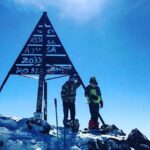
Day two starts with an early wake-up. Summit pushes are commonly reported around 3:30am to 5:00am, meaning you’re climbing while it’s still dark. You’ll trek from the refuge back toward the top of Mount Toubkal.
The payoff is the view. From the summit area, you can see the Atlas Mountains and the wider environments that enclose them, with the Sahara Desert also referenced in the trek description. Even if the weather isn’t perfect, the feeling of reaching the highest peak in North Africa at 4167m is the main event.
Summit route reality: it’s shorter than you think, but not easy
The distance is often described as manageable compared to the total trek, but the effort isn’t. Expect rough terrain, steep sections, and altitude that creeps up fast. People repeatedly emphasize that the summit push can be tougher than they expected, even when they’re fit.
One simple rule helps: walk slower than you want. Guides are praised for doing exactly that when altitude symptoms pop up. If someone in your group starts showing signs of altitude stress, the right response is patience, small steps, and rest—not hero mode.
Bring a headtorch, even if you think you won’t need one
Several people mention starting in the dark and urging you to have a headtorch. Don’t treat this as optional. Stumbling on the final climb because your hands are busy is a dumb way to ruin a summit.
The descent back to Imlil: long, tiring, and surprisingly draining
After lunch at the refuge on the way down, your day turns into the long return trek back toward Imlil, followed by the drive to Marrakech. A typical day-two total is described around 8 hours of walking, and the summit-to-Imlil leg can feel endless.
Descent is where you feel your knees, and it’s where fatigue makes you sloppy with footing. Many guides are safety-focused and keep the pace steady, but you still need your own discipline: watch your steps, keep a consistent rhythm, and don’t let pride push you faster than your legs can handle.
One useful way to prep: mentally treat day two as two climbs. You have the ascent to the summit and then a separate endurance challenge when you turn around. The trek becomes less about effort and more about staying careful for hours.
What’s included (and what you should double-check)
This trek offers solid value if the included basics match what you expect.
Included
- Private transport from and back to your Marrakech hotel or riad
- Guide for both days
- Overnight accommodation at Toubkal Refuge
- Meals for both days: breakfast, lunch, dinner
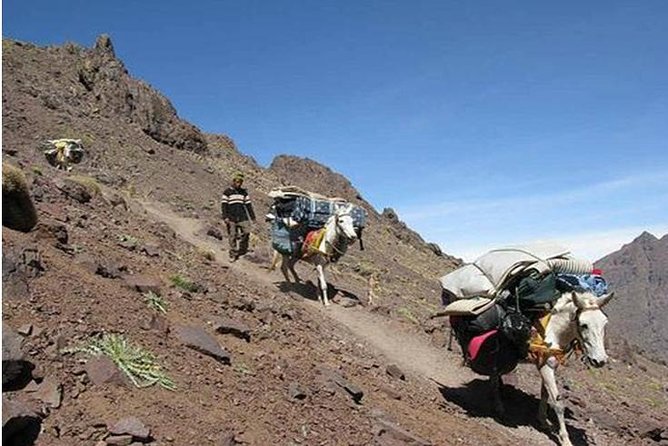
- Mule to carry the bags
- Sleeping bag
Not included
- Drinks
Where people report mismatches
A couple of experiences said the package wasn’t as advertised: no mule, no sleeping bag (only blankets), and a transport drop-off that didn’t return them to the exact pick-up location. That doesn’t mean it happens every time, but it does mean you should plan as if you might need to carry some items yourself and bring a warm sleeping backup.
If you want fewer surprises, confirm the basics before departure:
- Will you really have mule support for baggage?
- What bedding should you expect: sleeping bag vs blankets?
- Where exactly will you be dropped off in Marrakech on the return?
Price and value: is $150 a fair deal?
At $150 per person, you’re paying for far more than a walking guide. You’re also covering private transport, two full walking days with guiding, and meals plus the refuge stay.
When things run smoothly, this is good value because the cost isn’t just “time with a guide.” It’s logistics: getting you to Imlil, keeping you on-route, feeding you through the hardest hours, and putting you at the right mountain base for the summit start.
Where the value can wobble is when promised items (like mule support or sleeping bag comfort) don’t show up as expected. That doesn’t automatically make the trek bad—many guides still deliver a great climb—but it can reduce what you feel you paid for. Your best move is to reduce that risk with the quick confirmations mentioned above.
Fitness expectations: harder than many people assume
The trek can be described as possible for most people, but real-world accounts show it’s still a serious challenge.
A few people said the climb felt harder than expected, especially because day one includes a long ascent and day two includes the summit push and then a heavy descent. Some even pointed out mild altitude sickness. Another person suggested bringing the right experience or considering a longer acclimatization trek if altitude hits you easily.
So here’s the practical take:
- If you hike regularly and can handle a steep day, you’re likely in the right zone.
- If you’re newer to trekking, plan for slower pacing and expect the summit push to feel like the steepest part of your fitness test.
Also pack for terrain. Boots matter. One person specifically noted that jeans and trainers aren’t a great idea. Walking poles can help a lot on rough ground and during the descent, and a few hikers specifically advised them.
Packing list that actually matches the mountain
You’ll be happy you packed like the mountain is cold, windy, and rocky.
Bring:
- Good walking shoes (not just sneakers)
- Layers (you’ll warm up climbing, then chill fast when you stop)
- Sun cream and sunglasses (high sun on open trails)
- Camera (views are a big part of the reward)
- A headtorch for the dark summit start
- Warm gloves and a hat if you’re hiking in colder months
Food and water: you’ll have included meals, and you’ll likely see shops along the route where you can buy water and snacks. Still, don’t count on buying everything last-minute, especially for day-two comfort.
Also consider small comfort items. A few people mentioned bringing essentials like basic medical items, and some even suggested toilet paper as a useful add-on at base camp.
Guides and muleteers: the human part is the difference
This trek earns its praise because many guides are experienced at pacing and altitude awareness. Guides named in positive accounts include Hussein, Saeed, Kamal, Abdo, Mohammed, Mustafa, Said, and Mohamed Ali. Muleteers and support staff like Hassan also show up in stories where meals were tasty and nourishing.
When you’re at altitude and tired, communication isn’t just nice—it’s safety. Some negative feedback points to communication issues and limited English in certain groups. Your best defense is to ask for a clear plan before you start, even if your guide’s language is limited. Know your start times, meeting points, and what to expect each day.
If you’re a nervous hiker, this is where choosing the right operator (and confirming the details) matters. You don’t want confusion when you’re trying to summit before sunrise.
Should you book this Mount Toubkal 2-day climb?
Book it if you want a real summit goal in a short timeframe, you’re comfortable hiking hard for two straight days, and you like earning views rather than touring for them. The combination of meals + refuge stay + guide + private transport makes it feel like a full mountain package, not just a walk.
Skip or reconsider if you have trouble with altitude, you hate early wake-ups, or you need hotel-style sleep. Also, if you’re the type who needs guaranteed bedding comfort and mule support, confirm those details carefully before paying.
If you do book, do three things: confirm pickup location, confirm baggage support and sleeping arrangements, and pack for cold winds. Get those right, and you’ll have a climb you remember for years—because at 4167m, the mountain does most of the talking.
FAQ
What is the duration of the Mount Toubkal 2-day climb?
The trek is listed as about 2 days, with walking time around 4–5 hours on day one and about 8 hours on day two.
Where do we start and when do we leave Marrakech?
Pickup is from your hotel or riad in Marrakech, and the start time is listed as 8:30am. The trek is described as departing around 9am in the morning.
What do we do on Day 1?
You drive from Marrakech to Imlil, walk through the Imlil valley area (including Aremd and the route via the Mizane Valley), stop at the Sidi Chamarouch shrine for lunch and a waterfall visit, then continue up to the Toubkal Refuge for the night.
What time do we start the summit on Day 2?
You will have an early start for the summit. Some experiences describe the summit push beginning around 3:30am to 5:00am, so expect very early night wake-up and dark hiking.
What is included in the price?
The price includes private transport to and from your accommodation, a guide, overnight accommodation at the Toubkal Refuge, all meals (breakfast, lunch, dinner for two days), mule support to carry bags, and a sleeping bag.
Are drinks included?
No. Drinks are listed as not included.
How many people are in a group?
The maximum group size is listed as 6 travelers, though some experiences describe larger groups during operations.
What should I pack?
The trek recommends good walking shoes and sun protection like sunscreen and sunglasses. It also helps to bring warm layers and a camera. Some people also stress bringing a headtorch for the summit day.