REVIEW · MARRAKECH
Morocco 3 Day Tour :Group Excursión from Marrakech to Merzouga
Book on Viator →Operated by Merzouga ATV Tours · Bookable on Viator
A trip like this has a simple superpower: it strings Morocco’s best “wow” stops into one tight loop. You start with an early drive over the High Atlas via Tizi n’Tichka, then spend the afternoon in the UNESCO Aït Benhaddou area before rolling on to the Dades Valley and, finally, the Erg Chebbi dunes at Merzouga. The desert part is the payoff.
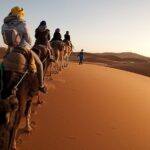
Two things I really like here are the way the tour balances mountain culture with desert spectacle, and how the camp experience is set up to feel like more than just a photo stop. You get a camel trek toward the dunes (or a jeep transfer, depending on what your group does), plus sunset, sandboarding time, and dinner with fire music under the stars.
One drawback to think about: this is a long-drive itinerary. Even though it’s only about 3 days, you’ll be in a shared minibus for plenty of the day, and lunches and most entrance fees aren’t included—so you’ll want to plan for extra spending and energy management.
In This Review
- Key things I’d circle before booking
- The pacing: why 3 days from Marrakech to Merzouga actually makes sense
- Day 1 over the High Atlas: Tizi n’Tichka, Aït Benhaddou, and a Dades Valley evening
- Aït Benhaddou: the UNESCO stop you’ll actually want to walk
- Ouarzazate pass and the Rose Valley detour
- Ending in Dades Valley: riad or hotel, dinner included
- Day 2: Todra Gorge, the Erfoud/Tenjdad stretch, then into Merzouga
- Todra Gorge walk: what to expect
- Erfoud and Tenjdad: quick stops on the way to the desert
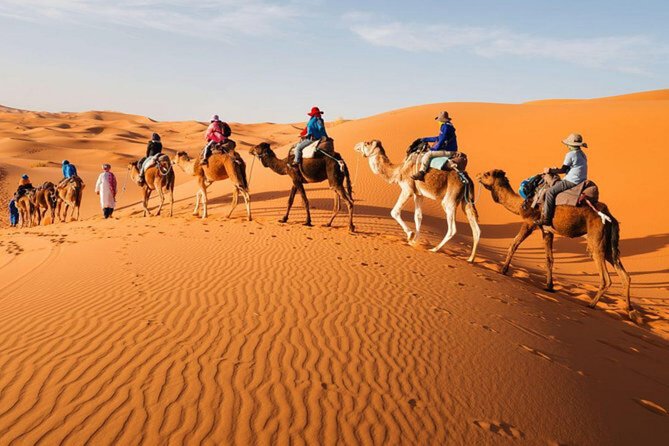
- Arriving in Merzouga: camel trek or jeep transfer to camp
- Erg Chebbi camp: what makes the desert part work (and how to prep)
- Sunset and sandboarding: your “activity block” for the day
- Dinner under the stars and camp vibes
- When you sleep in the desert, dress like you mean it
- Day 3: sunrise over the dunes and the long return to Marrakech
- Mentally preparing for the return day
- Price and value: what $176.43 really covers (and what you’ll pay separately)
- Comfort, group dynamics, and guides: the staff factor
- What your accommodations are like
- Who this tour suits best (and who should rethink it)
- Should you book this Marrakech to Merzouga 3-day tour?
- FAQ
- Where does the tour start and where do you end?
- What transport is used for this tour?
- How many days is the tour, approximately?
- What meals are included?
- Are lunches included?
- Is sandboarding included?
- Do you take a camel to the camp?
- What kind of group size should I expect?
- Is free cancellation available?
Key things I’d circle before booking
- Tizi n’Tichka + photo stops early on, when the Atlas views feel most dramatic
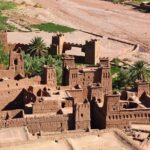
- Aït Benhaddou time to walk around the ksar-style architecture tied to famous films
- Todra Gorge walk after breakfast, with a real canyon feel (not just a quick roadside stop)
- Erg Chebbi sunset + sandboarding, plus dinner and fire music at the camp
- Small group max (17 people), which usually helps the day feel less chaotic in a shared vehicle
- High Atlas return to Marrakech the third day, dropping you back near Jemaa el-Fna
The pacing: why 3 days from Marrakech to Merzouga actually makes sense
This route works because it doesn’t ask you to “choose” between mountains and desert. Day 1 is built to move fast through the High Atlas highlights, Day 2 is the big transition day into Merzouga, and Day 3 focuses on the one thing you’ll remember most: sunrise over the dunes.
I like that it’s a shared minibus tour with a max of 17 travelers. That’s big enough to meet people, but small enough that guides can still manage timing. You’ll also get breakfast and dinners handled in the right places—Dades Valley and the desert camp—so you’re not constantly hunting for meals.
The tradeoff is that the schedule assumes you’re okay with travel-time. If you hate long car days, this might feel like a sprint. But if you like “big highlights, efficiently,” it’s a smart way to do it.
A few more Marrakech tours and experiences worth a look
Day 1 over the High Atlas: Tizi n’Tichka, Aït Benhaddou, and a Dades Valley evening
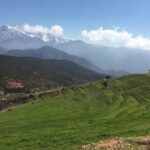
Your day starts in Marrakech with an early pickup near Jemaa el-Fna. Then the real show begins: the drive over the High Atlas Mountains using the Tizi n’Tichka pass. This is one of those routes where photo stops aren’t an afterthought—they’re part of how you experience the scenery. Expect long stretches of winding road, so if you’re prone to motion sickness, it’s worth coming prepared.
Aït Benhaddou: the UNESCO stop you’ll actually want to walk
The highlight on Day 1 is Aït Benhaddou, a UNESCO World Heritage site famous for its ksar-style buildings. Even if you’ve seen it in films, the physical place hits differently when you walk around. You get time to explore the Berber architecture and the structure of the settlement.
This is also a good moment to slow down. The drive is long, but this stop gives your brain a break—stone streets, architecture details, and the sense that you’re in a living historical landscape rather than a viewpoint.
Ouarzazate pass and the Rose Valley detour
After Aït Benhaddou, the route moves toward Ouarzazate—often nicknamed the Hollywood of Africa. In your schedule, you’ll pass through the Ouarzazate area, and there’s mention of a potential kasbah/studio-style visit. Even if you don’t do a deep dive in Ouarzazate itself, the “film location” vibe is built into the drive.
Then you’ll also stop around El Kelaa M’gouna, known as the castle of roses, where the schedule includes cooperatives connected to rose water products. This part is valuable because it’s not just scenery. You’re seeing how the rose-water process works in local production, which gives the trip more texture than only monuments.
Ending in Dades Valley: riad or hotel, dinner included
By late afternoon/early evening, you arrive in the Dades Valley for an overnight stay at a riad or hotel, with dinner included. This matters because it keeps you from having to plan logistics at the end of a long travel day.
The Dades Valley area is known for dramatic rock formations, and just being there—having time to stretch and eat—helps Day 2 feel less like another immediate sprint.
Day 2: Todra Gorge, the Erfoud/Tenjdad stretch, then into Merzouga
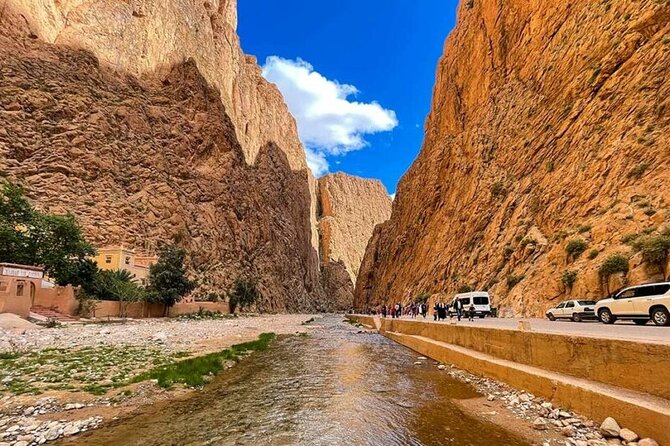
Day 2 begins with breakfast in the Dades Valley, then you jump right into a highlight that’s easy to love: the canyon at Todra Gorge. This is one of those places where even a simple walk inside the gorge gives you a real sense of scale. You’ll get about an hour there, and that’s enough time to feel the tight canyon walls without turning it into a hike marathon.
Todra Gorge walk: what to expect
You’ll have free time around the gorge after breakfast, and the route is built so you can walk into the canyon. The tradeoff is that your time is scheduled—so wear comfortable shoes, and don’t plan on wandering for hours.
Erfoud and Tenjdad: quick stops on the way to the desert
Next, the tour heads toward Erfoud, with passing time around Tenjdad, which is described as a place with fossil shops and/or museums. You’ll also have lunch in Erfoud or nearby, but lunches aren’t included, so you’ll pay out of pocket here.
This is also a good place to manage expectations. These stops are not long museum sessions. They’re designed to break up the drive and add a little local flavor before the big desert moment.
Arriving in Merzouga: camel trek or jeep transfer to camp
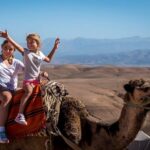
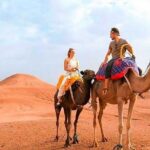
When you reach Merzouga, you check in and then head toward your camp area. Your schedule includes camel trekking or a jeep transfer into the dunes. The difference matters:
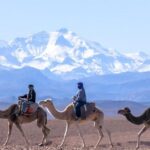
- A camel trek gives you the classic slow move into the sand sea, which feels very symbolic at sunset.
- A jeep transfer tends to be faster and can feel easier if you’re tired from the drive.
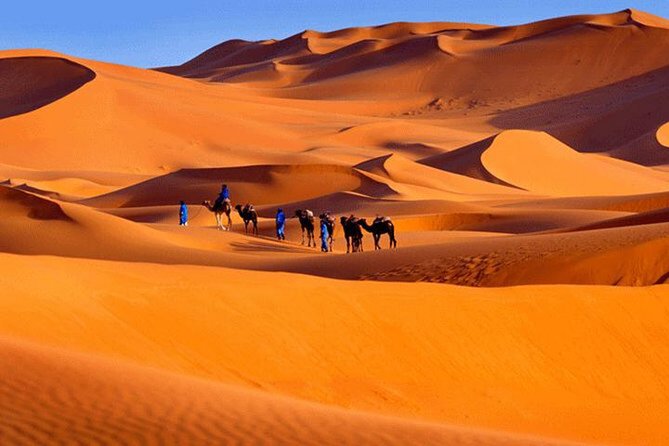
Either way, the point is the same: you’re aiming for the Erg Chebbi dunes experience in the late-day light. Then you’ll enjoy dinner and a night setup that includes party-style fire music and stargazing time.
Erg Chebbi camp: what makes the desert part work (and how to prep)
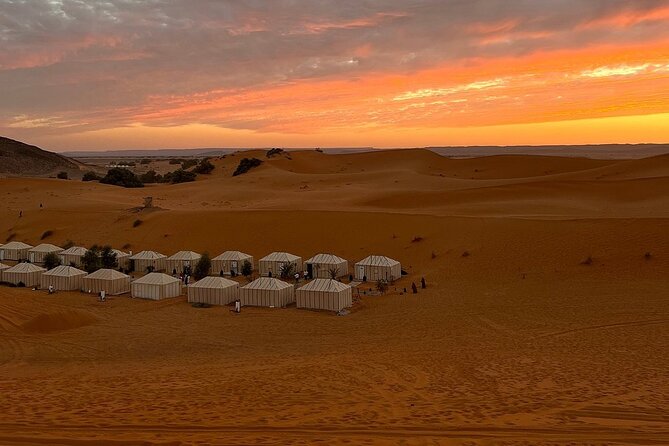
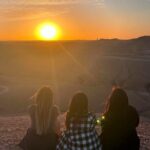
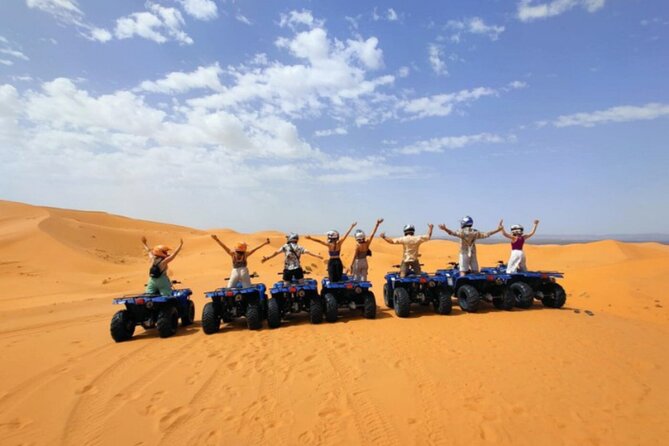
The desert here is centered on Erg Chebbi dunes, where you get the sunset from the biggest dunes of Morocco (as the schedule describes it). This is the heart of the tour, so it pays to be ready.
Sunset and sandboarding: your “activity block” for the day
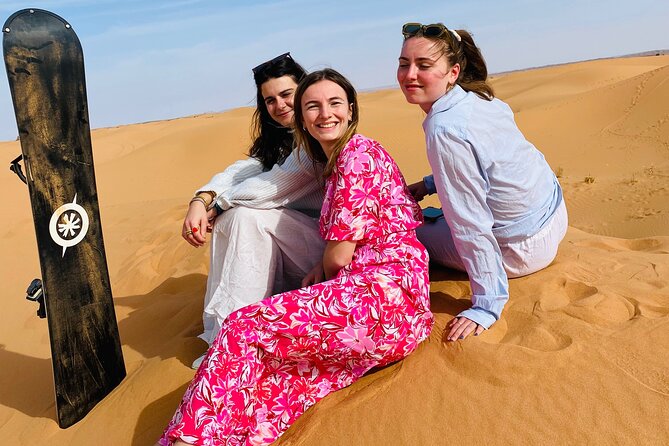
Your camp time includes sandboarding activity, plus exploring the dunes area around the camp. The schedule is set up so you’re not only sitting and watching. You have a chance to play in the sand, which makes the experience feel active rather than just scenic.
A practical note: sand gets everywhere. Even if you’re not doing a full gym workout, think about bringing sunglasses and something to protect your face from grit when you’re climbing dunes.
Dinner under the stars and camp vibes
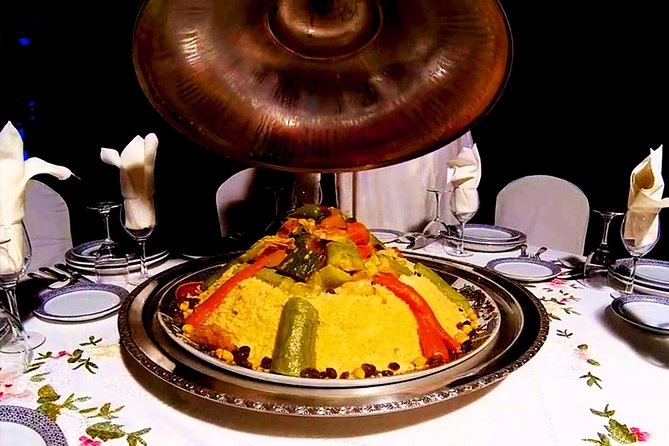
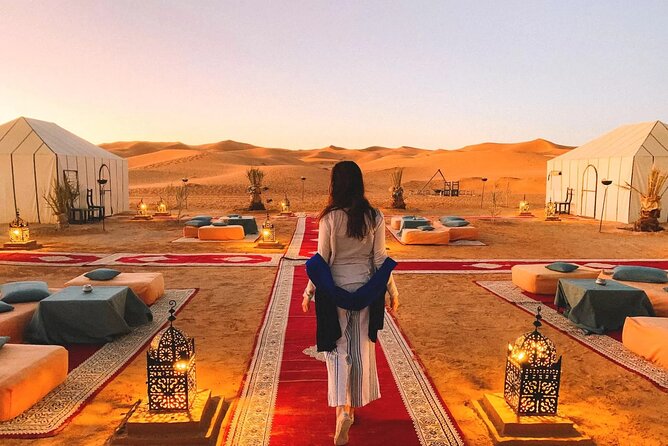
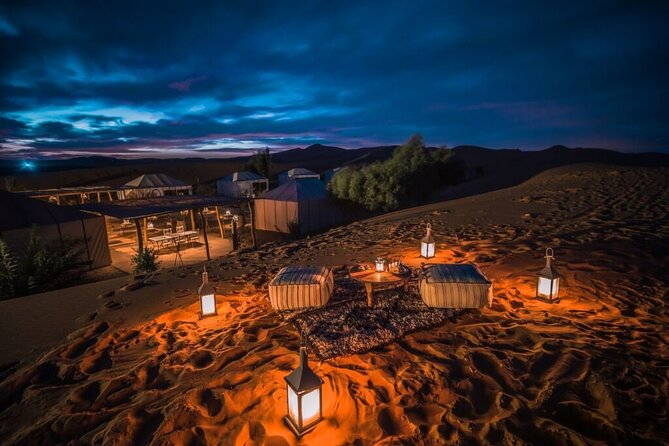
One of the strongest themes from the tour experience is the vibe: people describe the hosts as warm, the staff as friendly, and the camp feeling like a real event. Dinner is included, and the schedule specifically includes fire music and a night atmosphere where you can dance and hang out around the fire.
Also, camps like this are often set up with tents, and multiple people highlighted that the tents can feel convenient and spacious. That’s helpful—because in the desert, you want a place to reset, not a cramped afterthought.
When you sleep in the desert, dress like you mean it
The schedule says you’ll be out at night and then up early for sunrise later. Desert temperatures can swing after sunset. Bring layers you can actually use, not just thin fabric that looks good in a photo.
Day 3: sunrise over the dunes and the long return to Marrakech
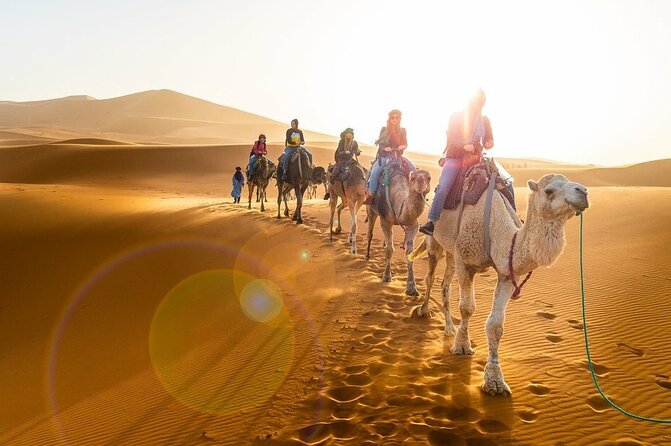
Day 3 starts early again, with an early wake-up so you can see sunrise over the Erg Chebbi dunes. If you’ve only ever seen deserts in daytime heat, sunrise changes the whole mood. It’s quieter, softer, and more “cinematic” than the afternoon crowds you might imagine.
After that, you’ll return to Merzouga and begin the long drive back. The schedule points out the drive is extremely long, and it’s true: you’ll head over the High Atlas Mountains again, returning to Marrakech in the late afternoon and dropping you back near the starting point around Jemaa el-Fna. Lunch is en route, but again, lunches aren’t included.
Mentally preparing for the return day
This is the day you’ll feel most tired. You’ll have already done an early morning and a full desert experience, and then you’ll spend hours on the road. I’d treat this as your “recovery day” in Marrakech—plan to eat something easy, recharge, and avoid booking another heavy tour right after you arrive.
Price and value: what $176.43 really covers (and what you’ll pay separately)
The listed price is $176.43 per person, for an about-3-day group tour from Marrakech to Merzouga. What makes it feel like decent value is that it bundles the logistics you’d otherwise piece together yourself:
- Shared minibus transport and fuel
- Breakfast and dinners in the Dades Valley (including dinner and overnight)
- Merzouga desert camp with dinner and breakfast
- Camel trekking or jeep transfer to the dunes camp area
- Sandboarding activity
- Desert night elements like fire music, plus sunrise/dunes time
What you should budget for:
- Lunches (not included)
- Entrance fees (listed as not included, even though the itinerary labels some stops as free or ticket-free)
- Personal expenses (souvenirs, drinks, snacks beyond included meals)
This is one reason I like tours like this for first-time Morocco visitors: you avoid the “where do I sleep, how do I get there, and who feeds me” chaos. The downside is you’re paying for convenience, not independence—so if you want total freedom, it might not feel like the best fit.
Comfort, group dynamics, and guides: the staff factor
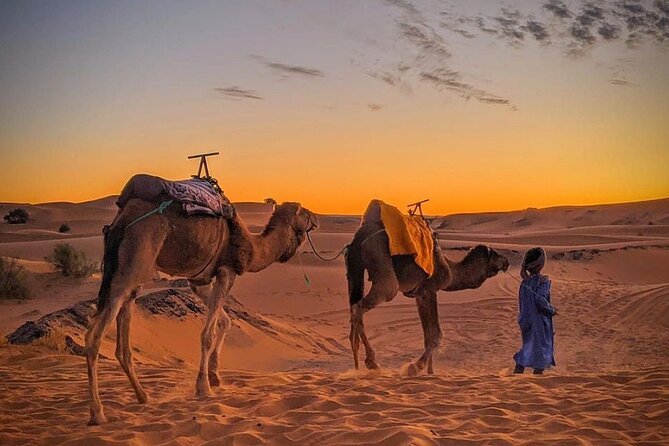
In a desert trip, the guide can make the difference between it feeling organized and it feeling like you’re being herded around. This tour’s standout theme is friendly, attentive hosts. People specifically praised guides named Said and Zaid, describing them as caring and informative, and highlighting that the communication felt smooth.
I also like that the itinerary supports “timing trust.” Several people commented on organization and not having to wait for the next vehicle or transfer. With a schedule this full, that matters.
What your accommodations are like
You’ll sleep in:
- Dades Valley: a riad or hotel, with dinner included
- Merzouga: a desert camp with tents, where breakfast and dinner are part of the package
The big practical point: you’re not going to luxury-spa levels here. But you’re getting the core comfort you need—warm meals, a place to rest, and a camp setup close enough to the dunes to make sunset and sunrise easy.
Who this tour suits best (and who should rethink it)
This 3-day Marrakech to Merzouga tour is a great match if you want:
- A highlights-first trip that covers High Atlas, Aït Benhaddou, Todra Gorge, and Erg Chebbi
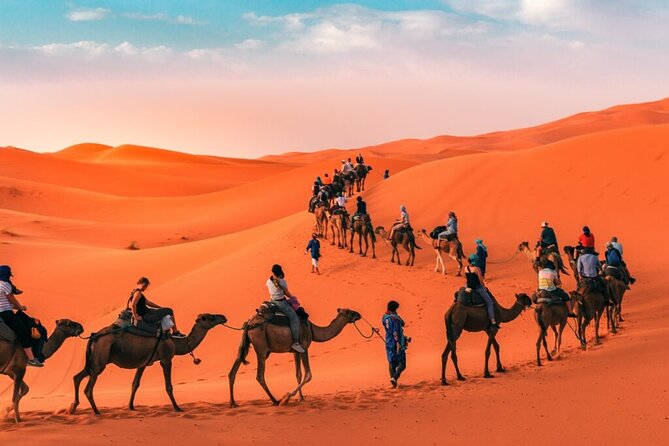
- A desert camp experience with real activities (camel/jeep to dunes, sunset, sandboarding, fire music)
- A manageable group size (max 17) and a guide-led plan that keeps you moving
It might not be ideal if you:
- Hate long driving days and prefer slower travel
- Want a lot of free time in one place (this tour is structured around motion)
- Are on a tight budget for lunches and extra entrance fees
Should you book this Marrakech to Merzouga 3-day tour?
My take: book it if you want the “greatest hits” arc—Atlas mountains first, UNESCO architecture midstream, then the desert payoff with sunset, sandboarding, and a night under stars. The value comes from handling most meals and the desert-camp logistics for you, plus including key activities that you’d otherwise pay for separately.
Skip or compare if you know you’ll struggle with early starts and long road time. Also, plan for extra cash for lunches, since those aren’t included.
If you book, do yourself one favor: pack for two climates (mountain daytime and cooler desert nights), wear comfortable shoes for Todra Gorge, and keep your expectations simple—this is a fast, well-supported route designed to leave you with strong memories, not a slow wander.
FAQ
Where does the tour start and where do you end?
The tour starts at Jemaa el-Fna in Marrakech and ends back at the same meeting point.
What transport is used for this tour?
It’s a shared minibus tour with other travelers.
How many days is the tour, approximately?
The tour lasts about 3 days.
What meals are included?
Breakfast is included, and dinners are included both in the Dades Valley (at your accommodation) and at the Merzouga desert camp.
Are lunches included?
No. Lunches are listed as not included.
Is sandboarding included?
Yes. Sandboarding activity is included in the desert experience.
Do you take a camel to the camp?
The schedule indicates you’ll do camel trekking or a jeep transfer to the camp area in the dunes, depending on the day’s plan for your group.
What kind of group size should I expect?
The group has a maximum of 17 travelers.
Is free cancellation available?
Yes. Free cancellation is offered up to 24 hours before the start time for a full refund. Canceling within 24 hours doesn’t get a refund.