REVIEW · CASABLANCA
7 Day/6 Night Morocco Casablanca To Sahara & Marrakech Tour
Book on Viator →Operated by Morocco First Gate · Bookable on Viator
Desert magic in seven Morocco days. This Comfort-focused route is built around private transportation and stays that keep you off the ground when the roads get long. I especially liked the day that ends with the Erg Chebbi dunes camel experience, plus the hands-on guiding in the medinas—Fez and Marrakech feel like living cities, not checklists. The one thing to keep in mind: admission tickets aren’t included, so a few major sights will add up.
You’ll also get a steady rhythm: city highlights (Casablanca, Rabat, Chefchaouen, Fez, Marrakech), then the slow build toward the desert through Atlas towns and valleys. Pickup is offered, and the tour is private, meaning you’re not squeezed into a bus-full of strangers. If you’re hoping for a slow, lazy trip with zero driving, this probably won’t match your style.
Finally, the value is strongest if you like comfort plus local guidance. With breakfast and two dinners included, you’re not guessing every day what you’ll eat or how you’ll get between stops. At $600 per person for about a week, it can be a good deal—just budget for entries and be ready for a packed but well-paced route.
In This Review
- Key points to know before you go
- Casablanca to the Blue City: where the trip starts strong
- Private transport makes Morocco feel lighter (especially on long driving days)
- Fez el-Bali and Fez el-Jdid: the medina is easier with the right guide
- Volubilis and Meknes: Roman ruins and imperial leftovers
- Toward the Sahara: cedar forests, Ziz palms, and Merzouga mint tea
- Todra Gorge to Dades Valley: pink rock, spring water, and kasbah comfort
- Rose Valley, Ait Benhaddou, and Tizi n’Tichka to Marrakech
- Marrakech highlights: Koutoubia, Bahia Palace, and Saadian Tombs
- Price, meals, and tickets: how to budget without surprises
- Who should book this tour (and who might not love it)
- Should you book Morocco First Gate’s 7-day Casablanca to Sahara and Marrakech tour?
- FAQ
- Where does this tour start and end?
- How long is the tour?
- Is pickup included?
- What does the tour cost?
- Are meals included?
- What desert experience do you get?
- Are sightseeing entrance fees included?
- What if the weather is poor?
Key points to know before you go
- Private transportation, private pacing: you travel as your group, not as a free-for-all.
- Chefchaouen riad night: spend the night in the blue city’s Medina instead of just passing through.
- Fez with a guide, not a random wander: the medina feels huge until someone helps you see it.
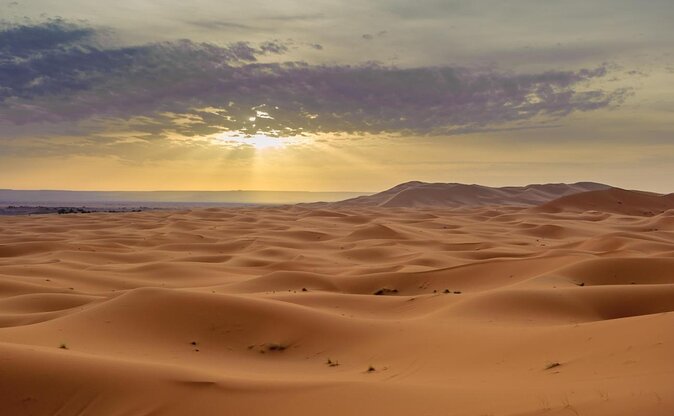
- Merzouga dunes camel night: mint tea, luggage drop, and a camp stay in Erg Chebbi’s sand.
- UNESCO hit plus high-pass views: Ait Benhaddou and Tizi n’Tichka are both part of the same arc toward Marrakech.
- Comfort accommodations across different regions: from riads to kasbah-style stays, you don’t repeat the same hotel vibe.
Casablanca to the Blue City: where the trip starts strong
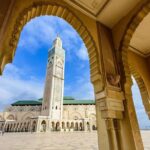
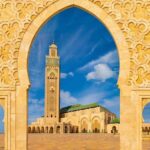
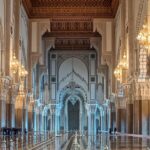
I like tours that begin with a sense of place, and this one does. It starts in Casablanca with a stop at Hassan II Mosque before heading onward, so you see modern Morocco’s scale right away. Then you roll toward Rabat for a quick, easy stop—listed as free—before you reach Chefchaouen.
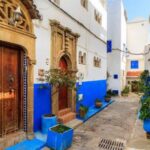
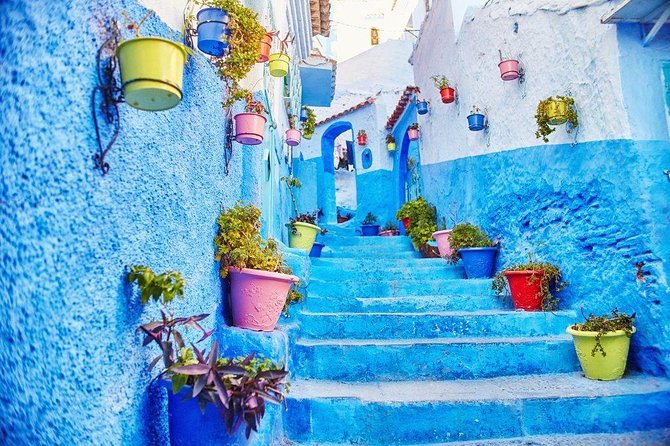
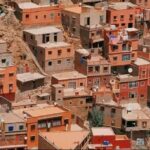
Chefchaouen is all about mood. Even if you’ve seen photos, being inside the blue-painted streets changes how you feel—cool shadows, tight lanes, and that medina-hill energy. You also get an overnight in an authentic riad in the Medina. That matters because the city is different in daylight versus evening, and you’ll have time to wander when tour buses thin out.
A small note for planning: the Hassan II Mosque admission is not included. That’s normal for major sights, but it’s worth factoring into your daily budget so you’re not doing math on the spot.
You can also read our reviews of more evening experiences in Casablanca

Private transport makes Morocco feel lighter (especially on long driving days)
Morocco is the kind of country where distances can surprise you. What makes this tour feel comfortable is the private transportation and the fact that you’re not spending your energy negotiating segments, taxis, or transfers. You’re still in a moving vehicle most days, but the stops are built in, and the route is structured enough that you can rest without losing the day.
This is also a private tour/activity, so it’s only your group. The itinerary is active, but the logistics are meant to stay sane: pickup is offered, and you’ll have local guidance where it really counts.
The main drawback is simply pace. You’ll be awake early on a few days and you’ll travel a lot between highlights—especially when you’re moving from Fez toward the Sahara. If your dream Morocco trip is mostly walking and slow cafés, plan on adjusting your expectations.
Fez el-Bali and Fez el-Jdid: the medina is easier with the right guide
Fez is one of those cities that can overwhelm you fast. The lanes are narrow and the medina feels like it keeps expanding the deeper you go. That’s exactly why I like that this tour includes city guiding in Fez—you get structure, context, and you’re less likely to miss the best sights.
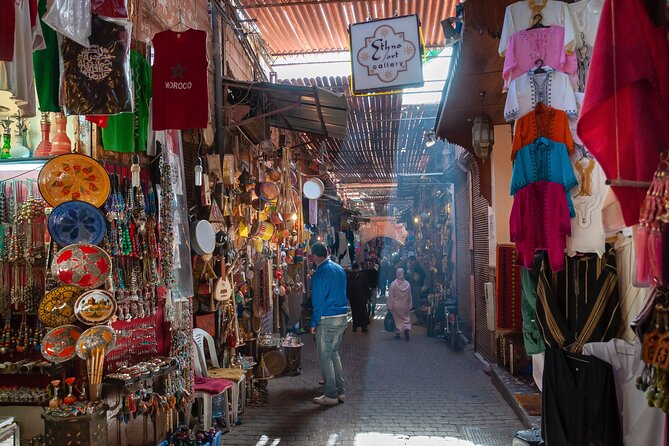
You’ll start in Fes el-Bali, with time around the old walled city. Key stops include the Royal Palace gate area, plus the Mellah (the historic Jewish quarter). The medina’s scale is the point here: walking through those streets tells you how old Fez works, and the guide helps you connect what you see with how people lived there.
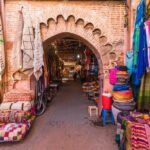
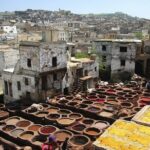
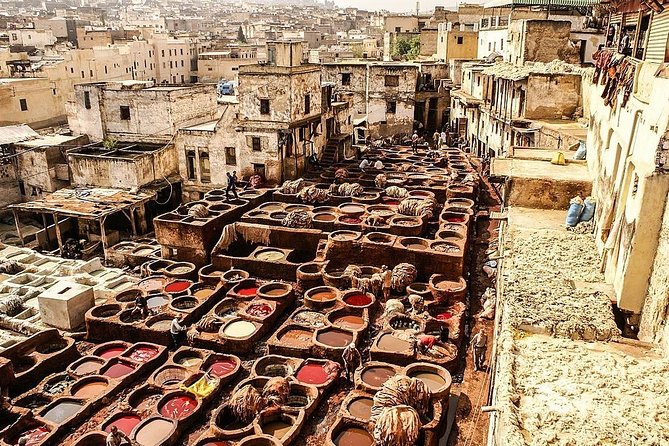
Then comes Fes el-Jdid, which feels different in tone even though it’s still Fez. You’ll pass artisan quarters—brass, copper, and wedding adornment souks—and you’ll have time around the famous tannery. One of the best parts is having a viewpoint, so you can actually make sense of the process without trying to crowd into the most chaotic spots. The day also includes stops tied to spiritual and educational life, including Moulay Idriss II’s Mausoleum and Al Karaouine University area.
Admission tickets here are not included, so you’ll want to carry a bit of cash and be ready to pay for entry to specific sites as you go.
Volubilis and Meknes: Roman ruins and imperial leftovers
Some people rush past Northern Morocco sights. I don’t. This route gives you a day that blends Roman history with the kind of imperial architecture Morocco does so well.
You start with Volubilis, a UNESCO site and one of the best-preserved Roman ruins in the region. Walking through those old bathhouses and mosaic floors gives you a rare before-and-after feeling—how an empire’s everyday spaces still show through centuries later. You also get guided time, which helps you read the ruins instead of just photographing them.
Next comes Meknes, with time around Bab Mansour, the ornate gate built in the 18th century. Then you’ll move through imperial landmarks tied to Sultan Moulay Ismail. The highlights include the Mausoleum of Moulay Ismail and Heri Es Souani, which was used as a massive stable and granary for thousands of horses (the scale is part of the story).
This day is a good balance if you like variety: it’s not just markets and palaces. It’s a “how different civilizations left marks” day.
Toward the Sahara: cedar forests, Ziz palms, and Merzouga mint tea
The road from Fez toward the Sahara can be stunning if you know where to look. This route builds in those “wait, what just changed?” moments. You travel through areas like Ifrane—known for its cedar forests—and then over the Middle Atlas region toward desert-edge valleys.
You’ll have scheduled stops around Midelt and along the Ziz route, including views through the Ziz valley with palm oases and the dramatic Ziz gorges. The scenery shifts as you go, and that’s the point: the land gradually becomes more arid, more dune-like, more desert in character.
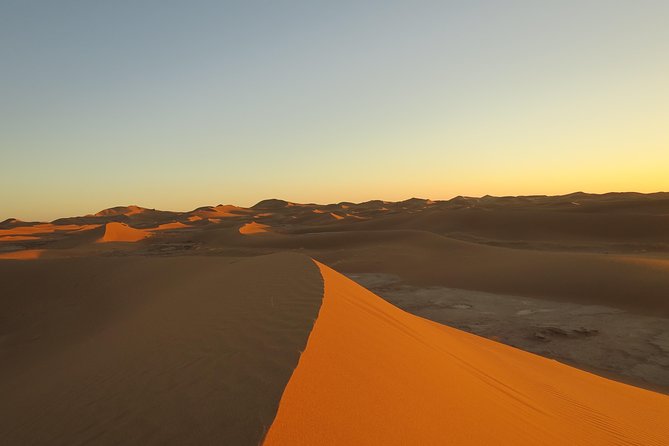
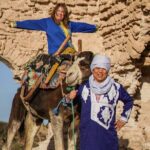
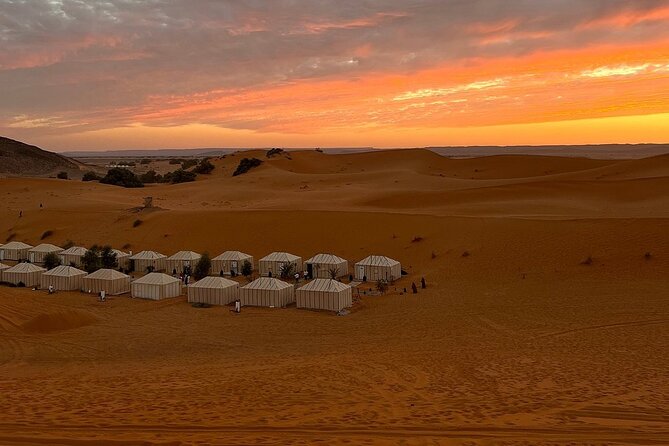
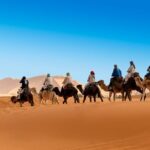
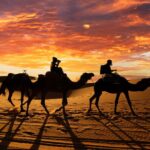
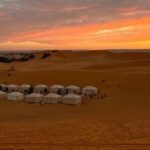
Then you reach Merzouga. The desert moment starts with something simple: mint tea. After that, you’ll leave luggage in a room and head out by camel toward a Berber luxury camp in the middle of the Erg Chebbi sand dunes. The camel trek is listed as about 1 hour from the hotel to the camp, and the dunes are described as some of the highest in North Africa.
Even if you’ve done camel rides before, this format usually feels special because it’s not just transportation—it’s how the desert night begins.
A few more Casablanca tours and experiences worth a look

Todra Gorge to Dades Valley: pink rock, spring water, and kasbah comfort
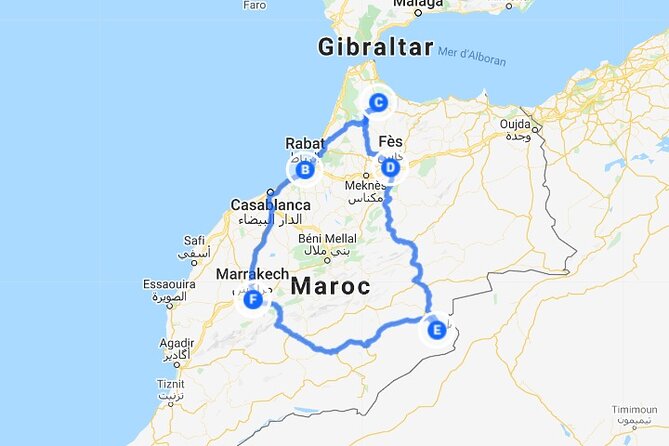
After the desert camp experience, the trip pivots back to rock and river cuts. You’ll start your day with sunrise and breakfast, then rejoin the car to head toward Todra Gorge along the Road of a Thousand Kasbahs.
Todra Gorge is one of those places where scale hits you quickly. The walls rise high, and springs of water run between the rocks, which makes the area feel alive rather than just dramatic. You’ll do a short exploratory walk into the gorge—good length for photos and fresh air without turning the day into a long hike.
Then you continue through the Dades Valley to dinner and an overnight in a kasbah hotel. This is one of the tour’s comfort wins. You’re not sleeping in the same type of place twice—you get a different atmosphere after the sand—and the kasbah-style setting fits Morocco’s visual language.
Rose Valley, Ait Benhaddou, and Tizi n’Tichka to Marrakech
Day by day, this tour keeps building toward the dramatic end stretch. You move through El Kelaa M’Gouna, described as the Valley of Roses and a center for Moroccan rose products. Even if you’re not buying anything, it’s a nice change from stone and sand—more scent and color in the air.
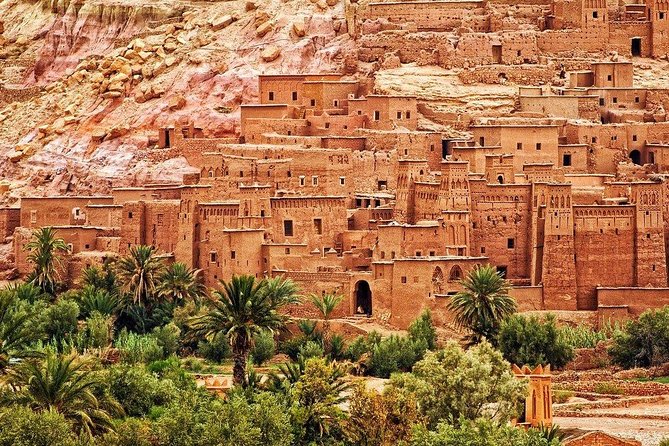
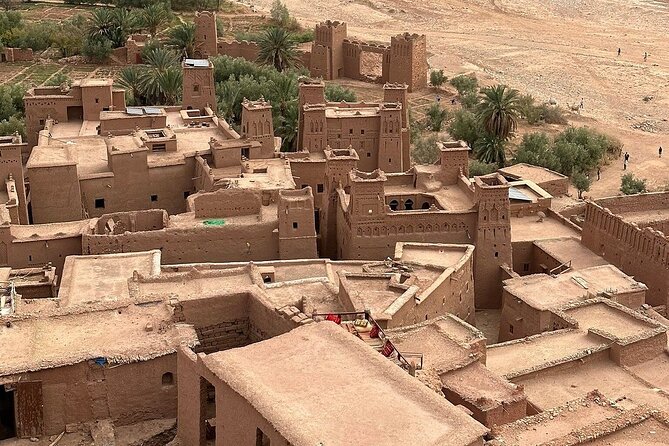
From there, you drive via the Road of a Thousand Kasbahs, including the Skoura palm oasis to Ouarzazate. Lunch is scheduled in Ouarzazate, and then you visit Ait Benhaddou, a UNESCO protected site. This is the Morocco people recognize from films—but the real value is standing there in person and seeing how the kasbah layout works with the hills and defenses.
Then comes the high point of the drive: crossing Tizi Tichka Pass at about 2260 meters. Even if you’re tired, the views tend to slow everyone down. Berber villages and mountain valleys show up in layers as you climb.
By sunset, you arrive in Marrakech. Dinner and night are at a hotel or riad, depending on the option you select. After the previous days, Marrakech feels like both a celebration and a reset.
Marrakech highlights: Koutoubia, Bahia Palace, and Saadian Tombs
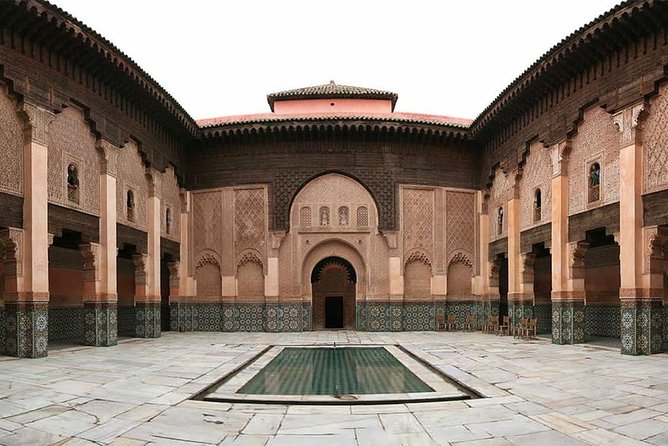
Marrakech can be loud. This tour focuses your first full day with guide-led highlights, which helps you avoid getting lost in the noise.
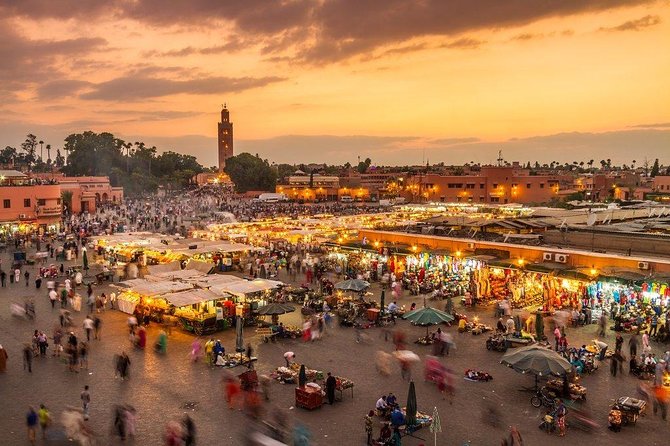
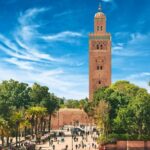
You’ll start near Koutoubia Mosque, a landmark that’s inspired other buildings across Spain and Morocco region-wide. Next are the Bahia Palace and the Saadian Tombs. These two stops complement each other: one gives you palace architecture and design, the other gives you a more contained, story-driven visit.
This is where having guiding matters most. Marrakech is easy to see but harder to understand on your own—so you’ll spend time learning what you’re looking at, not just where to stand for photos.
Then on the last day, you get a transfer from Marrakech back to Casablanca. That’s a practical finish if you’re continuing your Morocco trip, flying out, or just want your final night back near the starting point.
Price, meals, and tickets: how to budget without surprises
At $600 per person for about 7 days, the value comes from the “big-ticket” items being handled: private transportation, accommodations (if you choose the hotel option), city guiding in Fez and Marrakech, and a local guide in Ait Benhaddou. You also get breakfasts for 6 days and two dinners.
What isn’t included is just as important. Entry/admission to sightseeing is not included, and the route lists several stops where tickets are not included. That usually means you’ll pay for things like major mosques and specific historical sites as you go. Even if some stops are marked free, the big names often carry entry fees.
My simple budgeting advice: assume you’ll pay for major entrances on at least a couple days, then plan lunch on your own when meals aren’t included. Also keep some cash ready for small purchases and snack stops. If you’re traveling in a group, agree early on a comfortable spending style so nobody feels stuck later.
Who should book this tour (and who might not love it)
This tour fits best if you want Morocco’s highlights without turning your trip into a logistics project. If you’re a first-timer, a couple, or a family that wants the desert night but also cares about comfort after long drives, you’ll probably enjoy this route.
It’s also a good match if you like guided time in key cities. Fez and Marrakech are too big to “wing” perfectly, and the tour includes guidance where it matters. The desert portion is timed and structured too, so you’re not scrambling once you reach Merzouga.
The trade-off is intensity. You’ll spend a lot of hours traveling, and the schedule is built around seeing a lot in a short window. If you dislike early starts or you want more free time for slow café life, consider a slower itinerary instead.
One more practical note: the experience says it depends on good weather. If conditions are rough, you may be offered another date or a refund.
Should you book Morocco First Gate’s 7-day Casablanca to Sahara and Marrakech tour?
If your dream Morocco trip includes Chefchaouen’s Medina night, Fez with real guidance, and a Sahara night near Erg Chebbi, then this tour is worth strong consideration. The comfort-first approach, plus the fact that breakfast and two dinners are included, makes the trip easier to manage day-to-day than a do-it-yourself plan.
I’d especially book this if you want a clean mix of cities, UNESCO sights, and desert time, without sacrificing sleep and meals. Just budget for admission tickets, and be ready for long travel days as the route moves from the Atlantic to the dunes to Marrakech.
If you’re still on the fence, here’s the quick decision rule: if you want to see lots of Morocco in one week and you’re okay paying a bit extra for entrances, book. If you want slow and flexible more than you want dense highlights, you may feel rushed.
Cancellation note (quick and practical): you can cancel up to 6 days in advance for a full refund, and weather issues can trigger a date change or refund.
FAQ
Where does this tour start and end?
The tour is based in Casablanca. It includes pickup at your hotel in Casablanca area on the first day, and on the last day it includes a transfer from Marrakech back to Casablanca.
How long is the tour?
It runs for 7 days (about 6 nights).
Is pickup included?
Pickup is offered.
What does the tour cost?
The price listed is $600.00 per person.
Are meals included?
Breakfast is included for 6 days, and dinner is included for 2 evenings. Meals other than those are not included.
What desert experience do you get?
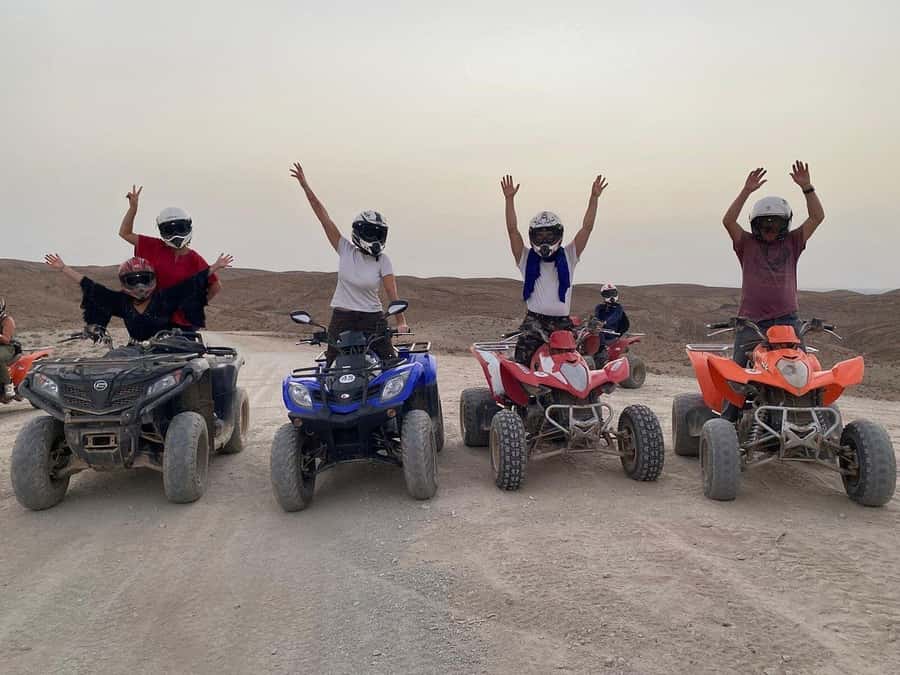
In the Merzouga portion, the plan includes a camel trek (about 1 hour) from Merzouga to a Berber luxury camp in the Erg Chebbi dunes, with an overnight at the camp. The overall tour description also notes an overnight desert option that can be done by camel or 4×4 safari depending on selection.
Are sightseeing entrance fees included?
No. Entry/admission to sightseeing is not included, though some stops are listed as free.
What if the weather is poor?
The experience requires good weather. If it’s canceled due to poor weather, you’ll be offered a different date or a full refund.