REVIEW · MARRAKECH
Moroccan Cooking Class with Market Visit and Meal
Book on Viator →Operated by Next Stop Morocco · Bookable on Viator
Spices have a story, and you learn it fast. The market-to-table setup makes this more than a cooking show: you pick ingredients and spices with guidance, then cook them into a full meal.
I really like the format—hands-on instruction in a spacious riad kitchen, followed by sitting down to enjoy what you made in a Moroccan salon. The three-course menu (salads, tajines or couscous, and dessert) gives you practical wins you can actually repeat later.
One thing to consider: this is a 4-hour, small-group class focused on traditional flavors and technique, so if you dislike spice-forward food or want a slow, quiet experience, you may find the pace a bit energetic.
In This Review
- Key highlights at a glance
- Entering Flavors of Marrakech: the start that sets the tone
- Market visit in Marrakech: choosing spices the smart way
- Cooking in a spacious riad kitchen: what “family recipes” means in practice
- The three-course menu: salads, tajines or couscous, and dessert
- How the chefs teach technique (and how to take it home)
- Eating in a Moroccan salon: the part people underestimate
- Price and value in Marrakech: what $38.72 buys you
- Group size, timing, and logistics that actually matter
- What to pack and what to expect on the day
- Who should book this Moroccan cooking class in Marrakech?
- Should you book it?
- FAQ
- Where does the Moroccan cooking class start?
- How long is the experience?
- Is there a market visit?
- What time options are available?
- What does the price include?
- What’s the group size limit?
- Do I get recipes to take home?
- What’s the cancellation policy?
- What should I bring?
Key highlights at a glance
- Market visit for ingredient and spice picking, including Ras El Hanout and saffron
- Spacious riad kitchen setup designed for hands-on chopping and cooking
- Three-course Moroccan meal built around classic dishes like tajines and couscous
- Eat in a Moroccan salon, not just stand around tasting
- Digital recipe booklet plus the option to buy spices to take home
- Small group size (max 12) for more interaction with the chefs
Entering Flavors of Marrakech: the start that sets the tone
This class starts at Flavors of Marrakech on Rue Fatima Zahra in Marrakech, and it wraps back at the same meeting point. That’s helpful if you’re trying to keep your day simple. You’ll usually get confirmation at booking, and you’ll use a mobile ticket for the experience.
The whole event is designed as a morning or evening rhythm. Morning sessions include the market stop, while the cooking-and-meal portion centers on the riad kitchen and dining time. Either way, expect a focused 4-hour block where you’ll cook, learn, and eat without needing to manage multiple addresses or long transfers.
You can also read our reviews of more shopping tours in Marrakech
Market visit in Marrakech: choosing spices the smart way

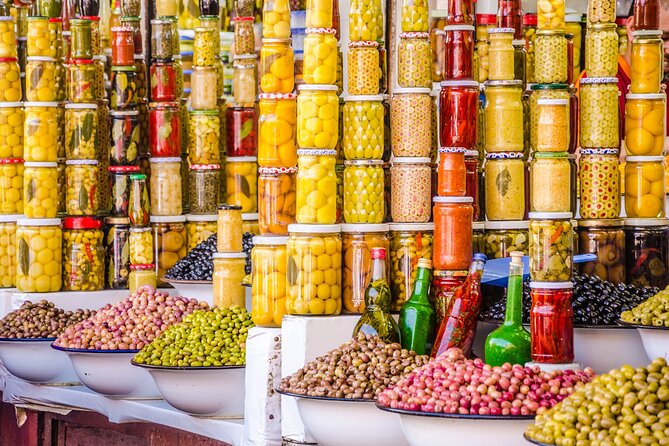
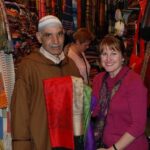
If you book the morning session, you’ll begin with a guided visit to a local market. This is where the experience becomes practical, because you’re learning how ingredients actually get selected—by smell, look, and freshness cues that most people miss when they only shop for souvenirs.
This class spotlights iconic spices like Ras El Hanout and saffron, plus staples such as cumin and paprika. That matters because Moroccan cooking is built on layers of seasoning. Knowing what to look for helps you stop thinking of spices as a single jar and start thinking of them as part of a flavor system.
Here’s what this type of market lesson is good for when you’re traveling: you can buy with confidence later. If you pick up spices after the class, you’ll know which ones should smell warm and aromatic (and which ones may be older or weaker). You’ll also understand why some dishes taste complex even when you’re using a simple ingredient list.
Cooking in a spacious riad kitchen: what “family recipes” means in practice
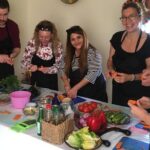
After the market (morning only), you head to the kitchen. The setting is a spacious, well-equipped riad kitchen, which is a big deal. Cooking classes in tiny spaces can turn into elbow-to-elbow chaos. Here, the layout supports actual technique work: chopping, seasoning, and cooking in real time.
The menu you’ll make is described as coming from authentic family recipes. That doesn’t just mean style—it usually means you’re taught the “why” behind common steps, like how to season in stages, how to manage timing, and how to balance salty, sweet, and spice notes without guessing.
You’ll cook with guidance from local chefs, and you’ll also hear stories about Moroccan food culture and hospitality while you work. That part can be surprisingly useful. When you understand the cultural logic behind dishes—what’s served when, and how flavors are meant to land—you’re more likely to remember technique instead of just following a recipe once.
The three-course menu: salads, tajines or couscous, and dessert
One of the smartest parts of this experience is that it’s not a single-dish workshop. You’re building a full meal, three courses at a time, using Moroccan staples.
You can expect:
- Salads as a starter (helpful because they teach freshness and seasoning balance)
- Tajines and/or couscous as a main (where spices and cooking method come together)
- Desserts to finish (so you learn the Moroccan approach to sweetness and texture)
Even if you don’t cook at home often, this structure gives you a clear mental map of Moroccan flavors: bright and seasoned at the start, deeper and spiced in the main, and then sweet to close.
It’s also a practical benefit for buying spices. When you’ve used Ras El Hanout and saffron in a real dish, you can later recognize what those spices add. You stop treating them like mystery powders and start seeing them as specific flavor tools.
How the chefs teach technique (and how to take it home)

This class focuses on technique: chopping, seasoning, and cooking. The guidance matters because Moroccan cooking isn’t just about having the right ingredients—it’s about timing and the order you build flavor.
As you cook, you’ll learn along the way through conversation and step-by-step coaching. That’s especially valuable for things that are hard to copy from a cookbook, like knowing when spices have toasted enough, or how to adjust seasoning so the dish tastes finished rather than flat.
Here’s how I’d suggest you “work the class” to maximize value:
- Watch the way the chef seasons, not just what they use.
- Ask questions when you’re in the action step, not after the dish is already plated.
- Take a couple of notes on smell and texture cues; those are the details that stick.
Afterward, you’ll get a digital recipe booklet. A printable guide helps you rebuild the menu later without needing to guess quantities from memory. Since the class gives both the hands-on cooking and a written reference, it’s a strong combo for learning.
A few more Marrakech tours and experiences worth a look

Eating in a Moroccan salon: the part people underestimate
Cooking is only half the story. The other half is eating in a Moroccan salon where your table is set and you enjoy what you made. This is the “market-to-table” payoff: you start with ingredients, you transform them in a riad kitchen, and then you actually taste your results in a calm, proper setting.
This dining element also changes the learning experience. When you eat what you cooked, you notice the final balance—salt, spice heat, sweetness, and acidity—so the technique lessons make more sense. Instead of thinking the class was just about production, you realize it’s also about understanding flavor outcomes.
It’s family-style in feel, and the group size is capped at 12. That usually helps the atmosphere: you can talk with others without losing your chef time, and the meal doesn’t feel like an assembly line.
Price and value in Marrakech: what $38.72 buys you
At $38.72 per person for about 4 hours, the value depends on what you want to get out of Marrakech.
For me, the price is reasonable because you’re paying for three real things:
- Guided ingredient and spice selection at the market
- Hands-on cooking instruction in a riad kitchen
- A full sit-down meal (three courses), plus a digital recipe booklet
You’re not paying like a luxury tasting menu. You’re paying for a learning experience that includes the ingredients being used and the time spent teaching you how to cook them.
Booking demand is also a clue: on average it’s booked about 28 days in advance, so if you want a specific morning or evening slot, you’ll do better by reserving earlier rather than waiting until you’re already tired from wandering the medina.
Group size, timing, and logistics that actually matter
This is limited to a maximum of 12 travelers, which tends to improve interaction with the chefs. In a class that involves chopping and seasoning, that matters more than people think. Smaller groups can mean less waiting and more chance to get quick corrections.
Timing-wise, you can choose:
- Morning session at 10:30 am (includes the market visit)
- Evening session at 5:30 pm (market is not part of this one)
Each runs about 4 hours. That’s a good length if you want a strong activity without burning an entire day. It also fits well as a mid-trip highlight—something you can plan around for energy, since cooking tends to be more hands-on than watching.
Your location is also practical: the meeting point is near public transportation, and the activity ends back at the start. You won’t need to reorganize your evening or find your way back across town at the end.
What to pack and what to expect on the day
This is a cooking class in a riad kitchen, so wear something comfortable and easy to move in. You’ll likely be standing for parts of the prep and cooking, so skip anything that restricts your stride or makes it hard to roll up sleeves and wash hands.
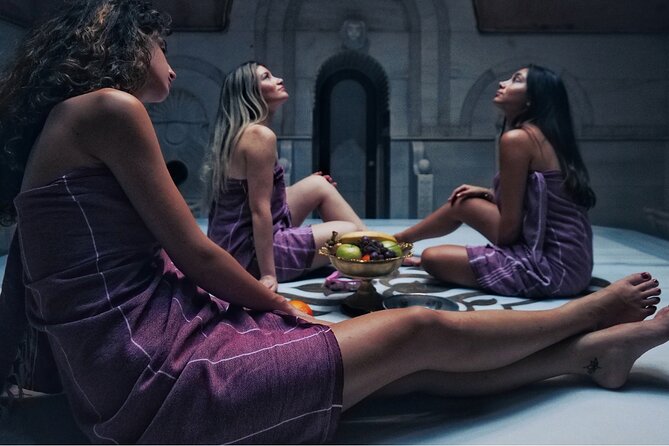
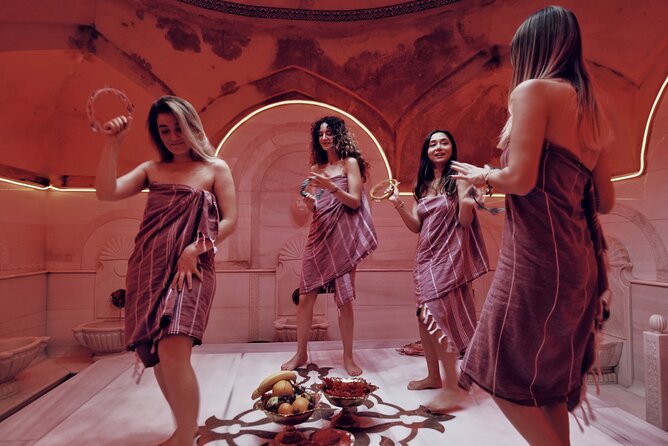
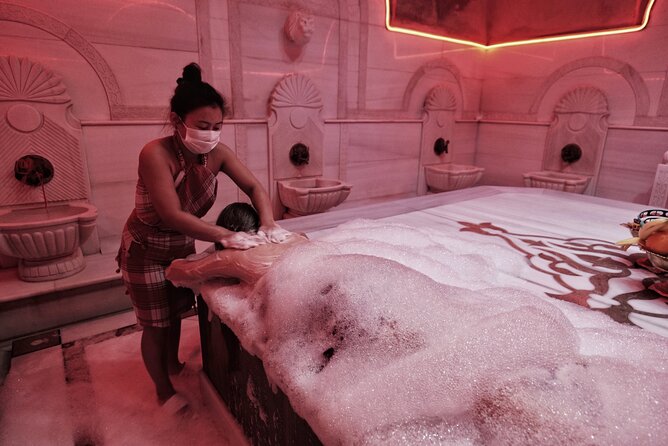
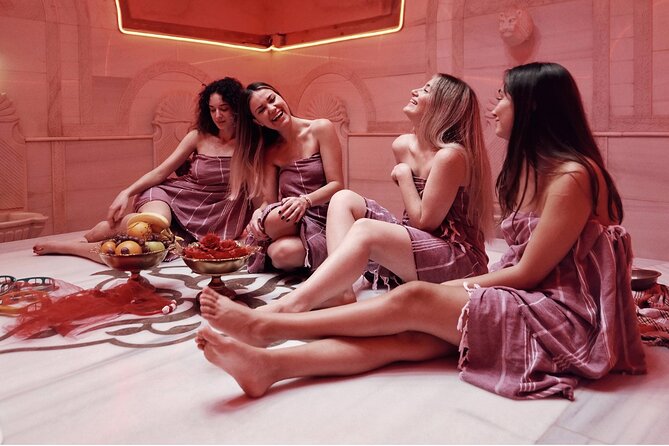
One note in the provided additional instructions asks you to bring a swimsuit and a clean one for use after a hammam (for men and women). Because this class is described as a market visit and meal, I’d strongly recommend checking your booking details when you confirm, so you don’t show up confused. If your version of the experience includes a hammam component, you’ll be glad you packed.
Finally, expect spices. Dishes include Ras El Hanout, saffron, paprika, cumin, and more. If you’re sensitive to heat or heavy spice aromas, plan to tell yourself to sample carefully at first, because Moroccan flavor is often layered rather than mild.
Who should book this Moroccan cooking class in Marrakech?
Book this if you want:
- A market-to-table experience where you learn shopping skills, not just cooking steps
- Hands-on Moroccan cooking practice with a real end-to-end meal
- A small-group class where you can ask questions and eat in a proper setting
- A souvenir that isn’t just a bottle of oil, but a cooking process you can repeat
Skip it if you’re:
- Looking for a high-gloss, luxury-only experience with no hands-on prep
- Hoping for a long, slow tour with lots of free time
- Not into spice-forward dishes (the menu is built around classic Moroccan seasoning)
Should you book it?
If you’re in Marrakech and you want one day where food culture becomes something you can do with your hands, I’d book this. The mix of market learning, riad-kitchen coaching, and a sit-down three-course meal is a strong use of your time for the money. The small group size also makes it feel less like a crowd event and more like a focused class.
Just be mindful of the spice-forward style and check your confirmation details if you see the swimsuit/hammam note attached to your booking.
FAQ
Where does the Moroccan cooking class start?
It starts at Flavors of Marrakech, Rue Fatima Zahra, Marrakech 40000, Morocco, and it ends back at the same meeting point.
How long is the experience?
The class lasts about 4 hours.
Is there a market visit?
Yes, the market visit is included in the morning session.
What time options are available?
There are two sessions: 10:30 am (morning) and 5:30 pm (evening).
What does the price include?
The price is $38.72 per person and includes the guided market visit (morning only), cooking, and the meal you prepare.
What’s the group size limit?
The experience has a maximum of 12 travelers.
Do I get recipes to take home?
Yes, you receive a digital recipe booklet, and you can also purchase spices to take home.
What’s the cancellation policy?
Free cancellation is available. You can cancel up to 24 hours in advance for a full refund; within 24 hours, the amount paid isn’t refunded.
What should I bring?
The additional info provided for the experience says to bring a swimsuit and a clean one to use after a hammam for men and women.