REVIEW · MARRAKESH
Marrakesh: Toubkal National Park Mountain Bike Trip w/Lunch
Book on GetYourGuide →Operated by Marrakech Day Trips - Tours · Bookable on GetYourGuide
Atlas Mountains by bike beats most day trips. You get the best kind of Morocco day: Berber villages on the way down, plus a mint tea pause at a high pass with views that make stopping feel necessary. I love how active it is without being random—your guide keeps you moving and gives context on what you’re seeing. My favorite part is the off-road feel, with fast single-track and donkey-track sections that turn the day into real adventure. One consideration: in colder months, snow or ice can affect how far you go and how the trail rides.
You’ll also get a cultural stop that’s more than a photo stop: an argan oil cooperative where women crack argan nuts by hand. And at 1600 meters, your picnic lunch by the river is the kind of reset your legs quietly beg for. Guides like Kamal and Jamal are mentioned for being patient and safety-minded, which matters when you’re on loose gravel and rocky off-road.
The day is full, and the timing can feel long. You’ll get hotel pickup and drive to Imlil, then ride for hours before meeting the driver in Asni—so plan for a workout day, not a casual stroll. If your hotel is in the medina and car access is tricky, you may need to meet at Jemaa el Fna, which is easy to find but worth confirming.
In This Review
- Key highlights to expect on this Toubkal MTB day
- From Marrakesh to Imlil: the start that sets the tone
- The climb and the mint tea stop at the 2300m pass
- Village descents in the High Atlas: where the day turns fun
- Imnane Valley single-track and the riverbed lunch reset
- Argan oil cooperative visit: seeing work done the old way
- Guides, safety, and choosing your own effort level
- How long and how intense is it, really?
- Pickup and timing tips that prevent day-trip frustration
- What to bring for an Atlas MTB day
- Price and value: what $68 includes (and what it doesn’t)
- Should you book this Toubkal National Park mountain bike trip?
- FAQ
- How long is the mountain bike trip from Marrakesh?
- What is included in the price?
- Is lunch included, and what does it look like?
- What languages is the guide available in?
- How big is the group?
- Do I need to bring soft drinks or snacks?
- What should I pack for this trip?
- Where does pickup happen in Marrakesh?
- Is it cancellable if my plans change?
Key highlights to expect on this Toubkal MTB day
- High Atlas start in Imlil: fitted with a bike and safety gear before you ride out
- Mint tea at the pass: a scheduled pause around 2300 meters
- Village descents through Tachedirt, Tamguist, and Amssakrou: real Berber valley riding
- Imnane Valley single-track: a couple of hours of off-road riding toward the riverbed
- Picnic lunch by the river at about 1600 meters: long, legs-up recovery time
- Argan oil cooperative stop: see women crack argan nuts by hand
From Marrakesh to Imlil: the start that sets the tone
This tour is designed around one simple idea: get you out of the city and into the High Atlas Mountains fast, then make the ride the main event. You’ll be picked up from your hotel in Marrakesh, and if you’re tucked into the medina where cars can’t go, you’ll likely meet at Jemaa el Fna so the driver doesn’t waste time in narrow streets.
After the short transfer, you’ll disembark in Imlil, where you meet the local adventure guide. This is where the day becomes more than sightseeing. You get fitted for a bike and safety equipment, then you’ll hear an orientation of the area and a safety briefing before you start moving.
I like that the guide starts you with a workable warm-up: the first climb isn’t the steepest thing you’ll do, but it’s enough to check your bike and get your legs firing. It’s a smart way to settle nerves, especially if you don’t ride off-road much.
Also, small group size (limited to 10 people) keeps the pace more personal. You won’t feel like you’re stuck waiting for a giant conga line whenever the trail narrows.
You can also read our reviews of more cycling tours in Marrakesh

The climb and the mint tea stop at the 2300m pass
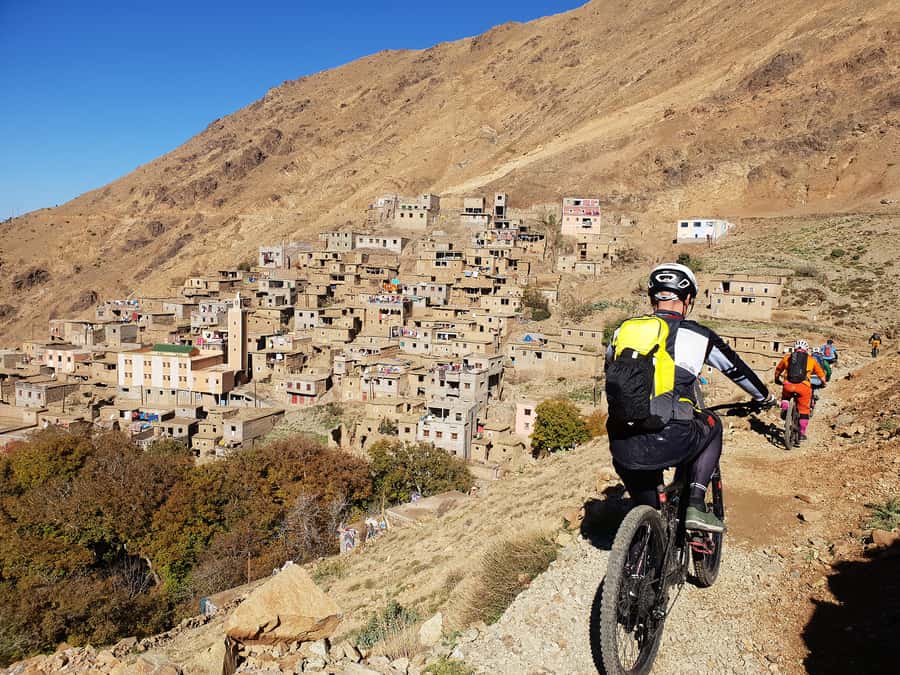
Once you start climbing out of Imlil, it’s not a brutal grind from minute one. Think of it as a controlled push—enough to put pressure on the pedals and make sure everyone is comfortable and the bikes are behaving.
At the top of the pass, around 2300 meters (the tour notes a specific GPS point), you’ll usually stop for mint tea and biscuits. This is more than a snack break. It gives you a moment to breathe, check gear, and take in the mountain views before the real fun begins.
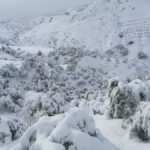
In colder months, trail conditions can change. One rider noted that snow or ice on the ground prevented them from reaching a peak and crossing to the other side. Translation for you: the pass and the exact route may be adjusted based on weather and safety.
If you’re visiting in winter, pack for cold—even if Marrakesh feels warm in the sun. Your legs warm up on the ride, but the higher you go, the more you’ll feel it when you pause for tea.
Village descents in the High Atlas: where the day turns fun
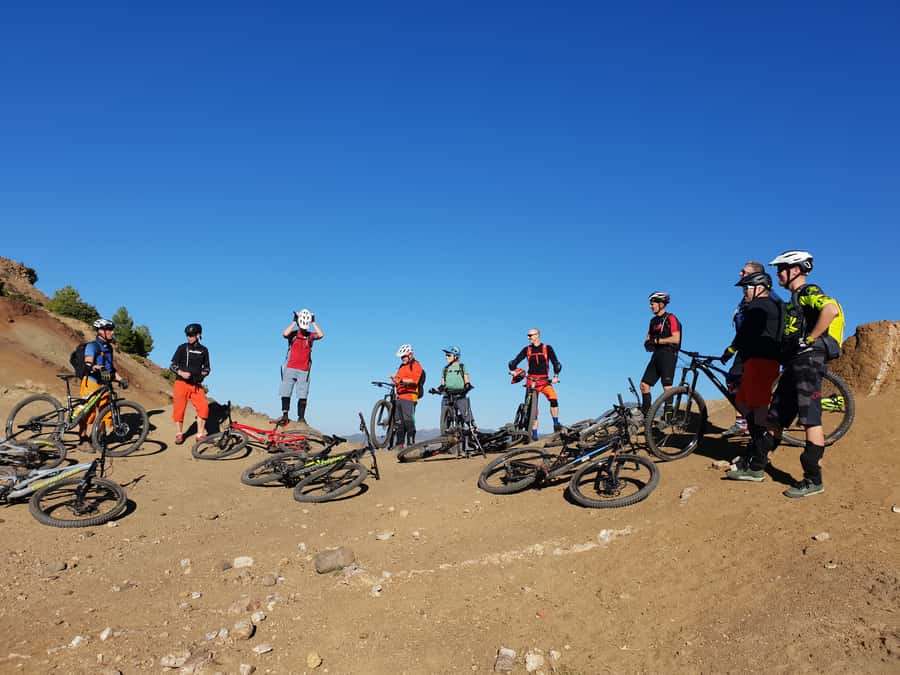
The heart of this trip is the riding: endless-feeling off-road descents on fast gravel single-track and donkey-track sections. This is where you’ll feel the Atlas Mountains as terrain, not just as a view.
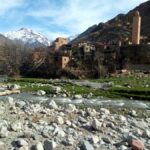
After the tea stop, the descent threads through villages including Tachedirt, Tamguist, and Amssakrou. The guide will point out local mountain plants and explain what you’re seeing—both the physical geography and the Berber presence in the area.
I like that your pace is your choice. The guide helps you use the bikes to their best effect and encourages you to decide how fast to go, within what feels safe. They stay focused on safety first and will assist when needed. On rough descents, that coaching matters. Even if you’re an experienced rider, loose rock and narrow trail can still surprise you.
Camera breaks are built into the ride. The group will pause at scenic lookouts for photos, but you’re not trapped waiting for long periods. It’s more like quick stops that help you store the memory, then back to the trail.
Imnane Valley single-track and the riverbed lunch reset
Once you leave the village section behind, you follow the Imnane Valley down. The tour notes a couple of hours of single-track riding, which is where you’ll feel the rhythm of off-road travel: steer, balance, pedal when needed, then let the bike carry speed carefully over uneven ground.
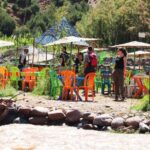
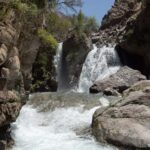
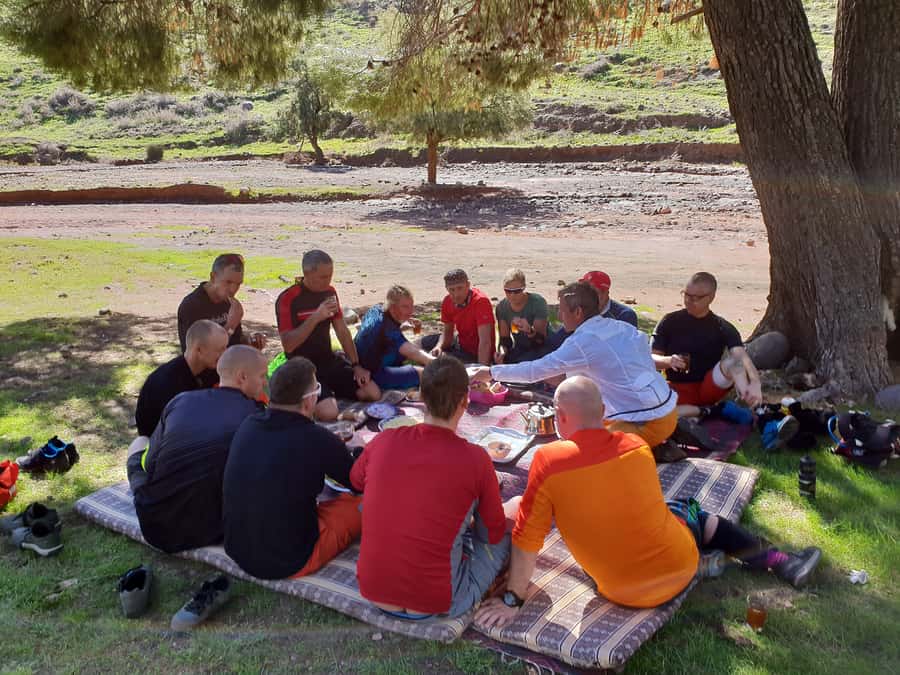
At some point, the ride drops you into the riverbed area. This is where lunch happens—picnic-style beside the river at an altitude around 1600 meters.
This lunch stop is one of the best “value-for-your-time” parts of the day. It’s not just food; it’s a cooldown and a change of scenery, while you’re at a point in the day where you likely want recovery. The altitude also helps make the break feel like a mini escape.
One thing to watch: lunch timing can feel tight depending on how the day unfolds for your specific group. If you’re picky about energy levels, don’t count on the picnic alone. Bring snacks you can munch during ride pauses, especially if you arrive from pickup later or if stops run behind schedule.
After the long, lazy lunch, you’ll head out again for a short ride segment.
Argan oil cooperative visit: seeing work done the old way
You’ll also stop at an argan oil cooperative, a visit that goes beyond the usual sales pitch vibe. The highlight is hands-on and human-scale: women hand crack argan nuts.
That matters because it changes what you think you’re seeing. Instead of treating argan as a Morocco souvenir, you see it as labor, processing, and a local livelihood. Even if you’ve heard of argan oil before, watching the work happen makes it more real.
It’s a good pairing with the ride day. Mountain cycling tends to focus your mind on distance, elevation, and trail. The cooperative stop brings you back to people and routine—how the region supports itself, not just how it looks.
I’d bring respect in your attitude. Ask questions if you can, keep your photos mindful, and remember this isn’t a theme park stop.
A few more Marrakesh tours and experiences worth a look
Guides, safety, and choosing your own effort level
This is an activity where a good guide genuinely changes the experience. The tour includes an official guide, and multiple names show up in the experience details—Kamal is mentioned as patient and the kind of guide who sets the pace well, while Jamal also gets credit for friendliness.
Here’s what you should expect from that guide relationship:
- You start with an explanation of how the bikes work.
- You can practice before you commit to the main trail.
- The guide assists when needed and keeps safety first.
- You get room to choose speed, which helps if you’re strong—or if you just want to enjoy the ride without racing it.
In practical terms, you’ll want to be honest with your comfort level. If you feel wobbly on gravel turns or need a slower pace on the descent, say so early. The guide is there to help you ride the bike well, not to force you into a single style.
How long and how intense is it, really?
The trip is listed as a full day at about 7 hours, with return meeting in Asni and transfer back to Marrakesh. But “7 hours” is a simple label. What you feel depends on season and conditions.
Based on reported rides, you can expect meaningful climbing and a solid distance. One rider reported around 30 km with 900–1000 meters of ascent. Another mentioned 36 km with about 1200 meters of positive elevation. A different rider referenced about 750 meters. So yes: it’s physical.
What does that mean for you?
- If you ride regularly and can handle climbs and rough trails, you’ll likely find the day exciting rather than punishing.
- If you don’t ride much, it may still be doable, but you’ll feel the effort. The tour itself suggests it could be a highlight, but it’s also clear it’s not a flat cruise.
- If you have the option to ride an e-bike on the day (not guaranteed in the details here), it can make the day more accessible during cold or steep segments.
Cold is a real factor. If you hit winter weather and the ground is icy or snowy, you may not reach the highest points as planned. That’s not failure; it’s trail safety.
Pickup and timing tips that prevent day-trip frustration
This is one of those tours where your day in Marrakesh can go smoothly—or feel chaotic—based on how the meetup works.
If your hotel is inside the medina or somewhere the car can’t reach, you’ll be asked to meet at Jemaa el Fna. The benefit: you avoid confusion at the wrong street corner with a group you can’t find. The drawback: if you’re not ready, the morning can feel stressful.
Also, be mentally prepared for a packed schedule. One experience noted a start time shift and additional stops that weren’t part of their personal expectations, which pushed the day back. The core idea is that this is a full-day program with riding plus cooperative/lunch time, so it can run longer than you’re picturing.
My practical advice: build in patience. Eat a light breakfast if you need it, and keep a small buffer so you’re not watching the clock during the ride.
What to bring for an Atlas MTB day
You’ll get helmet and the bike, which helps with packing. The rest is on you.
Bring:
- Sunscreen (higher altitude + sun reflection hits fast)
- Personal medication you may need
- Warm layers and rain gear in winter (cold-weather riding is common)
For comfort, I’d also add practical items even though they aren’t listed as required:
- Basic snack or energy bites for the first hours
- A small water bottle or whatever hydration you’re comfortable with, since soft drinks aren’t included
- A camera you can reach quickly for those photo pauses
In off-road riding, small discomforts grow. Dry hands, good eyewear if dust is an issue, and warm gloves can turn a tough descent from sketchy to manageable.
Price and value: what $68 includes (and what it doesn’t)
At $68 per person for a 7-hour guided mountain bike day, the value is mostly in the extras you don’t have to organize yourself.
Included:
- Hotel pickup and drop-off
- Lunch (picnic lunch)
- Mountain bike
- Official guide
- Helmet
Not included:
- Soft drinks
So you’re paying for transportation + equipment + guide + a real meal. That’s a good deal compared to trying to hire bikes, guide, and a transport plan separately.
The only “hidden cost” is energy. You’re committing to a ride that can be physically demanding. If you’re coming in from long travel days or you’re underprepared for cold, you can feel the price as effort rather than just money.
Should you book this Toubkal National Park mountain bike trip?
Book it if you want an active Atlas Mountains day that feels grounded in real places—Berber villages, a working argan cooperative, and a river lunch at altitude. The small group size and guide support make it a good fit for people who like movement, enjoy off-road riding, and want more than another bus tour.
Skip or choose carefully if you’re fragile with cold weather, hate schedule changes, or you’re expecting an easy, relaxed ride. If snow/ice hits, the route may be adjusted. And if your day runs later due to added stops, you’ll feel that in your evening plans.
If you’re a confident rider, or you’re willing to take it at your own pace with the guide’s help, this can absolutely be one of the better-value ways to experience the High Atlas from the inside.
FAQ
How long is the mountain bike trip from Marrakesh?
The duration is listed as 7 hours.
What is included in the price?
The tour includes hotel pickup and drop-off, picnic lunch, a mountain bike, an official guide, and a helmet.
Is lunch included, and what does it look like?
Yes. Lunch is a picnic lunch, taken beside the river at an altitude around 1600 meters.
What languages is the guide available in?
The live tour guide is available in Arabic, English, and French.
How big is the group?
The group is limited to 10 participants.
Do I need to bring soft drinks or snacks?
Soft drinks are not included. You should bring water and any extra snacks you prefer for comfort during the ride.
What should I pack for this trip?
You should bring sunscreen and personal medication. Warm clothes and rain gear are recommended during the winter season.
Where does pickup happen in Marrakesh?
Hotel pickup is included, but if your hotel is in an area not accessible by car (common in the medina), you’re advised to meet at Jemaa el Fna.
Is it cancellable if my plans change?
Free cancellation is offered up to 24 hours in advance for a full refund.