REVIEW · MARRAKECH
2-Day Toubkal Trailblazer: From Souks to Summit
Book on Viator →Operated by Marocco Trekking · Bookable on Viator
Toubkal has a way of getting your attention fast. This 2-day trip starts with a Marrakech pickup and pushes you from Imlil into the Mizane Valley toward Aremd and the Chamarouch shrine, guided by Mohamed, who keeps the climb organized and the group moving with smart pacing. The ascent feels managed, not chaotic.
What I love most is the way the guides handle the hard parts. Mohamed’s professionalism and good humor show up in the details—he adapts pace, watches footing, and even helps out when someone is running out of steam (like carrying a heavier bag for an exhausted hiker).
One thing to think about first: you’re heading to high altitude (up to about 4,167m on Day 2) with long uphill walking. If your fitness is only average, you’ll still be fine with the group pace, but you should expect effort.
In This Review
- Key things I’d pencil into your plan
- Marrakech to Imlil: the day you trade city time for mountain time
- Day 1 through Mizane Valley: Aremd, Chamarouch, and the Refuge push
- Day 2: summit day at 4,167m, plus the “snack” moment
- Refuge life: sleep, dinner, breakfast, and what “warm” really means
- Guides and local team: why Mohamed’s name comes up again and again
- How the itinerary actually feels: walking hours, elevation, and a realistic pace
- Price and value: what $201.67 covers (and what it doesn’t)
- What to pack and how to avoid summit-day mistakes
- Who should book this Toubkal summit trek
- Should you book 2-Day Toubkal Trailblazer?
- FAQ
- What time does the trek start?
- How do I get to the trailhead?
- How long is the walking each day?
- What altitude does the trek reach?
- What’s included with meals and lodging?
- Is water included?
- What’s the group size?
- Is there an equipment rental option?
- Is free cancellation available?
Key things I’d pencil into your plan
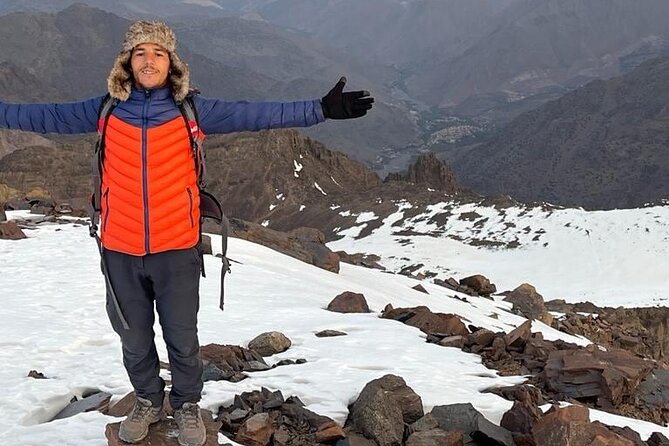
- Summit-level altitude (around 4,167m) in just two days, with a return to Imlil afterward
- Village-and-shrine walking through Aremd and the Chamarouch area, not only a straight hike
- Refuge accommodation plus meals—dinner, breakfast twice, and lunch twice are included
- Mohamed and local support (Youssef, Sabil, and cook/muleteer Ermush appear in guide-team feedback)
- Small group size (max 15), which matters when trails narrow and weather shifts
- Limited included water: only one 1.5L bottle, so plan to manage what you carry
Marrakech to Imlil: the day you trade city time for mountain time
This trek feels like a clean switch from Morocco city life to Atlas mountain rhythm. You start in the Marrakech area and then travel to Imlil, which sits at the base of the climb at roughly 1,450m. Even before the first major uphill push, you’ll notice the pace change: fewer distractions, more focus on where your next step goes.
The drive time matters because it gets you high enough to start the trek at real altitude. On Day 1, you’re told to expect about 2 hours of driving and then roughly 4–5 hours walking as you head from valley routes toward the steeper trail. That timing is a good match for most people with “moderate fitness,” since the schedule is built around sustained walking rather than sprinting between stops.
A few more Marrakech tours and experiences worth a look
Day 1 through Mizane Valley: Aremd, Chamarouch, and the Refuge push
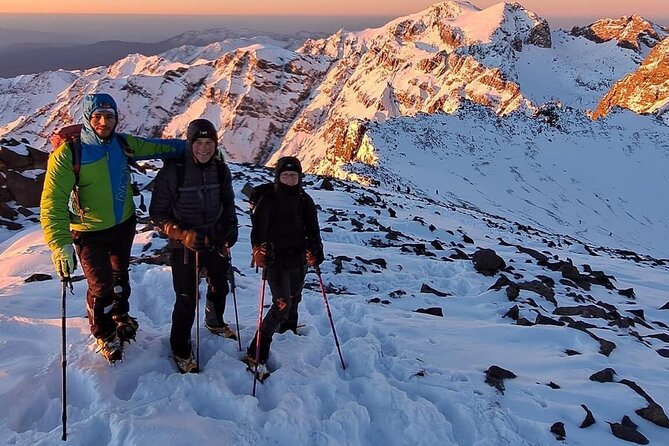
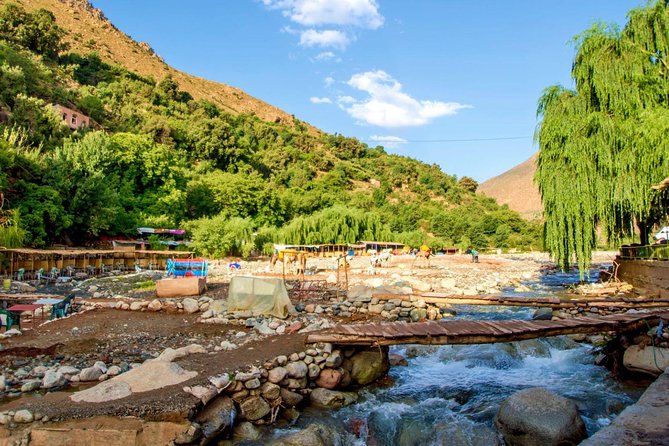
Day 1 is your culture-and-climb combo. You’ll walk through the Mizane Valley and pass by Aremd, then continue toward the Shrine of Chamarouch. That shrine stop isn’t just a photo pause—it helps you understand why this area is more than a mountain challenge. Local places like this are part of how people mark faith and community in the high Atlas.
After Chamarouch, the trail becomes steeper, and this is where the guide’s job really shows. Mohamed is repeatedly described as organized and caring, and you’ll feel that during the transition from valley walking into the climb toward the refuge. One hiker detail I like: Mohamed’s approach is individual when he needs to be—if someone struggles, the group pace shifts instead of forcing everyone to suffer equally.
At the end of Day 1, the goal is the Toubkal Refuge area, with Day 1 ending around an elevation close to 3,200m. Expect around 4–5 hours of walking total that day. It’s not short. But for a two-day summit trek, this is exactly what you want: enough hiking to earn the next day, without burning yourself out before sunrise.
Practical drawback: water is limited. The tour includes one 1.5 liter bottle, so by late Day 1 you may wish you had packed more than you thought you needed. If you tend to drink often while hiking, plan extra carefully and don’t assume you’ll be able to refill easily.
Day 2: summit day at 4,167m, plus the “snack” moment
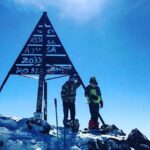
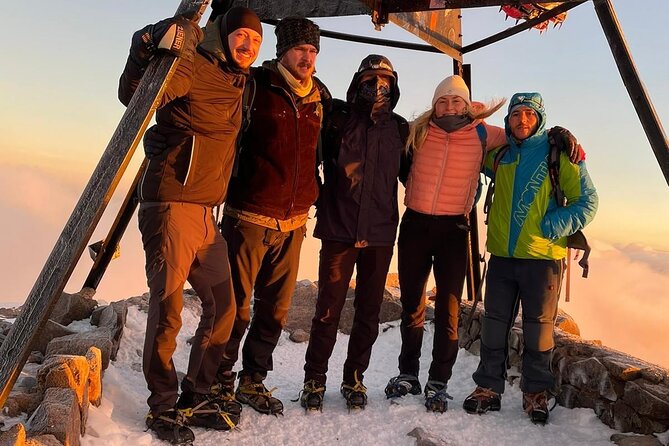
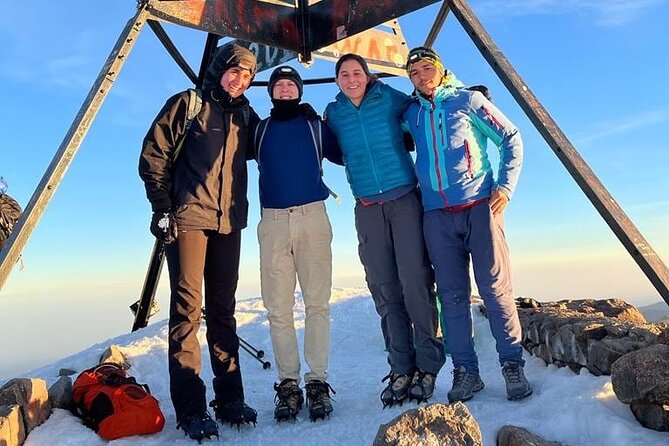
Day 2 is the big one. You’ll start from the refuge zone, climb to the Toubkal summit point, and then descend the same way back toward Imlil. The schedule is built for a summit attempt in a single morning-to-afternoon push, which is why you feel the altitude so intensely.
You’re also given a hint of how the day is paced: there’s a stop listed as Snack Toubkal. That matters because you’ll be higher and moving slower as oxygen gets thinner. Think of this as a timing checkpoint—fuel, regroup, and then keep going.
The numbers are intense but straightforward:
- 4–5 hours walking up and then the effort of descending after the summit
- about 2 hours driving later to get you back toward Marrakech
- summit elevation around 4,167m
This is the part where you really want to trust your guide. In feedback about Mohamed’s leadership, the most common theme is safety plus pace control. That includes choosing a rhythm that works for your group, watching the trail conditions, and keeping people warm and steady during the colder summit hours. One review even mentioned a possible extra uphill detour for a better viewpoint—so if you hear that suggestion on the day, it’s because your guide thinks you have the legs.
Refuge life: sleep, dinner, breakfast, and what “warm” really means
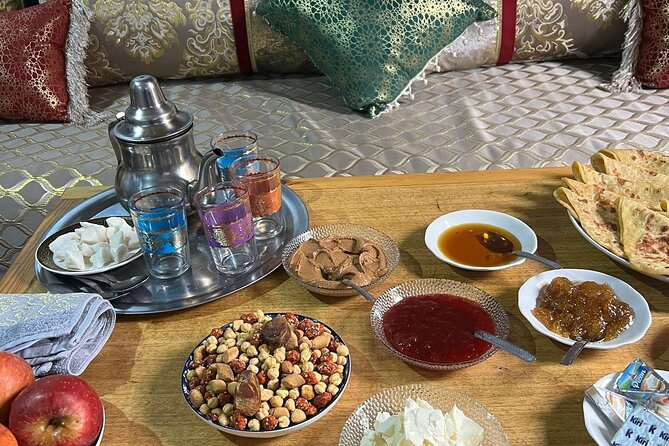
One of the best value pieces here is that the essentials are covered. You get refuge accommodation, plus dinner, two breakfasts, and two lunches. That’s not just comfort—it’s logistics. On mountain treks, the meal plan reduces decision fatigue and keeps you fueled for the next climbing window.
The refuge setting can be basic, but the reviews are positive about comfort and a good night’s rest. Some hikers specifically called out the refuge as Mouflons Refuge, and described it as comfortable. Even if you don’t get the exact same name in your confirmation, you should still expect the “refuge style” of mountain lodging: practical shelter, a meal schedule that matches the climb, and a chance to recover.
What you might not realize until you’re there: the mountain weather swings, and so does your body temperature. A guide carrying extra effort for a tired hiker, helping someone stay warm, is a common theme in Mohamed’s feedback. That translates into real-world comfort for you—especially on summit mornings when it can feel colder than you expected.
What’s not fully covered: the tour provides water in a limited way, and the included kit might not cover everything you personally need. Reviews mention equipment rentals are possible for key items like crampons, sleeping bags, gloves, and headlights, while other items may need to be brought. If you don’t own proper cold-weather hiking gear, ask early what you’ll be renting versus what you should bring.
Guides and local team: why Mohamed’s name comes up again and again
On paper, “expert Atlas Mountains guide” sounds generic. In practice, the guide team matters because Toubkal is not just distance—it’s altitude, footing, and decision-making when conditions change.
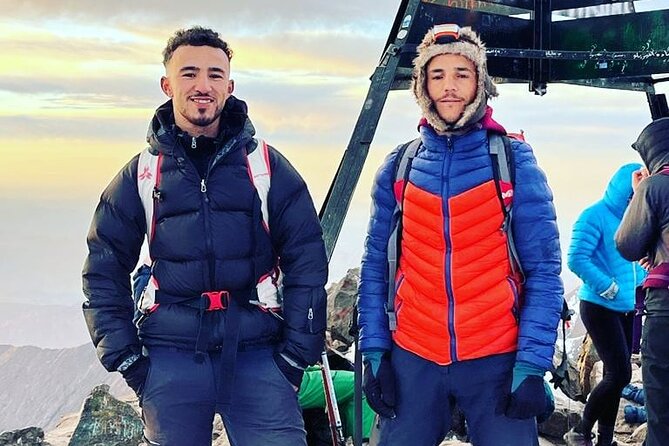
Mohamed is the name that shows up repeatedly for professional organization and good humor. People highlighted that he:
- manages the climb structure so it doesn’t turn into a race
- speaks English well (helpful for safety and explanation on the route)
- adapts to different fitness levels in the group
- provides help when someone is struggling, including carrying a bag for an exhausted hiker
You may also meet Youssef as a local guide in the team. Other names that appeared include Sabil (described as helpful at high attitude) and Ermush, a cook/muleteer credited with taking good care of the group. One review mentioned Abdul providing local knowledge. That’s a lot of local expertise in one trek, and it’s usually the difference between a hike that feels hard and a hike that feels doable.
How the itinerary actually feels: walking hours, elevation, and a realistic pace
The schedule is designed around a two-day structure that most people can manage with moderate fitness, but it’s still tough. Day 1 is about getting your legs used to altitude and incline while moving through the valley route and cultural stops. Day 2 is where the summit demand hits.
Here’s what to expect in motion:
- Expect continuous uphill sections after Chamarouch, then a steady climb to the refuge
- On summit day, you’ll likely move more slowly than you want because altitude reduces how fast you can comfortably push
- The descent can feel deceptively difficult, because your knees do the work while your lungs are recovering
One practical tip from the vibe of the guide feedback: don’t chase other hikers’ stride. When Mohamed adjusts pace and offers bag help, it’s because a controlled pace is how you reach the top without breaking down.
Price and value: what $201.67 covers (and what it doesn’t)
At $201.67 per person, this is not a bargain price in the “cheap tour” sense. But it is strong value if you compare what’s included for a true summit attempt.
Included pieces that actually cost money on mountain treks:
- Hotel pick-up and ground transport
- Guide and driver support
- Refuge accommodation for the night
- Meals: dinner, lunch twice, breakfast twice
- Admission ticket included (so you’re not scrambling for entry rules later)
- Dinner and a full food schedule, which matters when you’re burning calories
What’s not included:
- personal expenses
And the quiet cost to consider: the gear. If you need rentals (especially in colder seasons), reviews suggest you can rent items like crampons, sleeping bags, gloves, and headlights. If you already own that gear, your trip cost stays close to the base price. If not, budget for rentals and plan to reserve them through the operator.
What to pack and how to avoid summit-day mistakes
The tour data doesn’t list a full packing checklist, but you can still use common sense and the hints from reviews to prepare smartly.
Bring what helps you move comfortably and stay safe at elevation:
- cold-weather layering (temperatures can drop, especially near summit time)
- hiking shoes with solid grip
- gloves and a warm hat
- headlamp/headlight if you’re using rentals or if your own gear is outdated
If you don’t have winter traction gear, plan around the rental option mentioned in reviews: crampons, sleeping bags, gloves, and headlights can be rented. If you’re unsure, ask before departure so you don’t arrive and discover you’re missing something critical for cold mornings.
Water planning is the one “gotcha.” You get one 1.5L bottle included. For a summit climb, that’s tight. If you’re a frequent drinker, you’ll want to carry enough for your own pace and keep sipping early rather than waiting until you feel thirsty.
Who should book this Toubkal summit trek
This trek fits best if you:
- want a summit experience with a structured schedule in just two days
- enjoy a mix of nature plus real village culture, including the Aremd area and Chamarouch shrine
- like having a guide who manages pace and safety for groups with mixed ability
It’s also a good fit if you want a small group (max 15) and don’t want a huge crowd on the narrow parts of the trail.
If you’re the type who hates being cold, or you’re completely new to uphill hiking at altitude, you can still go, but go prepared. The mountain doesn’t care if it’s your first try.
Should you book 2-Day Toubkal Trailblazer?
If your dream trip is: Marrakech start, valley walking, cultural stops, a refuge night, then a summit that reaches about 4,167m, this is a strong choice. The big reason is simple: the guide team’s approach—especially Mohamed’s—is repeatedly described as organized, safe, and caring, with real adjustments for different energy levels.
I’d book it if you can handle steep walking for 4–5 hours each day and you plan around altitude and limited water. I’d rethink it only if you’re hoping for an easy hike or you’re not ready to manage cold and effort for summit day.
FAQ
What time does the trek start?
The start time is listed as 9:00 am.
How do I get to the trailhead?
Hotel pick-up is included, and you’ll travel by vehicle from Marrakech to Imlil where the trek begins.
How long is the walking each day?
Day 1 includes about 4–5 hours of walking, and Day 2 also includes about 4–5 hours of walking, with additional drive time both days.
What altitude does the trek reach?
The trek starts around 1,450 m at the base in Imlil, reaches about 3,200 m on Day 1, and goes to the summit point of Toubkal at about 4,167 m on Day 2.
What’s included with meals and lodging?
Dinner is included, along with breakfast (2) and lunch (2). Refuge accommodation is also included for the night.
Is water included?
Water is limited to one 1.5 liter bottle.
What’s the group size?
The experience has a maximum of 15 travelers.
Is there an equipment rental option?
Reviews indicate that you can rent items such as crampons, sleeping bags, gloves, and headlights.
Is free cancellation available?
Yes. You can cancel up to 24 hours in advance for a full refund. Canceling less than 24 hours before the start time does not get refunded.