REVIEW · MARRAKESH
Marrakech to Merzouga: 3-Day Desert Adventure
Book on GetYourGuide →Operated by MERZOUGA DESERT TOUR · Bookable on GetYourGuide
Marrakech to the Sahara feels like a time shift. I love the air-conditioned road comfort getting you across the Atlas and the camel ride on Erg Chebbi dunes at sunset and sunrise. The only real drawback is the long, all-day driving pieces, which makes this a tough fit for kids and anyone who doesn’t handle extended time on the road well.
I also like how the trip mixes famous sights with desert time that actually feels earned. Day 1 stops at the UNESCO Kasbah of Ait Ben Haddou, then you keep rolling through the Rose Valley area and Dades Gorges before settling for the night. Day 2 adds Todra Gorge, then the world quiets down fast once you reach Merzouga.
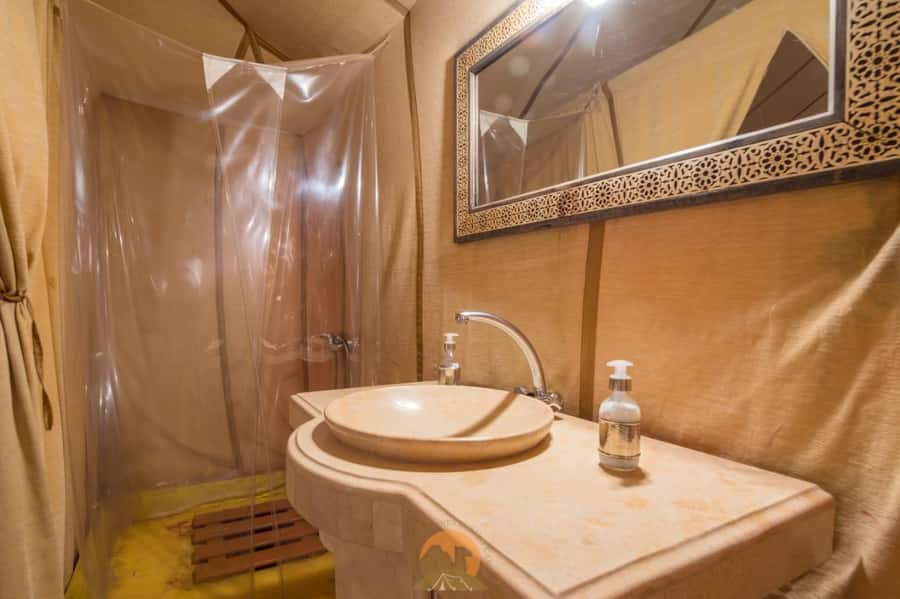
For sleeping and comfort, you get a practical trade-off: the first hotel has private ensuite bathrooms, while the desert camp setup is simpler. In the included camp, expect toilets outside the tent and showers in the lodge, and that matters if you’re the type who needs everything close.
In This Review
- Key things I’d plan around
- The Atlas Ride Out of Marrakech: comfort, timing, and Ait Ben Haddou
- Todra Gorge to Merzouga: the day you switch from roads to sand
- Erg Chebbi sunrise and sunset: the camel trek you actually remember
- Bedouin camp reality: tents, bathrooms, and what 200 yards means
- Food on the road: what’s included, what’s not, and how to plan lunch
- The big value question: is $147 fair for three days?
- Driver and guide matters: when names like Ayoub and Omar help
- Who this Marrakech to Merzouga tour fits best
- Should you book this Marrakech to Merzouga desert adventure?
- FAQ
- What is included in the Marrakech to Merzouga 3-day desert adventure?
- Do I get camel rides at sunset and sunrise?
- Is Ait Ben Haddou guided?
- Are vegetarian and vegan meals available?
- What are the camp bathrooms like?
- What is the return travel time to Marrakech on day 3?
- What should I bring for the desert?
Key things I’d plan around
- Erg Chebbi camel trekking at both ends of the day (sunset and sunrise)
- UNESCO Ait Ben Haddou plus the classic route through Rose Valley and Dades Gorges
- Todra Gorge pass before you head into Merzouga
- Bedouin-style camp comfort level (toilets outside, showers at the lodge in the standard setup)
- Driver/guide quality can really affect your day; names like Ayoub, Omar, Ibrahim, and Houcine show up for being helpful and kind
The Atlas Ride Out of Marrakech: comfort, timing, and Ait Ben Haddou
This kind of desert trip lives or dies on the first day’s pace. You leave Marrakech by modern, air-conditioned minibus or mini-van with an English/French-speaking driver/guide, which is a big deal when you’re stacking hours of road time. It keeps you from arriving sunburnt and fried before you even reach the good stuff.
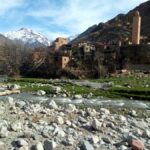
Your route includes the UNESCO World Heritage site of Ait Ben Haddou. This fortified place is the reason so many films and stories use Morocco as a backdrop. Even if you’re not the type to care about architecture, you can feel why it stuck: thick walls, layered buildings, and the way the site sits in a dramatic valley. A local guide at Ait Ben Haddou is available for an extra charge, so if you like facts and storytelling, it’s worth considering.
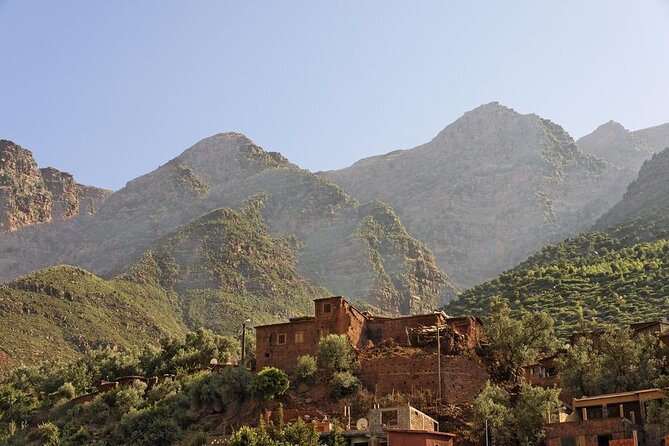
After that, the drive continues through scenery like the Rose Valley area and the Dades Gorges. This is where the trip shifts from cities-and-cafés into “watch the road change” mode. If you’re prone to car sickness, bring what works for you, because you’ll be on winding mountain roads for stretches.
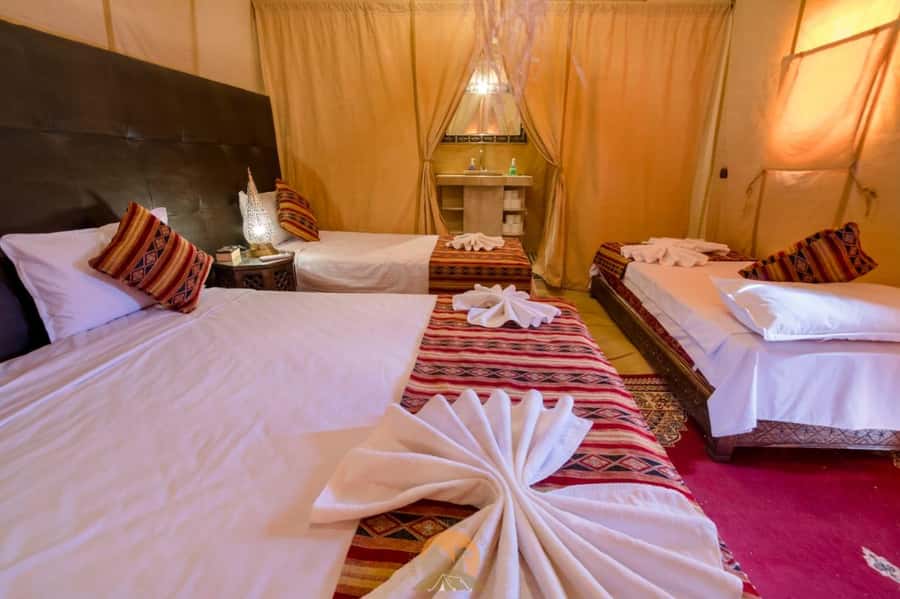
Dinner and bed come at your first overnight stop: Hotel Kasbah Amazigh (or a similar property). You get a private room with A/C and an ensuite bathroom. That ensuite is not a small perk. It means you can wash up properly after travel, and you don’t have to plan your mornings around where the facilities are.
One practical note: the first hotel is listed as Kasbah Amazigh and similar, and at least one person felt the room and meals could be better. So if you’re picky about food quality or room comfort, I’d treat the hotel as “good enough for resetting,” not a luxury destination.
A few more Marrakesh tours and experiences worth a look
Todra Gorge to Merzouga: the day you switch from roads to sand
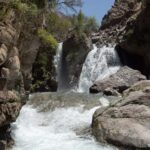
Day 2 starts with breakfast, then you head deeper into the mountainous-to-desert transition. A major highlight here is the passage through Todra Gorge, known for its tall canyon walls that rise sharply on either side of the road. This stop is more than a photo break. It’s a moment when the terrain narrows and the air feels different, and you can tell you’re nearing the Sahara’s edge.
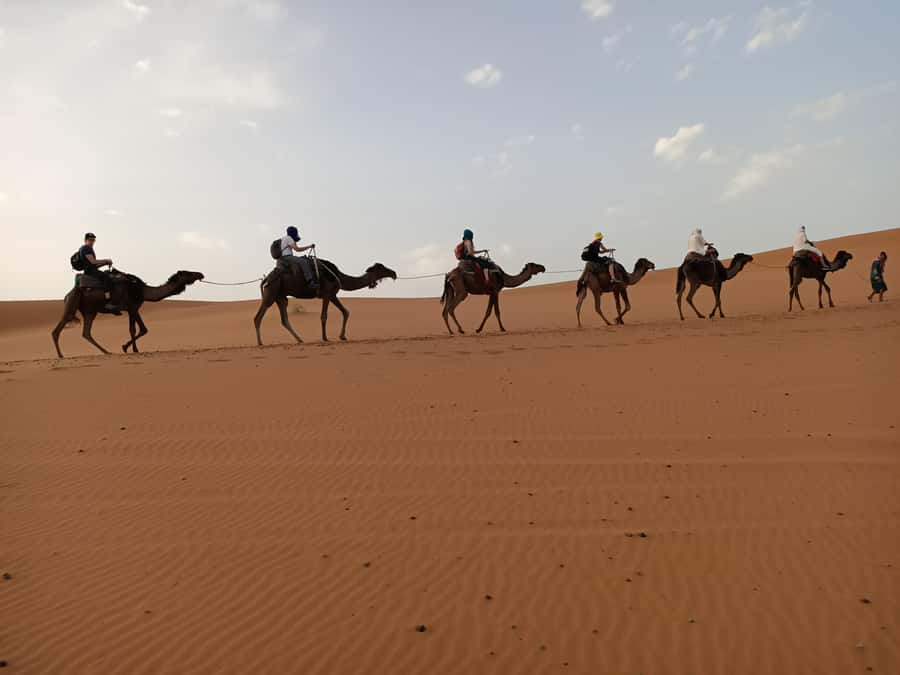
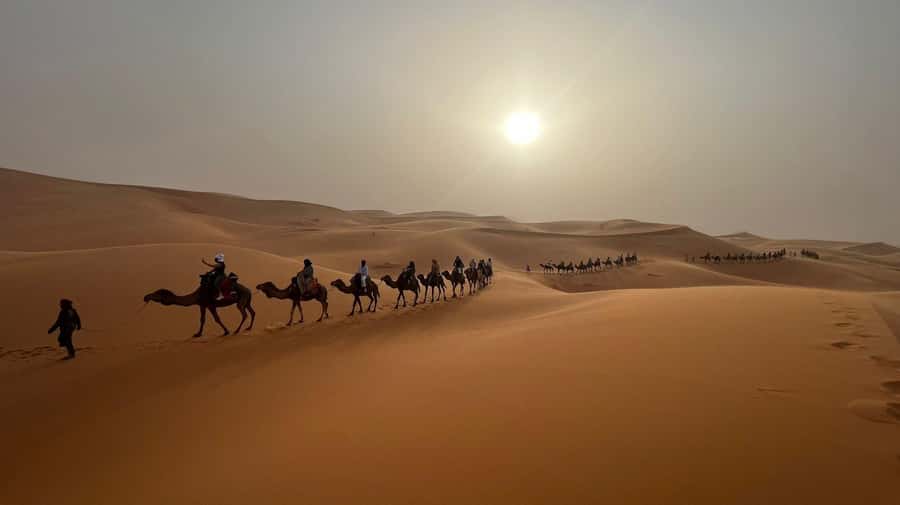
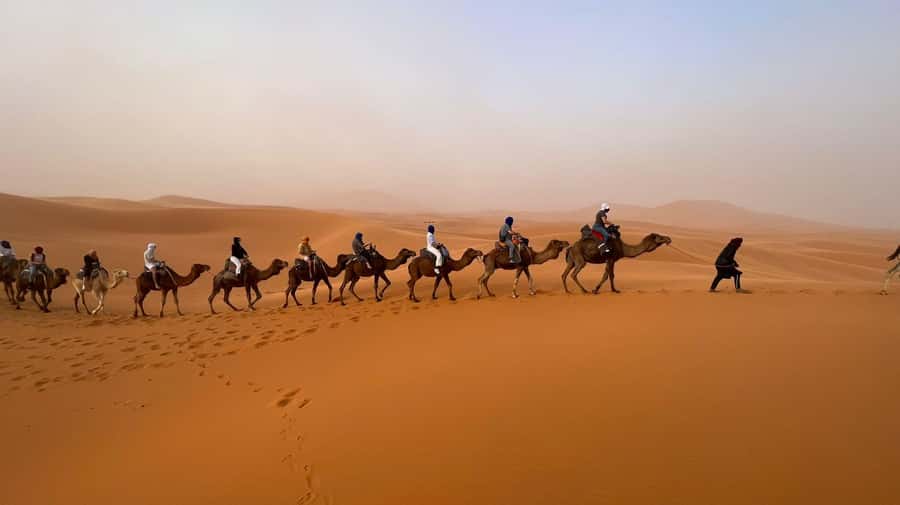
Then comes the big change: Merzouga. This is where your camel trekking begins, and it’s where the trip becomes less about transportation and more about rhythm. Your ride is set up so you each get one camel. That matters because you’re not sharing one animal experience across multiple people like a “group gimmick.” You’re moving at the pace camels set, not a bus schedule.
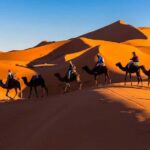
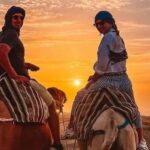
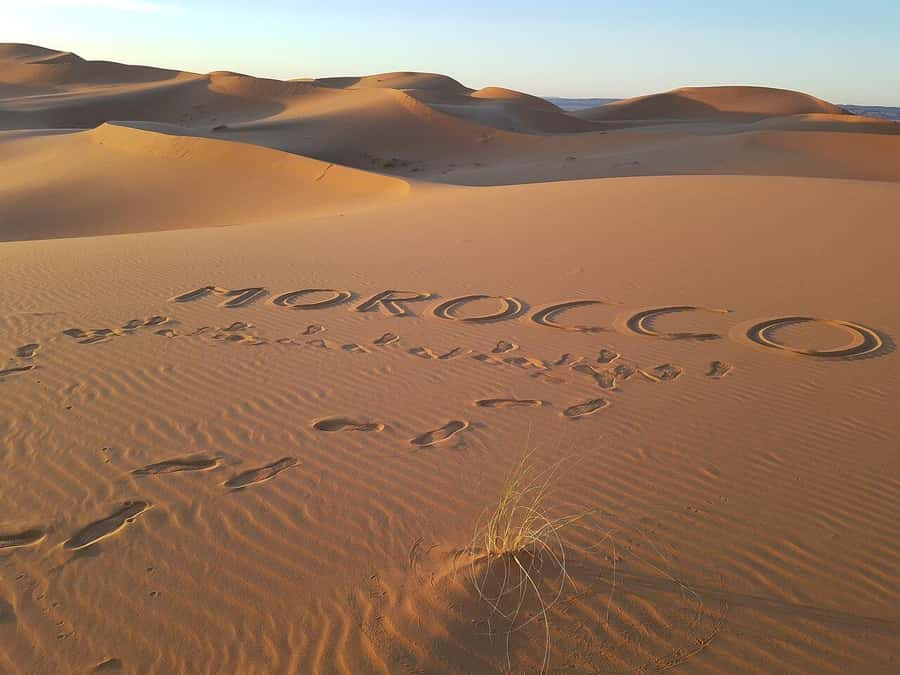
You’ll ride through the dunes of Erg Chebbi and stop for sunset. Watching the light shift over the dunes is the classic desert moment for a reason. The sky cools, shadows stretch, and the sand turns into a gradient instead of one flat color. You don’t need fancy photography gear to get great results—timing does the work.
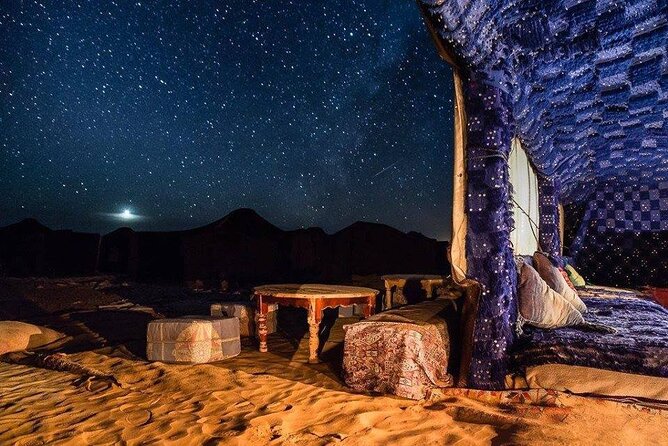
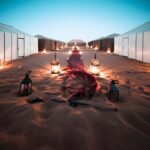
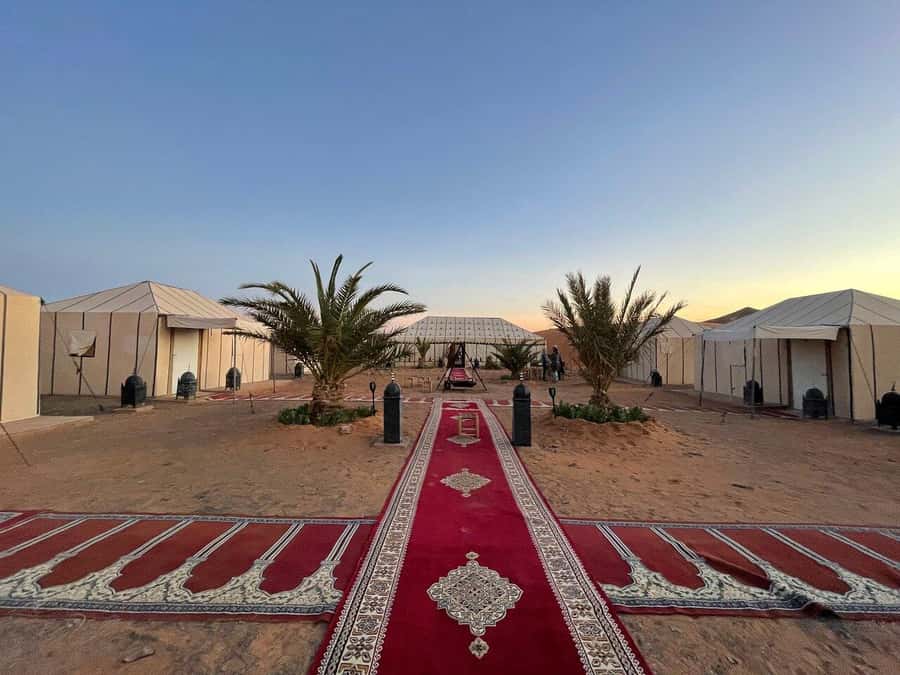
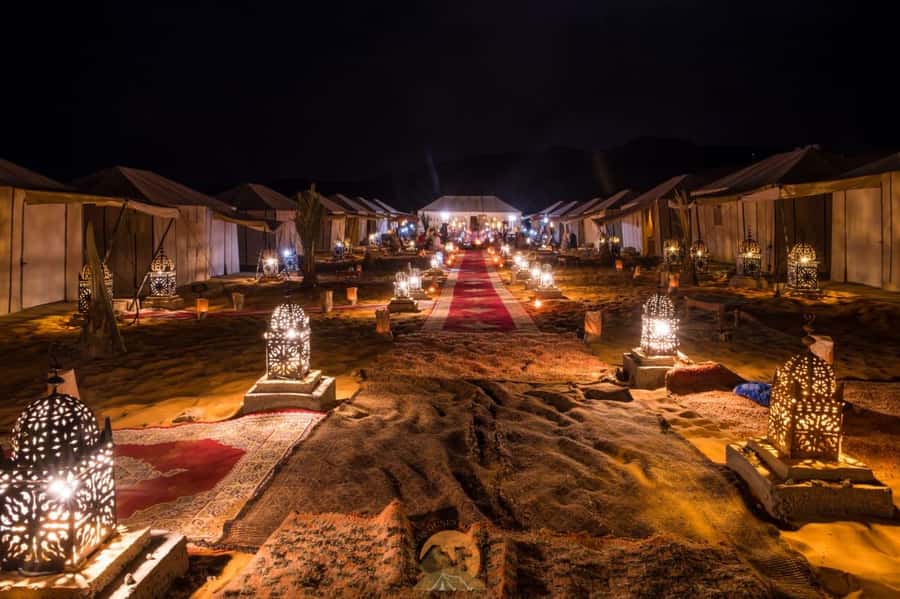
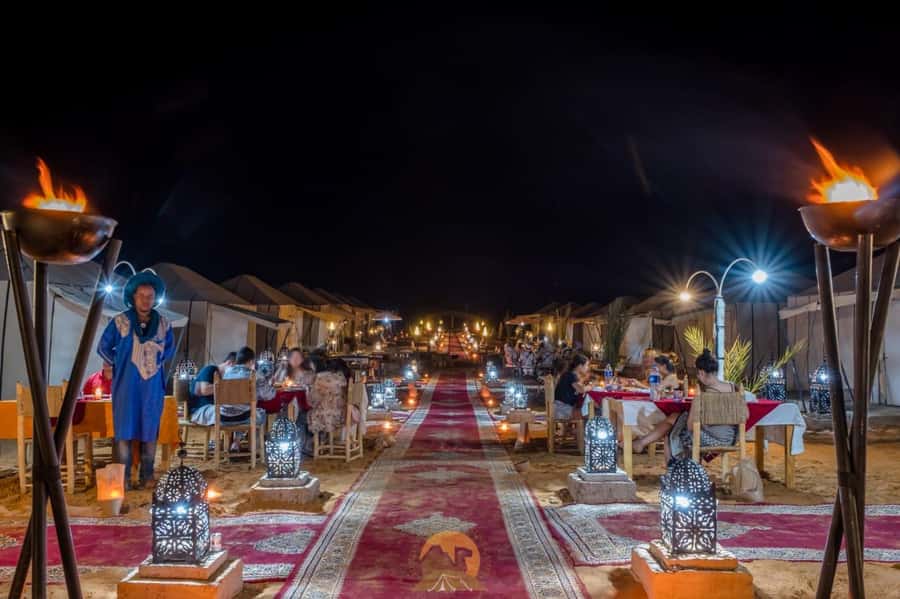
When you arrive at the Auberge Sahara Desert camp, the evening is built around a traditional dinner and the starry night. In the included camp, you sleep in a private tent depending on availability. You’ll have dinner and breakfast included, with vegetarian and vegan options accommodated if you tell them in advance.
Erg Chebbi sunrise and sunset: the camel trek you actually remember
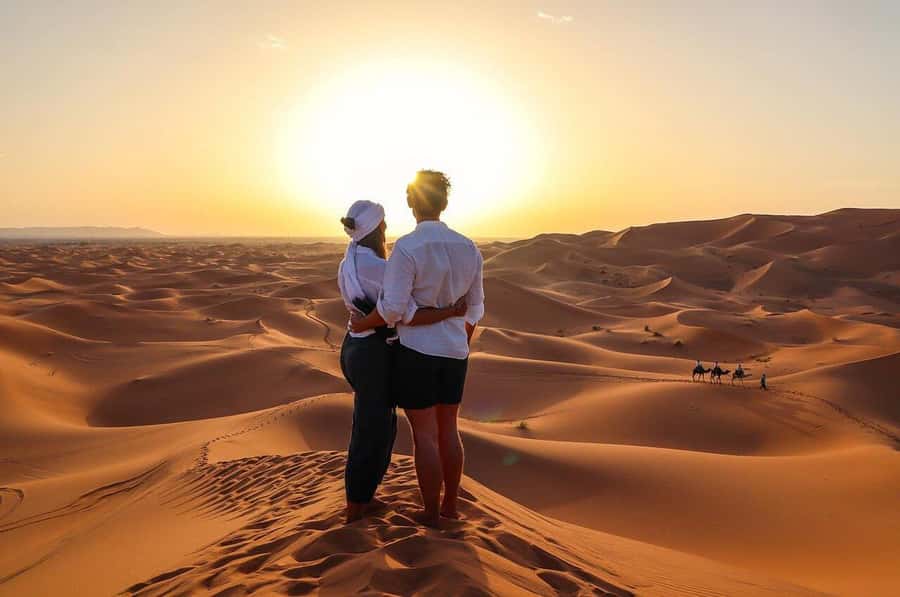
The second camel ride—sunrise—often ends up being the one people talk about for weeks. You wake early, then ride into the dunes so the sky can do its slow reveal. There’s something about desert mornings that feels quieter than any beach sunrise. No city noise. No traffic glare. Just sand, sky, and the steady camel gait.
Sunrise here also means you’re seeing Erg Chebbi when the dunes look less like a stage set and more like something ancient. The dunes are still moving in tiny ways with wind and temperature, but they’re not glowing for long; the best window comes and goes fast. So be ready for an early start and go with the flow.
Practical tip: pack for sun and wind. You’re told to bring a sun hat and sunscreen, and that’s not paperwork filler. Even if it’s chilly in the early morning, the sun can still be strong once it climbs.
Also, remember that camel trekking isn’t a “comfortable stroll” by default. You’ll likely feel it in your body afterward. That doesn’t mean you shouldn’t do it. It just means you should wear comfortable clothes and shoes that handle sand and walking around camp.
Bedouin camp reality: tents, bathrooms, and what 200 yards means
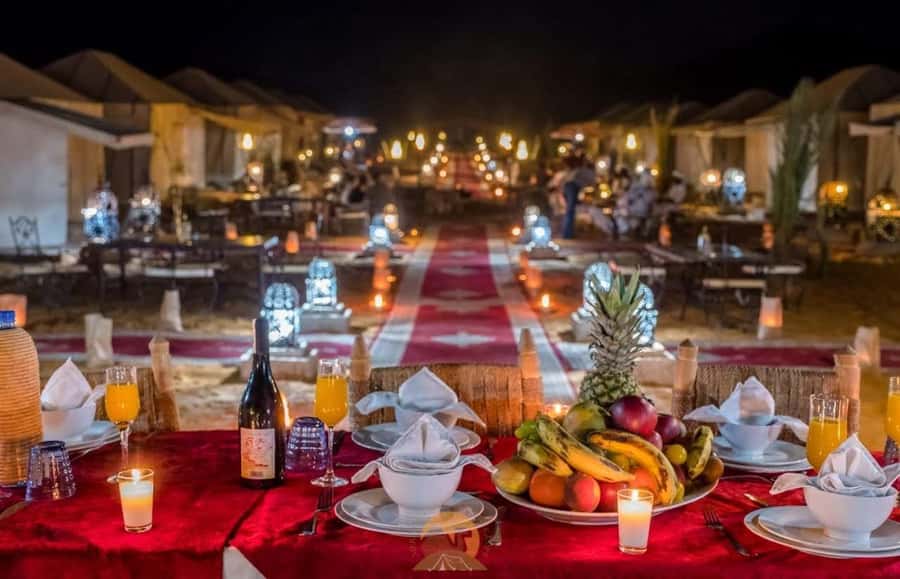
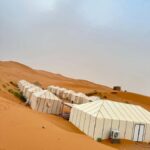
Here’s the part that decides whether you’ll feel relaxed or annoyed: the camp setup. The standard desert camp is about 200 yards (about 200 meters) away from the hotel included in the price. In practice, that usually means you’re not deep, deep in the dunes. You’re close enough to base your camp life there, but you’re still in a campsite system.
In the included camp setup:
- Toilets are outside the tent
- Showers are in the lodge
That’s completely normal for desert camping, but you should know it before you go. If you expect a bathroom right next to your sleeping spot, you’ll be disappointed.
You might also hear about a luxury-style desert camp setup where the bathroom and shower are inside the tent. The info provided explains the difference clearly: standard is outside, luxury is inside and more convenient. If your goal is maximum comfort, ask how the camp option works for your specific booking and what you’re actually paying for.
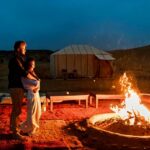
Either way, the point of staying overnight in a Bedouin-style camp is the atmosphere. Dinner outside, quiet time in the dark, and those dunes stretching beyond your camp area. Just plan your bathroom expectations.
Food on the road: what’s included, what’s not, and how to plan lunch
The food plan is simple and mostly helpful. Your package includes dinner and breakfast for the first hotel night, and dinner and breakfast for the desert camp night. Vegetarian and vegan diets can be accommodated if you communicate at booking time.
Lunch and drinks are not included. That means you’ll need a small daily budget for meals between stops, especially on day 1 and day 3 when you’re driving and moving between scenic points. If you prefer specific foods, don’t wait until the moment you’re hungry—mention dietary needs early.
I’ll add one more practical point: when you’re on a long route through different regions, “average food” is still pretty normal. Your best bet is to come with flexible expectations and focus on the experience. If you eat well before the drive blocks your options, you’ll enjoy the day more.
The big value question: is $147 fair for three days?
Let’s talk value with straight talk. At $147 per person for three days, the price covers more than most short Morocco add-ons, mainly because it bundles:
- Transportation from Marrakech (air-conditioned vehicle)
- Pickup and drop-off
- Two nights of lodging (hotel + desert camp)
- Dinner and breakfast for both nights
- Camel trekking with sunrise and sunset rides (one camel each)
What’s not included is where you’ll feel the pinch: lunch and drinks. Also, you can pay extra for a local guide at Ait Ben Haddou (listed at 2€ per person). And if winter road conditions block the Atlas crossing, there’s an alternative via Taroudant that costs an additional 10€ per person.
The main “cost” beyond money is time. Day 3’s return to Marrakech is approximately 10 hours. So you’re paying with your day energy. If you try to squeeze extra activities into that last afternoon, you’ll likely end up rushing.
If you want a desert experience that doesn’t require you to organize logistics yourself—camels, camp, and the right stops—this price can feel fair. If you hate long car days, you’ll spend the trip counting hours instead of enjoying it.
Driver and guide matters: when names like Ayoub and Omar help
A desert tour is heavily dependent on people. You’ll spend a lot of hours with the driver/guide, and that affects your stress level—especially on the long mountain stretches.
Some of the names that show up in the praise include:
- Ayoub (described as very helpful and available)
- Omar (praised for being kind as a chauffeur)
- Ibrahim (noted as a good driver in the same spirit)
- Houcine (praised as very good)
That doesn’t mean every guide will match the same personality. But it’s a good sign that the service often leans toward friendly, practical help rather than rigid tourism-only behavior.
If you want the smoothest day, go into it with a calm attitude. The drivers are navigating roads, schedules, and timing for the sunrise and sunset rides. A little patience helps you enjoy the ride more.
Who this Marrakech to Merzouga tour fits best
This tour is a strong match if you want a classic Sahara package with a mix of UNESCO sights, gorge scenery, and real time on dunes. You’re also getting both camel rides, which is a big part of why this feels complete instead of half-hearted.
It is not suitable for:
- Children (long drive)
- Wheelchair users
- Pregnant women
Also, pickup has limits. Pickup is not available from accommodations more than 4 miles (7 km) from Jemaa El Fna Square. If you’re staying farther out, you may be dropped at the nearest accessible meeting point instead of right at your door.
If you’re traveling solo or as a couple, you’ll likely like the structure. If you’re coming with older kids, this package may still feel like too much road time. The beauty of the desert is there, but the road is a big part of the deal.
Should you book this Marrakech to Merzouga desert adventure?
I’d book it if you want an organized, three-day route that actually gives you both day and night desert moments: camel trekking at sunset and sunrise, plus a Bedouin camp experience. The mix of Ait Ben Haddou and Todra Gorge also means you’re not just staring at sand all day.
I would hesitate if:
- you hate long driving days, especially the last day’s ~10-hour return
- you need hotel-level bathroom convenience in the dunes
- you’re traveling with anyone who falls into the non-suitable groups listed (children, wheelchair users, pregnant women)
If you’re flexible, comfortable with early mornings, and ready to trade “easy travel” for “worth it desert time,” this is a solid way to do Marrakech to Merzouga without turning the trip into a spreadsheet.
FAQ
What is included in the Marrakech to Merzouga 3-day desert adventure?
Pickup and drop-off are included, along with an air-conditioned modern minibus/mini-van. You also get hotel and desert camp accommodation, dinner and breakfast for both nights, plus camel trekking at sunset and sunrise on one camel each. Vegetarians and vegans can be accommodated if you communicate at booking.
Do I get camel rides at sunset and sunrise?
Yes. You’ll do camel trekking at sunset in Erg Chebbi and another camel trek at sunrise in Erg Chebbi, with one camel per person.
Is Ait Ben Haddou guided?
A local guide at Ait Ben Haddou is not included. A local guide is available for an extra charge of 2€ per person.
Are vegetarian and vegan meals available?
Yes. Vegetarian and vegan options are available for dinner and breakfast, as long as you communicate your diet at the time of booking.
What are the camp bathrooms like?
In the included desert camp setup, toilets are outside the tent and showers are in the lodge. The information also notes that a luxury-style camp option exists where the bathroom/shower is inside the tent.
What is the return travel time to Marrakech on day 3?
On the final day, the transfer time back to Marrakech is approximately 10 hours.
What should I bring for the desert?
Bring a sun hat, sunscreen, comfortable clothes, a passport or ID card, and comfortable shoes.