REVIEW · MARRAKESH SAFI
From Marrakech: 4-Day Morocco Sahara Desert Experience
Book on GetYourGuide →Operated by Desert Family Tour · Bookable on GetYourGuide
Golden dunes start just beyond Marrakech. This trip links the High Atlas with the UNESCO Kasbah Ait Ben Haddou, then finishes in Merzouga with an honest slice of Sahara life. I like that the day-by-day pacing is built around real viewpoints and real towns, not just check-the-box stops.
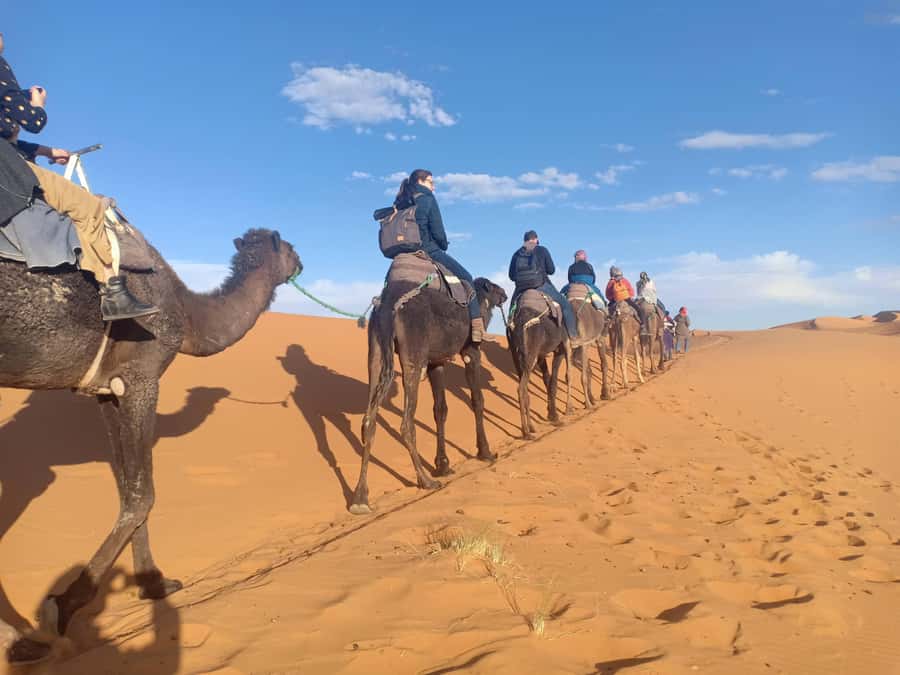
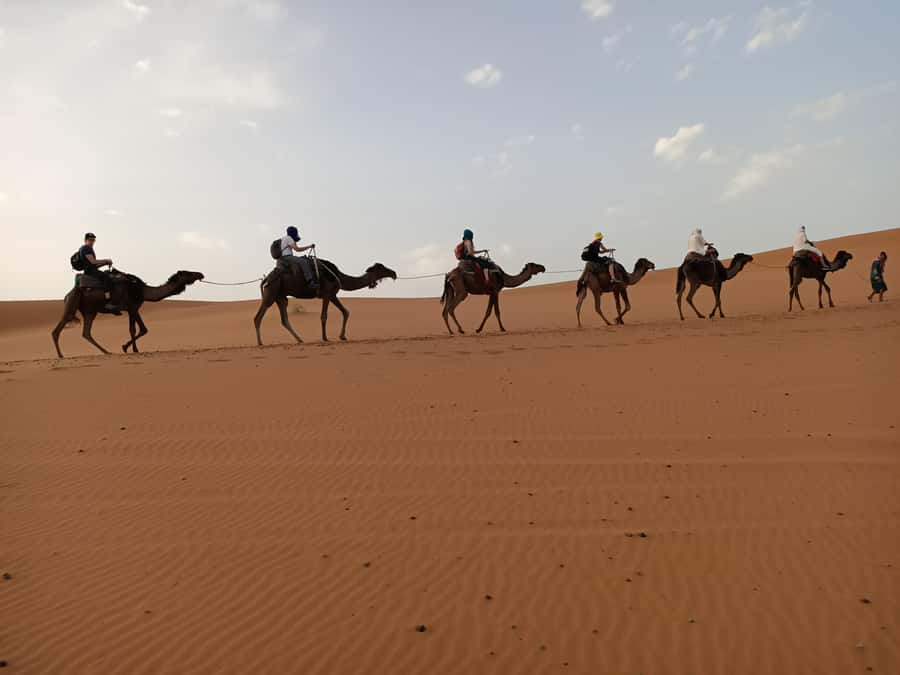
My favorite part is the Erg Chebbi camel trek and the night in a traditional desert camp. You go out for sunset on the dunes, you return for sunrise, and the camp vibe includes dinner, breakfast, and music (yes, the drums people talk about really fit the setting). The experience is also very people-focused—drivers and handlers tend to keep things calm, especially if you’re a first-timer.
One thing to consider: you’ll do long, winding drives and start early. Plan around early pickup and lots of time in the van, and bring warm layers for evenings (even in warmer months, deserts can cool off fast).
In This Review
- Key things that make this Sahara trip work
- The route makes sense: Marrakech to Merzouga, with stops that actually matter
- Day 1: Marrakech to Ait Ben Haddou, then down to Dades Valley
- Day 2: Todra Gorges and Tinghir oasis, then Erg Chebbi camels at sunset
- Day 3: Sunrise on the dunes, then Dades Valley Monkey Fingers
- Day 4: Back over the Atlas to Marrakech, with one last pass through Tizi n’Tichka
- Price and value: what $182 covers, and what to plan for
- Comfort, reality checks, and who this trip suits best
- The people factor: drivers and handlers make or break desert travel
- Should you book this Marrakech to Merzouga desert tour?
- FAQ
- What time does the tour start and when do I get back to Marrakech?
- Where is pickup in Marrakech?
- What meals are included?
- Do I need cash for guides?
- What languages are offered?
- Is there a camel ride, and can it be replaced?
- What should I pack for the desert night?
- Is luggage handled during the camel trek?
- How high is the Tizi n’Tichka Pass?
Key things that make this Sahara trip work
- High Atlas crossing via Tizi n’Tichka (2260 m): big views plus photo stops timed for daylight.
- Ait Ben Haddou UNESCO kasbah: fortress alleys tied to famous films like Lawrence of Arabia and Gladiator.
- Todra Gorges + palm oasis walk: a guided-style pause to stretch your legs and cool off in greenery.
- Erg Chebbi sunset and sunrise: dunes that change color fast, with camp time in between.
- Traditional Berber camp night: dinner and breakfast in nomadic-style tents, under the stars.
- Clear value in the package: transport + camel ride + two nights with meals, plus towels and a pool at the kasbah hotel.
The route makes sense: Marrakech to Merzouga, with stops that actually matter
This is a classic Morocco “big journey” done in a practical, friendlier way. You’re not just chasing landmarks—you’re traveling through the Atlas region, moving from kasbah towns to canyon walls, then stepping into the Sahara’s dunes at Merzouga.
What I like most is the sequence. You get the dramatic mountain day first, then you shift to the canyon and oasis feel, and only after that do you go fully desert. That order matters because it keeps the trip from feeling like one long blur of driving.
Also, the pace gives you a few built-in breaks for photos and coffee along the way. And because it’s set up for private or small groups, you typically avoid the worst parts of big-tour chaos.
You can also read our reviews of more tours and experiences in Marrakesh Safi.
Day 1: Marrakech to Ait Ben Haddou, then down to Dades Valley
The day starts early, with pickup from your riad or the closest car-accessible spot in central Marrakech. You’ll be in a van and on the road quickly, with small stops for coffee, scenery, and pictures. This is the day when Morocco switches gears most dramatically—from busy streets to mountain roads with Berber villages along the way.
A major highlight is the crossing of the High Atlas via Tizi n’Tichka Pass, which rises to 2260 meters. Even if you’ve traveled mountain roads before, this one tends to hit harder because the pass gives you layered views and lots of “pull over now” moments. You’ll want your camera ready, but also your eyes open—these roads move fast and the best views come and go.
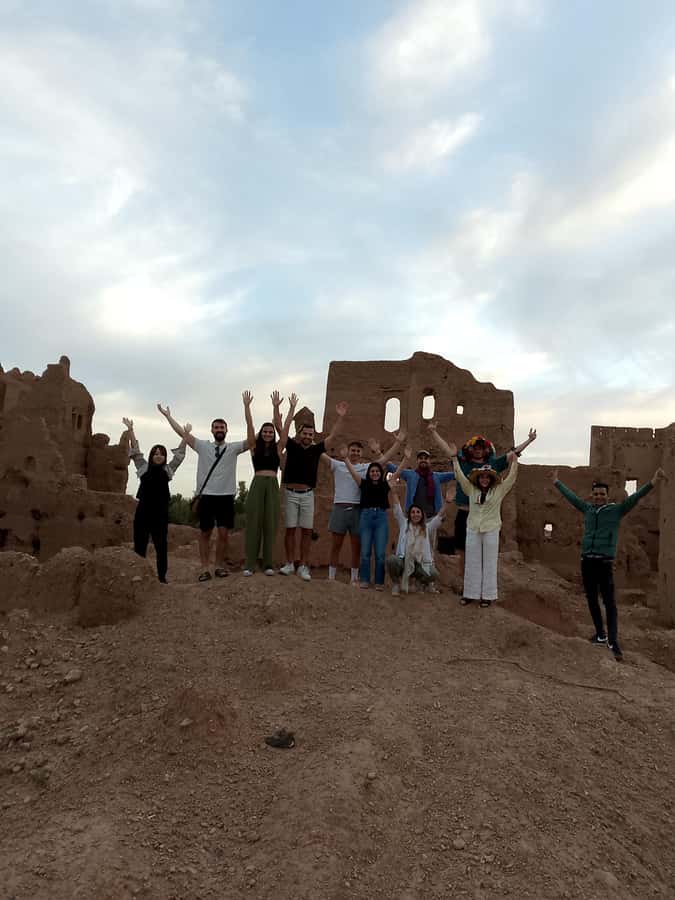
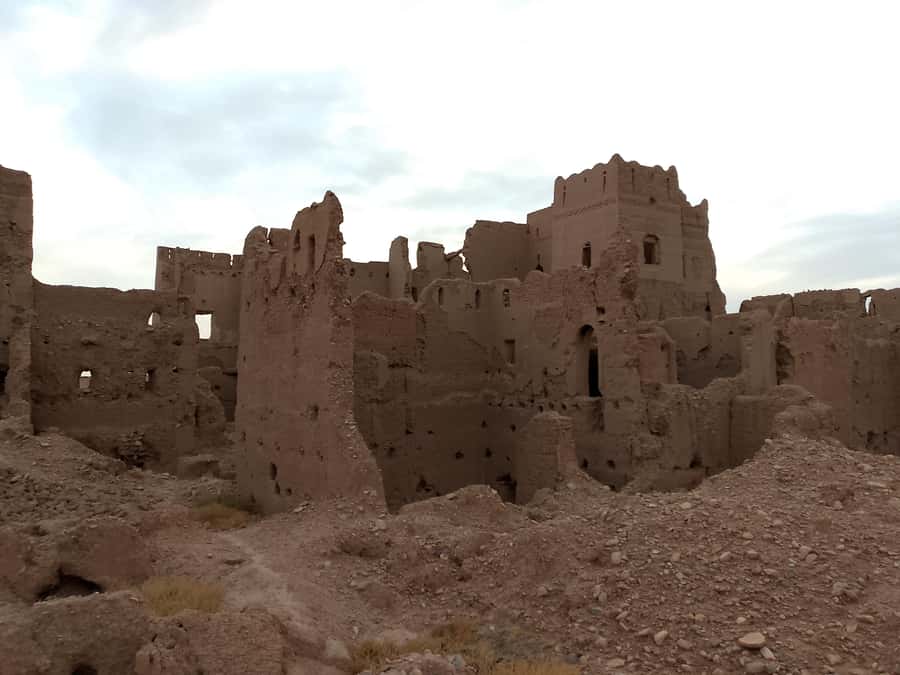
Then comes Ait Ben Haddou, the UNESCO-listed kasbah that’s famous for being used as a set for major films, including Lawrence of Arabia and Gladiator. The village layout is what makes it special: tight lanes, fortress walls, and the sense of time thickness when you’re walking around. A local guide here can help you understand what you’re seeing (the trip details list a small extra fee for a local guide option), and it turns the visit from sightseeing into context.
After lunch—usually at a local cafe along the route (not included)—you continue toward the Dades Valley via Ouarzazate and Klaa Mgouna. That drive is part of the payoff: you’re watching the region’s character change from place to place.
You end the day with dinner and an overnight at Kasbah Safari Rose Dades (or similar), and the hotel setup helps you reset. The swimming pool and towels are included, which sounds small until you’ve spent hours on the road and you want something simple and refreshing at night.
Day 2: Todra Gorges and Tinghir oasis, then Erg Chebbi camels at sunset
Breakfast kicks off the second day, and then you point the van toward Erg Chebbi in Merzouga. Along the way, you pass Berber villages and roadside scenes that feel lived-in—not staged. It’s also a long drive day, so I recommend settling in early and treating the journey as part of the experience.
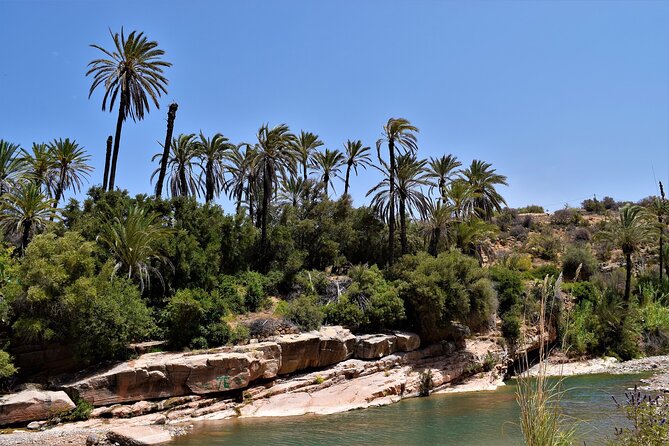
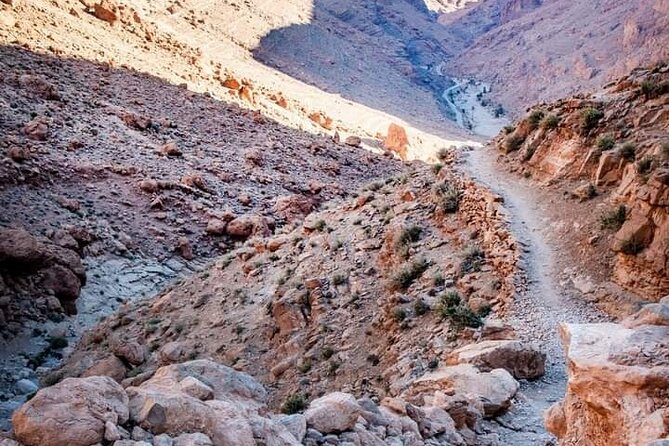
The trip includes a walk stop around Todgha (Todra) Gorge, with a local guide option. Even a shorter canyon walk feels different from the Atlas road views because you’re suddenly inside the rock drama. You also get time around palm oasis greenery, which helps break up the mountains-to-desert shift.
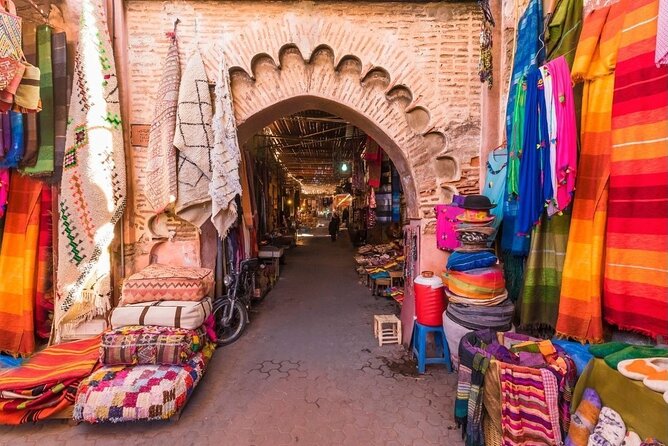
A well-timed culture stop is Cooperative Nomades in Tinghir. The idea isn’t just shopping—it’s seeing how crafts and cooperative work connect to local life. If you’re the type who likes bringing home something more meaningful than a random trinket, this kind of stop is a good match. (And it doesn’t slow you down for hours.)
By the time you reach Merzouga, you’ll have a chance to relax before the camel trek. The camp night is built around the desert feel, so you pack a small overnight bag for the dunes. Your main luggage is stored safely in the vehicle during the camel part, so you’re not dragging everything with you.
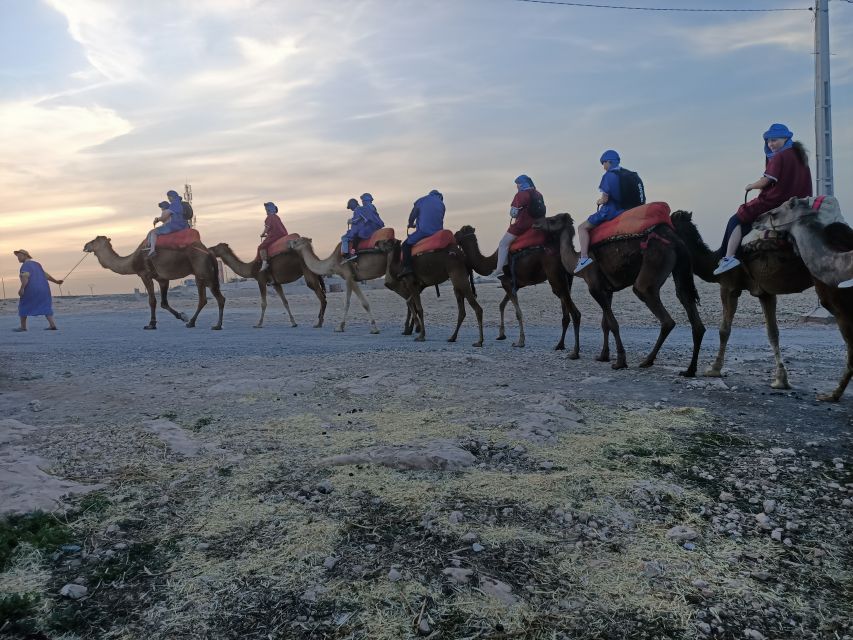
Then it’s time for the camel ride over Erg Chebbi dunes. In the field, the ride is often described as about an hour, and you can expect the usual post-ride tea moment—mint tea hits especially well after sand on your clothes. You ride toward the dunes, then go trekking to the higher sand for sunset, arriving at camp as the light turns golden and the sky starts to open up.
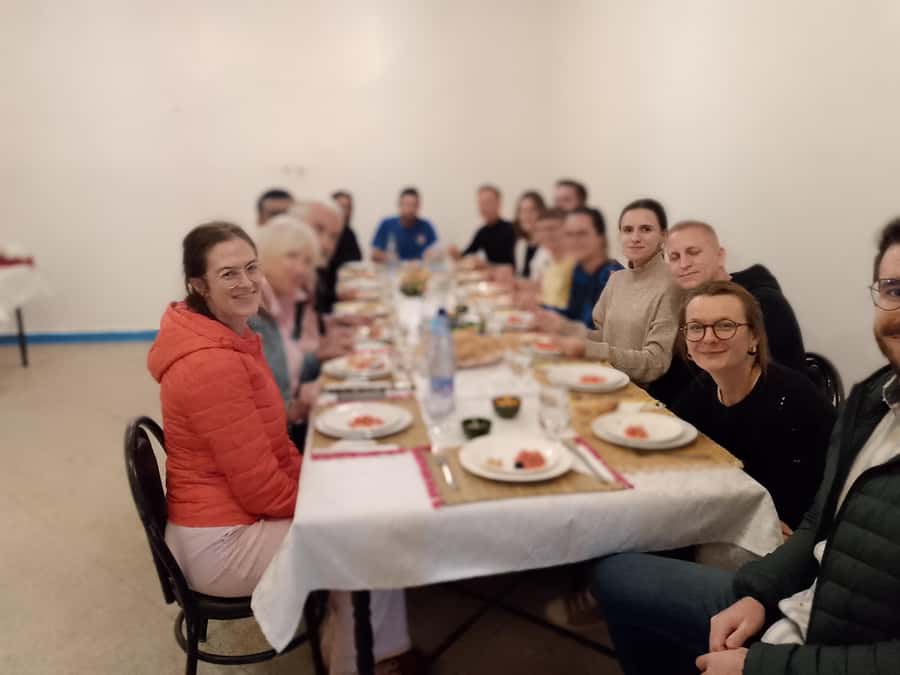
Dinner and breakfast are included in the camp, and the night in nomadic-style Berber tents is the big emotional payoff of the whole trip. The drums and music aren’t there to entertain you like a show; they fit the atmosphere, and they make the night feel like a shared moment rather than a staged performance.
Day 3: Sunrise on the dunes, then Dades Valley Monkey Fingers
The third morning starts early again: you go out for sunrise over the Sahara. If you want one photo you’ll actually care about later, this is it. Sunrise light on Erg Chebbi isn’t like sunrise anywhere else—the sand texture and scale make it feel vast.
Then you head back on camels. After that, the day transitions away from desert and back toward the Dades Valley area. The move is satisfying because you’ll feel the country shift from dunes back into rock and greenery.
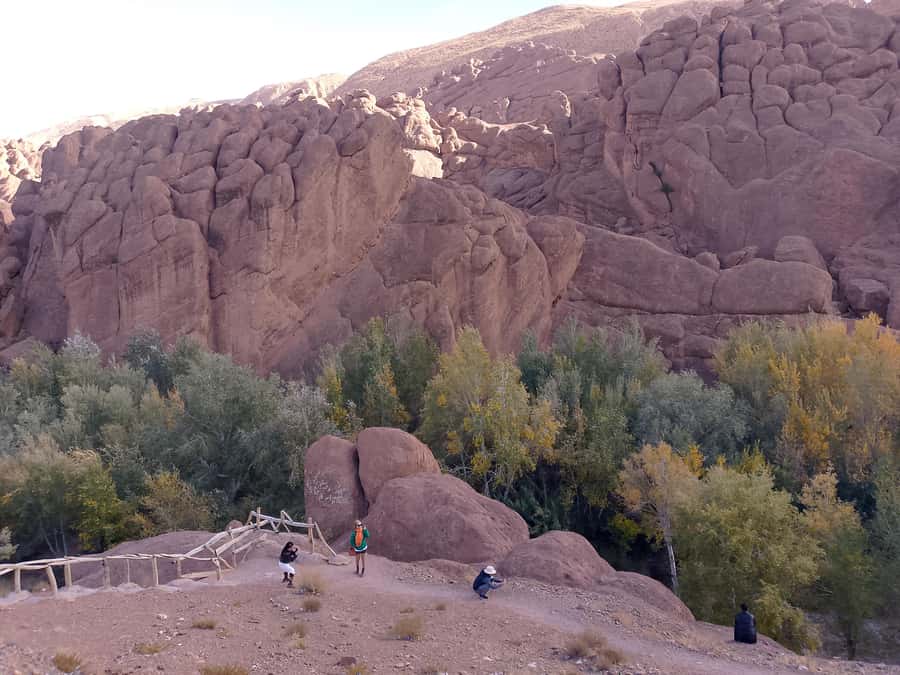
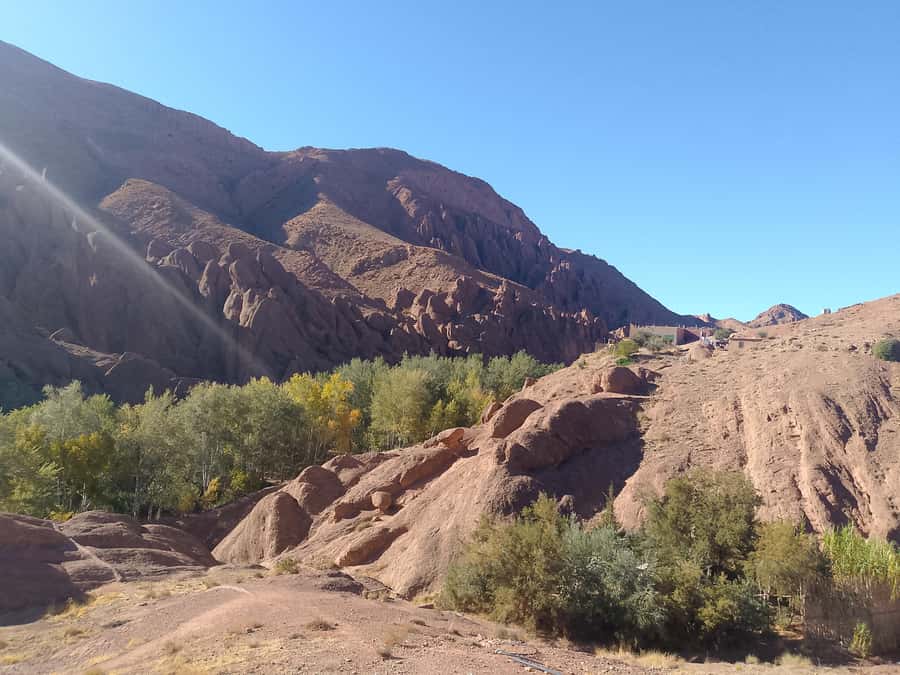
A standout stop here is Monkey Fingers, a set of unusual rock formations that look almost planted by someone with a quirky sense of design. The trek is typically described as 1–2 hours of walking, and that length is usually enough to get photos and exercise without turning into a long hike marathon.
You can also hire a local guide here if you want more storytelling and interpretation (the tour details list a local guide option with an extra fee). If you’re traveling with kids or you just don’t want to spend your time reading signs, a short guided explanation can make the “what am I looking at?” moments click fast.
That evening, you return for another overnight at Kasbah Safari Rose Khmis Dades (or similar). This is where having actual hotel comfort helps. After two nights of “desert and dunes,” you’ll appreciate the pool and the easier shower setup before the final return to Marrakech.
Day 4: Back over the Atlas to Marrakech, with one last pass through Tizi n’Tichka
The final day starts with departure from the Dades area and heads back toward Ouarzazate and the Atlas Mountains. You again wind through the Tizi n’Tichka Pass area, with photo stops built in. Seeing the pass twice in the same trip is useful—it helps you compare the views at different times and how the light changes the mountains’ tones.
Lunch is at leisure along the way (not included). The rest of the day is mostly about finishing strong: staying patient on the road, enjoying the villages as they pass, and using the stops for quick stretching.
You’ll reach Marrakech toward the end of the afternoon, around 7 to 8 PM, finishing near Jemaa el-Fna. That’s a helpful landing point because it’s central and easy to connect onward from.
Price and value: what $182 covers, and what to plan for
At $182 per person for four days, the value mostly comes from what’s bundled. You’re paying for transport across long distances and staying overnight in two included accommodations that come with meals.
Included items worth noting:
- pickup from your accommodation (or the nearest car-accessible point) in Marrakech
- transport in a van with an English/French-speaking driver
- camel ride (one camel each)
- dinner and breakfast at the first kasbah hotel night
- dinner and breakfast at the Merzouga desert camp night
- a second kasbah-style night in the Dades area
- towels at the accommodations
- swimming pool access at Kasbah Safari Rose (or similar)
- vegetarian dinner and breakfast option
Not included, so budget ahead:
- lunch and soft drinks
- any private expenses
- optional local guide add-ons at Ait Ben Haddou, Todra Gorge, and Monkey Fingers (the details list local guide fees per person)
One small but important practical note: the tour states that the camel ride can be replaced by a 4×4 transfer to the camp upon request. That’s useful if you want the camp night and sunset but don’t want the riding portion.
If you’re the kind of traveler who tries to piece this together alone, you’ll quickly realize how much coordination it takes: desert camp timing, camel logistics, and getting you back to Marrakech on the right day. This price reflects that structure.
Comfort, reality checks, and who this trip suits best
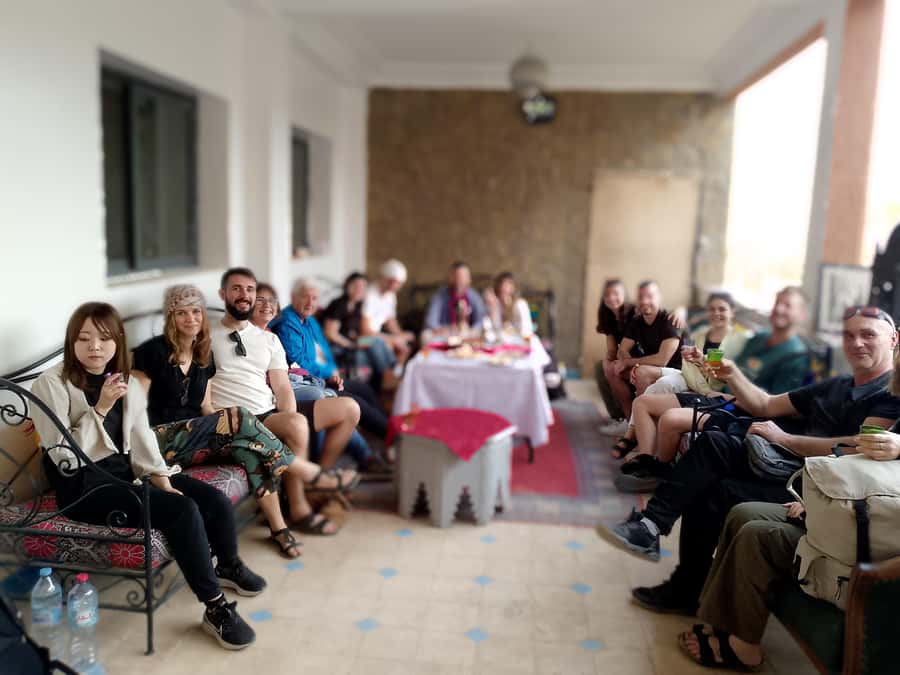
This is a good fit if you want a guided “big picture” trip with enough structure to make desert travel feel easy. It also suits couples and families who don’t want to manage driving across regions in their own rental car.
The trip is more physically manageable than some Sahara itineraries, but it still includes walking. You can expect short to moderate walking segments, including Todra area time and the Monkey Fingers walk (often about 1–2 hours). Comfortable shoes aren’t optional if you care about your feet.
Comfort notes that matter:
- Expect long drives and an early start.
- You’ll need a small backpack for the camel night.
- Luggage storage during the camel trek is available, so you only travel light on that part.
- Bring a headscarf and respect the dress rule: shorts are not allowed.
- You’ll want warmer layers for evenings, especially at camp.
Health and safety fit: the details say it’s not suitable for pregnant women, people with mobility impairments, people with respiratory issues, and people over 95 years. If any of that applies, ask for an alternative plan before booking.
The people factor: drivers and handlers make or break desert travel
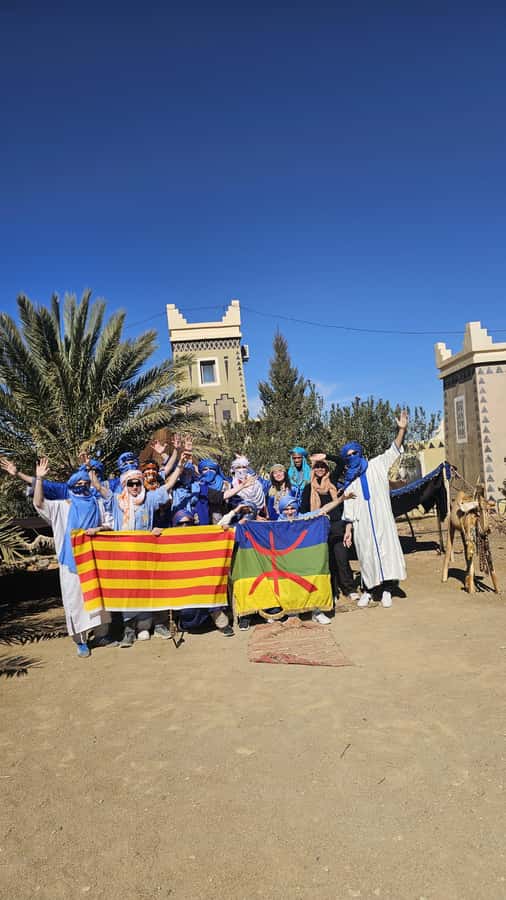
Desert travel is one of those things where the “logistics” become the experience. When pickup is smooth and the driver is calm, everything feels easier.
Past guests specifically praised drivers like Ahmed, Abrid, Khalid, and Said for being on time and communicative, and for keeping the day moving without stress. Drivers such as Chantik were also mentioned for reassurance and good handling when you’re nervous about the camel portion.
Camel handlers matter too. People often feel a little shaky before they mount up, and the best crews make that moment feel safe. The consistent theme here is reassurance plus practical help, and then tea afterward—which turns the ride from a scary novelty into a satisfying memory.
Should you book this Marrakech to Merzouga desert tour?
I’d book it if you want a well-timed mix of Atlas mountains, kasbah culture, canyon walking, and a real desert camp night—without the hassle of assembling all the pieces yourself. It’s especially worth it if you care about Erg Chebbi sunset and sunrise and you like having meals and lodging handled.
I’d skip (or at least rethink) if you hate long days in a van, you need lots of rest between drives, or you can’t handle short walking segments. And if camel riding is a dealbreaker for you, ask about the 4×4 replacement option for the camp portion before you commit.
FAQ
What time does the tour start and when do I get back to Marrakech?
Pickup in Marrakech is scheduled for 08h30, and you typically return around 7 to 8 PM at Jemaa el-Fna.
Where is pickup in Marrakech?
Pickup is from your accommodation in central Marrakech, or from the closest spot accessible by car.
What meals are included?
Dinner and breakfast are included for the nights at the kasbah hotels and at the Merzouga desert camp. Lunch is not included.
Do I need cash for guides?
Local guides at Ait Ben Haddou, Todra Gorges, and Monkey Fingers are optional and are payable on site. Lunch and soft drinks are also not included.
What languages are offered?
The driver is listed as English, and the tour also mentions an English or French speaking driver.
Is there a camel ride, and can it be replaced?
Yes, the camel ride is included (one camel each). The details say the camel ride can be replaced by a 4×4 transfer to the camp upon request.
What should I pack for the desert night?
Bring comfortable shoes, a small backpack for the overnight, a camera, comfortable clothes, and a headscarf.
Is luggage handled during the camel trek?
Yes. Luggage can be stored safely in the vehicle during the camel trek.
How high is the Tizi n’Tichka Pass?
The pass rises to 2260 meters above sea level.