REVIEW · MARRAKECH
3 Days Berber villages Hike (Atlas Mountains)
Book on Viator →Operated by Morocco Mountain Guides · Bookable on Viator
A three-day hike can change your whole Morocco mood. This trek links Marrakech to Toubkal National Park and real Berber village life through Imlil and Azzaden valleys, with guides and mules doing a lot of the heavy lifting. I especially like the way the route mixes wide valley walks, oak and juniper views, and mountain passes without feeling like one endless grind. I also like that the group stays small, so you can move at a pace that actually works for kids, older walkers, and first-timers.
My one caution: you’re still in the High Atlas. Start early, expect real altitude swings (starting around 1,450m and topping out at 2,479m), and remember this experience requires good weather.
In This Review
- Key things to know before you go
- Marrakech to Imi Oughlad: a calm start in the Ouirgane area
- The route over Tizi N’Takhrkhourt and into Azzadene Valley (Tizi Oussem gite)
- The climb out of Azzadene: Tizi n Mzik pass to Imlil area (picnic and village stops)
- Why the Berber village part feels authentic (and not like a postcard drive-by)
- Guides, mules, and meals: the practical stuff that makes it worth it
- Pace, fitness, and who this trek really suits
- Price and logistics: what $232.38 buys you (and why it can be good value)
- What to pack for the Atlas trek (since gear isn’t provided)
- Should you book this 3-day Berber villages trek?
- FAQ
- What time does the trek start, and where do we meet in Marrakech?
- Is pickup from Marrakech included?
- How big is the group?
- Are meals included during the 3 days?
- Is accommodation included?
- Can kids or less experienced walkers take breaks?
- What happens if weather is bad?
Key things to know before you go

- A gentle first day to acclimatize in the Ouirgane National Park area
- Pass-by views and village time, not just “walk, walk, walk”
- Mules and a cook mean breaks are built in, plus proper meals for 2 nights
- A real small-group trek with a maximum of 12 travelers
- Guides who can explain what you’re seeing, including English-speaking support from names like Ibrahim, Rachid, Hamid, and Lahcen (depending on your date)
Marrakech to Imi Oughlad: a calm start in the Ouirgane area
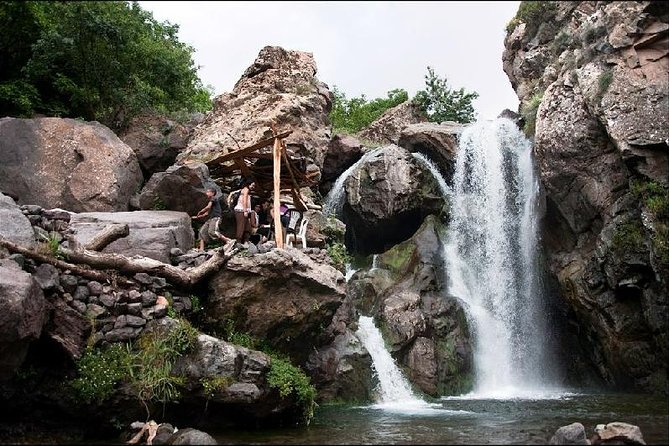
You’ll start from Hôtel Tazi79 Pass (Prince Moulay Rachid) with a start time of 8:00am, and pickup in Marrakech is offered. That early morning matters here. It gets you out of the city feel and into mountain air before the day gets warm.
From Marrakech, the drive takes about 1.5 hours to Imi Oughlad, a small Berber village at roughly 1,450m elevation. Once you meet your guide and muleteer, you’ll load up the mules and begin walking with a goal that’s not “test your legs.” Day 1 is designed as the gentlest acclimatization trek, with fewer steep climbs and descents so your body can adjust.
The route runs through Ouirgane National Park country, where shepherds commonly move through pretty valleys with juniper and oak trees. This is the day to slow down and look. You’re also going to notice the practical side of the hike: the road and track sections are described as comfortable for walking, which helps when you’re with mixed ages or just want a confident first day.
Also, this first walking day is where the trip starts to feel like a real local rhythm. You’re not only passing scenery—you’re moving through an area where people live, herd, and farm, and the walking fits that lifestyle.
You can also read our reviews of more hiking tours in Marrakech
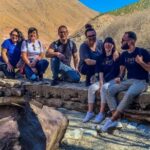
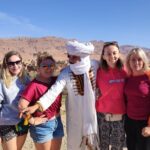

The route over Tizi N’Takhrkhourt and into Azzadene Valley (Tizi Oussem gite)
After breakfast, the walking shifts into more mountain structure. You head toward a big forested stretch of oak trees and get views over the valley and surrounding villages. This is a greener day than you might expect in a place famous for mountains—there’s a “green valley all year round” feel in the way the route is described.
A key moment is the pass at about 2,200m (Tizi N’Takhrkhourt). Crossing it changes the view in a noticeable way: the Ouirgane valley gets left behind as you head toward the Azzadene Valley and its Berber villages. It’s not just a change in scenery; it’s a change in walking mood. You go from easier acclimatization to a more “real trek” experience.
The path through Azzadene opens up into views of a rushing mountain stream. You’ll walk alongside lush walnut groves heading toward the High Atlas peaks above the valley. Then the day ends with an overnight in a village gite in Tizi Oussem, with about 5 hours of walking described for this day.
This is a great stage for families because it offers variety. You get climbing energy, then softer valley walking, then village arrival. It also helps you understand why the mule is more than a convenience. When your legs start to feel it, having animal support and a cook keeping meals flowing makes the overall experience feel manageable rather than punishing.
One more bonus: you’re explicitly traveling through traditional mountain villages. That village time is where you understand what the hike is actually about—community, not just endurance.
The climb out of Azzadene: Tizi n Mzik pass to Imlil area (picnic and village stops)
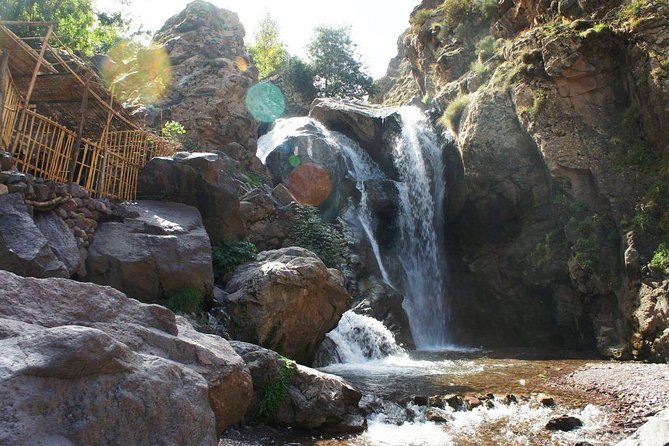
Day 3 is the one that feels most like the “big finish.” You start with a fantastic climb out of the Azzadene Valley, walking up the valley toward the pass at 2,479m (Tizi n Mzik). This is where you’ll see dramatic views, because the walking line rises high enough to open the whole valley system below you.
After the pass, you descend into Imlil. The itinerary includes a fun optional detour: if you’re up for it, you can take a trip to the water, which adds a couple extra hours of walking. If you’re traveling with kids or someone who’s more tired, think of this as a choose-your-own-adventure moment rather than a requirement.
Before the final walking stretch, there’s picnic lunch at Azib Brdoun (about 1,850m). Then you continue on foot to Arghen village (around 1,880m), described as being near the foot of Toubkal. That final approach gives you a sense of arrival without making you feel like you’ve crossed the finish line too early.
This is also the day where good guiding matters most. A pass day can make your pace feel random if the group is mixed. A solid guide helps you keep steady energy so you don’t blow out early—especially on the climb portion.
Why the Berber village part feels authentic (and not like a postcard drive-by)
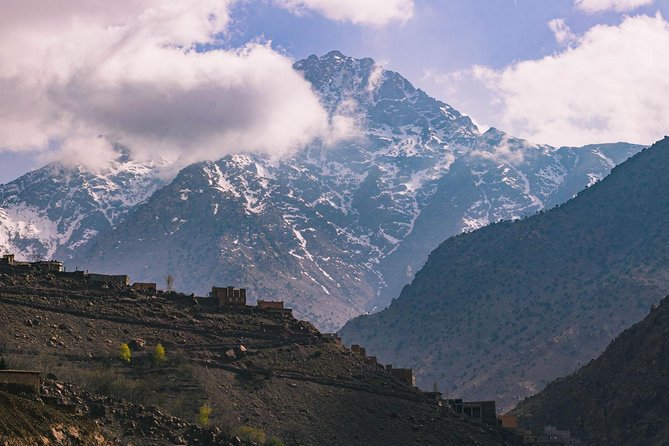
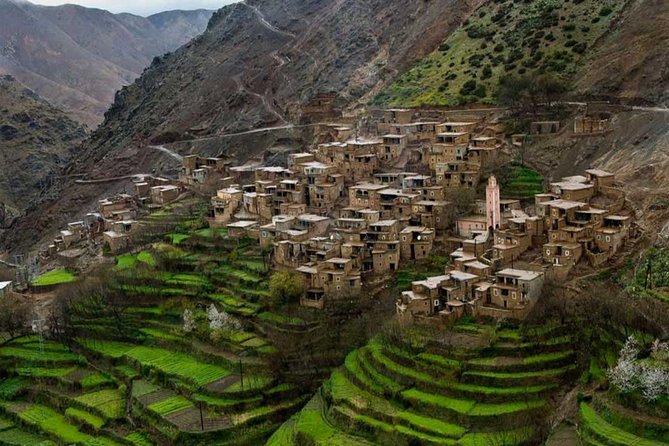
This trek is built around more than viewpoints. You’re moving between places like Imlil, Azzadene valley villages, and smaller Berber communities along the route. That matters because it changes how you experience Morocco.
Instead of arriving, taking photos, and leaving, you’re traveling at the speed of walking through daily life terrain. You’ll likely notice things like farmland patterns, water movement, and how paths connect homes, herding areas, and fields. Even if you don’t speak the language, your guide’s explanations can help you connect what you see to how people actually live up here.
The experience also tends to be adaptable. In past groups, guides such as Ibrahim, Rachid, and Hamid have been praised for being thoughtful and helping when kids get tired. There are also mentions of guides being patient and personable, which matters when you have a family or a mixed-age group. You don’t want a “hard-core only” vibe; you want help when the hike becomes too much for one person.
And food is part of that village authenticity too. With a muleteer and cook included for two nights and three days, meals aren’t treated like an afterthought. In the field, that means you’re not left scrambling for snacks or cold sandwiches. It’s one of the reasons people call the trip a highlight instead of just a pretty walk.
Guides, mules, and meals: the practical stuff that makes it worth it
Let’s talk logistics, because this is where value shows up.
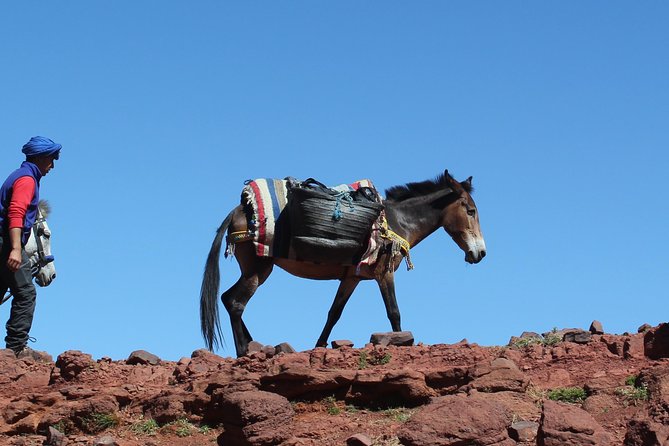
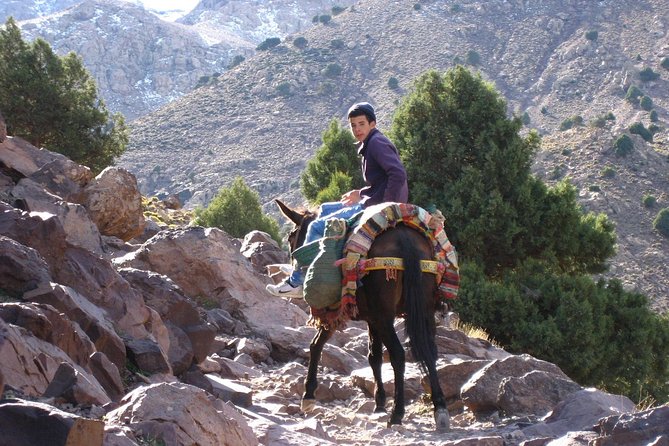
You get a fully escorted experience with a local mountain guide, plus a muleteer and cook. That trio changes the day. The mule helps move supplies so your walk feels like walking, not carrying. The cook keeps meals reliable, which is huge on mountain days when you’re far from shops.
Meals are included for 2 dinners, 2 breakfasts, and 3 lunches. Drinks are not included, so bring a plan for hydration. Still, having the core food sorted makes it easier for families, and it prevents the common “we packed wrong” scramble.
You’re also not walking alone in a vague sense. English-speaking support has been specifically noted in guidance from Ibrahim and others, which can turn the trek into a learning experience without turning it into a lecture. Even better, vegetarians have been handled well in some departures, which means you won’t have to stress about special meals.
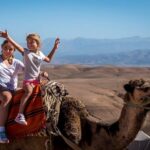
And yes, mules can matter for kids. One theme you’ll hear from groups is that having the option to ride when needed keeps the day enjoyable for everyone. That single detail can be the difference between a successful family trek and a miserable “we have to keep going” situation.
A few more Marrakech tours and experiences worth a look
Pace, fitness, and who this trek really suits
This is rated suitable for families with children and the elderly, as well as people who want a more adventurous trek by increasing their effort on the longer segments. That doesn’t mean it’s a flat stroll—it means the route and support are designed to be adjustable.
You should plan on moderate physical fitness. Day 2 is described with around 5 hours of walking, and Day 3 includes a high pass climb plus an optional extra hours trip toward water. If you’re used to hiking and you want a challenge, you’ll find it. If you’re newer, you’ll still feel proud without needing to be a mountain athlete.
The group size—maximum of 12—also supports this. With a smaller group, your guide can manage pace, breaks, and regrouping. When you’re sharing a trail with different ages, that practical control matters more than big advertised numbers.
Weather matters a lot too. The experience requires good weather, and poor weather can trigger a change in date or a full refund. So choose a trip window when skies are likely to cooperate, and don’t book this as a last-minute add-on with no flexibility.
Price and logistics: what $232.38 buys you (and why it can be good value)
At $232.38 per person for a 3-day trek, you’re paying for more than the hiking route. You’re paying for transportation to the start area, a guide team, mule support, a cook, and meals across multiple days.
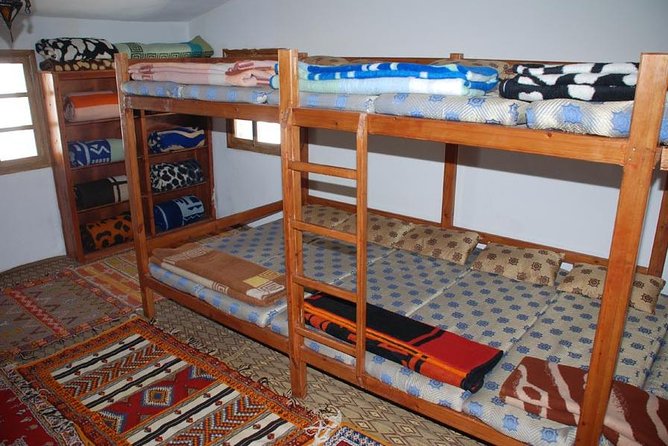
Here’s what’s included: an air-conditioned vehicle, fully escorted guiding, muleteer and cook, and meals for two nights and three days. You’re also getting dinner (2), breakfast (2), and lunch (3). Trekking equipment is not included, and accommodation in Marrakech is not included, but the overnight part of the trek is set in village gites in the valley area.
When you compare that to “cheap and cheerful” treks that only include a guide and you fend for your own food and animal support, the included meals plus mule support start to look like real savings. It’s especially valuable for families and anyone who wants the day to be enjoyable rather than logistically stressful.
The only thing to keep in mind is that you’re still responsible for tips, drinks, travel insurance, and personal items. And since trekking gear isn’t included, you’ll need to bring your own comfort basics.
If you want a well-managed Atlas Mountains experience without the planning headache, the price starts to make sense.
What to pack for the Atlas trek (since gear isn’t provided)
Because trekking equipment isn’t included, I’d pack with comfort and weather in mind. Even when the forecast looks fine in Marrakech, the mountain can feel different once you’re up at higher elevations.
Bring:
- Good walking shoes with traction
- Layers (mountain mornings can feel cooler than city heat)
- A day bag and a rain shell or light waterproof
- Sun protection (the higher you go, the more it matters)
- Water bottle(s), plus a plan for hydration since drinks aren’t included
If you’re traveling with kids, keep extra snacks and small comfort items for the optional moments, like the added water trip on Day 3. You’ll thank yourself when the group has to slow down.
And don’t forget: this experience depends on good weather. If conditions are rough, you may get an alternate schedule or different date.
Should you book this 3-day Berber villages trek?
Book it if you want an Atlas Mountains trek that feels human in scale. The combination of village-to-village walking, mule support, and fully included meals is the kind of structure that lets families and mixed groups enjoy the High Atlas without chaos.
Skip it (or ask more questions first) if you’re looking for a strictly “hardcore Toubkal summit” experience. This trek is about valley passes, Berber communities, and Toubkal National Park country, not about climbing the top peak itself based on the details provided.
Also, if you hate early starts, this one may test your patience since it begins at 8:00am and involves a drive before the first walking stretch. But if you can handle a morning start, you’ll likely enjoy how quickly the air changes once you leave Marrakech behind.
FAQ
What time does the trek start, and where do we meet in Marrakech?
You start at 8:00am at Hôtel Tazi79 Pass, Prince Moulay Rachid, Marrakech 40000, Morocco. The activity ends back at this same meeting point.
Is pickup from Marrakech included?
Pickup in Marrakech is offered, but the meeting point listed is Hôtel Tazi79 Pass.
How big is the group?
This trek has a maximum of 12 travelers.
Are meals included during the 3 days?
Yes. Meals included are 2 dinners, 2 breakfasts, and 3 lunches for the two nights and three days in the Berber valleys/villages.
Is accommodation included?
Accommodation in Marrakech is not included. The trek includes staying in Berber village gites during the hiking days (a gite in Tizi Oussem is mentioned).
Can kids or less experienced walkers take breaks?
The trek uses a muleteer and mules, and the route is described as family-suitable with comfortable walking segments. This support makes it easier to manage tired moments on the trail.
What happens if weather is bad?
This experience requires good weather. If it’s canceled due to poor weather, you’ll be offered a different date or a full refund.