REVIEW · MARRAKESH
Marrakech: Jewish Heritage – Private Tour
Book on GetYourGuide →Operated by Marrakech Guided Experience · Bookable on GetYourGuide
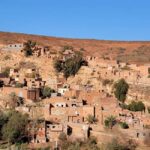
Red walls meet layered stories. This private tour threads Marrakech’s Mellah with stops that connect daily life to faith and community.
In just 3 hours, you get a guided look at Jewish heritage alongside classic Marrakesh landmarks, with hotel pickup and a live guide.
I especially like two parts: the chance to visit a synagogue and to learn through the Jewish cemetery. I also like the format—private group—so you can ask real questions instead of waiting your turn.
One thing to consider: the amount of Jewish detail can depend on your guide. If you want heavy, site-by-site explanation, set expectations early and ask how they’ll cover Judaism at each stop.
In This Review
- Key takeaways before you go
- Marrakesh Jewish Heritage in 3 hours: what the time budget buys you
- Bahia Palace for context: why you start before the Jewish Quarter
- Medina and the Mellah: synagogue visits and cemetery history
- What you’ll look for at the synagogue
- What the cemetery adds
- Souk Semmarine: seeing heritage through crafts and commerce
- The guide quality factor: how to get the Jewish details you want
- Price and value at $94 per person: what’s included and what costs extra
- Tips to get more meaning (and fewer awkward moments)
- Should you book this Marrakech Jewish Heritage Private Tour?
- FAQ
- How long is the Marrakech Jewish Heritage private tour?
- What does hotel pickup and drop-off include?
- Is this tour private or shared?
- What places are included on the tour?
- What’s included in the price?
- What’s not included?
- What languages are the guides available in?
- Is the tour wheelchair accessible?
- Can I cancel for a refund?
- Is there an option to reserve without paying right away?
Key takeaways before you go
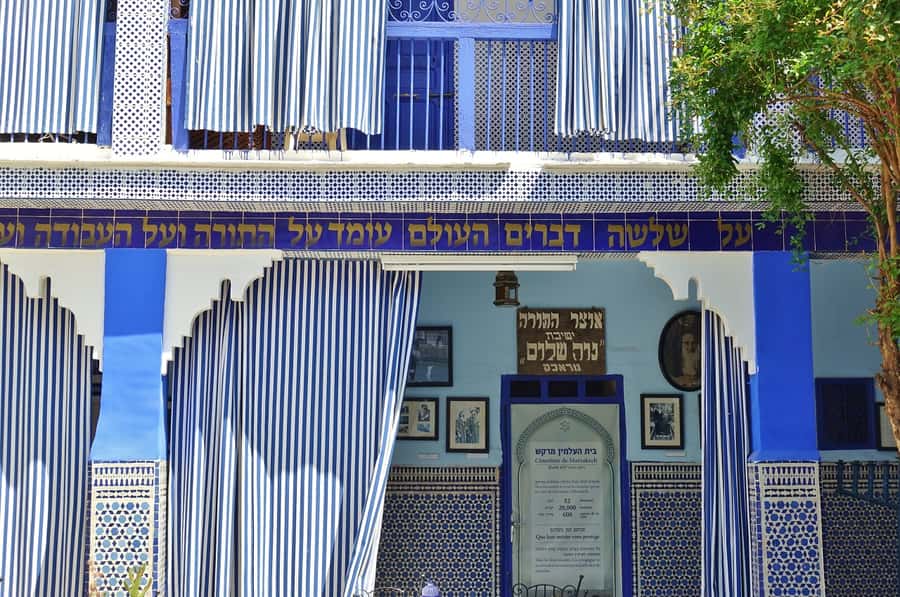
- Synagogue + cemetery time: You’re not just passing by; these stops are the point of the tour.
- A guide who explains, not just walks: Some guides are praised for clear history explanations, so your choice matters.
- Bahia Palace first: Starting here gives you context before you move into the Medina and Jewish Quarter area.
- Souk Semmarine on the route: You’ll connect heritage to real-world crafts and trade you can still see.
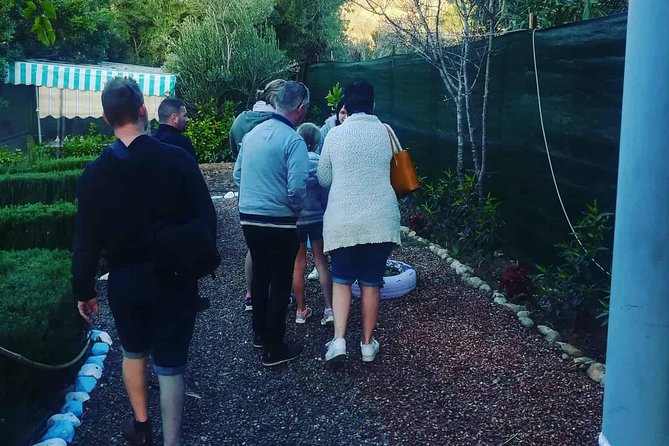
- Private pace, not a crowd circuit: Pickup, drop-off, and a smaller group make it easier to slow down where you want.
Marrakesh Jewish Heritage in 3 hours: what the time budget buys you
Three hours sounds short—good news. In Marrakech, that’s often the sweet spot where you can get meaning without burning a whole day on logistics. This is a private group tour with hotel pickup and drop-off, so you spend less time negotiating streets and more time letting a guide point out what you’d otherwise miss.
You’ll want to go in with the right mindset: this isn’t just sightseeing. The goal is understanding the significance of Jewish life within Moroccan culture, using specific places tied to Jewish community memory—especially the synagogue and the Jewish cemetery.
That said, because the tour packs several stops (Bahia Palace, Medina area, Souk Semmarine), it moves. If you’re hoping for long pauses at every detail, plan to bring questions and ask your guide to focus on what interests you most.
You can also read our reviews of more private tours in Marrakesh



Bahia Palace for context: why you start before the Jewish Quarter
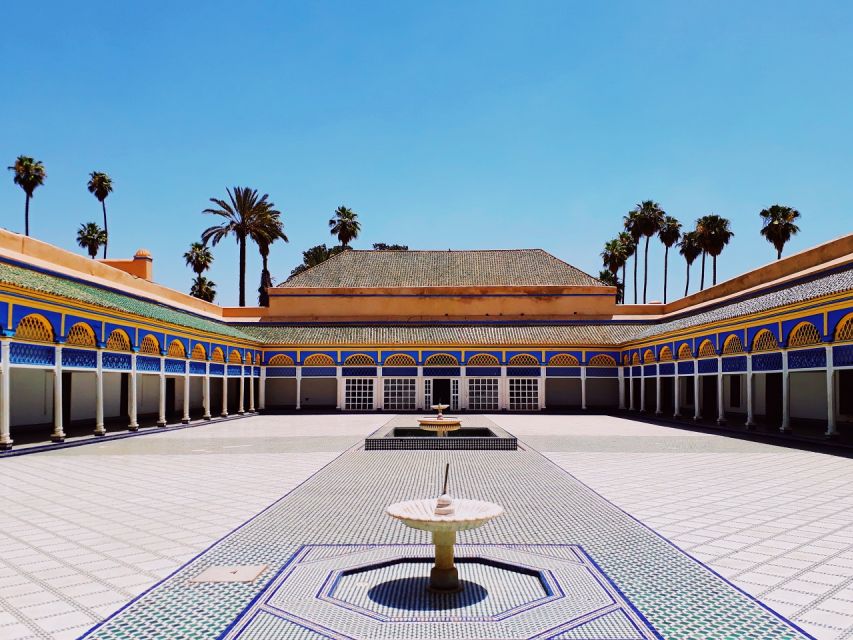
The tour begins with about 1 hour at Bahia Palace, guided. Even if Bahia Palace isn’t a Jewish site, it’s a smart first move. It helps you frame what you’re seeing later—Marrakech’s architecture, artistic style, and the broader story of how communities lived within the city.
I like starting with a guided palace visit because it trains your eyes. You begin noticing craftsmanship, layout, and design choices that show up again in other Marrakech landmarks. Then, when you head into the older neighborhoods, you’re not just moving through narrow streets—you’re reading the city.
Potential drawback: if you’re only focused on Jewish heritage and nothing else, Bahia Palace might feel like warm-up time. You can fix that by telling your guide upfront: you’re here for the Mellah story, the synagogue, and the cemetery, and you want the rest kept tightly connected to that theme.
Medina and the Mellah: synagogue visits and cemetery history
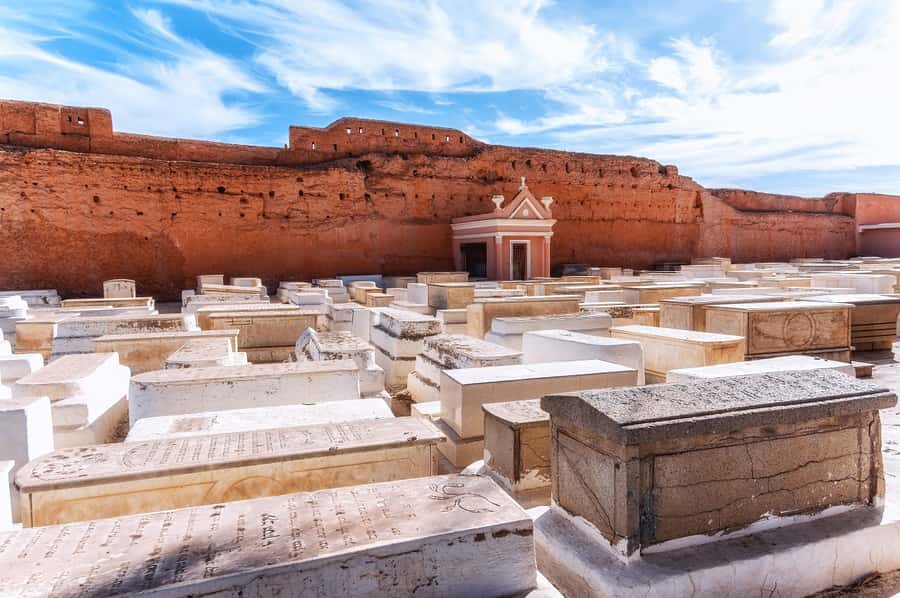
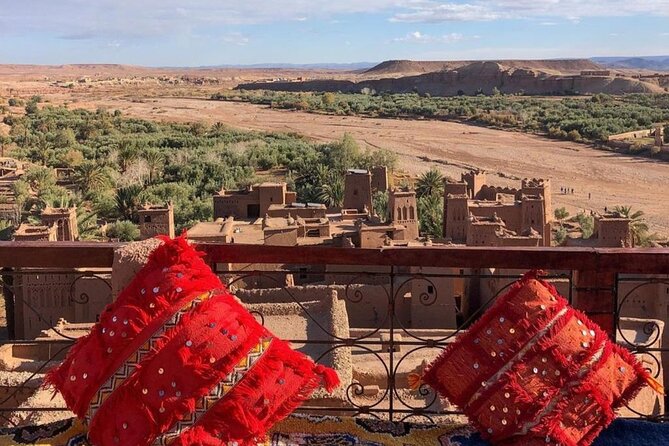
The heart of the experience is the Jewish Quarter area—the Mellah. The tour is designed to help you understand Jewish life in Morocco through the places where it’s still visible: historic buildings and synagogues, plus the Jewish cemetery.
You’ll spend about 1 hour in the Medina area with a guide, and this is where you’ll get the neighborhood context: the layout of streets, the feel of how communities moved through daily life, and how heritage connects to the city’s social fabric. The plan is to connect Jewish history to what you can observe now, not just to facts on paper.
What you’ll look for at the synagogue
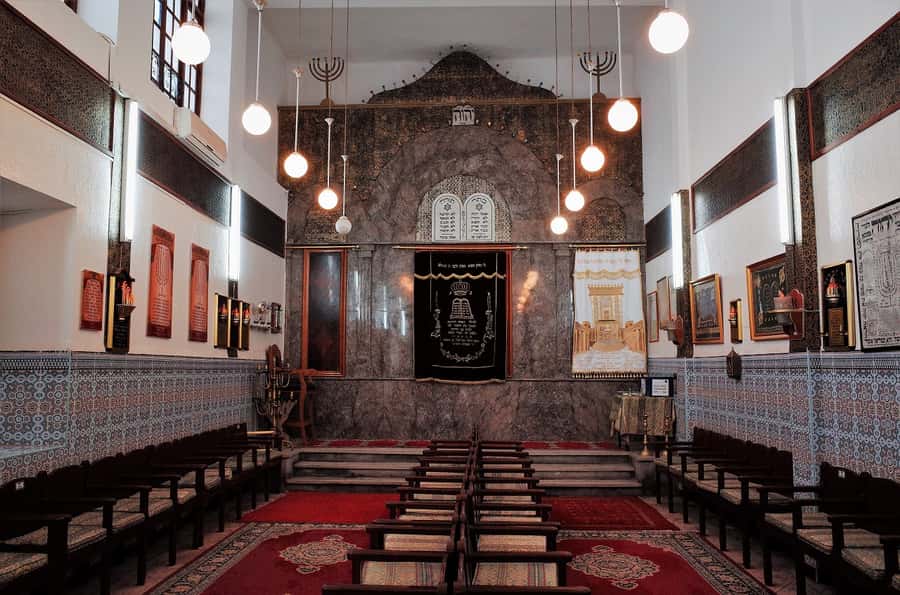
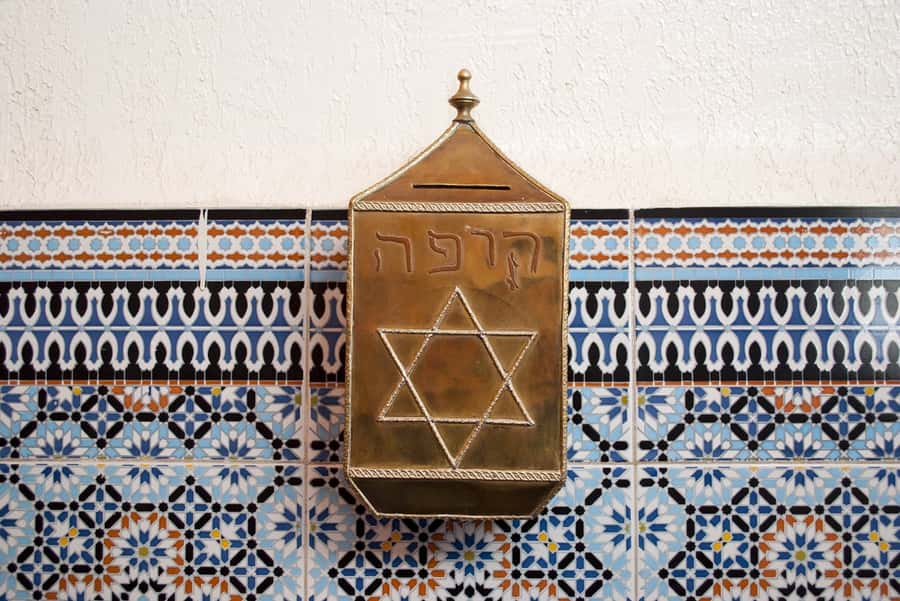
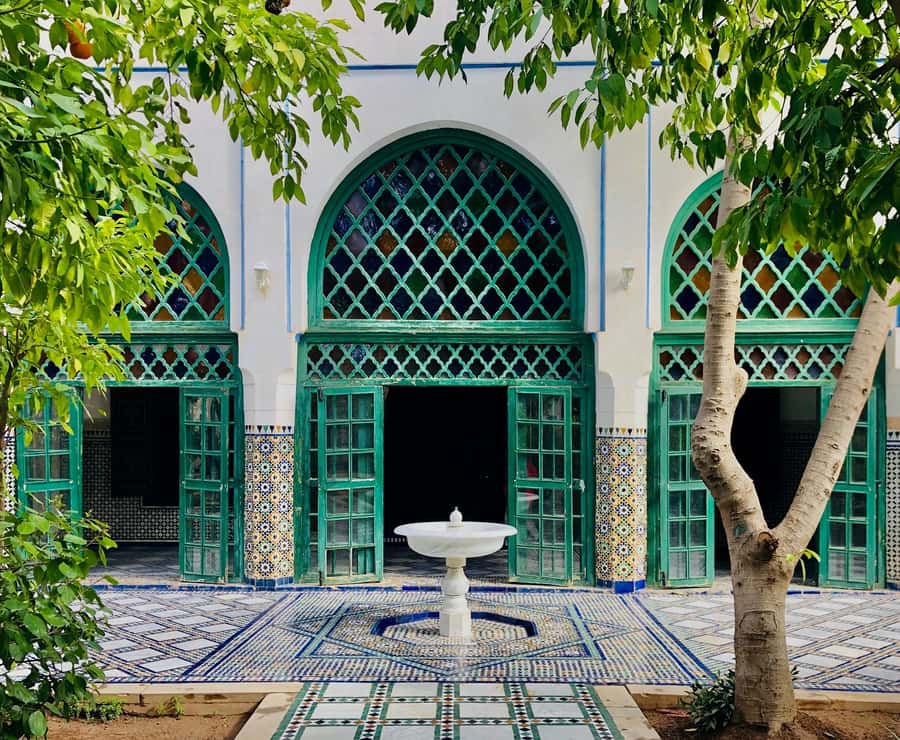
The tour includes a synagogue visit. Expect an emphasis on spiritual and artistic heritage—things like mosaics and timeless artifacts, as described in the experience overview. Even if you don’t read every detail, you’ll benefit from your guide translating what you’re looking at into meaning: why these artistic choices mattered, and how religious life expressed itself in the physical space.
What the cemetery adds
Visiting a Jewish cemetery changes the tone of the tour. A cemetery is quieter and more personal than a market street, and it can make the history feel less abstract. Your guide should help you connect what you see to the broader story of community continuity and memory in Marrakech.
Practical consideration: since you’re entering a religious site and a cemetery, keep your behavior respectful and your questions thoughtful. If you want deeper explanations, ask your guide to slow down for the parts you care about most.
You can also read our reviews of more historical tours in Marrakesh



Souk Semmarine: seeing heritage through crafts and commerce
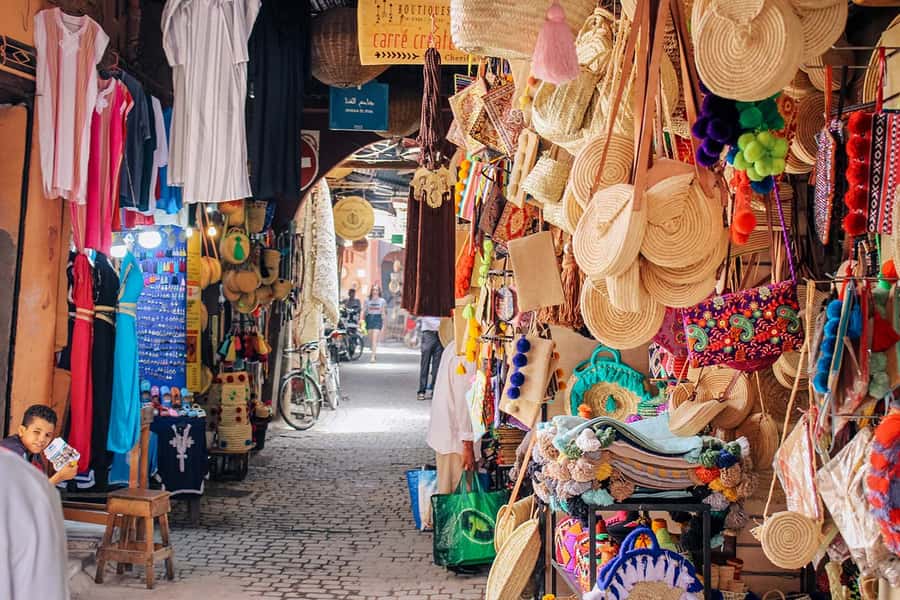
After the Medina focus, you’ll spend about 1 hour at Souk Semmarine. This stop matters because it shows how heritage isn’t only about monuments—it’s also about everyday life: trade, craftsmanship, and how people supported community needs over time.
The experience description highlights traditional craftsmanship and commerce as long-running parts of local life. In practice, that means you’ll be looking at storefront rhythms, trades, and the kinds of goods that make a neighborhood economy feel real. If you enjoy street-level travel—watching how locals do business—this is a good add-on that keeps the tour from turning purely academic.
A drawback to note: markets can be noisy and crowded, and the pace may change based on the time of day. If your goal is maximum explanation, keep asking for context as you move. A private guide should be able to tailor the flow to your attention span.
The guide quality factor: how to get the Jewish details you want
This tour lives or dies by the guide. Some guides are praised for clarity and for making the history feel meaningful. For example, Charif is specifically noted for being a lovely person and explaining history along the way in a way that made the tour more meaningful. Other mentions highlight that guides can be very patient, including a guide named Said who was described as patient and attentive with kids.
But there’s also a caution from past bookings: one guide was criticized for giving limited Jewish information at each stop, with more movement than explanation once they arrived. Another booking expressed serious concerns about inaccurate or problematic commentary. You don’t need to panic—but you should be smart.
Here’s how to make sure you get the Jewish-heritage emphasis:
- Ask your guide right at pickup: How will you explain the Jewish sites, including what visitors should look for at the synagogue and cemetery?
- Tell them what you care about most: Jewish community life in the Mellah, the synagogue visit details, or the cemetery history.
- If you’re not hearing enough Jewish context, speak up. A private tour is your chance to steer it.
If you’re traveling with kids, the tour can work well when your guide is patient—as noted by the experience involving Said.
Price and value at $94 per person: what’s included and what costs extra
At $94 per person for a 3-hour private tour, the value comes from three things: convenience, access, and interpretation.
You’re getting:
- Hotel pickup and drop-off
- A live guide
- The fact that it’s a private group, not a shared cram session
What’s not included:
- Food and drinks
- Entrance fees to the Monuments
Because this tour includes major stops like Bahia Palace and religious/cemetery sites, there may be entry fees depending on what’s open and what requires payment on the day. Even if you’re not sure, budget for it so the bill doesn’t surprise you.
Is it worth paying instead of DIY?
- If you want a guided explanation that ties the Mellah, synagogue, cemetery, and wider city stops together, paying is usually worth it.
- If you’re the type who loves wandering independently with a guidebook and don’t mind doing your own research, DIY could be cheaper. But you’ll likely miss the connections your guide is meant to provide.
Tips to get more meaning (and fewer awkward moments)
Because you’ll visit a synagogue and a cemetery, plan to treat these stops as more than photo locations. Dress in a way that feels respectful, and keep your questions simple and direct. If anything feels unclear, ask your guide to explain it in plain language.
Also, since the tour touches both formal landmarks and market streets, bring a travel plan that matches the pace:
- Wear comfortable shoes for Medina lanes and market areas.
- Bring a small amount of patience for changing conditions. In old-city Marrakech, routes and crowds can shift quickly.
Finally, don’t be shy about focus. This is private. If you want a deeper synagogue and cemetery story, steer the conversation there and let your guide know that’s your priority.
Should you book this Marrakech Jewish Heritage Private Tour?
Book it if you want a guided, site-based way to understand Jewish heritage in Marrakech—especially if the synagogue visit and Jewish cemetery are your main goals. The private setup and hotel pickup reduce friction, and the route through Medina and Souk Semmarine helps you connect history to the city as it exists today.
Skip it or consider adjusting your expectations if you’re very sensitive to guide-dependent quality. Before you go, ask how the guide will explain Jewish context at each stop, and confirm you’ll get enough explanation—not just movement between places.
If you can find a guide who prioritizes accurate, clear Jewish history (and you communicate your focus), this tour can feel like a rare mix of place + meaning—exactly what heritage travel should be.
FAQ
How long is the Marrakech Jewish Heritage private tour?
The duration is 3 hours.
What does hotel pickup and drop-off include?
You’ll be picked up from your accommodation in Marrakesh and dropped back at the end of the tour.
Is this tour private or shared?
It’s a private group tour.
What places are included on the tour?
The experience includes a guided visit to Bahia Palace, a guided walk in the Medina area, and a visit to Souk Semmarine, along with Jewish heritage sites such as the synagogue and the Jewish cemetery within the Mellah area.
What’s included in the price?
The included items are hotel pickup and drop-off, a live guide, and the private tour.
What’s not included?
Food and drinks are not included, and entrance fees to monuments are not included.
What languages are the guides available in?
The live tour guide is available in English, French, and Arabic.
Is the tour wheelchair accessible?
Yes, it is wheelchair accessible.
Can I cancel for a refund?
Yes. You can cancel up to 24 hours in advance for a full refund.
Is there an option to reserve without paying right away?
Yes, reserve now & pay later is available.