REVIEW · MARRAKESH
Marrakech: Guided Medina History & Culture Tour
Book on GetYourGuide →Operated by Marrakech Lifestyle · Bookable on GetYourGuide
Medina streets make sense fast. You’ll get a smart, story-led walk that links major sights with everyday life, plus skip-the-line entry to both Bahia Palace and Ben Youssef Medersa. I also really like how the route pulls you away from only the main photo spots and into real neighborhood streets and market energy.
The second big win for me is the way the guide, Youssef, connects architecture and art to how people lived—especially at the palatial riads and the Arabo-Islamic details in the madrasa. If you want a Marrakech “course correction” for your first day, this tour helps you read the medina like a map, not like chaos.
One consideration: it’s a lot of walking in dense, busy areas, and the tour is not suitable for wheelchair users. Also, at $65 per person, it can feel steep if you mainly want casual wandering and no guided focus.
In This Review
- Key Highlights to Know Before You Go
- Where the Tour Starts: Koutoubia’s Gardens and First Orientation
- Quick History in the Streets: Jewish Quarter, Mellah, and Market Life
- Bahia Palace: Andalusian Riads, Zellij, and the Art of In-between Spaces
- Walking Deep Into Old Neighborhoods: Where Locals Shop
- Ben Youssef Medersa: Arabo-Islamic Craft You Can Still Feel
- Souk Focus: Leather, Old Courtyards, and “Trade at Work” Energy
- Spices Square and Semmarine Souk: From Scents to Sales
- Ending at Jemaa el-Fnaa: Street Life and a Traditional Moment
- Price and Value: Is $65 Worth It?
- Who This Tour Suits Best (and Who Might Want Something Else)
- Practical Tips to Get More Out of It
- Should You Book This Marrakech Medina History and Culture Tour?
- FAQ
- Where do I meet the guide?
- How long is the tour?
- What’s the price per person?
- Does the tour include skip-the-line tickets?
- Which languages are offered for the guide?
- What places do we visit during the tour?
- What should I bring?
- Is the tour wheelchair accessible?
- Is there free time for shopping or food?
- Can I cancel for a refund, and is pay-later available?
Key Highlights to Know Before You Go
- Skip-the-line tickets for Bahia Palace and Ben Youssef Medersa, saving time for two top historic stops
- A guide named Youssef who explains history in clear English or French
- Mellah and Jewish quarter walk paired with a stop at a fresh produce market
- Ben Youssef Medersa tour including the prayer hall, ablutions room, and students’ quarters
- Souk stops with crafts and trades (leather, wood, silver, bronze, and copper activity)
- Finish at Jemaa el-Fnaa with a traditional dance moment and street-life atmosphere
Where the Tour Starts: Koutoubia’s Gardens and First Orientation
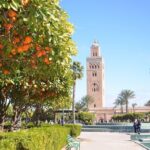
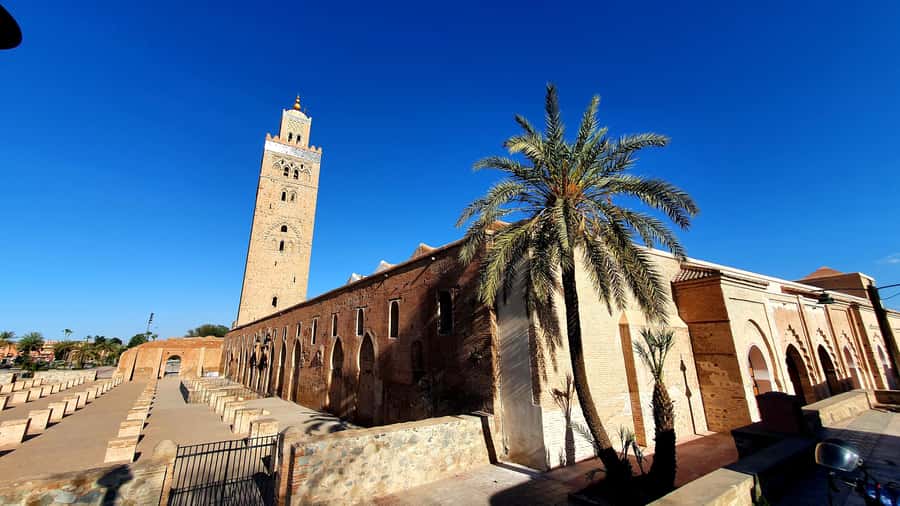
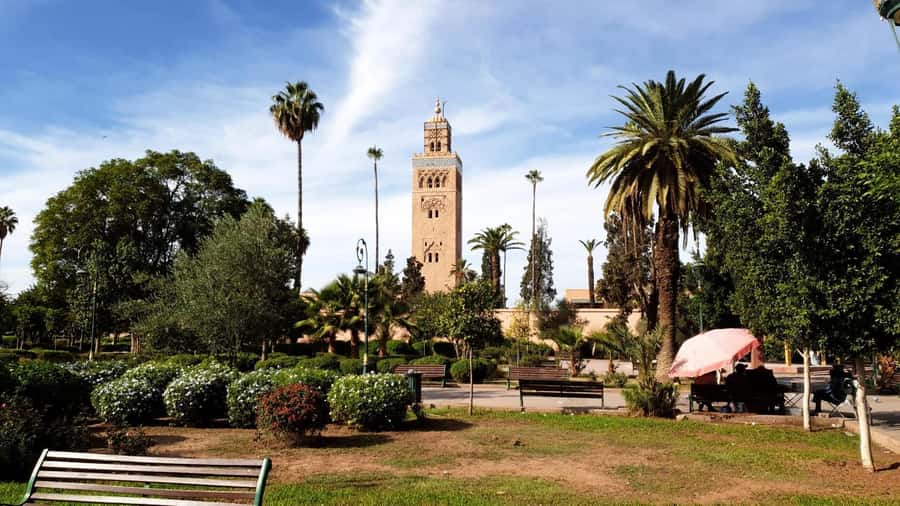
I like starting at Koutoubia because it works like a medina anchor. The meeting point is at the little white mausoleum (dome) at the foot of the Koutoubia mosque tower on Mohamed 5th Boulevard, and from there you’re not immediately swallowed by side streets.
You’ll begin with time around the mosque area—photos, a guided walk, and a safety briefing—followed by strolling through the gardens while the guide sets the scene for early Marrakech. Even without going inside, seeing the mosque from the outside helps you understand how this landmark frames the whole area.
You can also read our reviews of more guided tours in Marrakesh


Quick History in the Streets: Jewish Quarter, Mellah, and Market Life
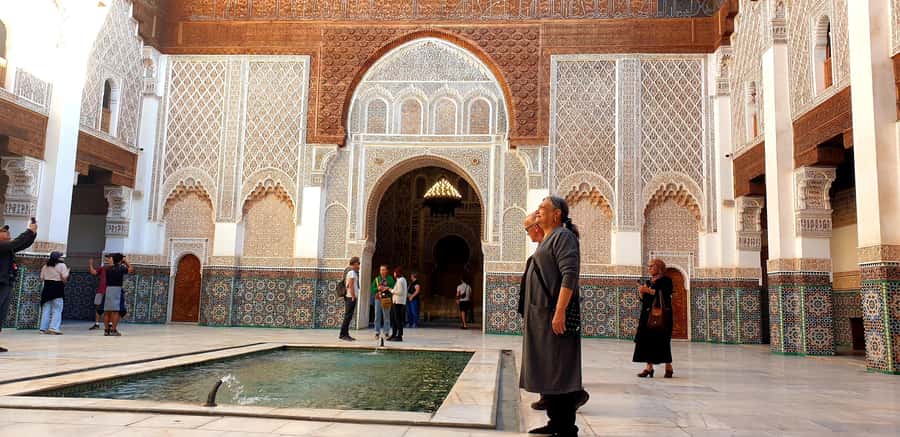
After that first orientation, the tour shifts into people-and-place history. You walk into the Jewish quarter (Mellah) and get a photo stop and guided explanation of Morocco’s Jewish heritage, which gives context before you even start shopping or sightseeing.
Then comes a practical, sensory stop: the busy fresh produce market. This is where the tour earns its value, because you’re not just looking at monuments—you’re getting a real snapshot of daily commerce, the kind that shapes how neighborhoods feel throughout the day.
Bahia Palace: Andalusian Riads, Zellij, and the Art of In-between Spaces
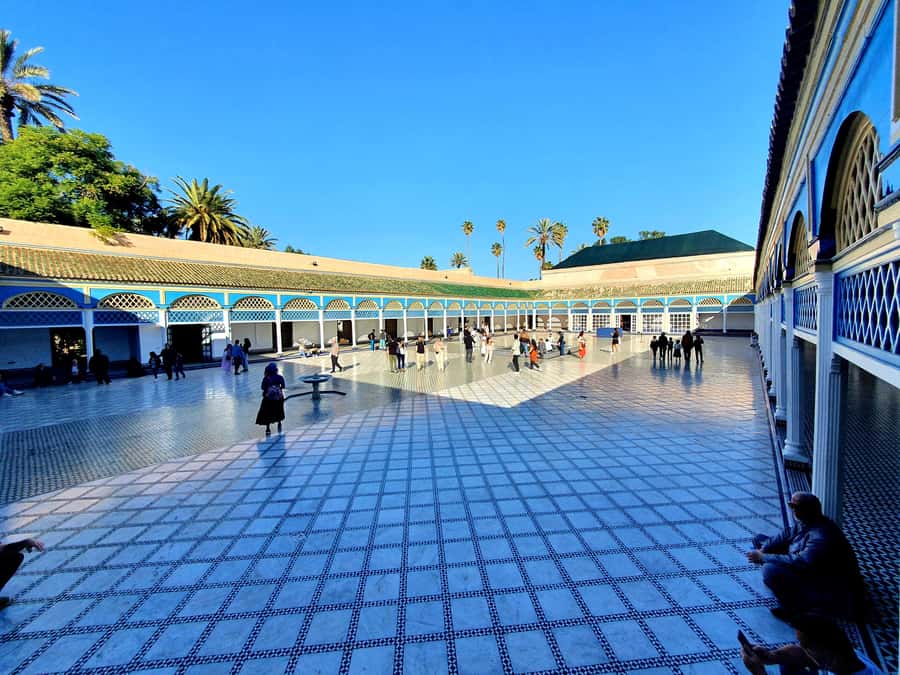
Bahia Palace is often the kind of place you see in pictures, but pictures do not explain the logic. Your guided visit spends about 45 minutes here (including a break and photo time), and the guide focuses on how the palace functions through courtyards, reception rooms, gardens, and patios.
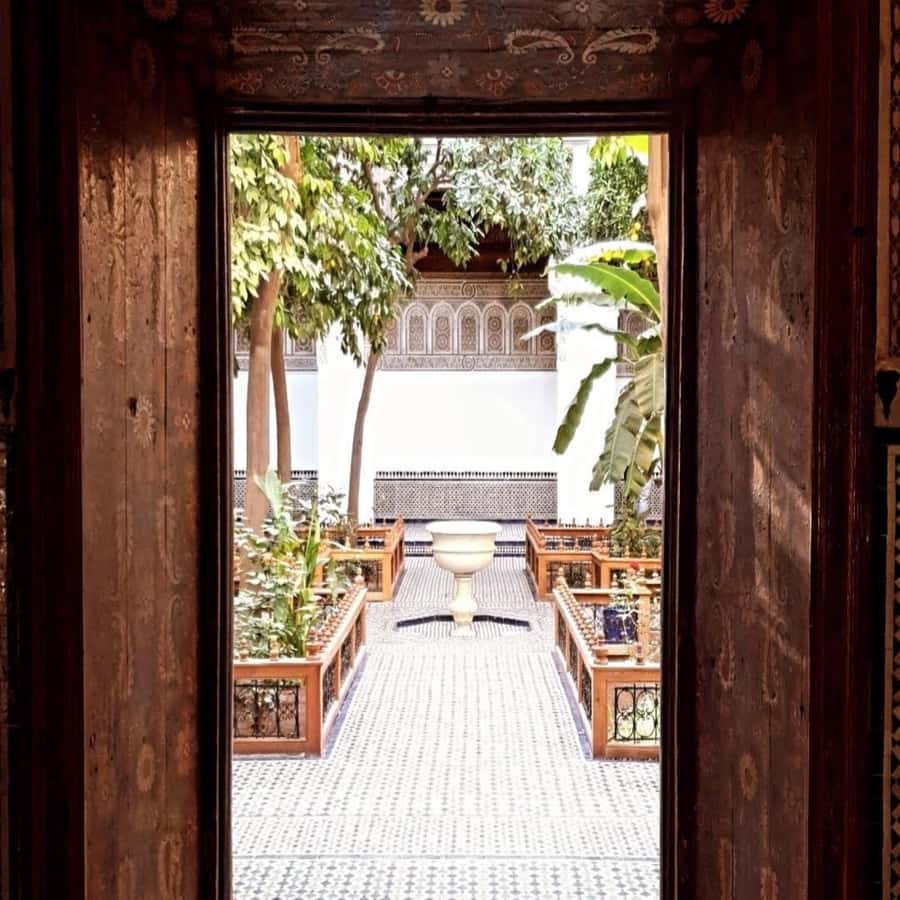
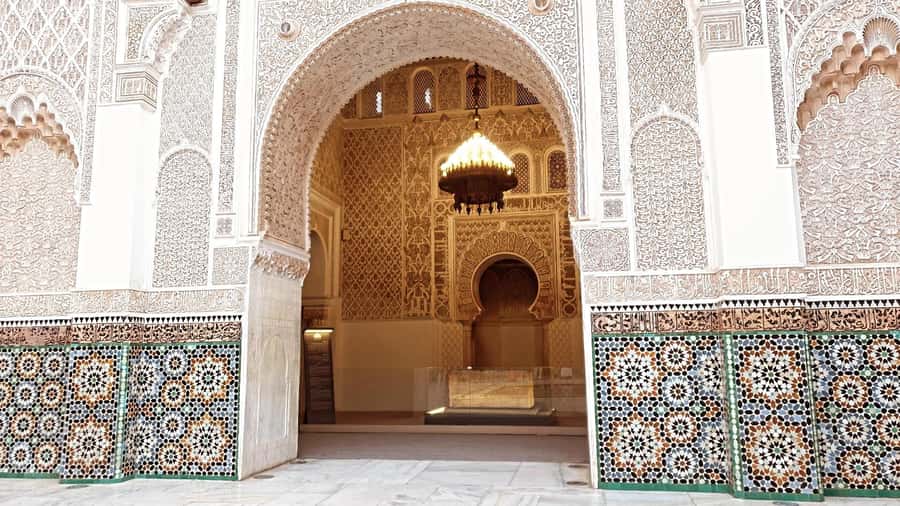
One reason I enjoy this stop is the architecture story is easy to follow. You’ll spend time in the labyrinth-like riads and see details like zellij geometric mosaic patterns, carved stucco with Arabic inscriptions, and cedar ceilings and gates with ornate arabesques.
There’s also a nice pacing element: you get a short break before the tour moves deeper into the medina. That matters in Marrakech, where your energy can disappear fast if you only do long indoor stops back-to-back.
Walking Deep Into Old Neighborhoods: Where Locals Shop
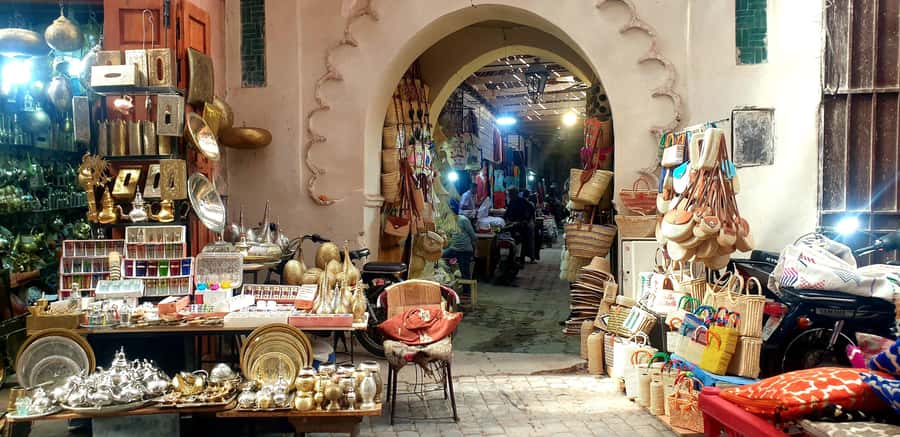
After Bahia Palace, the route moves through the old city streets into typical residential neighborhoods. This section is not about big-ticket sights; it’s about the texture of living—where you might notice locals doing everyday shopping, and where the streets feel less staged than the most famous lanes.
The goal here is perspective. If you try to do this on your own without a plan, you can easily bounce between major attractions and miss how the medina actually operates day to day.
Expect frequent changes in street feel: wider moments for passing, tighter turns, and stops where the guide points out what’s happening around you. Wear shoes that can handle uneven pavement without complaint.
Ben Youssef Medersa: Arabo-Islamic Craft You Can Still Feel
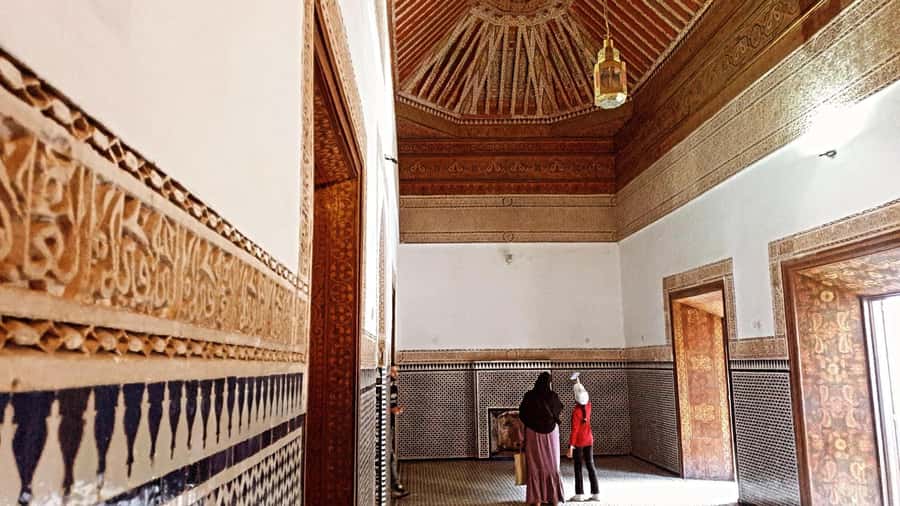
Ben Youssef Medersa is the other big anchor, and it’s the one I’d treat as a must for anyone who likes detail. Your tour includes skip-the-line entry here and a guided visit of about 45 minutes with photo stops and time to explore with the guide.
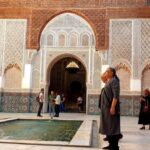
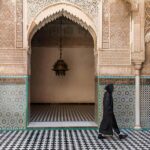
You’ll see key areas that explain how the institution worked. The prayer hall, the ablutions room, and the students’ quarters are all part of the visit, so you’re not only admiring beauty—you’re learning how religious practice and education shaped daily life.
What makes this stop so satisfying is the craftsmanship is not random. The focus stays on the Arabo-Islamic art system—patterns, inscriptions, and spatial design—so you can connect design choices to function and tradition.
You can also read our reviews of more historical tours in Marrakesh
Souk Focus: Leather, Old Courtyards, and “Trade at Work” Energy
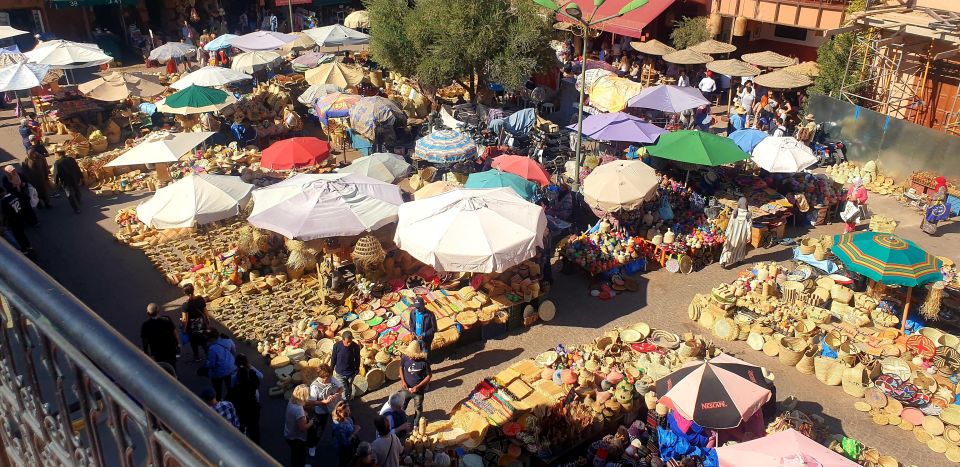
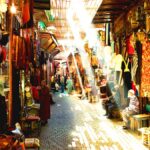
Once you leave the medersa area, you move into the medina’s marketplace rhythm. The tour includes stops connected to skilled trades, with a photo stop and guided attention around سوق الجلد (leather souk area), plus a guided visit that points out the intense activity created by trade.
This part matters because Marrakech souks aren’t just shopping corridors. They’re organized around materials and craft knowledge, and the guide helps you understand the flow—who is doing what, and why different goods are grouped together.
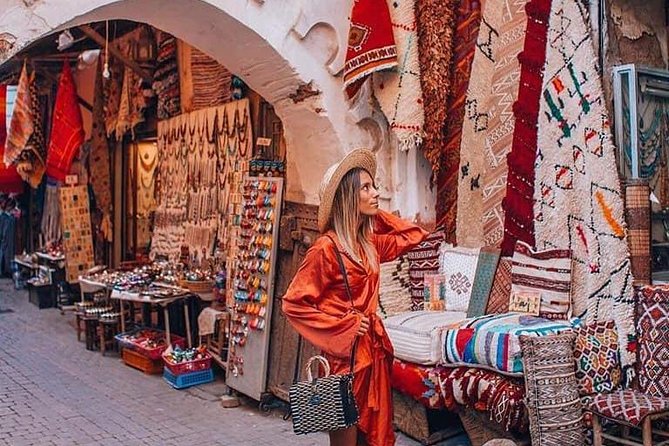
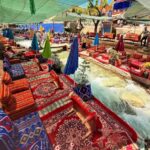
Next comes a discovery stop in the more old-courtyard market area, سوق الرحبة القديمة. You get break time plus free time for shopping, regional food, and chances to see workshop activity. The free time is useful because it gives you control: you can slow down, ask questions, or simply watch how sellers interact.
Spices Square and Semmarine Souk: From Scents to Sales
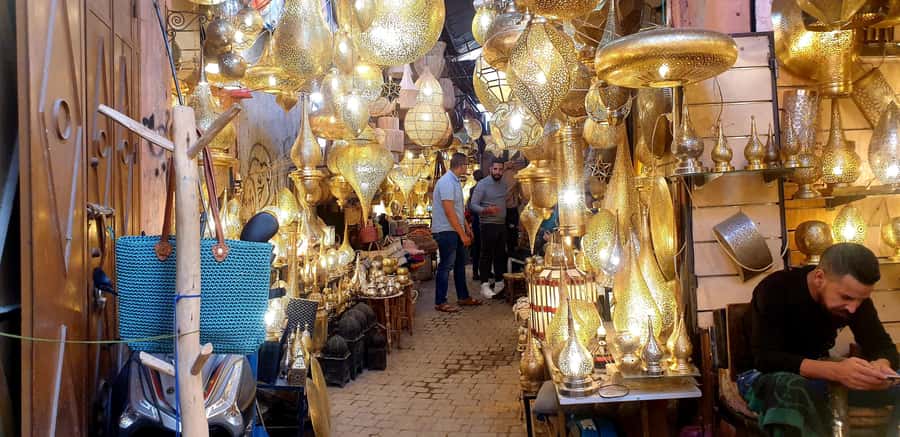
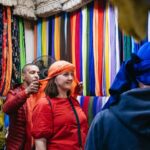
The spice square stop adds another layer. It’s colorful and active, and it gives you a quick sensory reset before you hit Souk Semmarine, which is where you’ll spend time shopping and looking at Moroccan artisans’ work.
The guide frames Semmarine as a showcase for notable Moroccan craftsmanship, and I like that the tour doesn’t treat souks as a single thing. Instead, it treats them like a set of different markets with different textures—spices vs. crafts vs. trade-focused areas.
If you’re into gifts, design pieces, or just understanding what people actually make, this is where you can translate the history you learned earlier into something tangible.
Ending at Jemaa el-Fnaa: Street Life and a Traditional Moment
The tour finishes in Jemaa el-Fnaa, often described as the beating heart of Marrakech—and after you’ve walked the medina, it feels earned rather than thrown at you. You’ll end with a photo stop and sightseeing, and there’s also a traditional dance show moment included in the time at the square.
I like the ending structure because it gives you a strong handhold. Instead of dropping you somewhere random, you’re guided to the place where you can decompress, grab a drink, and decide what you want to do next on your own.
Price and Value: Is $65 Worth It?
At $65 per person for a 4-hour tour, the question isn’t whether it’s cheap—it’s what you’re buying. You’re paying for guided time plus skip-the-line access to two major sites: Bahia Palace and Ben Youssef Medersa.
That combination matters in Marrakech. Palace and madrasa entry can eat up time, and the medina can turn into a blur if you don’t have context. Having a guide help you read what you’re seeing—especially with details like zellij, cedar ceilings, inscriptions, and the madrasa’s functional spaces—turns your visit from sightseeing into understanding.
That said, one traveler did call out the price as excessive for them. So here’s my honest filter: if you want a structured overview and you care about art details and historic meaning, this tour is a solid value. If you only want casual wandering and you don’t plan to spend time at both palaces, you might feel like you paid for guidance you didn’t fully use.
Who This Tour Suits Best (and Who Might Want Something Else)
This is a great fit for first-time visitors who want to get oriented fast. It’s also smart if you enjoy a guided mix of monuments plus markets, because the route doesn’t ignore daily life.
It’s especially good if you like architecture and design. Bahia Palace and Ben Youssef Medersa give you plenty to look at, and you get enough time at each to actually register details.
If you dislike crowds, expect a trade-off. The medina is active, and part of the appeal is walking through that energy. And if you need wheelchair accessibility, this tour isn’t set up for you.
Practical Tips to Get More Out of It
Comfortable shoes are non-negotiable. You’ll do a lot of walking, and you’ll be on your feet through mosque-area gardens, palaces, and old-street market zones.
Bring a phone with battery. You’ll likely take photos at multiple stops—Koutoubia, Bahia Palace, Ben Youssef, souks, and at the end in Jemaa el-Fnaa.
Also, come with one small intention. For example: focus on patterns at Bahia and Ben Youssef, or focus on crafts you’re actually shopping for. When you give yourself a theme, the guided stops feel sharper and you leave with more than random pictures.
Should You Book This Marrakech Medina History and Culture Tour?
I’d book it if you want a guided medina day that connects art, religion, and everyday market life in a logical sequence. The biggest reason is the pairing: skip-the-line palace entry plus neighborhood walking plus souk stops, all under a guide who can explain what you’re seeing in clear English or French.
I wouldn’t book it if you’re hoping for a low-structure stroll or if mobility limitations are a factor. And if $65 feels too high for you, consider whether you truly want both Bahia Palace and Ben Youssef with an organized guide, or whether you’d rather spend that time and money more freely on your own.
If you’re going for your first taste of Marrakech, this tour gives you an excellent starting framework: you’ll know where things are, what matters, and what to come back to later.
FAQ
Where do I meet the guide?
Meet at the little white mausoleum (dome) at the foot of the Koutoubia Mosque tower on Mohamed 5th Boulevard. The guide will be waiting at the reserved/scheduled time with an official badge with a blue ribbon.
How long is the tour?
The tour lasts 4 hours.
What’s the price per person?
The price is $65 per person.
Does the tour include skip-the-line tickets?
Yes. Skip-the-line entry is included for both Bahia Palace and Medersa Ben Youssef.
Which languages are offered for the guide?
The live guide is available in English and French.
What places do we visit during the tour?
You’ll visit Koutoubia Mosque area, the Mellah (Jewish quarter) market area, Bahia Palace, Ben Youssef Medersa, souk areas for leather and crafts, a spices square stop, Souk Semmarine, and you’ll end at Jemaa el-Fnaa.
What should I bring?
Wear comfortable shoes. Bottled water is included (2 small or 1 large per person).
Is the tour wheelchair accessible?
No, it’s not suitable for wheelchair users.
Is there free time for shopping or food?
Yes. There is break time and free time during the market portion, including shopping and regional food.
Can I cancel for a refund, and is pay-later available?
You can cancel up to 24 hours in advance for a full refund. There’s also a reserve now and pay later option, where you can book your spot without paying today.