REVIEW · MARRAKESH
Marrakech Desert Tours 3 Days with Camel Trek and Camping
Book on GetYourGuide →Operated by MOROCCOFIRSTGATE · Bookable on GetYourGuide
Sand, stars, and UNESCO sites in three days. This trip is a fast and satisfying switch from Marrakech bustle to Sahara silence, with a real Camel trek and an unforgettable Ait Ben Haddou stop. I especially like how the itinerary mixes big sights with quiet moments, like watching the dunes glow during sunset and again at sunrise. The main drawback is simple: it is a lot of time on the road in the air-conditioned vehicle.
I also appreciate the human touch. In different runs of this tour, guides like Ayoub, Moustapha, Hasan, and Hicham bring the route to life, and the bus comfort adds up over long stretches, including air conditioning and USB chargers for your phone.
One more thing to plan for: this is not a gentle stroll program. The camel riding and early mornings mean you should go in with the right stamina, and it is not suitable for people over 70, pregnant women, or children under 12.
In This Review
- Key Highlights You’ll Actually Feel
- Marrakech to Merzouga in 3 Days: What This Trip Really Delivers
- High Atlas and Tizi n’Tichka: Curves, Coffee Stops, and Good Photo Light
- Ait Ben Haddou Kasbah: Why This UNESCO Stop Matters
- Ouarzazate, Roses Valley, and the Dades Area: The Scenic Buffer Day
- Merzouga and Erg Chebbi: Getting Oriented Before the Dunes
- Camel Trek to the Camp: Sunset Views, Drums, and Real Stars
- What to pack so the desert feels good
- Sandboarding and quad rides: the extras you might find
- Sunrise Camel Ride and the Return to Marrakech
- Price and Value: Is $115 a Good Deal for This Route?
- Comfort, Meals, and the Human Side (Guides Matter)
- Who This 3-Day Marrakech to Merzouga Camel Trip Fits Best
- Should You Book This Tour?
- FAQ
- How many nights are included on this Marrakech to Merzouga trip?
- What does the camel trekking include?
- Is lunch included?
- Are entrance fees included for Ait Ben Haddou?
- What kind of accommodation do you sleep in?
- Is there a vegetarian option?
- What ages is the tour not suitable for?
Key Highlights You’ll Actually Feel
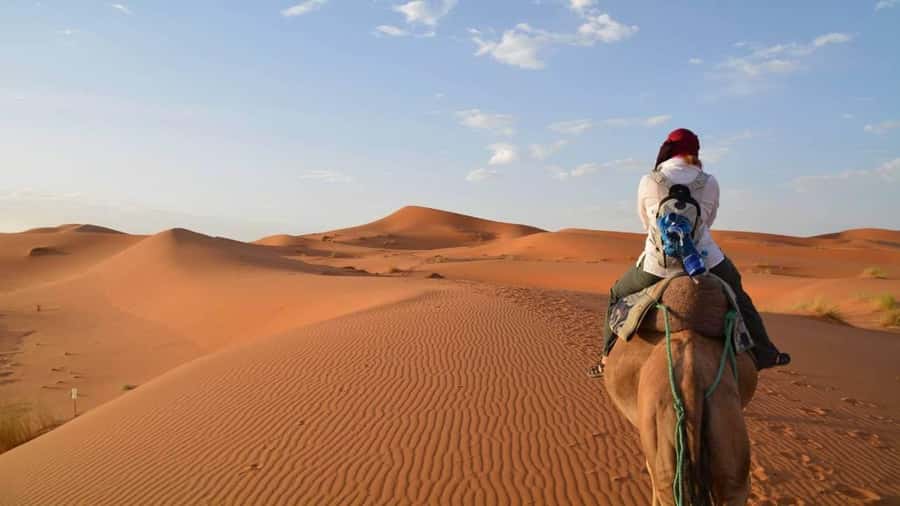
- Two camel rides (sunset and sunrise): one at the dunes’ golden hour, then another when the desert turns cool and pale.
- UNESCO Kasbah Ait Ben Haddou: you stop long enough to see it properly, with local guidance around the fortified village.
- Erg Chebbi night in a private desert tent: dinner and breakfast included, under a sky that feels shockingly wide.
- Comfort for the long drives: air conditioning plus USB chargers helps on the Marrakech-to-Sahara commute.
- Possibility of sand-boarding or even a quad ride: you may get extra fun time depending on the day and setup.
- Vegetarian-friendly meals: dinner and breakfast can be vegetarian.
Marrakech to Merzouga in 3 Days: What This Trip Really Delivers
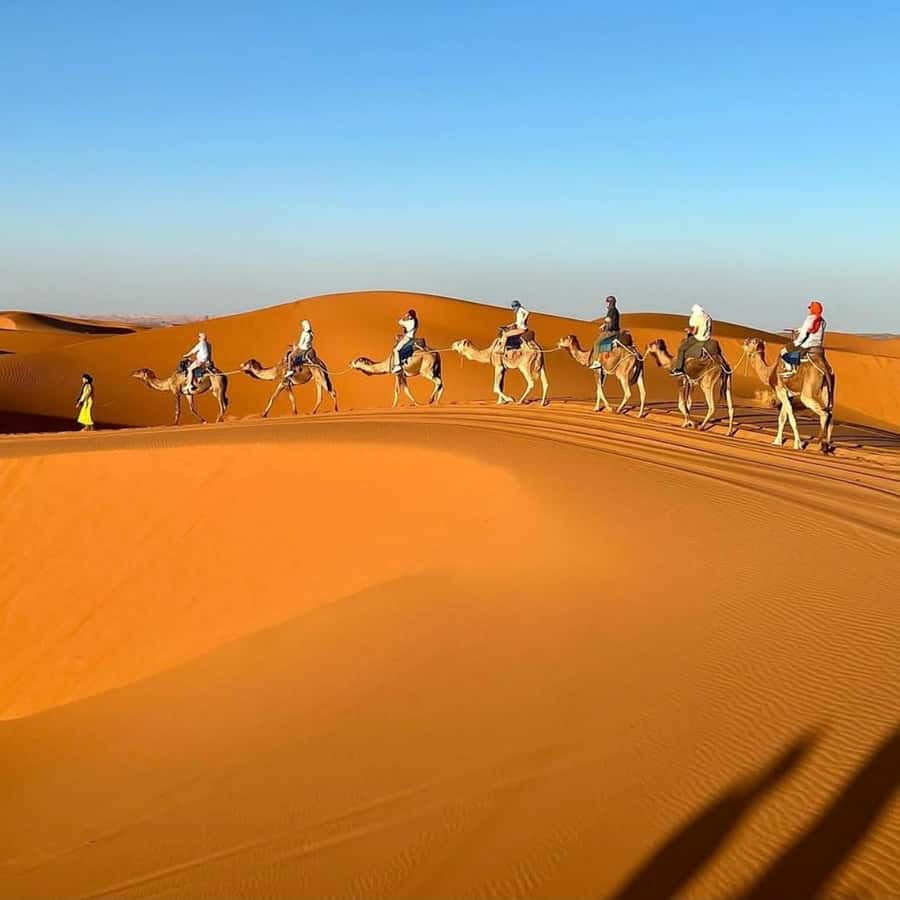
This tour is built for people who want the Sahara without stretching things into a week. In three days, you get the mountain drama of Morocco’s High Atlas, a UNESCO-style cultural anchor, then the raw, wide-open desert of Erg Chebbi.
I like that the experience is not just transportation plus a camel photo. You actually get time to explore key stops, plus the camp night is structured so you can enjoy the dark sky instead of rushing right back to the road.
You can also read our reviews of more hiking tours in Marrakesh
High Atlas and Tizi n’Tichka: Curves, Coffee Stops, and Good Photo Light
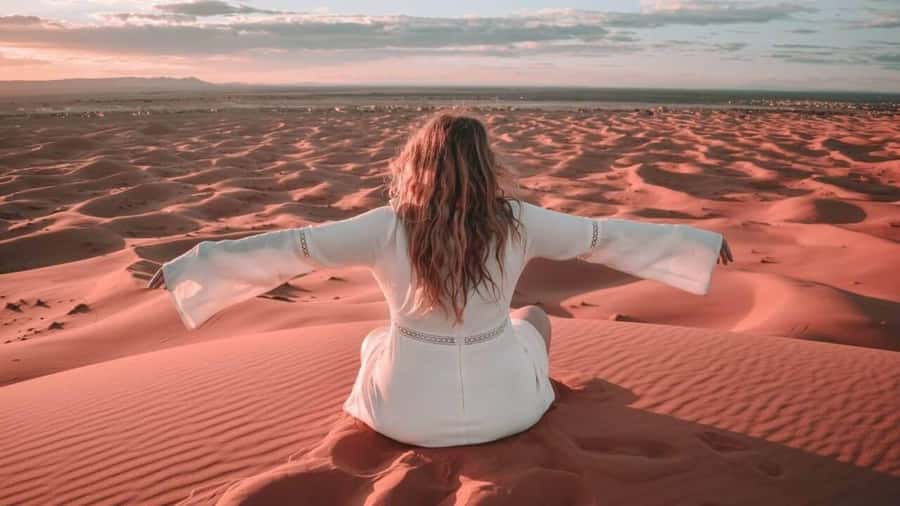
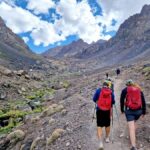
Day 1 starts early with hotel pickup from Marrakech or the nearest meeting point. Then you head east into the High Atlas region, where the road twists through small villages and you’ll have chances to stop for photos and quick breaks.
The star of this driving day is Tizi n’Tichka, one of the most famous passes in the route. Expect viewpoints and frequent moments where you can step out, stretch, and take in the scale of the mountains.
The practical win here: you’re not stuck staring at a window the entire day. The stops for coffee and leg stretches are timed so the drive feels like part of the day’s story, not just a chore.
Ait Ben Haddou Kasbah: Why This UNESCO Stop Matters
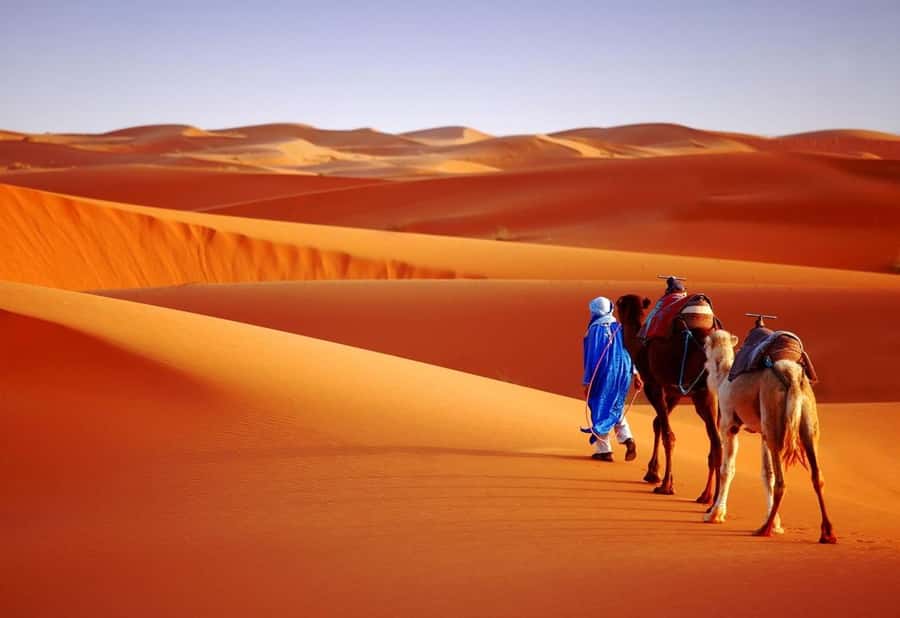
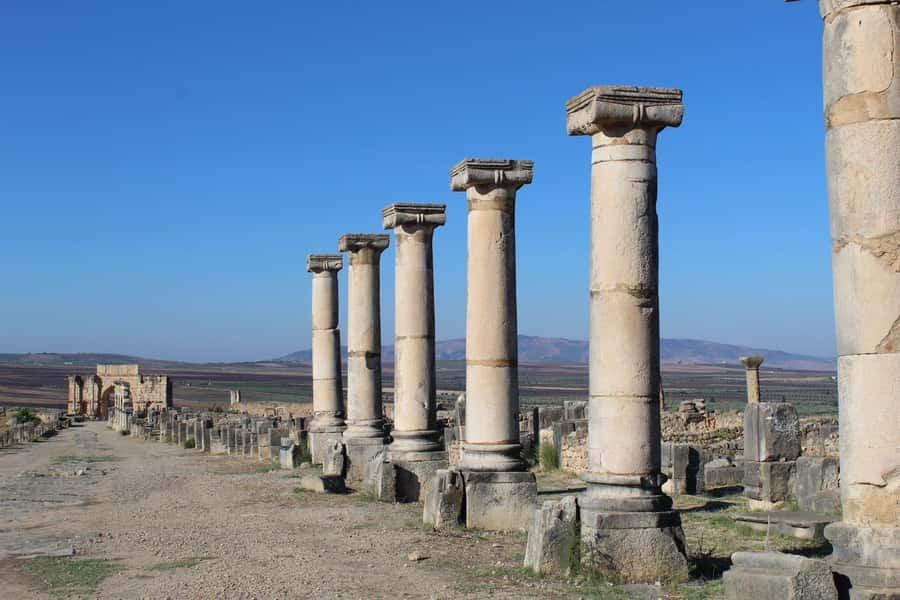
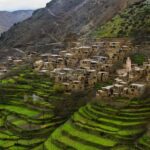
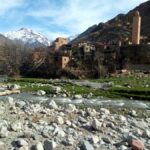
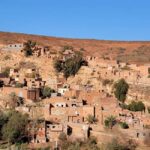
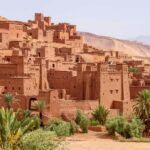
After crossing the mountains, you reach Kasbah Ait Ben Haddou, the UNESCO-listed fortified site that has also served as a film backdrop. You typically spend around 2.5 hours there, which is enough time to walk the key areas and understand the place beyond the postcard view.
What I value most is doing it with a local guide. The kasbah is a living mash-up of architecture and geography, and the guide helps you connect what you see with how people historically defended and lived in fortified settlements.
A small cost note: entrance fees and guide fees at the kasbah can be extra. In one reference point, the kasbah entrance was listed around €2, and the guide fee is also not included.
Ouarzazate, Roses Valley, and the Dades Area: The Scenic Buffer Day
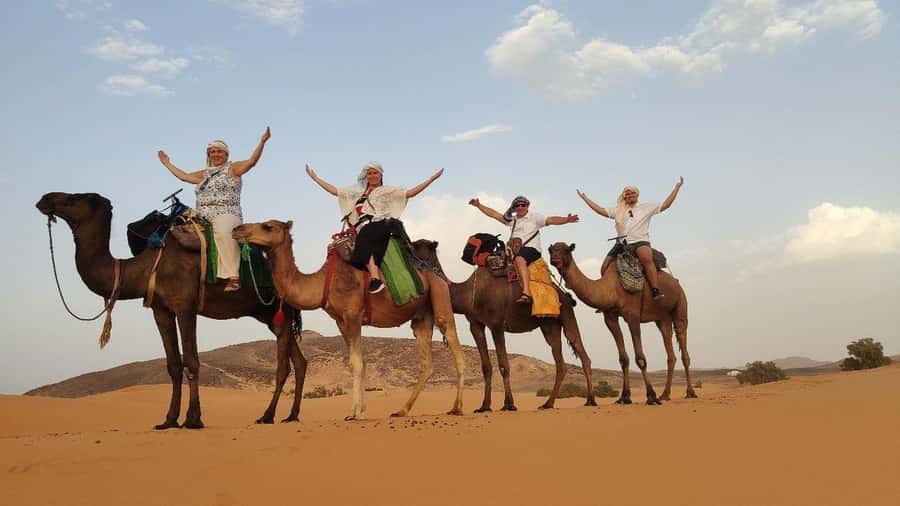
Day 1 keeps going after Ait Ben Haddou, moving through areas that feel like Morocco’s variety pack. You pass by Ouarzazate, Skoura Oasis, Klaa Mgouna, and the broader region tied to Dades.
Then you reach Rose Valley late afternoon, where you’ll have dinner at the hotel before sleeping. This matters because it sets up your Day 2 rhythm: you get a real night’s rest before the desert stretches.
I like the pacing here. Even with the long drive, these stops break up the day so you’re not counting the hours until Merzouga.
Merzouga and Erg Chebbi: Getting Oriented Before the Dunes
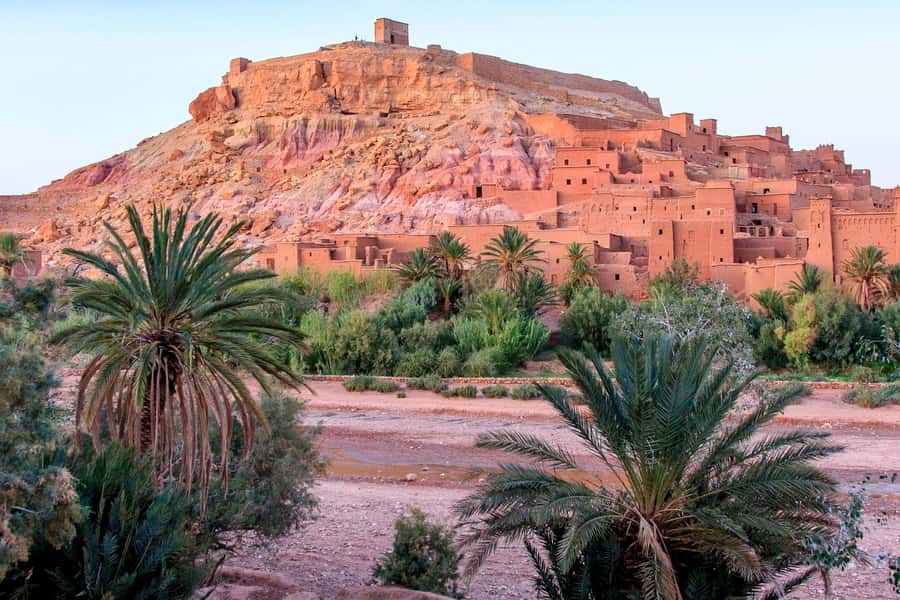
On Day 2, after breakfast, you continue toward Merzouga and Erg Chebbi, passing through Berber villages and mountain-to-desert transitions. The route commonly includes Tinghir, Todra Gorge, Tinjdad, Erfoud, and Jorf, so you’re not just flying from one point to another.
A key moment happens when you arrive in Merzouga: you get time to settle in before the camel trek. You pack a smaller overnight bag for the desert and leave the rest with the camp support.
This is also where you can feel the big shift. One day you’re moving through valleys and stone walls; the next, you’re edging toward dunes that seem to go on forever.
A few more Marrakesh tours and experiences worth a look
Camel Trek to the Camp: Sunset Views, Drums, and Real Stars
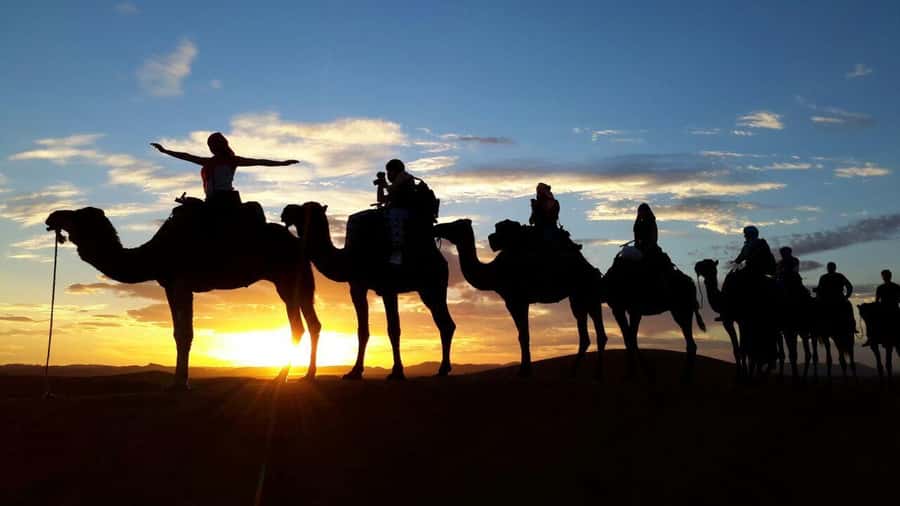
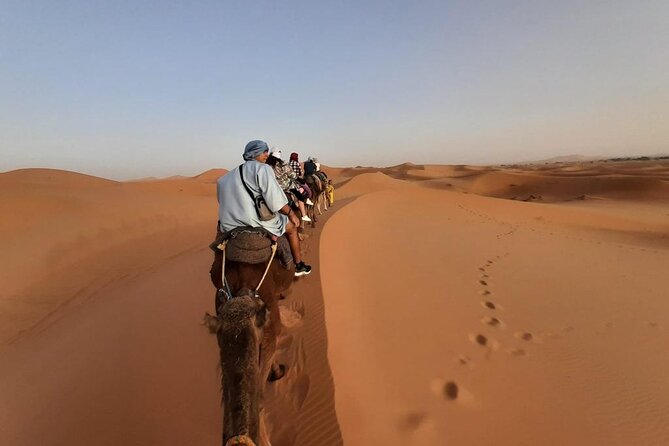
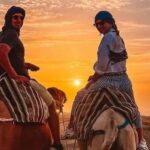
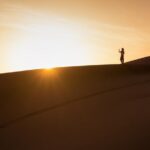
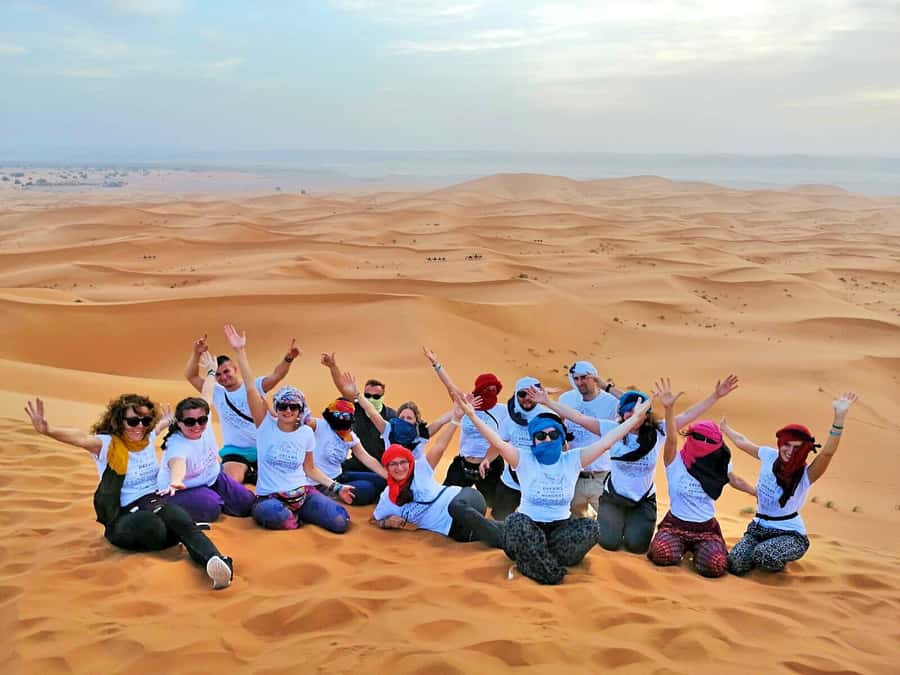
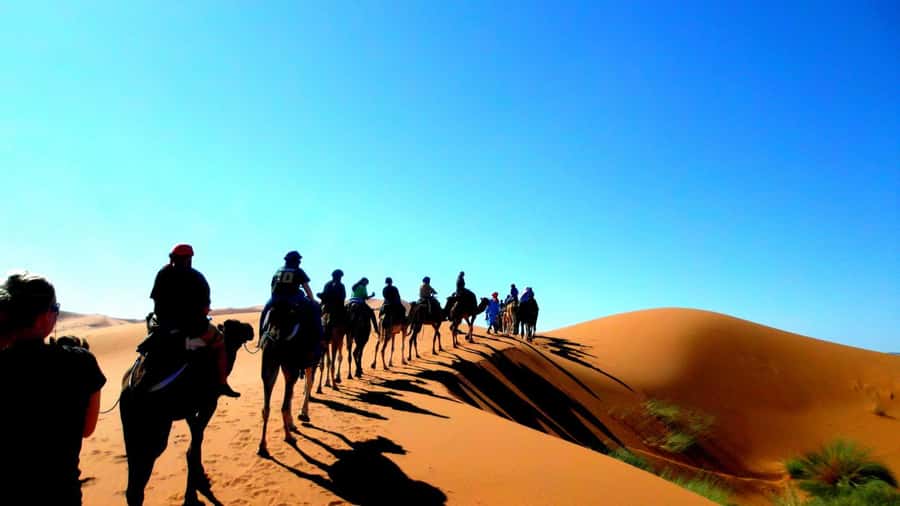
The highlight of the whole trip is the camel ride across the dunes. You’ll do it once for sunset and again the next morning for sunrise, with one camel per person as described.
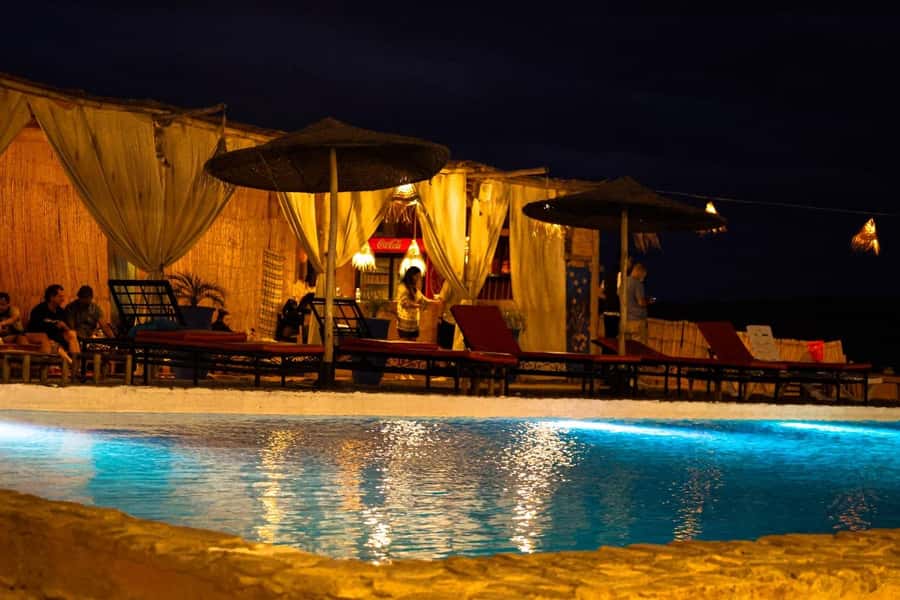
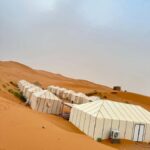
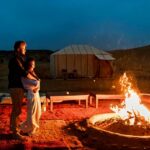
At camp, you’ll be in traditional Berber nomad tents for the night. Dinner and breakfast are included, and you also get time to walk up toward higher dunes for the sunset glow.
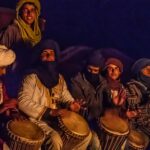
One detail I really like: there’s often drum music in the camp setting. It adds a sense of ceremony without turning the desert night into a theme park. You’re still in the middle of nowhere—just with sound and warmth layered in.
What to pack so the desert feels good
You don’t need to bring luxury gear, but you do want to be comfortable:
- Sunscreen and sunglasses for strong desert light
- Comfortable shoes for walking before and after the dunes
- An ID or passport
- Anything small you care about keeping dry and secure in the sand
If you’re sensitive to cold at night, plan for it. Even when the desert day is warm, night can feel much cooler—especially with early-morning starts.
Sandboarding and quad rides: the extras you might find
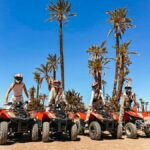
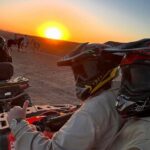
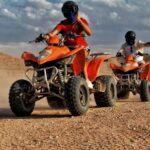
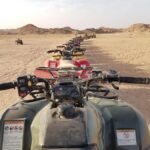
You might get sand-boarding time during the desert portion, and that’s a fun add-on if it’s offered on your specific schedule. Also, there is a chance you’ll be offered a quad ride on the way back instead of a camel ride, with costs mentioned as around €50 for one person or €60 for two. Treat that as optional and confirm with your driver on the day.
Sunrise Camel Ride and the Return to Marrakech
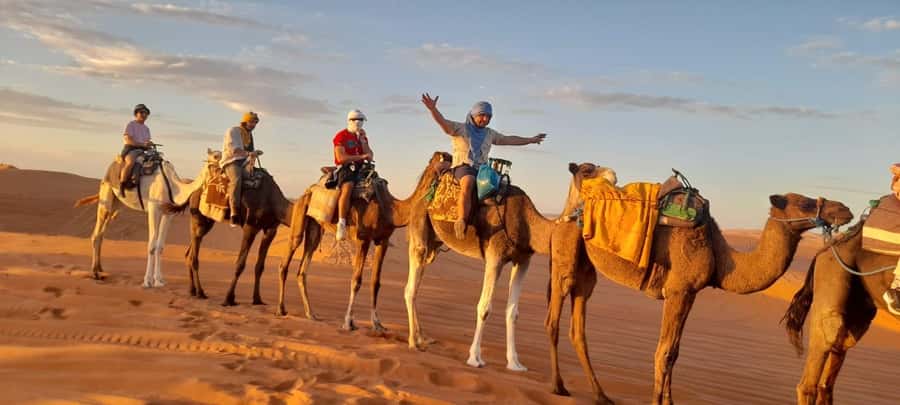
Day 3 starts early because sunrise in the desert is a big deal. You’ll get up bright and early, ride your camel again, and watch the dunes change color as the light moves.
After breakfast, you ride back to Merzouga. Then the day turns into the journey home: you drive back through areas like Ouarzazate and make a stop around Kalaat M’Gouna (Rose Valley) for lunch and rest before continuing to Marrakech in the evening.
This return day is long but straightforward. The best part is that you’re not leaving the desert with photos only—you’re leaving it after seeing it twice, in sun and in the morning calm.
Price and Value: Is $115 a Good Deal for This Route?
At around $115 per person, this tour can be strong value because it bundles the big pieces that are hardest to organize yourself:
- transport in an air-conditioned vehicle
- hotel accommodation with dinner and breakfast for one night
- private desert tent accommodation with dinner and breakfast for one night
- two camel rides (sunset and sunrise)
- a driver/guide to handle the route and timing
Where you need to budget a bit more is meals and entry costs. Lunch is not included, and one practical example given was a fixed 3-course lunch menu around €12. Drinks also are not included, and entrance fees at places like Ait Ben Haddou may be extra depending on how your day is handled.
You also want to consider what you personally value. If you care most about comfort and not thinking about logistics, the package structure helps. If you only care about the dunes and can organize everything else independently, you might find cheaper routes—but the time-saving and guided flow are the real bargain here.
Comfort, Meals, and the Human Side (Guides Matter)
This tour’s quality often comes down to your guide. Across the experiences tied to this route, guides including Ayoub, Moustapha, Hasan, and Hicham are described as helpful and good at keeping the group in a positive mood, with multilingual skills noted in at least one case.
For comfort, the vehicle matters on a multi-day drive. The included air conditioning and USB chargers are small details, but they make a real difference when you’re spending hours on the road.
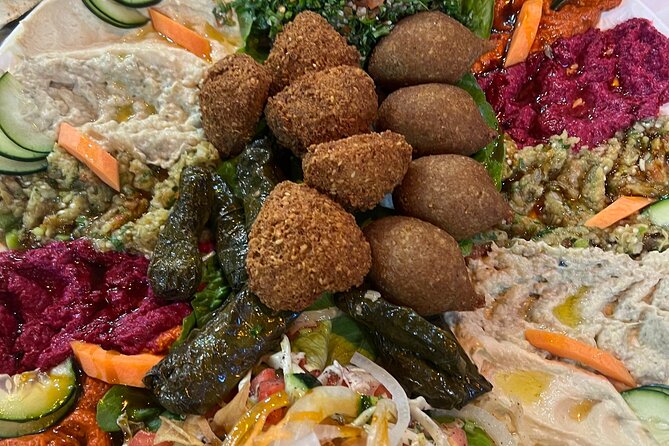
Food is also handled well enough for a tour schedule. You’ll have dinner and breakfast included for both nights, and there’s a vegetarian option. Lunch is where you’ll pay extra, so it’s worth carrying some cash just in case.
Who This 3-Day Marrakech to Merzouga Camel Trip Fits Best
I think this tour fits best if you want a classic Morocco-to-Sahara arc: mountains, kasbah culture, gorge scenery, then desert night under stars.
It is especially good for people who:
- want sunset and sunrise in the dunes, not just one
- like structured days with set stops and a guide to manage timing
- prefer not to coordinate separate drivers or separate desert camps
It may not fit if you:
- want a slow, minimal-driving pace
- are planning for accessibility needs that make camel riding difficult
- can’t handle early starts
And important suitability notes from the tour details: it’s not suitable for people over 70, pregnant women, or children under 12.
Should You Book This Tour?
If you’re choosing between skipping the desert or doing it the organized way, I’d lean toward booking this. You’re getting the key ingredients in one package: mountain pass scenery, a proper time at Ait Ben Haddou, and the big Sahara moments—camel rides at sunset and sunrise plus a camp night with included meals.
Book it if you want value in the form of time saved and guidance provided. Skip or consider alternatives if long drive days or camel riding would be uncomfortable for you, or if you’re hoping for lots of free time off the route.
FAQ
How many nights are included on this Marrakech to Merzouga trip?
You get 2 nights total: one night in a hotel with dinner and breakfast, and one night in a private desert tent in the Sahara camp with dinner and breakfast.
What does the camel trekking include?
Camel trekking is included twice: a sunset camel ride in Erg Chebbi and a sunrise camel ride in Erg Chebbi. The tour notes 1 camel per person.
Is lunch included?
No. Lunch is not included, and you’ll pay for it during the trip.
Are entrance fees included for Ait Ben Haddou?
Entrance fees are listed as not included. A guide fee at Ait Ben Haddou is also listed as not included, with an example entrance cost around €2.
What kind of accommodation do you sleep in?
You sleep in a hotel for the first night and then in a private desert tent during the second night at the Sahara camp.
Is there a vegetarian option?
Yes. Dinner and breakfast are available with a vegetarian option.
What ages is the tour not suitable for?
The tour is not suitable for people over 70, pregnant women, and children under 12.