REVIEW · MARRAKESH
Marrakech: Atlas Mountains Summit Day Trek 2700m
Book on GetYourGuide →Operated by Atlas Mountains Day Trips from Marrakech · Bookable on GetYourGuide
A 2700m summit day sounds simple—until you climb. I love the early-morning feeling and the big sunrise views over the Atlas, and I also love eating with a Berber family afterward, not in a touristy restaurant. The one catch: this is a real hike with steep, rocky sections, and it is not the best fit if your body can’t handle uneven ground or altitude.
You get real value for money here. For about $27 you’re paying for transport out of Marrakesh, an English/French guide, bottled water, tea/coffee, and a proper mountain-day pace with a small group (up to 10). Just be ready for mountain weather changes and bring shoes that actually grip.
In This Review
- Atlas Sunrise to Talamrout Summit: The Big Idea
- What Makes This Trek Worth Your Time (and Your Money)
- Morning Pickup and the Drive to Imlil: Where Your Day Starts
- Imlil Valley: Your First Real Walking Rhythm
- Tamaterte, Pine Shade, and the Village Texture You’ll Actually Remember
- The Tizi n’Tamaterte Pass: Breathing Room at High Elevation
- Toward Assaoul Peak and the Talamrout Summit Views
- Descent Back to Imlil: Where People Often Feel It Most
- Lunch in a Berber Family House: The Most Human Part of the Day
- Who This Hike Fits Best (and Who Should Skip It)
- Mountain-Wise Packing: Simple Items That Save the Day
- Guides, Pace, and Group Size: What You’re Really Paying For
- Should You Book This Talamrout Summit Day Trek?
- FAQ
- How long is the trek from Marrakesh?
- What altitude do we reach?
- Is hotel pickup included?
- How many people are in the group?
- What languages are the guides?
- What food is included?
- What should I wear or bring?
Atlas Sunrise to Talamrout Summit: The Big Idea
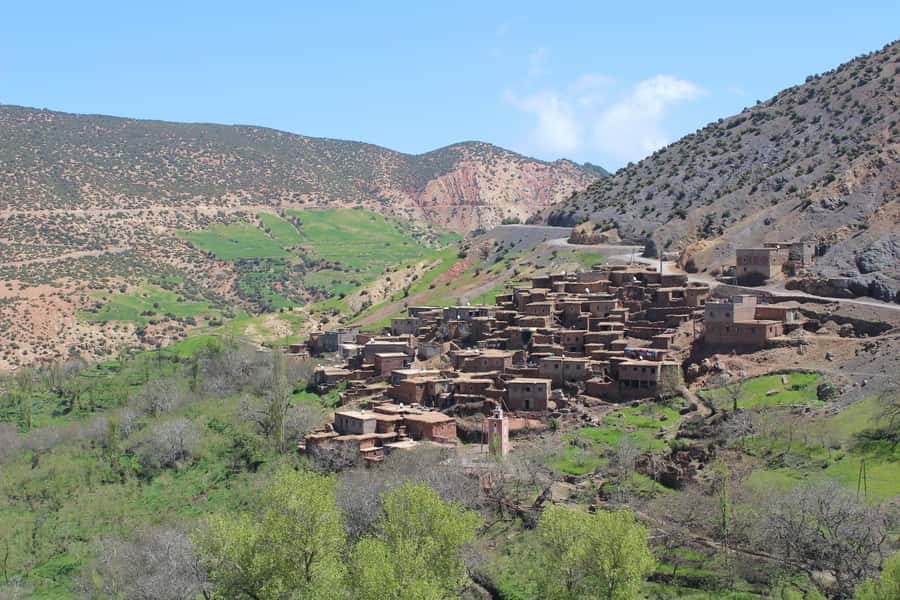
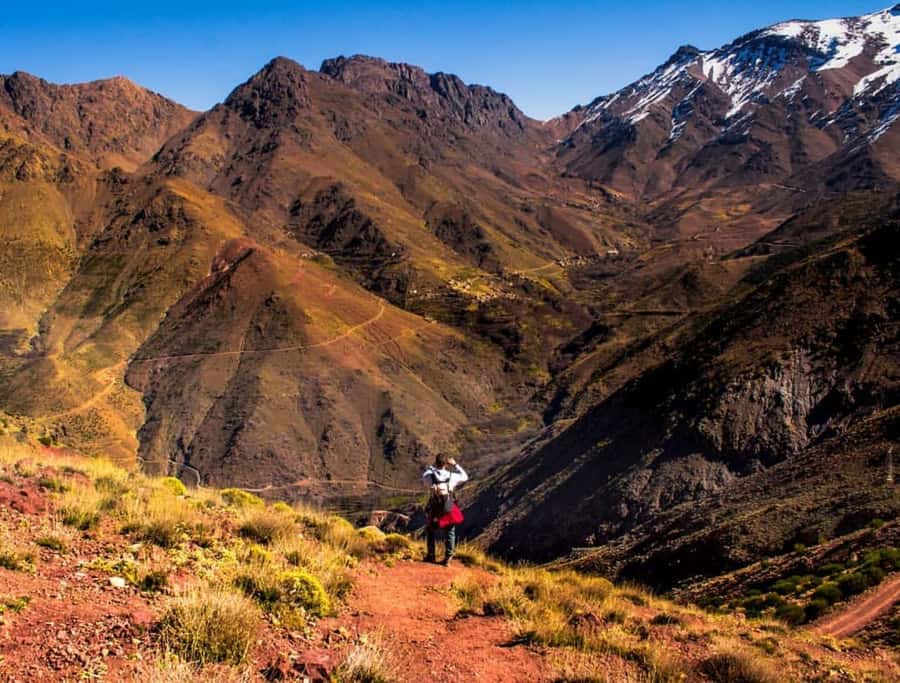
This trek is built around a simple promise: you leave Marrakesh, work your way up into the High Atlas, and reach a summit around 2700m for wide, jaw-dropping views. In practice, what you feel is the contrast—warm city life turning into crisp air, quiet villages, then forest shade, then open rocky ridgelines.
The climb also rewards you with moments that feel local rather than staged. You pass through villages like Tamaterte/Tamatert, you pause at high passes such as Tizi n’Tamaterte (around 2279m), and your day ends with lunch in a Berber home—often described as the best meal of the trip.
The tour is not about fitness-flex posing. It is about steady effort, good pacing, and being in the right place when the light hits the mountains.
What Makes This Trek Worth Your Time (and Your Money)
- Small group scale (max 10) keeps the pace human, so your guide can actually look after everyone.
- Sunrise + high views give you that rare combo of cool air, changing light, and long panoramas.
- Village-to-village feel: you walk through places where people live day to day, not just a trail in isolation.
- Lunch in a Berber family house beats the usual tourist meal, because it is personal and home-style.
- A local guide with serious mountain instincts, including Ibrahim (very frequently mentioned) and other Amazigh guides, who adapt for the group.
- Tea breaks on the way: you’re not stuck marching the whole time.
You can also read our reviews of more hiking tours in Marrakesh
Morning Pickup and the Drive to Imlil: Where Your Day Starts
Your day begins with pickup from Marrakesh. If you’re staying in a riad in the Medina, you’re picked up from the closest accessible point by car, not from the door. That’s normal here, and it matters because it keeps the day from getting bogged down.
Once you’re out of the city, the drive turns into a slow intro to the High Atlas. You’ll stop for tea/coffee along the way (about 30 minutes), and this is a good time to do two practical things:
- Refill water and double-check you have essentials in a small bag you can keep with you.
- Warm up mentally. Mountain walking starts fast. Even if you feel fine, the air and altitude can change how you breathe.
The “8 hours” duration includes the full day rhythm: drive out, hiking blocks, lunch, and return to Marrakesh.
Imlil Valley: Your First Real Walking Rhythm
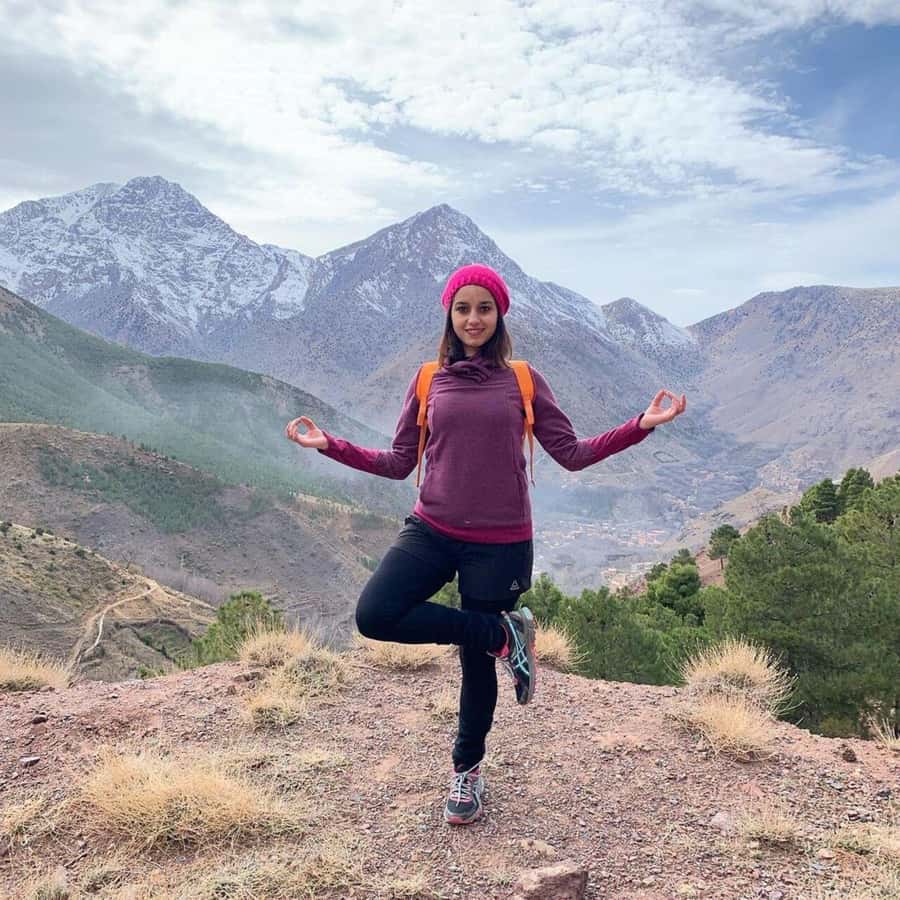
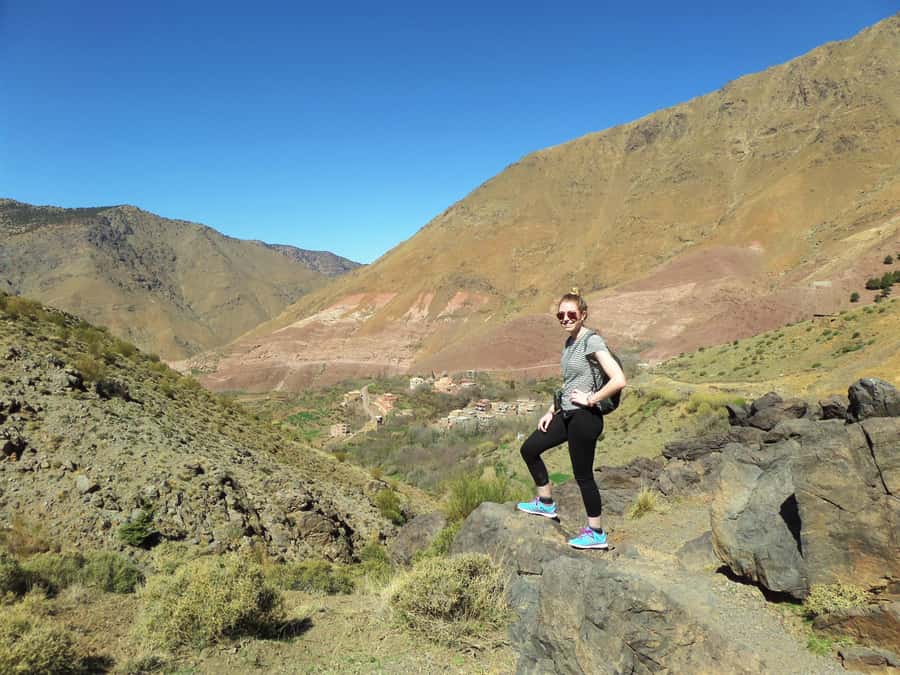
Imlil is the launch point for the trek feel. From there, you start hiking through the valley and toward the routes that lead higher.
You’ll likely spend a good chunk of time walking in the lower-to-mid elevations—often described as around 3 hours of hiking before the summit photo moment. Along the way, you’ll pass through village areas (like Tamaterte) and then move into more natural cover, including pine forest shade at times. That forest segment is useful because it breaks up the heat and gives your legs something different than open stone.
What I like about this phase is that it is where you learn the pace. Your guide usually controls the rhythm so nobody feels left behind. In reviews, guides like Ibrahim are repeatedly described as attentive and patient—especially for people who hike slower or take more photo breaks.
Tamaterte, Pine Shade, and the Village Texture You’ll Actually Remember
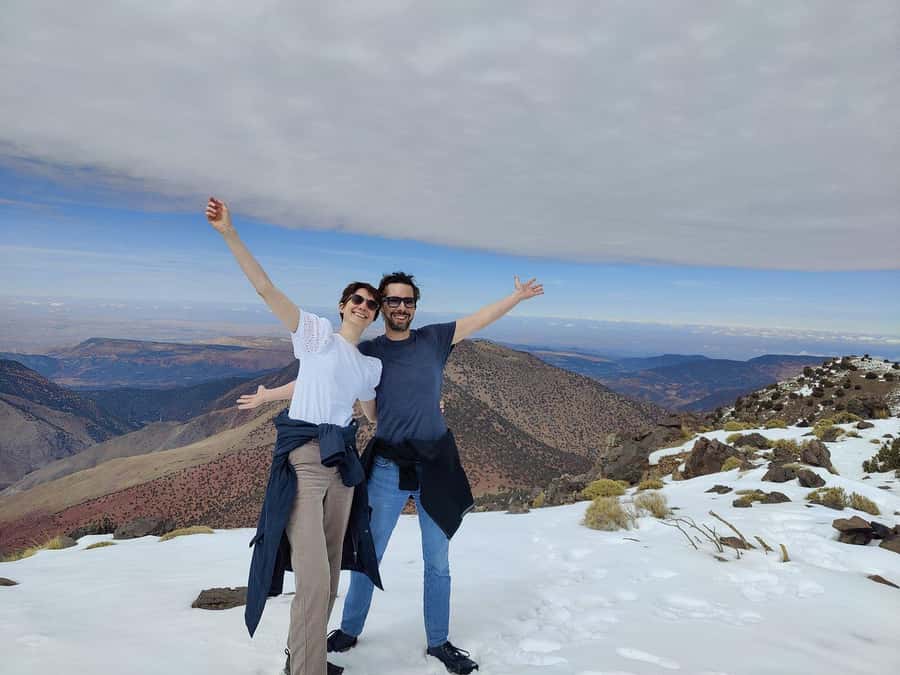
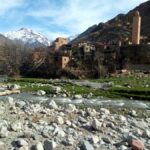
You do not just walk past “pretty stuff.” You pass through real places where life is visible: you’ll get glimpses of traditional Berber life as the trail winds through Tamaterte and nearby areas.
This is one of the underrated parts of the day. City sights are fast and dense. Here, the trail gives you micro-moments—someone’s doorway, small paths branching off, stone walls, and the quiet way the villages sit under the mountains.
It’s also where you can feel what kind of hike you’re on. The ground can be uneven, and the path may get slippery in cold or wet conditions. If the weather has turned, expect the need for grip even more.
Practical takeaway: keep your footing mindset from the start. The climb is easier when you don’t waste energy fighting your own balance.
The Tizi n’Tamaterte Pass: Breathing Room at High Elevation
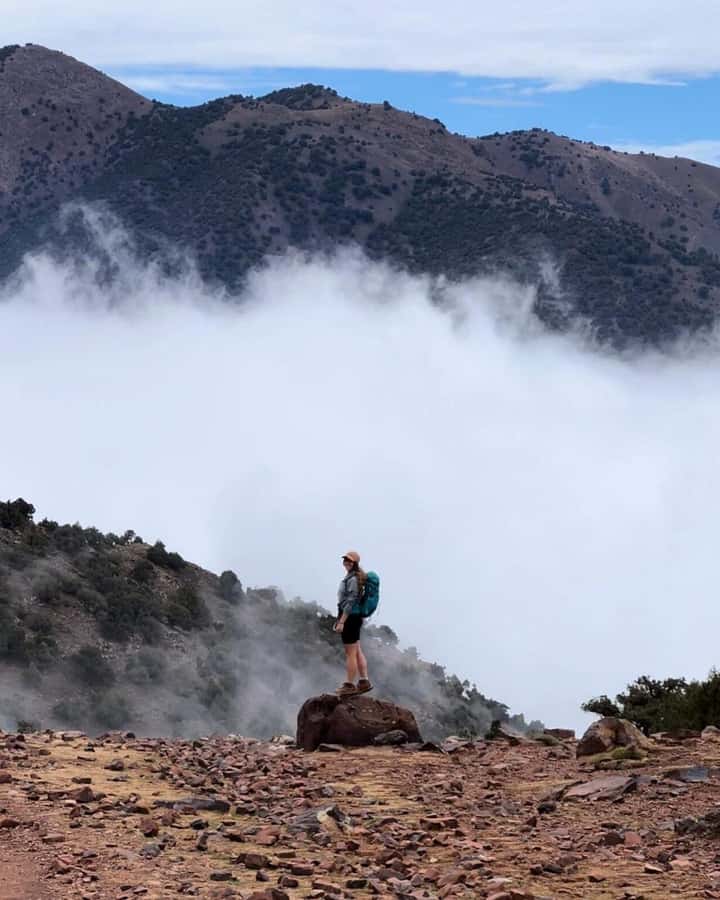
Reaching Tizi n’Tamaterte (around 2279m) is a turning point. You stop, catch your breath, and take in the scenery that spreads out below—valleys like Imlil and Tachedirt can appear in the view, with distant Atlas peaks beyond.
This is also where altitude starts to be more than a number. Even fit walkers can feel slower because your body is working a bit harder to move oxygen. Reviews frequently mention short breaks and mini-pauses, especially for people not used to steep terrain.
If you’re sensitive to altitude or you’ve never done a summit day before, treat this stop as your “reset.” Sip water, breathe slowly, and don’t rush the descent portion that comes later.

Toward Assaoul Peak and the Talamrout Summit Views
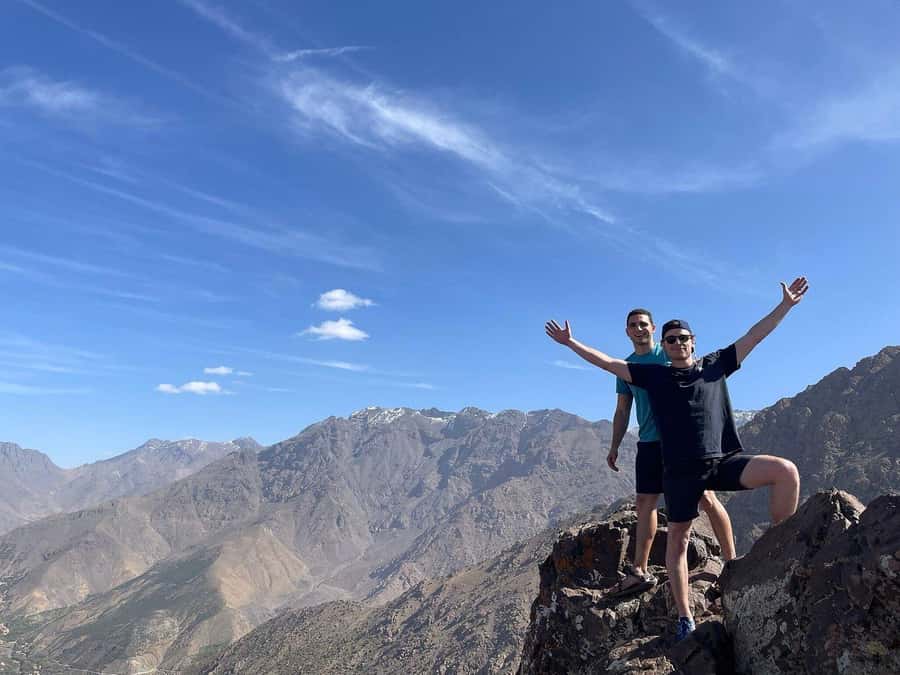
The final climb is where the effort turns into payoff. Your route leads up to the summit area around Assaoul peak and/or Talamrout at roughly 2700m. Some groups report slightly different high points around 2724m, which just tells you the mountain isn’t a single flat target—it’s a ridgeline world where route choice and conditions matter.
When you arrive, you usually get a photo stop (about 30 minutes). This time matters more than you might expect. The goal is not speed. It is letting the light settle and seeing the Atlas in layers—valleys, ridges, and higher peaks fading into distance.
In reviews, guides are often praised for making sure everyone reaches the summit comfortably. That is important because the summit is not just a viewpoint—it is a moment of control. If you manage your pace and keep your footing, you’ll enjoy standing there rather than just surviving it.
Descent Back to Imlil: Where People Often Feel It Most
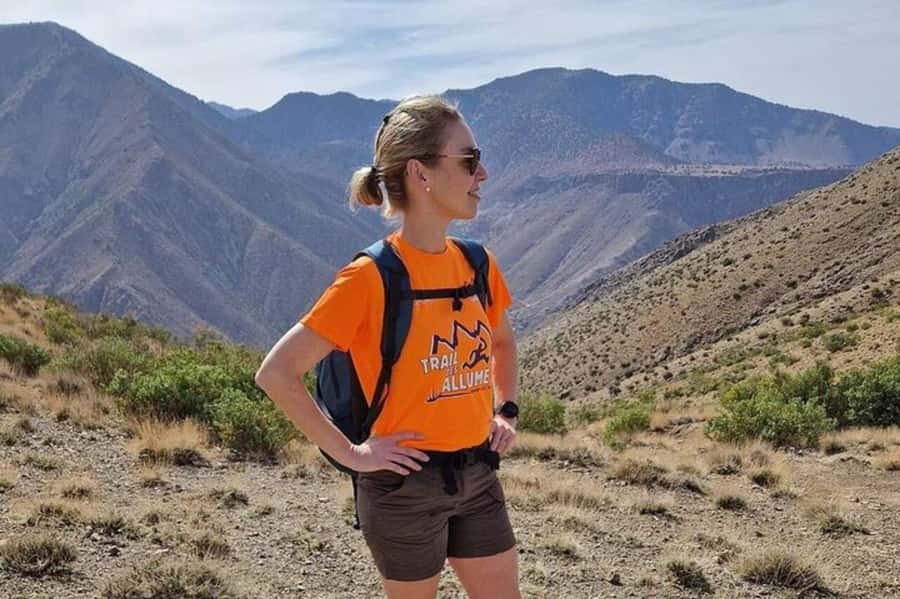
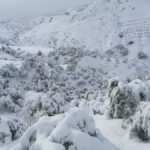
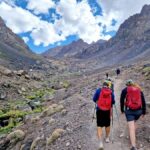
The descent is often trickier than the ascent, especially if there’s snow or slippery rocks. Multiple reviews mention snowy conditions making the path demanding, with steep and uneven footing that can turn a fun day into an ankle test.
Two practical tips if you want the descent to feel calmer:
- Use your shoes like tools: flat, grippy soles matter more than style.
- Take it slower than you think you need. Your quads will thank you later.
Some hikers also recommend bringing trekking poles, and at least one review mentions a guide offering poles to help with steep steps. If you don’t have poles, consider whether you’re comfortable without them before you go.
Lunch in a Berber Family House: The Most Human Part of the Day
After the hike, you’re welcomed into a Berber family house in the village area (often tied to Tamatert). Lunch typically lasts about 1.5 hours.
What makes this meal special is the home-style side:
- Tagine and couscous are frequently mentioned as excellent.
- Tea and coffee are part of the day’s rhythm, so the food feels integrated rather than dropped in as an afterthought.
Several reviews call this the best food they had in Morocco. That does not mean every meal will be exactly the same, but it does suggest consistency in quality and warmth.
This is also where the tour feels most authentic. You’re not just buying food—you’re meeting the people behind the hospitality.
Who This Hike Fits Best (and Who Should Skip It)
This experience is best for you if:
- you enjoy mountain walking and can handle uneven terrain
- you want real time outdoors away from Marrakesh
- you’re comfortable with a steep day and a cool-weather possibility
- you want a small group with a guide who adjusts pace
It’s not a great choice if you have:
- back problems or heart problems
- pre-existing medical conditions
- babies under 1 year
- or if you’re over 70
Even if you consider yourself moderately fit, plan for a steep, rocky route. Reviews repeatedly describe it as more athletic than a casual valley walk.
Mountain-Wise Packing: Simple Items That Save the Day
The basics are non-negotiable here. Bring:
- good walking shoes with grip
- a hat
- sunscreen
- comfortable clothes for layered weather
If you hike in trainer-style shoes, you might still manage on a dry day, but slippery sections in rain or snow can make it harder. One review specifically notes that proper trekking shoes help a lot, and gear rental may be available locally, depending on conditions.
If you’re going in winter months, also be mentally ready for colder air and possible snow on the higher parts.
Guides, Pace, and Group Size: What You’re Really Paying For
The price is low compared to a lot of western-style day trips, but it works because the guide labor and local transport are designed around efficiency. The best part is the guide relationship: Ibrahim comes up again and again as motivated, attentive, and funny, with a knack for keeping everyone moving at a pace that feels safe.
Other guides are also mentioned as careful and professional, including Abdul, Abraham, Lhossain, and Elhoussaien. The common thread is that they look after the group—especially on uneven descents and in snow.
That matters because a small group (up to 10) gives your guide real flexibility. You’re not just one face in a line.
Should You Book This Talamrout Summit Day Trek?
Book it if you want:
- a summit-day experience close to Marrakesh
- a small-group hike with strong local guiding
- sunrise-and-panorama energy
- lunch that feels like an actual home meal
Skip it if:
- you want an easy walk with minimal steep sections
- you need a very even, paved trail
- you have medical concerns that make steep uneven ground or altitude risky
If you’re deciding last minute, I’d choose this when you’re feeling strong on your feet and you can bring good shoes. The reward—wide views at around 2700m plus a Berber-family lunch—is exactly the kind of Morocco memory you’ll keep.
FAQ
How long is the trek from Marrakesh?
The total duration is about 8 hours, including pickup, hiking time, lunch, and the return to Marrakesh.
What altitude do we reach?
The trek goes up to the Talamrout summit area around 2700 meters, with routes that may vary slightly by conditions.
Is hotel pickup included?
Yes. Hotel pickup and drop-off are included. If your riad is inside the Medina, pickup is arranged from the closest accessible point by car.
How many people are in the group?
The group size is small, limited to 10 participants.
What languages are the guides?
The live tour guide speaks English and French.
What food is included?
Lunch is included in a Berber family house, and tea or coffee, plus bottled water, are provided.
What should I wear or bring?
You need good walking shoes and should bring a hat and sunscreen. Wear comfortable clothes suitable for mountain walking.