REVIEW · MARRAKESH
From Marrakech to Fes 3-Day Luxrury Tour via Sahara Desert
Book on GetYourGuide →Operated by Manzil Dades · Bookable on GetYourGuide
A sunrise in the dunes makes time stand still. This 3-day route strings together big Moroccan moments: the Tizi n’Tichka Pass drive and the UNESCO Ait Ben Haddou kasbah, then it drops you into Erg Chebbi for a night you won’t forget. The best part is the way each day shifts gears, from High Atlas views to desert silence.
Two things I really like for your trip: you get time at Ait Ben Haddou beyond a quick stop, and the desert night is built around real activities (camel trek, sunset/sunrise, sandboarding, and live Berber music). One consideration: the driving is long, especially the final stretch to Fes (about 9 hours), and hotel comfort can vary by season since some rooms may have limited cooling.
In This Review
- Key highlights at a glance
- From Marrakech to the High Atlas: Tizi n’Tichka Pass and a slower pace
- Ait Ben Haddou: UNESCO kasbah views and movie locations you can actually spot
- Ouarzazate, Skoura Oasis, and the valley approach to Tinghir
- Erg Chebbi and Merzouga: camel trek logistics that keep it fun
- Sandboarding and sunset: the moment the desert stops being a destination
- Berber camp night and stargazing: luxury tents vs standard tents
- Sunrise and the return grind: Merzouga to Fes via Ziz Valley and Ifran
- Guides, drivers, and why personalities matter on a 3-day push
- Price and logistics: where the value is strong, and where you should expect extras
- Who should book this Marrakech to Fes desert tour
- Should you book this Marrakech-to-Fes luxury Sahara tour?
- FAQ
- How long is the drive on the last day from Merzouga to Fes?
- Is sandboarding included?
- What meals are included?
- Do I get hotel pickup and drop-off in Marrakech and Fes?
- Are bathrooms available in the desert camp?
- What about luggage during the camel trek?
- Who will speak with me during the tour?
- Do I need a passport or ID card?
- Is smoking allowed during the tour?
- Is this tour suitable for people with mobility impairments or pregnant women?
Key highlights at a glance
- Tizi n’Tichka Pass: the high-altitude road experience people talk about for a reason
- Ait Ben Haddou (UNESCO): famous kasbah views plus movie filming locations
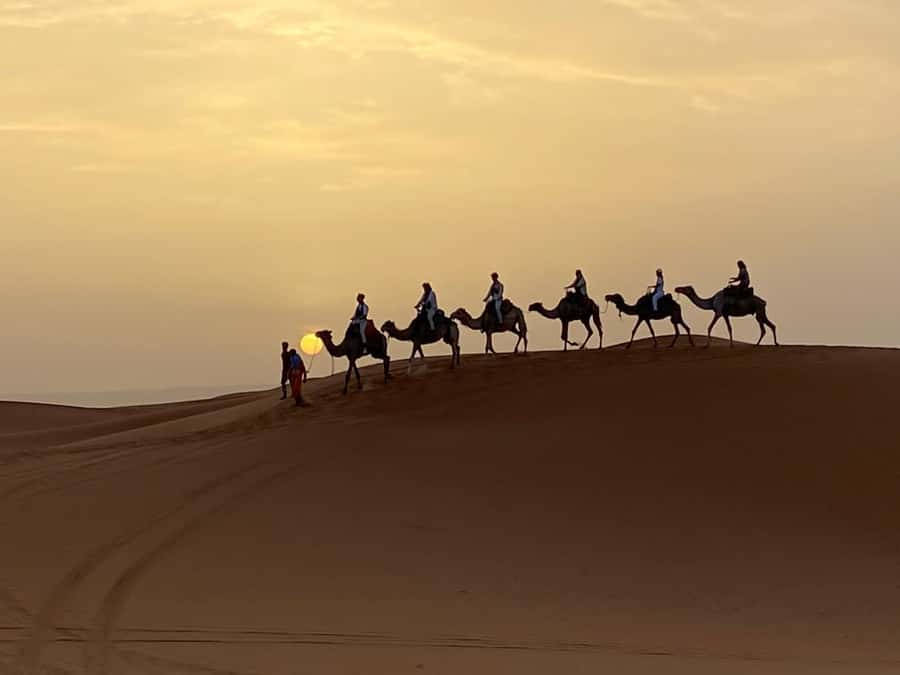
- Erg Chebbi camel trek: your dunes time includes sunset and sunrise, not just a photo stop
- Berber camp night: live music, stargazing, and real desert atmosphere
- Sandboarding: included, with boards sometimes handled at the camp/lodge level
- Road to Fes via Midelt, Ifran, cedar forests: a different Morocco finish than most tours
From Marrakech to the High Atlas: Tizi n’Tichka Pass and a slower pace
This tour starts with pickup from your Marrakech hotel (or the nearest vehicle-accessible meeting point) and a steady eastward drive. Early on, you’ll leave the city rhythm behind and climb into the High Atlas, with planned stops for photos and quick breaks. Even if you’re eager for the desert, this day matters because it sets your expectations for scale: Morocco isn’t just one look, it’s layers.
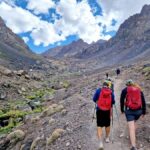
The highlight here is the Tizi n’Tichka Pass, described as the highest road in North Africa. The air gets sharper as altitude rises, and the views change fast—valleys below, mountains everywhere, and sudden turns that make you want to pull over. You also get a few moments to stretch and grab coffee, which helps a lot when you’re starting a multi-day drive.
There’s also a practical rhythm the whole way: you’re not sitting for hours with no relief. Bathroom breaks are built in at intervals, and the itinerary includes enough viewpoints/walks to break up the road time.
A few more Marrakesh tours and experiences worth a look
Ait Ben Haddou: UNESCO kasbah views and movie locations you can actually spot
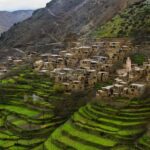
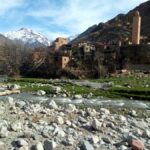
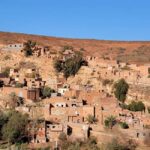
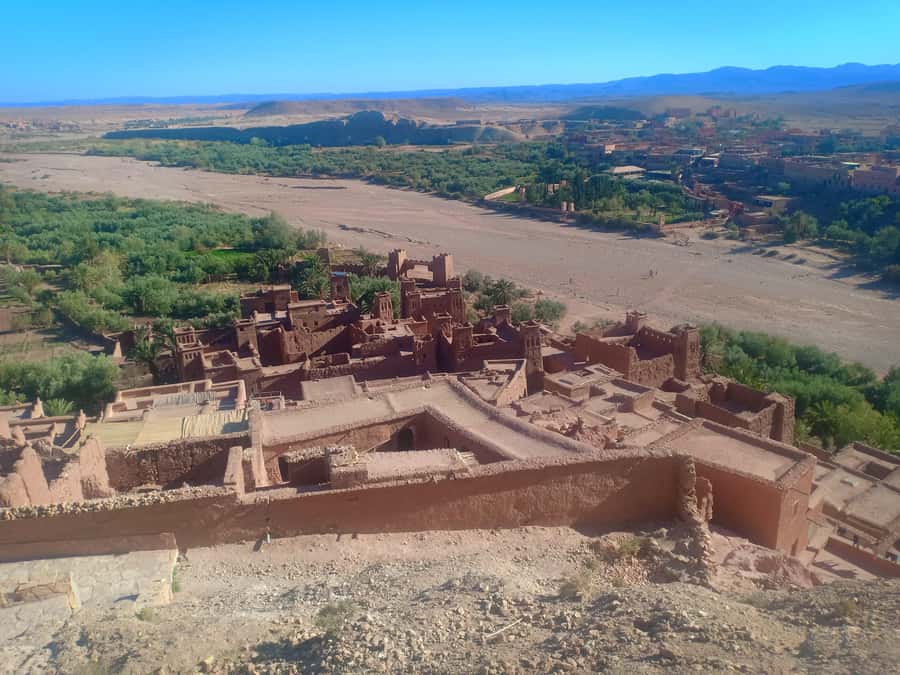
After the mountain pass, you stop at Ait Ben Haddou Kasbah, a UNESCO World Heritage site. This isn’t just about standing outside walls. You get time to explore the kasbah itself, where the texture of the buildings feels tied to the landscape—mud-brick, tight lanes, and the kind of angles that make your photos look cinematic.
Ait Ben Haddou also has serious screen credit. You’ll see filming locations connected to movies and shows such as Gladiator, Lawrence of Arabia, and The Kingdom of Heaven. Even if you’re not a film trivia person, it helps because it gives you an extra lens for what you’re seeing: why this place looks the way it does on screen.
One small logistics note: entrance fees aren’t included, so set aside time and a little cash for site access. If you prefer guided context, be aware that there’s often a local guide fee (2€ per person) listed as not included. It’s usually worth it when you want to understand what you’re walking through instead of just admiring it.
Ouarzazate, Skoura Oasis, and the valley approach to Tinghir
From Ait Ben Haddou, the day continues through southern Morocco’s classic travel corridor: Ouarzazate and its surroundings, then Skoura Oasis, Klaa Mgouna, and on into the Dades region area before reaching Tinghir or Kelaat M’Gouna for the first overnight. This is the segment where you feel Morocco turning greener in places and more open in others—another reason this route feels like an actual journey, not a straight sprint.
You’ll reach your hotel late in the afternoon and then have dinner nearby. Some hotels in this band of towns are the type where you might find a pool (one of the better comfort surprises from reviews), but you should also plan for the real-world tradeoffs: firm beds and limited cooling came up, and some rooms may not have AC. If you’re sensitive to heat, bring light sleep clothes and plan for a warmer night.
If you’re hungry at lunch time, lunches are not included. Reviews flagged that lunch can cost extra and vary a lot by stop, so I’d treat lunch as a flexible budget item rather than something you can fully control.
Erg Chebbi and Merzouga: camel trek logistics that keep it fun
Day 2 is where Morocco goes from mountain-driven to desert-driven. After breakfast, you head toward Erg Chebbi in Merzouga, passing Berber villages along the route. You’ll also pass through and/or near stops such as Todra Gorges, Tenghir, Tinjdad, Jorf, and Erfoud. The effect is that you see more than dunes from a distance—you get glimpses of daily life en route to the big moment.
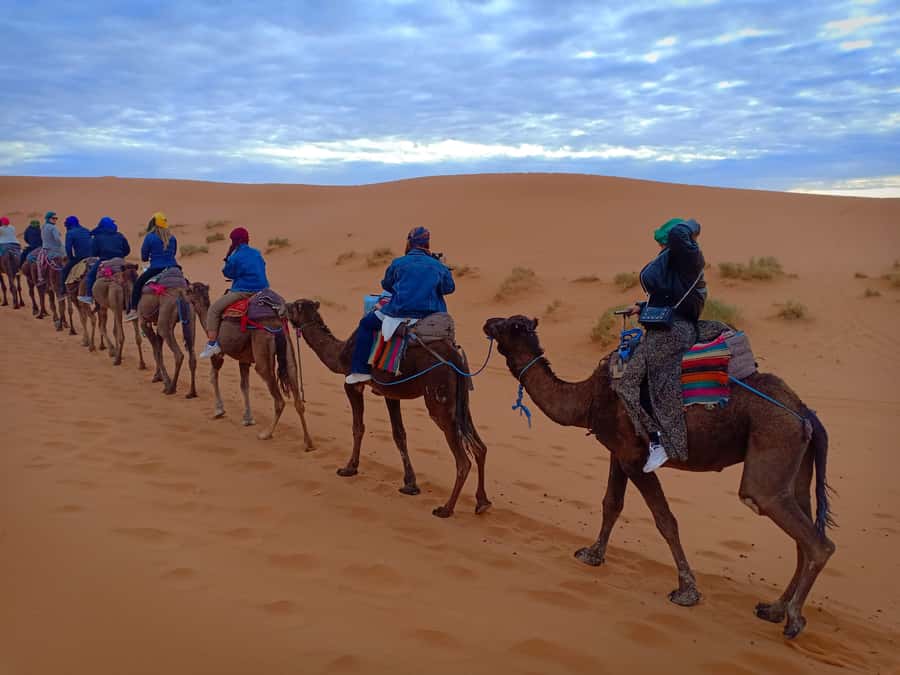
When you arrive in Merzouga, you’ll relax first and then pack a small overnight bag for the camel portion. I like this approach because it keeps your main luggage safe in the van while you travel lightly to camp. If you pack smart—warm layers in a small bag and essentials only—you’ll feel less rushed when it’s time to swap from road day to desert day.
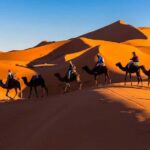
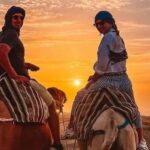
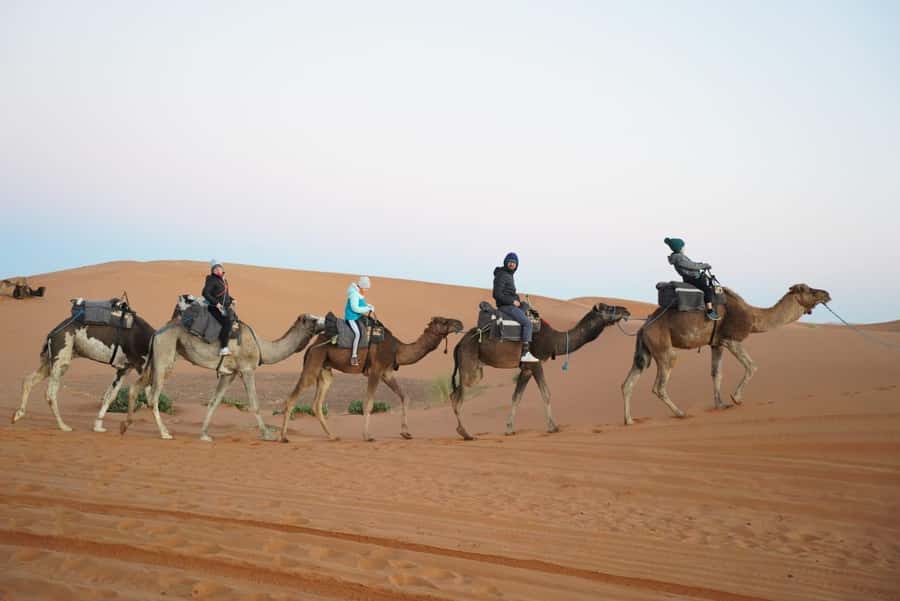
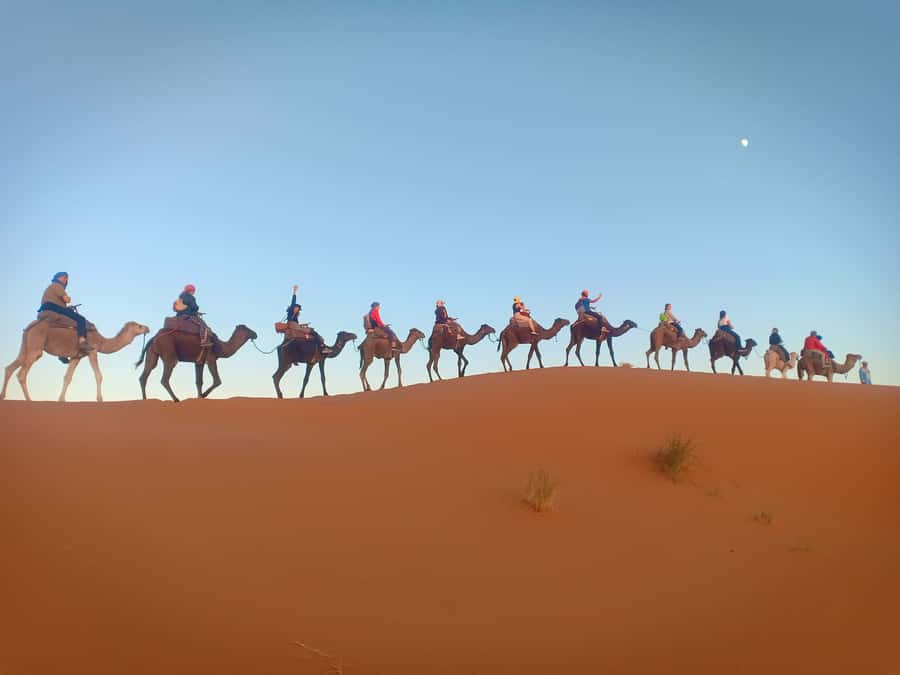
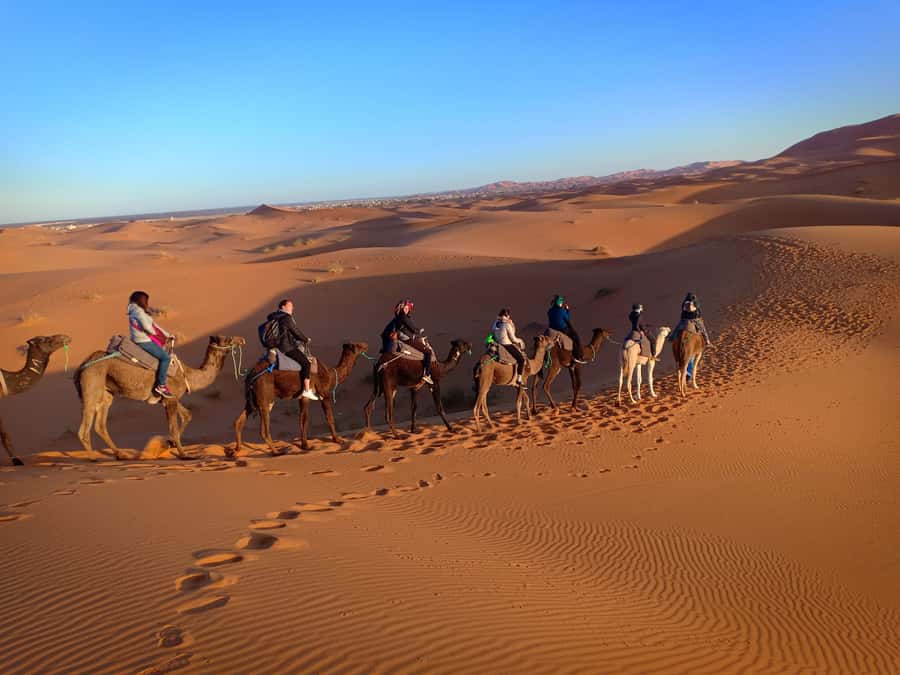
Then comes the camel trek. You ride with one camel for each person, and you switch from vehicle to dunes with that classic desert rhythm: walk, pause, look back, repeat. Some people find the ride physically demanding, so comfortable footwear and a good attitude help. If you have back issues, consider it carefully and plan for extra comfort measures if needed.
Sandboarding and sunset: the moment the desert stops being a destination
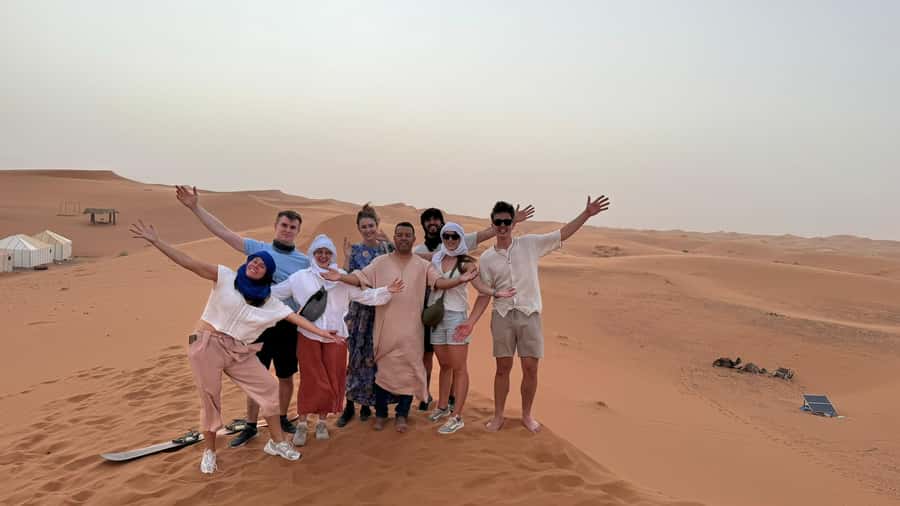
Once you reach camp area, you leave the camels and walk toward the higher dunes. This walk is part of the magic because the dunes feel taller once you’re already in the sand. You get sunset out on the dunes, which is the best time to understand Erg Chebbi’s scale—shadows stretch, colors shift, and the desert starts to look almost unreal.
Sandboarding is included. A useful detail: some boards may be available at the lodge level for you to take to the camp; the instructions suggest you ask for one if available. That means you should not assume every board is pre-attached to your tent experience. Still, it’s a fun add-on and a quick way to turn scenery into an activity you’ll remember.
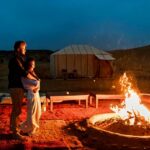
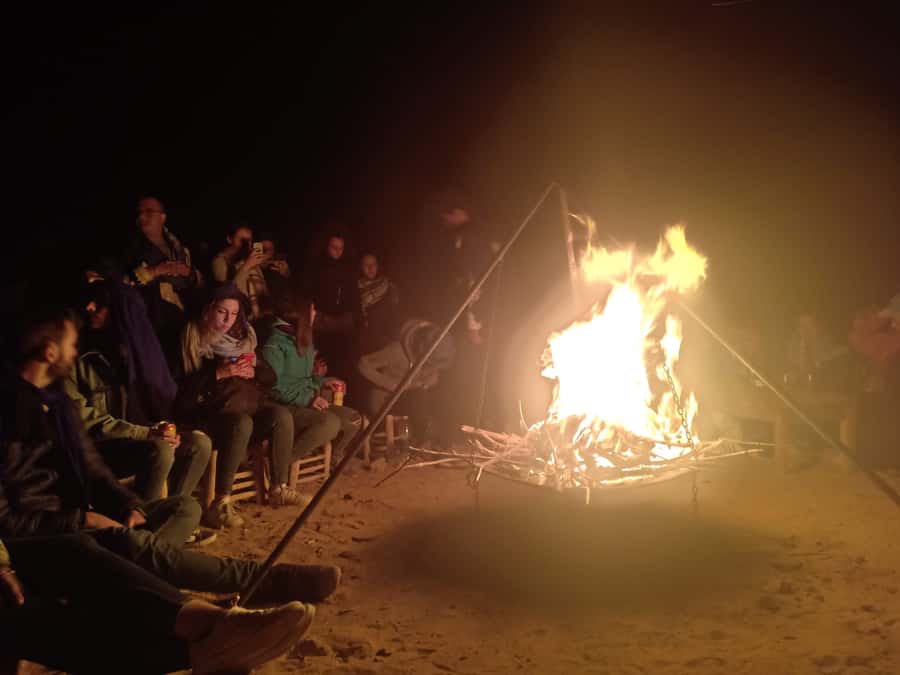
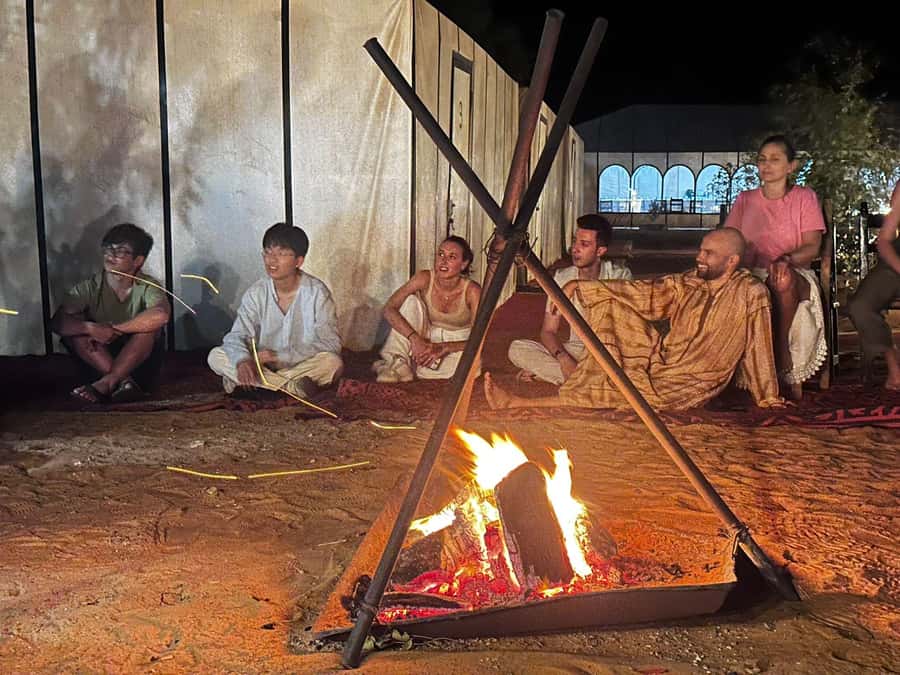
The camp itself is set up as a Berber experience, not just a place to sleep. You’ll have time to settle in, and then the evening builds around stargazing and live Berber music. Even if you’re tired from the day’s drive, the atmosphere makes it easy to stay present.
Berber camp night and stargazing: luxury tents vs standard tents
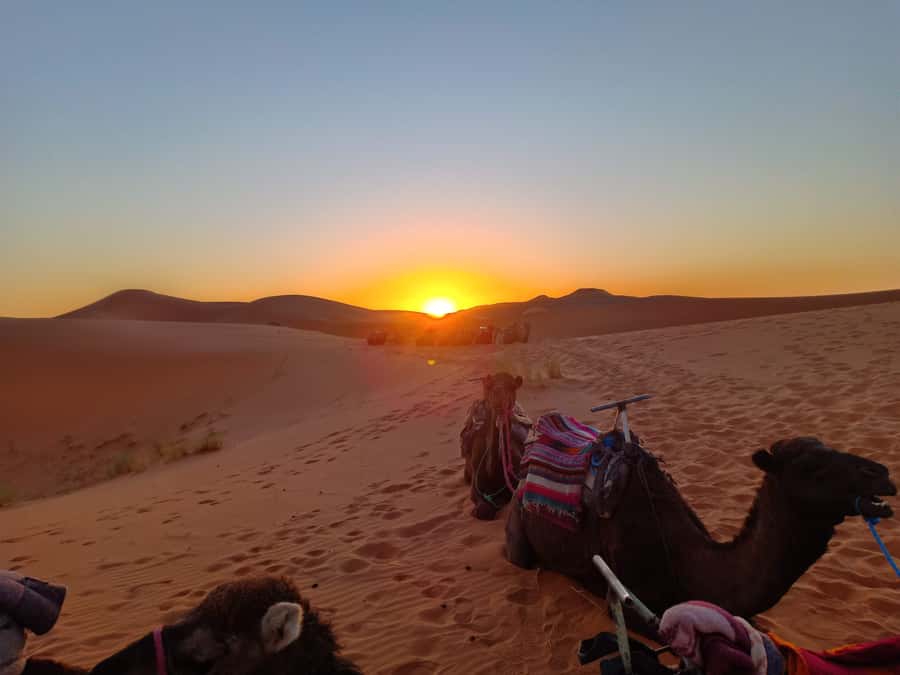
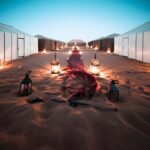
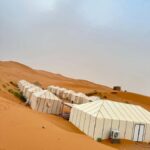
Your overnight is in a desert camp with an option for luxury private tents or standard shared tents, depending on what you choose. Reviews point out that the luxury option can be a real upgrade—some people reported a massive double bed, running water, shower, and a toilet. Others booked standard and still felt the camp was cleaner and more organized than expected, with proper shower/toilet access.
So what should you expect, practically? You’re in the desert, so it’s not a hotel in the usual sense. But it is designed for comfort enough to let you enjoy the experience without feeling stranded. Bathrooms may be private or shared based on the camp option, so check what you selected before you go.
Food is part of the night: you’re included for dinner and breakfast for two days (vegetarian options available). In a few reviews, camp food was described as average by some guests, which is a fair thing to keep in mind. It’s not a foodie tour, and the bigger priority is the night sky and the desert schedule.
Temperatures are another real factor. You might see winter nights drop near 0°C, and warm blankets are supplied in winter, but bring warm sleeping clothes. Even in warmer months, desert evenings can cool down fast once the sun drops.
Sunrise and the return grind: Merzouga to Fes via Ziz Valley and Ifran
Day 3 starts early for sunrise. You’ll get up bright and early to see the desert light change again, this time with the dunes glowing as the sun lifts. Then breakfast happens before you hop back on the camels. This is one of those sequences that feels short when you’re doing it—but in the right way. Sunrise and breakfast are quick, and then the road takes over.
Once you’re back in Merzouga, you drive toward Fes. The itinerary includes the Ziz Valley through Errachidia, and then a midday stop in Midelt for lunch (not included). After that, you continue toward Fes through Ifran and the cedar forest area, plus Berber towns that are known as winter ski resorts for Moroccans.
If your timing is right, your driver might even spot Barbary apes near the cedar areas. That’s the kind of random bonus that makes people smile—because it feels wild and unexpected, not staged.
The road to Fes is long. The expectation is about 9 hours on day 3, and arrival in Fes is around 7:00 PM (19:00), depending on traffic and weather. Plan for it mentally: you’ll want to keep water handy, snack if you can, and avoid over-planning anything the night you arrive.
Guides, drivers, and why personalities matter on a 3-day push
A big reason this tour gets strong ratings is the human side of it—guides who keep the days moving, answer questions, and make long drives feel less repetitive. Reviews include guides like Hamza, Youssef, Ahmed, Chaimae (noted as the only female guide in the region in one review), and others such as Ali Couscous, Hakim, and Ismail. Drivers named include Hassan, Ibrahim, Oussama, Karim, and Omar.
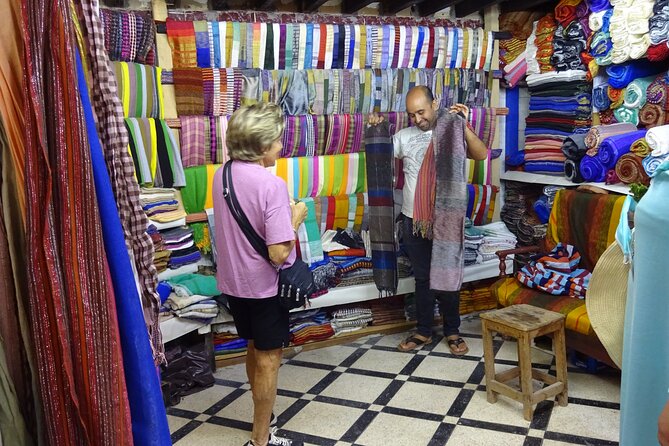
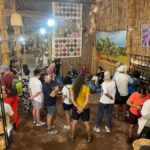
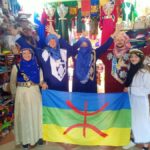
What you can count on from the tour description is an English- or French-speaking driver and local stops along the way. Reviews also highlight that guides sometimes introduce you to crafts and shop experiences, like carpet-making demonstrations or rug painting. You don’t have to buy anything. If you don’t want that part, you can still walk around and watch the process from a respectful distance.
One more thing: group size shifts. Some reviews mention small van travel (like six people including the driver), and others mention a larger group once transferring onward toward Fes. Expect comfort levels to vary with vehicle size—one review called out a tight bus feeling for taller people. If you’re tall or value legroom, choose your seats carefully when boarding and consider moving around during breaks.
Price and logistics: where the value is strong, and where you should expect extras
This tour packages hotel pickup/drop-off, a private room for the first night (Kasbah Safari Rose or similar), an included desert camp overnight, camel ride, sandboarding, and the transfer from Merzouga to Fes. You also get 2 breakfasts and 2 dinners, with vegetarian options. That’s meaningful value because it removes a lot of daily decision fatigue.
Where the extras show up:
- Entrance fees (not included)
- Lunches and soft drinks (not included)
- A local guide fee (2€ per person)
Reviews also flagged that lunch can be pricey at certain stops (one cited around 12 euros). That doesn’t mean the tour is overpriced overall—it means food budgeting is on you. If you want control, set aside cash for lunch and carry a snack or two.
Now for the comfort angle. Several reviews mention hotels with limited cooling and some firm beds, while others described decent rooms and even a pool. Desert tents are where comfort can really vary by option. The luxury camp option can feel more like a private suite with shower and toilet, while standard setups may be simpler but still organized with real facilities.
Also note: smoking isn’t allowed in the vehicle. It’s a small rule, but it affects the ride comfort.
Who should book this Marrakech to Fes desert tour
This is a great fit if you want:
- A classic Morocco route with real variety in scenery and towns
- A proper Sahara night that includes both sunset and sunrise moments
- An activities mix: camel trek plus sandboarding plus Berber music and stargazing
- A guided pace with enough stops to keep a long road day from feeling dull
It’s not the best match if you:
- Have mobility challenges (the trip is not suitable for people with mobility impairments)
- Are pregnant (not suitable per the tour info)
- Want a pure relaxation vacation with minimal driving (this is a “see a lot” itinerary)
Also, pack with the desert in mind. Bring your passport or ID card, sunglasses, a sun hat, and comfortable clothes you can layer. You’ll carry a small bag on the camel trek, so think light.
Should you book this Marrakech-to-Fes luxury Sahara tour?
If you want the headline Morocco trio—Atlas mountains, UNESCO kasbah, and Erg Chebbi dunes—this route is built for you. The biggest reasons to book are the Ait Ben Haddou time, the two desert light moments (sunset and sunrise), and the camp atmosphere with Berber music and stargazing. When the guides get it right (and reviews suggest they often do), the long driving days feel like part of the story.
I’d book with eyes open about two things: day 3 is long, and comfort can vary by season and hotel/tent option. If you pick the camp option that matches your comfort level, and you plan for meals like lunch being extra, you’ll likely feel you got your money’s worth.
FAQ
How long is the drive on the last day from Merzouga to Fes?
The drive on day 3 is approximately 9 hours, with an expected arrival in Fes around 7:00 PM (19:00), depending on traffic and weather.
Is sandboarding included?
Yes. Sandboarding is included. Some boards may be available at the lodge so you may need to ask for one if available.
What meals are included?
The tour includes 2 breakfasts and 2 dinners. Vegetarian options are available. Lunches and soft drinks are not included.
Do I get hotel pickup and drop-off in Marrakech and Fes?
Yes. You get hotel pickup and drop-off at the closest vehicle-accessible meeting point.
Are bathrooms available in the desert camp?
Yes. The desert camp includes bathrooms, either private or shared depending on the option you choose. Private or shared bathrooms are listed in the included details.
What about luggage during the camel trek?
Your luggage is welcome on the trip and will be safely stored in the van while you camp in the desert.
Who will speak with me during the tour?
You’ll have an English- or French-speaking driver.
Do I need a passport or ID card?
Yes. You should bring a passport or ID card.
Is smoking allowed during the tour?
Smoking is not allowed in the vehicle.
Is this tour suitable for people with mobility impairments or pregnant women?
No. The tour is not suitable for pregnant women or people with mobility impairments.