REVIEW · MARRAKESH
Marrakech: 2-Day Mount Toubkal Ascent Guided Tour
Book on GetYourGuide →Operated by Trekking Morocco · Bookable on GetYourGuide
Snow on Toubkal feels unreal at first. This guided winter ascent takes you from Marrakech toward the highest peak in North Africa, and you’ll move through snowy Atlas terrain with the right tools and an actual plan. I love how practical the guiding feels, especially on icy sections where help matters, and I love the pay-off: big summit views over snow, valleys, and Berber villages. Guides like Hassan and Ibrahim have a way of turning a tough day into something manageable—one helped most with a slippery, stone-rich descent.
The main thing to weigh is effort and conditions. This climb is for people with a high level of fitness, and winter cold plus rock that can slide underfoot means you need to take footing seriously.
In This Review
- Key points that matter before you go
- Getting from Marrakech to Imlil: the trip that sets your pace
- Day 1 in the Atlas: snow travel, lunch breaks, and a well-run climb
- The overnight in a mountain refuge: where winter confidence grows
- Summit morning: climbing to 4,167m with traction and timing
- Descent day: where “easy on paper” turns slippery
- The guides you meet: more than instruction, it’s mountain confidence
- What’s included (and what’s not): pack like you mean it
- Your packing list: don’t wing it
- Price and value: paying for safety, not just scenery
- Weather and season: when winter makes this climb possible
- Who this tour is best for (and who should skip)
- Should you book the 2-day Toubkal winter ascent?
- FAQ
- How long is the Mount Toubkal ascent tour?
- Do I get picked up in Marrakech?
- What languages are the guides?
- Is crampon and ice-axe equipment included?
- What is the group size?
- When is winter season for this trek?
- What if I need to cancel?
- What meals are included?
Key points that matter before you go
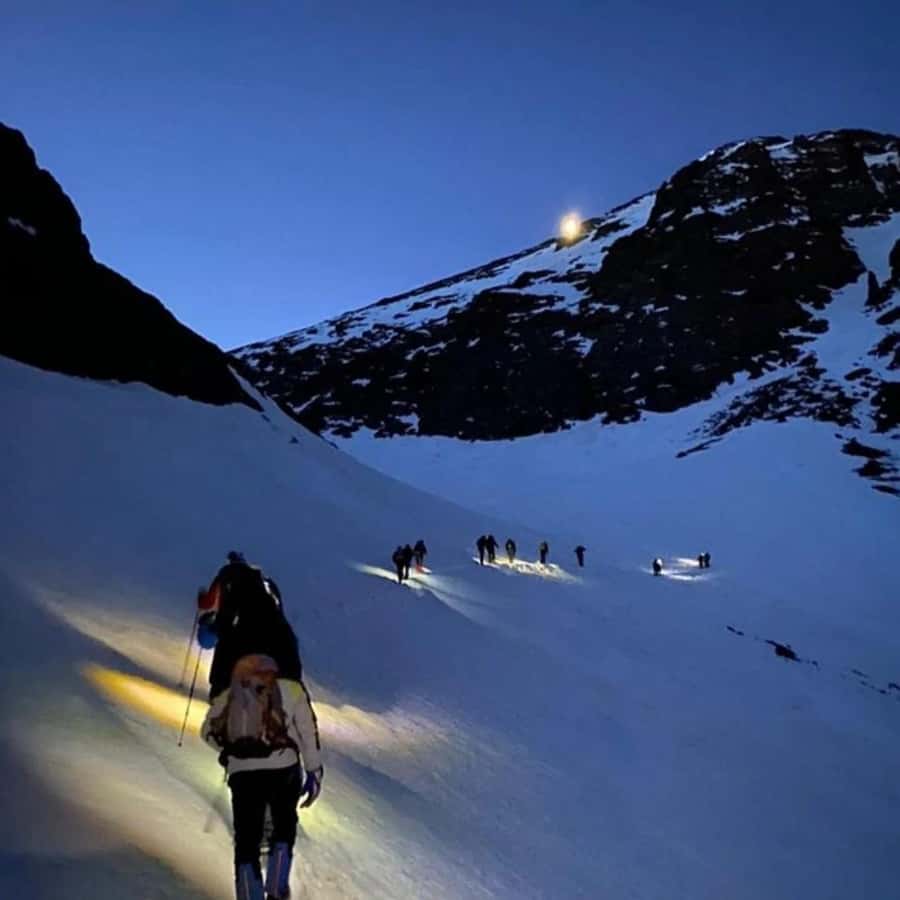
- Mount Toubkal (4,167m) in winter: you’ll be on snow and high altitude in a season that runs roughly late November through late April
- Small group (up to 12): easier pace control and more attention from your professional guide
- Proper traction gear use: crampons and ice axes help you stay safe on snowy sections (and you can rent gear at Imlil)
- Refuge night + strong meals: dinner, breakfast, and lunch are included so you’re not guessing where your next meal comes from
- Guides who actively coach: from night timing to route guidance, guides like Sabir and Ibrahim focus on getting you through each section
Getting from Marrakech to Imlil: the trip that sets your pace
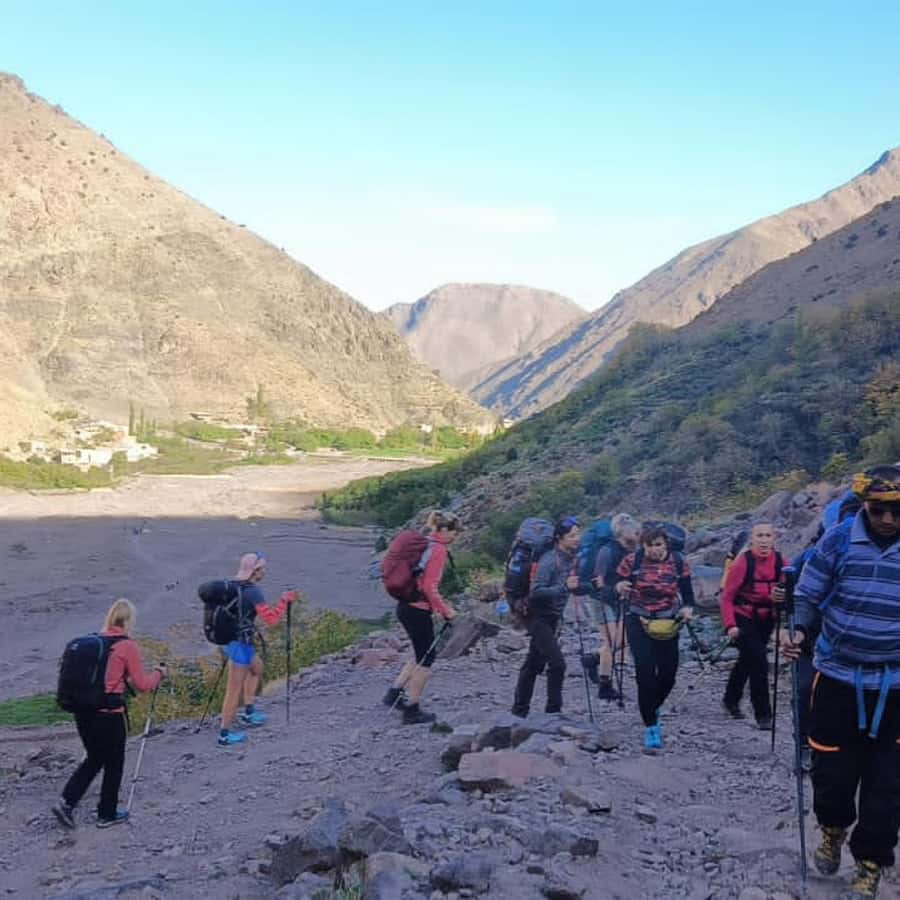
Your tour starts in Marrakech with pickup from your accommodation or a fixed meeting point in the medina. Then you ride out by bus/coach for about an hour before you get into the mountain routine. That short transfer matters more than you might think. If you’re starting from sea level comfort, you want your day to begin calmly, not with a chaotic scramble to organize gear.
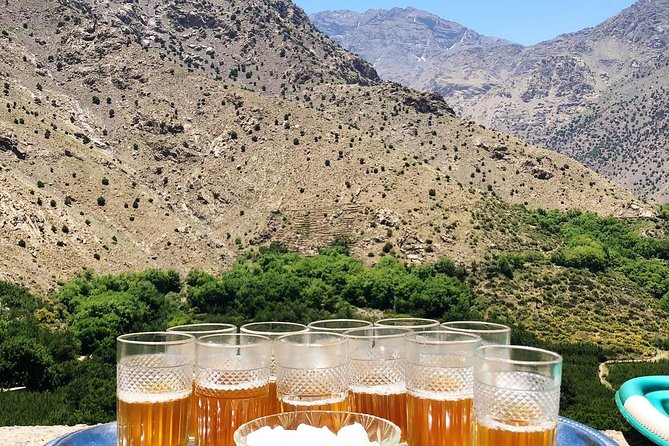
Once you’re in the Imlil area, the day becomes about rhythm: warm drinks, quick route orientation, and getting your kit right before you start stepping upward. One climber described arriving and getting mint tea while the guide showed the routes on a map—simple, but it helps your brain stop spinning and start focusing. That’s the vibe you want on a winter trek: clear expectations and steady pacing.
You can also read our reviews of more guided tours in Marrakesh
Day 1 in the Atlas: snow travel, lunch breaks, and a well-run climb
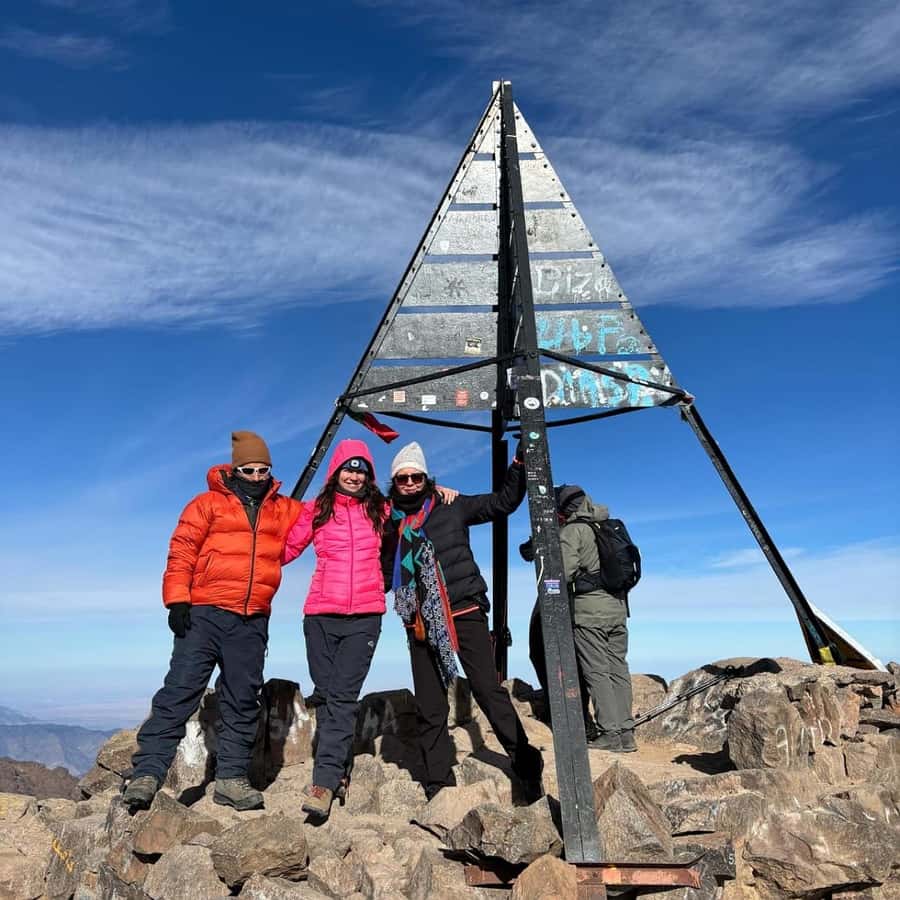
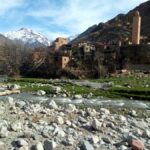
Day 1 centers on the walk up from Imlil through the Atlas Mountains toward a mountain stop and an overnight stay. The tour structure gives you the bones of a classic winter ascent: travel out, a guided hike, lunch along the way, dinner at the overnight stop, and time to recover.
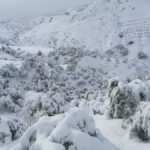
A couple of details make this day feel more “real trek” and less “tour photo day.” First, you’re dealing with winter snow travel, not just cold air. You’ll be using crampons and ice axes to move through snowy sections, which changes how you walk. Your feet become careful tools; your balance becomes the job.
Second, the guide work is not passive. On a winter descent, you don’t want generic encouragement—you want hands-on coaching. One trekker specifically called out Hassan for helping a lot when stones started slipping on the second day. While that moment is in the descent, the reason it matters is preparation starts early: the guide’s approach to safe footwork begins from the first ascent.
Distance on Day 1 can vary by winter conditions, but one reviewer said the first day was about 12 km and felt doable. That lines up with a day that feels like work, not a wall of exhaustion. You’ll still want to pace yourself—save your legs for the cold night push later.
The overnight in a mountain refuge: where winter confidence grows
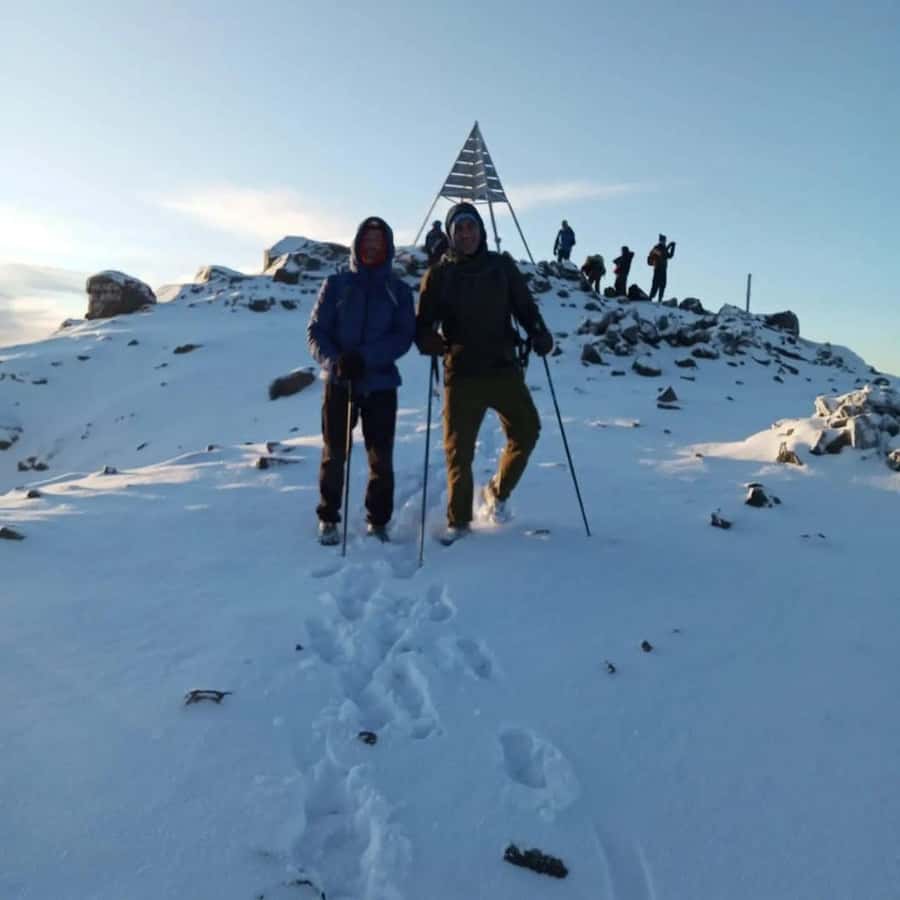
The tour includes an overnight stay and meals (dinner and breakfast) during the trek. That’s a big deal on an ascent like this. Winter climbs punish small mistakes. If your food plan is unclear, you end up under-fueled and tense. Here, the tour takes that stress away.
One person shared that they stayed at a French refuge and mentioned there are two—so you might notice different refuge buildings depending on the exact setup. What stays consistent is the purpose: you eat, you warm up, you sleep, and you prepare for a cold start the next morning.
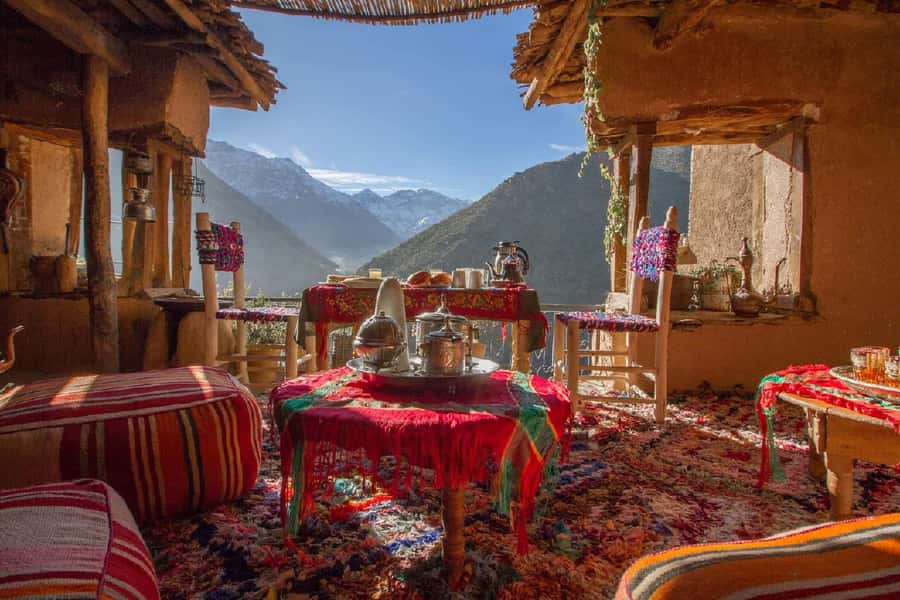
Even if the refuge feels basic, it’s the right kind of basic. You’ll want warmth, a place to recover, and a chance to tighten your gear and plan your first steps at sunrise time. If you’re the type who gets anxious when things are unclear, this is exactly where you’ll feel grateful you booked a guided plan.
Summit morning: climbing to 4,167m with traction and timing
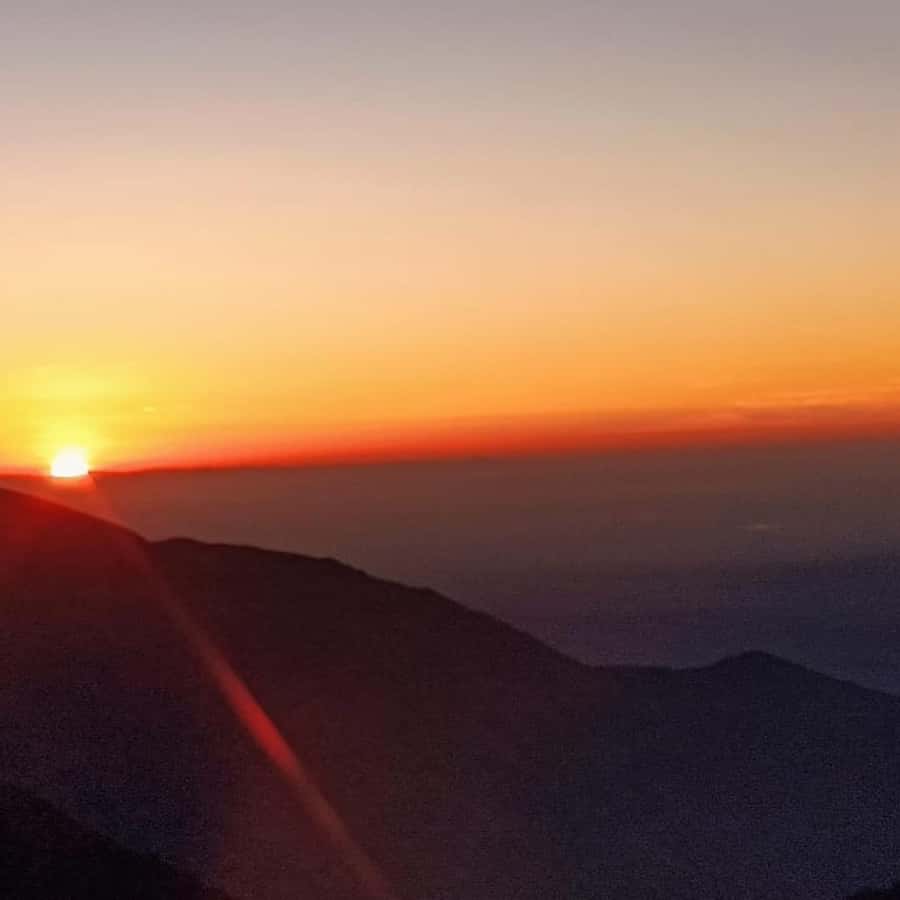
The highlight of the whole experience is reaching the top of Mount Toubkal (4,167 meters), the highest peak in North Africa. The tour is built around a winter summit attempt, which usually means a cold start and a focused climb.
In the reviews, you’ll see a pattern: a night or very early push to get you to the summit for sunrise or early light. One person described an ascent in the night to arrive and see the sunrise from the summit. Another mentioned waking up around 6:00 a.m. for the climb when it was about -7°C, calling it a great experience. That cold isn’t there to scare you—it’s the reason the mountains look like a winter world.
What you’ll be doing at high altitude is simple in concept and demanding in practice:
- Keep moving at a steady pace
- Use traction correctly on snow and icy texture
- Follow the guide’s rhythm and spacing (you don’t want to sprint or stretch out too far)
When it works, the climb becomes methodical. Your job is to breathe, place each foot confidently, and trust the plan. At the summit, the reward is wide-open views of snow, Atlas valleys, and Berber villages below—exactly the kind of perspective that makes your effort feel worth it.
Descent day: where “easy on paper” turns slippery
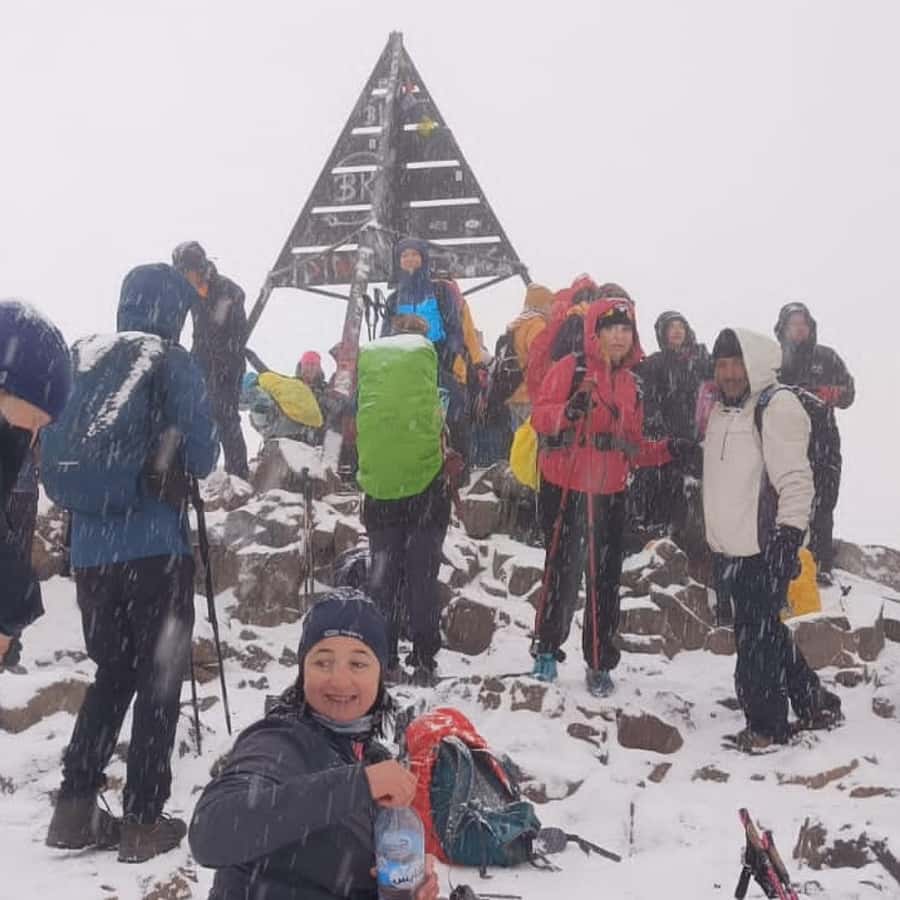
The descent is where people often discover the true personality of a mountain. One reviewer noted the second day was more difficult, “especially the descent,” because stones can slide on you. That’s not a scare tactic—it’s physics.
Even though you’re going downhill, winter footing can be tricky:
- Loose rock can behave like ball bearings
- Snow can hide uneven ground
- Your legs work differently when you’re braking instead of climbing
This is also where a good guide proves value. Hassan was praised for constant support, and that lines up with how descent coaching should feel: the guide helps you choose safer lines, encourages correct foot placement, and keeps you moving without rushing.
Good descents feel controlled. If you find yourself getting tense, that’s your cue to slow down—your time on the mountain matters, but not as much as your balance.
A few more Marrakesh tours and experiences worth a look
The guides you meet: more than instruction, it’s mountain confidence
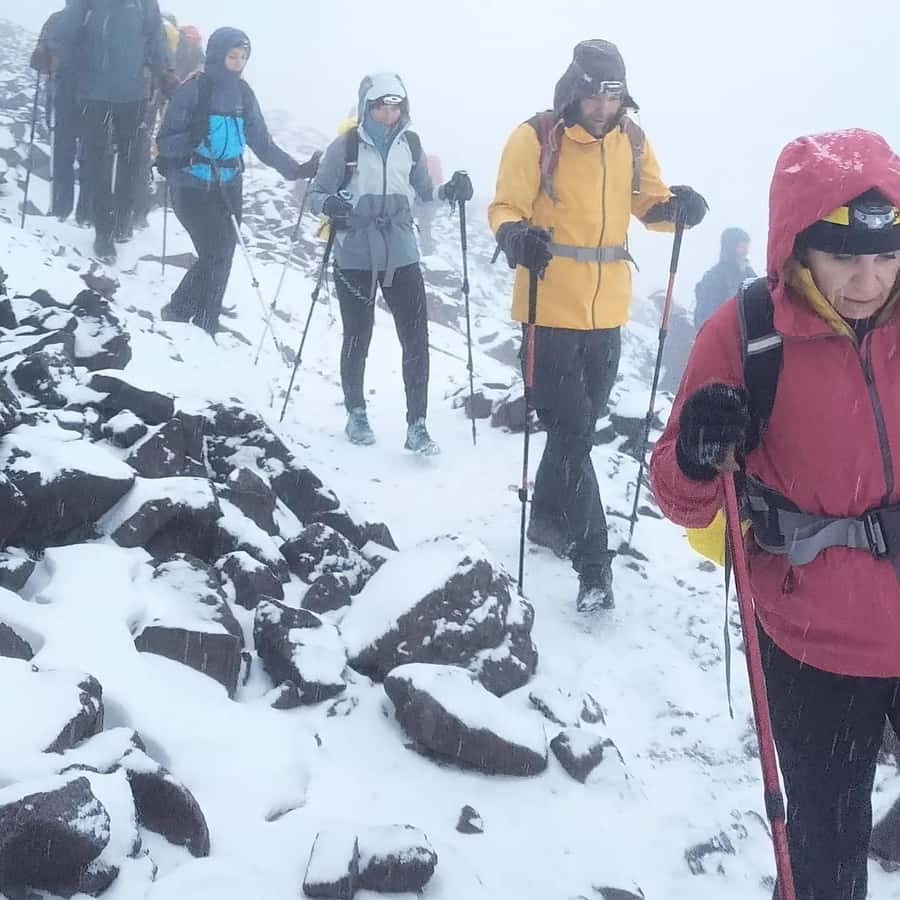
This tour runs with a professional mountain guide and a small group size (limited to 12 participants). The impact is simple: you get real guidance when conditions tighten, not just a lecture at the start.
The names mentioned in real experiences—Hassan, Sabir, and Ibrahim—show a range of communication styles, but a consistent theme: the guides help you understand the route and support you during the hard parts. One person said they received equipment (like crampons) after meeting the guide in Imlil, plus route help on a map. Another called Ibrahim’s guidance special and practical right from the first moments.
That’s what you’re paying for beyond the mountain itself. On Toubkal, the difference between struggling and succeeding can be your technique, pacing, and the guide’s ability to read the terrain fast.
What’s included (and what’s not): pack like you mean it
You’ll pay $284 per person for the 2-day guided experience, and your money largely goes to the “done for you” parts that keep winter safe: transport, guide leadership, park entrance fees, and full trekking meals.
Included:
- Transport from and back to Marrakech
- Professional mountain guide
- Access to the top of Toubkal (4,167m)
- Food during the trek: lunch, dinner, and breakfast
- Park entrance fees
- Mule or porter if needed
Not included:
- Personal insurance
- Drinks
- Equipment (crampons, ice axes)
There’s also a practical twist: equipment you can’t bring can be rented from an equipment shop at the starting point in Imlil. So you don’t have to land in Morocco with a closet full of winter climbing gear—just bring the essentials you truly need for comfort and safety.
Your packing list: don’t wing it
Bring warm clothing, a windbreaker, hat, gloves, and a jacket built for cold. You’ll also want hiking shoes with solid traction and sunscreen (snow sun is still sun). Bring water and snacks, plus a towel and winter-appropriate layers.
If you’re thinking you can substitute cotton with vibes: you’ll regret it. On a winter summit, the goal is to stay warm enough to keep moving steadily, not to suffer through numb hands and feet.
Also note the rules: no smoking and no alcohol or drugs. It’s a safety matter in cold, gear-heavy terrain.
Price and value: paying for safety, not just scenery
Let’s talk value without pretending price is the only factor. At $284, you’re buying more than a ticket to a mountain. You’re buying:
- Transport from Marrakech
- Guide expertise in winter conditions
- Full meals, including breakfast and dinner (so you aren’t spending time and money improvising)
- Access and fees
- Optional mule/porter help
That’s how winter treks stay realistic. Cold weather makes everything more expensive in energy and time. When food, route leadership, and traction planning are included, you’re more likely to finish the summit and descent successfully.
Is it budget? It can be competitive compared to other winter summit options, but you should still compare what’s included in your other choices—especially whether meals, guide support, and park access are handled. In winter, those details can make a bigger difference than the sticker price.
Weather and season: when winter makes this climb possible
The winter season runs roughly from the end of November to the end of April. That’s your window for snow trekking and the “winter wonderland” feeling you came for.
If you climb outside that season, you might miss the snow element. The tour is specifically set up for winter conditions, including traction gear use. So if you’re booking, match your travel dates to the season rather than hoping for luck.
Who this tour is best for (and who should skip)
This trek is not a casual “see snow and take photos” outing. It’s accessible to people with a high level of fitness, and it’s not suitable for people with heart problems or low fitness.
You’ll do better if you:
- Can hike steadily for hours in cold
- Are comfortable with winter walking techniques
- Prefer a structured plan over improvising when things get hard
You don’t need to be an expert mountaineer, but you do need to be realistic about effort. Think of it as a training-friendly summit with professional guidance—not a beginner stroll.
Should you book the 2-day Toubkal winter ascent?
If your goal is a guided winter summit with the highest peak in North Africa, this is one of those tours that makes sense because it handles the big friction points: guide support, gear rental options, and a full food plan.
Book it if:
- You want snow trekking and summit views of valleys and Berber villages
- You’d rather have a small-group guide than make winter decisions solo
- You’re ready for cold starts and a careful descent
Skip or reconsider if:
- Your fitness level is low or you’re worried about heart strain
- You don’t feel comfortable with winter walking and traction gear
- You’re hoping for a relaxed pace with minimal physical effort
If you’re fit, mentally prepared, and honest about winter conditions, the climb to Mount Toubkal is the kind of trip that leaves you with a very specific memory: cold air, crampons biting in, and the moment the valley view opens up beneath you.
FAQ
How long is the Mount Toubkal ascent tour?
The tour lasts 2 days.
Do I get picked up in Marrakech?
Yes. Pickup can be from your accommodation in Marrakech or from a fixed meeting point in the medina.
What languages are the guides?
The guide is available in English, French, Spanish, and Arabic.
Is crampon and ice-axe equipment included?
No. Equipment is not included, but you can rent crampons and ice axes from an equipment shop in Imlil.
What is the group size?
The tour is a small group limited to 12 participants.
When is winter season for this trek?
Winter season runs from the end of November to the end of April.
What if I need to cancel?
You can cancel up to 24 hours in advance for a full refund.
What meals are included?
All food during the trek is included, including lunch, dinner, and breakfast.