REVIEW · FEZ
Luxury Overnight Sahara Desert trip fez Back to Fez or Marrakech
Book on Viator →Operated by Morocco Unique Tours · Bookable on Viator
Two days of sand and silence. This small-group Sahara overnight from Fez takes you through classic Middle Atlas stops before you reach Merzouga for sunset camel time and a desert sunrise. It is also built around real road travel, with scenic breaks that make the long day feel less like a bus ride and more like a journey.
I especially like the max 8 travelers setup. Fewer people means it is easier to keep track of the group during long driving hours, and you are less likely to feel like a number. My other big win is the two camel moments: sunset on the way into the dunes, then sunrise the next morning. One consideration: the drive is long, and communication can be hit-or-miss, so you need to confirm pickup details clearly and pack for day-long sitting.
In This Review
- Key highlights to know before you go
- From Fez to Merzouga: what makes this overnight work
- The long road through Morocco: Ifrane, Azrou, Midelt, Erfoud, and Ziz Valley
- Arrival at Merzouga: sunset camel riding is the main event
- Sunrise in the dunes: why early morning is worth it
- Sleeping in a Berber tent camp: what comfort looks like (and what to plan for)
- Meals on the trip: dinner and breakfast are included, lunch is on you
- AC vehicle for comfort, but don’t underestimate road time
- Pickup, drop-off, and language: how to keep the trip from getting messy
- Price and value: $124.46 for an overnight Sahara trip
- Should you book this Merzouga overnight from Fez?
- FAQ
- What time does the tour start, and how long is it?
- What meals are included?
- Is lunch included during the day stops?
- Is pickup from my hotel or riad included?
- How big is the group?
- What kind of transportation is used?
- Can I cancel for a full refund?
Key highlights to know before you go
- Small group (up to 8): smoother timing during a long 2-day itinerary
- Sunset camel ride plus sunrise: two key moments, not just one photo stop
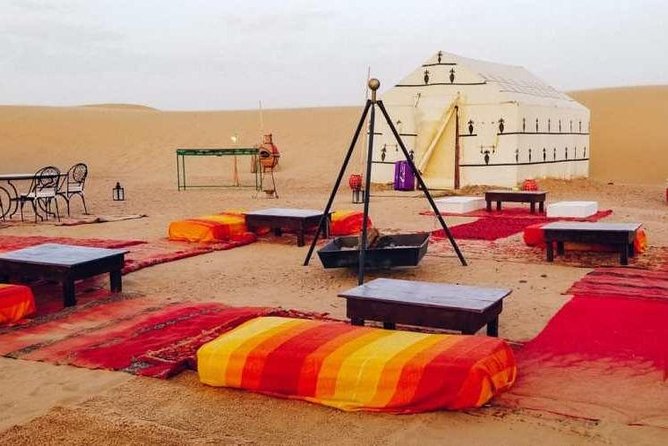
- Tent camp night included: overnight in a traditional Berber tent with dinner
- Scenic Middle Atlas route: Ifrane, Azrou monkeys, Midelt lunch break, Ziz Valley views
- AC on the vehicle: comfort helps on the long road out of Fez
From Fez to Merzouga: what makes this overnight work
A desert overnight is all about timing. You go from Middle Atlas towns and valleys into the Sahara light, then you slow down enough to feel the difference. The best parts here are the sequencing: you land at Merzouga for sunset, sleep in a tent camp, then head out again early for sunrise.
I like how the experience is built around your senses. The camel ride is not just transport. It is a transition into dune-world—shadows stretching, wind changing, and that first real view of Merzouga when the sky starts shifting color. Then the evening dinner and camp entertainment give you a social break after hours on the road.
The practical trade-off is time. This is not a quick, low-effort day trip. Even with an air-conditioned vehicle, you are in transit for a lot of the day. If you hate long drives, plan your expectations. This tour is for people who want the whole story, not just the destination.
A few more Fez tours and experiences worth a look

The long road through Morocco: Ifrane, Azrou, Midelt, Erfoud, and Ziz Valley
Day 1 starts with an 8:00 am departure from Fez. From there, the route moves through several stops that break up the travel and add variety.
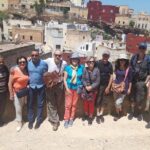
Ifrane is your first named highlight. It is known for its alpine look and the nickname Moroccan Switzerland fits for a reason. You get about a short stop here, just enough to stretch your legs and reset before continuing toward the Middle Atlas.
Next comes Azrou, where you have a chance to see monkeys. This is one of those quick stops that is simple but memorable—especially if you have not spent much time in Morocco’s forest areas. The timing is tight, so keep your water bottle close and move at a normal tourist pace.
Then you roll toward Midelt, a town used as a lunch break. The idea here is comfort: a real pause away from the vehicle, with a chance to eat something Amazigh-style while you wait for the route to open into the south. Lunch is not included, so budget for it and treat it as your chance to choose what you actually feel like eating.
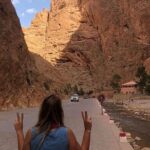
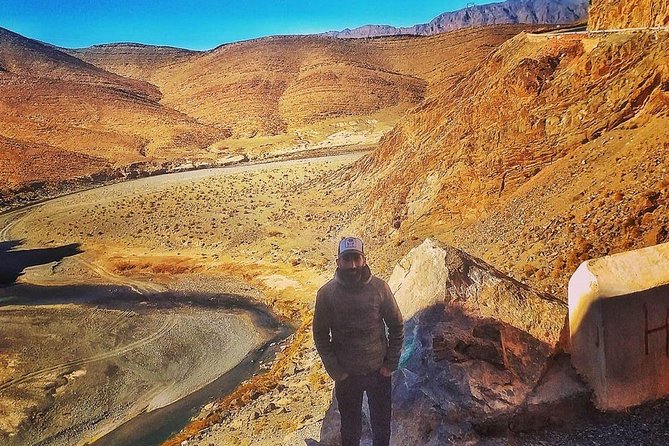
Erfoud and the Ziz Valley come later, and this is where the scenery starts shifting toward classic Sahara territory. You drive through oasis country with green pockets and a river vibe that feels strange when you know the dunes are still coming. The tour also includes a look at nomadic Berber life along the way, which helps the desert feel less like it appears from nowhere.
A quick heads-up from real-world experience patterns with this kind of routing: road stops can be brief. One person might feel like they got city time. Another might feel like the stop was more shop-focused. If you want more culture in towns, you may want to add a night in Fez or Marrakech before or after your desert trip.
Arrival at Merzouga: sunset camel riding is the main event
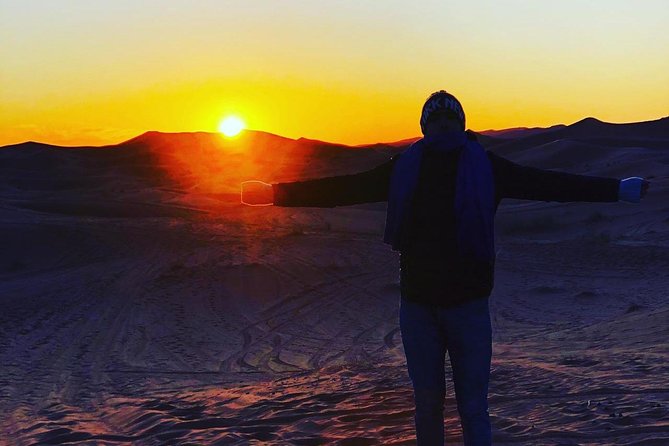
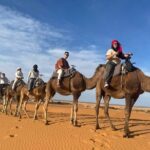
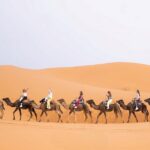
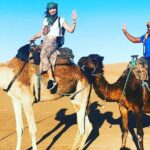
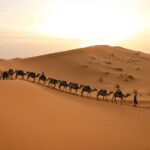
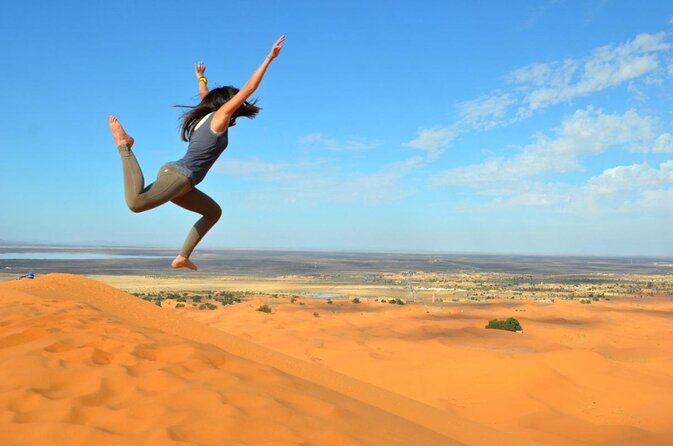
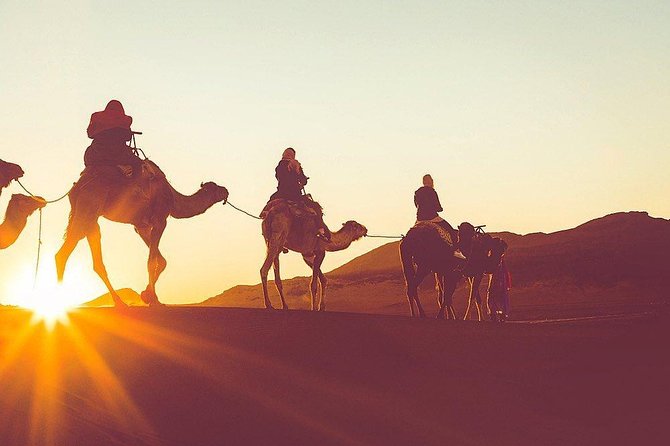
Once you reach Merzouga, the tour goes into full desert rhythm. The camels are waiting, and you start trekking to watch the sunset. This part is the emotional core of the trip.
What I like about this design is that you are not stuck with a single jump-off point. The camel ride gives you a moving viewpoint of the dunes as light changes. You get that classic Morocco Sahara mood without needing to be an expert photographer to understand why people talk about this so much.
Camel comfort is personal. Camels are not exactly a luxury vehicle seat, so dress for it. Long pants help. A scarf or light hat is useful because sand and wind can show up fast once you leave town. If you have sensitive knees or hips, take it slow during the mount and dismount. You do not want to turn the ride into an injury story.
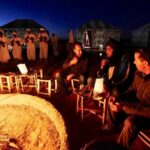
Also, dinner and camp atmosphere matter here. You spend the night in a traditional Berber tent, then you get Berber folklore in the open air as part of the evening. For many people, this is what makes the overnight feel complete rather than like a night parked in a random camp.
Sunrise in the dunes: why early morning is worth it
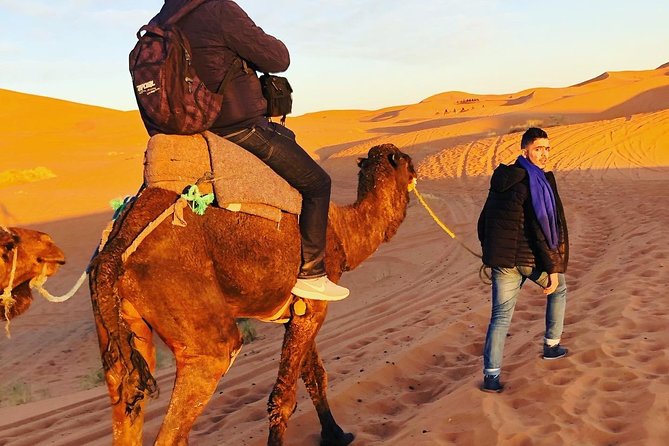
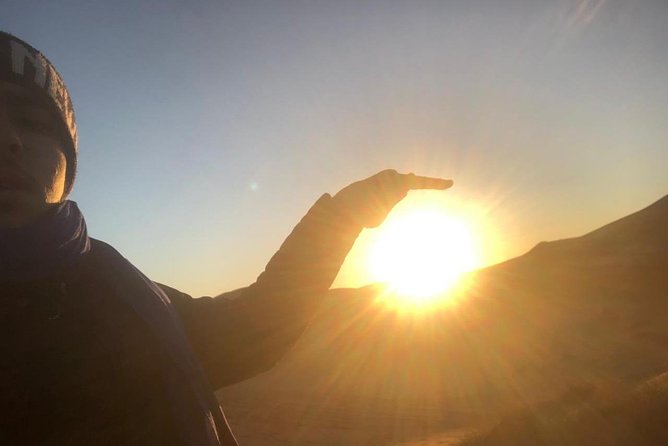
The next morning starts early. You wake up for sunrise, and the camel driver takes you out again to catch that early light. Sunrise in the Sahara is one of those experiences that is hard to explain well, but easy to recognize when you are standing there: colors soften, wind feels cooler, and the dunes look more sculpted than they did the day before.
I like that the itinerary includes morning desert time, not just a sunrise photo moment. If you are only after one moment of spectacle, you might feel fine skipping the extras. If you want the full shift from sunset to dawn, those morning hours are where the dunes feel most unreal.
One consideration: mornings can be chilly depending on season, and the camp can feel temperature-swingy. Pack warm layers even if daytime feels mild. If you run hot, you can always shed a layer. If you run cold, you cannot easily add comfort out in the dunes.
Sleeping in a Berber tent camp: what comfort looks like (and what to plan for)
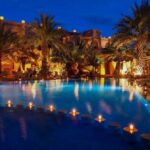
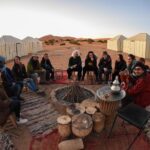
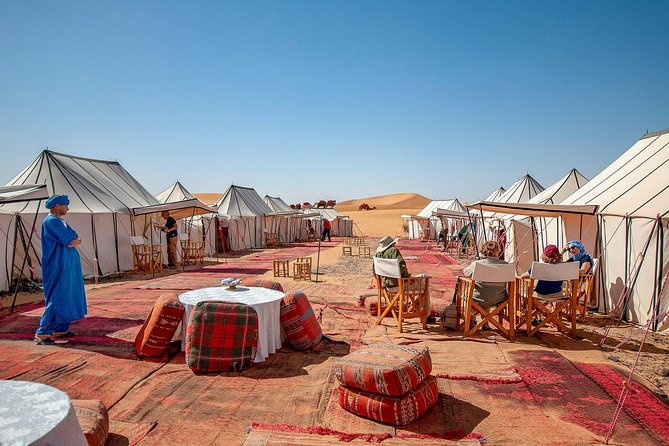
This tour includes the overnight at a tent camp. Dinner is included, and you also get breakfast the next morning. The camps used on these routes vary in setup, but you can count on the experience being “camp real,” not hotel real.
The big comfort win mentioned in feedback is cleanliness and privacy. Some tents are described as clean and private, with bathrooms attached to the tent setup. That is a huge difference from older desert camps where you might have to walk for facilities in the dark.
But do not assume perfect climate control. One note from feedback: there may not be air conditioning or fans in the tents, and at night it can still feel warm or cold depending on the season. Another note praised tent equipment more strongly, including feeling well set up. So I would plan for variable comfort and pack like you are camping, not like you are checking into a hotel.
Practical tip: bring a small flashlight or use your phone with low brightness. Even if the camp is well organized, you will appreciate extra light when moving around at night.

Meals on the trip: dinner and breakfast are included, lunch is on you
Food is a big part of making a long trip feel worth it. Here, you get dinner in the desert camp and breakfast the next morning, with a second breakfast mentioned as included as well. Many people praise the dinner—tagine is often the star in Morocco—and the meal is served as part of the overall evening atmosphere.
Lunch is the one clear gap: it is not included. You should plan to pay for lunch during the Midelt stop. That gives you freedom, but it also means you should carry a little cash or have payment sorted before you reach these breaks.
One small but smart habit: travel with a water plan. Mineral water is included, but you may want extra for the day. Some people specifically mention that bottled water can be an extra cost. Since you will be in the vehicle for long stretches and walking near dunes, dehydration sneaks up if you only sip when you remember.
AC vehicle for comfort, but don’t underestimate road time
This tour uses an air-conditioned vehicle, which is a big deal when you are traveling through Morocco’s changing weather. Comfort on the road helps you actually enjoy the stops instead of arriving at Merzouga exhausted.
The trade-off is duration. This is about 2 days, but it feels longer because driving from Fez to the desert area can take around 10 hours, and the return time is similar in many cases. That kind of schedule is not a problem if you pack your mindset correctly. It is a problem if you want a relaxed, spontaneous pace.
Group size stays small, but your main “constraint” is still the road. Seat time adds up. If you are prone to back or neck stiffness, bring a small neck pillow or a rolled jacket for support. If you get carsick, plan ahead too.
Pickup, drop-off, and language: how to keep the trip from getting messy
Pickup from your hotel or riad is offered, which is convenient. The tour starts at 8:00 am, so you should be ready for an early departure window. This kind of itinerary depends on punctual coordination between drivers, camel guides, and the tent camp.
Here is where I think it is worth being proactive. Some feedback points to communication issues, especially when the driver does not speak your language well. Another point mentions punctuality problems and even pickup confusion in rare cases. You can reduce the risk by doing two simple things:
- Confirm your pickup location and exact name/address in advance, and again the day before.
- If you have a specific drop-off request (like returning to Marrakech instead of Fez), confirm it clearly.
One detail that stands out: a chauffeur named Mustafa is mentioned as friendly and helpful in at least one experience. Having a good driver makes the route feel more guided and less like you are just passing scenery. Still, your best defense is preparation, not hope.
Price and value: $124.46 for an overnight Sahara trip
At about $124.46 per person, this is positioned as a lower-cost way into a classic Morocco desert overnight: transport, camel riding at sunset, dinner, a night in a Berber tent camp, plus breakfast and a second morning dune experience.
Value here comes from stacking included items. If you tried to DIY this with a private guide, separate camel trek, and your own camp booking, it would likely cost more. The package also includes air-conditioned transport and mineral water, which matters after long hours on the road.
The cost logic also has a trade-off: you are paying for an organized schedule, not for lots of guided stops or extra cultural time in towns. Some people feel the road stops are short or tourism-store heavy. Others feel the pace is exactly what they needed because they had limited time.
So the real question is fit. If you want the Sahara overnight and you are okay with lots of driving, the price can feel like a fair deal. If you want more slow travel, more town time, or deeper explanations along the way, you might feel constrained by the format.
Should you book this Merzouga overnight from Fez?
I’d book it if your top priorities are sunset dunes, a camel ride, and an overnight tent camp without having to plan logistics from scratch. It also fits well if you like a small-group vibe and you want the desert experience in two days rather than stretching it into a longer Morocco trip.
I would think twice if you strongly dislike long road days, or if you need detailed commentary in your preferred language. In that case, consider adding extra nights in Fez (or Marrakech) so you can balance the transit with more time on your schedule.
If you do book, pack smart: warm layers for early morning, practical clothing for camel riding, and a water plan. Then confirm pickup and drop-off details in writing so the day starts clean and stress-free.
FAQ
What time does the tour start, and how long is it?
The meeting time is 8:00 am, and the experience is listed as about 2 days.
What meals are included?
Dinner is included, and breakfast is included (two breakfasts are listed). Lunch is not included.
Is lunch included during the day stops?
No. Lunch is not included, so you will need to budget for meals during the stops on the route.
Is pickup from my hotel or riad included?
Yes. Pickup and drop-off from your hotel or riad are included.
How big is the group?
The tour has a maximum of 8 travelers, which keeps it a small-group experience.
What kind of transportation is used?
You travel in an air-conditioned vehicle, and transport to and from the desert area is included.
Can I cancel for a full refund?
Yes. Free cancellation is available up to 24 hours in advance of the experience start time for a full refund.