REVIEW · FEZ
Half Day Fes Guided Tour
Book on Viator →Operated by fes-guided-tours · Bookable on Viator
The Fes medina hits you fast. This half-day guided tour is built to help you understand what you’re looking at, starting at the Blue Gate and moving through the places locals treat as everyday landmarks. I like how the route balances major monuments with working-market stops, and I also like that the guide experience can be led by people such as Driss or Idris, who have a reputation for clear, easy-to-follow explanations.
One thing to consider: the day can include time connected to crafts. If you do not want any sales pressure, tell your guide you want the history first and the buying last, because parts of the medina are wired for demonstrations and pitches.
In This Review
- Key things to know before you go
- Starting at the Blue Gate (and why timing matters)
- Bou Inania Medersa (1351) and the oldest water clock
- Souks, the Fondouk el-nejjarine, and the carpenters market
- Zaouia of Moulay Idriss II and the five markets
- Medersa El-Attarine and the Karaouiyine Mosque (9th century)
- El Seffarine square, copper and bronze workshops, and the Karaouyine library
- The world’s oldest tannery: famous, intense, and not for everyone
- Weaving district finale: what hands make, not just what stones remember
- Price and logistics: what $40.90 buys you (and what it doesn’t)
- The craft-pitch question: how to keep the tour on your side
- Who should book this half-day route in Fes?
- Should you book this tour?
- FAQ
- FAQ
- What is the duration of the Half Day Fes Guided Tour?
- How much does the tour cost per person?
- What time does the tour start?
- Where does the tour start and end?
- Is pickup available?
- Is this tour private?
- Do I need to bring an admission ticket?
- Will I get a mobile ticket?
- How far in advance is the tour usually booked?
- What is the cancellation policy?
Key things to know before you go
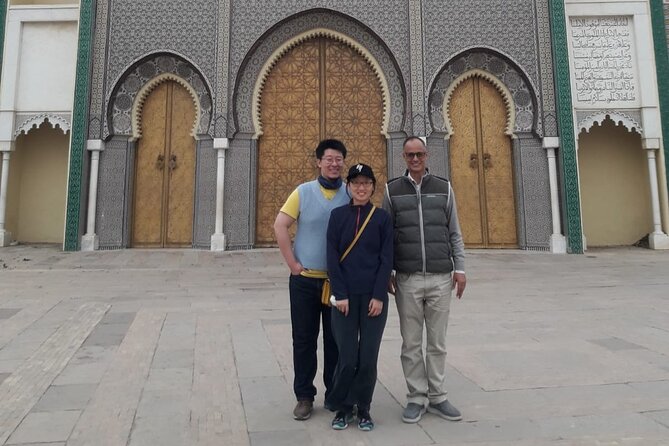
- Blue Gate start: quick way to orient yourself inside the medina’s maze
- Bou Inania Medersa (1351) plus the oldest water clock: design and practical engineering in one stop
- Fondouk el-nejjarine and the carpenters market: a break from only monuments into trades and objects
- Karaouiyine Mosque (9th century) and the Karaouyine library: scholarship and sacred architecture
- World’s oldest tannery: yes, it’s famous for a reason, but expect strong sensory impact
- Weaving district finale: you finish with what’s made by hand, not just what’s built
Starting at the Blue Gate (and why timing matters)
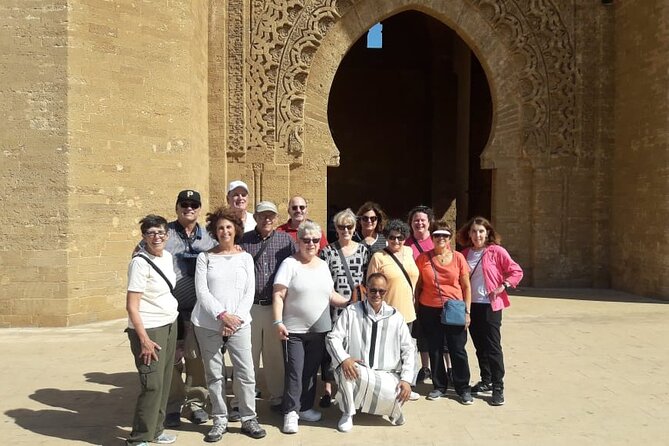
The tour meets at Hotel Batha, at Place De l’Istiqlal in Fez, and starts at 10:00 am, wrapping back at the same point. If you opt for pickup, it can make the first step less stressful, especially when you’re trying to locate the right riad area before the medina gets crowded and confusing.
Starting at the Blue Gate is smart because it gives you a reference point right away. Fes can feel like you’ve been dropped into a living labyrinth, with alleys folding into alleys and landmarks appearing only after you turn twice too many. A guide route helps you get your bearings fast while you’re still fresh.
This is also a realistic length: about 4 hours. It’s long enough to see major religious and educational sites, plus a few crafts-and-markets moments. It’s short enough that you’re not spending your whole day zigzagging through lines and entrances.
If you have limited time in Fes, this half-day format is a good way to understand the city before you decide where to return for a deeper look.
You can also read our reviews of more guided tours in Fez
Bou Inania Medersa (1351) and the oldest water clock
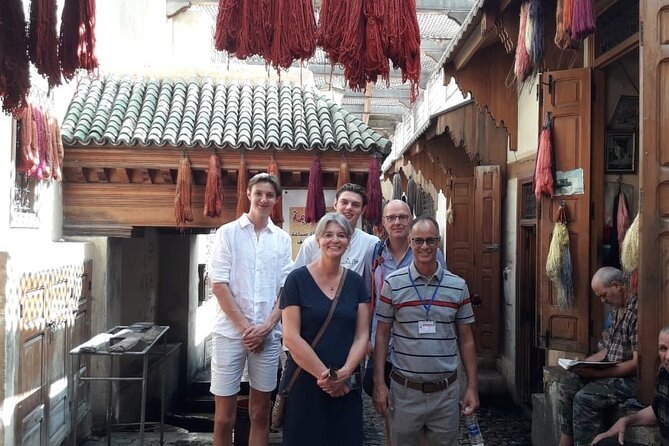
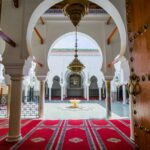
Your first major monument stop is the Bou Inania medersa, dated to 1351. A medersa is more than a school building. In Fes, it’s a statement about how learning, art, and everyday function were linked. Even when you only spend a short time here, your guide can point out details that turn the stonework into something you understand instead of just admire.
From there, you’ll see the oldest water clock. This is one of those “how did they think of this?” moments. It signals that medieval Fes wasn’t only building religious spaces—it was also experimenting with practical measurement of time. When a guide explains how it worked, it helps you connect the dots between craft, engineering, and daily life.
Practical tip: medersas and historic interiors can require patience at entrances and through photo-restricted areas. Wear comfortable shoes and keep your bag situation simple so you can move quickly without wrestling straps and zippers.
The main potential drawback at this stage is simply pacing. If you tend to linger, the route is designed for coverage, not slow wandering. Ask questions early, while you still have the guide’s full attention.
Souks, the Fondouk el-nejjarine, and the carpenters market
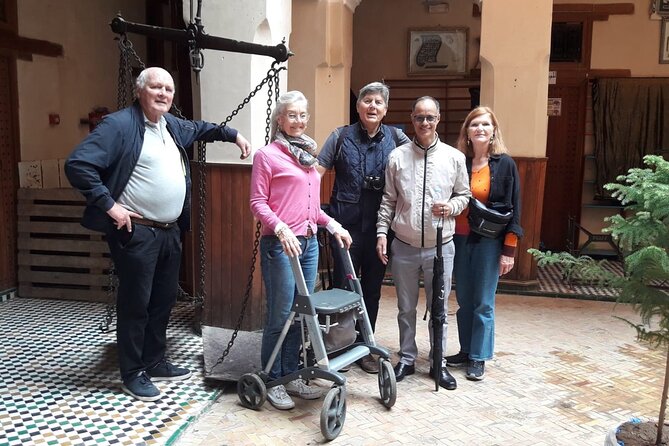
After the first monuments, the tour crosses into the souks and makes a stop for the carpenters market and the museum of wooden objects at Fondouk el-nejjarine. This is a nice reset. You go from architectural marvels to materials—wood, tools, and the objects people actually use.
Fondouk el-nejjarine is helpful because it gives you a frame: what you see in the surrounding trade areas isn’t random clutter. It’s part of how goods were stored, handled, and turned into everyday items. With a guide, even a short museum stop becomes a mini lesson in how Fes trades functioned.
Why this matters for you: you’ll likely notice the same theme elsewhere on the route—workshops arranged around craft, and specialized streets where the product of one trade is the neighborhood identity. Understanding that before you hit the more famous markets later makes the whole medina easier to read.
If you’re not into shopping, that’s fine. This part can still be interesting as a materials-focused break. But it can also be where the “craft experience” feeling starts. If you want to keep your time strictly sight-based, tell your guide you’re okay looking but not doing demonstrations.
Zaouia of Moulay Idriss II and the five markets
Next comes the Zaouia of Moulay Idriss II. This matters because it connects directly to the city’s early story. Idriss II is the second ruler tied to the founding narrative, and the site includes the tomb associated with him. Even if you only catch brief views, a guide can explain why this place anchors the rest of the old medina.
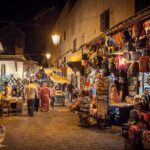
Then you’ll move to the five markets. This is one of those classic Fes moments where the city feels like it’s doing what it always does: trading, calling, packaging, and moving goods. A guided pass helps you avoid getting lost in the noise. It also helps you understand the logic of market areas instead of treating them like one giant blur.
What I like about this section is that it adds texture. Without it, you’d only see buildings. With it, you see the living city inside the historic frame.
One consideration: markets can be crowded and full of smells, especially as you near areas linked to food or leather processing later on. If you’re sensitive to strong odors, pace yourself and plan to take short breaks. You’ll get plenty more sensory input later, so don’t spend all your tolerance at the first crowded street.
Medersa El-Attarine and the Karaouiyine Mosque (9th century)
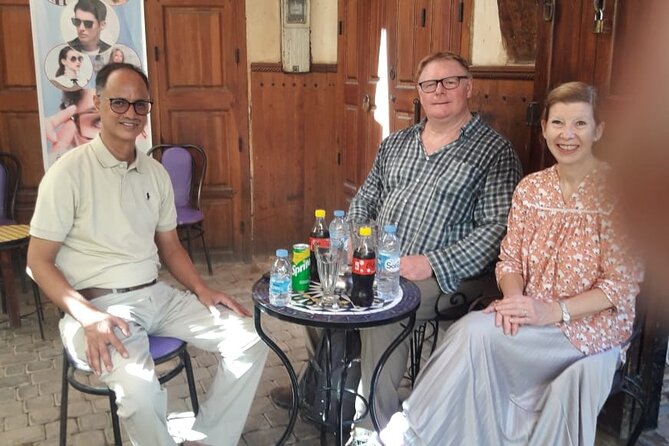
You’ll visit Medersa El-Attarine, sometimes described as the Medersa of the spice sellers, built in the 14th century. A medersa like this is a good place to see how Fes used architecture to organize learning and community. The guide can connect its role to the commercial neighborhood around it, which is a key theme in the medina: sacred spaces weren’t isolated from trade.
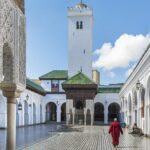
Then comes the Karaouiyine Mosque, from the 9th century. This one isn’t just old. It’s tied to major educational prestige, often described as one of Morocco’s first universities. A good guide doesn’t just list dates. They explain how the mosque fits into the wider idea of scholarship in the Muslim world.
If you want respectful, meaningful sightseeing, this is a highlight. You get to focus on the big picture: why the medina looks the way it does, and how religious and educational institutions shaped the city’s design.
Practical note: dress and behavior matter at religious sites. If your clothing is borderline, you might want a scarf or cover-up ready. If the mosque interior has restrictions on what you can do (or where you can stand), you’ll follow your guide’s lead quickly.



El Seffarine square, copper and bronze workshops, and the Karaouyine library
El Seffarine square is associated with metalwork, especially silverware and copper crafts, including coppersmith and bronz-related work. This is the part of the route where the sights turn hands-on, because the craft is the attraction. Even if you’re not planning to buy anything, seeing how a neighborhood organizes around a single trade helps you “read” the medina.
Then you’ll pass through the Karaouyine library area. The library name connects back to the same educational tradition as the Karaouiyine Mosque, reinforcing a theme: learning isn’t an abstract concept here. It’s linked to institutions you can still locate in the city.
Why these stops are valuable for you: they break the monotony of only-seeing walls. Architecture is impressive, but you also need the context of what people do in those streets. When you connect craft squares to educational institutions, the medina stops feeling like a museum and starts feeling like a system.
Potential drawback: craft squares are also where you may feel pressure to slow down for demonstrations or purchasing. If you’d rather move with the group and keep your time focused on viewing, set that expectation early. A clear conversation with your guide can help keep things comfortable.
The world’s oldest tannery: famous, intense, and not for everyone
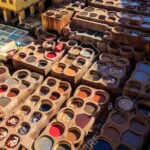
One of the route’s headline moments is the world’s oldest tannery. This is where Fes earns its strong reputation. It’s historical, it’s tied to labor and technique, and it’s still functioning enough to be seen by visitors.
But it also comes with an honest reality check: the tannery is a sensory experience. Expect strong odors. If you’re sensitive, bring a plan. Short viewing windows are key. Stand where the viewpoint is provided, and don’t expect a pleasant stroll. Keep breathing steady, and remind yourself that the value here is understanding how deeply traditional processing works.
A guide can help you understand what you’re seeing—how processing stages connect to the final product. That context changes it from just a spectacle into something you can appreciate historically and practically.
Also remember the listing detail that admission tickets are not included. That can apply to certain sites, and it’s especially relevant when a major stop has entry fees or viewpoint access rules. Build a small buffer into your day so you’re not surprised at the door.
Weaving district finale: what hands make, not just what stones remember
The tour ends in the weaving district. Finishing here is a smart choice because it brings the day back to visible everyday work. You’re no longer only interpreting old architecture; you’re seeing how traditional materials and patterns still shape modern life in the medina.
Even if you do not buy, the weaving district can help you understand the craft chain. It’s easier to connect threads to workshops and shops when you’ve just been shown other craft-related areas earlier in the route.
If you’re the kind of traveler who likes to take home a story, this is where you might find something meaningful. If you’re not, you can simply enjoy the sights and let your guide handle the pace.
Because craft stops can run into sales discussions, keep your budget and boundaries ready. If you hate negotiations, decide in advance whether you want to browse only, or skip shopping entirely. Your guide can often adjust how you move through the area if you’re clear.
Price and logistics: what $40.90 buys you (and what it doesn’t)
At $40.90 per person for about 4 hours, you’re paying for guided interpretation plus a structured route through major Fes landmarks. In a city where getting lost is easy and time disappears fast, that structure has real value—especially if it’s your first visit.
A couple details matter for planning:
- It’s a private tour/activity, so only your group participates.
- Pickup may be offered.
- You’ll use a mobile ticket.
- Admission tickets are not included.
That last point is key. Your day may include sites that charge entry, and you’ll want cash or a card ready for fees. Also, if you’re expecting the tour price to cover everything, it might not. I like seeing this up front because it lets you budget without last-minute stress.
Timing-wise, starting at 10:00 am is helpful. You’ll get to major interiors while the light and crowd levels are still manageable. Then you finish before the day turns too long, which makes it easier to add your own dinner plans afterward.
Also: the meeting point is near public transportation, which helps if you’re not staying exactly at Hotel Batha’s doorstep.
The craft-pitch question: how to keep the tour on your side
Some people love craft stops; some people just want monuments and context. The route includes market-and-craft-linked moments, so it’s worth planning your mindset.
From my perspective, the best way to manage it is to give your guide a simple instruction at the start:
- You want the history and architecture explained.
- You’re okay seeing crafts from the outside.
- If a stop starts turning into a heavy sales pitch, you want to keep moving.
This matters because a guide can often keep the emphasis where you want it. Many guides in this system are also very good at explaining the city’s culture first, and that keeps you from feeling like you’re being herded.
If you genuinely do not want any craft-style experiences, say that clearly. If you’re open to looking but not buying, say that too. One polite boundary saves time and keeps the tour enjoyable.
The upside: even if you skip hands-on pitches, the craft zones still teach you how Fes works. You’ll see why markets exist where they do, and you’ll recognize trade-specific squares when you’re walking on your own later.
Who should book this half-day route in Fes?
This tour is a strong fit if you:
- Want to see major medersas and the Karaouiyine Mosque in one focused morning-block.
- Like market energy, but still want help making sense of it.
- Appreciate practical, on-the-ground explanations (especially when a guide like Driss or Idris is known for clear English and strong city orientation).
Skip or modify it if you:
- Really dislike craft shopping or sales pressure and do not want any time spent around demonstrations.
- Need a fully ticket-inclusive package for predictable costs (admission tickets are not included).
- Have a strong aversion to intense smells, since the tannery stop can be very strong.
If you fall in the middle, you can still make it work by communicating your preferences early and keeping your browsing boundaries simple.
Should you book this tour?
Yes, if you want a guided, structured first taste of Fes that hits the big monument names and the working medina trades in about 4 hours. The route is built to help you understand what you’re seeing, not just collect photos.
Book it especially if you value a guide who can explain what matters, and you like the idea of finishing in the weaving district where craft is still the point. If craft pitches worry you, go in with a clear plan and tell your guide how you want the time handled.
FAQ
FAQ
What is the duration of the Half Day Fes Guided Tour?
The tour lasts about 4 hours.
How much does the tour cost per person?
The price is $40.90 per person.
What time does the tour start?
It starts at 10:00 am.
Where does the tour start and end?
It starts at Hotel Batha Place De l’Istiqlal, Fez 30000 Morocco, and ends back at the meeting point.
Is pickup available?
Pickup is offered.
Is this tour private?
Yes. Only your group will participate.
Do I need to bring an admission ticket?
Admission tickets are not included.
Will I get a mobile ticket?
Yes, the tour uses a mobile ticket.
How far in advance is the tour usually booked?
On average, it’s booked 16 days in advance.
What is the cancellation policy?
You can cancel for free up to 24 hours in advance for a full refund.