REVIEW · FEZ
luxury desert tour 3days 2 night fez merzouga ouarzazat marakech
Book on Viator →Operated by MOROCCO TRIP DESERT · Bookable on Viator
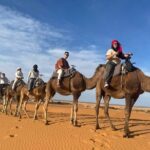
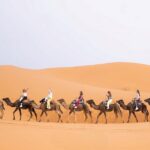
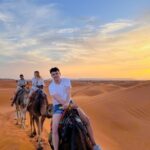
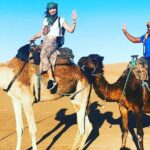
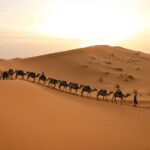
Camel light and kasbahs in three days. This tight-but-satisfying route takes you from Fez into the Atlas Mountains and over to Merzouga desert for an overnight sand-dune stay, with sunrise views that make the early starts worth it. I also like how the route mixes big-name sights with real sensory moments like riding camels at sunset. The main downside is the drive time and packed timing, so if you want lots of slow wandering, you may feel rushed.
I love that the group stays small (a max of nine), and your overnight setup is designed to feel comfortable rather than roughing it. Still, English guidance can vary by driver, and a couple of past groups reported communication gaps—so I’d plan to stay flexible and be ready to rely on the driver for most of the explanations.
In This Review
- Key things to know before you go
- From Fez Toward the Sahara: What This Route Really Delivers
- Day 1: Atlas Mountain Stops on the Way to Merzouga
- Day 2: Merzouga Camel Trek, Dune Sunrise, and Todra Gorges Energy
- Day 3: Dadès Valley Views, Skoura Palms, Ouarzazate Kasbah, and Ait Ben Haddou
- Luxury Desert Camp Details: Comfort Isn’t the Same as Air Conditioning
- Todra and Dadès: The Canyon Day That Breaks Up the Driving
- Price and Inclusions: Where Your Money Actually Goes
- Group Size, Drivers, and Communication: The Biggest Variable
- What to Pack for a Comfortable Desert Night (and a Less Miserable Morning)
- Should You Book This Fez-to-Merzouga-to-Marrakech Tour?
- FAQ
- How long is the tour?
- What’s included in the price?
- Are pickup and drop-off included?
- What are the main stops you’ll visit?
- Is lunch included?
- Is there a museum ticket cost?
- Can I cancel for a full refund?
Key things to know before you go
- Max nine travelers: Smaller groups tend to feel calmer in long-ride Morocco logistics.
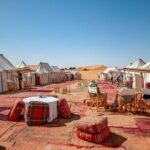
- Private comfort in the desert camp: You get a private tent with an attached bathroom at the camp.
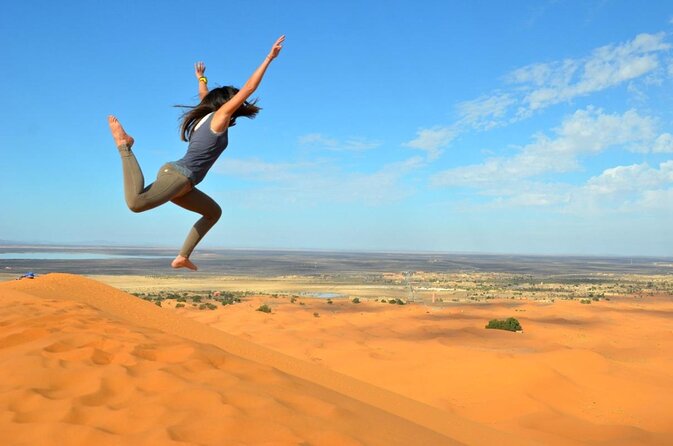
- Sun and dunes are the big show: Early sunrise on the sand and camel time at sunset are built into the flow.
- Canyon day is the payoff: Todra Gorges and Dadès viewpoints give you dramatic rock scenery between drives.
- UNESCO kasbah stop: Ait Ben Haddou is part of the plan (World Heritage Site).
- Not everything is fully included: Lunch isn’t included, and a museum ticket is listed as an extra cost.
From Fez Toward the Sahara: What This Route Really Delivers
This is one of those Morocco trips where the “road” is part of the experience. You’re not just traveling from city A to city B—you’re watching the country change, from cedar-forest country into Atlas passes, and finally into sand-dune terrain around Merzouga. It’s fast in pace, but the variety is the point.
At $244.26 per person, the value depends on what you care about most. If you want a full multi-day sampler that hits the desert, major gorges, and kasbah highlights without you juggling tickets and connections, it can be a good deal. If you prefer slower travel days with lots of free time, you’ll probably feel the long car hours and tight scheduling.
A few more Fez tours and experiences worth a look

Day 1: Atlas Mountain Stops on the Way to Merzouga
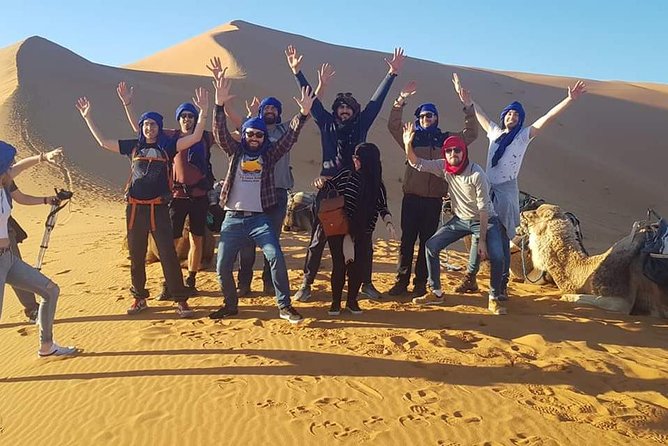
Day 1 is basically a scenic power drive with a few smart breaks. You’ll be picked up from your hotel or riad and travel out of Fes through mountain regions that change character as you go. The plan includes stops that help you “read” Morocco as you pass: Middle Atlas views, Higher Atlas glimpses, and the gradual shift toward desert hints.
One stop worth noticing is Azrou, in the cedar forest area. It’s known for the largest cedar forest in Morocco, and there’s a chance you’ll spot Barbary apes if you’re lucky with timing. Even if you don’t see them, the cedar woodland stop breaks up the driving and helps you feel like you’re moving through real regions, not just a highway.
The long scenic stretch also includes a pass and gorge segment (Tiz Ntalghamt pass and Ziz Gorge are named in the route). These are the moments when the scenery does the work for you. You’ll get that “wait, Morocco is bigger than I thought” feeling before you even reach the dunes.
Practical note: reviews and itineraries both emphasize that this tour is time-heavy. If you hate being in a vehicle for long stretches, set expectations now, because Day 1 is part of the bargain.
Day 2: Merzouga Camel Trek, Dune Sunrise, and Todra Gorges Energy
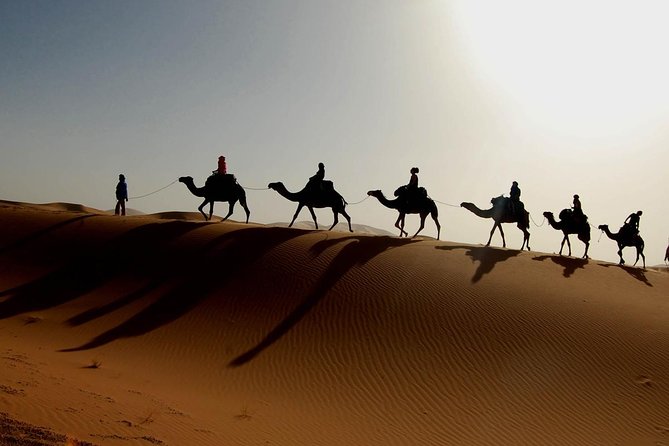
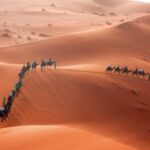
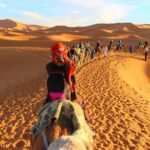
Day 2 is where the desert becomes real. You wake up early for sunrise on a high dune near camp, then return to the Merzouga area by camel for breakfast. That order matters. Early desert light is usually the best desert light, and it’s also when the air feels most workable before the day heats up.
After breakfast, the plan shifts into the red-rock and oasis world. You’ll head to Rissani for a market stop depending on the day of the week (market days listed as Tuesday, Thursday, and Saturday). If you happen to be there on market day, you’ll get a grounded slice of local life, not just “tourist Morocco.”
Then you move toward Erfoud and fossilized marble workshops are part of the itinerary. Even if you’re not buying, it helps explain why this region matters beyond dunes. After that, you reach palm-grove country around Touroug and Tinjdad, with groves included in the route timing.
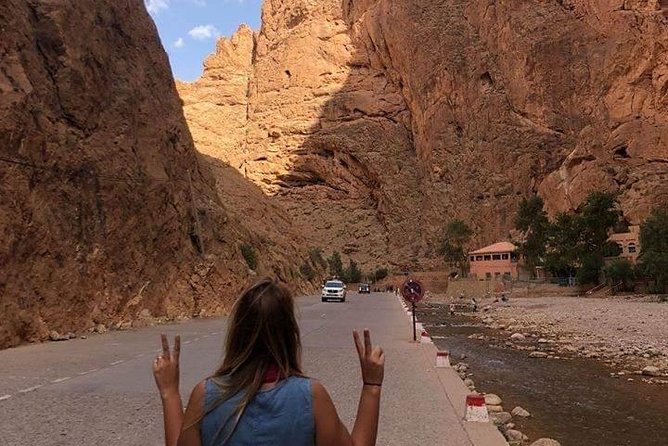
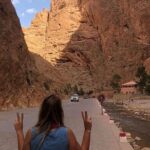
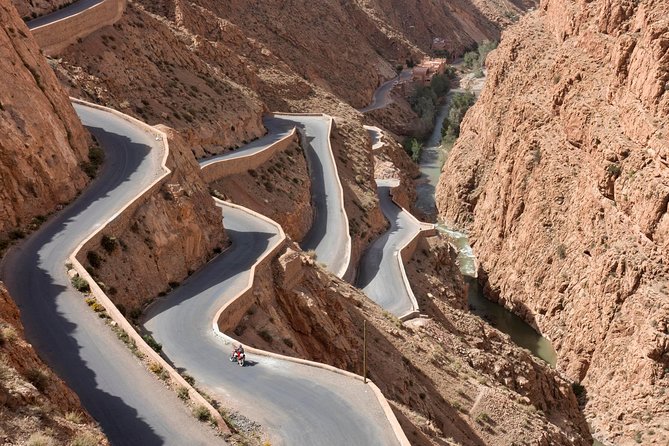
And then comes the big visual payoff: Todra Gorges. This canyon has cliff-sided canyon walls shaped by the river, with dramatic rock faces rising close to the path. If you’re the type who likes scenery you can feel in your body (cool shadows in narrow rock spaces, sunlight striking walls), Todra is a highlight day.
Day 3: Dadès Valley Views, Skoura Palms, Ouarzazate Kasbah, and Ait Ben Haddou
Day 3 is a “kasbah and canyon” closer. You start with breakfast, then you’re set up for a mountain lookout in the Dadès Valley area. The route points out you’ll see multiple kasbahs from a strategic perspective, plus the drive includes stops along what’s often called the one-thousand kasbahs road.
That drive is less about one single stop and more about collecting views. The kasbah shapes change as you move—mud-brick architecture that looks different depending on the angle and the light. You don’t need a guide to feel it either. You just need time to look out the window and occasionally ask the driver what you’re seeing.
Next up is Ouarzazate. The plan includes a visit to the Kasbah of Taourirt, described as the old residence of the Glaoui. If you’re into architecture and how power lived in stone and clay, it’s an easy “yes, I’m glad we stopped” kind of place.
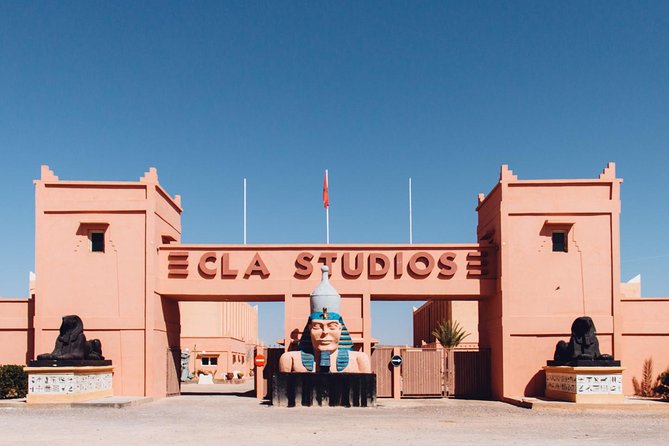
The itinerary also mentions the cinema studios and cinema museum as optional interest stops around Ouarzazate. One practical caution: a few past groups said certain listed stops didn’t happen as expected. So I’d treat museum and studio time as “part of the plan when time allows,” not a guaranteed highlight if timing gets tight.
Then you head to Ait Ben Haddou (UNESCO-listed). This is a strong end-cap for the trip: a fortified village kasbah that’s widely recognized for its role in desert Morocco visuals. Even when you’ve seen kasbah photos before, standing there helps it click as lived-in architecture, not just a postcard.
Luxury Desert Camp Details: Comfort Isn’t the Same as Air Conditioning
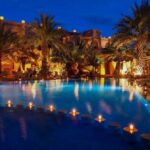
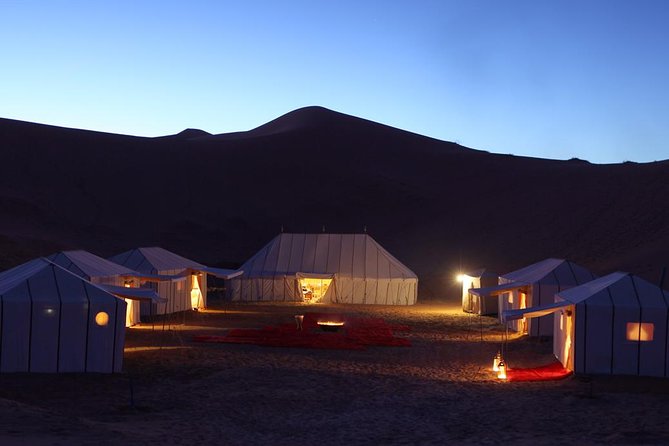
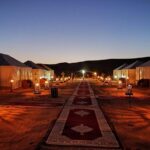
Your overnight desert experience is one of the biggest reasons people book. The tour includes a private tent with an attached bathroom at a luxury desert camp, and that matters. In desert tours, bathroom access and privacy are often the difference between feeling rested and feeling stressed.
That said, comfort in the desert often comes with tradeoffs. Multiple reviews mention that air conditioning wasn’t available in the tents, so it can get hot depending on season. It’s also common to feel temperature swings at night—cooler than daytime, but still something you’ll notice. If you’re heat-sensitive, plan for layers and expect a more “desert realistic” climate inside the tent than a city hotel.
Mosquitoes are another practical item to consider. At least one review called out mosquito issues at the desert camp. I’d pack repellent even if the camp is described as luxury—because the dunes don’t care about your comfort level.
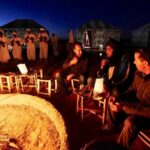
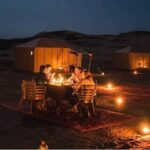
What I like about the camp setup is that the essentials are handled. Dinner and breakfast are included, so you’re not hunting food after the camel ride. The rhythm is simple: sunrise, breakfast, then driving days; desert night, music and dinner atmosphere at camp.
You can also read our reviews of more evening experiences in Fez

Todra and Dadès: The Canyon Day That Breaks Up the Driving
A desert tour can easily become “car, dunes, repeat.” This one tries to break that rhythm with canyon scenery and viewpoint stops.
Todra Gorges is the dramatic canyon day. The rock walls are close enough to make you feel the space, and the river-carved canyon gives you that classic Moroccan red-rock feeling. It’s the kind of stop where you’ll slow down without anyone forcing you.
Dadès Valley (mainly through outlooks and kasbah roadside viewpoints) shifts from one huge canyon to many smaller moments. You get that “there’s architecture everywhere” feeling, plus the valley views that make the drive feel less like a chore. Reviews also mention that the second hotel night in the gorges area was a welcome surprise, which tracks with the itinerary’s promised private air-conditioned room there.
If you want one day that feels the most visually different from the desert, I’d put your money on Todra and Dadès rather than the straight driving segments.
Price and Inclusions: Where Your Money Actually Goes
At $244.26 per person, this tour is priced as a “transport + desert overnight + key sights” package. What you get is fairly clear-cut:
Included items listed:
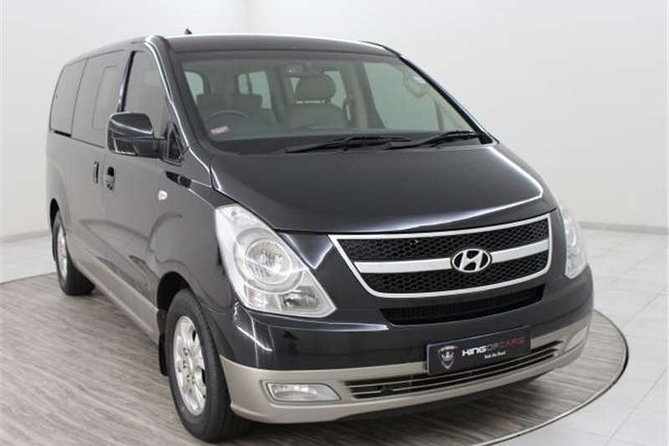
- Air-conditioned vehicle
- Private tent with attached bathroom in a luxury desert camp
- Private air-conditioned room with adjoining bathroom in a hotel in the Dadès Gorges area
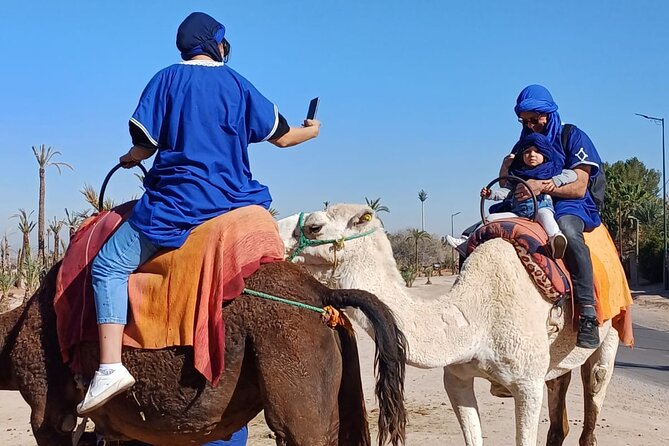
- Camel trek
- Sandboarding
- 2 dinners and 2 breakfasts
Not included:
- Lunch
- A museum ticket listed at 8 EUR per person
So your main daily cost risk is lunch and any museum add-ons. For a 3-day trip that covers desert overnight and hotel night, that’s a fairly standard structure: meals and big activities are covered, but lunches and some ticket extras are on you.
The real value question is fit. If you want to see a lot of Morocco in a short time, the package format reduces your planning stress. If you’d rather pay a little less and handle your own route, you can find other options—but you’ll likely give up the included comfort and the pre-arranged desert camp rhythm.
Group Size, Drivers, and Communication: The Biggest Variable
This is where the tour can feel magical—or messy.
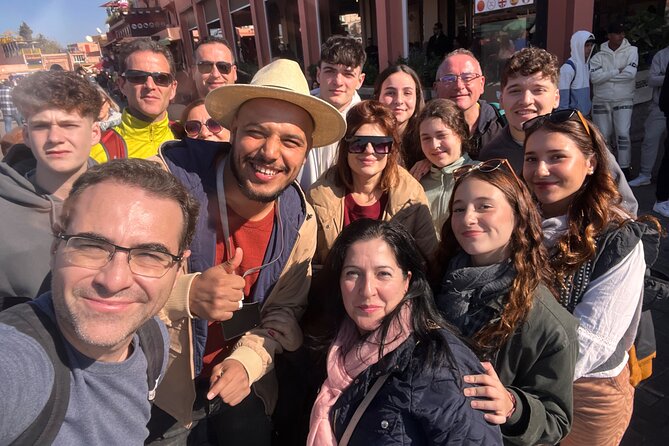
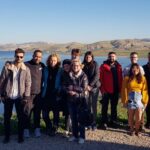
The group size cap of nine travelers is a real strength. Smaller groups mean fewer people to coordinate, easier bathroom breaks, and a better chance you’ll connect with the driver.
Where things get uneven is communication and guiding. Several reviews praise drivers by name:
- Emmad is mentioned as fun and knowledgeable.
- Karim shows up as helpful, smooth, and good at making the long drive feel worthwhile.
- Yahya is praised for answering questions and stopping for photos.
- Sami and Marwan also appear positively as organizer and chauffeur/guide.
But there are also reviews describing a lack of an English-speaking guide or confusion about timing. Some people also mentioned that they didn’t get certain listed stops. That suggests a practical reality: the driver may be doing driving first, explaining second, and timing may compress when road schedules shift.
My advice: If you book, come with a flexible mindset and keep a short list of what you care about most:
- desert night and sunrise
- camel ride timing
- Todra and Ait Ben Haddou
Then let the rest be a bonus if it happens exactly as written.
What to Pack for a Comfortable Desert Night (and a Less Miserable Morning)
I’d pack for both comfort and the realities the desert throws at you.
Must-haves based on what’s been reported:
- Mosquito repellent (at least one review mentioned mosquito trouble in the camp)
- Layers for early mornings and desert temperature swings
- Sunscreen and a hat (sunrise and long canyon stops still mean strong light)
- A refillable water bottle, plus a mindset that water rules can vary at camps
Also, bring patience for long drives. This tour is built for seeing a lot, so your best comfort trick isn’t luxury gear—it’s good hydration, snack breaks if allowed, and keeping your phone charged.
If sandboarding is part of your day, wear something you don’t mind getting dusty. Desert dust is sticky. It gets into everything. Consider it part of the souvenir package.
Should You Book This Fez-to-Merzouga-to-Marrakech Tour?
Book it if:
- You want a desert overnight experience with private tent comfort and a proper hotel night after the gorge day.
- You like seeing Morocco’s changes across regions rather than staying put.
- You’re okay with a packed schedule and long car hours in exchange for big variety.
Skip or search other options if:
- You want lots of free time to linger in places without feeling the clock.
- You expect a full guide who speaks perfect English throughout every stop.
- Air conditioning in the desert tent is a must-have for you. The hotel portion is described as air-conditioned, but desert tent cooling isn’t something you should count on.
If you decide to go, do it with the right expectation: this is a high-impact circuit where the desert night and gorge scenery are the main rewards, and the driving days are the price you pay for hitting so much in just 3 days.
FAQ
How long is the tour?
The tour is listed as 3 days (approx.).
What’s included in the price?
The package includes an air-conditioned vehicle, a private tent with attached bathroom at the desert camp, an air-conditioned hotel room in the Dadès Gorges area, camel trek, sandboarding, and 2 dinners plus 2 breakfasts.
Are pickup and drop-off included?
Pickup is offered from your hotel or riad, and the meeting point lists a start time in the morning.
What are the main stops you’ll visit?
The route includes Merzouga (with desert time), Todra Gorges, Ouarzazate (Kasbah of Taourirt is listed), Ait Ben Haddou, and Dadès Valley viewpoints, with additional stops along the Atlas route.
Is lunch included?
No. Lunch is listed as not included.
Is there a museum ticket cost?
Yes. A museum ticket listed at 8 EUR per person is not included.
Can I cancel for a full refund?
Yes. You can cancel up to 24 hours in advance of the experience’s start time for a full refund.