REVIEW · MARRAKECH
Imlil Toubkal Hiking From Marrakech 2 days
Book on Viator →Operated by Imlil Treks Toubkal · Bookable on Viator
Toubkal turns Marrakech into real altitude. This trek gives you an Atlas Mountain feel fast, starting in Imlil and heading past Berber villages to the sacred shrine of Sidi Chamharouch, then up toward Refuge Toubkal.
I also love how the climb is paired with practical care: muleteers handle luggage, so you walk without hauling bags. And the big payoff is the Toubkal summit view over the High Atlas, the kind of horizon you remember later.
One drawback to know up front: the schedule is early and the hike is steady, so good walking shoes and a moderate fitness level really matter. If weather is poor, the experience can be rescheduled or refunded.
In This Review
- Key Points You’ll Care About
- From Marrakech To Imlil: Getting Up Into the Atlas
- Day 1 Through Berber Villages to Sidi Chamharouch and Refuge Toubkal
- Overnight at Refuge Toubkal: What That Night Really Feels Like
- Day 2 Summit Push to Toubkal and Back Through High-Atlas Views
- What’s Included (Meals, Transport, Shelter) and What You Must Bring
- Price and Value: Is $162.85 Fair for Two Days to Toubkal?
- Weather, Winter Gear, and Pace: Making It Work for Your Body
- Who This Hike Suits Best (and Who Might Want a Different Plan)
- Should You Book This 2-Day Toubkal Trek?
- FAQ
- What time does the hike start?
- Where does the trek begin?
- How long is the hiking each day?
- Is transportation included from Marrakech?
- What meals and lodging are included?
- Is this hike suitable for children?
Key Points You’ll Care About
- Muleteers handle luggage, so your hike stays focused on walking (not carrying)
- Sidi Chamharouch shrine at about 2400m adds culture to the climbs
- Refuge Toubkal overnight keeps you in position for an early summit push
- Day 2 summit climb is 3–4 hours, paced step-by-step with breaks
- Winter needs crampons/snow spikes (guide manages it), so plan gear early
From Marrakech To Imlil: Getting Up Into the Atlas
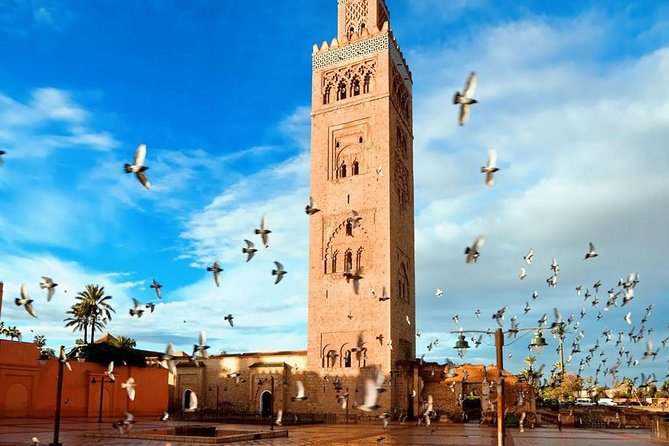
This is a classic two-day Toubkal route, and the main value is how you go from city life to mountain routine without wasting time. You start at 8:30am at Hôtel Restaurant Café de France in Marrakech, and you’re picked up by private transport for the drive south toward Imlil, about 65 kilometers away.
What I like about this setup is that it respects your energy. Instead of figuring out transportation on your own, you’re taken to the trailhead and connected with a local team that runs the trek.
Once you reach Imlil (about 1740m), the day usually begins with a quick meet-and-organize moment. Your team takes care of logistics, and the muleteers handle your luggage so you can hike with what you need, then you head out after a short wait.
One practical tip: treat your first day as a “warm-up for altitude,” even though you’re not racing. The later summit day matters more, so you’ll want to keep a steady pace from the start.
You can also read our reviews of more hiking tours in Marrakech

Day 1 Through Berber Villages to Sidi Chamharouch and Refuge Toubkal
Day 1 is where the trek feels like a real Atlas experience, not just a long walk to a peak. You head out from Imlil and pass Berber villages, seeing everyday mountain life along the path. The details vary by season, but the vibe stays the same: people live close to the slopes, and the trail is part of that rhythm.
A key stop is the sacred shrine of Sidi Chamharouch at around 2400m. You don’t just pass it; you pause there and enjoy picnic lunch at the shrine area. For me, this is one of the best parts of the day because it breaks the climb into something meaningful. Food tastes better when you’ve earned a break, and the shrine stop adds a cultural reason to stop beyond sightseeing.
After the lunch and a rest, you continue climbing. The goal by late day is Refuge Toubkal at about 3207m. This is a big elevation jump from where you started (1740m to 3207m), so expect the effort to feel more than “just six hours of walking.”
The trek time on Day 1 is listed at about 6 hours, which is a useful anchor for planning. You’ll likely feel a mix of steady uphill and slower stretches where you’re stepping carefully to stay comfortable.
When you arrive, you’re set up for dinner and the overnight stay at the shelter. The rhythm becomes simple: walk, rest, eat, sleep, repeat—exactly what you want on a two-day summit plan.
Overnight at Refuge Toubkal: What That Night Really Feels Like
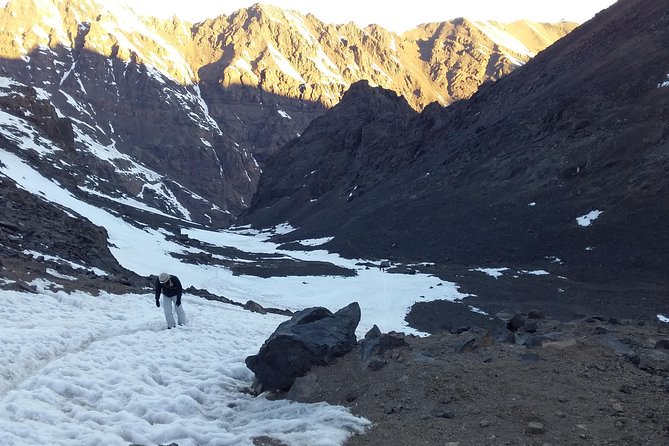
An overnight at Refuge Toubkal is part of the reason this trip works. Staying at altitude means you don’t wake up at sea level and then try to force the summit. Instead, you sleep in the mountains and start Day 2 already closer to the climb.
The tour includes dinner and accommodation for 1 night, which helps you avoid the “where do we sleep?” headache. Refuge nights are usually about comfort levels that make sense for the setting, not about hotel amenities. What matters most is that you have a warm meal and a place to recover.
Because conditions can shift quickly in the High Atlas, I treat this night like a gear-check moment. If you’ve got layers, use them. If you’ve got a hat or something to block wind, it’s worth it. If you didn’t bring a sleeping bag, the info you were given also mentions that a sleeping bag can be useful—so plan accordingly for comfort.
Also, since the next morning starts early, you’ll want to sleep as well as you can. This isn’t the time to be chatty with everyone if you want energy for the summit push.
Day 2 Summit Push to Toubkal and Back Through High-Atlas Views
Day 2 starts early with breakfast, then it’s climb time. The plan is to walk slowly, step by step, with breaks built in. This is the part of the trek where pacing matters more than speed.
You go from the refuge area up toward the point above it where you stop again, then you continue. The listed climb to the top takes about 3 to 4 hours. That range tells you the trek is designed to adjust to your group and conditions rather than run like a training session.
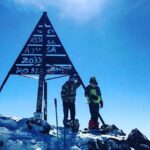
When you reach the summit above the refuge, the reward is the wide view over the High Atlas. In clear conditions, you’ll be able to see a lot of ridgelines and valleys from the peak area, and there’s time for photos. This is the kind of moment where it’s worth slowing down. Don’t rush the view; let it land.
After enjoying the top, you descend back to Refuge Toubkal the same general way. Then you’ll have lunch and start the return to Imlil, where the driver is waiting to take you back to Marrakech.
The overall structure is smart: you climb early when the air may be cooler, then use daylight for the descent. That’s a big deal for comfort and for footing on the way down.
What’s Included (Meals, Transport, Shelter) and What You Must Bring
This trek is more complete than many short “taster” hikes because it covers both days’ key needs. The included items are listed clearly: breakfast, lunch (2), dinner, private transportation, a local guide, and accommodation for 1 night.
Here’s what that means for your day-to-day experience:
- You don’t need to plan meals in advance; you eat as part of the route rhythm.
- Private transportation reduces hassle getting to Imlil and back.
- You travel with a local guide, which matters on mountain routes where small navigation choices make the difference between smooth and stressful.
Your biggest personal responsibilities are physical preparation and footwear. The trip info says good walking shoes are mandatory, and it also suggests optional walking sticks and a sleeping bag. Walking sticks can be a big help on both climbs and descents, especially if your knees feel it easily.
You should also think about winter. During winter, the info states that crampons and snow spikes (10€ per person) are required, and your guide will handle the rental terms. That’s important because it means you shouldn’t assume your normal shoes will be enough.
One real-world note from equipment experience: in Imlil there may be a rental shop where you can leave luggage and rent gear like crampons, sticks, and a headlamp. One guide experience called out how the headlamp rental can feel expensive, even if the equipment works fine. If you can bring your own gear, you often have more control over cost and fit.
A few more Marrakech tours and experiences worth a look
Price and Value: Is $162.85 Fair for Two Days to Toubkal?
At $162.85 per person for about two days, you’re paying for more than guiding time. You’re paying for a full package that includes:
- two days of meals (breakfast, two lunches, dinner),
- 1 night accommodation at the shelter/refuge,
- private transportation from Marrakech,
- and the local guide and trek support.
Two-day Toubkal hikes can vary a lot depending on how logistics-heavy they are. Here, the value looks strongest because the trek includes the “mountain basics” that usually cost extra when you arrange things yourself: transport to Imlil, food, and sleeping.
It’s also worth noting that the itinerary includes admission ticket included on Day 1, while Day 2’s listed ticket is free. So part of what you’re paying covers those route access elements, not only the walk.
That said, you should budget for extras. The only listed not-included item is personal expenses. In practice, that usually means things like snacks, water refills, and any gear rental you don’t bring. If you end up needing crampons, sticks, or a light source in low visibility, it could add cost—especially in peak season or if you arrive without the right gear.
If your goal is value with minimal planning, this package is the kind that makes sense: you show up in Marrakech, and the mountain work is already organized for you.
Weather, Winter Gear, and Pace: Making It Work for Your Body
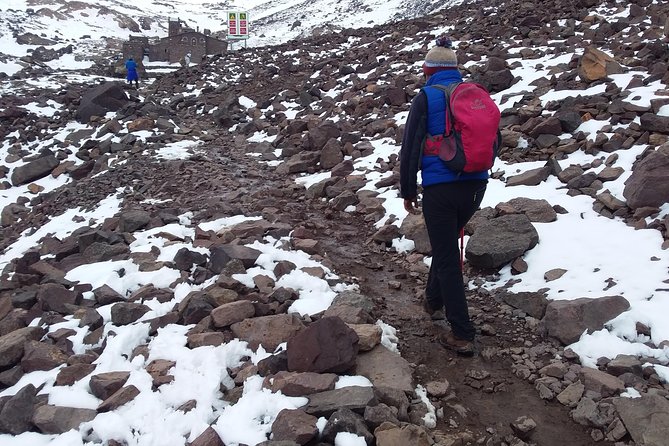
Weather decides more than comfort on Toubkal—it affects whether the trip can run. The experience info says it requires good weather. If it’s canceled due to poor weather, you’re offered a different date or a full refund.
For you, that means two things:
1) Keep your schedule flexible around the two-day window.
2) Pack for temperature swings. Even if the day starts mild, wind and altitude can change how the air feels quickly.
Pace is another major factor. You’re told to have a moderate physical fitness level and to be in good condition because the effort is real. But the good news is the plan is built around walking slowly with breaks. The climb isn’t described as a sprint; it’s a step-by-step approach that rewards effort.
If you’re someone who hates being “out of breath,” this trek is more your style than fast hikes. The summit day is still hard, but it’s hard in a manageable way: steady climbing, breaks, then the top.
And for winter specifically, listen to the gear guidance. The info is direct: crampons and snow spikes (rental 10€ per person) are required, and the guide takes care of rental terms. That’s not optional fluff; it’s part of staying safe.
Who This Hike Suits Best (and Who Might Want a Different Plan)
This is best for people who want a real mountain walk in two days without complicated logistics. You should enjoy steady hiking, long days on foot, and the reward of a summit view.
It also suits people who appreciate cultural stops. The Sidi Chamharouch shrine makes Day 1 more than just climbing steps. If you like routes where you learn how places are tied to daily life, this one fits.
The trek says the minimum age is 6 years, which implies it can work for families when kids are ready for the physical demands. Still, the info centers on moderate fitness, so I’d consider it a family hike only if the child handles sustained walking and altitude-related discomfort well.
If you’re dealing with mobility limits or you know long elevation days are tough for you, you might want to choose a shorter or less demanding itinerary. The two-day structure has no “easy day” built in.
Should You Book This 2-Day Toubkal Trek?
I think you should book if you want a mountain summit experience that’s organized, culturally grounded, and realistic for a first serious Atlas hike. The combination of Berber villages, the shrine stop at 2400m, a proper overnight at Refuge Toubkal, and then a timed summit climb makes this trip feel complete rather than rushed.
Book it if you can do steady walking and you’re willing to prioritize shoes, layers, and early mornings. If winter gear is needed, be ready to follow the crampon/snow spike guidance your guide provides.
Hold off or choose a different plan if you’re not comfortable with altitude effort, you hate long uphill days, or your schedule can’t handle weather-related changes. In mountain country, conditions rule the calendar.
If you’re in the right fitness range and you want the High Atlas summit payoff, this is the kind of hike that leaves you with a clear memory—wind, views, and that step-by-step feeling all the way to Toubkal.
FAQ
What time does the hike start?
The experience starts at 8:30am at Hôtel Restaurant Café de France in Marrakech.
Where does the trek begin?
You meet the team at Imlil, about 65 kilometers south of Marrakech, with the hike starting at Imlil at roughly 1740m.
How long is the hiking each day?
Day 1 is listed at about 6 hours. Day 2’s summit climb takes about 3 to 4 hours, plus time for descent, lunch, and the return to Imlil.
Is transportation included from Marrakech?
Yes. Private transportation is included, with pickup from Marrakech and return back to Marrakech after the hike.
What meals and lodging are included?
The tour includes breakfast, lunch (2), dinner, and accommodation for 1 night at the shelter/refuge.
Is this hike suitable for children?
The minimum age is 6 years. You should also have moderate physical fitness, since the trek involves sustained hiking.