REVIEW · MARRAKESH
Hands-On Moroccan Wood Carving Workshop with Local Experts
Book on GetYourGuide →Operated by Ateliers d'Ailleurs · Bookable on GetYourGuide
Wood carving in Marrakech feels like time travel. In the Medina, you work in a real craft studio with Abdellatif, learning traditional techniques while you shape your own Moroccan Beldi decoration. It’s hands-on, practical, and very “watch closely, then try it yourself.”
Two things I especially like are the way the session is structured—from tracing your design to the sculpting steps—and the attention to tools and wood choice. You’ll also spend real time learning how different woods behave, not just following a pattern. One heads-up: the workshop can run hot, so come ready for warm conditions.
In This Review
- Key Highlights You’ll Actually Feel
- Where Café France Meets Real Crafting
- Meet Abdellatif and Mustapha: How the Class Really Works
- Tools, Wood Types, and the Stuff You Usually Don’t Learn
- From Tracing to Sculpting: Your Moroccan Beldi Decoration
- Time, Comfort, and the Practical Stuff You’ll Want to Know
- Price and Value: Is $76 Worth It?
- Who This Workshop Suits Best (and Who Might Skip It)
- A Few Booking Tips Before You Walk In
- Should You Book This Wood Carving Workshop?
- FAQ
- Where does the workshop meet?
- How long is the wood carving workshop?
- Who teaches the workshop?
- What will I make during the class?
- Is the class okay for beginners?
- What languages are available?
- What’s included in the price?
- Is hotel pickup or drop-off included?
- Is the workshop wheelchair accessible?
- Are there age restrictions?
Key Highlights You’ll Actually Feel
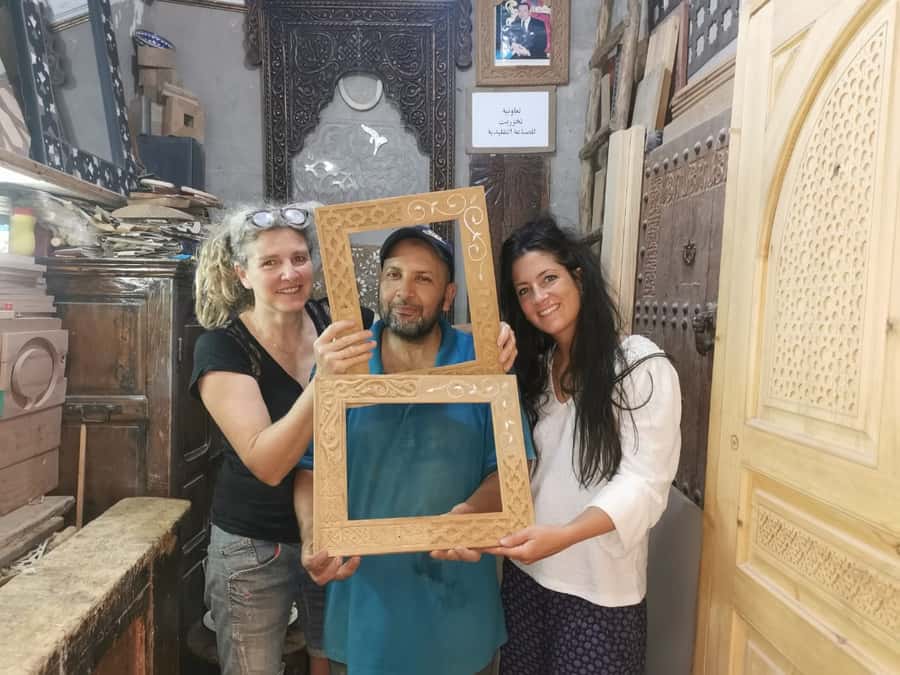
- Abdellatif’s hands-on instruction in the Medina craft studio
- Tracing to sculpting, so you understand each stage instead of copying blindly
- Tools and wood types, with practical talk about how wood changes your results
- Homemade snacks, water, and a tea break, plus photographs included
- A take-home keepsake made with traditional Beldi decoration methods
Where Café France Meets Real Crafting
Your workshop meeting point is simple: outside Café France in Djemaa el-Fna. If you’ve never navigated the Medina before, this is one of the easier start locations because it’s a known landmark and not hidden down a maze of backstreets.
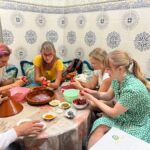
Once you’re gathered, you’ll settle into a private group format. That matters more than you might think. Woodcarving is slow-and-precise work; a smaller group means more chances to get your tool angles right, and fewer moments where you’re stuck waiting for help.
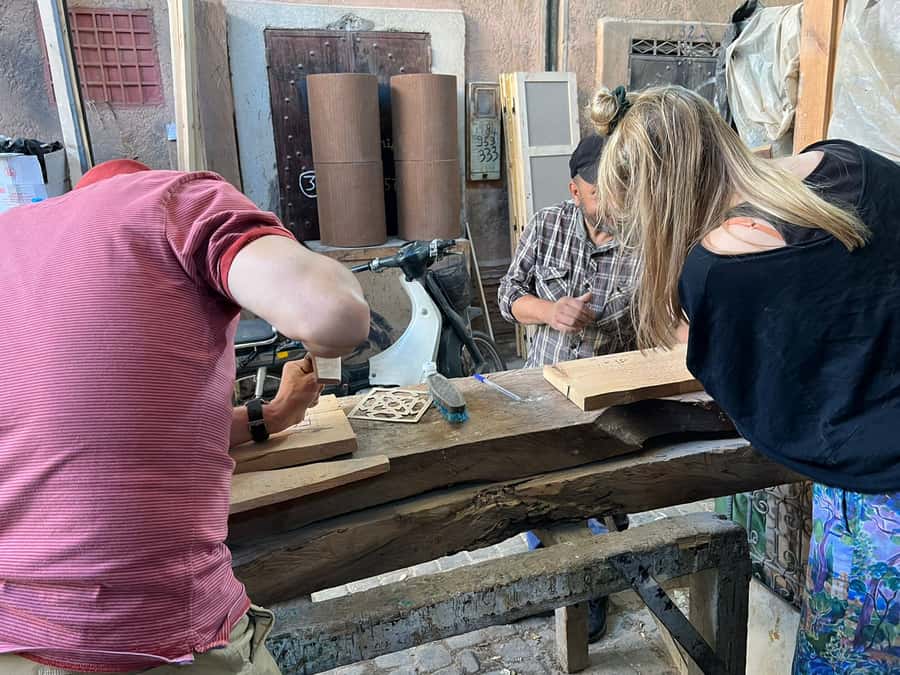
You’re also in a working environment, not a staged classroom. That difference shows up in how you learn: fewer lectures, more doing. And since you’ll be creating a small piece of furniture-style decoration, you get a sense of how these details show up on Moroccan homes and palaces.
A few more Marrakesh tours and experiences worth a look


Meet Abdellatif and Mustapha: How the Class Really Works
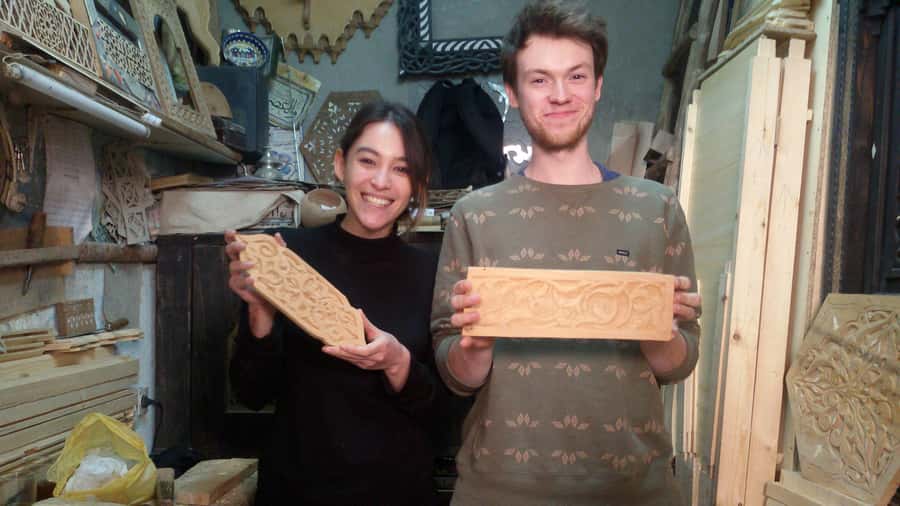
The class is guided by master craftsman Abdellatif, with Mustapha guiding you through the process. From the way the workshop is described, their focus is practical: they show what to do, explain why it works, and then help you adjust while you’re carving.
This is also where you get language support. The workshop offers instruction in English, French, and Arabic, so you’re not left guessing if your carving questions go beyond basic tool names. A good guide makes the difference between learning a trick and understanding the process, and this one is clearly geared toward clear translation and patient coaching.
Expect the lesson to begin with an orientation to the craft itself—tools, working posture, and how to handle carving safely and steadily. Then you move into the design work. The flow is built so beginners aren’t overwhelmed, while more confident makers still get useful, technique-level guidance.
Tools, Wood Types, and the Stuff You Usually Don’t Learn
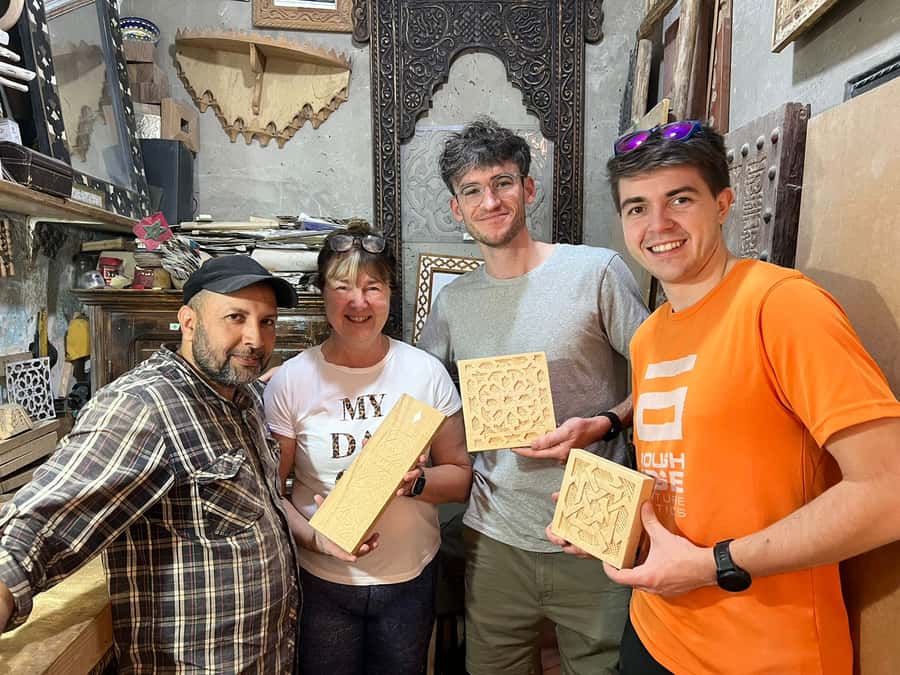
One of the smartest parts of this workshop is how much time it gives to materials. You don’t just get a blank block and a pattern. You explore tools and learn about the properties of different types of wood and how that affects your results.
That matters because woodcarving isn’t just about artistic taste—it’s physics in slow motion. Softer woods may carve faster but can lose crisp details if you press too hard. Harder woods take more effort, and small mistakes can be harder to correct. The workshop frames these differences in a way you can actually use while working.
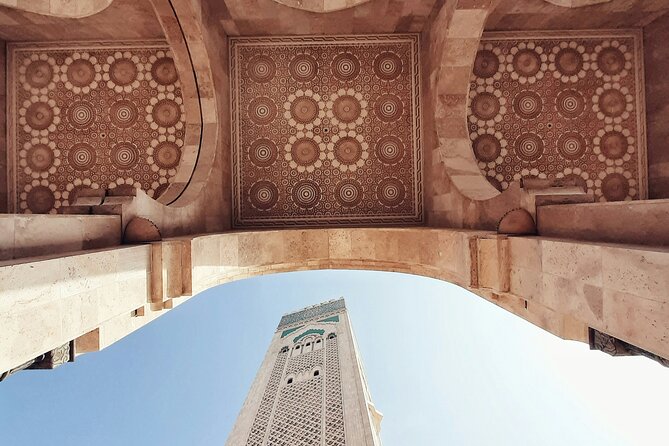
You’ll also see how the techniques connect to the bigger Moroccan decorative tradition—especially the kinds of carving used in decorative furniture and architectural details. In other words, you’re not only making a souvenir. You’re learning the same kind of craft logic behind the ornament you see around the country.
And yes, the material experience is part of the charm. In a related note from a past participant, they specifically mentioned a cedar piece that smelled like cedar after it was carved—one of those small, sensory payoffs that makes the work feel real.
From Tracing to Sculpting: Your Moroccan Beldi Decoration
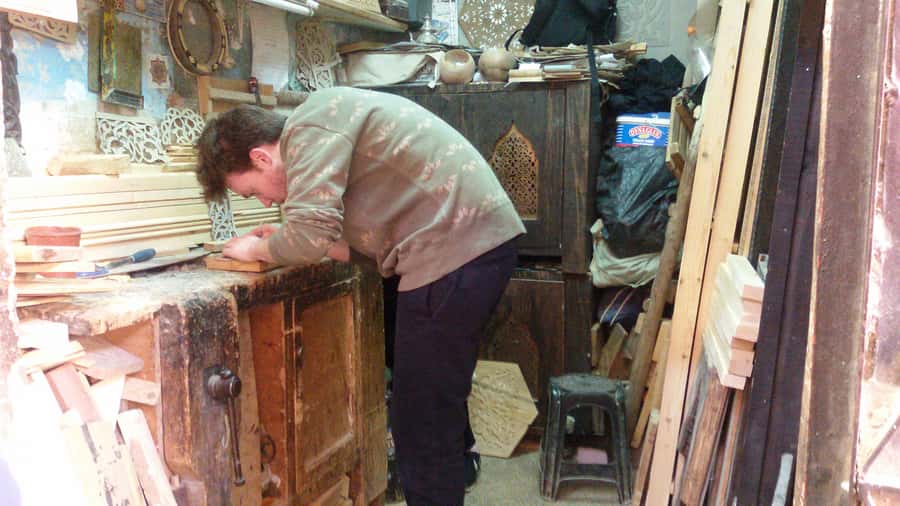
The core of the workshop is the step-by-step build of your piece. You start by tracing your design, which is a big deal for beginners. Tracing is where your layout becomes accurate enough for carving to succeed. Skipping this step often turns carving into guesswork, and guesswork is how details get messy.
Then comes the intricate part: the sculpting process. You’ll learn how to use the carving approach the way professionals do—guidance on tool use, what lines to define first, and how to create depth without breaking the piece. This is where the patience of the instructors really counts, because woodcarving demands steady hands and small corrections.
Your finished project is a Moroccan Beldi decoration. It’s not just a generic ornament; it follows the decorative style tied to traditional craftsmanship. And because you create it yourself, the final piece feels personal in a way that buying a carved item never does.
You’ll also take plenty of time to understand what you’re making, not only how to finish it. You’re basically learning a miniature version of the craft chain: design → shaping → refinement.
Time, Comfort, and the Practical Stuff You’ll Want to Know
This workshop runs 3 hours, and that timing feels right for learning without rushing. You get enough time to start, make visible progress, and end with something you can take home with pride. With carving, progress is slow; a short session can turn into “try one cut and leave.” This doesn’t look designed that way.
Food and drink are included: homemade snacks, water, and a tea break. That’s not just kindness; it helps your hands stay steady. When you’re warm, tired, and hungry, carving accuracy suffers.
One consideration is the heat. A past participant flagged that the workshop is hot, so plan for a warm environment. Wear breathable clothing, and don’t treat this like a cool, air-conditioned “activity.” It’s hands-on and physical.
Also plan for small social expectations. One participant noted that they were expected to pay a tip to the guide and artisan after the experience. I can’t tell you the exact tipping amount—this depends on your comfort and local custom—but I’d bring a little extra cash so you’re never scrambling at the end.
Finally, smoking indoors isn’t allowed. It’s a small rule, but it affects your comfort, especially inside a compact workshop.





Price and Value: Is $76 Worth It?
At $76 per person for a 3-hour session, the big question is what you get for your money. Here, the value is in three places.
First, you’re paying for real instruction from a master craftsman in a working Medina studio, not just a one-size-fits-all “make a thing” class. That type of coaching is what helps your carving actually look like Moroccan decorative work.
Second, your materials and process time are wrapped into the price. You’re learning wood choice, tool use, and technique steps that would be hard to pick up on your own from a random online tutorial.
Third, your take-home item is part of the value. Buying a carved souvenir is one thing. Making a Beldi decoration yourself is another. It’s harder to quantify, but it tends to feel more satisfying because you can point to the choices you made.
Plus, the included extras—photographs and a tea break—turn the day into a complete memory, not just a workshop blur. Hotel pickup and drop-off are not included, so you’ll handle getting to the meeting point yourself. That’s the one piece of “cost” you should factor into your day.
Who This Workshop Suits Best (and Who Might Skip It)
This is a good fit if you want a hands-on cultural activity with a tangible result. It’s designed for both beginners and people with more artistic experience. If you’ve never carved wood before, the tracing-to-sculpting structure should keep you from feeling lost.
It’s also ideal if you like Moroccan design details and want to understand where decorative patterns come from. The lesson connects the craft to the kinds of carving used in Moroccan furniture and architecture.
If you’re traveling with mobility needs, it’s wheelchair accessible. The pace is still manual and focused, but the workshop is built to be reachable for wheelchair users.
Age matters. It’s not suitable for children under 8, and it’s not suitable for people over 70. If you fall near either edge, it’s worth thinking about your comfort with a physical activity that includes heat and careful handwork.
A Few Booking Tips Before You Walk In
Because the meeting point is in the Medina, build a little buffer into your schedule. Djemaa el-Fna is busy, and getting to any workshop location can take longer than the distance suggests.
Bring your best “first time carver mindset.” Expect corrections. Wood will teach you fast, and the instructors are there to guide your hands so you don’t fight the material.
Also, consider your photo plans. Photographs are included, which is great, but if you want close-up shots of your carving after it’s completed, you might want to ask at the end so you’re not rushing.
And come with the right attitude toward heat and patience. Woodcarving rewards steady effort more than speed, and being comfortable helps your hands do better work.
Should You Book This Wood Carving Workshop?
Book it if you want a real skill session in the heart of the Medina, with a master carver teaching you technique and materials, not just a quick craft souvenir. The best part is the structure: tracing first, then sculpting, so your results aren’t luck-based. Add in included snacks, tea, water, and photographs, and $76 starts to feel like a fair deal for something you’ll keep.
Skip it if you hate warm indoor spaces, you’re not comfortable paying a tip at the end, or you fall outside the stated age guidelines. And if you’re hoping for a big “tour of sights” day, this isn’t that—it’s focused on making, learning, and taking something home.
If you’re looking for Morocco that you can hold in your hands, this workshop is a strong choice.
FAQ
Where does the workshop meet?
It meets outside Café France in Djemaa el-Fna.
How long is the wood carving workshop?
The workshop lasts 3 hours.
Who teaches the workshop?
It’s led by master craftsman Abdellatif, with Mustapha guiding you through the process.
What will I make during the class?
You’ll create a Moroccan Beldi decoration using traditional woodcarving techniques.
Is the class okay for beginners?
Yes. The workshop is designed for both beginners and experienced artists.
What languages are available?
Instruction is available in English, French, and Arabic.
What’s included in the price?
Homemade snacks, water, a tea break, and photographs are included.
Is hotel pickup or drop-off included?
No. Hotel pickup and drop-off are not included.
Is the workshop wheelchair accessible?
Yes, it is wheelchair accessible.
Are there age restrictions?
Yes. It’s not suitable for children under 8 years old, and not suitable for people over 70 years old.