REVIEW · MARRAKESH
From Marrakesh: 2-Day Desert Zagoura Tour
Book on GetYourGuide →Operated by Tours From Marrakech · Bookable on GetYourGuide
Camel sunrise beats any city morning. This 2-day desert trek turns Marrakesh’s energy down a notch, trading Medina noise for snow-capped Atlas views and that classic desert feeling you only get after the road fades away. You’ll ride out to the dunes on camels, then return at a sane pace that fits people who don’t want a week-long desert trip.
My favorite part is the way the drive builds the mood: you start in the mountains, crest viewpoints, then end up in the Drâa Valley world that feels totally different. I also liked the UNESCO-listed Kasbah Aït Benhaddou stop; it’s one of those places where the architecture makes instant sense and photos don’t feel like a chore.
One thing to keep your expectations practical: you won’t necessarily get a far-into-the-Sahara, rolling-dunes-in-every-direction experience. Even with the dunes and sunset/sunrise, some departures can feel more like a desert edge than a deep-sand fantasy, so photo expectations can be off.
In This Review
- Key Things I’d Prioritize
- Why This 2-Day Zagora Trip Works When You’re Short on Time
- Day 1: Marrakesh to Atlas Views, Aït Benhaddou, Then Zagora Dunes
- Aït Benhaddou: The UNESCO Stop That Actually Feels Like a Time Capsule
- Lunch and the Drâa Valley Drive to Zagora
- Camel Trek to Camp (About 1.5 Hours)
- Evening at the Berber Camp
- Day 2: Berber Breakfast, Sunrise Light, and the Return by Camel
- The Sunrise Camel Ride: Worth It for the Light
- Coming Back to Zagora and Ending in Marrakesh
- What Makes Aït Benhaddou Special (Beyond the UNESCO Label)
- The Desert Night: Camp Comfort, Dinner Energy, and How to Sleep Through It
- Food and the Berber Camp Feel
- Transport and Timing: The Part You Actually Feel in Your Body
- A candid note on how much sand you’ll see
- Price Reality Check: Is $159 Good Value for Two Days?
- Who Should Book This Tour (And Who Might Want Something Else)
- Tips I’d Use Before You Go
- Should You Book This Marrakech to Zagoura Desert Tour?
Key Things I’d Prioritize
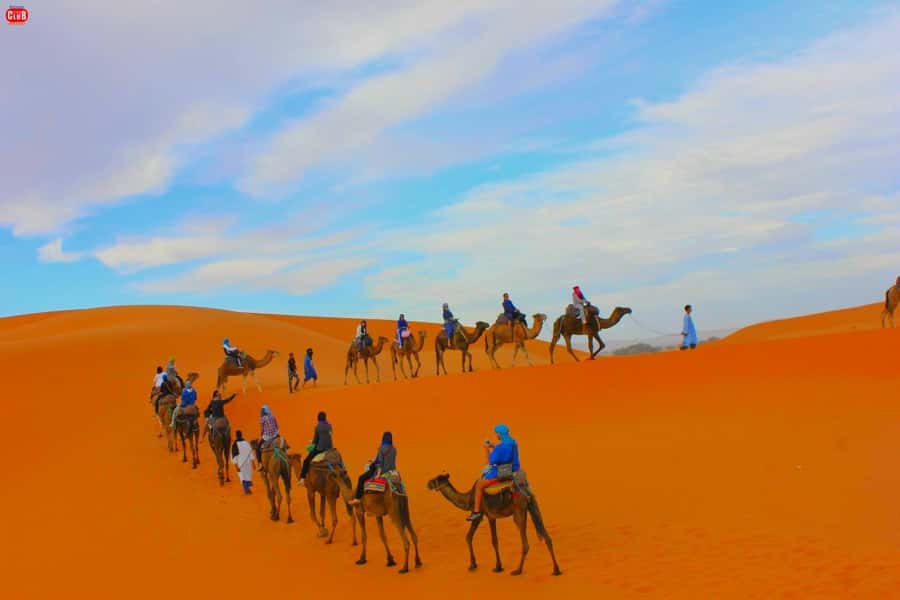
- Sunset and sunrise by camel: about 1.5 hours each day, timed for changing desert light
- Aït Benhaddou (UNESCO): fortified earthen clay architecture breaks up the long drive with real wow-factor
- Nomadic camp in the dunes: breakfast and dinner plus festive campfire dancing
- Air-conditioned minibus pickup in Marrakesh with a guide who keeps breaks and timing practical
- Guides that actually work the group: names like Lahcen, Youssef, Mahmoud, Hassan, Ali, Abdul, and Oussama show up often in great feedback
Why This 2-Day Zagora Trip Works When You’re Short on Time
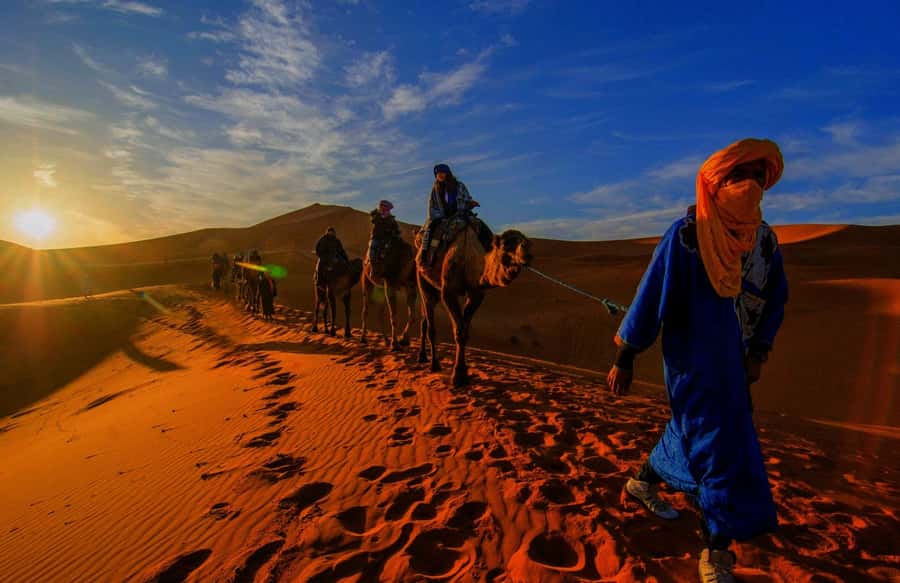
If you’ve got only a couple of days, this itinerary is a smart compromise. You still get the big-ticket ingredients—Atlas Mountains, a UNESCO kasbah, and a night in desert dunes—without committing to a multi-day, hardcore expedition.
What makes it feel “worth it” is pacing. The drive from Marrakesh is long, but the plan includes stops for photos, lunch along the way, and a proper rhythm so you don’t feel trapped on a bus the whole time. That matters, especially if you’re doing this right after arriving in Morocco.
You’re also traveling with an English/French/Arabic-speaking guide and driver, which helps you make sense of what you’re seeing. Names that stood out in feedback include Lahcen and Youssef (both praised for friendliness and answering questions), plus Mahmoud, Hassan, and Ali for keeping things smooth and informative.
A few more Marrakesh tours and experiences worth a look
Day 1: Marrakesh to Atlas Views, Aït Benhaddou, Then Zagora Dunes
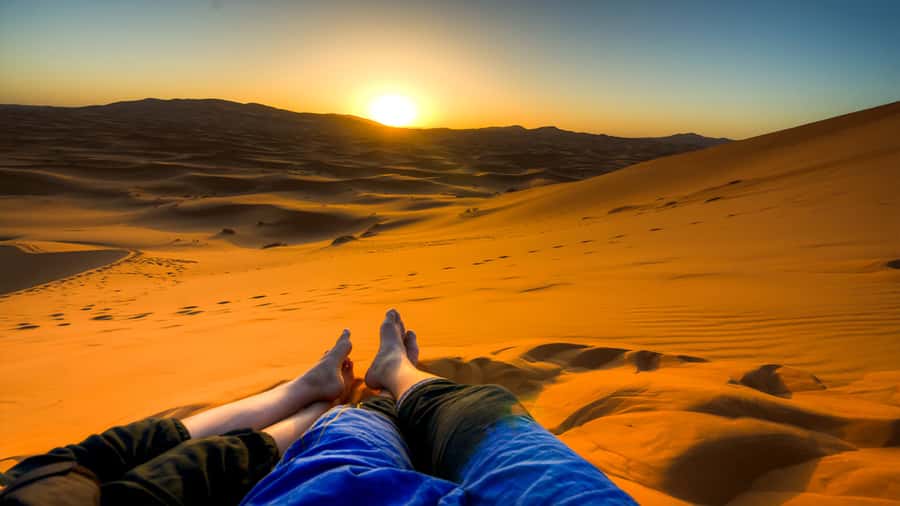
Day 1 starts with a morning pickup and a departure around 9:00 AM from Marrakesh. The transport is described as modern and air-conditioned, which is a big practical win once you realize you’re heading deep into Southern Morocco for a 2-day stretch.
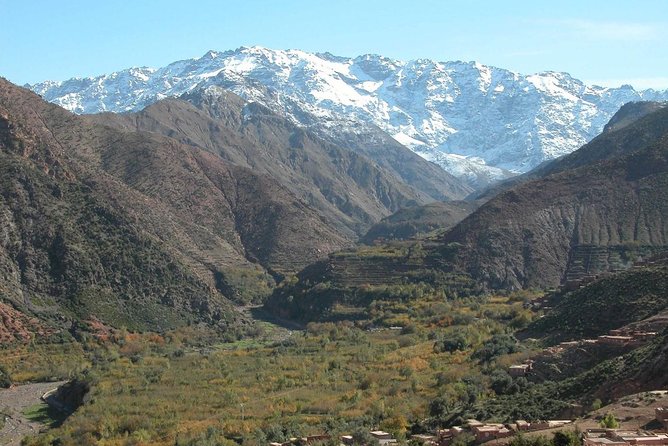
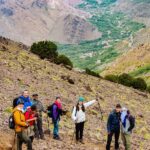
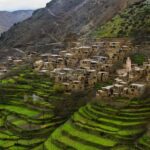
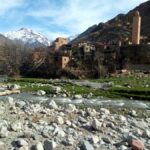
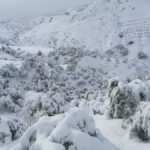
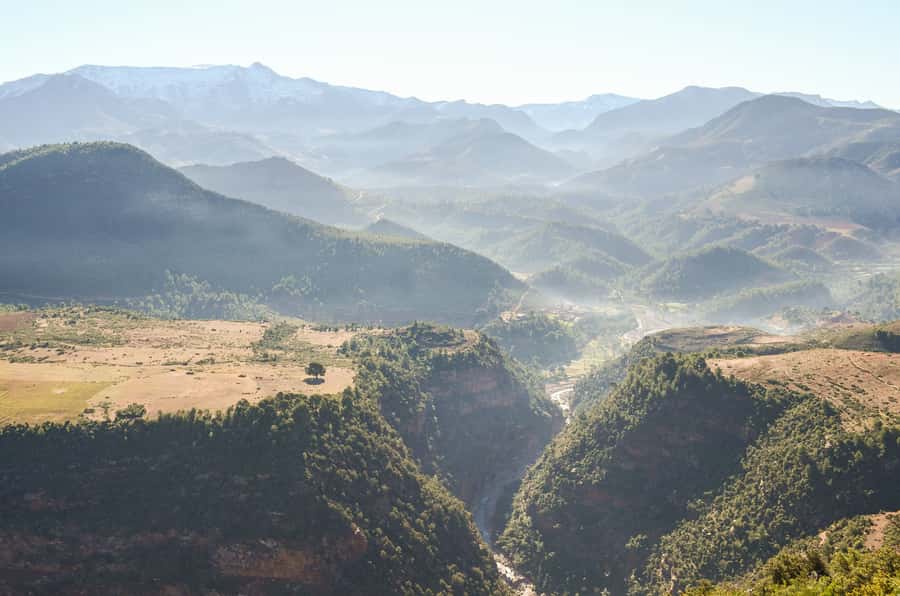
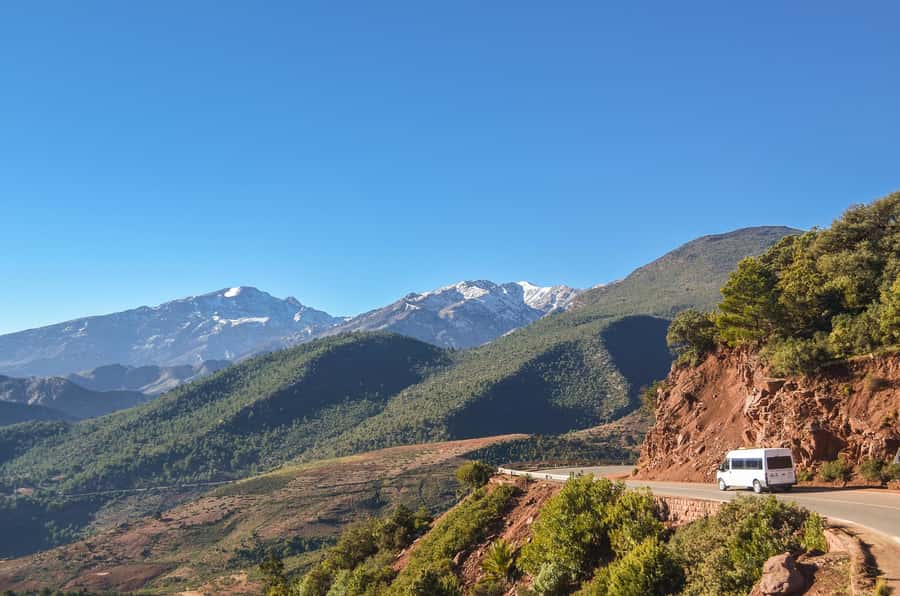
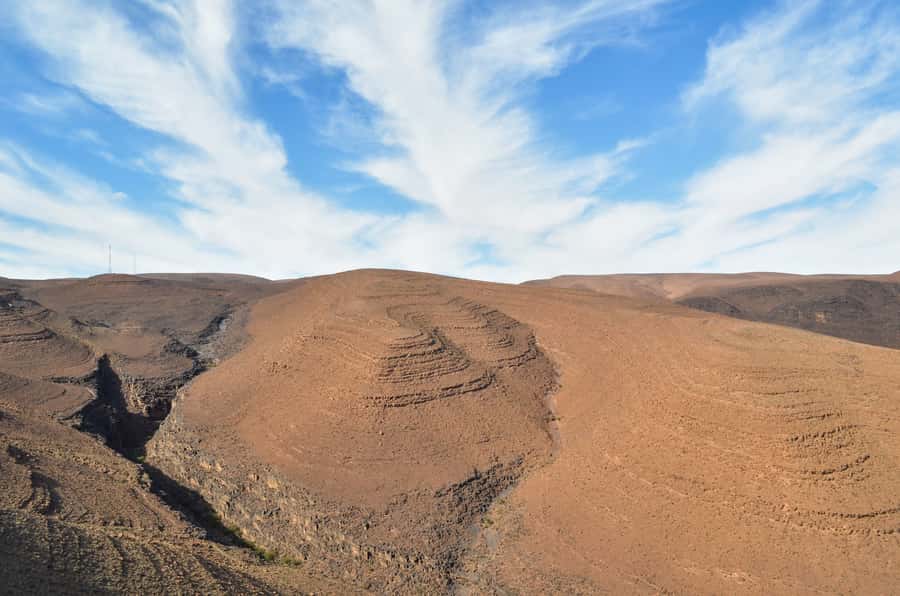
You’ll drive through the Atlas Mountains, and yes, people remember the contrast of the higher peaks—sometimes with snow-capped tops—against the warmer Moroccan countryside below. This is one of those rides where the scenery does the storytelling for you, and the guide’s job is to point out what you’re actually looking at.
Aït Benhaddou: The UNESCO Stop That Actually Feels Like a Time Capsule
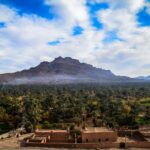
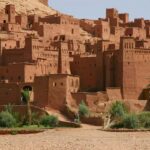
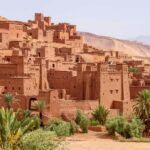
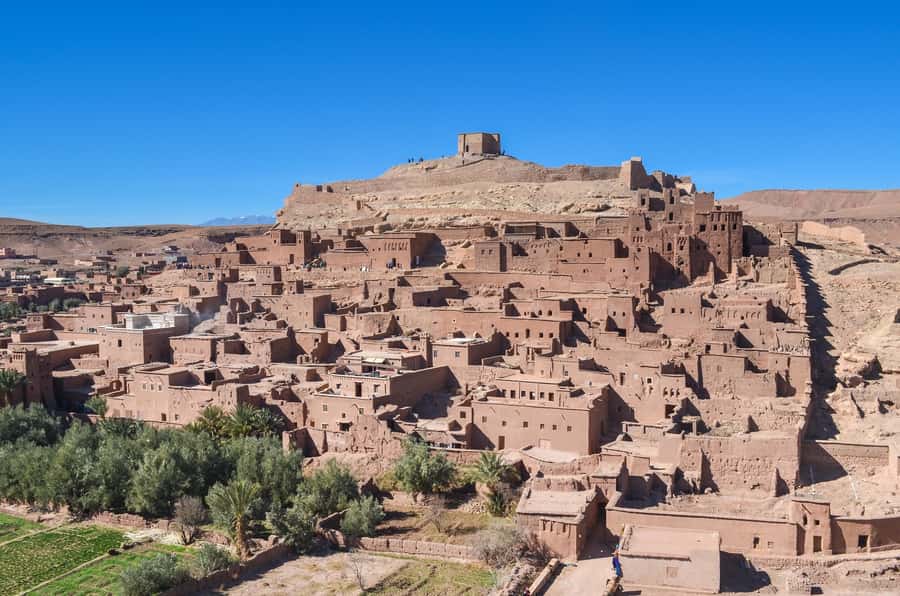
After crossing into the zone around Ouarzazate, you’ll reach Kasbah Aït Benhaddou, a fortified village famous for its traditional earthen clay architecture. This stop is valuable because it’s not just a photo stop; the place gives you a framework for understanding how people built and defended settlements in harsh terrain.
In real terms, it’s also a nice break from sitting in the minibus. The structure is visually strong at almost any angle, so you can walk, look closely, and still feel like you used your time well.
Lunch and the Drâa Valley Drive to Zagora
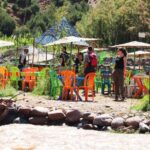
From Aït Benhaddou, you continue toward Ouarzazate for lunch at a local café or restaurant. Lunch isn’t described as gourmet, but reviews mention well-timed breaks and regular stopovers that prevent the day from feeling relentless.
Then comes the Drâa Valley stretch. By the time you reach Zagora, the trip’s mood shifts from “road trip scenery” to “desert arrival.” This is where you meet your camels and transition from vehicles to movement on the dunes.
Camel Trek to Camp (About 1.5 Hours)
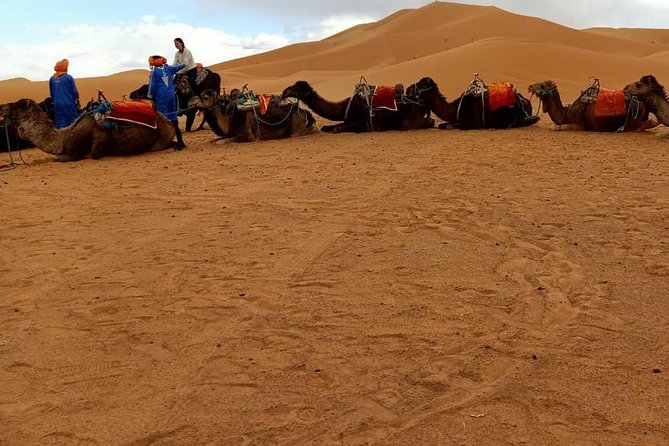
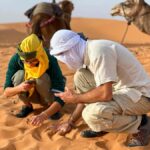
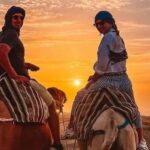
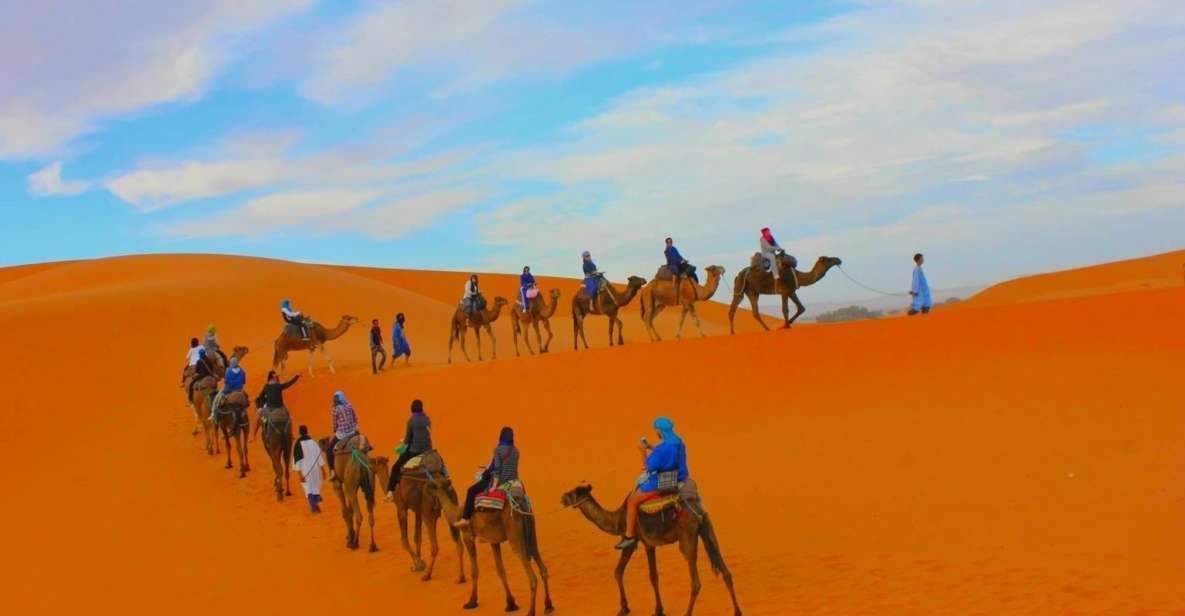
You’ll ride camels for about 1.5 hours into the dunes. The common theme in feedback is that the camel ride is long enough to feel like an actual experience, but not so long it becomes uncomfortable or exhausting.
From atop the camels, you get big, open views and that step-by-step desert calm. One review notes the ride can feel more like a mountain/road edge of desert rather than a deep sandy experience, so don’t assume you’ll be in endless soft Sahara dunes the entire time. Still, the transition to camp is the emotional payoff.


Evening at the Berber Camp
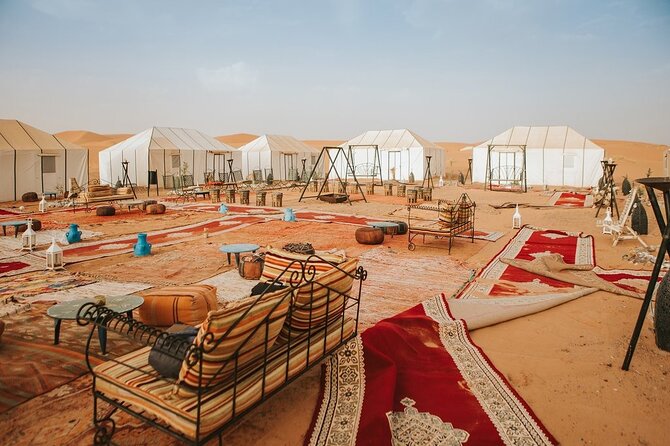
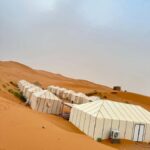
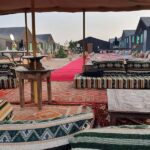
Overnight happens at a nomadic camp in the dunes, with dinner included. People mention the camp being clean and hospitable, and you’ll usually get entertainment like campfire dancing—a festive, social way to end a day that’s mostly travel and waiting for light.
It helps that dinner is planned after you’ve already had a camel trek. You’re not rushing to dinner right away; you’ve earned the rest, and the atmosphere is more relaxed as night falls.
Day 2: Berber Breakfast, Sunrise Light, and the Return by Camel
Day 2 begins with a traditional Berber breakfast, then you head out for the sunrise experience just before sunrise. The second camel ride is also about 1.5 hours, and it’s timed so you can watch the colors shift in the sky.
This is the part I’d treat like a “show up early and be ready” moment. Sunrise light changes fast in open desert conditions, so if you want the best views, you’ll want to be organized in the moment—no lingering, no dawdling for one last thing back at the camp.
The Sunrise Camel Ride: Worth It for the Light
Riding during sunrise is the reason many people do this tour at all. Reviews back this up: the best memories are often tied to watching light roll across the dunes and feeling like you’ve left the city behind for good.
Also, this camel ride is shorter than some longer desert itineraries. That’s good if you’re doing this as a quick trip and want the desert experience without turning it into a full-day camel grind.
Coming Back to Zagora and Ending in Marrakesh
After the sunrise ride, you go back to Zagora by camel and finish the desert segment with a goodbye at the end of your camel time. From Zagora, you return by minivan toward the Atlas Mountains, with photo stops and lunch.
You should expect to arrive back in Marrakesh between about 5:00 PM and 6:00 PM, then be dropped at your hotel. That timing matters: it gives you one evening back in the city instead of collapsing into next-day recovery.
What Makes Aït Benhaddou Special (Beyond the UNESCO Label)
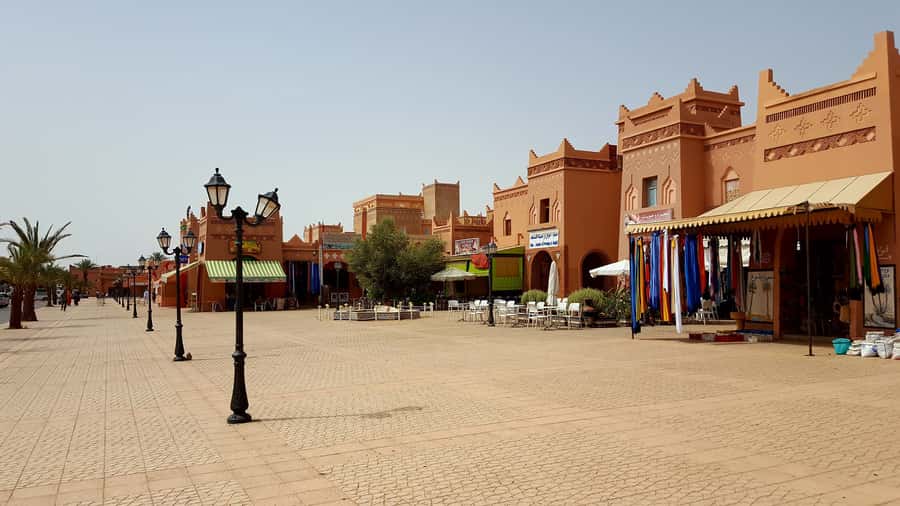
UNESCO is a stamp, not a feeling. What makes Aït Benhaddou matter here is how it explains the Morocco you see from the road.
The fortified kasbah is built in traditional earthen clay architecture, which is exactly the kind of building style that makes sense in a place where heat, wind, and defense used to be everyday realities. It’s also a location with strong visual lines—so even if you’re not an architecture nerd, it still reads instantly.
The timing also works. Doing this after the morning Atlas drive breaks up the long transportation day with an emotional milestone. In practical travel terms, you’ll feel less like you’re “waiting to get to the real part” and more like the day is building toward the desert.
The Desert Night: Camp Comfort, Dinner Energy, and How to Sleep Through It
Overnight stays in a nomadic camp in the dunes. Reviews repeatedly mention the camp as clean and hospitable, and a key comfort point shows up: these aren’t described like survival-camp conditions. One note specifically compares the comfort to camp beds rather than anything extreme.
That matters more than people think. If your sleep is bad, the next day’s sunrise gets harder. If your camp is clean and functional, you wake up with enough energy to actually enjoy the camel ride when the sky turns.
Food and the Berber Camp Feel
You’ll get breakfast and dinner included. Dinner is often described as festive, with things like dancing around a campfire. It’s not just about eating; it’s about switching settings—going from desert motion and dust to an evening that feels communal.
You also get water included, which is helpful on a trip where your body is working (sun, movement, camel ride). You’ll still want to drink steadily during the day, especially if you’re sensitive to heat or travel fatigue.
Transport and Timing: The Part You Actually Feel in Your Body
This is a two-day tour, so you’re going to spend time in the minibus. The upside is the minibus is described as modern and air-conditioned, and you’re not just stuck—there are scheduled breaks.
Some of the best feedback mentions guides keeping the pace comfortable, with enough stopping time that you don’t feel rushed. People also mention skilled, careful driving on mountain roads, which becomes more important if you’re traveling with kids or anyone prone to motion discomfort.
Group size can vary. One feedback example mentions a group of nine, while another mentions only four on a departure. That suggests you may get a more personal experience on certain days, though it’s not guaranteed.
A candid note on how much sand you’ll see
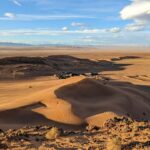
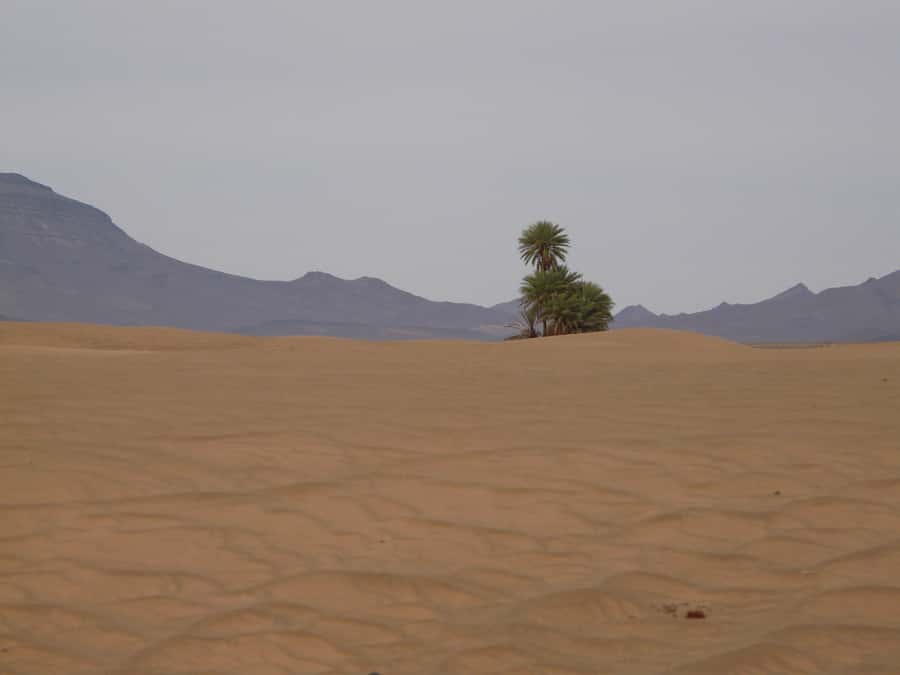
Several reviews point out a mismatch between advertised photos and what you actually ride through. You will reach dunes and see big sky, but some routes may keep you closer to the desert edge than in the most dramatic, deep-sand zones.
So here’s the practical takeaway: if you want maximum dune immersion, you might need a longer desert trip. If you want the desert night plus sunrise/sunset and the key sights with a tight schedule, this still delivers.
Price Reality Check: Is $159 Good Value for Two Days?
At $159 per person for a 2-day experience, you’re paying for a bundle: transport from Marrakesh, an overnight in a desert camp, two meals (breakfast and dinner), the camel rides, a guide, and water.
To judge value, look at what’s included versus what you’d pay if you tried to piece it together:
- Transport out of Marrakesh and back with stops
- A guide to handle timing and interpretation
- Camel transport to the dunes
- A camp bed for one night plus meals
The camel ride time is meaningful (about 1.5 hours each day), not token. And the UNESCO kasbah stop adds a major cultural anchor so the trip doesn’t feel like just “drive then desert then drive back.”
The main value risk isn’t the price—it’s expectation. If you’re expecting a long, sand-heavy Sahara experience deep in soft dunes, you may feel like you wanted more. If you’re expecting a smart 2-day sampler that still includes sunrise, sunset, and a genuine camp night, the price looks fair.
Who Should Book This Tour (And Who Might Want Something Else)
I’d steer you toward this tour if:
- you have only two days and still want Atlas scenery plus the desert
- you want camel rides timed for light (sunrise/sunset feel real here)
- you care about seeing Aït Benhaddou without planning it yourself
- you prefer a guided, structured experience with included meals and transport
I’d think twice if:
- you’re chasing a deep, remote dune horizon every minute
- you’re very photo-focused on the most dramatic Sahara-looking sand formations
- you hate long drive days (this is mostly road time plus a desert night)
This tour also works well for families and mixed groups because reviews mention careful driving and a pace that avoids feeling like a sprint.
Tips I’d Use Before You Go
Bring your passport or ID card. It’s explicitly required, and you don’t want to be sorting documents last-minute while you’re trying to meet pickup time.
Wear layers. You’re going from Marrakesh to mountains and up into higher elevations, then down toward desert air for sunrise. Even if the desert day feels warm, mornings can feel colder when the sky is still waking up.
Comfort matters for the camel rides. Since the rides are about 1.5 hours, you’ll want shoes that don’t make you miserable and clothing you can move in. Pack for dust too—simple precautions make everything easier.
Finally, go in expecting a real “two-day desert night” rather than an all-day rolling-sand fantasy. You’ll still get the best desert moments: the open sky, the sunrise colors, and that camp evening energy.
Should You Book This Marrakech to Zagoura Desert Tour?
Book it if you want a high-impact 48 hours: Atlas Mountains, Aït Benhaddou, camel rides at the right light moments, and a camp night with dinner and dancing. It’s also a solid choice if you’d rather have someone else handle the driving, timing, and logistics so you can focus on the scenery.
Skip it or upgrade your expectations if your top priority is maximum deep-Sahara dune immersion. Some routes may not deliver the long, sandy, photo-heavy experience people imagine from Sahara posters. In that case, you’d likely want a longer desert itinerary designed specifically for deeper sand time.
If you do book, your odds of a great trip rise a lot with the guide dynamic. The names that show up in excellent feedback—Lahcen, Youssef, Mahmoud, Hassan, Ali, Abdul, and Oussama—hint that the human part can really lift the whole experience.