REVIEW · MARRAKESH
From Marrakech:Trekking in Atlas mountains 2 days
Book on GetYourGuide →Operated by Omar Adventures-morocco · Bookable on GetYourGuide
A steep trail can sound intimidating, but this 2-day Atlas trek stays welcoming. I like how you get high-mountain passes and Berber villages without needing a week off. The food is real, home-style, and you’ll share tea stops with the people you meet. One heads-up: parts of the walk are steep, so your shoes and stamina matter more than your fitness label.
The whole experience runs on simple rhythm: van up from Marrakech, hike between villages, a night in a mountain guesthouse, then a longer second day that ends with the valley feel of Imlil and the ride back down. It’s short, yet it doesn’t feel like a tourist stroll. You’re out there long enough to notice the altitude, the quiet, and the way mountain days change fast.
In This Review
- Key things I’d circle before you go
- Why a 2-day Atlas trek feels bigger than it sounds
- From Marrakech to Aguersiwal: the drive that sets your pace
- Day 1: climbing toward Tizi Odid Pass and arriving at Tizi Oussem
- Overnight at the Berber guesthouse: simple, with serious views
- Day 2: Tizi Mzik Pass, Igholidn Waterfalls, and the walk into Imlil
- Food on the mountain: why it’s a big deal here
- Mules, transfers, and pacing: what the logistics really mean
- What to pack for steep sections, cold nights, and fast weather
- Price and value: what $127 covers and what it doesn’t
- Who this Atlas trek is for (and who should rethink it)
- Should you book the Marrakech to Atlas Mountains 2-day trek?
- FAQ
- How long is the trek?
- Where does the trek start and end?
- What language is the guide available in?
- What’s the difficulty level?
- How long are the hikes each day?
- Is there an overnight stay?
- What’s included in the price?
- What should I bring, since equipment isn’t included?
Key things I’d circle before you go
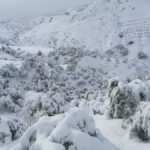
- Distant Toubkal (4167m) views from the route, when the weather cooperates
- Two hike days with clear mountain goals: passes, villages, and a descent to Imlil
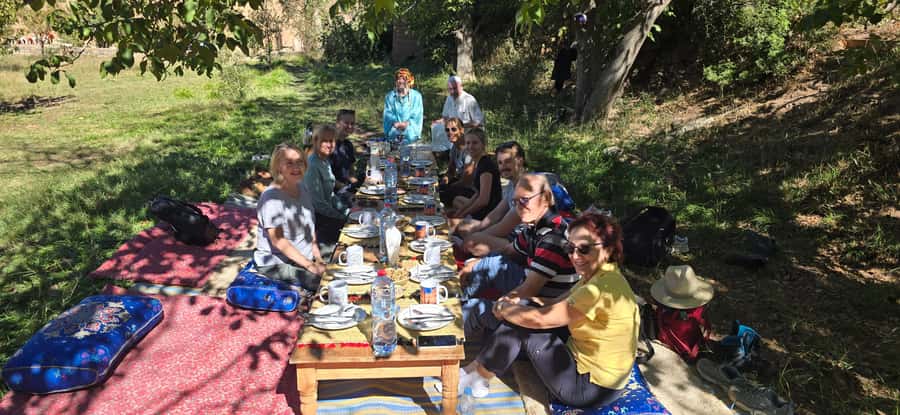
- Home-cooked meals at remote stops, including packed lunches on the trail
- Small groups (up to 14), so you’re not stuck in a slow moving crowd
- Mules for your gear, which keeps you freer to hike comfortably
- Vegetarian or gluten-free options possible if you tell the team ahead of time
Why a 2-day Atlas trek feels bigger than it sounds
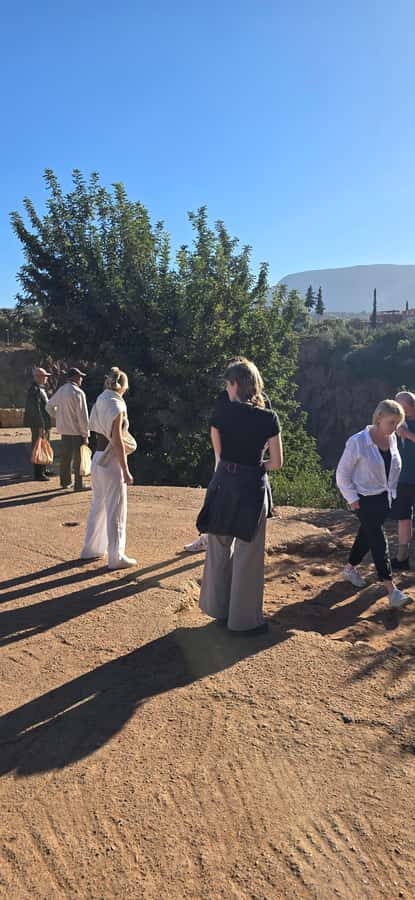
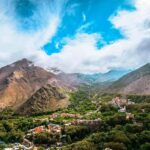
Two days in the High Atlas can feel like a snapshot, but the details make it feel full. You start around 1500m, climb to passes, and finish near 1750m—so you’re not just walking; you’re moving through altitude. That’s why you’ll notice cooler air, sharper views, and a different sense of space than you get inside Marrakech.
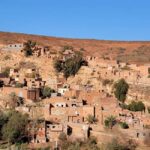
I also like that this trek is built around real village life rather than only viewpoints. You’ll spend time in Berber settlements and eat meals that come from the same world you’re hiking through. The itinerary is short, but it’s structured so you get multiple moments: tea breaks, photo stops, a lunch set in the mountains, and that overnight stay where the sky looks close.
The only drawback to plan for is the physical demand of steep sections. The trip is rated moderate, but “moderate” in the Atlas can still mean uneven ground, uphill effort, and a longer second day (6–7 hours on foot). If you expect flat and easy, you’ll be disappointed.
You can also read our reviews of more hiking tours in Marrakesh
From Marrakech to Aguersiwal: the drive that sets your pace
You leave Marrakesh with a van transfer of about 1 hour to the starting area near Aguersiwal (1500m). This matters more than people think. In mountain treks, the first hour helps you transition—your body starts adjusting, and your guide can explain the day’s rhythm before you start climbing.
Along the way, you’ll have planned breaks like tea and snacks. That’s useful because you’ll likely start the hike with less stress and more energy. The drive also helps you avoid the common problem of arriving exhausted and sweaty, then trying to start a climb immediately.
What to keep in mind: you’re still going upward from Marrakech, so bring water and plan on stopping when the guide calls it. If you move too fast early, you’ll pay later on the steep sections.
Day 1: climbing toward Tizi Odid Pass and arriving at Tizi Oussem
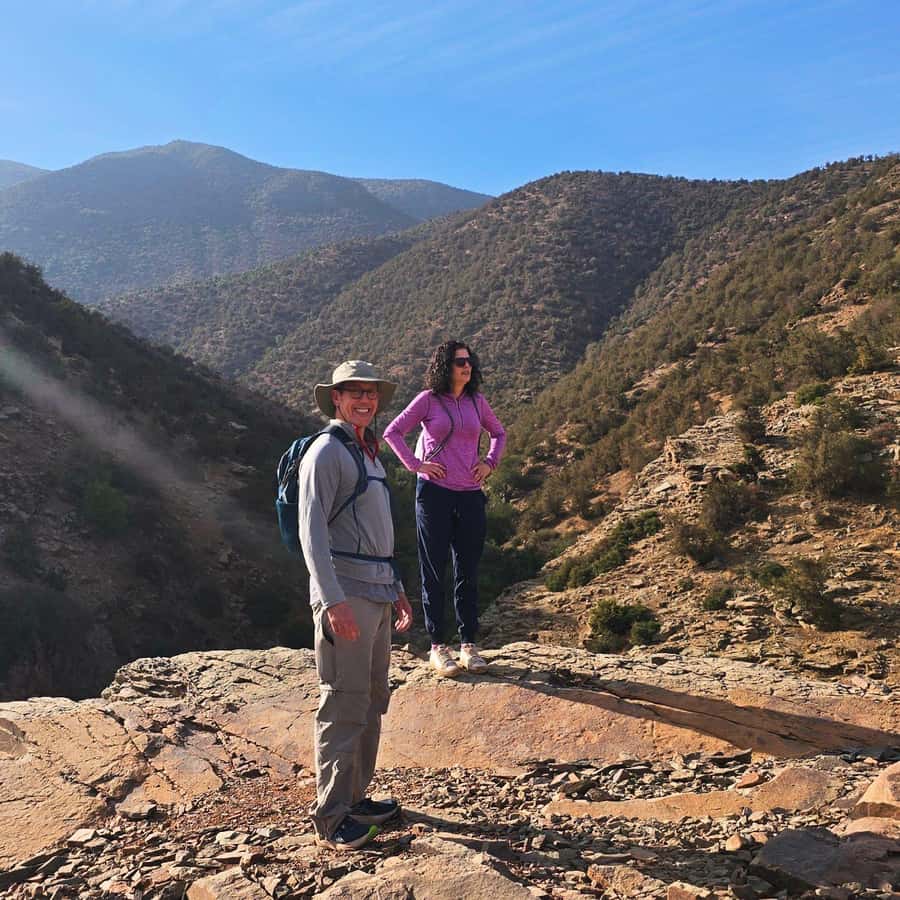
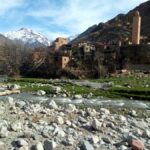
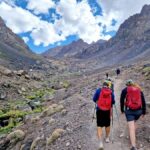
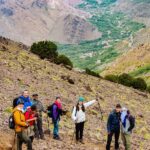
Day 1 is a 4–5 hour hike that moves from Aguersiwal up toward Tizi Odid Pass and on to Tizi Oussem (1800m). You start with the main uphill work early, which is great because it gives you a first taste of real High Atlas air before the day settles into its slower village pace.
A key moment on this day is the pass crossing experience—your route takes you through sections where you can really feel the mountains opening up around you. The itinerary includes stops with panoramic moments and tea, so you won’t be stuck plodding nonstop.
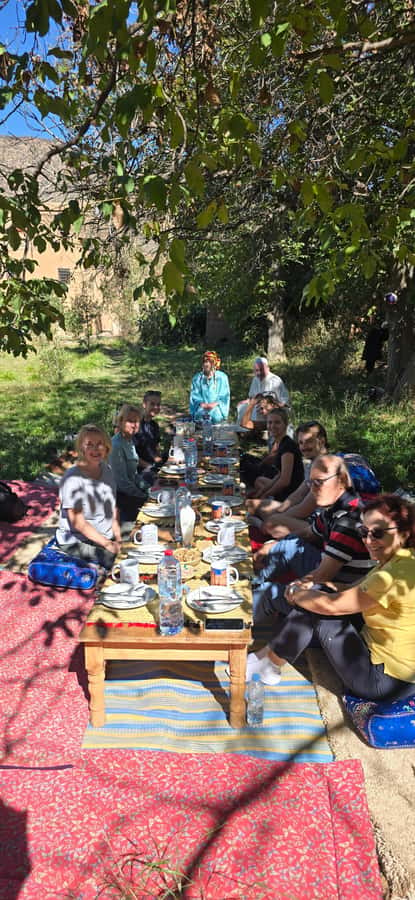
Lunch is cooked and eaten in the mountains. That’s one of the best parts of this trek: you’re not rushing through lunch in a roadside spot. You pause where the view is part of the meal. After lunch, you continue on to the village of Tizi Oussem, where you check into your Berber guesthouse for the night.
At the end of Day 1, the emotional payoff shows up: your legs are tired, but you’re in the right place. The food and dinner time are part of that. This isn’t just a hike where you “survive” the night. It’s where people welcome you, and you get to see how a mountain day ends.
Overnight at the Berber guesthouse: simple, with serious views
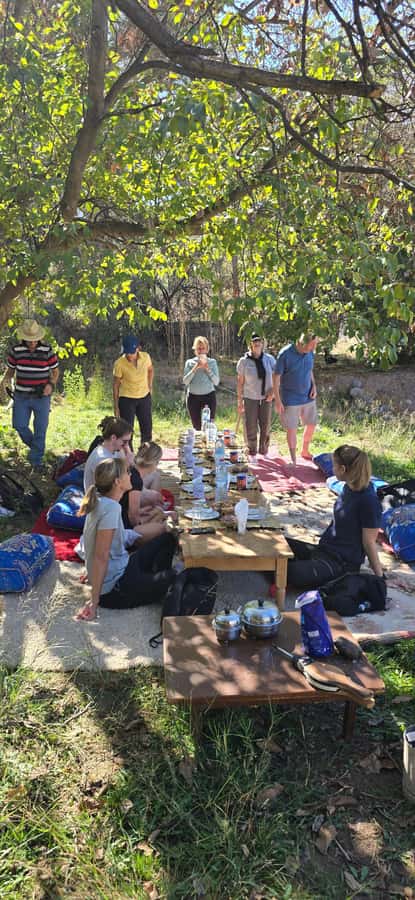
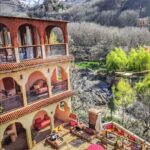
Your first night is in a local mountain guesthouse. The accommodation is described as simple, but the reason it works is the setting. You’re waking up in the mountains, not in a hotel bubble.
Bring warm layers. Multiple accounts point out that mornings and nights in the Atlas can feel cold, especially outside summer months. If you run hot normally, you still might want a warmer layer for the evening and early start.
Also, pack for practical mountain living:
- change of clothes (you’ll sweat on Day 1)
- a hat and sun protection for daylight hikes
- rain gear, just in case weather shifts
Here’s a realism check: “simple” can mean basic facilities. Some stays may be more comfortable than others. Plan to enjoy the views and the hospitality first, and treat comfort as a bonus rather than a guarantee.
Day 2: Tizi Mzik Pass, Igholidn Waterfalls, and the walk into Imlil
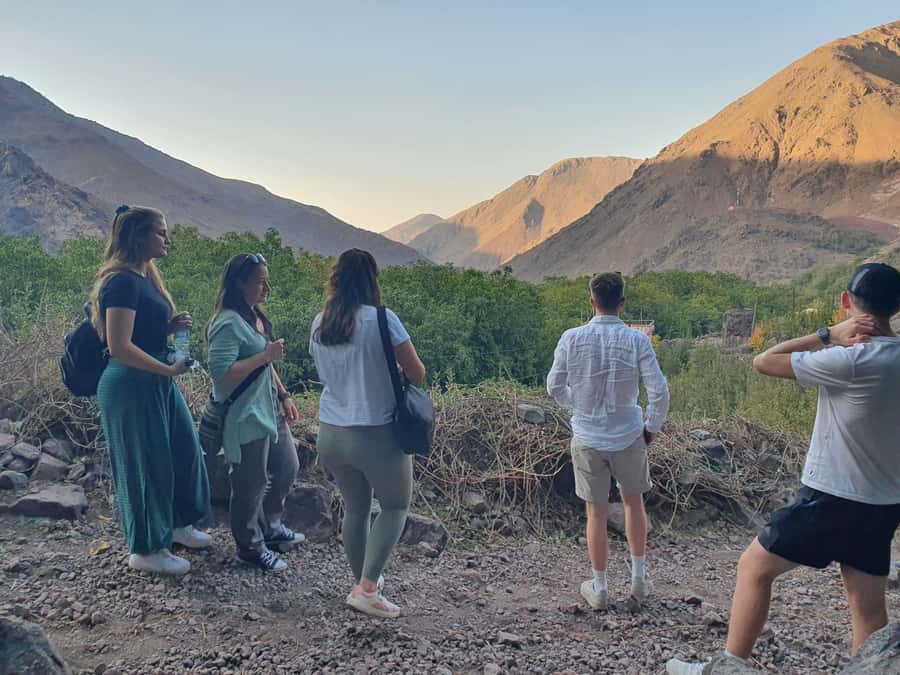
Day 2 is the longer one: 6–7 hours of hiking. It starts after breakfast in the guesthouse and focuses on crossing Tizi Mzik Pass (2300m). This is where the trek’s second-day payoff hits—higher altitude, bigger views, and that “we’re really in it now” feeling.
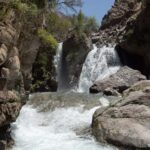
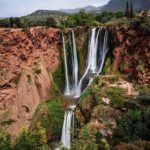
From the pass, you’ll have panoramic viewing time before continuing. The route then takes you to Igholidn Waterfalls for a photo stop and lunch. If you’re going at this pace, waterfalls are more than scenery. They’re a natural reset point: a chance to slow down, catch your breath, and enjoy your meal surrounded by water and mountain air.
After lunch, you hike down toward Imlil village (about 1750m). The descent is where good shoes pay off. Uneven downhill steps can be harder on your knees than the uphill was on your lungs.
Once you reach Imlil, you descend back to the village area and prepare for the transfer back to Marrakech. Finishing the trek this way helps a lot: you’re not ending in the middle of nowhere. You end in a place with familiar valley rhythms before the ride down.
A few more Marrakesh tours and experiences worth a look
Food on the mountain: why it’s a big deal here
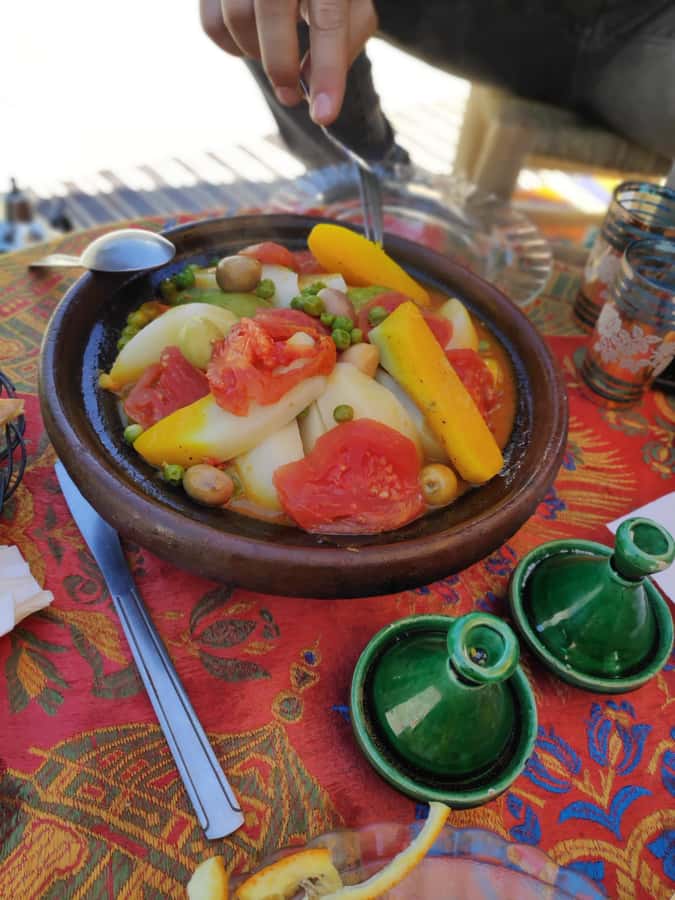
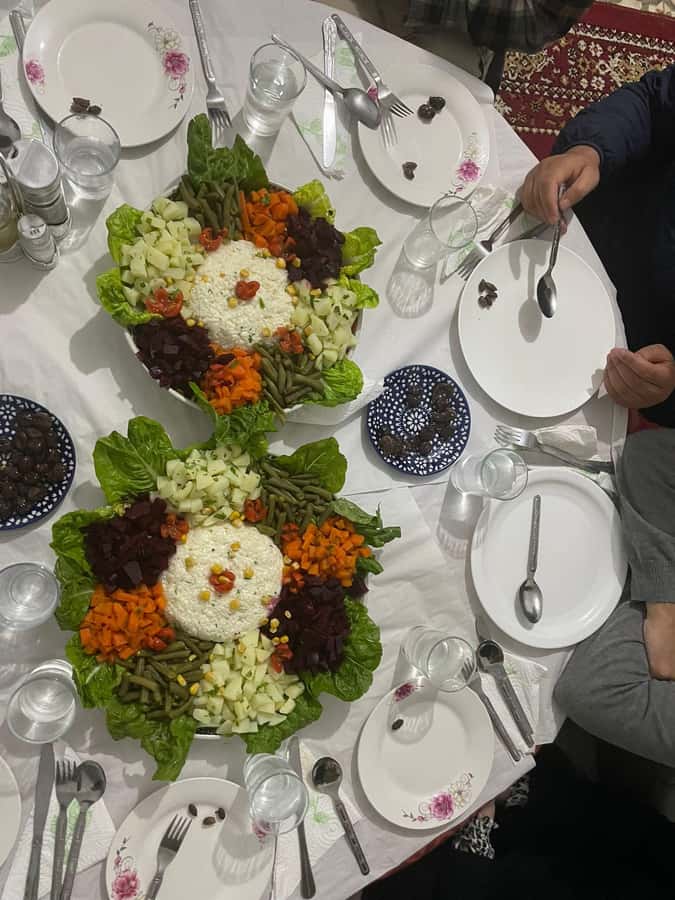
Food is a core part of why this trek gets such strong energy from people who do it. Meals are described as homemade, and the setup is designed around fueling you for hiking.
Day 1 includes lunch in the mountains and dinner in the guesthouse. Day 2 includes breakfast and a lunch at the waterfalls area. You’re also likely to get local snacks and tea during breaks. The point isn’t fine dining. It’s that you’re fed properly at the right times, in the right place.
One practical advantage: the team says they can prepare vegetarian or gluten-free options if you tell them ahead of time. That’s worth doing early. If dietary restrictions are part of your travel life, this option keeps the trek from becoming stressful.
My advice: treat water like an essential gear item. Drinks aren’t included, so you’ll want a reusable water bottle and a plan for hydration during Day 1 and Day 2.
Mules, transfers, and pacing: what the logistics really mean
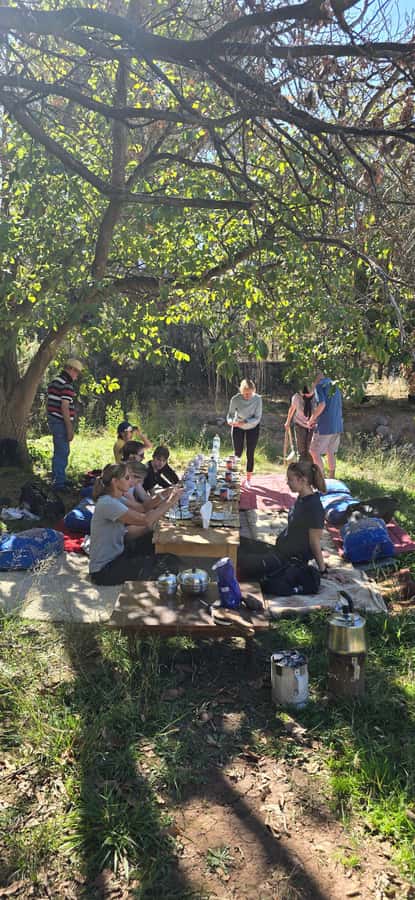
The itinerary includes mules to carry your gears/bags. Translation: you hike with less weight, and you keep your energy for the trail. That matters most on Day 2 when your hike time stretches to 6–7 hours.
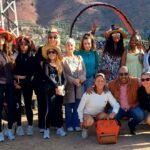
The group size is capped at 14 participants, which helps keep things flexible. On a trek like this, being in a huge pack makes it harder to stop for photos or move at a comfortable pace. A smaller group also tends to make the guide’s job easier—so you can actually enjoy the day instead of managing crowd flow.
You’ll also appreciate the basic rhythm of the day: van transfer, then walking blocks, then planned breaks for tea, meals, and photo moments. That structure keeps the trek feeling organized rather than chaotic.
One more tip: expect that the pace may adjust based on your group. If you tell the guide early that you want a slower rhythm (or you prefer to push a bit), that helps avoid feeling rushed or held back.
What to pack for steep sections, cold nights, and fast weather
Even though this trek is rated moderate, you should plan for steep parts and mountain conditions. Your biggest “gear mistake” risk is skipping proper footwear.
Bring:
- hiking shoes with real grip
- rain gear (mountain weather can change)
- hat (for sun at higher elevations)
- hiking pants and outdoor clothing
- change of clothes
- camera
- cash
- reusable water bottle
- passport
I’d also add one personal rule: pack a warm layer even if the Marrakech forecast looks mild. Nights and mornings in the Atlas can surprise you.
Trekking equipment isn’t included, so don’t count on renting something last minute. If you don’t have shoes that handle rocky uneven ground, that’s where you’ll feel it.
Price and value: what $127 covers and what it doesn’t
At $127 per person for 2 days, you’re paying for more than “a guide and a walk.” The trip includes:
- round-trip pickup and return transfer between Marrakech and the mountain area
- an English/French speaking guide for 2 days
- one night in a Berber guesthouse
- 1 breakfast, 2 lunches, 1 dinner
- mules to carry your gear
That bundle is the value story. Many “cheap” outdoor tours end up charging for key items later or leaving you to handle your own logistics. Here, the skeleton is already built: transport, guide, overnight, meals, and mule support.
What’s not included:
- trekking equipment
- drinks (like water)
- tips for the team
So budget a little extra for water during the day and for tipping based on what the guide and cook deliver. If you care about good service and good food, tipping becomes part of the overall value picture.
Who this Atlas trek is for (and who should rethink it)
This trek is a strong match if you want:
- a short High Atlas experience (2 days) without skipping the passes
- Berber villages and mountain meals, not just viewpoint hopping
- a moderate challenge with clear daily structure
- a small group atmosphere and mule-supported comfort
You might also like it if you’re traveling from Marrakech and want a nature break that doesn’t swallow your whole trip.
Who should rethink: if you know you can’t handle steep climbs and uneven downhill steps, the hike time and pass elevations will be too demanding. Also, if you have mobility concerns, ask the provider directly how they handle the on-foot sections given the route is mostly walking between villages and passes.
Should you book the Marrakech to Atlas Mountains 2-day trek?
If you want an Atlas experience that feels real in two days, I’d say yes. The combination of high-mountain passes, Berber village time, an overnight guesthouse, and meals cooked for you on the mountain is the winning mix. You’ll come away with more than photos—you’ll understand the pace of mountain life for a couple of days.
Book it if:
- you have decent hiking shoes and you’re okay with steep parts
- you want a guided, organized trek without planning meals and logistics
- you care about food and want it included at key moments
Skip or ask more questions if:
- you’re looking for an easy flat walk
- cold nights and simple accommodations might upset your comfort standards
If you do book, message your needs early (especially vegetarian or gluten-free) and pack warm layers. The Atlas rewards preparation, and this trek is worth that effort.
FAQ
How long is the trek?
It lasts 2 days with daily hiking and one overnight in the mountains.
Where does the trek start and end?
The trek starts with pickup in Marrakesh and returns you back to Marrakesh at the end.
What language is the guide available in?
The guide is available in English, French, Spanish, and Arabic.
What’s the difficulty level?
The trek is listed as moderate.
How long are the hikes each day?
Day 1 is about 4–5 hours of hiking. Day 2 is about 6–7 hours of hiking.
Is there an overnight stay?
Yes. You spend one night at a Berber local guesthouse in the mountains.
What’s included in the price?
Included are transfers (pickup and return), an English/French speaking guide for 2 days, the mountain guesthouse night, meals (1 breakfast, 2 lunches, 1 dinner), and mules to carry your gear.
What should I bring, since equipment isn’t included?
Bring items like your passport, hiking shoes, hat, change of clothes, camera, rain gear, outdoor clothing, and a reusable water bottle. Trekking equipment is not included.