REVIEW · CHEFCHAOUEN
Private walking tour of Chefchaouen (The blue city)
Book on Viator →Operated by NORTH TOURS TANGIER · Bookable on Viator
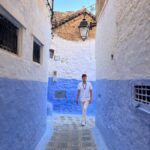
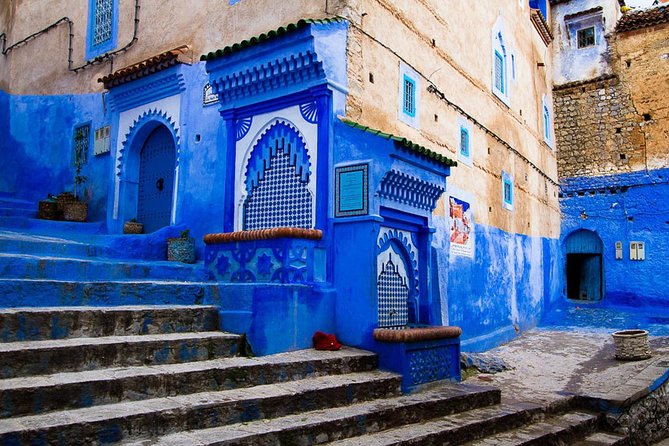
One color town can feel like magic. This private walk through Chefchaouen’s blue medina turns quick sightseeing into real understanding of how the city works. You’ll move through small alleys and main highlights with a guide who explains what you’re seeing, from squares and landmarks to quieter corners where the blue paint tells its own story.
I especially love the hotel pickup convenience and the photo-focused help that makes your pictures look better without slowing you down. It’s also built for comfort: bottled water plus coffee or tea keeps things easy while you’re on your feet.
One possible drawback: English quality can vary by guide, so if you need lots of history and detailed answers, it’s worth planning for that before you arrive.
In This Review
- Key highlights you’ll feel on the walk
- Chefchaouen in 3 to 4 hours: a private route that fits real life
- Pickup, pacing, and what “easy” really means in the Medina
- Walking through the Blue City: Mohammed V Square, City Hall, and the big sight lines
- The quiet stops that make the tour feel real: medina alleys and the cemetery
- Kasbah Museum: fortress views and what you should know before going in
- Place Outa el Hammam: the city square where lunch and history overlap
- Ras El Ma: the fountain that explains why Chefchaouen exists here
- Mosques, respectful rules, and how to avoid awkward moments
- Bouzafer Mosque and the sunset idea: when time and light line up
- Price and value: what you’re really paying for at $31.40
- The language factor: the one thing to double-check
- Who this tour suits best (and who should pass)
- Should you book this private Chefchaouen walk?
Key highlights you’ll feel on the walk
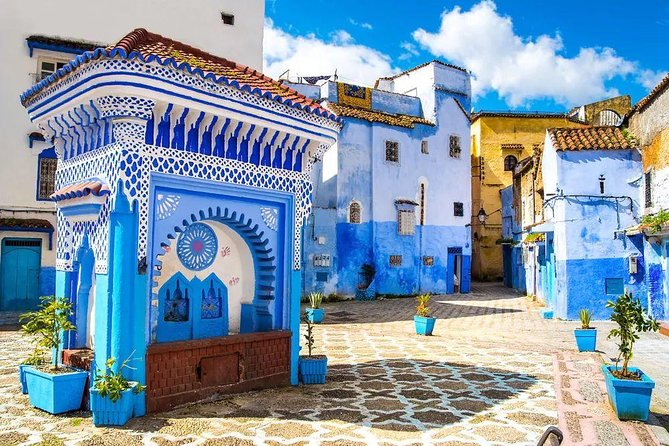
- Small-secret alleyways that help you get oriented fast in the medina
- Hotel pickup to save time and avoid the first-street-stress
- Blue City landmarks tied to real context, not just photo stops
- Mosque visiting rules explained, so you know what’s possible as a non-Muslim
- Sunset options up at Bouzafer Mosque if time and energy match
- Photo support (not just a snapshot), plus coffee/tea and bottled water
Chefchaouen in 3 to 4 hours: a private route that fits real life
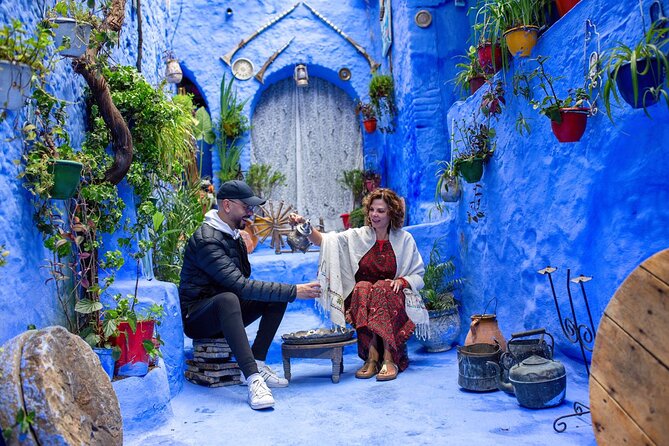
Chefchaouen is one of those places where the streets make the experience. That’s why this tour works: it’s long enough to cover real highlights and short enough that you’re not walking until your feet file a complaint.
You’re getting a private walking format, so you can ask questions as you go and linger where you care most. Maybe you want more color and architecture, or maybe you want more culture and city history. Either way, you’ll get a guided route through the medina rather than wandering like a person searching for the next blue wall.
For many first-timers, the biggest win is orientation. Chefchaouen’s medina can feel like a maze, and a guide helps you connect the dots between the postcard views and the actual city layout—squares, mosques, and the fortress area.
You can also read our reviews of more walking tours in Chefchaouen
Pickup, pacing, and what “easy” really means in the Medina
Hotel pickup is a practical big deal in Chefchaouen. The medina is walk-first, and getting dropped at the right edge of it saves you time and frustration. The tour is described as easy and suited to most people, which matters if you’re juggling luggage, a tight schedule, or you just don’t want a knee-busting hike.
The pacing is also built for conversation. You’re not just moving from point A to point B. The experience includes time to talk, laugh, take pictures, and discuss local life and culture as you walk. That’s how you learn what matters—like why certain places look the way they do, and why specific buildings sit where they do.
One more practical touch: bottled water plus coffee or tea. In hot months, that keeps the tour from turning into a caffeine scavenger hunt. If you like tasting your way through Morocco, you’ll still buy lunch or dinner on your own, but you’ll arrive at it feeling human.
Walking through the Blue City: Mohammed V Square, City Hall, and the big sight lines
The route focuses on the places you’ll recognize, with context that makes them stick. You start in the Chefchaouen Medina, which is the heart of it all—an old Andalusi-style city layout where the lanes and the blue paint do most of the storytelling.
As you head through the medina, you’ll get guided visits and explanations around major landmarks like Mohammed V Square and City Hall. These aren’t just “look here” stops. You’ll understand how the city’s public spaces function—where locals gather, where the pace feels different, and why some buildings become reference points for the neighborhood.
You’ll also cover viewpoints tied to famous religious sites, including the Great Mosque and the Spanish Mosque. Even if you’re mostly there for photos, it helps to know what you’re looking at and why the architecture has that particular flavor. In Chefchaouen, the blue isn’t only a color choice—it’s part of the visual language of the city.
Important note for your planning: non-Muslim visitors are not permitted to enter the Great Mosque. The good news is you still get to admire it and learn about it from the outside. If you’re the kind of traveler who needs inside access to feel satisfied, you’ll want to adjust expectations here.
The quiet stops that make the tour feel real: medina alleys and the cemetery
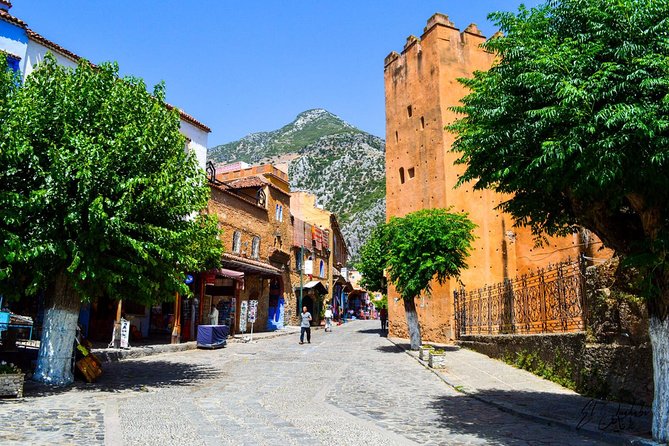
It’s easy to treat Chefchaouen as a photo-only destination. This tour gives you more than that by inserting quieter, less obvious places into the route.
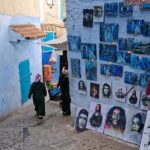
You’ll spend time in the medina’s small, secret alleyways, which is where the city really “reads.” The alleys show you the texture of daily life—how doors open onto narrow streets, how the slope affects pathways, and how the blue varies from wall to wall depending on light and age.
There’s also a stop at the Chefchaouen Cemetery, described as small and quiet, with Arabic inscriptions on many tombs. This is a respectful reminder that the blue city isn’t a theme park. It’s a living place with history written into everyday structures—and into the language that’s on those tomb markers.
If you’re sensitive to somber sites, approach this stop gently. It’s short, but it carries weight. I like including it because it adds meaning to all the bright photos.
Kasbah Museum: fortress views and what you should know before going in
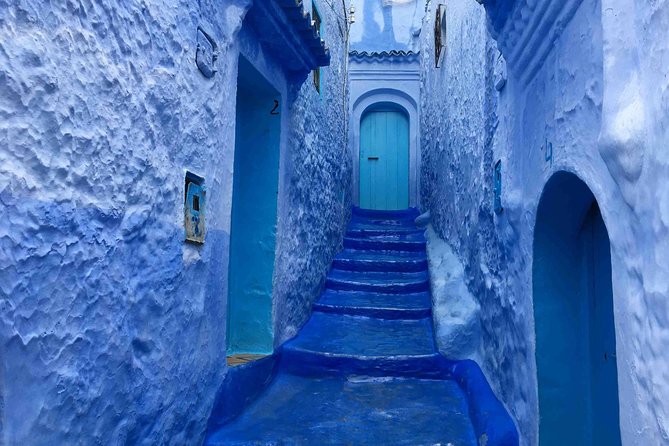
The tour includes a stop at the Kasbah Museum, a fortress and museum area. This is one of the logical places to understand Chefchaouen’s defensive past and its shift from fortress to cultural center.
You’ll have about 30 minutes here, which is enough for orientation—photos of the fortress feel, a quick look at the exhibits, and time to absorb the layout. The catch: admission for the museum is not included, so you’ll pay on-site if you want to enter. If you’re short on time, you might still get value just from the fortress setting and views around the area.
This stop also matters because it bridges two parts of Chefchaouen: the historic medina lanes and the more structured areas where the city’s institutions took shape. Even if your focus is street photography, the Kasbah area gives you a sense of scale.
You can also read our reviews of more city tours in Chefchaouen
Place Outa el Hammam: the city square where lunch and history overlap
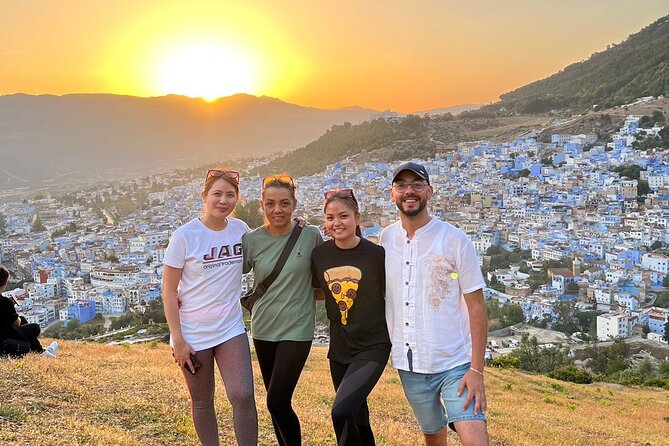
Next comes Place Outa el Hammam, the central square. This is a key moment in the tour because it’s where you feel the city’s everyday rhythm. The square is full of restaurants with good-priced options for lunch or dinner, and it’s big enough that you can catch your breath without feeling stuck.
The square also connects to important architecture—the Kasbah (fortress) and the first mosque of the city are associated here. That means the stop is more than a break. It’s a turning point in your understanding: you move from alley-intimacy to a wider city viewpoint.
Admission is included for this stop, so there’s less “should I pay?” decision pressure. When you’re building a walking day, reducing those friction points helps a lot.
Ras El Ma: the fountain that explains why Chefchaouen exists here
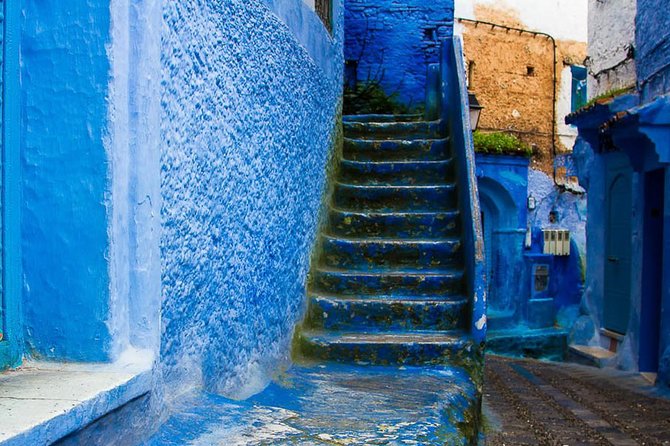
You’ll also visit Ras El Ma, described as the main fountain and a core reason for the city’s existence. This kind of stop is underrated, because it turns a pretty scene into a practical story: where water came from, why people settled, and how the city’s location shaped daily life.
The visit is short—around 10 minutes—and admission is free. That makes it an easy win if you’re trying to keep the day moving while still learning something real.
When I see a fountain stop handled this way, I read it as a sign the tour is trying to explain systems, not just monuments. Chefchaouen’s look is iconic, but the city’s function is what keeps it alive.
Mosques, respectful rules, and how to avoid awkward moments
Mosques are part of Chefchaouen’s identity, and the tour treats them seriously. You’ll hear about the Grande Mosque (also referred to in the tour description), including details like its unusual octagonal minaret. That’s not the shape most travelers expect, and it connects to Andalusian influence brought into Morocco by Muslims from Spain.
You’ll also get practical visiting guidance: non-Muslim visitors aren’t allowed to enter the mosque. Knowing this ahead of time prevents the classic moment where people realize the rules at the doorway and then feel rushed.
There’s also a stop at Bouzafer Mosque, generally approached as an uphill option if time permits. This is where you can connect architecture with views—especially around sunset.
And don’t forget the cemetery stop earlier. Together, these moments show you how the city handles faith and remembrance in visible, built form.
Bouzafer Mosque and the sunset idea: when time and light line up
If your schedule allows, the tour can include the uphill walk to Bouzafer Mosque for one of Morocco’s best sunset views (as described). This is the kind of stop that can make your whole day feel complete, because it shifts Chefchaouen from daytime photos to evening atmosphere.
The tour gives roughly 20 minutes for this part, so it’s not a long “watch the sun slowly die” plan. It’s a focused window. That’s smart in a place like Chefchaouen where the medina can turn into a color-fading maze if you lose time.
If you’re a photographer, this is where you’ll want to slow down just slightly. The goal isn’t only the skyline shot—it’s also the way the blue changes as the light drops. Even if you’re not chasing perfect images, it’s worth taking your time for 2–3 minutes.
Price and value: what you’re really paying for at $31.40
At $31.40 per person, the price looks reasonable for a private guided walk in a high-demand photo destination. The value comes from what’s bundled.
Included:
- Pick-up from your hotel
- All fees and taxes
- Bottled water
- Coffee and/or tea
- A photographer
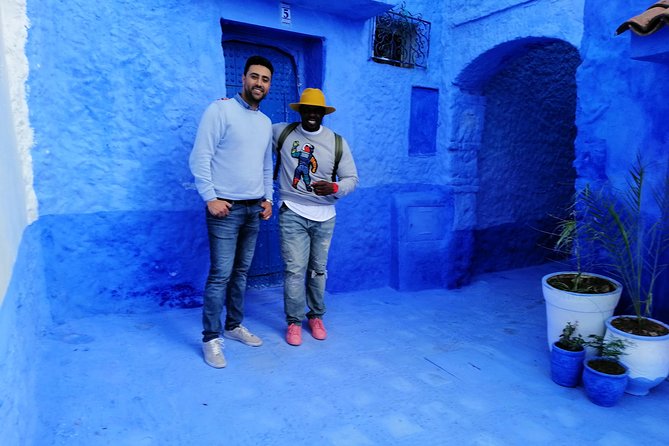
That photo element is more than a bonus if you care about getting decent results in tricky lighting. Chefchaouen’s blue can be gorgeous but challenging—shadows and contrast can flatten photos fast. Having someone who can help you frame and time shots can save you frustration.
What’s not included:
- Food (you’ll be pointed toward squares and restaurants for options)
- Kasbah Museum admission (not included)
This pricing structure is honest. You’re paying for guidance plus the “make it work” parts—transport, drinks, and photo support—while keeping meal costs flexible so you can choose your style and budget.
One more thing: the tour is said to be customizable to your needs. In practical terms, that’s what you want at a per-person price. If the route stays fixed no matter what, you’ll feel it. If you can shape small parts of the walk, it feels like better value.
The language factor: the one thing to double-check
Here’s the balanced truth. The tour is advertised as guided and English-speaking, but real experiences depend on the guide assigned.
Some guides in reviews are described as endearing and strong at sharing history, beauty, and culture. Others had limited English, making it harder to ask questions and get full context. There’s even a concern raised about whether a guide had the right credentials for the role.
So my practical advice is simple: if language is a big deal for you, confirm that the guide speaks the level of English you need. If you don’t get a clear answer, plan to rely more on visual learning than deep Q&A. A translation app can help with basic questions too, but it won’t replace great on-the-ground storytelling.
If you’re the type who enjoys looking first and asking second, you’ll likely still get strong value.
Who this tour suits best (and who should pass)
This private Chefchaouen walking tour is a great fit if:
- You want an organized route through the medina without getting lost
- You care about culture and context, not only blue walls
- You want help with photos and walking at a comfortable pace
- You like a conversational tour with time for pictures and questions
You might reconsider if:
- You need fluent English for detailed explanations and you can’t tolerate weak communication
- You’re expecting mosque entry access for non-Muslim visitors (the Great Mosque isn’t entered)
- You want a long museum session (Kasbah Museum is short, and admission isn’t included)
Also, if you’re traveling with people who want a purely fast checklist, the conversation and story time might feel like a detour. But if you’re the “I want this to make sense” type, it fits well.
Should you book this private Chefchaouen walk?
If you want Chefchaouen to feel like a real place you understand, I’d book this. The combination of hotel pickup, medina orientation, key landmarks, and photo support at a moderate price is strong value. The route also includes thoughtful stops like the cemetery and Ras El Ma, which help your experience go beyond postcard collecting.
Just go in with one smart expectation: your tour quality will depend on the guide’s ability to communicate. If you confirm language needs and treat it as a walk with stories (not a rigid script), you’ll get a day you’ll actually remember—not just a bunch of blue photos.