REVIEW · MARRAKESH
From Marrakech: Private 3-Day Desert Trip to Merzouga
Book on GetYourGuide →Operated by Ando Travel Ltd · Bookable on GetYourGuide
The Sahara starts with a long, winding road. This private 3-day trip from Marrakech takes you over the High Atlas Mountains to Ait Ben Haddou, then down into Morocco’s canyon country before the real show: a camel trek across Erg Chebbi dunes with sunrise and sunset from the desert. I love how the route mixes big-name sights with actual time to enjoy the scenery, not just rush through it, but I’ll be honest: you should plan for long driving days and the tour lives or dies on how clearly you’re briefed (language can vary by driver).
What makes this one work for most people is the pacing and the comfort level. You travel in an air-conditioned vehicle with pickup and drop-off from your hotel, and with a private format you can usually pause for photos or quick breaks without turning it into a schedule scramble. I’d just make sure you’re aligned on the day plan early—some past guests wished they’d received more detailed itinerary info up front—and keep an eye on value since lunches and drinks are not included.
In This Review
- Key things I’d circle before you book
- Marrakech to Merzouga: what this 3-day plan really feels like
- Day 1 over the High Atlas to Ait Ben Haddou and Dades Canyons
- Day 2 through oases and Todgha to reach Erg Chebbi
- Camel trek and Bedouin camp in Erg Chebbi: sunset, drums, stars
- What the camel ride is like
- The camp night: what you should expect
- A realism check
- Day 3 sunrise and the return stop in Ouarzazate
- Price and logistics: when $528 per person feels fair
- Who this tour suits best (and who should skip it)
- Tips to make your desert night smoother (and more fun)
- Should you book this Marrakech to Merzouga desert trip?
- FAQ
- How long is the Marrakech to Merzouga desert trip?
- What’s included in the price?
- Do I ride a camel?
- Where do I sleep during the tour?
- Are lunches included?
- What happens if the Atlas Mountains road is blocked in winter?
- Is there a local guide cost at Ait Ben Haddou?
- Is this tour suitable for everyone?
Key things I’d circle before you book
- High Atlas crossing to Ait Ben Haddou: UNESCO Kasbah views plus the star-set vibe of Lawrence of Arabia-era Morocco
- Dades Valley back roads: canyon passes that feel slower and more local than the main highway
- Road of 1001 Kasbahs + Todgha Gorges: a strong mix of oases and dramatic rock walls before the desert night
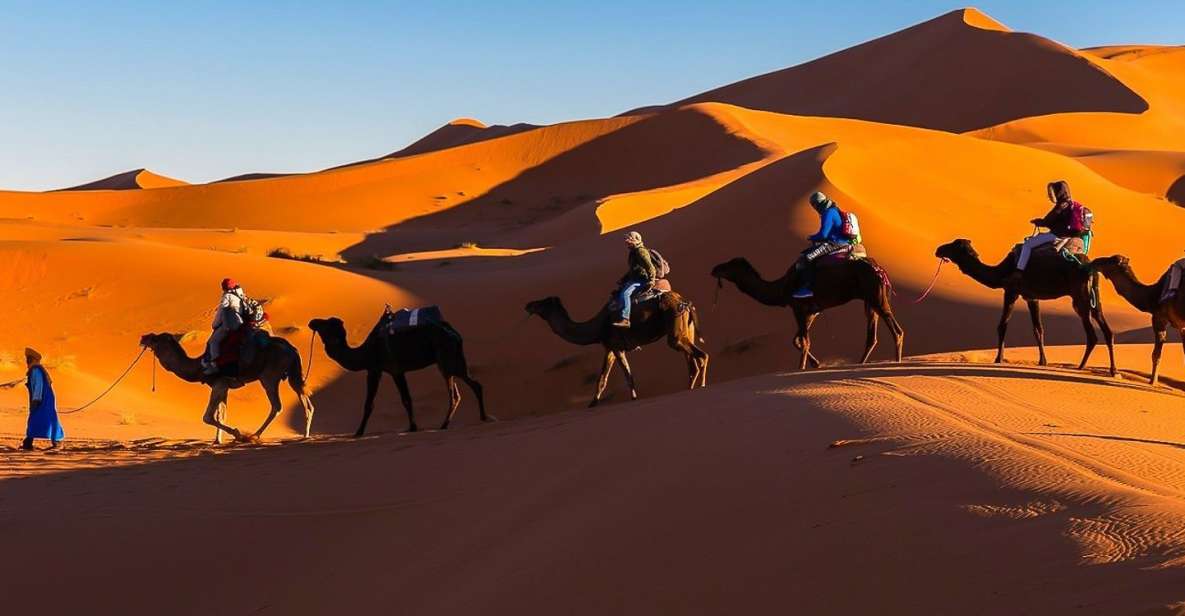
- Erg Chebbi camel trek: sunset and sunrise on dunes, not just a quick photo stop
- Bedouin camp night with tam tam drums: dinner under the stars plus nomad-style entertainment
- Private tour flexibility: you can ask for extra stops and time for photos without negotiating with a group
Marrakech to Merzouga: what this 3-day plan really feels like
This trip is built around three things: driving, dramatic stops, and one unforgettable desert night. Most of Day 1 and Day 2 are spent in the vehicle, because getting from Marrakech into Drâa-Tafilalet isn’t a quick hop. The upside is that you pass through Morocco’s “layers”: mountains, valleys, and then desert.
You’ll get a mix of structured viewing and breathing space. Ait Ben Haddou and Todgha Gorges are timed highlights, while the canyon and town stops often come with some free time so you’re not constantly following someone’s pace. The desert part is where the schedule finally loosens, because camel trekking and camp life are slower by nature.
One key mindset shift: this is a road trip with a desert finale. If you want a mostly walking-and-hiking vacation, you might find the long drives tiring. If you like big scenery with comfortable transport, it’s a great fit.
You can also read our reviews of more private tours in Marrakesh
Day 1 over the High Atlas to Ait Ben Haddou and Dades Canyons
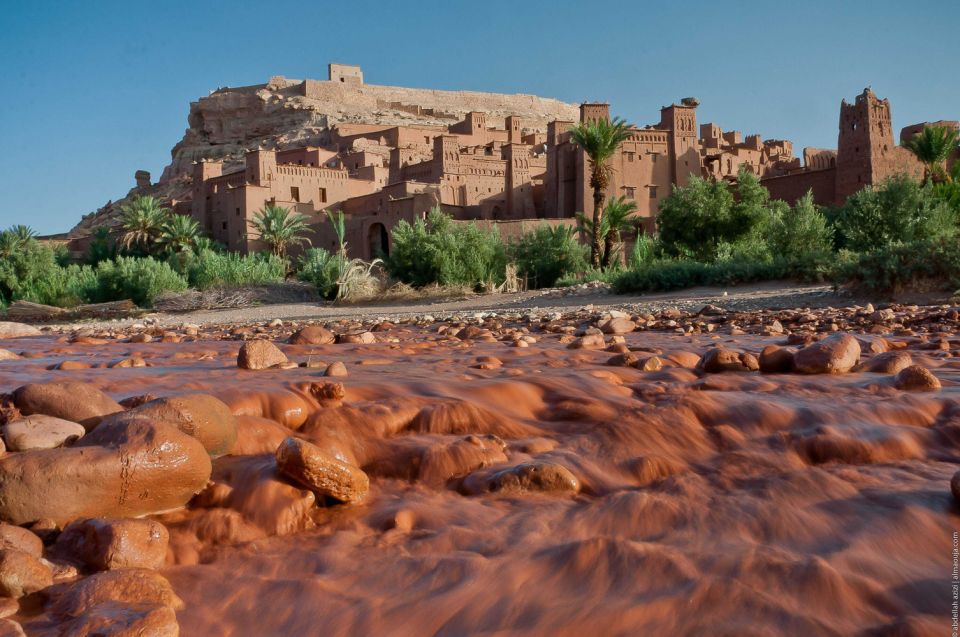
Day 1 is all about the transition—going from Marrakech’s city rhythm into Atlas mountain power, then down toward the Dades region. You start with an early pickup from your hotel and head across the High Atlas Mountains, where the air gets cooler and the road climbs.
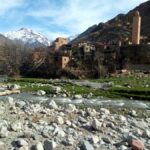
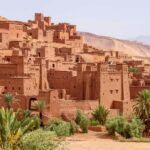
Your first major stop is Ait Ben Haddou, a UNESCO World Heritage Kasbah famous for its fortified architecture. It also has that movie-location energy: it’s been used as a set for big Hollywood productions, including Lawrence of Arabia. I like this stop because it’s not just a pretty viewpoint—you can actually walk around and get a sense of how kasbah life was built for defense and community.
After some time in Ait Ben Haddou, you continue to Ouarzazate, often called the Gate of the Sahara. Then lunch comes before you push onward through the Valley of the Roses toward Boumalne Dades. This part matters because it sets up the next day’s canyon scenery—you arrive with the “feel” of the region already in your head.
The late-day highlight is the drive through the Dades Canyons. Expect back roads with rock formations and fortified kasbahs along the Dades River. It’s one of those areas where the scenery changes as you keep moving—worth paying attention to the turns, not just the destination.
Practical note: because this is a private trip, you should get clearer answers from your driver about timing and what comes next. Some guests have reported confusion when the guide’s English wasn’t strong, so if communication matters to you, ask early how the day plan will be explained.
Day 2 through oases and Todgha to reach Erg Chebbi
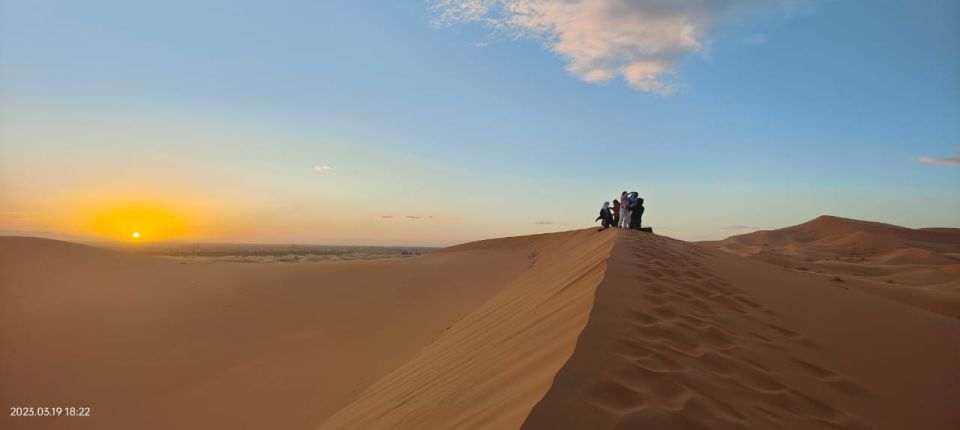
Day 2 is where the trip sharpens into “desert approach mode.” After breakfast in Dades, you head via the Road of 1001 Kasbahs, which gives you constant visuals of Morocco’s fortified style as you work toward the oasis town of Tinghir.
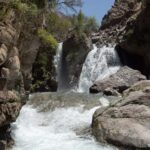
From there, you continue into Todgha Gorges. This is one of the most dramatic stretches on the whole route, with tall canyon walls and a sense of depth. What I like here is the built-in pause: you get time for exploration and a chance to grab lunch at a local café. This break is important because it gives you energy before the longer stretch toward Merzouga.
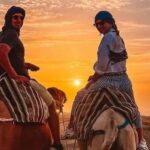
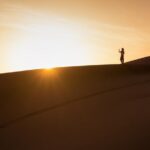
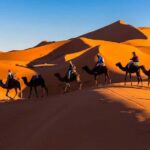
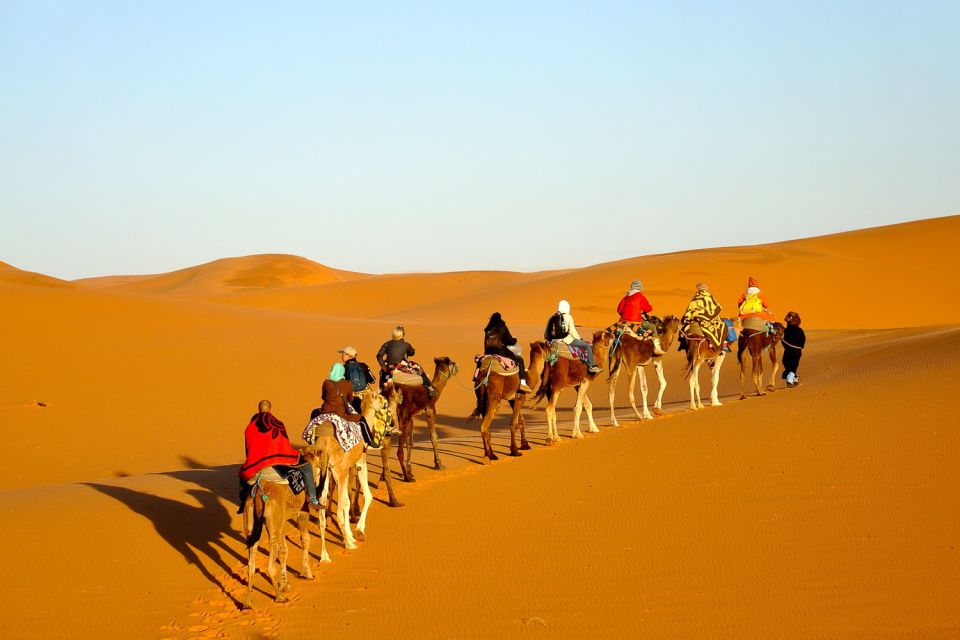
Then you finally reach Merzouga, where you connect with your camel caravan. This is the “switch” from highway to sand-world, and it’s where the trip feels like it becomes truly different. You’ll mount the camels and ride into the Erg Chebbi dunes, aiming for sunset when the sand turns warm and textured.
Two details make this part feel worth it:
- Camel time isn’t just for photos; it’s the main way you experience the dunes
- The sunset timing is built into the experience, so you’re not leaving before the best color
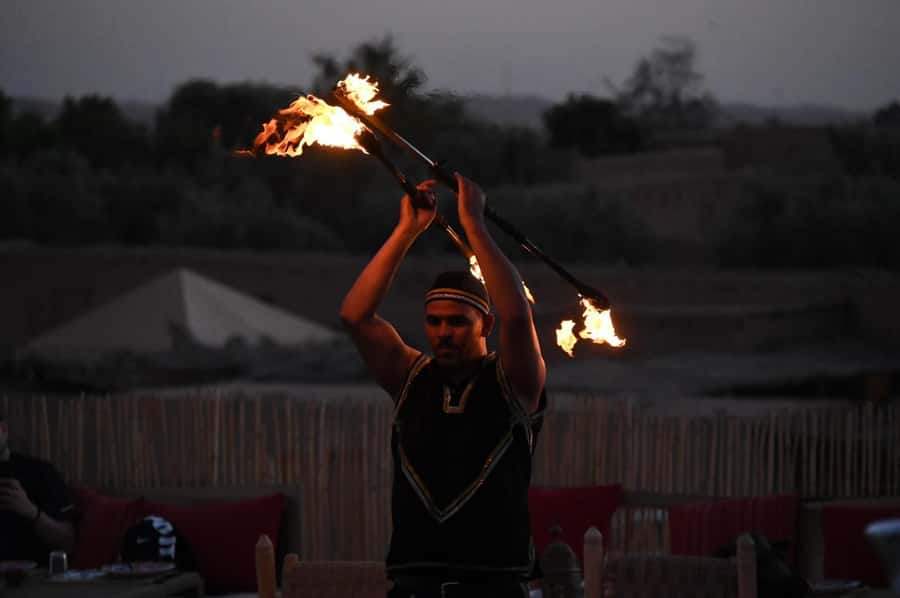
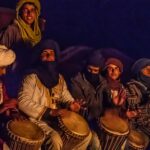
You’ll reach the camp before nightfall, then settle in for dinner under the stars. Local nomads provide entertainment and show you how to play tam tam drums. That drum moment matters more than people expect: it turns the night from a “tour service” into something closer to a shared ritual.
Camel trek and Bedouin camp in Erg Chebbi: sunset, drums, stars
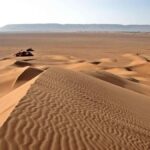
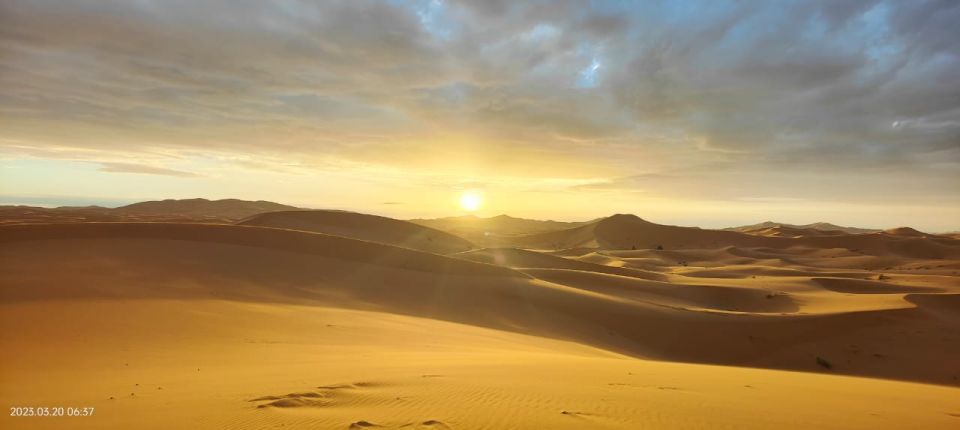
This is the heart of the trip. Erg Chebbi’s dunes are the main character, and the tour wisely gives you both sunset and sunrise by including a full camel-night cycle.
What the camel ride is like
Expect it to feel slower and more rhythmic than you’d imagine. You’re not in a vehicle watching a screen—you’re moving across sand with the horizon always in front of you. It’s also why the desert portion hits harder emotionally: you arrive quieter, not wired.
One thing to consider: camel logistics can involve stops or schedule adjustments. There have been cases where the camel ride got interrupted mid-way, followed by a return to camp flow by staff. Nothing like that changes the dunes’ beauty, but it’s a good reminder to ask your driver beforehand about how timing and breaks work.
A few more Marrakesh tours and experiences worth a look
The camp night: what you should expect
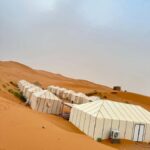
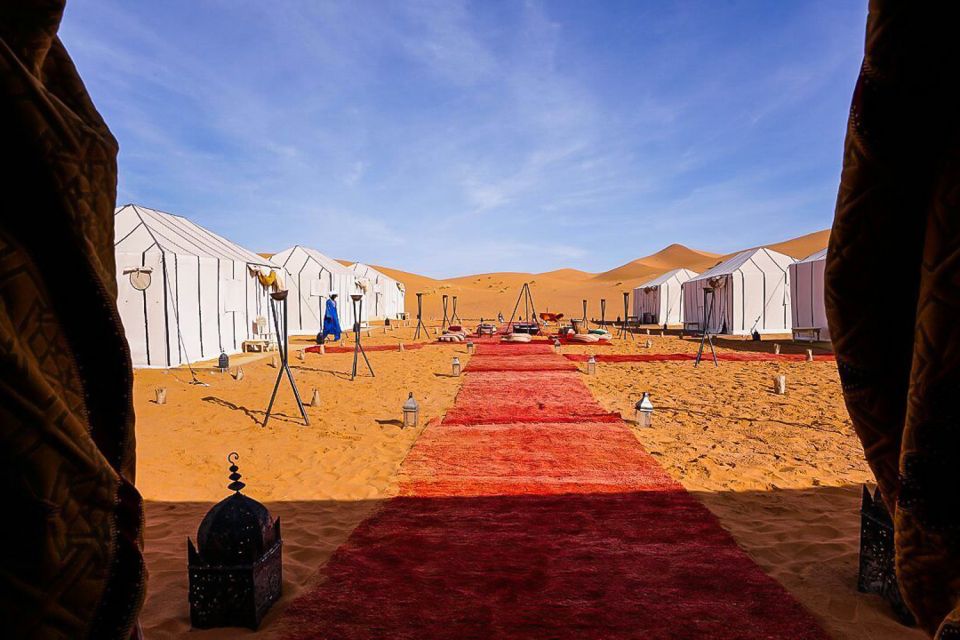
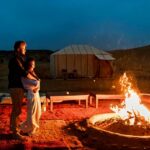
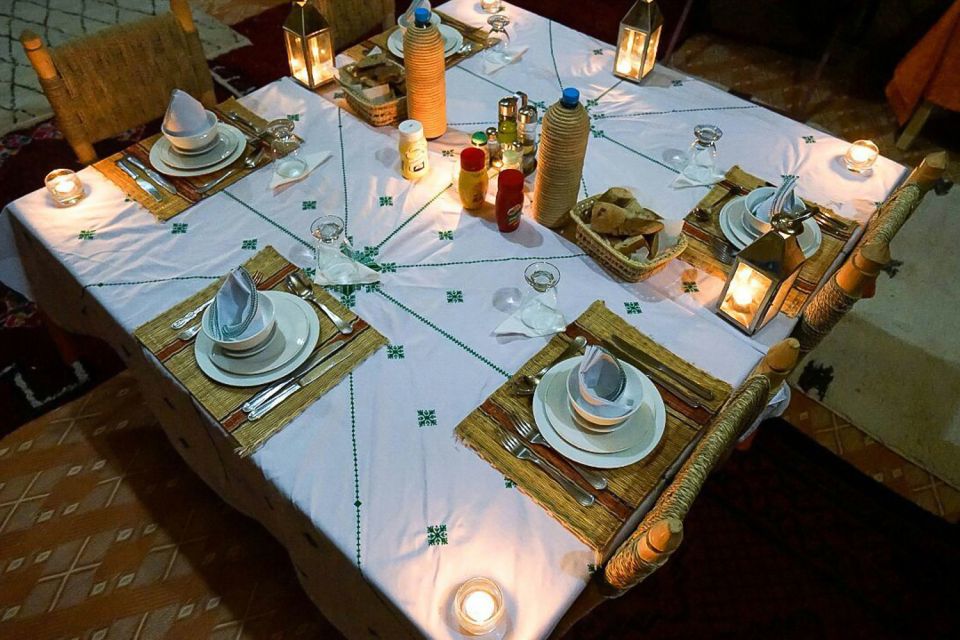
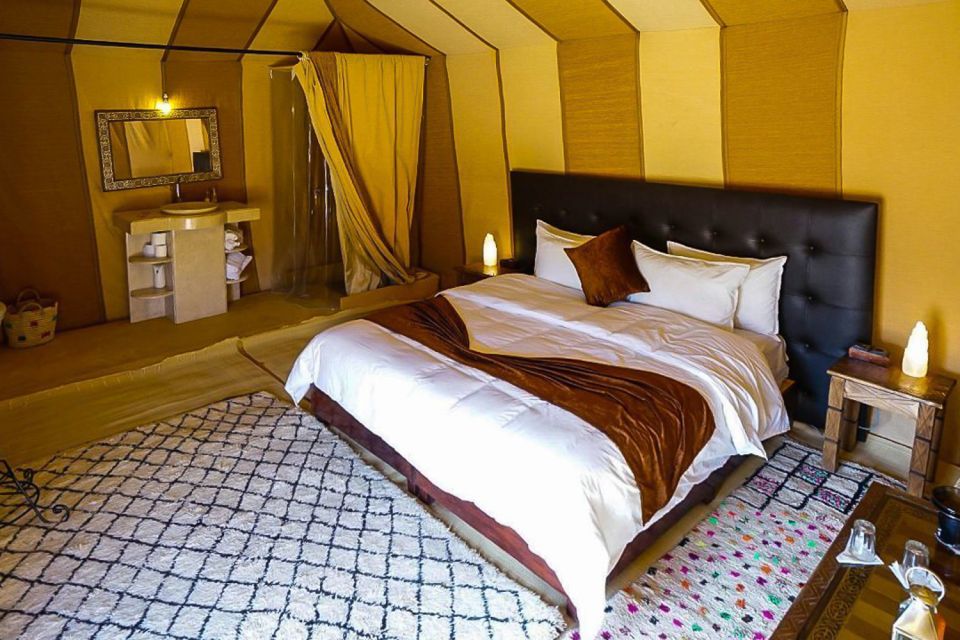
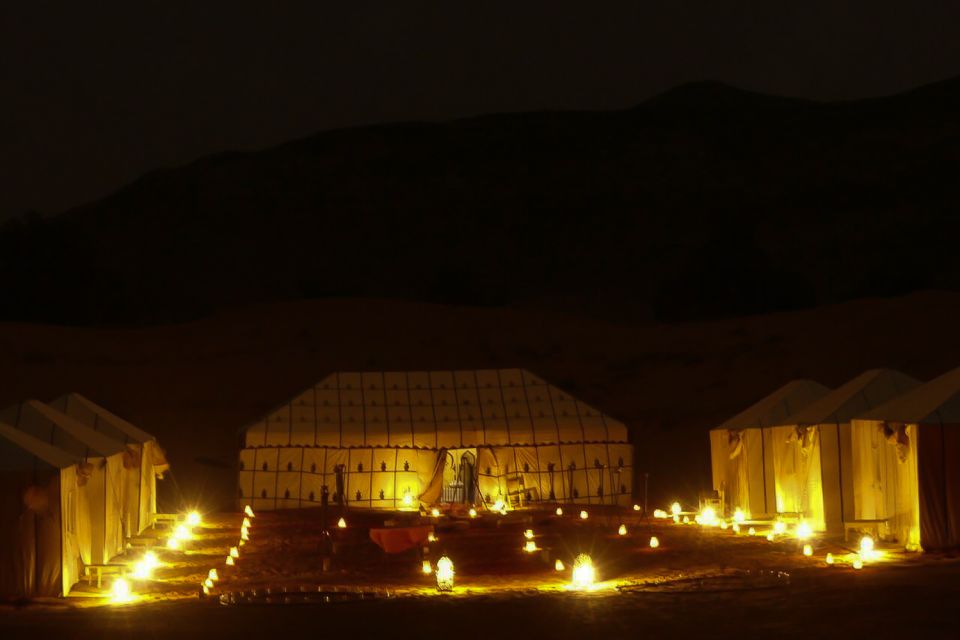
You’ll sleep at a nomad’s desert camp in Erg Chebbi in a private standard tent with dinner and breakfast. The key here is that the camp is part of the experience, not just a bed on a checklist.
Dinner is Moroccan-style, served in the desert night atmosphere, and you’ll get entertainment tied to nomad culture—especially the tam tam drums. This is the moment where the “private tour” choice shows value: you can usually follow what’s going on without getting lost in a crowd.
A realism check
Desert camps are not city hotels. So think of it as comfortable, clean enough for a night in the sand, and designed for the desert setting. If you’re the type who needs high-end lodging comforts, you might feel the difference more strongly.
Day 3 sunrise and the return stop in Ouarzazate
Day 3 starts early, because sunrise in the Sahara isn’t a bonus—it’s the payoff. You’ll wake up to watch the sun come up, then have breakfast at camp. After that, you ride your camel back to the main road, where your driver is waiting to take you toward Marrakech.
This day has a simpler rhythm: desert morning, then road travel. The transfer back includes a stop half-way for lunch in Ouarzazate. I like this structure because it avoids the most exhausting part of travel—arriving in Marrakech hungry and sleep-deprived.
A practical note for your comfort: you’ll likely feel chilly in the early morning if the desert night cools down, even if daytime is pleasant. Dress in layers so you’re not stuck deciding between photos and shivering.
Price and logistics: when $528 per person feels fair
The price—$528 per person—covers a lot of the costly parts of the route: pickup and drop-off, an air-conditioned vehicle, an English-speaking guide/driver, camel trekking in Erg Chebbi, plus two nights with meals (dinner and breakfast) included across the Dades area and the desert camp.
Here’s the value equation I’d use:
- You’re paying for time saved. Crossing mountains and reaching Merzouga isn’t simple by public transport. A private driver compresses the logistics into one plan.
- You’re paying for the desert experience. Camel trek + desert camp isn’t something you can replicate easily on your own without local coordination.
- You’re paying for “private pace.” Some guests loved that private meant fewer delays, more flexibility for stops, and more direct questions to the driver.
Where value can feel weaker is when your accommodation on Day 1 isn’t exactly what you expected, or when communication is unclear. One guest described a hotel room that didn’t match what they were told, and another mentioned confusion around timing and luggage arrangements to and from the camp. These aren’t guaranteed outcomes, but they’re reasons to confirm the hotel category and how luggage transfer is handled.
Also watch the extras:
- Lunches and beverages are not included
- Personal expenses are not included
- If a road across the Atlas Mountains is blocked in winter, an alternative route via Taroudant is available with a mandatory 10€ per person supplement
- If you want a local guide inside Ait Ben Haddou, budget around 2€ per person (the tour notes this expectation)
If you compare this to group desert tours, the private format can still be worth it if you care about pace, comfort, and clarity. If you’re the type who doesn’t mind shared schedules and you’re traveling on a strict budget, you might find a cheaper group option elsewhere. But for many people, the private arrangement is the difference between “we made it” and “we enjoyed it.”
Who this tour suits best (and who should skip it)
This trip is best for couples, small groups, and families who want a desert night without planning the moving pieces. You’ll enjoy it if you like:
- Fortified architecture and canyon drives
- Sunrise and sunset experiences that aren’t rushed
- Camel trekking as a main activity, not a quick stop
It may not suit everyone. The tour is not suitable for pregnant women, and if you have mobility concerns that make camel riding difficult, this is probably not the right match. Also, if long car days will drain you, you might prefer a route that spends more time in fewer places.
Language can also matter. The tour is listed with an English-speaking guide, and some drivers have been praised for speaking other languages too. But if your travel style relies on detailed explanations every hour, do a quick check with your operator before departure and make sure you’ll understand the day plan clearly.
Tips to make your desert night smoother (and more fun)
A few small moves will pay off:
- Pack for temperature swings. Desert nights can cool down fast, and sunrise happens early. Layers beat a single heavy outfit.
- Carry water and snacks for lunch gaps. Lunches aren’t included, and you’ll have long driving stretches.
- Plan your camera strategy. Dunes look great at sunset and sunrise, but you’ll also want photos at Ait Ben Haddou and Todgha Gorges. Keep your batteries charged and accessible.
- Ask how camel timing works. If you’re sensitive to interruptions, confirm whether there are stops during the ride and how long the transfers typically take.
- Request clear itinerary timing on Day 1. If you like knowing what’s next, say so before you leave Marrakech.
One more practical thought: if you care about getting deeper explanations at each stop, you may have better luck if you connect well with your driver. Some guides on this route are known for sharing stories and anecdotes in detail. If the driver’s communication style matches yours, the whole day feels more alive.
Should you book this Marrakech to Merzouga desert trip?
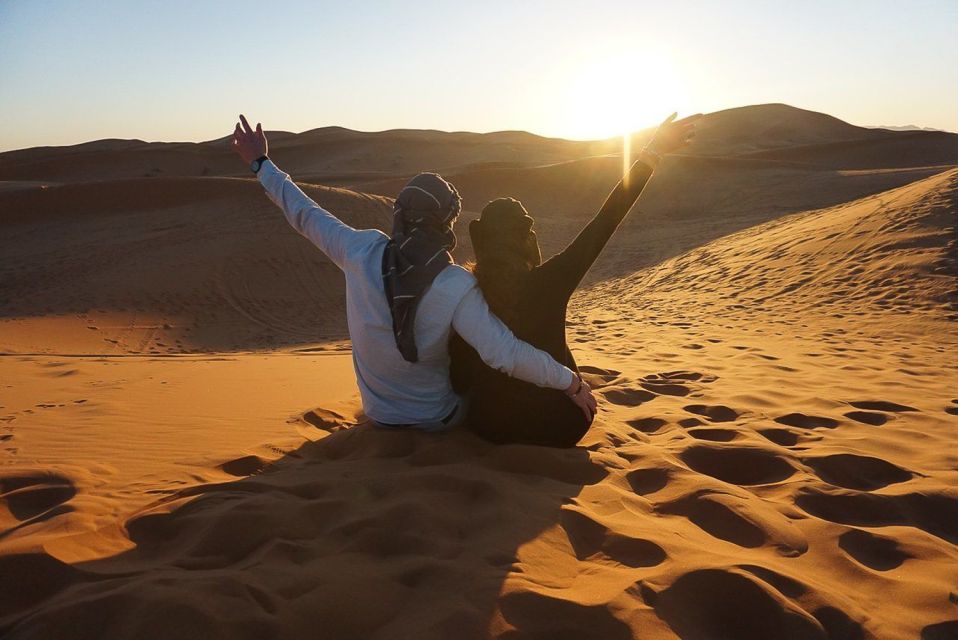
I’d book it if you want the classic Sahara arc done in a comfortable, private format: High Atlas to Ait Ben Haddou, Dades canyons, then Erg Chebbi dunes with camel trekking and a genuine desert camp night. It’s the kind of itinerary that rewards people who like big scenery and a bit of road-trip rhythm.
Hold off or ask extra questions before booking if any of these are true for you:
- You need very detailed explanations in English (or another language) nonstop
- You have a low tolerance for long driving days
- You expect city-style hotel standards for the desert camp experience
- You’re picky about day-one accommodation details and want exact confirmation
If you’re flexible, curious, and ready for the mountains-to-dunes shift, this trip is a strong way to experience Morocco’s Sahara without turning your trip into a logistics project.
FAQ
How long is the Marrakech to Merzouga desert trip?
It’s a 3-day private desert trip, with pickup from Marrakech, two overnights (one in the Dades area and one in an Erg Chebbi desert camp), and a return transfer to Marrakech.
What’s included in the price?
Pickup and drop-off from your hotel in Marrakech, an air-conditioned vehicle, an English-speaking guide/driver, camel trekking in Erg Chebbi, overnight stays with dinner and breakfast (at the hotel/riad in Dades and in a private tent at the desert camp).
Do I ride a camel?
Yes. You’ll ride camels in Erg Chebbi, with camel trekking for sunset and sunrise timing as part of the desert experience.
Where do I sleep during the tour?
You’ll sleep one night at a hotel or riad in the Dades area (private en-suite room, with dinner and breakfast), and one night at a nomad desert camp in Erg Chebbi (private standard tent, with dinner and breakfast).
Are lunches included?
No. Lunches are not included on the tour.
What happens if the Atlas Mountains road is blocked in winter?
If the road across the Atlas Mountains is blocked during winter, the tour uses an alternative route via Taroudant, and there is a mandatory 10€ per person supplement.
Is there a local guide cost at Ait Ben Haddou?
The tour notes that you should expect an extra 2€ per person for a local guide at Ait Ben Haddou Kasbah.
Is this tour suitable for everyone?
No. It’s not suitable for pregnant women. Also, the tour involves camel riding, so comfort on that part is important.