REVIEW · MARRAKESH
From Marrakech: Atlas Mountains Day Trip with Camel Ride
Book on GetYourGuide →Operated by Marrakech Day Trips - Tours · Bookable on GetYourGuide
One road trip out of Marrakech can feel like a whole new world. This High Atlas Mountains day trip to Imlil blends big mountain views, Berber hospitality, and a camel ride without turning the day into a suffering contest. Two things I like a lot are the mint tea + Berber family meal in the villages and the well-paced mix of culture and outdoors. The one drawback to factor in is that it’s a jam-packed 8-hour day with some walking on uneven paths.
You’ll leave the city behind, pass through towns like Tahnaout and Asni, then head into the Imlil Valley where the air gets cooler and the scenery turns seriously dramatic. Expect an argan oil cooperative stop that’s more educational than gimmicky, plus a hike/walk that most people can handle if they wear decent shoes. Just keep your expectations realistic: the camels and the hike are highlights, but this is still a full-day circuit rather than a slow, lingering trek.
In This Review
- Key highlights at a glance
- Escaping Marrakech for the High Atlas and Imlil Valley
- Price and Value: what $17 really buys for an 8-hour day
- Meet the Group, Pickup, and the long mountain transfer
- Tahnaout photo stop and Asni market time that depends on the day
- Argan oil cooperative stop: why this is more than a sales pit stop
- Imlil Valley mint tea welcome and guided Berber village walking
- Tamatert viewpoints and ancient irrigated terraces for serious photo time
- Ait Souka lunch with a Berber family and a proper sit-down break
- Moulay Brahim Gorges camel ride: the fun part with the real views
- What walking and timing feel like day-to-day
- Mount Toubkal sighting: seeing the big peak without the summit pressure
- Who should book this Marrakech Atlas day trip
- Quick packing list for cool mornings and a long day
- Should you book From Marrakech: Atlas Mountains Day Trip with Camel Ride?
- FAQ
- How long is the Marrakech Atlas Mountains day trip?
- What does the price include?
- Is this a small-group tour?
- Where does the camel ride take place?
- Is the tour suitable for pregnant women?
- What kind of walking should I expect?
- What should I bring for the day?
Key highlights at a glance
- Small-group limit (up to 14 people) so the guide can actually look after you.
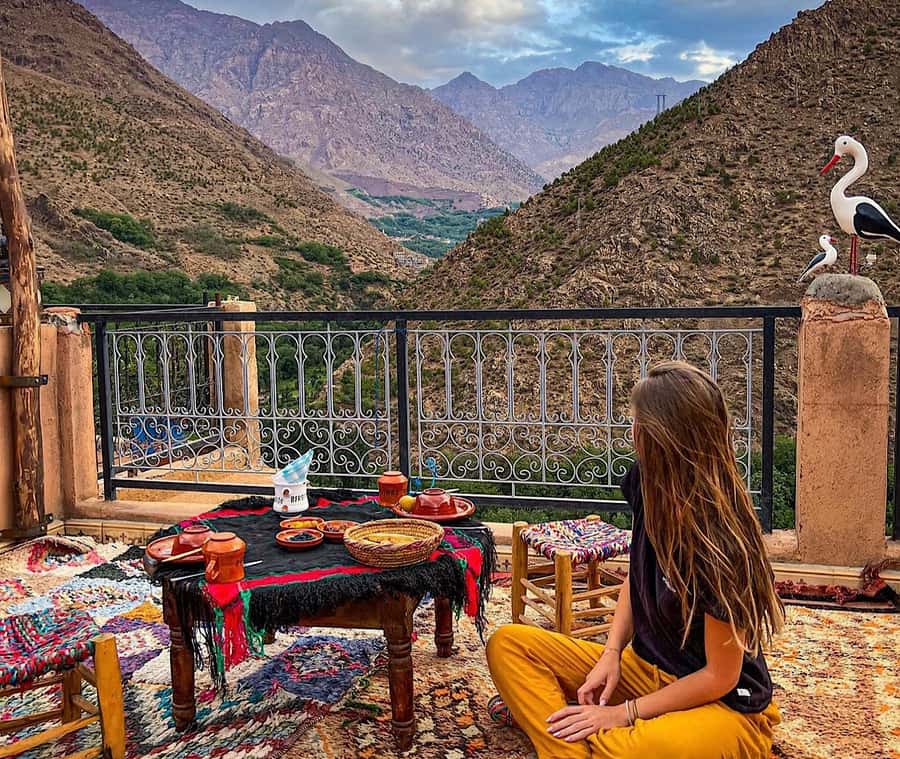
- Imlil Valley mint tea welcome right when you arrive, before you set off.
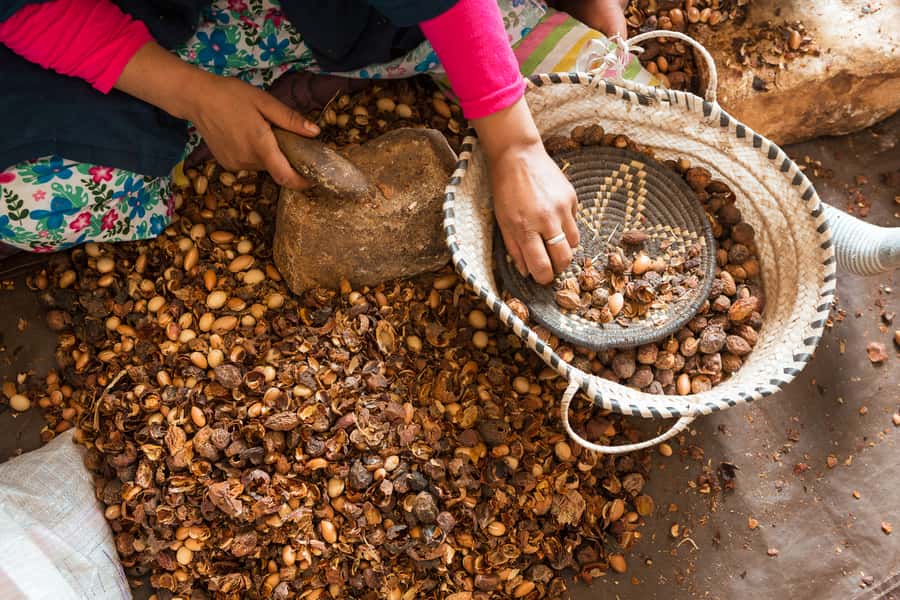
- Argan oil cooperative visit to see how women turn argan nuts into products Morocco is famous for.
- Waterfall-area walk and village hamlets with plenty of photo moments along the way.
- Camel ride through the gorges area for that classic Atlas experience.
- Traditional lunch in a Berber family guest house with a proper sit-down meal, not a roadside snack.
Escaping Marrakech for the High Atlas and Imlil Valley
This is the kind of day trip that does exactly what most Marrakech “escape” plans promise: you get out of the city fast, you’re surrounded by mountain air, and you return feeling like you actually saw Morocco beyond the Medina walls.
You start with a hotel pickup and a transfer into the High Atlas, then the trip builds from there—villages, viewpoints, and cultural stops—until you end with the camel ride in the Moulay Brahim gorges area. The pace feels intentional: enough time to enjoy the valley and food, but still structured so you hit the main experiences in one day.
Most importantly, the trip includes the small things that make Atlas days better: warm drinks (mint tea/coffee), a guide who explains what you’re seeing, and lunch served in a family setting in the Imlil area rather than on-the-go tourism.
A few more Marrakesh tours and experiences worth a look

Price and Value: what $17 really buys for an 8-hour day
At about $17 per person for an 8-hour day, you’re paying for real logistics: round-trip transportation from Marrakesh, an English-speaking guide, lunch, mint tea/coffee, and a camel ride. That’s the key. This isn’t just a bus ride with a single stop and a shrug.
Even the extra included cultural moments matter. You’re not only driving to the mountains—you’re visiting places like the Tahnaout stop, the Asni market area (on Saturdays), and an argan oil cooperative. You also get the Berber welcome in Imlil Valley with mint tea before the walk.
Is it cheap? Yes. But the value comes from how tightly they bundle the day: the meals and drinks, guided touring time, and the animal experience are all part of the package. If you’re the type of traveler who hates “pay extra for everything” tours, this one is refreshing.
Meet the Group, Pickup, and the long mountain transfer
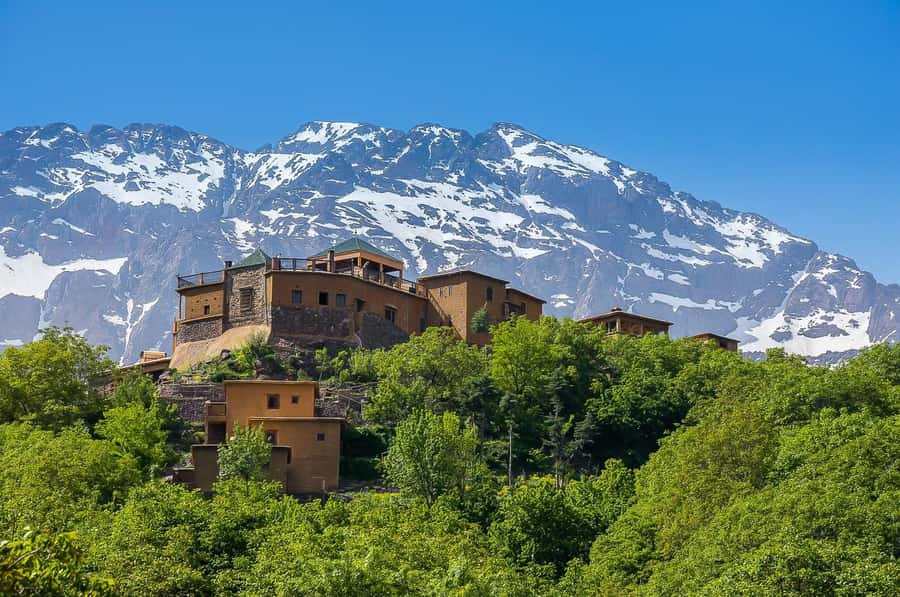
This tour runs with small-group sizes (limited to 14 participants), which is the difference between a guide who can answer questions and a guide who just counts heads. Pickup options are flexible across Marrakesh, and if you’re staying in a riad inside the Medina where a car can’t reach you, the team arranges a nearby meeting point.
Plan for the transfer time. The ride from Marrakech is long enough that you’ll want to settle in and enjoy the change of scenery. It’s not the part you’ll remember in a cinematic way, but it sets up the rest of the day—especially because the mountain areas you’re heading to need that early start.
A practical tip: keep your warm layer accessible. Morning in the valley can feel mild in the sun and chilly when you slow down for tea, photos, or short walks.
Tahnaout photo stop and Asni market time that depends on the day
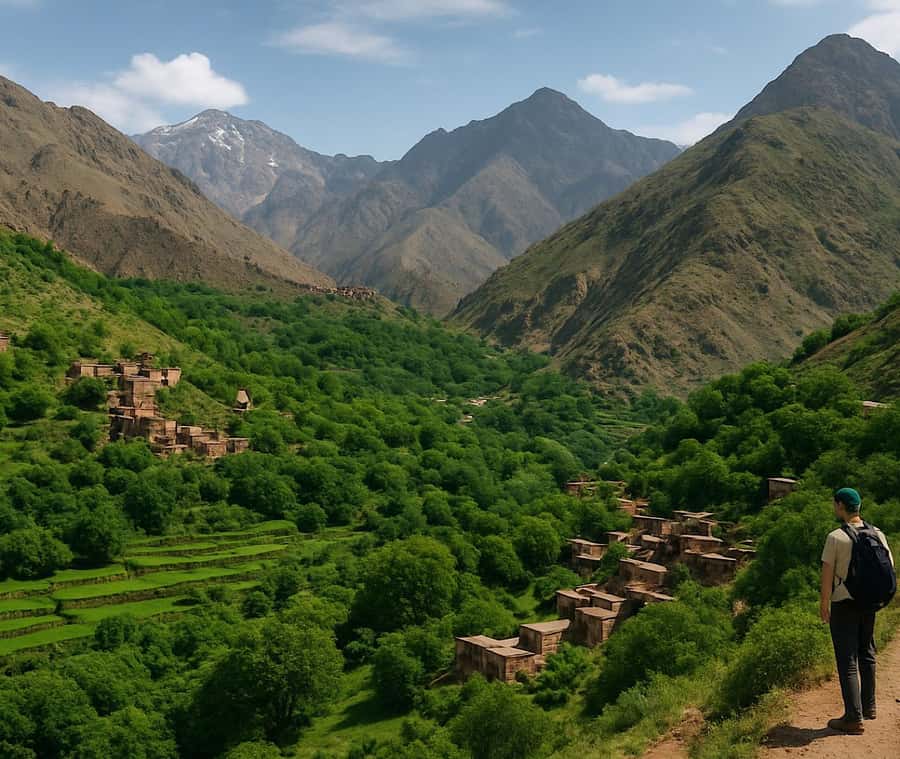
Along the way, you’ll pass through Tahnaout for a break with photo opportunities and a bit of free time. It’s short, but it’s a useful palate cleanser after the drive—think quick views, quick stretching, and a chance to pick up small snacks or do a casual look around.
Then comes Asni. The market component depends on the day of the week: on Saturdays, you can visit a traditional Berber souk and market area. If your trip lands on a Saturday, this adds a lively cultural layer. If it doesn’t, the stop still works as a transition point—more about movement into the valley than shopping.
Either way, this isn’t a forced “buy now” sprint. The best way to enjoy these stops is to treat them as moments to observe daily life, not as a primary shopping event.
Argan oil cooperative stop: why this is more than a sales pit stop
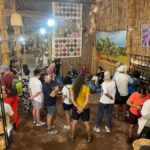
Morocco’s argan oil is famous for a reason, and this stop gives you the story behind it. You’ll stop at an argan oil cooperative, where you can learn how women of the cooperative turn argan nuts into argan oil-based products.
This is one of the more valuable parts of the day because it connects a product to the people and work behind it. You’re not just seeing oil in a shop; you’re learning the process and the community context.
Should you buy anything? Totally optional. The best mindset is to watch first, ask questions, and then decide. If you want to take something home, you’ll be shopping with actual context, not guessing based on packaging.


Imlil Valley mint tea welcome and guided Berber village walking
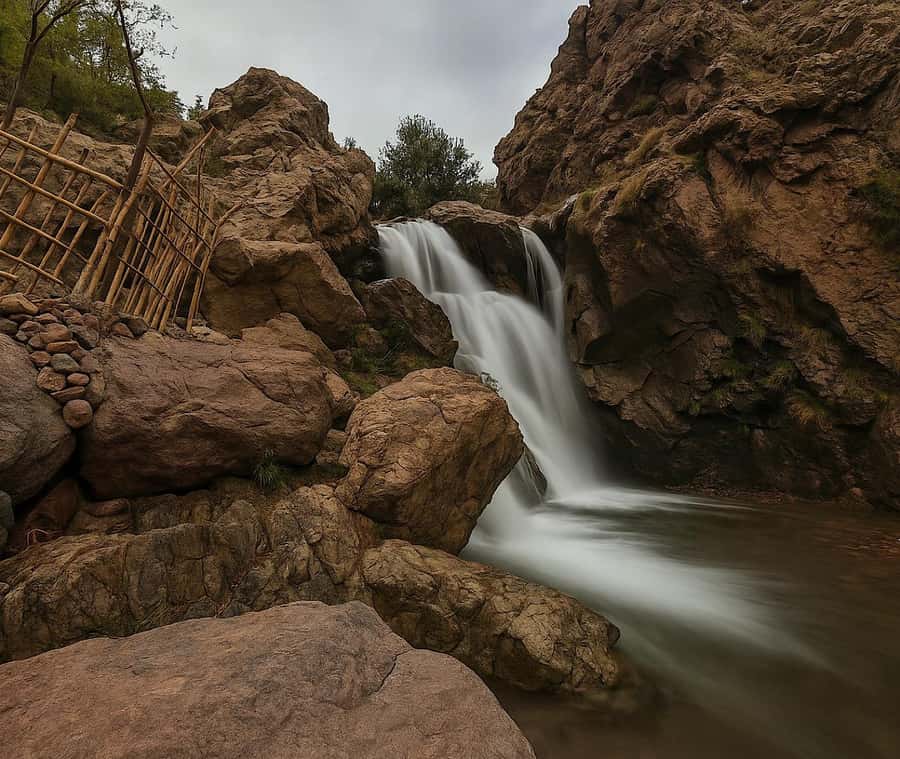
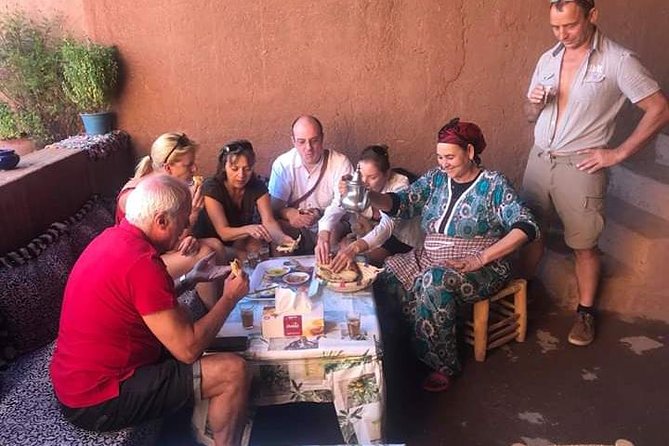
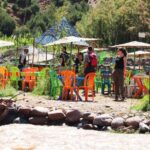
When you arrive in Imlil Valley, you get a welcome glass of mint tea—simple, but it makes a difference. It’s a reset after the drive and an easy way to start your day in the mountains rather than rushing straight into the hike.
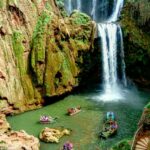
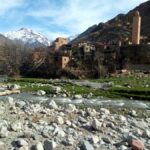
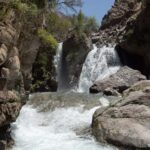
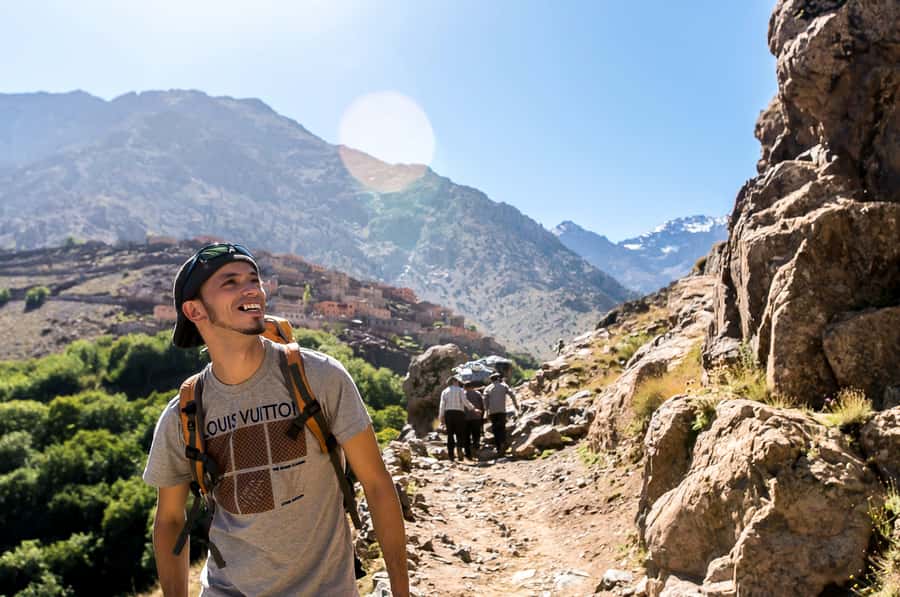
From there, you tour the local area with your guide and head toward the larger/highest village in the Imlil Valley. Along the route, you’ll pass through hamlets including Ait Mizan, Targa, and Imoula, and you may also encounter waterfalls depending on conditions and timing.
This part is where the day feels most authentic, because it’s village-centered rather than viewpoint-centered. You’re moving through real paths and real places where people live and work. Your guide points out things of interest and talks about Berber culture and heritage along the way, which turns the scenery and village layouts into something meaningful.
Two practical notes:
- Wear shoes with grip. Some paths can be uneven.
- If you’re sensitive to cold, bring an outer layer. Even in a sunny valley, temperatures can shift once you’re in shade or at higher points.
Tamatert viewpoints and ancient irrigated terraces for serious photo time
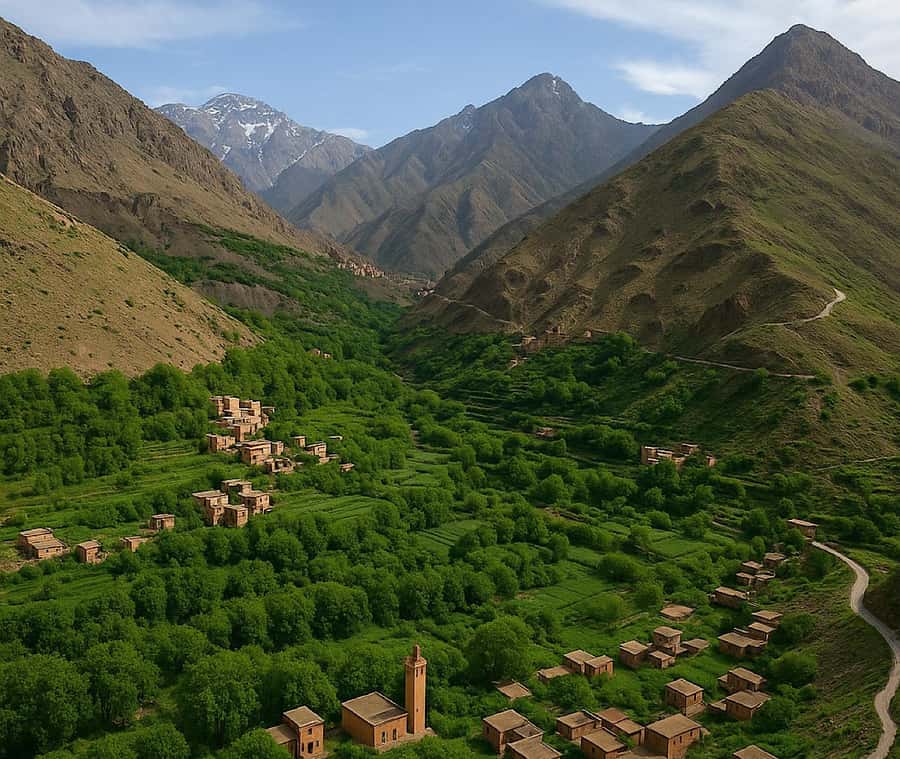
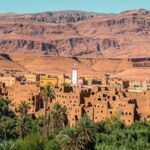
Next comes Tamatert, where you stop for views of ancient irrigated terraced fields. You’ll see crops like barley, corn, and vegetables, surrounded by cherry and walnut trees.
This is the moment where the Atlas stops looking like a dramatic day trip and starts looking like a working landscape—terraces aren’t decoration; they’re how communities farm in steep terrain. Even if you’re not a big photography person, you’ll likely want to stop a few times just to take in the geometry of the terraces and the way villages cling to the mountainside.
It’s also a nice breathing space in the middle of the day. You get a viewpoint without it turning into a long detour.
Ait Souka lunch with a Berber family and a proper sit-down break
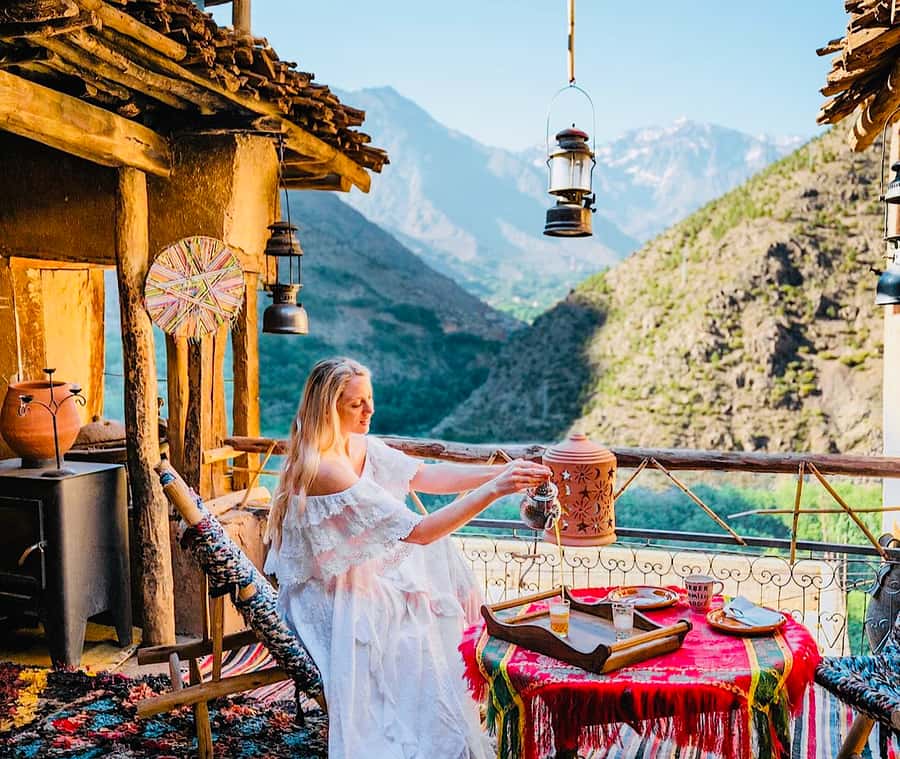
After the viewpoints, you travel through Ait Souka and then enjoy a traditional Moroccan lunch in a Berber family guest house.
This is one of the best included-value moves in the whole day. Many low-cost tours give you a meal that’s basically “whatever is available.” Here, lunch is built into the village experience, and you’re fed in a setting that feels connected to the area rather than staged for tourists.
The menu varies by household and season, but you can expect a classic Moroccan sit-down meal approach. In multiple experiences, people highlight tagine-style food and generous portions, and that matters because it makes the hike/camel ride section feel like part of a full day, not a rushed snack between stops.
If you have dietary needs or restrictions with walking, it’s worth contacting the operator ahead of time so they can plan alternative options.
Moulay Brahim Gorges camel ride: the fun part with the real views
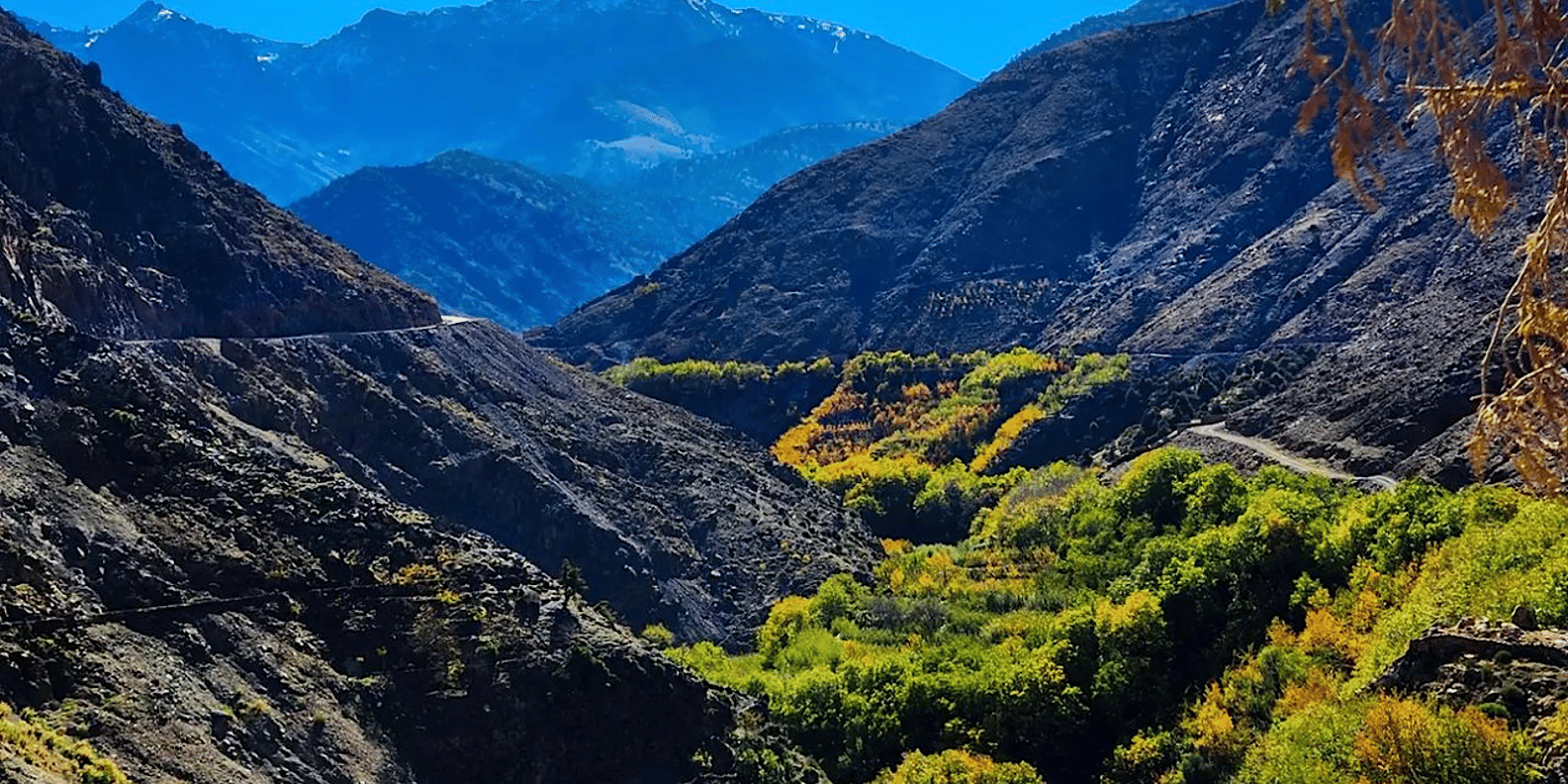
After lunch and rest, you head back down through the valley toward Taourirt to board your vehicle, then you pass through the Moulay Brahim gorges area before arriving at the main trailhead.
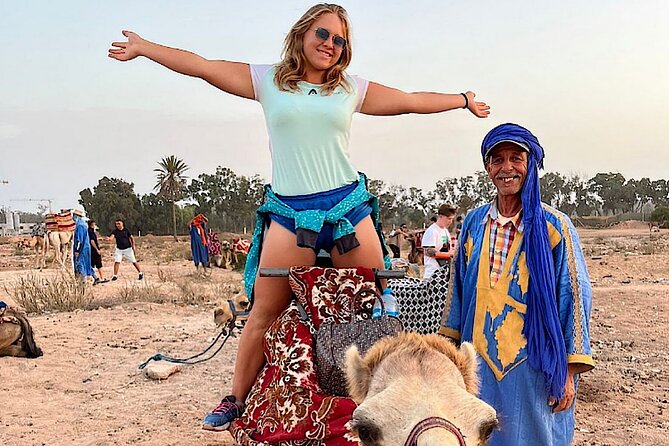
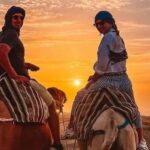
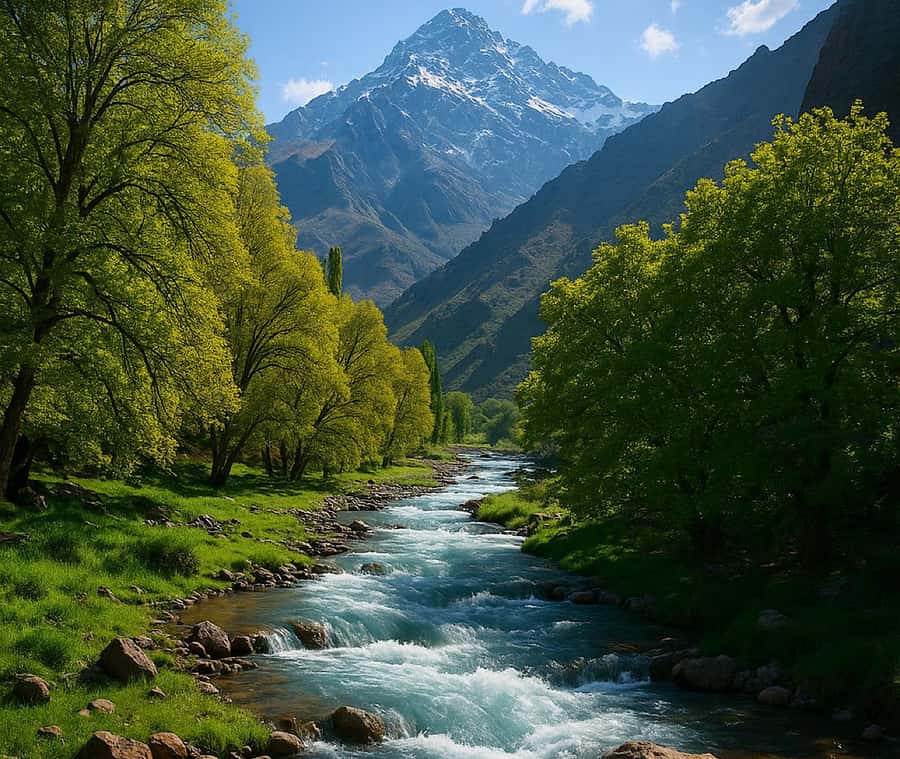
This is where the camel ride happens, through picturesque landscapes in the gorges area with streams and paths branching out. The camel ride tends to be short enough to be easy on a schedule, but long enough to feel like an experience, not a quick photo perch. People often describe it as gentle, and it’s timed as a highlight near the end so you’re not exhausted before you try it.
Two things to know going in:
- You’ll want to keep your balance and wear shoes you trust.
- If you’re expecting a “camel trek day,” you’re not getting that here. You’re getting a well-organized camel ride as part of a broader cultural and nature day.
What walking and timing feel like day-to-day
Even though this is marketed as a day trip, it’s still a full day outdoors. Expect a hike/walk in the Imlil area that’s described as enjoyable and manageable, but it still involves stepping along paths that can be rocky or uneven.
Several people emphasize wearing trainers or supportive shoes, and that’s exactly right. I’d treat this like a short mountain hike day, not a stroll through town.
Also consider the altitude and temperature swings. The High Atlas can feel cold when you stop for tea or move in shade. Warm clothing isn’t optional if you’re traveling in cooler months.
If you want an easy day, choose your shoes carefully and don’t pretend you’re on a flat sidewalk.
Mount Toubkal sighting: seeing the big peak without the summit pressure
A major highlight is the chance to see Mount Toubkal, listed at 13,671 feet (4,1 km) and the highest peak in North Africa. The key word here is see—not summit.
So if your dream is “stand on the roof of North Africa,” this is not that tour. But if your dream is to look up at Toubkal-like massiveness while you’re surrounded by valleys and village life, you’ll likely appreciate the way the peak frames the whole day.
This is one of those experiences where the scale of the mountains hits you even when you never hike to the summit.
Who should book this Marrakech Atlas day trip
This trip is a great fit if you want:
- Culture + mountains in one day, with tea and lunch included.
- A small group and a real guide who explains what you’re seeing.
- The classic Atlas combo: Imlil Valley, Berber hospitality, terraces, and camel riding.
It’s also a strong choice for first-time visitors who want a structured day that doesn’t require renting a car or figuring out mountain roads.
Who might want to skip it:
- If you’re pregnant, the tour is listed as not suitable.
- If you have walking restrictions, reach out first. The operator can help with alternatives, but the tour still includes walking portions.
Quick packing list for cool mornings and a long day
Bring:
- Warm clothing (Atlas mornings and shade can feel cold)
- Warm shoes with grip
- Sunglasses and a sun hat
- Sunscreen (sun can be strong even when it feels cool)
- A camera
Smart extras:
- A small bottle of water if you like to stay hydrated during walks
- If you’re the type who always needs them, tissues can be handy on the road
The goal is comfort without overpacking. You’re moving through villages, terraces, and a gorges area, not going from museum to museum.
Should you book From Marrakech: Atlas Mountains Day Trip with Camel Ride?
Yes—if you want a mountain day that’s structured, value-driven, and genuinely rooted in village life. The price-to-inclusions ratio is the standout: transport, guide, lunch, mint tea/coffee, and camel ride all bundled into one 8-hour plan.
I’d book it especially if:
- You like guided days where the story behind what you see is part of the experience
- You’re curious about Berber culture and want more than just a photo stop
- You want to see the Atlas without committing to a multi-day trek
I would think twice if you dislike scheduled itineraries or you’re looking for a quiet, minimal-stop hiking adventure. This is a full-day circuit. Busy is part of the deal.
If you’re happy with that trade, this is one of the best ways to get real Atlas flavor from Marrakesh—tea, villages, terraces, and camels included.
FAQ
How long is the Marrakech Atlas Mountains day trip?
The tour duration is 8 hours.
What does the price include?
It includes return transportation from Marrakech, an English-speaking guide, lunch, mint tea/coffee, and a camel ride.
Is this a small-group tour?
Yes. The group size is limited to 14 participants.
Where does the camel ride take place?
The camel ride happens in the Moulay Brahim gorges area at the main trailhead.
Is the tour suitable for pregnant women?
No, it is not suitable for pregnant women.
What kind of walking should I expect?
There is a walk/hike as part of the day in the Imlil area, plus walking through village paths. If you have dietary needs or restrictions with walking, contact the operator so they can plan alternatives.
What should I bring for the day?
Bring warm clothing, warm shoes, sunglasses, sun hat, camera, and sunscreen. The day involves outdoor time in the mountains.