REVIEW · MARRAKECH
Exclusive Marrakech Souk Shopping Tour
Book on Viator →Operated by Morocco Private Expert · Bookable on Viator
The souks can swallow your bearings fast. This 3.5-hour private shopping walk in Marrakech puts you on a smart route through the medina, with certified local guidance and haggling support so you shop with confidence instead of guessing. I like how the stops are practical and product-focused, from Moroccan spices and argan oil to women’s rug cooperatives and artisan workshops. One thing to consider: you’ll be walking through dense lanes, so wear comfy shoes and plan around good weather.
You can also choose your start time and how you get there, then meet back near Café de France at the end. If you want a souk experience that feels planned rather than chaotic, this tour is built for you, especially if you’re trying to buy with a clear list and a fair price in mind.
In This Review
- Key highlights at a glance
- Why a Marrakech souk tour beats wandering alone
- Meeting near Café de France: starting in the right pocket of the medina
- Stop 1 at Jemaa el-Fnaa: spices, argan oil, and women’s rugs
- Stop 2 in the Medina: the spice souk route that saves you hours
- Stop 3 at Rahba Kedima Square: real public life and mint tea with a view
- Stop 4 in Souk Semmarine: artisan workshops for metal, tiles, and wood
- Price and value: what $50 buys you in Marrakech
- What to buy on this tour (and what to think about first)
- Practical tips that make the tour feel easy
- Should you book this Marrakech souk shopping tour?
- FAQ
- How long is the Marrakech souk shopping tour?
- How much does the tour cost?
- Where does the tour start and end?
- Is this tour private or shared?
- What is included in the price?
- Is lunch included?
- Do I need to buy admission tickets for the stops?
- Can I choose the start time?
- What happens if the weather is bad?
- How far in advance can I cancel for a full refund?
Key highlights at a glance

- Private guide, no navigation headaches through Marrakech’s maze-like medina
- Spice souk focus first, so you learn products before you shop
- Women’s cooperative stop to see handmade rugs made by local artisans
- Haggling help at the counter, not just “good luck in the market”
- Workshops in Souk Semmarine for metal work, tiles, and wood crafts
- Mint tea break with a view after you’ve built up your shopping confidence
Why a Marrakech souk tour beats wandering alone
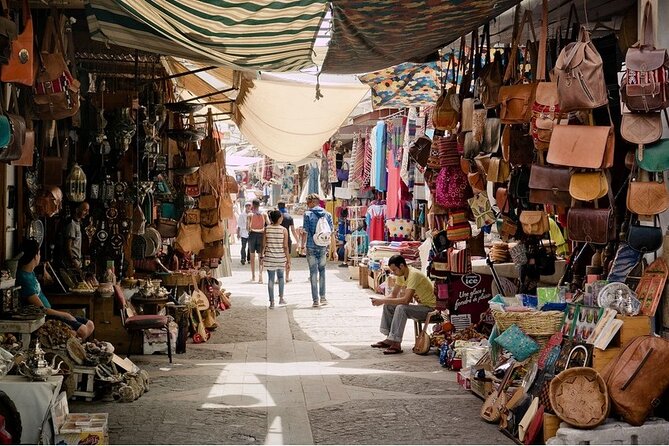
Marrakech’s souks are famous for a reason, but that same reputation can work against you. The medina is a pattern of narrow streets, crowded stall clusters, and quick sales pitches. If you go without a plan, you end up doing two things: walking in circles and buying at full “tourist-speed” prices.
This tour solves the main problem: it gives you a route plus a translator for the market. Your guide walks with you through different areas, points out what’s worth noticing, and helps you do the shopping part—especially the parts that feel awkward when you’re by yourself.
I also like that the shopping support isn’t only about carrying you from stall to stall. You get product context first (spices, herbs, argan oil, and crafts), then you shift into buying and negotiating while you still have that context in your head.
A final value point: at $50 per person for about 3 hours 30 minutes, you’re paying for time, local expertise, and a smoother shopping process. If you’re serious about getting rugs, leather goods, or jewelry, that hour you save and the prices you avoid can easily make the cost feel “fair.”
You can also read our reviews of more shopping tours in Marrakech
Meeting near Café de France: starting in the right pocket of the medina
The tour starts at Café de France, 72 Rue des Banques, Marrakech 40000, and ends back at that meeting point. The shopping journey begins in the Jemaa el-Fnaa area, so you’re close to the main medina pulse right away.
Why I think this matters: Jemaa el-Fnaa is a big, noisy hub. When you start there with a guide, it’s less about trying to figure out where to go first and more about getting set up fast—spices, herbs, and cosmetics early on; then deeper into the medina.
Also, you’re not stuck with a one-size schedule. You can choose your start time, and the tour offers flexibility on transport method, which helps a lot in Marrakech where timing can make or break comfort.
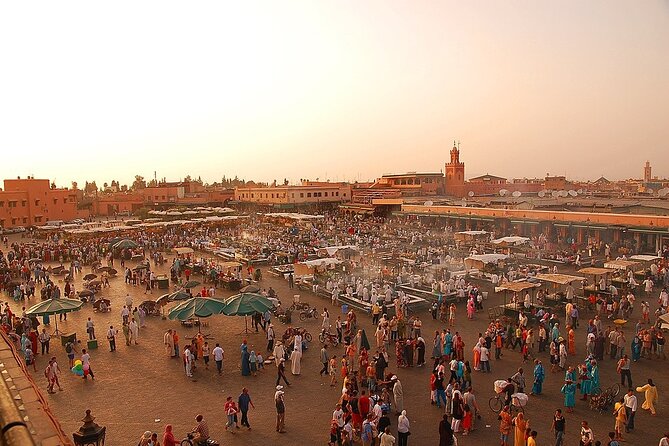
Stop 1 at Jemaa el-Fnaa: spices, argan oil, and women’s rugs
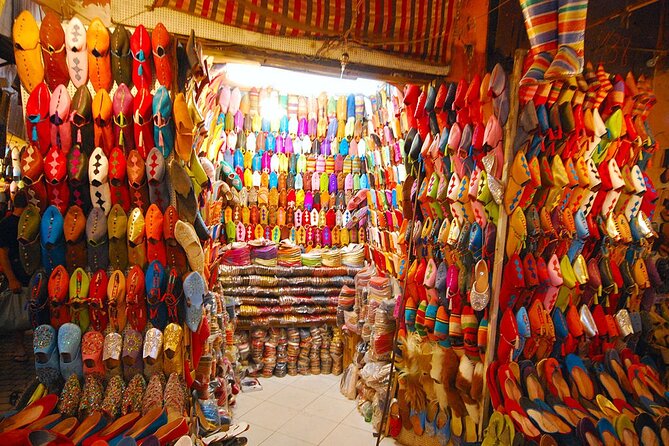
Your first chunk of time runs through the Jemaa el-Fnaa area, where your guide helps you interpret what you see instead of letting everything blur together. You’re first introduced to Moroccan spices and herbs, plus popular cosmetics like argan oil.
This first stop is smart for your budget. If you understand what you’re looking at—what’s commonly used, what names mean, and what you’re paying for—you can haggle with more control later. You’re not starting from zero when the prices start flying.
Then you wander stalls with your guide and make a specific move many visitors miss: you visit a local cooperative of women that features handmade rugs from tribal traditions. It’s a strong moment because you’re not just buying an item—you’re seeing the kind of handmade work the item comes from.
What to watch for here: handmade rugs take time to make, and that reality often shows up in how you’re offered prices. Your guide can help you ask questions and compare what’s in front of you, which reduces the risk of paying for a story you didn’t verify.
This stop also includes time in an artisans section (the description is cut short, but the intent is clear: you’ll see craftsmanship up close). If your shopping list includes textiles, this is where your eyes get trained.
Stop 2 in the Medina: the spice souk route that saves you hours
Next you head into the Medina of Marrakesh for about one hour, with a focus that starts again at the spice souk. This is where the tour shifts from introductions to a guided shopping path you’d struggle to find on your own.
Your guide has always lived in Marrakech, and that matters in a place like this. It means you’re following a route that connects different souk pockets, instead of walking randomly until you stumble into the right street. You also get support for comfort and safety while you move through the crowded lanes.
This stop is also where scent becomes information. You’ll take in the smells, learn about herbs and spices, and then use that knowledge as you shop. That’s a big deal for anyone buying for cooking or for gifts. It’s also useful if you want to avoid generic “everything is the same” explanations.
A quiet win: your guide helps you shop without pushing you into sales. In the same spirit, people highlight that you don’t feel pressured to buy in every store you enter. That calm pace helps your decision-making. You can compare options instead of reacting to the first pitch.
If you’re the type who prefers a clear list, this is a good place to pull it out mentally. The guide can point you toward the right stall styles and steer you toward quality signals—without turning shopping into a full-time job.
Stop 3 at Rahba Kedima Square: real public life and mint tea with a view
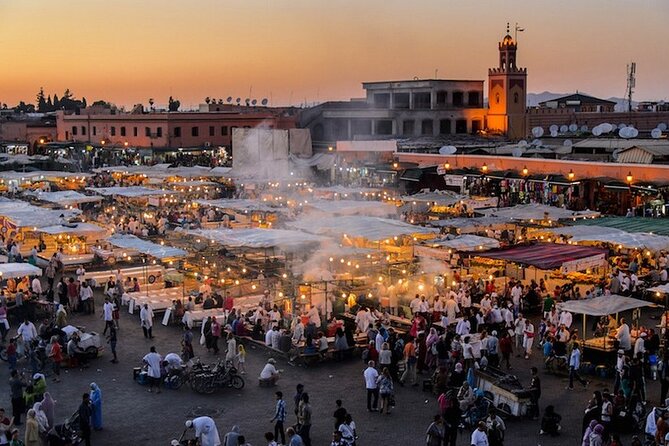
After the spice-focused leg, you move to Rahba Kedima Square for about one hour. This stop is designed to show daily life, not just retail. You’ll walk narrow avenues and see parts of the neighborhood’s public rhythm, including a public oven.
Why that’s valuable: it gives context to the souk economy. You’re not just shopping; you’re watching how people live around the market. That makes your purchases feel more grounded, especially for food-related items and everyday craft goods.
Then it’s time for the haggling part. Your guide helps you haggle over prices in the souks, which is exactly what most visitors struggle with—mainly because negotiation is a whole conversation, not a single line of back-and-forth.
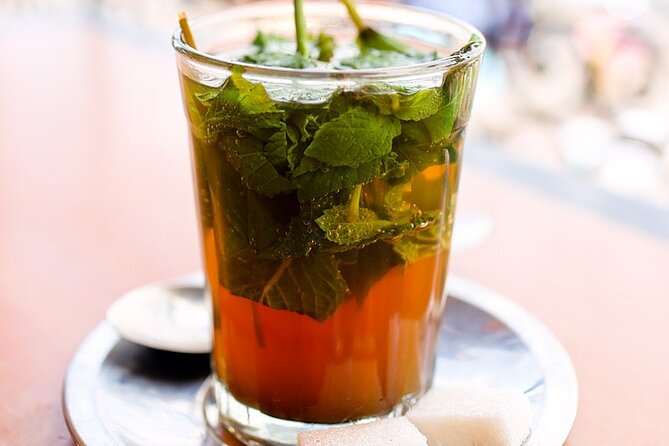
The stop ends with a treat: Moroccan mint tea on a rooftop with a nice view. I like this as a reset. After walking in tight lanes and dealing with sensory overload, sitting with tea helps you think clearly before your final shopping zone.
Practical note: a rooftop break is also a moment to check your plan. Decide what you’ll buy in Souk Semmarine versus what you’ll save for later, and make sure your budget doesn’t creep upward after you feel tired.


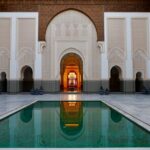


Stop 4 in Souk Semmarine: artisan workshops for metal, tiles, and wood
The final leg is Souk Semmarine for about one hour, aimed at crafts and workshop-style shopping. Your guide brings you through confusing souks and leads you to handicraft workshops in the artisan sections.
The craft styles mentioned are specific: metal work, tiles, and wood work. That focus helps if you’re shopping for gifts that feel local rather than generic souvenirs. It also helps if you want to ask better questions, like what material it’s made from and what finishing process you’re looking at.
This is also a good zone for comparison. In a workshop setting, you can often see details more clearly—patterns, workmanship, and how items are produced. Even if you don’t get a full technical explanation, your guide can translate what matters in the buying decision.
If you’re shopping for decorative pieces, this is where you’ll feel the most difference between mass-produced items and pieces made with more care. Your guide can help you spot those differences and negotiate in a way that feels respectful rather than combative.
Price and value: what $50 buys you in Marrakech
At $50 per person for roughly 3.5 hours, you’re paying for four things:
First, you’re buying time. A guided route helps you avoid wasted walking and reduces the risk of turning a “quick look” into a lost afternoon.
Second, you’re buying interpretation. Spices, argan oil products, rugs, and craft items are easier to evaluate when someone explains what you’re seeing and why it matters.
Third, you’re buying negotiation support. Haggling is part language, part culture, and part confidence. Your guide steps in so you’re not standing there trying to guess the right tone.
Fourth, you’re buying comfort. You get assistance walking through ancient souks with an emphasis on comfort and safety.
Added value: the tour includes coffee and/or tea, and at least one mint tea stop is built into the itinerary. Also, the tour notes admission tickets as free for the stops, which keeps the cost clean.
A small planning consideration: if you’re trying to do serious buying for a household, you’ll want a list and a spending ceiling before you start. Otherwise, the guided flow can make it easy to get swept up as new items catch your eye.
What to buy on this tour (and what to think about first)
This shopping tour is best matched to people who want a mix of categories and are open to guided discovery. Based on the route, the strongest areas are:
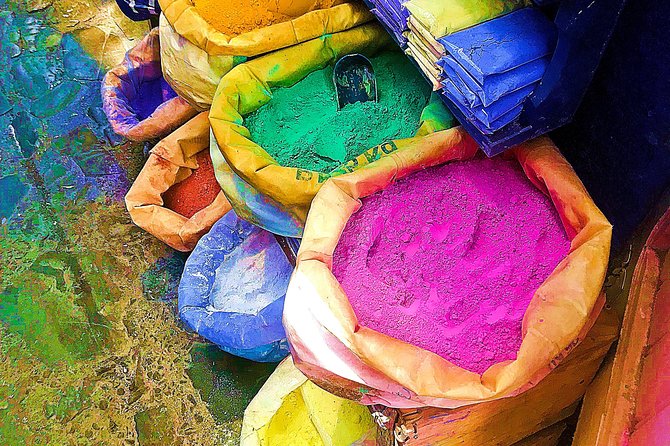
- Spices, herbs, and cosmetic products like argan oil
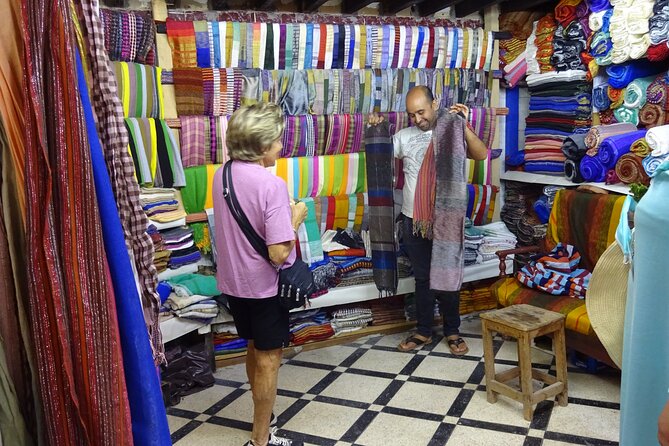
- Textiles, especially rugs shown through a women’s cooperative stop
- Jewelry and leather goods (shopping support is specifically part of the experience)
- Craft items from Souk Semmarine such as metal work, tiles, and wood pieces
Before you buy, think about two things.
One: do you want authenticity or just charm? Rugs and crafts often have different quality tiers. If you want pieces that hold up over time or feel meaningful, ask questions and compare options at more than one stall.
Two: do you know how you’ll carry it? Souk items can be heavy or fragile. You’ll have to plan for transporting purchases back after your tour. If you’re unsure, consider starting with smaller items like spices and argan-related products, then finishing with heavier crafts on the last stop so you can decide what you truly want.
If your goal is to return with a few great finds rather than a full shopping haul, this tour is a nice fit. It’s structured enough to keep you from overspending, but flexible enough that your guide can adapt to your interests.
Practical tips that make the tour feel easy
A souk tour works when your body feels good. Here’s how to show up ready:
Wear comfortable shoes with grip. You’ll be walking through narrow lanes and market spaces, and a lot of the path is uneven or crowded.
Bring small cash and be ready to negotiate calmly. Your guide will help with the back-and-forth, but you still want to be prepared to pay and keep track of prices.
Keep a simple shopping list. Even a short list helps the guide steer you quickly. One of the guide-supported shopping stories highlights how a list approach made it easier to focus on rugs, leather goods, and jewelry.
Plan for sensory intensity. Spices smell strong, stalls are close together, and it can get loud around Jemaa el-Fnaa. Use your rooftop mint tea break as a checkpoint and reset.
Should you book this Marrakech souk shopping tour?
Book it if you want structured shopping help in Marrakech’s medina. This is for you if you’re shopping for rugs, spices, argan oil/cosmetics, or craft items and you’d rather spend your effort comparing quality than trying to navigate alone.
Skip it if your goal is only to browse casually for an hour or two, with no interest in haggling or buying. The tour is designed to guide you from stop to stop with shopping decisions in mind.
One more deciding factor: it’s priced so you can treat it as a practical service. If you buy even one or two items with better pricing and fewer mistakes, it can feel like a smart use of your time—especially if you’re on a short stay in Marrakech.
If you do book, I’d suggest arriving with a budget and at least a rough target list. Then let your guide do the real work: route planning, product explanation, and negotiation.
FAQ
How long is the Marrakech souk shopping tour?
The tour lasts about 3 hours 30 minutes.
How much does the tour cost?
It costs $50.00 per person.
Where does the tour start and end?
It starts at Café de France, 72 Rue des Banques, Marrakech 40000, Morocco, and ends back at the same meeting point.
Is this tour private or shared?
This is a private tour/activity, and only your group participates.
What is included in the price?
It includes a walking tour and a certified tour guide, plus coffee and/or tea.
Is lunch included?
No, lunch is not included.
Do I need to buy admission tickets for the stops?
Admission tickets are listed as free for the stops mentioned.
Can I choose the start time?
Yes, you can select a start time, and you can also choose a transport method to suit you.
What happens if the weather is bad?
The tour requires good weather. If it’s canceled due to poor weather, you’ll be offered a different date or a full refund.
How far in advance can I cancel for a full refund?
You can cancel up to 24 hours in advance for a full refund.