REVIEW · MARRAKECH
Day trip from Marrakech to atlas mountains & Berber village hike
Book on Viator →Operated by Hiking in Morocco - Day Tours · Bookable on Viator
Atlas mountains steal your morning.
From Jemaa el-Fna, you head up into the High Atlas around Imlil for a village hike, waterfall stops, and Berber culture you can actually see with your own eyes.
Two things I really like: the stop at an argan oil co-operative (where you learn how the work turns argan nuts into Morocco’s famous oil and products), and the pacing with a real guide named Ibrahim, who points out details while you walk.
One thing to consider: the hiking is short but not flat, and mountain weather can be moody. If the sky turns grim, dress for cold and damp.
In This Review
- Key Highlights I’d Put on Your Radar
- From Jemaa el-Fna to Imlil: Why the Morning Drive Matters
- The Argan Oil Co-operative Stop: More Than a Photo Stop
- Asni Souk Timing: A Berber Market Only When It’s Open
- The Waterfall and Hamlet Walk Near Imlil: Short Hike, Real Mountain Feeling
- Practical hiking tip
- Imlil Valley and Ait Souka: Viewpoints, Village Steps, Then Lunch at a Home
- What about the camel ride?
- How the Guide Shapes the Day (Ibrahim’s Role)
- Price and Value: What $34.99 Really Buys You
- Timing, Groups, and the Weather Factor You Should Plan For
- Who This Day Trip Is Best For
- Should You Book This Marrakech-to-Atlas Day Trip?
- FAQ
- What time does the day trip start and end?
- Where do we meet in Marrakech?
- Is pickup offered, or do I need to go to the meeting point myself?
- How long is the hiking portion?
- Do we stop at the argan oil co-operative and can we ride a camel?
- Can I get a refund if plans change?
Key Highlights I’d Put on Your Radar
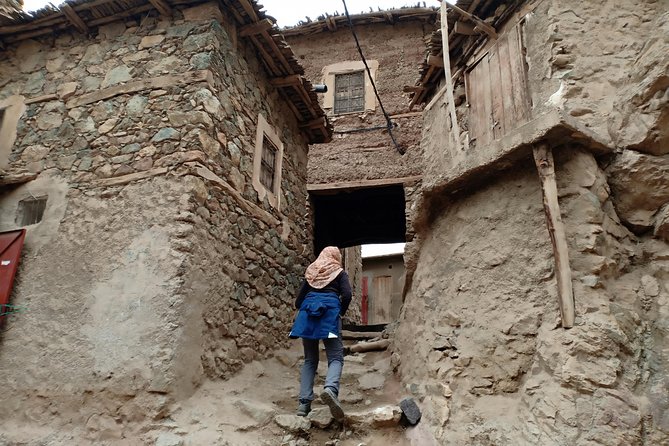
- Argan co-operative visit: watch the process behind argan oil and its products.
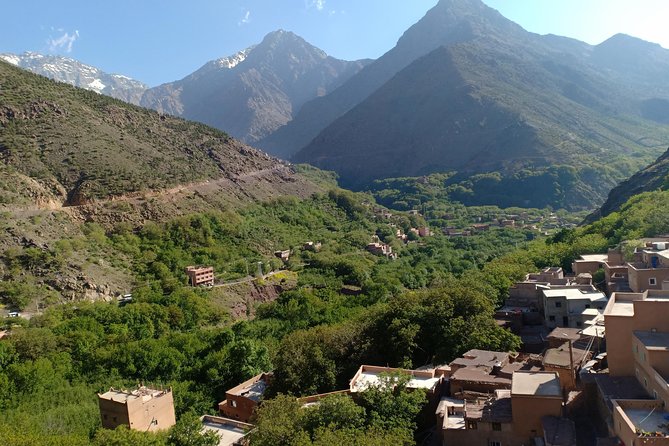
- Imlil views on the way: ancient irrigated terrace fields with barley and corn, plus cherry and walnut trees.
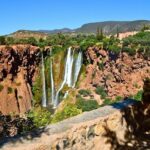
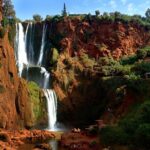
- Waterfalls and hamlets on foot: a 1 to 3 hour walk to waterfalls and village stops.
- Saturday souk option in Asni: a traditional Berber market visit when it lines up.
- Traditional meal in a Berber house: eat in a local home setting, not a restaurant.
- Camel ride opportunity: optional, if you want the classic Atlas experience.
From Jemaa el-Fna to Imlil: Why the Morning Drive Matters
This is a proper day trip, not a quick drive-by. You start around 9:00 am from Jemaa el-Fna, and the ride steadily climbs from city energy into Atlas valley rhythm. That matters because the mountain day feels less rushed when the scenery changes in slow steps.
The return timing also helps your planning. You’re back around 5:00 pm, which means you can still enjoy Marrakech dinner plans without losing your whole evening to transit. Most of the day is outdoors, but the day isn’t all hiking—you get time built in for viewpoints, village walking, and a real sit-down meal.
The transport is described as an air-conditioned vehicle, which is a big deal in Morocco when temperatures swing. If you’re sensitive to heat, that comfort on the outbound and inbound legs makes the day more enjoyable.
You can also read our reviews of more hiking tours in Marrakech


The Argan Oil Co-operative Stop: More Than a Photo Stop
The argan co-operative stop is one of the best reasons to choose this trip. You pass through a Berber village where you can visit the co-operative and see how the work happens—how the women’s effort turns argan nuts into oil and many argan oil-based products.
I like this part because it’s practical. You’re not just told something and moved along. You can watch how a local industry fits into daily life, and you’ll get context for why argan oil is so tied to the region’s identity.
Expect a short educational visit, and in cold or rainy conditions, this is also a nice indoor pause before you head back outside. If you’re the kind of person who likes to understand what you’re buying (and why it costs what it costs), this is the stop that gives you that baseline.
Asni Souk Timing: A Berber Market Only When It’s Open
You’ll continue through Asni, and there’s a useful detail here: on Saturdays, you can visit a traditional Berber souk and market.
This means your experience can vary depending on your travel day. If you’re traveling on a Saturday, that’s your chance to see market life without the usual tourist-flavored feel. If you’re not there on Saturday, don’t worry—you still get the mountain walking and village time—but the market portion won’t be the same.
Either way, it’s worth being a little flexible with expectations. Markets are where you learn the pace of a place fast: people, bargaining, produce, and the rhythm of small transactions.
The Waterfall and Hamlet Walk Near Imlil: Short Hike, Real Mountain Feeling
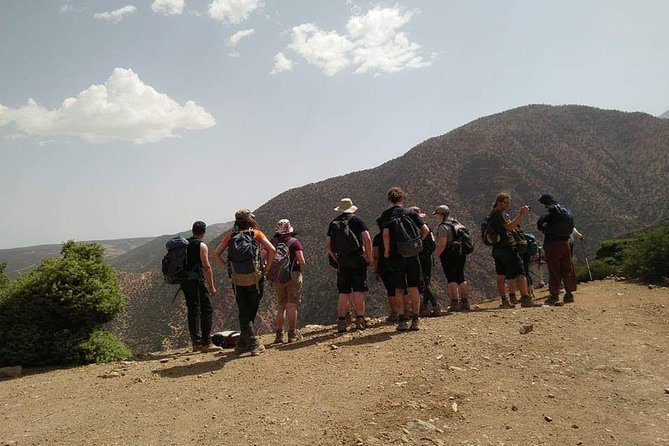
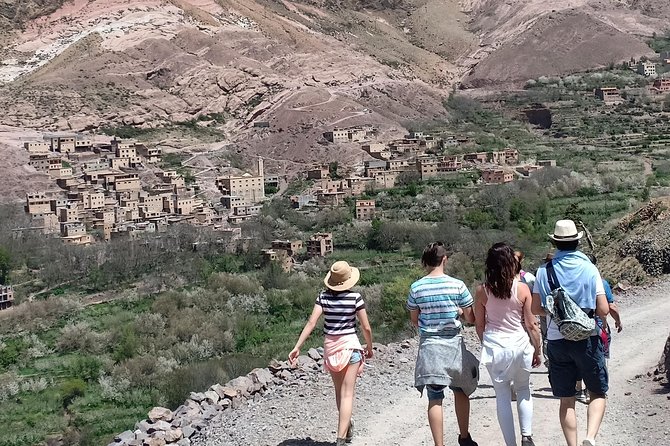
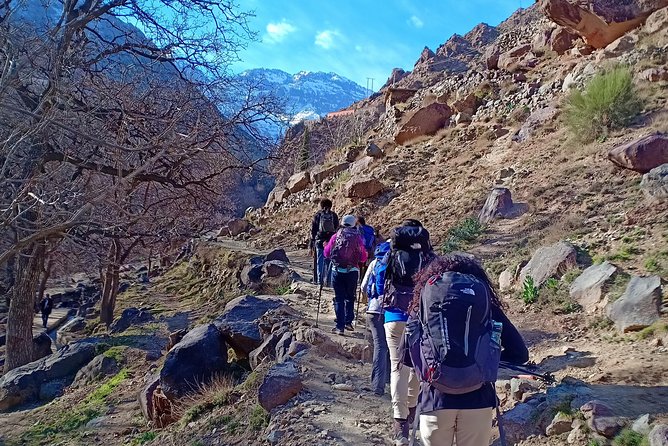
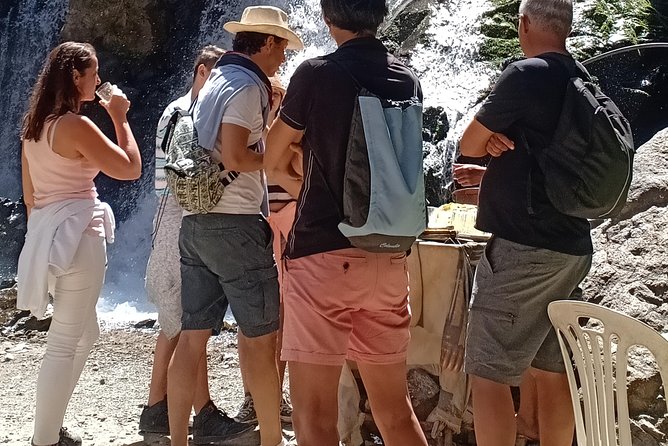
The walking portion is described as 1 to 3 hours, and it’s aimed at waterfalls plus village hamlets, including stops around places like Ait Mizan. That range is helpful. It gives you a sense of what to expect: you’ll get the mountain legs working, but it won’t be a full-day endurance trek.
What I like about this setup is that you can enjoy the trail experience without needing training. The guide also talks about Berber culture and heritage along the way, so the hike feels like it has a purpose beyond scenery.
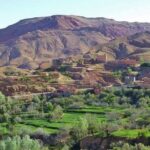
On the route, there’s time to take in the views of ancient irrigated terrace fields—barley and corn—with cherry and walnut trees around them. Those terraces aren’t just pretty. They show how people manage water on steep terrain, year after year. When you see it from the right angle, you start to understand the mountains as a lived landscape, not just a backdrop.
Practical hiking tip
Wear shoes you trust on uneven ground. Even when the hike is “only” a few hours, Atlas village trails can be rocky, muddy, and slippery after damp weather. If you’re going in a season when mornings are cold, bring a layer you can shed later.
A few more Marrakech tours and experiences worth a look



Imlil Valley and Ait Souka: Viewpoints, Village Steps, Then Lunch at a Home
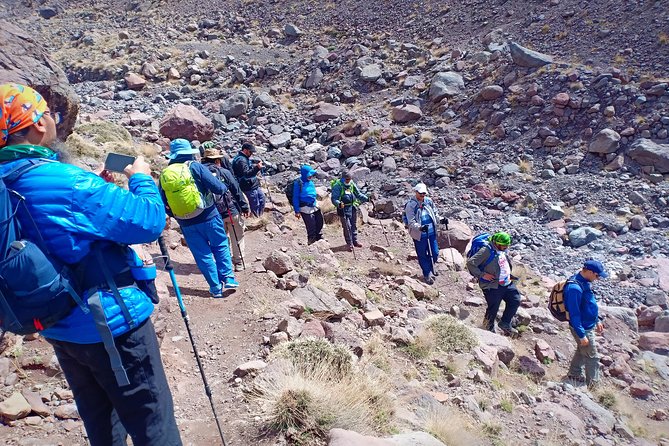
Imlil is the hub vibe for this day. You’ll stop there, and you’ll get that classic Atlas look over terraces and village clusters tucked into the valley. Even if you’re not hiking the entire time, these stops keep the day from becoming one long bus ride.
Later, you go down through the village of Ait Souka. Then comes one of the most valuable parts of the itinerary: a traditional meal in a Berber house. This is where the day shifts from sightseeing to human scale. Instead of ordering from a menu, you sit in a home setting and share the meal in the way the hosts choose.
From the way meals are described on this kind of trip, you can expect flavors typical of Moroccan home cooking—often tagine or couscous style dishes—paired with local tea. The point isn’t what’s on the plate as much as the setting: you’re eating with the valley, not above it.
What about the camel ride?
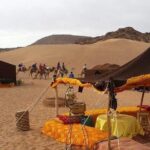
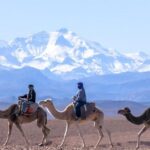
You’ll have the opportunity to ride a camel afterward. It’s not forced in the way some tourist outings feel. Think of it as a chance to add a classic Atlas moment if you’re curious, and skip it if you’d rather keep your time for the walk and views.
How the Guide Shapes the Day (Ibrahim’s Role)
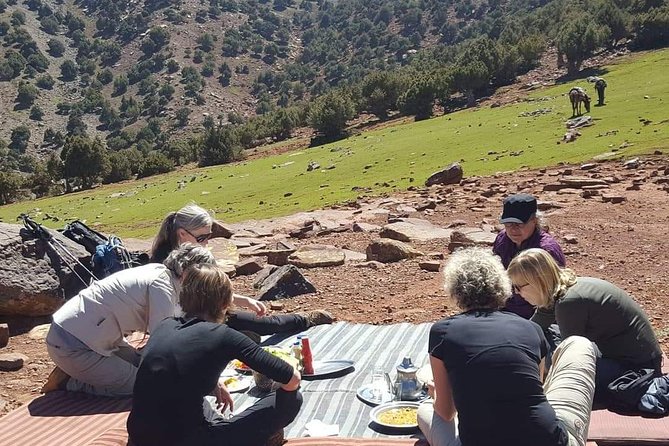
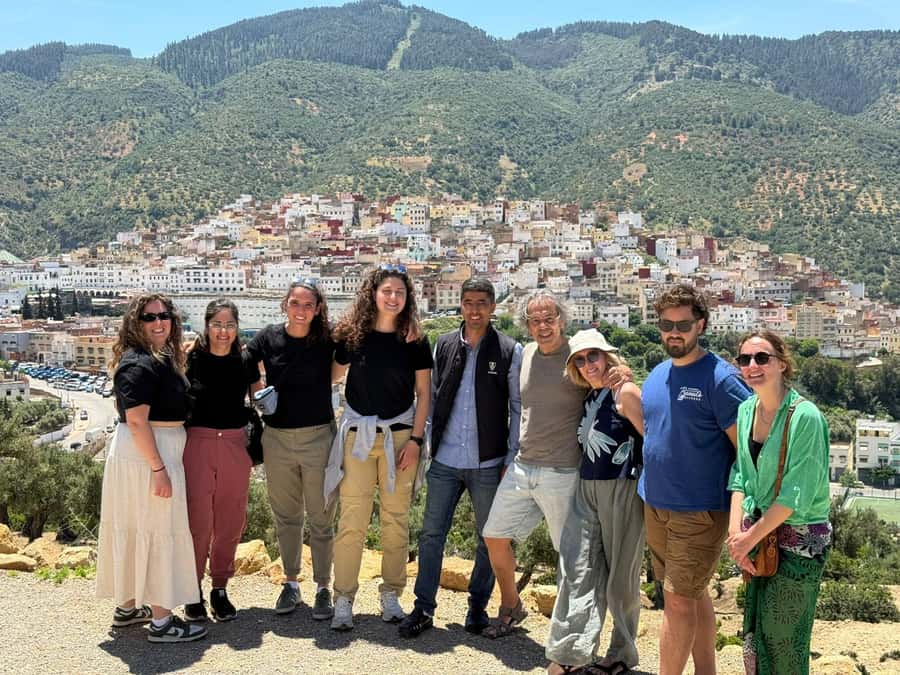
A big theme in the feedback is the guide experience, especially with Ibrahim. He’s described as professional, welcoming, and very engaged with the walk—one part escort, one part teacher.
That matters because this trip relies on more than movement. You’re visiting villages, co-operatives, and home settings. Without a guide to point out what you’re seeing, you can miss the meaning. With Ibrahim, the commentary helps connect the dots: why terraces look the way they do, what daily Berber culture feels like, and how the villages are organized around water and family life.
The best part is how the day stays flexible. If you want more walking, you can often take it. If you want easier paths, it’s described as the kind of hike where your comfort level gets respected.
Price and Value: What $34.99 Really Buys You
At $34.99 per person, this is priced like an affordable day trip, not a luxury private tour. What you’re really paying for is transportation from Marrakech, a guided walk, and the main “experience parts” that would be hard to stitch together on your own: coordinated village stops, a co-operative visit, a structured hike, and a traditional meal.
Is it a bargain? For many budgets, yes—especially considering the meal and guide time. But there are small caveats. Admission tickets aren’t included, so if you’re hoping every last cost is covered, you may want to confirm what, if anything, you’ll pay on the ground.
Also, with a maximum group size listed at 100, the day may feel more or less crowded depending on how many people actually show up. In practice, you’ll still get personal attention during the walk, but you might not have a completely private feel at every stop.
Timing, Groups, and the Weather Factor You Should Plan For
This tour runs about 8 hours. That’s long enough to feel like a real break from Marrakech, but short enough that you don’t lose the whole day.
A thing to plan for: mountain weather. One write-up mentions weather being pretty grim, and mountain conditions can shift quickly—especially at higher elevations. If you’re traveling in a cooler season, bring a warm layer even if Marrakech feels mild in the morning.
Also, because you’re packing in several parts—valley viewpoints, co-operative visit, village walk, a home meal—your day works best if you move with the schedule and don’t try to “opt out” mentally. Come for the walking and learning, and the day clicks.
Who This Day Trip Is Best For
This tour is a strong match for:
- People who want a High Atlas taste without committing to multi-day trekking.
- Travelers who like cultural stops that explain real work, like the argan co-operative.
- First-time hikers who want a manageable 1 to 3 hour walk with guidance.
- Anyone spending a short time in Marrakech and wanting countryside value with a fixed return time.
If you’re chasing a completely effortless day, you might find the walking portion more than you want. But if you’re okay with a short trek and want the payoff of waterfalls and village views, it’s well suited.
Should You Book This Marrakech-to-Atlas Day Trip?
Yes, I’d book it if you want your Marrakech day to feel like a real change of scenery and pace. The mix is solid: co-operative learning, Imlil terraces, village walking toward waterfalls, a traditional home meal in Ait Souka, and optional camel time. That’s a lot of Morocco packed into one day without turning into a frantic checklist.
I’d think twice if you hate uneven footing, dislike cold or damp weather, or need a very quiet, private experience at every stop. Also, if you’re sensitive to group dynamics, the listed maximum group size of 100 is worth keeping in mind.
If your goal is a meaningful Atlas day with a friendly guide and a structured route, this one is a good fit.
FAQ
What time does the day trip start and end?
It starts at 9:00 am and you return to the meeting point around 5:00 pm.
Where do we meet in Marrakech?
The meeting point is Jemaa el-Fna, Marrakech 40000, Morocco.
Is pickup offered, or do I need to go to the meeting point myself?
Pickup is offered. The activity also lists Jemaa el-Fna as the start and end point.
How long is the hiking portion?
You’ll hike for about 1 to 3 hours to reach waterfalls and hamlets.
Do we stop at the argan oil co-operative and can we ride a camel?
Yes. You can stop at an argan oil co-operative to learn how argan nuts are turned into oil and products, and you also have the opportunity to ride a camel.
Can I get a refund if plans change?
Yes. You can cancel up to 24 hours in advance for a full refund, and within 24 hours there’s no refund.
If you tell me your travel month and fitness level, I can suggest what to pack (layers, shoes) and whether you’re likely to feel comfortable on the hike.