REVIEW · MARRAKECH
Group 3-Day Marrakech to Merzouga Desert Tour
Book on Viator →Operated by Marrakech Desert Trips · Bookable on Viator
Sahara magic starts with an early drive. This 3-day route strings together the Atlas Mountains scenes, UNESCO Ait Ben Haddou, Tinghir Oasis, Todra canyon, and the big dunes of Erg Chebbi—with camel rides, sandboarding, and an overnight-style desert experience in the Merzouga area. I like that your camel time is split into both sunset and sunrise, so you get more than one moment for photos and big skies.
I also like the practical pacing: you get a real guided walk in Tinghir Oasis plus short, manageable stop times along the way instead of endless “stand here and wait.” One possible drawback to consider is that this is a shared group format, so you may spend more time on the road (and the AC can be hit-or-miss) than you’d like, especially on longer stretches.
In This Review
- Key highlights to know before you go
- Marrakech to Merzouga in 3 days: what you’re really signing up for
- High Atlas Mountains: short breaks that keep the day comfortable
- Ait Ben Haddou kasbah: UNESCO views plus an optional local guide
- Tinghir Oasis walk and Todra canyon: the best contrast day
- Tinghir Oasis (guided walking tour)
- Todra River and Todgha Canyons (easy walk time)
- Erg Chebbi at sunset: camel rides that matter more than you think
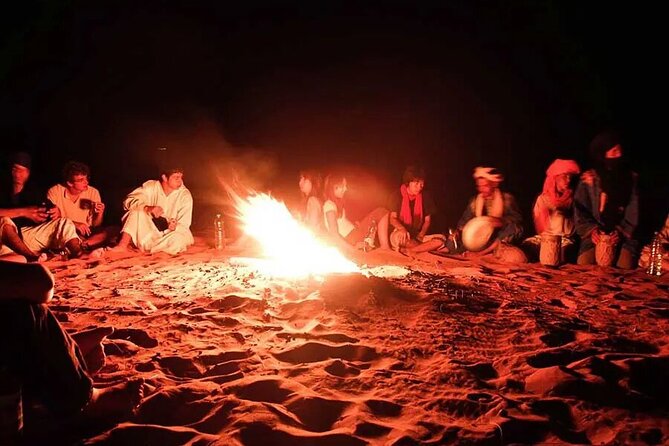
- Sandboarding and the desert camp night: expectations to manage
- Sunrise camel ride and the feeling of arriving twice
- Ouarzazate stop: a short palate cleanser on the way back
- Price and value: is $145.39 a good deal for this route?
- Comfort, guide quality, and small-group reality (max 17)
- Who this tour is best for
- Booking checklist: what to decide before you go
- Should you book this Marrakech to Merzouga tour?
- FAQ
- What time does the tour start?
- Where does the tour start and end?
- Is pickup included?
- How many people are in the group?
- What’s included in the price?
- Is lunch included?
- Do I need to pay extra for the Ait Ben Haddou guide?
- What activities happen in Merzouga?
- Are there any fixed stop times on the itinerary?
- What’s the cancellation policy?
Key highlights to know before you go
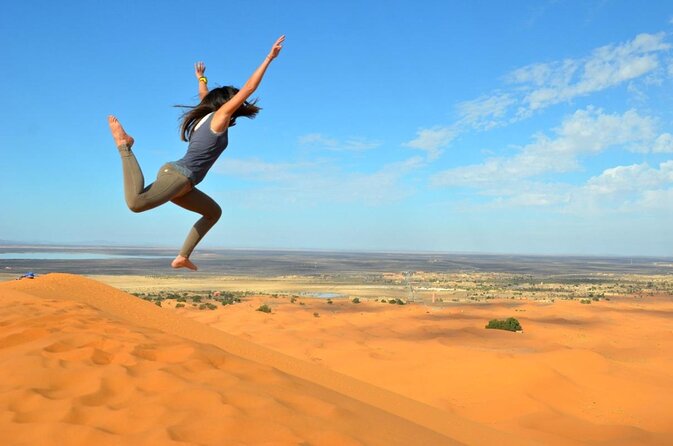
- Two camel rides, not just one: sunset and sunrise each included
- Erg Chebbi sandboarding: included so you can skip the extras hunt
- UNESCO Ait Ben Haddou time on-site: plus an optional Kasbah guide add-on
- Tinghir Oasis walking tour with a local guide: built into the schedule
- Small group cap (max 17): easier than the mega-bus feel
- Quality can depend on the guide and camp setup: ask questions if you’re picky about comfort
Marrakech to Merzouga in 3 days: what you’re really signing up for
This tour is built for one main goal: getting you from Marrakech to the Sahara fast enough to enjoy it, without turning the days into a blur of constant driving with zero story. The itinerary moves in a clear line: mountain sights, Ait Ben Haddou (the famous mud-brick kasbah), green-and-farm life in Tinghir, the dramatic Todra canyon, and then the Erg Chebbi dunes.
You’ll cover a lot of ground, and that’s the trade-off. The schedule is packed with stops you can walk through, take photos, and actually look around. The payoff is you won’t just arrive at Merzouga at sunset and leave the next morning—you’ll experience camel rides across both ends of the day, plus sandboarding on the dunes.
You also get a small-group setup (max 17) and air-conditioned transport, which matters when you’re traveling across hot, open stretches.
A few more Marrakech tours and experiences worth a look
High Atlas Mountains: short breaks that keep the day comfortable
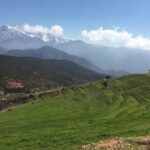
On Day 1, the High Atlas Mountains are where your trip starts to feel like more than a straight transfer. You’ll stop at various points for about 10 minutes to stretch your legs, snap photos, and take in the views.
These short stops are smart for two reasons. First, they break the early travel up before you’ve fully settled into the rhythm of the tour. Second, even if you’re not a big “viewpoint” person, a quick walk-and-breathe moment helps the rest of the day feel less rushed.
Practical tip: bring sunglasses and something for the wind. Mountain air can be bright and changeable, and a quick stop still means you’ll be standing around for photos.
Ait Ben Haddou kasbah: UNESCO views plus an optional local guide
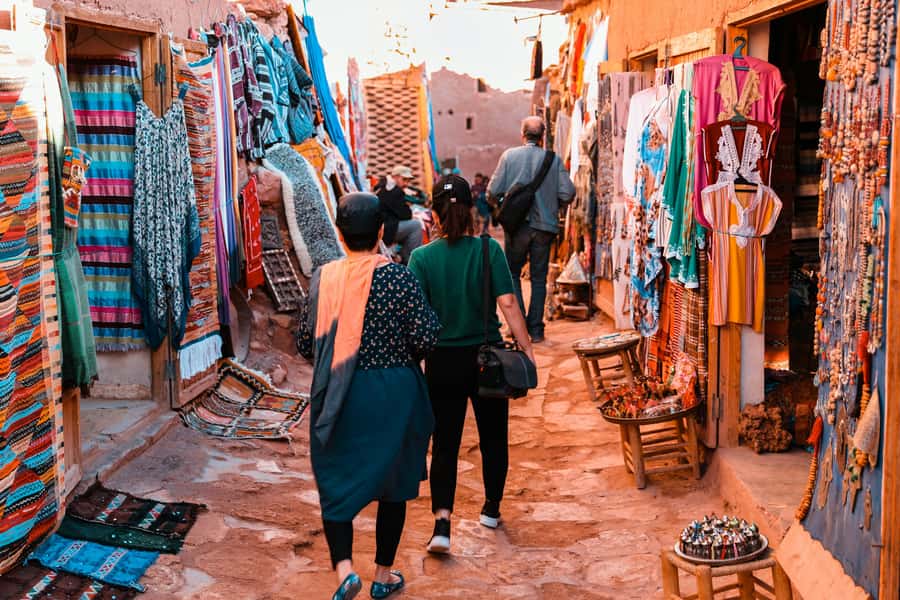
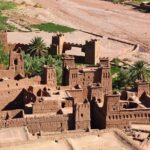
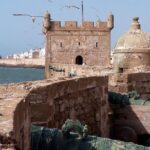
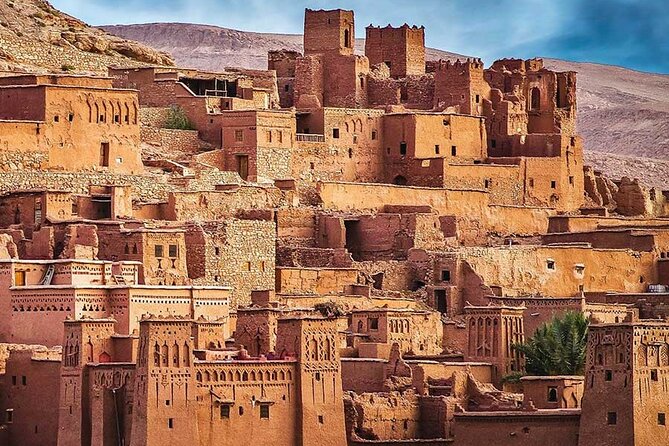
Kasbah Ait Ben Haddou is the day’s big cultural anchor. After arrival, you meet a local guide for a 2-hour guided visit. This UNESCO mud-brick fortified village is famous for its film settings, including major productions like Gladiator and Game of Thrones. You’ll move through tight alleyways, climb to higher views, and see the Ounila River valley stretching out around the kasbah area.
Here’s the key value: the visit isn’t only about looking at buildings. You get context—how the place is laid out, why it looks the way it does, and how people live or lived around these walls.
One practical note: the Kasbah guide is marked optional (around 3 EUR per person). If you want more than “here’s the view,” it’s worth considering. Even if your group guide elsewhere is strong, this is the one site where local storytelling can make the mud-brick details feel personal instead of purely scenic.
Lunch is at your own pace after the guided portion, and that flexibility can be helpful if you want something simple before the long road toward Merzouga.
Tinghir Oasis walk and Todra canyon: the best contrast day
Day 2 is where the scenery changes fast. The best part is that the tour doesn’t send you straight into sand immediately—it gives you a “desert edge” day with two very different natural stops.
Tinghir Oasis (guided walking tour)
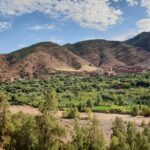
You get a 1-hour walking tour with a local guide in Tinghir Oasis, focusing on palm groves and ancient irrigation systems. This stop is calmer than the kasbah and sand dunes, and it teaches you the human side of arid Morocco: how farming and water management make life possible in a place that looks dry on maps.
Even though the walk is guided, the timing is short enough that you won’t feel trapped. It’s a good way to stretch your legs without burning half the day.
Todra River and Todgha Canyons (easy walk time)
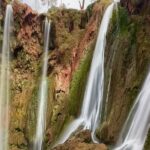
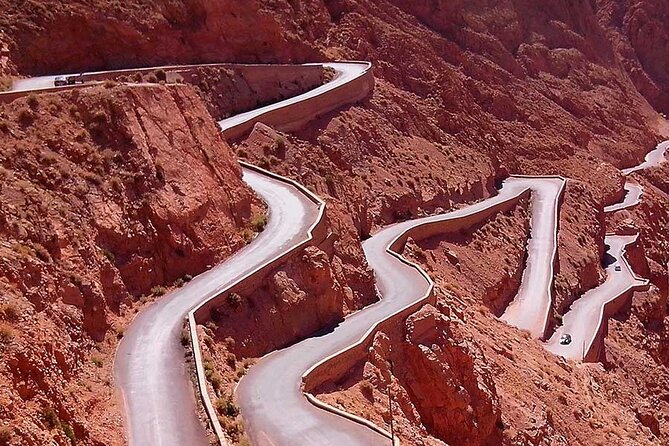
Next comes Todgha Canyons, with a 30-minute stroll. The Todra River cuts through the area and leaves behind towering rust-colored canyon walls, with cooler breezes and the kind of “vertical view” that makes photos look dramatic even if you’re not trying.
This is also the day where you can feel the shift toward the dunes. If you’re someone who worries about desert fatigue—too much heat, too much sand—Todra is a nice middle step: still wild and scenic, but not yet the big dune climb.
Erg Chebbi at sunset: camel rides that matter more than you think
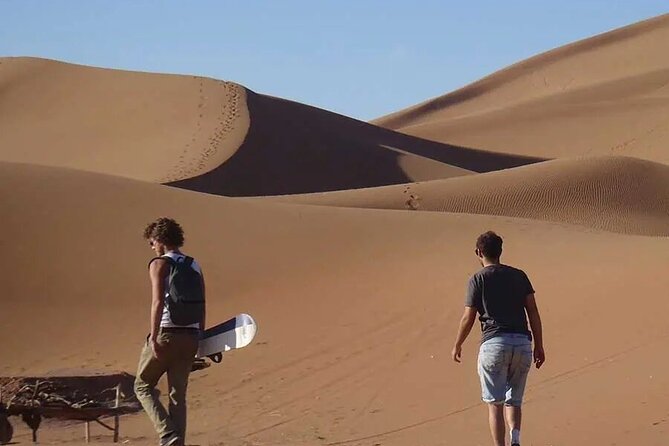
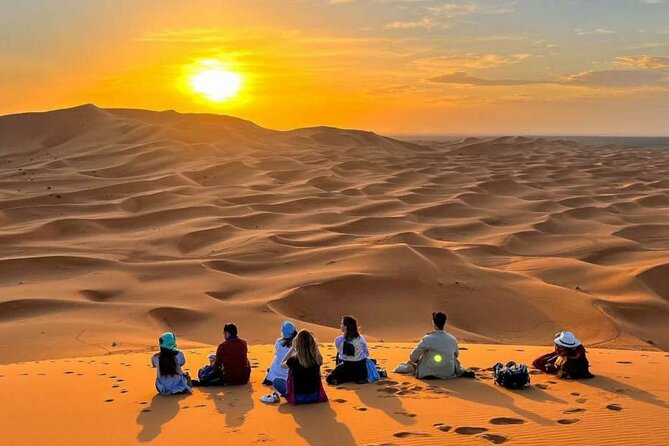
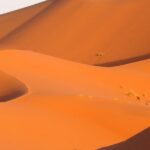
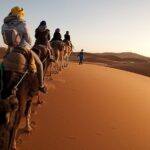
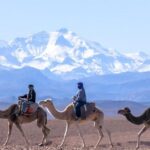
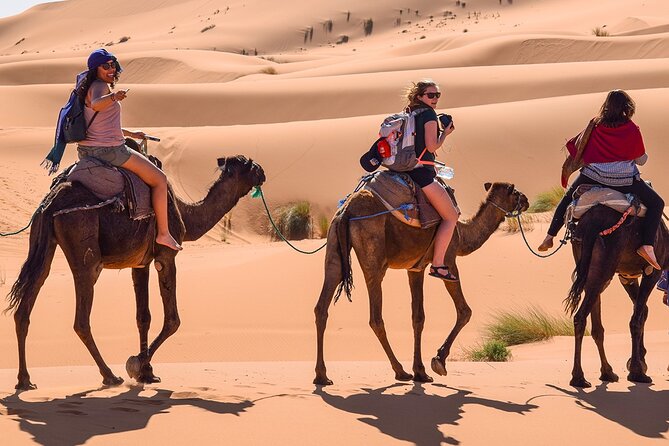
When you reach Merzouga, you’re not just dropped off. You start with the sunset camel ride (about 1 hour) in the Erg Chebbi dunes.
A lot of desert experiences do the bare minimum here: mount, ride a short way, get off, end. This one gives you time to feel the motion and watch the light change as the sun drops. You’ll ride across golden dunes as the sky warms up, which is exactly when the desert looks most photogenic—and when it’s easiest on your eyes.
If you’ve ever ridden a camel before, you’ll know the biggest variable is your own comfort. If you’re sensitive to sitting for any length of time, wear comfortable long pants and plan for a little uneven footing. Bring a scarf for dust and sun.
Sandboarding and the desert camp night: expectations to manage
The itinerary includes sandboarding, which is a highlight for many people because it’s active, quick, and very Morocco. You’ll also have included meals during your desert stay, with dinner (2) and breakfast (2) listed as part of the package.
A quick word on the “camp” part: desert camp experiences can vary in feel. Some people love the night sky and the whole ritual of eating by lantern light, while others can feel disappointed if comfort or setup doesn’t match what they personally expect. If you’re the type who cares about room comfort, bathroom arrangement, or the overall camp vibe, ask what’s included before you pay for upgrades.
Also, pack like you’ll be in the desert day-to-night cycle: warm layer for evening, and something to protect from dust. Even when the days are hot, evenings near the dunes can feel chilly.
Sunrise camel ride and the feeling of arriving twice
Day 3 starts with another camel ride at sunrise (about 1 hour). This matters because sunrise in the dunes is a different planet than sunset. The colors are softer, the air feels calmer, and the light makes the dunes look more sculpted than dramatic.
If you’re wondering whether you need both rides: I think this is the smartest part of the tour. One ride can feel like a one-time show. Two rides turn it into a small arc, like you’re seeing the desert wake up and then go back to sleep.
After that, you begin the return portion of the itinerary.
Ouarzazate stop: a short palate cleanser on the way back
You’ll make a brief 30-minute stop in Ouarzazate on the way back. It’s not positioned as a long exploration day, but it gives you time to walk a bit through the town, see traditional Moroccan architecture, and glance at local markets.
This stop is most useful if you like breaking long travel with small “stretch breaks.” If you’re hungry, it can also be a chance to grab something quick before you settle back into the final driving segment.
Then the tour ends back at the meeting point.
Price and value: is $145.39 a good deal for this route?
At $145.39 per person, this is priced like a true package that tries to include the big-ticket items: transport, two camel rides, sandboarding, and meals (listed as two dinners and two breakfasts), plus a local guide for Tinghir Oasis.
Here’s how I think about value in practical terms:
- You’re paying for distance and timing: Marrakech to Merzouga is far. The tour’s job is to move you efficiently while still giving you real stops.
- You’re paying for included activities: sandboarding and the two camel rides remove the guesswork about add-ons.
- You’re paying for shared logistics: small group size (max 17) helps, but you’re still riding together, which affects comfort.
Where value can wobble is in two places. First, optional items and lunches aren’t included, including the Kasbah Ait Ben Haddou guide add-on and lunches along the way. Second, if you dislike shared-vehicle time, a group format can feel like more bus than you expected.
If you want maximum comfort and minimum road time, you’d normally look at a private or more customized option. But for a mixed-sights desert itinerary, this price often makes sense.
Comfort, guide quality, and small-group reality (max 17)
This tour runs with a small-group cap of 17 travelers, and that’s a plus. It’s big enough to feel social, but not so huge that you’re completely lost in a crowd.
The biggest variable you’ll feel is the guide/driver. In the feedback I’ve seen, people consistently praised drivers who felt attentive, safe, and fun. Names that come up include Marwan, Lahcen, Monsef, Hassen, and Abdessamad. That kind of guide can turn a long travel day into something you actually look forward to.
Still, one caution: on shared group tours, you might end up shoulder-to-shoulder with others, and AC performance can vary on the road. If you’re sensitive to heat or being squeezed, plan around it with light layers and patience.
Who this tour is best for
This is a strong fit if you want:
- A first-time Sahara experience with the classic checklist (camel rides, Erg Chebbi dunes, sandboarding)
- Culture + nature rather than only desert photos
- A manageable level of guidance: a local guide where it matters (Tinghir), plus access to Ait Ben Haddou’s site experience
- A trip that’s mostly one continuous story line from Marrakech outward and back
It’s not the best fit if you:
- Hate long driving days and want minimal time on the vehicle
- Are extremely picky about desert camp comfort (because camp setups can differ)
- Need lots of free time for independent exploring between stops
Booking checklist: what to decide before you go
A few quick decisions can protect your trip from disappointment:
- Decide whether you want the Kasbah guide add-on at Ait Ben Haddou. If you like context, it’s the one optional component I’d consider most.
- Plan for dust and temperature changes: scarf and a warm layer are not optional if you’ll be out at night and early morning.
- Bring cash for lunches since lunches aren’t included.
- Ask about desert camp setup if you care about comfort details. The tour includes dinner and breakfast, but setup expectations can vary person to person.
Should you book this Marrakech to Merzouga tour?
If you want a classic, efficient 3-day path into the Sahara without spending extra time planning, I’d say this is a solid choice. The combination of Ait Ben Haddou, Tinghir and Todra, then Erg Chebbi with two camel rides and sandboarding is exactly what most people are looking for when they book.
I’d only hold back if you’re extremely time-sensitive about bus comfort or you know your desert camp expectations are high in specific ways. In that case, consider either a private option or message ahead to clarify what the desert night experience includes for your comfort level.
FAQ
What time does the tour start?
The meeting time is 7:30 am at the Hôtel Restaurant Café de France in Marrakech.
Where does the tour start and end?
It starts at the Hôtel Restaurant Café de France (Rue des Banques, Medina area) and ends back at the same meeting point.
Is pickup included?
Yes, pickup is offered.
How many people are in the group?
The tour has a maximum group size of 17 travelers.
What’s included in the price?
Included items listed are an air-conditioned vehicle, sunset and sunrise camel rides (1 hour each), a local guide in Tinghir Oasis, sandboarding, and meals (dinner (2) and breakfast (2)).
Is lunch included?
No. Lunches on the way are not included.
Do I need to pay extra for the Ait Ben Haddou guide?
A local guide in Kasbah Ait Ben Haddou is optional and listed at about 3 EUR per person.
What activities happen in Merzouga?
In Merzouga/Erg Chebbi you’ll have a sunset camel ride and the tour includes sandboarding. You also have a sunrise camel ride on Day 3.
Are there any fixed stop times on the itinerary?
Yes. Examples include 10 minutes for High Atlas photo/scenery breaks, 2 hours at Ait Ben Haddou, 1 hour for the Tinghir Oasis walk, 30 minutes at Todgha Canyons, and 30 minutes in Ouarzazate.
What’s the cancellation policy?
You can cancel for a full refund up to 24 hours before the experience’s start time. Changes inside that window aren’t accepted.